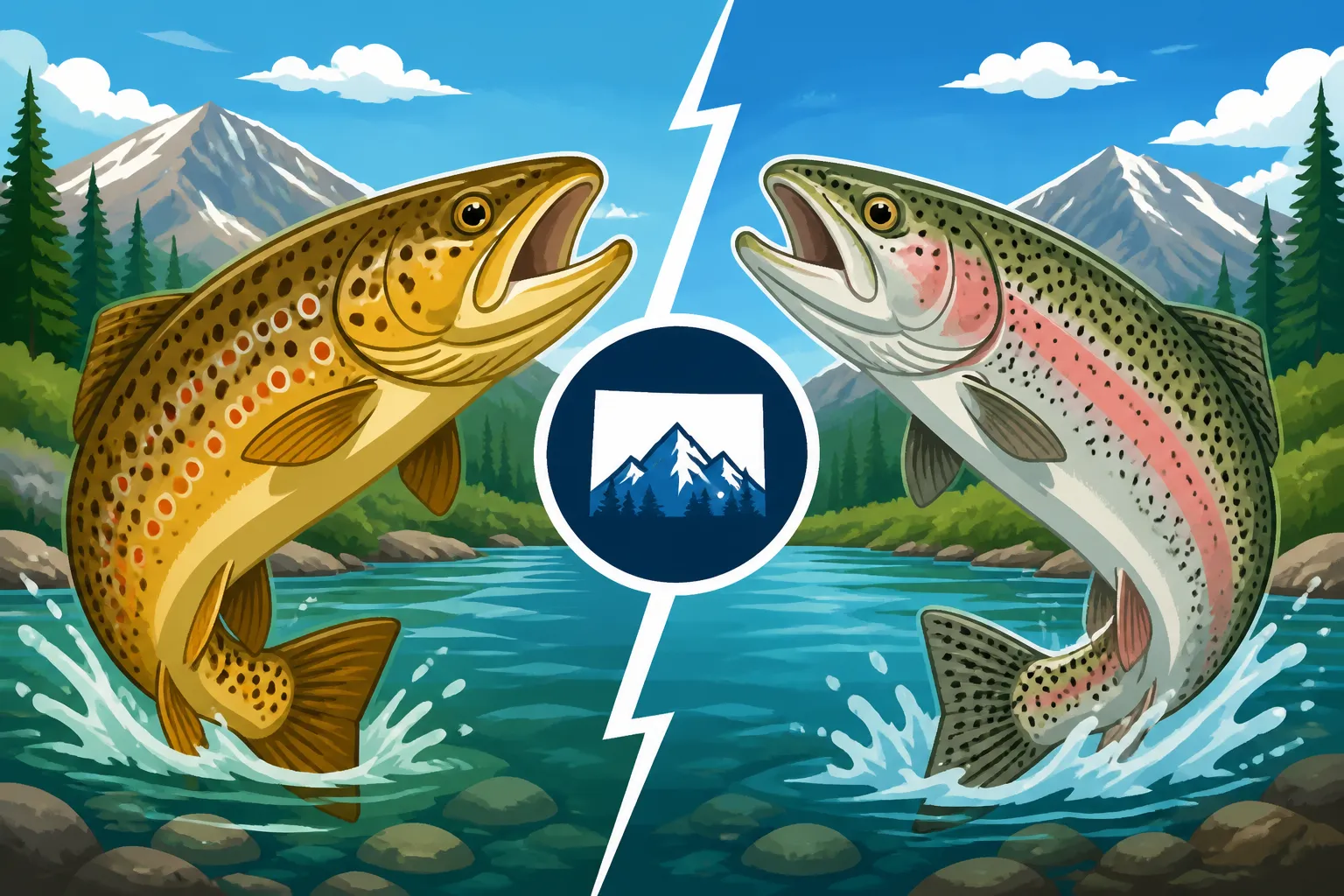
Do Brown Trout Get Bigger Than Rainbow Trout in Colorado?
It's a question every angler in Colorado has probably pondered at some point, staring into a river or lake, wondering which of these magnificent trout species truly holds the bragging rights for size. You've heard the stories of monster brown trout lurking in deep pools, but you've also seen some absolute hog rainbows pulled from our prolific waters. The truth is, both brown trout and rainbow trout in Colorado can grow to impressive sizes, but there are some distinct biological and environmental factors that often lead one species to outweigh the other when it comes to truly giant specimens. This guide will explore those differences and give you a clearer picture of what to expect when you hook into a true Colorado lunker.
Understanding the Growth Potential of Brown vs. Rainbow Trout
When we talk about which fish gets "bigger," we're often looking at a combination of inherent genetic potential and the environmental conditions that allow that potential to be realized. Both brown and rainbow trout are robust species, but their natural tendencies and how they interact with Colorado's diverse ecosystems play a huge role in their ultimate size.
Inherent Differences in Lifespan and Metabolism
Brown trout ( Salmo trutta ) are often characterized by their longer lifespans compared to rainbow trout (Oncorhynchus mykiss). A longer life naturally provides more time for a fish to grow, accumulate biomass, and reach a larger size. While a rainbow trout might hit its peak growth relatively quickly in an ideal environment, a brown trout, given the right conditions, can continue to grow steadily for many more years. This extended lifespan is a major contributing factor to why truly colossal brown trout often tip the scales heavier.
Another factor is their metabolic rate. While both are coldwater species, there can be subtle differences in how efficiently they convert food into growth, which can impact their maximum size over time. Brown trout, particularly the larger, more predatory ones, can be incredibly efficient at growing large on a diet of other fish, which we'll dive into more shortly. This isn't to say rainbows can't get big; they absolutely can, especially in nutrient-rich stillwaters or tailwaters with abundant insect life. But the upper echelon of size often leans towards the brown trout due to this combination of longevity and a robust growth strategy.
The Role of Genetics and Environment
Even within the same species, genetics play a role. Some strains of rainbow trout, like certain hatchery-raised varieties, are bred for fast growth and large size, but they are often harvested before reaching their full potential. Wild brown trout, on the other hand, often live in more remote, less fished areas, giving them the solitude and time to mature into true giants. The environment is paramount: a small, nutrient-poor mountain stream will only support small fish, regardless of species. Conversely, a rich, fertile reservoir with a good food base can produce large fish of both species.
However, in many of Colorado's famous trout fisheries, especially the gold medal waters, brown trout often have the edge in reaching truly exceptional sizes. This is largely due to their opportunistic feeding habits and their ability to become apex predators in their environment.
Habitat Preferences and Their Impact on Size in Colorado
Where a trout chooses to live, and what that habitat offers, is critical to its growth. In Colorado, the vast array of waters, from high-country lakes to sprawling reservoirs and renowned rivers, presents different opportunities for brown and rainbow trout to bulk up.
Tailwaters and Freestone Rivers: Different Growth Dynamics
Colorado's tailwaters, those stretches of river directly below dams, are famous for producing large trout. These waters often have consistent cold temperatures and an incredibly rich invertebrate food base year-round. Here, both brown and rainbow trout can grow exceptionally well. Rainbows, in particular, thrive on the abundant insect hatches and consistent flows, becoming plump and powerful fish. Colorado's Gold Medal Water Regulations Explained are often found on these very productive stretches.
However, in many freestone rivers (rivers not directly influenced by a dam), brown trout often have a distinct advantage in reaching larger sizes. They are master ambush predators, adept at finding deep, structure-rich pools and undercut banks where they can hide and wait for prey. Rainbows, while also using structure, tend to be more active feeders in faster currents, keying in on drifting insects. This difference in hunting style becomes critical as fish grow larger.
Consider a section of the Arkansas River. You'll find plenty of healthy rainbow trout, especially in the pocket water, but those truly massive, old brown trout often reside in the deepest, darkest pools, rarely showing themselves until they decide to ambush something substantial. This preference for prime, often hidden, predatory lies helps brown trout avoid anglers and grow unchecked.
Reservoirs and Lakes: Where Both Can Shine, But Browns Still Edge Out
Colorado's numerous reservoirs and high-country lakes can also produce impressive trout. Stocked rainbow trout are a staple in many of these waters, providing consistent fishing opportunities, and some can certainly get big by feeding on smaller fish or abundant zooplankton. You might find a great deal on fishing gear like larger spoons or soft plastics for reservoir fishing on Amazon if you're targeting these bigger fish.
However, many of Colorado's largest recorded brown trout, and even some of the biggest rainbows, come from our larger, deeper reservoirs where they have ample space, a long growing season, and often, a forage base of smaller fish. Waters like Blue Mesa Reservoir or Eleven Mile Reservoir are known for their trophy potential.
In these larger bodies of water, brown trout have a real opportunity to switch from an insect-based diet to a piscivorous (fish-eating) diet. Once a brown trout starts regularly preying on smaller kokanee salmon, suckers, or other baitfish, its growth rate can explode. This dietary shift is less common for rainbows, which typically remain insectivores or zooplankton feeders for longer, even if they're opportunistically eating smaller fish.
| Feature | Brown Trout (Colorado) | Rainbow Trout (Colorado) |
|---|---|---|
| Typical Max Size | 20-30 inches, occasional 30+ inch monsters | 18-25 inches, occasional 25+ inch giants |
| State Record | Often significantly larger than rainbow record | Impressive, but generally less than brown trout record |
| Lifespan | Longer, often 5-10+ years in ideal conditions | Shorter, typically 3-7 years |
| Primary Diet (Large) | Other fish (piscivorous), large insects, mice | Insects, zooplankton, pellets (if stocked), small fish |
| Preferred Habitat | Deep pools, undercut banks, woody debris, low light | Riffles, runs, open water, areas with consistent flow/food |
| Growth Driver | Longevity, predatory feeding, wary behavior | Abundant food, consistent conditions, often hatchery support |
| Wild vs. Stocked | Often wild, self-sustaining populations | Frequently stocked, though wild populations exist in some areas |
Diet, Behavior, and Angling Tactics for Trophy Trout
The quest for a truly massive trout often boils down to understanding what they eat and how they behave, especially when comparing brown and rainbow trout. These differences profoundly influence their potential size and, consequently, how anglers target them.
The Predatory Appetite of Brown Trout
As brown trout mature and grow, especially past the 16-18 inch mark, many begin to switch their primary diet from insects to other fish. This dietary shift is a game-changer for their growth potential. Eating smaller fish provides a much higher caloric intake, allowing them to pack on pounds and length at a faster rate than if they were relying solely on aquatic insects. What Brown Trout Eat as They Get Larger is a key factor here. They become opportunistic predators, ambushing unsuspecting baitfish, sculpins, dace, and even small trout. There are documented cases of large brown trout eating rodents or small birds that fall into the water!
This predatory nature means that if you're specifically targeting a trophy-sized fish, especially a brown, you'll often need to adapt your techniques. Forget tiny dry flies; think large streamer patterns, articulated flies that imitate baitfish, or even fishing with larger spin fishing lures. Anglers often find success with larger Rapalas or PowerBait, available on Amazon, when targeting these monsters in stillwaters. This requires patience, but the reward of hooking into a truly massive brown trout is unparalleled.
The Diverse Palate of Rainbow Trout
Rainbow trout, while certainly opportunistic, tend to maintain a more insect-focused diet throughout their lives, even as they grow larger. They are masters at feeding on prolific hatches of mayflies, caddis, and stoneflies, especially in nutrient-rich tailwaters. This consistent, high-volume insect consumption allows them to grow fat and healthy, but it typically doesn't provide the same rapid growth spurts that a fish-based diet offers to a brown trout.
In stillwaters, rainbows might feed heavily on zooplankton, leeches, or chironomids. They are also the primary species stocked by Colorado Parks and Wildlife (CPW) into many lakes and ponds, where they grow quickly on pellets and readily take various baits. These stocked rainbows often provide fantastic sport and can reach respectable sizes, but the truly enormous "tiger trout" or "brown town" browns are often in a different league. Rainbow Trout in Colorado, Where They're Stocked is a common practice to support angling opportunities.
Behavioral Tendencies and Angler Success
Brown trout are notoriously wary and elusive. They are often most active during low-light conditions—dawn, dusk, or even at night—and prefer to hide in deep, dark cover during the day. This reclusive behavior, combined with their incredible strength, makes them a challenging but rewarding quarry for anglers. They're much less likely to be caught repeatedly, giving them more time to grow. This is why when you hook a really big brown, it often feels like an ancient, wise fish that's seen it all.
Rainbow trout, particularly those in stocked or heavily fished waters, can be more aggressive and less wary. They are often willing to chase down a fly or lure in brighter conditions and are typically found in more open water or feeding lanes. While incredibly fun to catch, this means they're often caught and harvested more frequently, reducing their chances of reaching those truly gargantuan sizes.
So, when you consider all these factors—lifespan, predatory diet, habitat preferences, and behavioral tendencies—it becomes clear why, on average, brown trout in Colorado often achieve larger sizes and hold the state records for sheer weight and length compared to rainbow trout. If you're looking for that fish of a lifetime, don't forget to pack those big streamers and hunt for those hidden brown trout haunts.
The Influence of Stocking and Management Practices
Colorado Parks and Wildlife (CPW) plays a significant role in shaping our fisheries, and their stocking and management practices can directly impact the size potential of both brown and rainbow trout in our waters. Understanding these efforts helps explain why one species might dominate the trophy scene over the other in certain areas.
Rainbow Trout: The Workhorse of Colorado's Stocking Program
Rainbow trout are the backbone of Colorado's recreational fishing program. CPW annually stocks millions of rainbow trout into lakes, reservoirs, and rivers across the state. These fish are typically raised in hatcheries and released at a catchable size, often 10-12 inches, or as fingerlings to grow out in larger waters. The goal is to provide abundant angling opportunities for the public. Colorado's Trout Species, A Field Guide confirms just how widespread rainbows are.
Because so many rainbows are stocked and are relatively easy to catch, they often don't have the opportunity to live long enough to reach truly immense sizes. They're caught and kept by anglers, which is exactly what the stocking program is designed for. While a stocked rainbow released into a highly productive tailwater or a large reservoir with an excellent food source can grow very large, the sheer numbers and harvest rates mean that consistently catching a 25-inch-plus rainbow is less common than finding a brown of similar size in specific trophy waters.
Some waters are managed for "trophy rainbow" fisheries, often with restrictive regulations like catch-and-release or specific length limits to allow these fish to grow. However, even in these scenarios, the growth rate is often tied to the abundance of insects or small baitfish.
Brown Trout: The Wild Card and the Ultimate Survivor
Brown trout, on the other hand, are less frequently stocked by CPW, especially into rivers. Many of Colorado's brown trout populations are wild and self-sustaining, meaning they reproduce naturally in the rivers and streams. This means they are subject to natural selection, and only the hardiest, most elusive, and often fastest-growing individuals survive to old age. Brown Trout in Colorado, Where They're Wild are a testament to this resilience.
The wild nature of brown trout plays directly into their trophy potential. They've learned to avoid predators (including anglers), find the best feeding lies, and leverage their predatory instincts to grow large. In waters where they are wild, they are competing with nature, not necessarily with a constant influx of easily catchable stocked fish. This gives them the edge in terms of both survival and reaching an older, larger size.
CPW's management for brown trout often involves maintaining healthy habitat, protecting spawning areas, and setting regulations that support sustainable populations. For example, some Gold Medal Waters might have specific regulations to protect larger brown trout, encouraging their growth and ensuring they continue to be a draw for anglers seeking true trophies.
Regulations and Bag Limits
Fishing regulations also play a crucial role. For instance, Colorado Fishing Season Dates and Bag Limits can influence how many fish are removed from a system. In some waters, daily bag limits might be more restrictive for specific species or sizes to protect larger fish. Where brown trout are allowed to grow to massive sizes, it's often because regulations, combined with their wary nature, allow them to live for many years.
Consider a scenario where a river has a strict catch-and-release policy for all trout. In such a water, both rainbows and browns have the potential to grow large. However, even then, the inherent predatory nature and longer lifespan of the brown trout often mean that, given enough time, the truly colossal fish will more frequently be a brown.
Ultimately, while both species are incredible game fish that contribute immensely to Colorado's angling scene, the combination of brown trout's inherent biology (longer lifespan, predatory diet) and the way CPW manages our fisheries (heavy stocking of rainbows vs. wild brown populations) means that if you're chasing the absolute biggest trout in Colorado, your best bet for a true monster will often be a brown trout. You might need specialized gear, perhaps a heavy-duty rod and reel combo that you found on Amazon, to tackle these river monsters.
Strategies for Finding and Catching Colorado's Biggest Trout
Knowing that brown trout generally have the edge in reaching larger sizes in Colorado doesn't mean you can't catch a trophy rainbow, or that all browns are giants. It simply helps to focus your efforts and adapt your approach if a true lunker is your goal.
Targeting Trophy Brown Trout
If you're dead set on hooking into a truly massive brown trout, you'll need to think like a predator yourself. These fish are not typically found in the fast, open runs where smaller, more active trout feed. Instead, they seek out prime lies that offer concealment, protection, and ambush points.
- Look for Structure: Deep pools, large boulders, submerged logs, undercut banks, and overhanging vegetation are all prime spots for big browns. They want to be hidden from overhead predators and have a place to dart out and grab passing prey.
- Fish Low-Light Conditions: Big browns are often most active at dawn, dusk, or even throughout the night, especially during the warmer months. This is when they feel safest to venture out from cover and hunt larger prey. Night fishing with streamers or mice patterns can be incredibly effective for these nocturnal giants.
- Go Big with Your Lures and Flies: Leave the tiny dry flies at home. For trophy browns, you'll want to throw larger streamers, articulated patterns that imitate baitfish (like sculpins or dace), or even large terrestrial patterns like mouse imitations. Spin fishermen will have success with larger jerkbaits, spoons, or heavy jigs. Streamer Fishing for Colorado Brown Trout is a highly effective tactic.
- Patience and Stealth: Big browns didn't get big by being foolish. Approach suspected lies carefully, minimize your silhouette, and be prepared to make many casts into a promising spot. They often won't move far to eat, so getting your offering right into their strike zone is crucial.
You'll often find anglers targeting these behemoths with specialized gear designed for big fish, including heavier rods and reels, and stronger leader material. Many of these specialized items, from durable waders to heavy fly lines, are readily available on Amazon.
Hunting for Big Rainbow Trout
While browns might hold the overall size record, don't underestimate the trophy potential of a Colorado rainbow. In certain specific environments, rainbows can grow exceptionally large.
- Productive Tailwaters: Rivers like the Fryingpan or the Blue River below Dillon Reservoir are known for their consistently large rainbow trout. The abundant insect life and stable water temperatures create an ideal environment for rainbows to thrive. Here, nymphing techniques, often with complex rigs, are incredibly effective. Nymphing Techniques for Colorado Tailwaters can help you refine your approach.
- Deep, Rich Reservoirs: Waters like Blue Mesa Reservoir, Eleven Mile, or Spinney Mountain Reservoir can produce rainbows that grow large on a diet of zooplankton and smaller fish. Trolling with downriggers and specific lures or bait can be key in these waters.
- Targeting Spawning Runs: While care must be taken to not disturb spawning fish, rainbow trout often concentrate and become very active before and after their spring spawning season, making them accessible to anglers.
- Focus on Consistency: For rainbows, it's often about consistency of food rather than a specific predatory shift. They'll eat smaller insects, leeches, or even corn and PowerBait in stocked lakes. Finding waters with a consistently rich food source is key.
Regardless of which species you're targeting, always remember to practice ethical angling. Handle fish gently, especially those larger ones, and minimize their time out of water if you're practicing catch and release. This ensures these magnificent fish can continue to grow and provide excitement for future anglers. Knowing Colorado Fishing Regulations Every Angler Should Know is also paramount to ensure you're fishing legally and sustainably.
Disclaimer
This article is for general informational purposes only and does not constitute professional advice. Laws, prices and regulations vary by location and change over time. Consult a qualified professional for guidance on your specific situation.