Where to Find Wild Brown Trout in Colorado
There's a special kind of magic that draws us anglers to Colorado's wild brown trout. They're elusive, smart, and notoriously beautiful, often holding in secret spots, making the hunt both thrilling and, let's be honest, sometimes a little maddening. If you've spent countless hours trying to decipher where these wily fish hide or felt the sting of coming up empty-handed after a long day, you're certainly not alone. This guide is here to shed some light on the best places in Colorado to chase after those truly wild brown trout, helping you understand their haunts and increasing your chances of that unforgettable catch.
Understanding What Makes a River a Wild Brown Trout Haven
Before we dive into specific locations, let's talk a little bit about what makes a stretch of river or a particular stream ideal for wild brown trout. These aren't your hatchery-raised stockers, content to just sit there and wait for an easy meal. Wild browns have adapted to survive and thrive in their natural environment, and that means they look for very specific conditions. It’s all about instinct, survival, and finding a good home.
The Ideal Habitat for Wild Browns
Wild brown trout crave cold, clear, and well-oxygenated water, just like their rainbow and cutthroat cousins. But browns often show a particular fondness for structure. Think deep pools with undercut banks, large submerged boulders, fallen trees, and complex riffle-to-pool transitions. These features provide excellent cover from predators, strong currents, and harsh sunlight. They also create prime ambush points where a brown can dart out and snatch an unsuspecting nymph or baitfish. A river with a diverse bottom — a mix of rocks, gravel, and sand — will support a healthy insect population, which is crucial for a thriving wild trout ecosystem. What Makes a River a Wild Trout Water in Colorado goes into even more detail on these environmental factors.
Another key characteristic is a stable food supply. Wild browns are opportunistic feeders, consuming everything from aquatic insects and their larvae to small fish, crawfish, and even mice or frogs that might tumble into the water. Rivers with consistent flows, healthy riparian zones (the vegetation along the banks), and a robust macroinvertebrate community are essentially five-star restaurants for these fish. If a river is prone to extreme fluctuations in water levels due to irrigation or hydropower releases, it can make it much harder for wild populations to establish themselves and grow.
How Wild Browns Differ From Stocked Fish
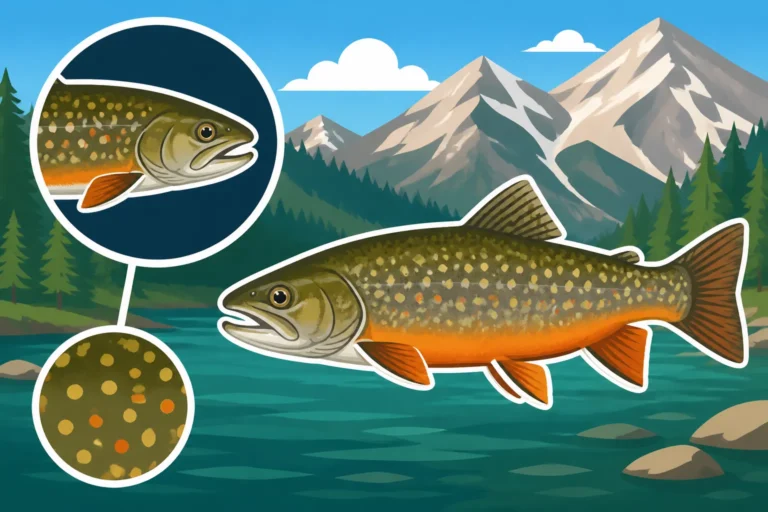
You can often tell a wild brown trout from a stocked one just by looking. Wild fish tend to be sleeker, more torpedo-shaped, with fins that are perfectly formed and undamaged. Their coloration is usually more vibrant and camouflaged, reflecting the specific tones of their river bottom, from golden olive to deep bronze with distinct red and black spots, often ringed in a lighter halo. Stocked fish, on the other hand, might have worn fins or a paler, more uniform color due to their time in concrete raceways.
Beyond appearance, their behavior is a dead giveaway. Wild browns are incredibly wary. They've learned to avoid predators – birds, otters, and yes, even anglers. They're often spooked by shadows, vibrations on the bank, or a clumsy cast. Catching a truly wild brown trout isn't just about finding them; it's about approaching them with stealth and presenting your fly or lure with precision, making it a much more rewarding challenge. This inherent wariness is why many anglers cherish the experience of hooking a wild fish.
Key River Systems and Their Wild Brown Trout Haunts
Colorado is blessed with countless miles of trout streams, but some stand out as true bastions of wild brown trout. These are the places where the fish have established self-sustaining populations, often for generations, without reliance on stocking programs.
The South Platte River System
The South Platte River, particularly its Gold Medal Water stretches, is legendary for its wild brown trout. From Cheesman Canyon down through Deckers and even into the Boxwood Gulch private waters, this river is a masterclass in challenging, rewarding brown trout fishing. The fish here are highly educated, often huge, and demand respect. In Fishing the South Platte Near Deckers, you'll learn more about accessing this popular area.
- Cheesman Canyon: This rugged canyon section, accessible via a challenging hike, rewards persistent anglers with magnificent wild browns. The deep pools, dramatic rock formations, and pocket water provide ideal habitat. These fish grow large here, feasting on a rich buffet of midges, blue-wing olives, and larger stoneflies. Success here often means meticulous nymphing, long leaders, and fine tippets, mimicking the natural drift of tiny insects.
- Deckers Area: Below Cheesman Canyon, the river opens up a bit, but still maintains its Gold Medal status. While it sees more pressure, the wild brown trout populations are robust. Look for them in the classic holding lies: under cut banks, behind large rocks, and in the slower seams adjacent to fast currents. Fall is particularly exciting here when larger browns become aggressive, often looking for streamers.
- The Dream Stream: Located between Spinney Mountain Reservoir and Eleven Mile Reservoir, the section known as the "Dream Stream" is a unique fishery. While it's known for massive rainbows and cutthroats that run up from the reservoirs, it also holds a healthy population of wild browns, especially in its deeper channels and brushy banks. Fishing the Dream Stream Between Spinney and Eleven Mile offers a deeper dive into this renowned spot. These browns can be just as hefty and challenging to catch as their anadromous relatives.
The Arkansas River
The Arkansas River, particularly the stretches designated as Gold Medal Water from Buena Vista down to Pueblo, is another phenomenal destination for wild brown trout. This river offers a more freestone experience compared to the South Platte, with varying flows and a diverse ecosystem.
- Buena Vista to Salida: This section is characterized by its powerful currents, large boulders, and a mix of riffles, runs, and deep pools. Wild browns thrive in the oxygen-rich water and abundant insect life. Wade fishing is popular, but be mindful of the strong currents, especially during higher flows. When the water gets lower and clearer in late summer and fall, targeting the larger brown trout with streamers can be incredibly effective, especially around dawn and dusk.
- Browns Canyon National Monument: Flowing through this stunning canyon, the Arkansas here provides some remote and pristine opportunities for wild brown trout. Access can be tougher, often requiring a float trip, but the reward is fewer crowds and truly wild fish that rarely see artificial flies or lures. The challenges of navigating the river here are often outweighed by the pristine wilderness and the quality of the fishing.
The Colorado River
The Colorado River itself, especially its upper sections and certain Gold Medal stretches, is home to fantastic wild brown trout fishing.
- Glenwood Canyon to Kremmling: The section of the Colorado River from Kremmling downstream through Glenwood Canyon is a prime example of a productive wild brown trout fishery. It's a larger river, offering float fishing opportunities in addition to wade access. You'll find strong populations of wild browns holding in the deep runs, eddy lines, and complex seams formed by submerged structure. Fishing from a drift boat or raft allows you to cover more water and access areas that are difficult to reach on foot. Fishing Colorado River From Glenwood Canyon to Kremmling expands on this region.
- The Fraser River: A tributary of the Colorado, the Fraser River near Winter Park, particularly the sections above town and in ranchlands, offers excellent wild brown trout fishing. It's often smaller and more intimate than the main stem of the Colorado, providing classic small-stream experiences. Here, stealth and careful presentations are key, as the fish are often holding in tight quarters and can be easily spooked.
The Gunnison River
The Gunnison River is famed for its trophy trout, and wild browns are a significant part of that equation, especially in the canyon sections.
- Gunnison Gorge and Black Canyon: These rugged, remote sections of the Gunnison River are truly wild places, requiring serious commitment to access, often involving long hikes or a raft trip. The reward? Massive, beautifully colored wild brown trout that are largely unpressured. The fish here are formidable, strong, and truly a testament to untouched wilderness. These are demanding trips, but the scenery alone is worth it, to say nothing of the incredible fishing for truly wild fish. Fishing Colorado's Gunnison River and the Black Canyon provides further details.
- The Taylor River (Below Taylor Park Dam): While known for its enormous "hog" trout that benefit from the dam's outflow, the Taylor also supports wild brown trout populations in its more natural sections. The closer you get to the dam, the more you'll find those massive, often hatchery-influenced fish, but venture further downstream into the freestone sections, and you'll encounter feisty wild browns that are true residents of the river.
Tactics for Finding and Catching Wild Brown Trout
Finding wild brown trout is one thing; actually getting them to bite is another challenge entirely. These fish are survivors, not pushovers. But with the right approach and a bit of patience, you can unlock the secrets to their success.
Reading the Water Like a Pro
Wild brown trout are masters of efficiency. They want to expend the least amount of energy for the most food. This means they'll position themselves in places where food is abundant and easily accessible, but where they also have protection from predators and strong currents.
- Undercut Banks and Overhanging Vegetation: These are absolute gold mines. The bank provides overhead cover, deep water, and a perfect ambush point for insects or small fish drifting by. Approach these spots with extreme caution, staying low and casting from a distance to avoid spooking the fish.
- Large Boulders and Submerged Logs: Any substantial structure in the water creates current breaks and eddies, offering trout a place to rest out of the main flow while still having food delivered to them. Fish the seams directly in front, behind, and to the sides of these structures. Don't be afraid to get your fly or lure right up against the obstacle.
- Deep Pools: Especially in freestone rivers, deep pools offer thermal refuge in summer and winter, and safety from aerial predators. Often, the biggest browns will hold in the deepest, darkest parts of these pools. Getting your presentation down to their level is crucial here. Consider using weighted flies or additional split shot if nymphing.
- Tailouts and Riffle Transitions: The tailout of a pool, where the water shallows and speeds up into a riffle, can be very productive. Trout will often sit here, waiting for food to wash into the pool. Similarly, the head of a pool, where a riffle dumps into deeper water, is also prime real estate.
Gear and Fly Selection for Wary Wild Browns
When targeting wild brown trout, your gear can make a difference. These fish are often very discerning, especially in clear, pressured waters.
- Rods and Reels: A sensitive fly rod, typically a 4-weight or 5-weight, about 9 feet long, gives you the finesse for delicate presentations but enough backbone to fight larger fish. Pair it with a reliable reel that has a smooth drag. For spin fishing, a light or ultralight rod with a fast action will allow for precise casting of smaller lures.
- Leaders and Tippet: Go longer and lighter than you might typically use. A 9-to-12-foot leader tapered down to a 5x or 6x tippet is often necessary on clear tailwaters or when fishing for particularly spooky fish. The longer leader allows your fly to drift more naturally without being influenced by your fly line. For spin fishing, a fluorocarbon leader of a few feet tied to your main line can reduce visibility.
- Flies: Wild browns eat a wide variety of insects, so matching the hatch is always a good strategy. Keep a diverse fly box with patterns that imitate:
- Nymphs: Pheasant Tail, Hare's Ear, Prince Nymph, and various midge patterns (especially in winter). Nymphing Techniques for Colorado Tailwaters can help you refine your approach.
- Dry Flies: Caddis, Parachute Adams, BWO, and grasshopper patterns in late summer.
- Streamers: Woolly Buggers, Sculpzillas, and articulated patterns in olive, black, brown, or white can entice aggressive browns, particularly in lower light conditions or when they're feeding on baitfish. Streamer Fishing for Colorado Brown Trout offers great tips for this exciting method.
- Lures: For spin anglers, small spinners (like Mepps or Panther Martin), spoons (Kastmasters), or small crankbaits that mimic baitfish can be effective. Try colors that are natural or bright, depending on water clarity and conditions. Brands like Amazon offer a vast selection of these items, making it easy to stock your tackle box for a Colorado adventure.
The Art of Stealth and Presentation
Remember, wild browns are wary. Your approach is often as important as your fly selection.
- Stay Low and Out of Sight: Crouch, kneel, or use bankside vegetation as cover. Avoid standing on high banks silhouetted against the sky. Your shadow falling across the water is often enough to send fish darting for cover.
- Wade Carefully: If you must wade, do so slowly and deliberately. Shuffle your feet to avoid dislodging rocks and creating vibrations that carry through the water. Disturb the water as little as possible.
- Cast with Precision: Accuracy is paramount. Get your fly or lure to the exact feeding lane or holding lie without excessive false casting or splashing. On fly rods, perfecting your roll cast or single-haul cast can help deliver flies with minimal disturbance.
- Natural Drift: For nymphing and dry fly fishing, achieving a drag-free drift is critical. This means your fly moves at the same speed as the current, just like a natural insect. Mending your line effectively is a skill every angler targeting wild trout needs to master.
Protecting Colorado's Wild Brown Trout Populations
Catching a wild brown trout is a privilege, and it comes with the responsibility of ensuring these populations continue to thrive for future generations. Our actions on the river truly make a difference.
Practicing Responsible Catch-and-Release
Many of the rivers known for robust wild brown trout populations are managed as catch-and-release or have specific restrictions on harvest. Adhering to these regulations is crucial, but even on waters where harvest is allowed, practicing good catch-and-release techniques helps protect the health and numbers of wild fish.
- Minimize Fight Time: Bring the fish in quickly but gently. Don't play a fish to exhaustion, especially in warmer water temperatures.
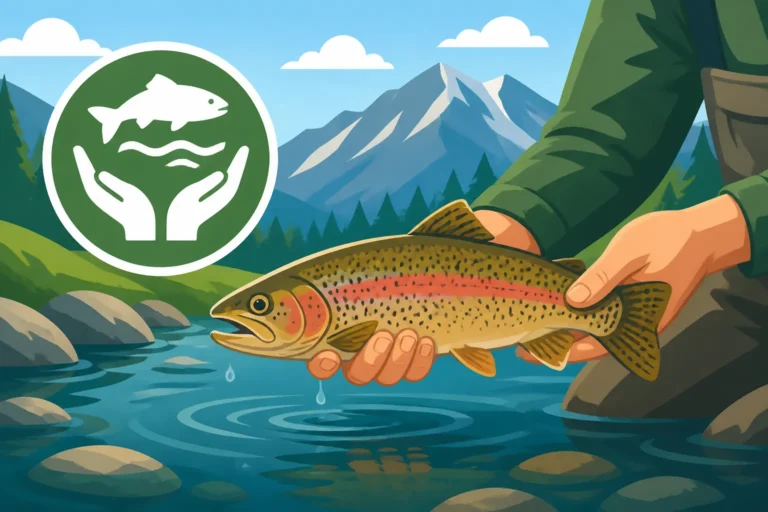
- Keep Fish in the Water: Whenever possible, unhook the fish while it's still submerged. This significantly reduces stress and gill damage. If you must lift it for a quick photo, do so briefly, supporting its belly, and get it back into the water immediately.
- Wet Your Hands: Always wet your hands before touching a fish. Dry hands can remove the protective slime layer, leaving the fish susceptible to disease.
- Use Barbless Hooks: Many Gold Medal Waters require barbless hooks for a reason. They make unhooking easier and less damaging to the fish. You can pinch down the barbs on your regular hooks with pliers. Barbless Hook Rules on Colorado Rivers are important to know.
- Revive Gently: If a fish seems sluggish, hold it gently in the current, facing upstream, allowing oxygenated water to flow over its gills until it swims away under its own power. Don't just toss it back; ensure it's strong enough to survive.
Understanding and Respecting Regulations
Colorado Parks and Wildlife sets specific regulations for different waters, often to protect unique fish populations or during sensitive spawning periods. Always check the current fishing regulations brochure before you head out. These regulations are designed to sustain healthy fisheries.
For example, some Gold Medal Waters might have special length limits for brown trout, or specific bait restrictions. Colorado Fishing Regulations Every Angler Should Know is a great resource. Ignorance of the rules is never an excuse, and game wardens are out there making sure everyone is doing their part to conserve these precious resources. Familiarize yourself with daily bag and possession limits, even if you plan to release everything.
Being a Steward of the Environment
Beyond the fish themselves, protecting their habitat is paramount. That means being mindful of your impact on the river and surrounding lands.
- Pack It In, Pack It Out: Leave no trace. Take all your trash with you, including discarded fishing line and leader material.
- Stay on Trails: Avoid trampling fragile riparian vegetation. Stay on designated paths to access the river.
- Avoid Spawning Beds (Redds): During brown trout spawning season (typically fall), avoid wading on or disturbing redds—those clean, swept-out gravel depressions where fish lay eggs. This is critical for the next generation of wild trout. Brown Trout Spawning Season in Colorado covers this important time of year.
- Clean Your Gear: If you're moving between different river systems, especially if there's a chance of invasive species, clean your waders, boots, and gear to prevent spreading aquatic hitchhikers.
By understanding where wild brown trout live, learning how to effectively and respectfully pursue them, and committing to responsible angling practices, we can all contribute to the health and longevity of Colorado's incredible wild brown trout fisheries. It's a journey of continuous learning and appreciation for these magnificent fish and the wild places they call home.
Disclaimer
This article is for general informational purposes only and does not constitute professional advice. Laws, prices and regulations vary by location and change over time. Consult a qualified professional for guidance on your specific situation.