Are Mountain Whitefish Good to Eat?
It's a question many Colorado anglers ponder when they reel in a mountain whitefish: "Can I actually eat this, or should I just release it?" For years, these unique residents of our cold, clear rivers have often been overlooked, even dismissed, by those focused solely on trout. But let me tell you, if you're tossing back every whitefish you catch without giving them a chance on the dinner plate, you might just be missing out on a delicious secret that many seasoned local anglers have long enjoyed. This guide will dive deep into what makes mountain whitefish a surprisingly good meal, how to prepare them, and why they deserve a spot in your cooler.
Understanding Colorado's Mountain Whitefish
Before we talk about putting them on a plate, let's get acquainted with our finned friend. Mountain whitefish are often overshadowed by their more famous cousins, the trout, but they are a fascinating and integral part of Colorado's aquatic ecosystems. Many anglers, especially those new to our state's waters, might not even recognize them at first glance, often mistaking them for a type of sucker or even a different kind of trout.
What Exactly Is a Mountain Whitefish?
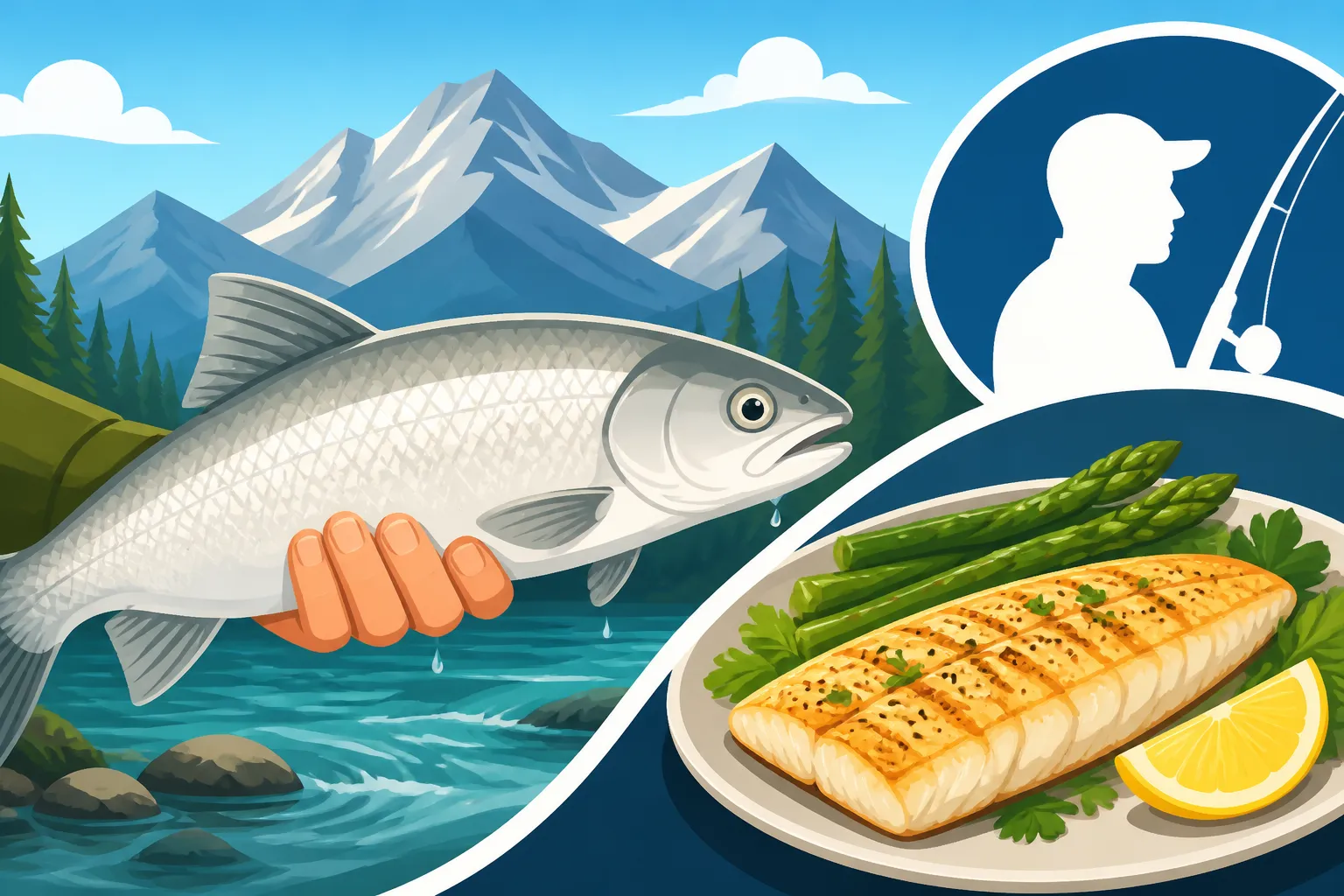
Mountain whitefish (Prosopium williamsoni) are distinct from trout, though they share the same family (Salmonidae). They have a more cylindrical body shape, often described as "cigar-shaped," and smaller, more delicate mouths than trout, with an adipose fin present. Their coloration is typically silvery-grey on the sides, fading to a darker olive or brownish-green on the back, and a white belly. Their scales are larger and more prominent than those of a trout, giving them a slightly different texture to the touch when you're handling them. You'll notice their mouth is subterminal, meaning it's located on the underside of their head, adapted for feeding on bottom-dwelling insects and larvae. If you're still unsure about identification, it’s worth taking a moment to familiarize yourself with What a Mountain Whitefish Looks Like.
Unlike trout, which are often predatory, whitefish are primarily insectivores. They cruise the river bottom, picking off nymphs, larvae, and small crustaceans. This diet plays a significant role in their flavor profile, which we'll discuss in more detail shortly. They prefer clean, cold, oxygenated water, much like trout, which is why you'll find them cohabiting many of the same pristine rivers and streams across Colorado. They're resilient fish, well-adapted to the sometimes harsh conditions of mountain rivers.
Where to Find Them in Colorado
You'll encounter mountain whitefish in many of Colorado's best trout streams and rivers, particularly in the western slope drainages, though they are also present in some Front Range rivers. Rivers like the Yampa, Colorado River, Gunnison, Arkansas, and the upper reaches of the Rio Grande are prime whitefish territory. They often prefer slightly slower, deeper runs and pools within these rivers, especially those with gravel or cobble bottoms where their primary food sources reside. While trout often hold in faster, oxygen-rich riffles, whitefish tend to hug the bottom in more moderate currents.
Anglers targeting trout frequently hook whitefish by accident, especially when nymphing or using small baits that imitate aquatic insects. They put up a respectable fight on light tackle, often surprising anglers with their strength as they dart and dive in the current. If you're specifically looking to target them, focusing your efforts on deeper sections of runs with a fly fishing nymph rig or small jig can be quite effective. They are often found in large schools, so where you catch one, you're likely to find more.
The Culinary Verdict: Are They Good to Eat?
Now for the big question: are mountain whitefish truly good to eat? The short answer is a resounding yes, but with a few caveats that make all the difference. Many anglers have been conditioned to believe that only trout are worth keeping from our cold Colorado waters, but whitefish offer a unique and delicious alternative that deserves your attention.
Dispelling Common Misconceptions
One of the biggest hurdles for mountain whitefish is their undeserved reputation. Historically, some anglers considered them "trash fish" or "rough fish," largely because they aren't trout and perhaps don't put on the same aerial display when hooked. This perception is completely unwarranted when it comes to their culinary value. Unlike some other "rough fish" that might have a muddy or very strong flavor, mountain whitefish from clean, cold water taste remarkably delicate and fresh. The "trash fish" label is more about angler preference for trout fighting characteristics or misguided tradition than it is about the actual quality of the meat.
Another misconception is that they're bony or difficult to clean. While they do have small bones, much like a trout, a properly filleted whitefish is no more challenging to eat than any other panfish. With a little practice, cleaning them becomes quick and efficient. The key, as with any fish, is proper handling from the moment it's caught, which we'll cover in the next section. Don't let old wives' tales prevent you from trying what many consider a hidden gem of Colorado's waters.
What Anglers Say About Their Flavor and Texture
So, what do they actually taste like? Most anglers describe mountain whitefish as having a mild, delicate, and slightly sweet flavor. It's often compared to other panfish or even the milder taste of a rainbow trout, but perhaps a bit more refined. The flesh is white, firm, and flaky when cooked, not oily or "fishy" in the way some warmwater species can be. This mildness makes them incredibly versatile in the kitchen, able to take on various seasonings without being overpowering.
I've personally enjoyed countless whitefish dinners after a successful day on the river. There's a subtle, almost nutty sweetness that really comes through when they're simply pan-fried with a little butter and herbs. My fishing buddy, a chef from out of state, was initially skeptical, but after tasting a freshly caught whitefish pan-fried riverside, he became a convert, remarking on its clean taste and firm texture. They truly are a pleasant surprise for those accustomed only to trout.
Factors Affecting Taste
Like any fish, the taste and quality of mountain whitefish can vary depending on a few key factors. The most important is water temperature and quality. Whitefish from cold, clear, fast-moving rivers will almost always taste superior to those from warmer, slower, or less oxygenated waters. The colder water keeps their metabolism slow and their flesh firm and clean. This is why late spring, early summer (before intense heat), and especially fall are often prime times for harvesting whitefish in Colorado. How Water Temperature Affects Trout Feeding is a good read to understand this dynamic.
Their diet also plays a role. Since they primarily eat aquatic insects, their flesh doesn't tend to absorb stronger flavors that might come from a diet of smaller fish or mud, which can sometimes be the case with larger, more predatory species. Size can be a factor too; smaller to medium-sized whitefish (say, 12-16 inches) generally have the best texture and flavor, being less prone to toughness than very large, older individuals. Always prioritize fish from pristine, high-elevation rivers for the best culinary experience.
Best Practices for Preparing Mountain Whitefish
Catching the fish is only half the battle; proper preparation is crucial for a delicious meal. Handling your mountain whitefish correctly from the moment it leaves the water will ensure its delicate flavor and firm texture are preserved.
Field Dressing and Storage for Optimal Flavor
This step is arguably the most important. As soon as you decide to keep a mountain whitefish, you should dispatch it quickly and humanely. Then, immediately bleed it by cutting the gills. This removes blood from the flesh, which can otherwise lead to a "fishy" taste. Next, gut the fish right away, especially on a warm day. Remove all the entrails and thoroughly rinse the body cavity with cold water.
After field dressing, get the fish on ice as quickly as possible. A cooler filled with ice is your best friend here. Don't just toss them in a bag; nestle them directly in the ice to bring their temperature down rapidly. This dramatically slows bacterial growth and keeps the flesh fresh and firm. I always carry a dedicated cooler for fish, packed with plenty of ice, even for short trips. If you're on a multi-day trip, consider a high-quality cooler or perhaps even freezing the cleaned fish in a small block of ice if you have the means. You can find excellent coolers and field dressing knives on Amazon that make this process much easier and more efficient.
Simple & Delicious Cooking Methods
Mountain whitefish are incredibly versatile, but their mild flavor shines best with simple preparations that highlight their natural taste. Here are a couple of my favorite ways to cook them:
- Pan-Fried Perfection: This is my go-to. Fillet the fish (or simply scale and gut if they're small enough for pan-frying whole). Pat the fillets dry, then dredge them lightly in seasoned flour (salt, pepper, a touch of paprika). Heat butter or a mix of butter and olive oil in a skillet over medium-high heat. Once hot, lay the fish in and cook for 3-5 minutes per side, depending on thickness, until golden brown and flaky. A squeeze of fresh lemon juice at the end is mandatory!
- Baked or Broiled: For a lighter option, place fillets on a baking sheet. Drizzle with olive oil, sprinkle with salt, pepper, and your favorite herbs (dill and parsley are fantastic). Bake at 400°F (200°C) for 10-15 minutes, or broil for 5-8 minutes, until the fish flakes easily with a fork. This method keeps the delicate flesh moist and tender.
These methods allow the subtle sweetness of the whitefish to come through beautifully. For those looking for specialized tools like fish spatulas or non-stick pans, Amazon offers a wide selection that can elevate your cooking game.
Pairing and Serving Suggestions
Because of their mild flavor, mountain whitefish pair wonderfully with a variety of side dishes that complement without overpowering. Think fresh, light flavors. A simple green salad with a vinaigrette, steamed asparagus, roasted potatoes, or wild rice pilaf are all excellent choices. For sauces, a light lemon-butter sauce, a fresh herb salsa, or even a simple tartare sauce made from scratch can enhance the experience.
When serving, remember that presentation matters. A beautifully cooked whitefish fillet, perhaps garnished with a sprig of fresh parsley and a lemon wedge, looks as good as it tastes. Don't forget a glass of crisp white wine or a light lager to complete the meal. The experience of catching your own dinner from a pristine Colorado river and then savoring it at home is one of the true joys of angling. For aspiring culinary adventurers, you can find a vast array of recipe books and specialized cooking tools on Amazon to help you experiment with different preparations for your catch.
Regulations and Responsible Harvest
Even when you're thinking about dinner, it's absolutely crucial to remember that responsible angling practices and adherence to regulations are paramount. Our fisheries are a precious resource, and we all play a part in conserving them.
Colorado's Rules on Whitefish Harvest
Before you head out with the intention of keeping mountain whitefish, make sure you're crystal clear on the current regulations. Colorado Parks and Wildlife (CPW) sets specific rules for bag and possession limits for mountain whitefish, which can vary by water body and sometimes even by season. You might be surprised to learn that in some waters, the daily limits for whitefish are quite generous compared to trout, often because they are prolific and a healthy part of the ecosystem. However, always check the most recent regulations brochure or the CPW website for the specific water you plan to fish. Colorado Fishing Regulations Every Angler Should Know and Colorado Bag and Possession Limits by Species are excellent resources to consult.
Remember, you always need a valid Colorado fishing license to harvest any fish, including mountain whitefish, unless you are exempt (e.g., during the annual free fishing weekend). Ignoring this is not only illegal but also harms conservation efforts that rely on license sales. It's a simple step, but one that ensures you're contributing to the health of our fisheries. If you need to pick up a license, consult Colorado Fishing License Guide for Residents and Nonresidents. Don't ever assume; always verify the rules before you wet a line and definitely before you decide to keep any fish. Taking the time to read Reading Colorado's Fishing Regulations Brochure can save you a lot of headache in the long run.
The Importance of Sustainable Angling
Beyond legal compliance, consider the broader impact of your fishing. While whitefish populations are generally robust, practicing selective harvest helps maintain healthy ecosystems. This means keeping only what you'll realistically eat, avoiding waste, and being mindful of the size and number of fish you take. Sometimes, smaller rivers might have more sensitive populations, even if the state-wide limit is high. The goal is always to leave the fishery in as good, if not better, condition than you found it.
For any fish you plan to release, use proper catch-and-release techniques to maximize their survival. This includes minimizing handling, keeping the fish in the water as much as possible, and using barbless hooks. Even if you're keeping a few whitefish for dinner, many others will be released, and their well-being matters. Learning How to Handle Trout for a Safe Release applies equally to whitefish. Being a responsible angler means understanding that every fish you interact with, whether kept or released, contributes to the overall health and future of Colorado's incredible fishing opportunities. Don't forget that Colorado Fishing Season Dates and Bag Limits can help you plan your trips around sustainability.
Disclaimer
This article is for general informational purposes only and does not constitute professional advice. Laws, prices and regulations vary by location and change over time. Consult a qualified professional for guidance on your specific situation.