How Big Lake Trout Get in Colorado
Catching a truly massive lake trout in Colorado is often the dream of dedicated anglers, but it comes with a unique set of challenges and questions. It can feel like you're chasing a ghost, constantly wondering if the fish you're after even exists in the waters you're fishing, let alone how big it can actually get. This guide will pull back the curtain on the impressive potential size of Colorado's lake trout, delving into the factors that help them grow to monstrous proportions and pointing you toward the best spots and strategies for your own shot at a trophy.
Understanding Colorado's Lake Trout: The Deepwater Giants
When we talk about "lake trout" in Colorado, we're really talking about a fascinating fish that has carved out a niche in our deeper, colder waters. They're not your typical stream-dwelling trout, and understanding their unique biology is the first step to appreciating their growth potential.
What is a Lake Trout, Anyway?
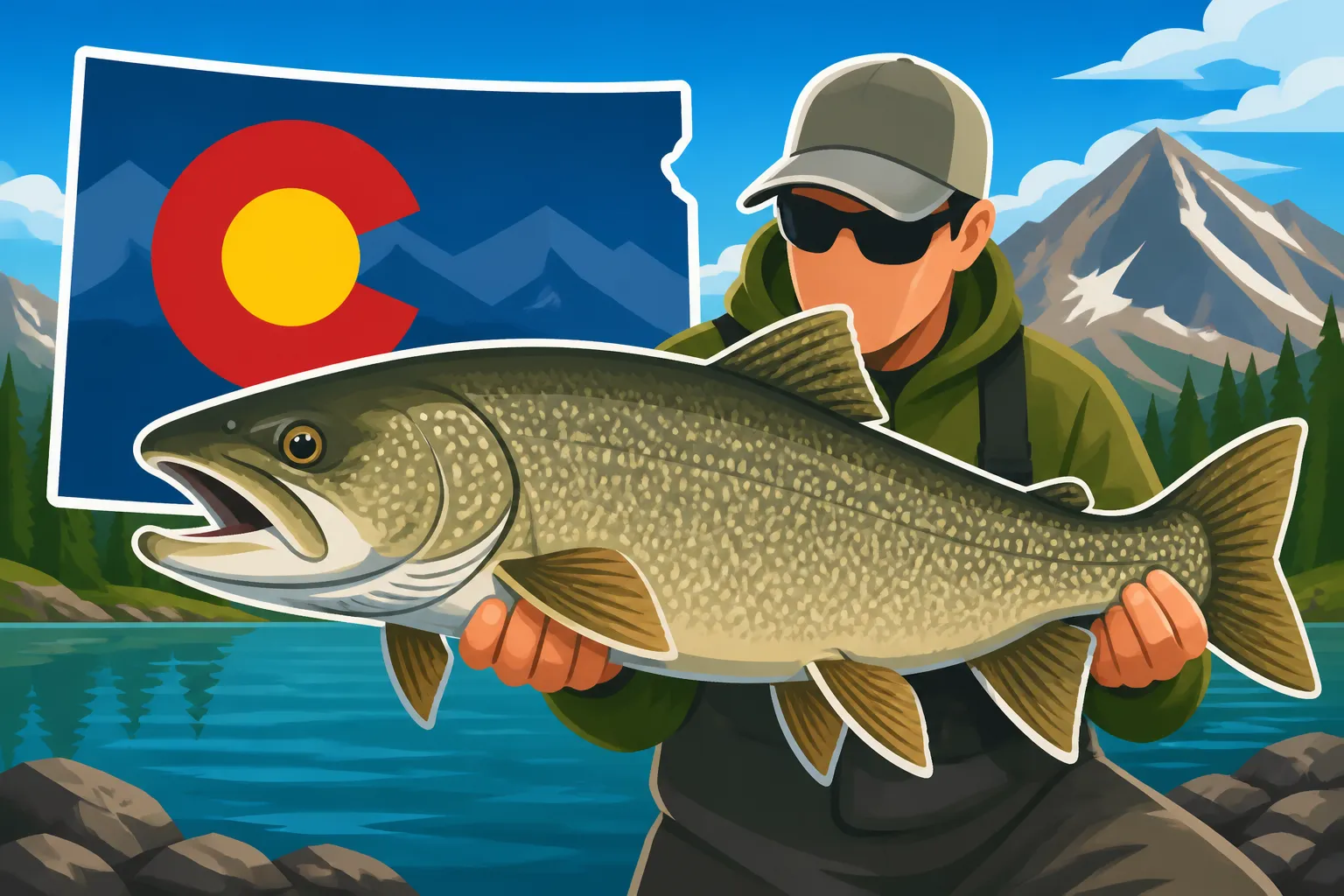
It might surprise you to learn that lake trout, or "lakers" as they're often called, aren't actually true trout at all. They belong to the char family, which includes brook trout and Arctic char. They're characterized by their often pale spots on a darker body and a deeply forked tail, a stark contrast to the finer spots and straighter tails of rainbow or brown trout. While they are native to northern North America, they were introduced to many of Colorado's deep, cold reservoirs decades ago to provide a sport fishery, and they've thrived ever since.
Their preference for deep, cold, oxygen-rich water means they're often out of sight, making them a bit mysterious for many anglers who are used to seeing trout in shallower rivers or near the surface of lakes. This deepwater habitat is crucial for their growth, allowing them to escape the warmer surface temperatures that other fish might prefer. They are apex predators in many of these systems, sitting at the top of the food chain and growing to impressive sizes by feeding on almost anything they can catch. If you want to learn more about the various fish species calling Colorado home, check out Colorado's Trout Species, A Field Guide.
Typical Sizes and Growth Rates
Most anglers in Colorado might catch lake trout in the 2 to 10-pound range, and those are certainly respectable fish. However, these fish have the potential to grow much, much larger. Their growth rate is heavily dependent on several factors, primarily food availability and the quality of their habitat. In a nutrient-rich environment with an abundant forage base, a lake trout can grow quite quickly in its early years.
Colorado Parks and Wildlife (CPW) manages these fisheries, and while they do stock some waters, many lake trout populations are self-sustaining, especially in the larger reservoirs. A "keeper" lake trout might be any fish within the legal size and bag limits, but a true "trophy" in Colorado often starts around the 20-pound mark and goes up from there. These are long-lived fish, and reaching those truly massive sizes takes many years, sometimes decades. Don't be discouraged if your first few lakers aren't giants; every fish is a step on the learning curve! Lake Trout Fishing in Colorado offers more general guidance on targeting these fantastic fish.
Key Factors Driving Lake Trout Size in Colorado
What makes some lake trout fisheries produce giants while others only yield smaller, more modest catches? It boils down to a combination of environment, sustenance, and time.
Food Availability and Forage Base
This is arguably the single most important factor for growing truly enormous lake trout. Lake trout are voracious predators, and to get big, they need a consistent, high-calorie diet. In Colorado, the most important forage fish for trophy lake trout are kokanee salmon. These landlocked sockeye salmon are themselves a popular sportfish, but they also serve as perfect, fatty protein packages for growing lakers. When a reservoir has a robust, healthy population of kokanee, the lake trout there have the potential to grow much larger and faster.
Think of it like this: a reservoir with a lot of kokanee is a veritable buffet for a lake trout. They don't have to expend as much energy to find food, meaning more calories go towards growth. Reservoirs where kokanee are scarce, or where the primary forage consists of smaller, less fatty baitfish like minnows or suckers, will generally produce smaller lake trout. Their diet also includes smaller trout species, crayfish, and even other smaller lake trout when times are tough. The abundance and size of these food sources directly correlate to the maximum size a lake trout can attain in a given body of water.
Water Body Size and Depth
Another critical element is the sheer size and depth of the water body. Lake trout need space to roam and, more importantly, consistent access to deep, cold, oxygenated water. Colorado's larger reservoirs, like Blue Mesa, Granby, and Dillon, provide these ideal conditions. The deeper the reservoir, the more cold water refuge available during the warmer months, allowing lake trout to stay comfortable and active throughout the year.
Larger bodies of water also tend to have more diverse habitats and often support larger, more stable forage fish populations. They can handle more fishing pressure without depleting the trophy-sized fish as quickly. While smaller, high-country lakes might hold lake trout, they typically don't have the depth, cold water volume, or extensive forage base to consistently grow fish into the 20-pound-plus category. These smaller lakes might offer fantastic fishing for smaller "hammer handles," but if you're chasing true giants, you need vast expanses of deep water.
Age and Genetics
Lake trout are incredibly long-lived fish. A 20-pound lake trout in Colorado could easily be 15-20 years old, or even older. Reaching that trophy size isn't a sprint; it's a marathon that requires surviving many seasons, avoiding predators (including human anglers), and consistently finding enough food. Their longevity is a testament to their hardiness and ability to thrive in challenging, deepwater environments.
While environment and food are huge factors, genetics also play a role. Some strains of lake trout might simply have the genetic predisposition to grow larger than others, given the right conditions. However, it's often more about the individual fish's ability to capitalize on its surroundings. Fishing pressure can also impact the average size. If too many of the larger, older fish are harvested, it can take a long time for the population to produce more giants. Thankfully, many Colorado anglers practice catch-and-release with these big fish, helping to ensure they continue to grow and reproduce.
Where to Find Colorado's Monster Lake Trout
So, where in Colorado do these leviathans truly lurk? While many reservoirs hold lake trout, a select few are legendary for producing giants.
The Blue Mesa Reservoir Phenomenon
Without a doubt, if you're talking about trophy lake trout in Colorado, you're talking about Blue Mesa Reservoir. This massive body of water near Gunnison is Colorado's largest body of water and is renowned as one of the best lake trout fisheries in the country. The reason for its consistent production of enormous lakers ties directly back to our previous points: an absolutely phenomenal kokanee salmon population. Blue Mesa is a kokanee powerhouse, providing an endless, high-quality food source for its resident lake trout. This abundance allows the lakers to gorge themselves, growing at an accelerated rate compared to other waters.
Beyond the forage, Blue Mesa offers immense depths, with some areas plunging hundreds of feet, providing the perfect cold-water habitat these fish crave year-round. It's a vast fishery, giving these fish plenty of space to grow undisturbed. Anglers from all over the country come here specifically for a shot at a Blue Mesa monster. If you want to dive deeper into why this reservoir is so special, be sure to read Why Blue Mesa Grows Such Large Lake Trout. For practical tips on fishing this behemoth, check out Fishing Blue Mesa Reservoir for Lake Trout.
Other Noteworthy Lake Trout Hotspots
While Blue Mesa often takes the spotlight, other deep-water reservoirs in Colorado certainly hold their share of impressive lake trout.
- Lake Granby: Located west of Rocky Mountain National Park, Granby is another deep, high-elevation reservoir known for producing trophy lake trout. It also has a strong kokanee population, though perhaps not quite as prolific as Blue Mesa. Lake Granby's lakers can regularly push into the 20-pound range, with larger specimens caught annually.
- Dillon Reservoir: Tucked away in Summit County, Dillon is a surprisingly productive lake trout fishery, especially considering its proximity to several popular ski towns. Its depths and cold temperatures support a healthy population of smaller forage fish, allowing lakers to grow into impressive sizes, often exceeding 15-20 pounds.
- Taylor Park Reservoir: Situated near Almont, this reservoir is known for its incredible scenery and, yes, its big lake trout. While perhaps not as consistent for the absolute largest fish as Blue Mesa or Granby, it still offers excellent opportunities for lakers in the double-digit range.
These reservoirs all share common characteristics: significant depth, cold water, and a reliable food source. Be prepared for a challenge when fishing these vast waters; the fish are there, but finding them can be an adventure.
Understanding Colorado's State Records
To truly appreciate how big lake trout can get in Colorado, one only needs to look at the state record. These are the absolute apex, the fish that defy imagination and represent the very best of what the state's waters can produce. While I can't provide specific weights or dates, the state record lake trout stands as a testament to the immense potential of these fisheries. It was an extraordinary fish, caught in an extraordinary place, and it inspires anglers to keep casting, jigging, and trolling.
It's important to remember that state records are exceptional catches, often the result of immense skill, dedication, and a healthy dose of luck. They shouldn't be the only goal, as most anglers will be thrilled with a fish half that size. However, knowing that such a monster exists provides the ultimate motivation. For more details on this incredible catch, you can look up What Colorado's Record Lake Trout Weighed and Where Colorado's Record Lake Trout Was Caught.
| Colorado Lake Trout Hotspot | Typical Range (pounds) | Trophy Potential (pounds) | Primary Forage Species |
|---|---|---|---|
| Blue Mesa Reservoir | 5 – 15 | 20 – 40+ | Kokanee Salmon, Suckers |
| Lake Granby | 3 – 10 | 15 – 30 | Kokanee Salmon, Rainbow Trout |
| Dillon Reservoir | 2 – 8 | 10 – 25 | Minnows, Mysis Shrimp |
| Taylor Park Reservoir | 2 – 7 | 10 – 20 | Suckers, Rainbow Trout |
| Twin Lakes | 1 – 5 | 8 – 15 | Mysis Shrimp, Minnows |
Strategies for Pursuing Colorado's Trophy Lake Trout
Chasing trophy lake trout is a game of patience, preparation, and specialized techniques. These fish don't typically hang out in shallow water, and they require a different approach than your average stream trout.
Fishing Deep: Gear and Techniques
The number one rule for big lake trout is: go deep. These fish prefer cold water, often meaning depths of 50 feet or more, sometimes even hundreds of feet depending on the season and water body. To consistently target them, you absolutely need a good fish finder. This piece of electronics will help you locate structure, baitfish schools, and, most importantly, the lake trout themselves. You can find a fantastic range of models, from basic portable units to advanced CHIRP sonar systems, on sites like Amazon, often with user reviews that can help you pick the perfect one for your budget and fishing style.
Once you know they're down there, you need to get your lure to them. This often involves techniques like trolling with downriggers, which allow you to precisely control the depth of your lure. Heavy jigging spoons, tubes, or swimbaits are also highly effective, dropped straight down to where the fish are holding. These often require specialized heavy-action rods and reels with stout braided line to handle the depth and the power of a large laker. Many anglers find a good selection of these items, along with high-quality braided line, on online retailers like Amazon, especially when local tackle shops might have limited stock for such niche needs. Understanding How Deep Lake Trout Hold in Summer is crucial, and mastering Best Downrigger Depth for Lake Trout in Summer can make all the difference. For those brave enough to tackle frozen water, Jigging for Lake Trout Through the Ice is a fantastic strategy.
Timing is Everything
While lake trout can be caught year-round, certain seasons offer better opportunities for trophy fish. The pre-spawn period in the fall, when lakers are actively feeding to bulk up for reproduction, can be incredibly productive. During this time, they might be slightly shallower than their typical deep haunts, making them a bit more accessible. Similarly, immediately after the ice-out in spring can be good, as the entire water column is cold and oxygenated, and fish are hungry.
Winter ice fishing is another prime time for trophy lake trout. When the reservoirs are frozen solid, anglers can access vast areas that are impossible to reach by boat in open water. Lake trout continue to feed under the ice, and with the right gear and knowledge of their deep structure, you can have some incredible days. For those gearing up for winter, remember that essential safety items like ice picks and a quality ice auger are paramount. A quick search on Amazon will show you various options and brands, ensuring you're well-prepared before heading out onto the frozen expanses. If you're new to the sport, learning about Ice Fishing in Colorado, Getting Started is a great start.
Patience and Persistence
Let's be real: catching a truly trophy-sized lake trout in Colorado is not an everyday occurrence. It requires immense patience, persistence, and often, a willingness to put in long hours on the water without a bite. These fish are smart, elusive, and live in vast environments. You might spend days covering water, meticulously watching your sonar, and trying different presentations before you finally connect with a fish of a lifetime.
Learning a specific water body is crucial. The more time you spend on a particular reservoir, the better you'll understand its nuances, its structure, and the movement patterns of the lake trout and their forage. Don't be afraid to experiment with different lures, depths, and retrieves. If you're feeling overwhelmed, or simply want to maximize your chances, consider hiring a local fishing guide. They have years of experience on these specific waters and can cut down your learning curve significantly, guiding you to the most productive spots and techniques. They can offer invaluable insights that would take you years to acquire on your own.
Disclaimer
This article is for general informational purposes only and does not constitute professional advice. Laws, prices and regulations vary by location and change over time. Consult a qualified professional for guidance on your specific situation.