Rio Grande Cutthroat Trout in the San Luis Valley
For many anglers, there's a deep fascination with connecting to something truly wild and native, a fish that embodies the spirit of a place. However, finding and understanding Colorado's unique Rio Grande Cutthroat Trout, especially within its original stronghold of the San Luis Valley, can feel like a daunting task, shrouded in mystery and complex conservation efforts. This comprehensive guide will peel back those layers, offering a detailed look into the biology, habitat, history, and the responsible practices needed to respectfully pursue and help conserve these incredible, resilient fish in their ancestral waters.
The Allure of the Rio Grande Cutthroat Trout
There’s something truly special about the Rio Grande Cutthroat Trout (Oncorhynchus clarkii virginalis). It’s not just another fish; it’s a living piece of Colorado’s natural history, a testament to resilience in the face of profound environmental changes. For many, catching one is more than just a fishing achievement; it’s a connection to the wild heart of the San Luis Valley, a moment that transcends the ordinary fishing trip. These are fish that have adapted to high-altitude, often harsh, conditions, developing unique characteristics that set them apart. Their beauty, a mosaic of iridescent hues and distinctive markings, is matched only by the rugged landscapes they call home.
Identifying the Unique Features of Rio Grande Cutthroat
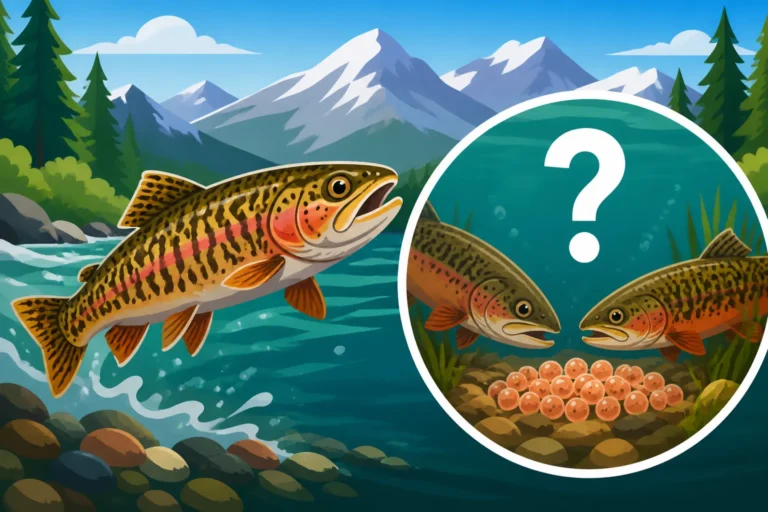
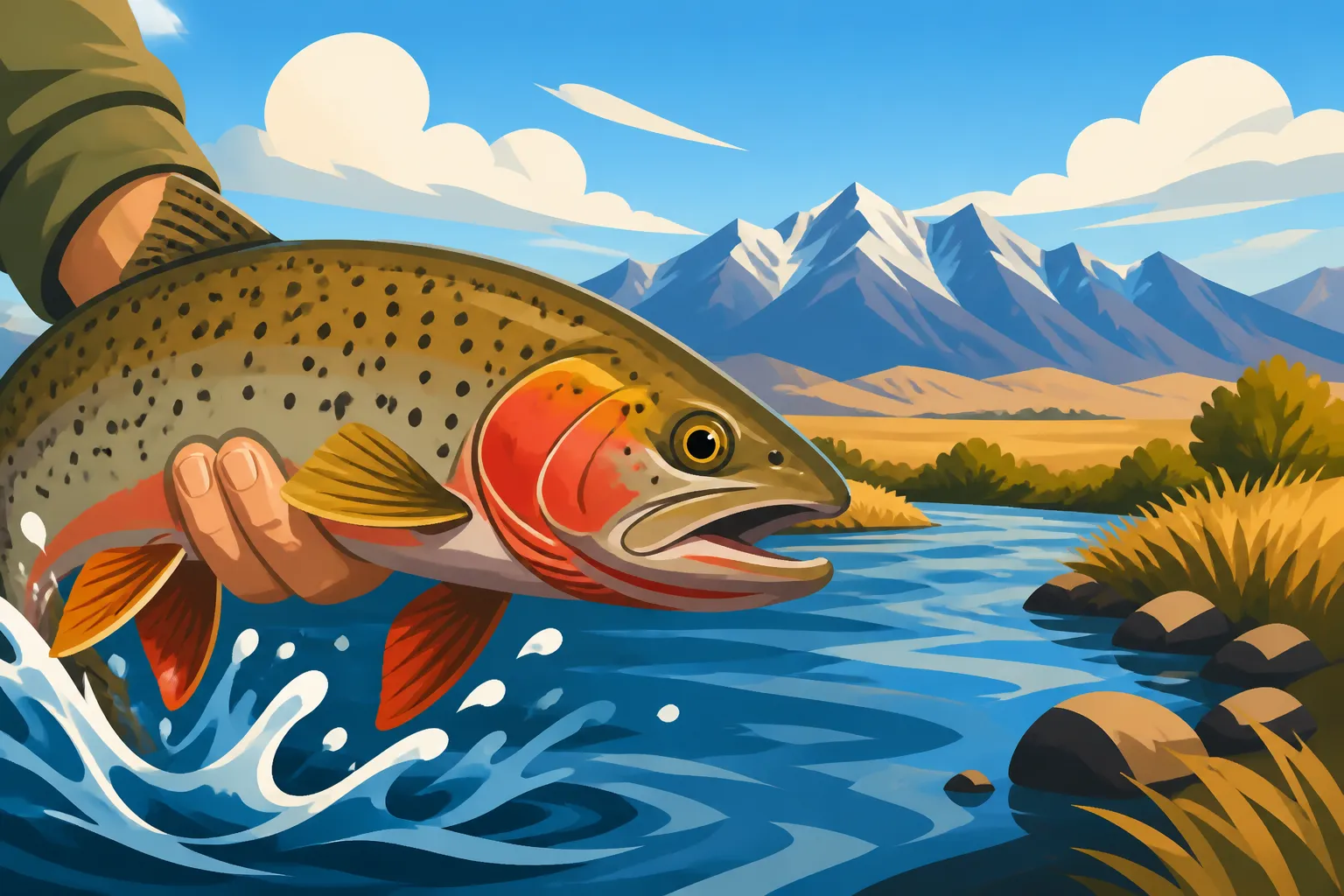
When you finally hold a Rio Grande Cutthroat in your hands, you'll immediately notice some key distinctions. Like all cutthroat subspecies, they have the signature "cutthroat" markings—those vibrant red or orange slashes under their lower jaw, which can sometimes be faded or more prominent depending on the individual fish and its environment. What often sets the Rio Grande Cutthroat apart are its generally smaller, more numerous spots, particularly concentrated towards the tail. The base color can vary widely, from olive-brown to a golden bronze, often with stunning hints of rose or crimson on their flanks, especially during spawning season. Their fins might have a yellowish or orange tint, edged in white.
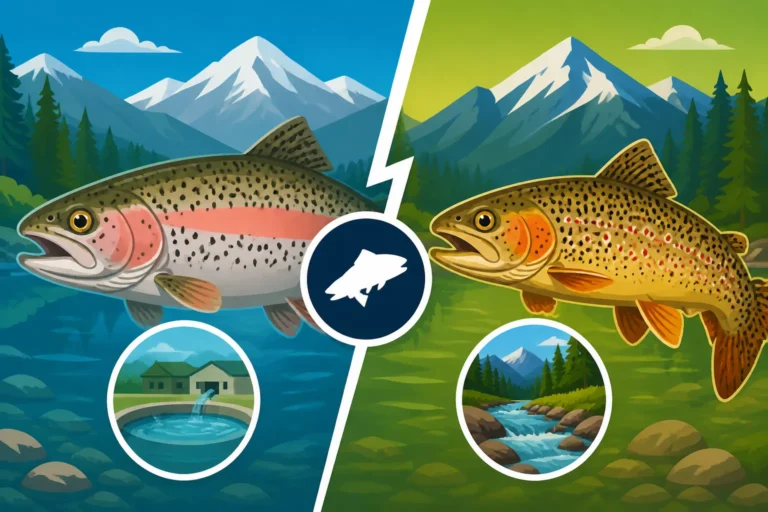
Distinguishing them from other cutthroat subspecies, or even from rainbow trout hybrids (often called "cutbows"), can sometimes be tricky without a keen eye. However, the spot patterns are usually your best visual clue. For instance, the Colorado River Cutthroat Trout, Where to Find Them typically have larger, sparser spots, especially toward the front of their bodies, while the spots on a Rio Grande Cutthroat tend to be more evenly distributed and fine. Learning these subtle differences adds another layer of appreciation to your native trout pursuit, transforming a simple catch into a biological study. It's truly a marvel of natural artistry.
A Legacy of Resilience and Adaptation
The Rio Grande Cutthroat Trout are survivors. Their history in the San Luis Valley is one of enduring incredible pressures, from habitat destruction to competition and hybridization with non-native species like rainbow trout and brook trout. These fish evolved in the high-altitude, cold-water streams and rivers of the Rio Grande drainage, developing specific adaptations to thrive in these demanding environments. They can tolerate fluctuating water temperatures, handle lower oxygen levels better than some other trout, and are incredibly efficient at utilizing the limited food sources found in these headwater ecosystems.
Their ability to find refuge in small, isolated stream sections has been crucial to their continued existence. They often inhabit steep, brushy, high-elevation creeks that are less accessible to humans and therefore less impacted by historical stocking practices. This has allowed some populations to maintain a level of genetic purity, preserving their unique evolutionary lineage. Their very presence in these remote corners of the San Luis Valley is a testament to nature's tenacity and the vital importance of protecting these last strongholds. Every time an angler respectfully catches and releases one, they are participating in the continuation of that legacy.
Historical Range and Conservation Challenges
The story of the Rio Grande Cutthroat Trout is inextricably linked with the development and settlement of the American West. Once the undisputed monarch of the Rio Grande basin, from its headwaters in Colorado's San Juan Mountains down into New Mexico, its domain has shrunk dramatically over the last century and a half. Understanding this historical context is vital for appreciating the conservation work being done today. It's a sobering reminder of how human activities can swiftly alter natural landscapes and push species to the brink, but also a hopeful tale of concerted effort to right past wrongs.
The Vanishing Act: Factors Leading to Decline
The decline of the Rio Grande Cutthroat is a classic narrative of native species under siege. First and foremost was widespread habitat destruction. Mining, logging, and agricultural practices, particularly the heavy demand for water for irrigation in the San Luis Valley, profoundly altered stream flows, degraded water quality, and removed crucial riparian vegetation that provided shade and stability. Dams and diversions fragmented their habitat, isolating populations and preventing natural movements for spawning or seeking refuge.
Perhaps the most significant blow, however, came from the introduction of non-native trout species. Rainbow trout, brown trout, and brook trout were widely stocked throughout Colorado in the late 19th and 20th centuries, often with little regard for native populations. Rainbow trout readily hybridize with cutthroat, leading to "cutbows" that dilute the genetic purity of the native fish. Brown and brook trout outcompete cutthroat for food and habitat, and brook trout are particularly aggressive in spawning, often displacing native fish. Diseases introduced by stocked fish also took a heavy toll. It's a complex web of factors that left the Rio Grande Cutthroat clinging to existence in isolated pockets.
Dedicated Efforts Towards Restoration
Thankfully, the tide began to turn with increasing awareness and dedicated conservation efforts. Colorado Parks and Wildlife (CPW), alongside federal agencies like the U.S. Forest Service and Bureau of Land Management, and numerous private organizations, have been working tirelessly to restore Rio Grande Cutthroat populations. These efforts are multifaceted, often requiring significant resources and long-term commitment.
A primary strategy involves habitat restoration, such as fencing off stream banks to allow vegetation to recover, installing structures to improve stream complexity and create better fish habitat, and removing old culverts or dams that block fish passage. Another critical component is the removal of non-native trout from target streams, often through electrofishing or temporary chemical treatments, followed by the reintroduction of genetically pure Rio Grande Cutthroat. These native fish are typically sourced from isolated, pure populations and raised in hatcheries before being stocked into restored waters. You can learn more about how Greenback Cutthroat Trout Recovery in Colorado is also taking place, which shares many similar strategies. It's a painstaking process, but the long-term goal is to re-establish self-sustaining populations in their historical range.
Understanding the Genetic Purity Goal
When we talk about Rio Grande Cutthroat Trout conservation, the concept of "genetic purity" is paramount. It's not just about having any cutthroat trout in a stream; it's about having fish that are truly representative of the original, native Rio Grande lineage. Hybridization with rainbow trout is a major concern because it dilutes the unique genetic makeup that allowed these fish to thrive in their specific environment for millennia. Each subspecies of cutthroat trout, including the Rio Grande, has evolved unique traits, and protecting their genetic integrity is essential for their long-term survival and adaptability.
CPW scientists and partners often collect fin clips from fish to perform genetic analysis, determining the degree of hybridization in a population. Only streams confirmed to hold genetically pure or near-pure Rio Grande Cutthroat are typically used as brood stock sources for restoration projects, and these are the populations targeted for reintroduction into restored habitats. This scientific rigor ensures that conservation dollars are spent effectively and that the fish being reintroduced have the best chance of thriving and maintaining their distinct genetic heritage. This meticulous work underlines the profound commitment to preserving this unique part of Colorado's natural heritage.
Where to Find Rio Grande Cutthroat in the San Luis Valley
The San Luis Valley is a vast, high-altitude basin, framed by the towering peaks of the Sangre de Cristo and San Juan Mountains. While the valley floor itself is largely agricultural, the surrounding mountains hold the precious, often small, streams where Rio Grande Cutthroat Trout still persist. It’s not always easy to find these fish, and that’s often by design, as their remote habitats offer them protection. Knowing where to look and how to access these areas is key to a successful and respectful angling experience.
Key Drainages and Headwater Streams
Within the San Luis Valley, the Rio Grande Cutthroat are primarily found in the headwater tributaries of the Rio Grande itself, as well as streams feeding into its main stem. These are typically smaller, higher-elevation creeks, often flowing through national forests or wilderness areas. Look for streams in the Rio Grande National Forest, particularly in the Conejos, Alamosa, La Jara, and Saguache drainages. Specific streams are often not publicly named to protect these delicate populations, but if you consult detailed topographic maps or specialized angling resources, you might find clues.
These streams are characterized by cold, clear water, often with steep gradients, boulder-strewn bottoms, and dense riparian vegetation. They require careful, stealthy approaches, as the fish can be skittish. Anglers often refer to these as "creek fishing" experiences, which are vastly different from fishing larger rivers like the Arkansas or Colorado. You’ll be looking for small pools, undercut banks, and pockets of slower water behind rocks. Reading Colorado's Fishing Regulations Brochure will provide crucial information on which specific stream sections might be managed for native trout.
Accessing Remote Native Trout Waters
Getting to these pristine native trout waters often requires effort. Many of the best Rio Grande Cutthroat streams are located deep within wilderness areas or national forests, accessible only by hiking long distances. Expect to navigate rough trails, dense brush, and sometimes challenging terrain. A good GPS device or a reliable map and compass are essential, as cell service is often non-existent. Lightweight, comfortable hiking boots are a must, and packing light will make the journey more enjoyable. Consider investing in a high-quality, lightweight fishing vest or backpack from a retailer like Amazon, specifically designed for backcountry angling, to carry your gear.
When planning your trip, always check land ownership. While much of the San Luis Valley's surrounding mountains are public land, there are interspersed private parcels. Always respect private property and know exactly where you are. Park responsibly, do not block gates or roads, and leave no trace. The solitude and wildness of these places are part of their appeal, and we all have a role in preserving that. These are not places for crowds, but for quiet contemplation and appreciation of untouched nature.
Respecting Private Land and Public Access Points
Colorado has a complex patchwork of public and private land, and this is particularly true in the San Luis Valley where ranching and agricultural properties abound. It's easy to accidentally trespass if you're not paying attention to signs or maps. Before heading out, use resources like the Colorado Parks and Wildlife online Fishing Atlas, national forest maps, or apps that overlay land ownership on satellite imagery. This due diligence is not just about avoiding fines; it's about being a respectful steward of the land.
Many of the lower reaches of streams, even those that eventually enter public lands, might flow through private property. Look for designated public access points, often marked by signs or parking areas. If you're unsure, it's always best to err on the side of caution and find another spot. Some landowners may grant permission to cross their land, but it's imperative to ask politely and in advance. Remember, maintaining good relationships with landowners is crucial for preserving access for all anglers. We need to be ambassadors for responsible recreation, ensuring these precious native trout waters remain open to those who respect them.
Responsible Angling for Rio Grande Cutthroat
Fishing for Rio Grande Cutthroat Trout isn't just about catching fish; it's about connecting with a rare and valuable resource in a responsible, ethical way. These fish are often found in fragile ecosystems, and careless angling can have lasting negative impacts. Adopting best practices for catch-and-release, understanding specific regulations, and using appropriate gear are paramount to ensuring these populations continue to thrive for future generations. Your actions on the water truly make a difference.
Essential Gear and Techniques for High-Country Streams
Fishing for Rio Grande Cutthroat in their native high-country streams typically calls for a lighter, more nimble setup. A short, light-action fly rod (think 2-weight or 3-weight, 6 to 7.5 feet long) is ideal for navigating tight casting quarters, especially with overhanging brush. Pair this with a lightweight reel and a floating line. A tapered leader ending in a fine tippet (5x or 6x) will help with stealth, as these fish can be extremely wary in clear, shallow water.
As for flies, smaller patterns are often the ticket. Terrestrials like small ant or beetle patterns, grasshoppers (in late summer), and hoppers with a small nymph dropper are highly effective. Small parachute Adams, elk hair caddis, and various midge patterns (especially in colder water) also work well. Don't forget a selection of small, dark nymphs like pheasant tails or copper Johns. When you're packing your flies, consider a compact, waterproof fly box, easily found on Amazon, to protect your precious cargo from mountain downpours. Spin anglers can also find success with ultra-light spinning gear, using small inline spinners or tiny spoons, but always check bait restrictions. Best Flies for Colorado's Gold Medal Trout Water offers some crossover insights for general trout behavior, but always size down for these smaller, native fish.
Catch-and-Release Best Practices
For Rio Grande Cutthroat, catch-and-release is not just encouraged; it's often mandated and absolutely vital for the survival of these sensitive populations. When practicing catch-and-release, minimizing stress on the fish is the top priority. Use barbless hooks, which makes removal easier and reduces tissue damage. You can pinch down the barbs on your existing hooks with a pair of pliers. When you hook a fish, try to land it quickly to reduce exhaustion. Keep the fish in the water as much as possible, especially if you plan to take a photo.
Wet your hands before handling the fish to protect its delicate protective slime coat. Avoid squeezing the fish or touching its gills. Use a rubber mesh landing net, rather than knotted nylon, to minimize fin damage and scale loss. If the hook is deeply set, simply cut the line as close to the hook as possible; the hook will often rust out. Allow the fish to recover in the current, supporting it gently until it swims away under its own power. These practices are crucial for the long-term health of these vulnerable fish, and understanding What Catch-and-Release Only Means on Colorado Water is fundamental.
Navigating Regulations and Special Management Areas
Fishing for Rio Grande Cutthroat Trout comes with specific rules and regulations that vary significantly from general Colorado fishing. It’s absolutely critical to consult the most current Colorado Parks and Wildlife fishing regulations brochure before every trip. Many of the streams where these fish exist are designated as "Native Cutthroat Waters" or "Special Regulations Waters." These designations often include:
- Catch-and-Release Only: Many native cutthroat waters prohibit keeping any fish.
- Artificial Flies and Lures Only: Bait is almost universally prohibited to prevent accidental ingestion and reduce mortality.
- Bag and Possession Limits: If keeping is allowed, limits are typically very restrictive (e.g., one fish over a certain size, or one fish of a specific subspecies).
- Barbless Hooks Required: This is a common requirement in native trout streams.
These rules are not arbitrary; they are put in place to protect fragile populations. Ignorance of the law is no excuse, and wardens frequently patrol these sensitive areas. You can find comprehensive details in the Colorado Fishing Regulations Every Angler Should Know guide. Always double-check the specific regulations for the exact stream or stream segment you plan to fish. It’s your responsibility as an angler to know and follow these rules.
The Broader Ecosystem: Supporting Native Trout
Our impact as anglers extends far beyond the moment a fish takes a fly. The health of Rio Grande Cutthroat Trout populations is intimately tied to the health of the entire ecosystem they inhabit. From the quality of the water they swim in to the strength of the stream banks that protect their habitat, every element plays a crucial role. Understanding these connections helps us become better stewards of these wild places and ensures we contribute positively to their future.
The Role of Riparian Health
The riparian zone – the interface between land and a river or stream – is absolutely critical for the survival of Rio Grande Cutthroat Trout. Healthy riparian areas, characterized by robust native vegetation like willows, alders, and sedges, provide essential functions. They stabilize stream banks, preventing erosion that can silt up spawning beds and fill in crucial pools. The shade from these plants helps regulate water temperatures, keeping the water cool enough for trout, especially during hot summer months when stream temperatures can become lethal.
Furthermore, riparian vegetation filters runoff, improving water quality by trapping sediments and pollutants before they reach the stream. They also contribute a significant amount of insect life, which forms the base of the trout's diet. When riparian areas are degraded by overgrazing, logging, or development, the entire stream ecosystem suffers, directly impacting native trout. Protecting and restoring these stream-side habitats is therefore a cornerstone of any successful Rio Grande Cutthroat conservation effort. This understanding is key to appreciating the larger picture of trout survival.
Anglers as Stewards: How You Can Help
Beyond simply following regulations, anglers have a powerful role to play as stewards of the environment. Every time you venture into the San Luis Valley's high country, you have an opportunity to contribute to conservation. Practice Leave No Trace principles rigorously: pack out everything you pack in (and maybe a little extra trash you find), stay on designated trails, and minimize your impact on vegetation. Avoid creating new social trails or campsites.
Consider volunteering for local conservation groups or participating in stream cleanups and habitat restoration projects. Even simply reporting unusual observations, like large numbers of non-native species in a native cutthroat stream, to CPW can be incredibly helpful for ongoing monitoring efforts. Support organizations dedicated to native trout conservation. Every fishing license and Colorado's Habitat Stamp, Explained purchase contributes to these efforts, but active engagement amplifies that impact. By taking these steps, you’re not just an angler; you become a vital part of the solution, helping to ensure the Rio Grande Cutthroat Trout continue to grace the waters of the San Luis Valley for generations to come.
Comparing Colorado's Native Cutthroat Subspecies
To truly appreciate the Rio Grande Cutthroat, it helps to understand its place among Colorado's other native cutthroat subspecies. While all share the iconic "cutthroat slash," their geographical ranges, spot patterns, and conservation stories are distinct.
| Feature / Subspecies | Rio Grande Cutthroat Trout (Oncorhynchus clarkii virginalis) | Colorado River Cutthroat Trout (Oncorhynchus clarkii pleuriticus) | Greenback Cutthroat Trout (Oncorhynchus clarkii stomias) |
|---|---|---|---|
| Native Range | Rio Grande River basin (San Luis Valley, southern CO, northern NM) | Colorado River basin (Western Slope of CO, eastern UT, southwest WY) | South Platte & Arkansas River basins (Front Range, Eastern Slope of CO) |
| Spot Pattern | Generally small, numerous spots, concentrated towards the tail | Larger, sparser spots, more concentrated towards the front/mid-body | Relatively few spots, often concentrated near the tail |
| Coloration | Olive-brown to golden, often with rose/crimson flanks | Greenish-brown to brassy, typically with yellow/orange fins | Often deep green-brown to silvery, pronounced red lateral stripe |
| "Cutthroat" Slash | Red/orange, can be vibrant or faded | Red/orange, often distinct | Bright red/orange, often very prominent and vivid |
| Conservation Status | Recovering, isolated populations; efforts ongoing | Recovering, often found in high-elevation headwaters | Federally listed as Threatened, significant recovery efforts |
| Current Threats | Hybridization, habitat degradation, non-native competition | Hybridization, habitat degradation, non-native competition | Hybridization, habitat degradation, non-native competition |
This table highlights the subtle yet important differences that make each native cutthroat subspecies unique. While they all face similar threats, the specific nuances of their appearance and native waters are part of what makes pursuing them such a rewarding experience. Understanding these distinctions enriches your appreciation for Colorado's Native Cutthroat Trout Subspecies as a whole.
Disclaimer
This article is for general informational purposes only and does not constitute professional advice. Laws, prices and regulations vary by location and change over time. Consult a qualified professional for guidance on your specific situation.