How to Tell a Stocked Trout From a Wild One
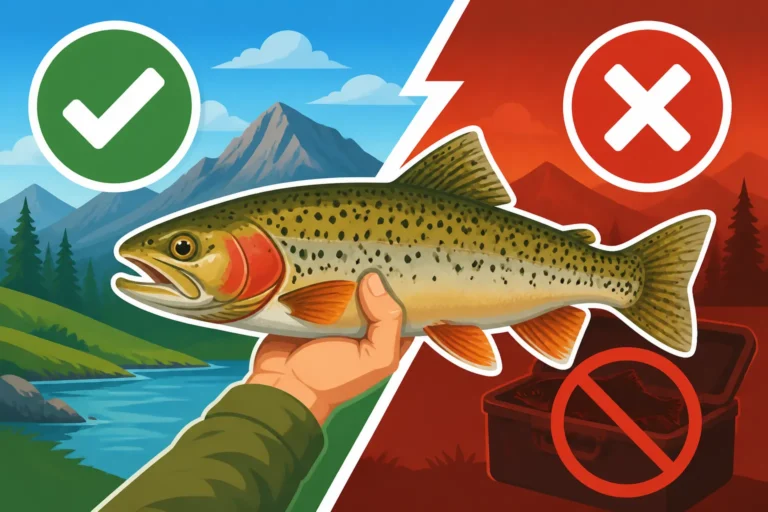
You're out on a beautiful Colorado river, your line tight, and you bring in a magnificent trout. But as you admire your catch, a question might pop into your head: Is this a truly wild, stream-bred fish, or one that started its life in a hatchery? For many anglers, understanding the difference isn't just a matter of curiosity; it can influence how you fish, where you fish, and even how you comply with local regulations. This guide will help you confidently distinguish between stocked and wild trout, making you a more informed and appreciative angler.
The Marks of a Hatchery-Raised Trout
When a trout begins its life in a hatchery, even one dedicated to conservation, it lives in an environment vastly different from a natural river or lake. These differences leave tell-tale signs on the fish's body, subtle indicators that, once you know what to look for, become quite clear.
Fin Condition: The Most Obvious Clue
One of the quickest and most reliable ways to spot a stocked trout is by examining its fins, especially the dorsal fin (on its back) and the pectoral and pelvic fins (on its sides and belly). In the crowded, abrasive conditions of hatchery raceways, young trout often rub against concrete walls, tank bottoms, and each other. This constant contact, sometimes with thousands of other fish, leads to wear and tear.
You'll often see fins that appear stubby, frayed, eroded, or even completely missing chunks. The edges might be blunted or rounded, rather than sharp and defined. Imagine a child who spends all day playing on rough concrete – their knees and elbows might show some scrapes! It's a similar situation for hatchery fish. These fin damages are scars from their early life, and while they might heal over time if the fish survives and adapts to a wild environment, they often leave lasting evidence. A wild trout, on the other hand, rarely exhibits this kind of widespread fin damage. Its fins are typically intact, perfectly formed, and razor-sharp, a testament to growing up in open water with ample space to move.
Coloration and Body Shape
Another key differentiator lies in the trout's overall appearance: its color and body shape. Hatchery-raised trout are typically fed a diet of commercial pellets, which, while nutritionally complete, often lack the diverse carotenoids and other pigments found in natural food sources like insects, crustaceans, and smaller fish. As a result, stocked trout often appear paler, less vibrant, and sometimes even a bit duller in color compared to their wild counterparts. Their spots might be less defined, and the iridescent hues that make trout so beautiful can be muted. Think of it like comparing a garden-grown tomato to a wild berry – both are good, but the wild one often has a deeper, more complex color.
Furthermore, the body shape can offer clues. Stocked fish, accustomed to having food readily available and not needing to fight strong currents, sometimes develop a more "plump" or "torpedo-like" body. They can look almost too perfectly shaped, without the lean, muscular build of a fish that has spent its life battling the flow of a river. Wild trout, constantly working against currents and hunting for food, tend to be more streamlined, powerful, and exquisitely proportioned for their aquatic environment. They have a lean, athletic look that speaks to their constant struggle for survival and their natural agility. This difference in build is quite noticeable once you've seen a few of each.
Mouth and Jaw Anomalies
Beyond fins and body, take a close look at the trout's mouth and jaw. In the competitive environment of a hatchery, trout often compete aggressively for food pellets. This can lead to deformities or damage to their mouths. They might also rub their snouts against the concrete structures, causing abrasions or a blunted appearance to the jaw.
You might observe mouths that are slightly crooked, jaws that don't quite align perfectly, or even scars around the lip area. These kinds of oral injuries are rare in truly wild fish, which feed on natural prey, don't bump into concrete walls, and generally don't experience the intense feeding competition seen in hatcheries. A wild trout's mouth is usually perfectly formed, allowing it to efficiently capture insects and small fish. These subtle mouth differences can impact a fish's ability to feed efficiently in the wild, making survival more challenging for those with significant damage. If you're observing a fish carefully before release, you can often pick up on these smaller details.
Characteristics of Wild, Stream-Bred Trout
Wild trout are true survivors, born and bred in the unforgiving yet beautiful environment of Colorado's rivers and lakes. Their appearance and behavior reflect a lifetime of adapting to their natural habitat.
Pristine Fins and Robust Build
When you encounter a truly wild trout, one of the first things that will strike you is the perfection of its fins. Unlike their hatchery-reared cousins, wild trout boast fins that are typically long, perfectly formed, sharp-edged, and completely free of any nicks, abrasions, or erosion. Every fin — dorsal, anal, caudal (tail), pectoral, and pelvic — is a finely tuned instrument, essential for navigating complex currents, chasing prey, and evading predators. These pristine fins are a testament to a life spent in open water, where they haven't rubbed against confining concrete walls or jostled with thousands of tank mates.
Beyond the fins, the overall musculature of a wild trout is remarkable. They are athletes of the stream, constantly working against the flow, darting after insects, and seeking refuge in structure. This continuous physical exertion results in a lean, powerful, and incredibly robust build. Their bodies are streamlined and firm, designed for efficiency and speed. You won't find the somewhat "soft" or "plump" feel that can sometimes characterize a hatchery fish. Instead, a wild trout feels like pure muscle and energy, a reflection of its demanding lifestyle. This physical prowess is crucial for their survival, enabling them to thrive in dynamic ecosystems.
Vibrant Colors and Camouflage
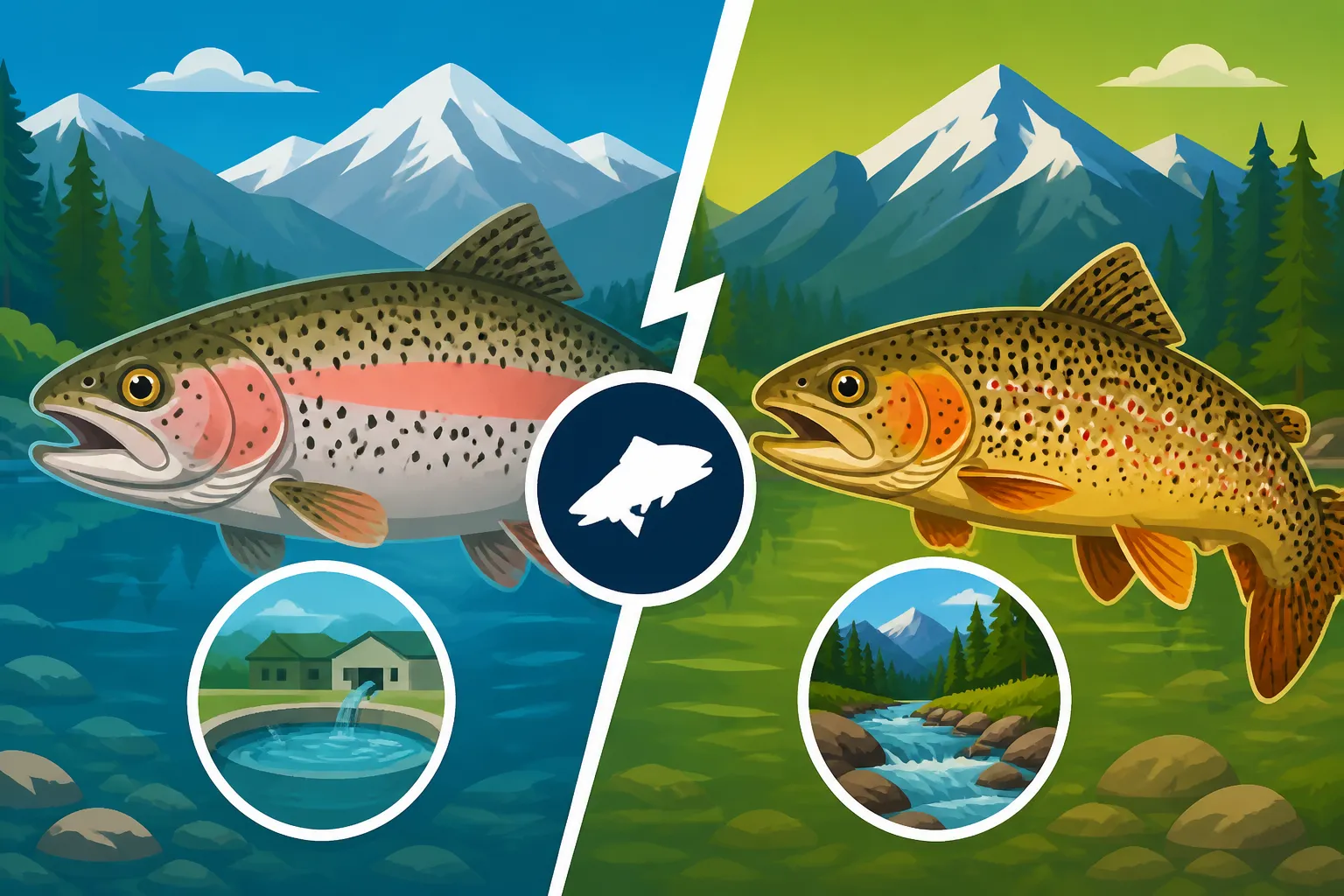
Wild trout are artists of adaptation when it comes to their coloration. Their hues are often incredibly vibrant, rich, and varied, reflecting not only their genetics but also the specific diet and environmental conditions of their home waters. A wild rainbow trout in a clear, rocky stream might display brilliant pink lateral stripes and deep, rich greens, while a brown trout from a tannin-stained river could have striking red and orange spots against a coppery background. Colorado River Cutthroat Trout, Where to Find Them often exhibit distinct red slashes under their jaws and intricate spot patterns that blend seamlessly with their surroundings.
This rich coloration isn't just for show; it's a vital part of their camouflage, helping them blend into their surroundings to avoid predators like eagles and ospreys, and ambush unsuspecting prey. The diverse diet of a wild fish – a smorgasbord of aquatic insects, crayfish, smaller fish, and terrestrial bugs – provides a full spectrum of natural pigments that contribute to these stunning, unique patterns. Each wild trout is a living canvas, its colors telling a story of its particular river or lake. You might even notice subtle differences in color between fish caught just miles apart on the same river system, showcasing the hyperlocal nature of their adaptations.
Instinctive Behavior and Wariness
Perhaps one of the most compelling differences between wild and stocked trout isn't physical, but behavioral. Wild trout are born with an acute sense of survival. They are inherently wary, cautious, and incredibly spooky. A shadow passing overhead, a clumsy step on the bank, or a poorly presented fly can send them darting for cover under rocks, undercut banks, or submerged logs. They've learned from countless generations how to evade danger and find safety, and this instinct is deeply ingrained.
When you hook a wild trout, it often displays a fierce, acrobatic fight, trying every trick in the book to escape. These fish have developed incredible reflexes and stamina from their challenging lives. Conversely, recently stocked trout, having spent their lives in a comparatively safe, food-rich environment, can often be less cautious. They might be less spooked by human presence, more willing to take an artificial lure or fly, and sometimes put up a less spectacular fight initially. While a stocked fish that has "held over" for a season or two might start to develop more wild instincts, the immediate difference in wariness is often striking. Successfully catching a truly wild trout feels like a genuine triumph of skill and stealth, a direct result of outwitting a highly evolved survivor.
Why Distinguishing Matters to Anglers
Understanding whether you've hooked a stocked or wild trout goes beyond simple identification; it has significant implications for conservation, regulation compliance, and the overall fishing experience.
Understanding Fish Health and Fight
For many anglers, the "fight" of a fish is a huge part of the thrill. While a freshly stocked trout can certainly give you a run for your money, especially if it’s a larger specimen, truly wild trout often possess a different caliber of fighting spirit. Their lean, muscular bodies and ingrained survival instincts mean they can be incredibly strong, acrobatic, and determined fighters. Hooking into a wild brown trout that explodes out of a log jam or a rainbow that leaps repeatedly can be an unforgettable experience, a testament to its vibrant health and natural vigor.
Conversely, a fish that has spent its early life in a hatchery might not have developed the same level of stamina or strength. While it may still pull hard, its fight can sometimes be less sustained or acrobatic. From a health perspective, recognizing a stocked fish can also inform your catch-and-release practices. While all trout should be handled with care, a wild trout, particularly in warmer water or after a long fight, might be more susceptible to stress. Knowing if you have a delicate native species versus a more robust stocked fish can help you make quicker decisions about release methods. It's a way to ensure we're doing our part to preserve these incredible fish populations.
Compliance with Regulations
This is where distinguishing between stocked and wild trout becomes more than just interesting — it becomes a legal necessity in many areas. Colorado, like many states, has specific regulations designed to protect and restore its native and wild trout populations. For instance, some sections of rivers might be designated "wild trout waters" or Colorado's Gold Medal Water Rules may apply, where bag limits are much stricter, catch-and-release is mandatory for certain species or sizes, or specific gear restrictions (like barbless hooks) are enforced. There might be rules like Colorado's 14-Inch Trout Length Rule that specifically target wild trout, requiring anglers to release fish over a certain size to protect breeding stock.
Furthermore, efforts to restore native species, such as the Greenback Cutthroat Trout, mean that identifying these fish correctly is paramount. In some areas, possessing a native cutthroat could lead to hefty fines, even if accidentally caught. Is It Legal to Keep a Greenback Cutthroat Trout? is a crucial question to know the answer to for any angler venturing into cutthroat territory. Always consult How to Read Colorado's Fishing Regulations Brochure for the most current rules of the specific water you're fishing. Being able to confidently identify your catch ensures you're fishing responsibly and contributing to conservation, rather than inadvertently harming fragile populations. It's not just about avoiding a ticket; it's about being a steward of our natural resources.
The Joy of a Truly Wild Catch
For many anglers, there's an undeniable allure and satisfaction that comes with catching a truly wild trout. It's the culmination of skill, patience, and a deep understanding of the natural environment. The wild fish, having navigated currents, survived predators, and hunted for its own food, feels like a more significant adversary, a more authentic trophy. There's a profound connection to nature that comes from outwitting a creature that has never seen a hatchery wall.
This isn't to diminish the fun of catching stocked fish, which provide fantastic opportunities for beginners, families, and those seeking consistent action, especially in easily accessible waters like urban ponds. But the experience of pursuing and landing a wild trout—a fish that represents the purity and resilience of its ecosystem—is often cited as the pinnacle of the sport. It's the challenge, the beauty, and the knowledge that you've engaged with an untamed part of the natural world that elevates the experience. Many anglers travel specifically to fish What Makes a River a Wild Trout Water in Colorado because of this unique satisfaction.
Other Indicators and Considerations
While physical characteristics are primary identifiers, other factors like location, local knowledge, and scientific methods can also help you determine if a trout is wild or stocked.
Stocking Reports and Local Knowledge
One of the most practical ways to know if you're fishing for stocked trout is to consult Colorado's official stocking reports. Colorado Parks and Wildlife (CPW) regularly stocks various waters across the state, particularly urban ponds, community lakes, and some rivers, to enhance fishing opportunities. You can often find detailed information on these stockings, including species, size, and location. Colorado's Fishing Atlas Shows You where and when stockings occur, making it an invaluable tool for planning your trips. If you're fishing a small pond in a city park, chances are very high that the trout there are stocked. This is especially true in areas managed under the Colorado's Urban Fishing Program License Rules.
Local knowledge is also incredibly valuable. Stop by a local fly shop or a bait shop in the area you plan to fish. These folks live and breathe fishing, and they'll often be able to tell you definitively whether a particular stretch of water is regularly stocked, relies on wild populations, or even holds "holdover" fish – stocked trout that have survived for a season or more in the wild, often adopting more wild characteristics. Ask about recent stocking schedules and general fish populations. Anglers are often a friendly bunch, and sharing information is part of the community. A quick chat can save you a lot of guesswork and ensure you're heading to the type of water you prefer to fish.
Genetic Testing and Fin Clips
While not something you'll be doing creekside, it's worth knowing that wildlife agencies employ more scientific methods to distinguish between populations. How Colorado Genetically Tests Cutthroat Populations is a crucial part of the state's conservation efforts, especially for native species. By analyzing DNA, biologists can confirm the genetic purity of cutthroat trout, helping to identify and protect isolated populations from hybridization with rainbow trout, which can occur when different species interbreed. This type of testing helps determine which waters truly hold unique, native wild fish.
Another method, often done on hatchery-raised fish, involves fin clipping. This is a common practice where a small portion of a specific fin (like the adipose fin, a small fleshy fin on the back between the dorsal and tail fins) is removed before stocking. This mark serves as a permanent identifier, allowing biologists and wardens to quickly distinguish a hatchery fish from a wild one. What Fin Clips Tell You About a Stocked Trout is incredibly important for tracking fish movement, survival rates, and the success of stocking programs. While you might not see fin clips on every stocked fish, encountering one is a definitive sign of its hatchery origin. Keep an eye out for these subtle marks.
Habitat and Location Clues
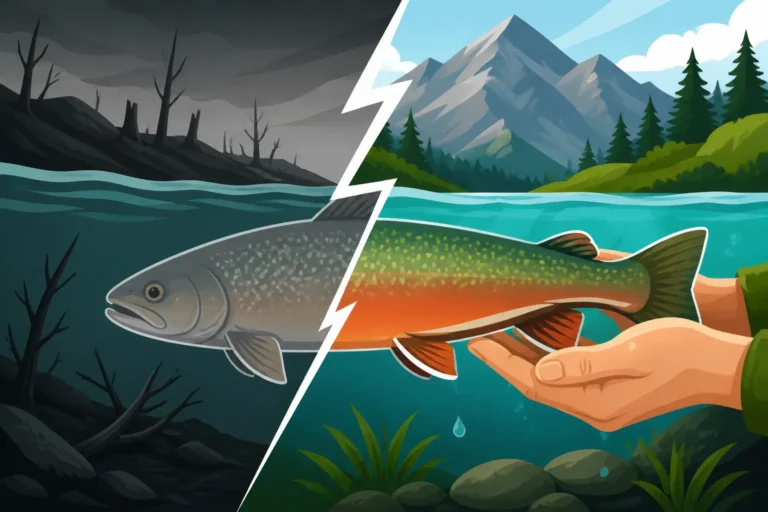
The environment itself can provide strong clues about the likelihood of encountering wild versus stocked trout. Truly wild trout populations thrive in pristine, often remote, and undisturbed habitats with clear, cold water, natural food sources, and complex stream structures (like undercut banks, deep pools, and riffles). Head into the high country, up a long trail to an alpine lake, or deep into a wilderness area, and your chances of catching a wild fish dramatically increase. These are the environments where the fish have evolved without constant human intervention.
On the flip side, waters that are heavily fished, easily accessible, or have been significantly altered by human development are more likely to rely on stocking programs to maintain fishable populations. Urban ponds, heavily managed reservoirs, and certain easily accessed river sections near roads or towns often see regular stockings. While these spots provide excellent fishing, the fish you catch there are frequently hatchery-raised. Of course, there are exceptions – some highly productive rivers can sustain wild populations even with accessibility, but generally, the more untouched and wild the location, the greater the chance of finding a wild trout.
Here's a quick comparison of characteristics:
| Characteristic | Stocked Trout | Wild Trout |
|---|---|---|
| Fins | Often stubby, frayed, eroded, or missing sections. | Pristine, sharp, fully formed, often longer. |
| Coloration | Paler, duller, less vibrant; muted spots. | Rich, vibrant, distinct patterns; colors vary by habitat. |
| Body Shape | Often plump, softer, less streamlined. | Lean, muscular, streamlined, firm; built for fighting currents. |
| Mouth/Jaw | May show signs of abrasion, slight deformities. | Perfectly formed, clean, no noticeable damage. |
| Wariness | Less spooky, may be easier to approach/catch. | Extremely wary, quick to spook, highly sensitive to presence. |
| Fight | Can fight well, but sometimes less sustained/acrobatic. | Strong, acrobatic, determined, powerful. |
| Habitat Clues | Urban ponds, easily accessible lakes/rivers, high-pressure areas. | Remote streams, high-country lakes, pristine wilderness rivers. |
| Other Marks | May have fin clips (e.g., adipose fin). | No artificial clips; some may have genetic markers. |
Disclaimer
This article is for general informational purposes only and does not constitute professional advice. Laws, prices and regulations vary by location and change over time. Consult a qualified professional for guidance on your specific situation.