What the Humpback Chub Is and Where It Lives
When you think about fishing in Colorado, your mind probably jumps to those beautiful rainbow or brown trout, maybe even a feisty kokanee salmon. But beneath the surface of some of our most iconic rivers lives a truly unique and often overlooked native fish: the humpback chub. This guide will take you deep into understanding this incredible, ancient species, shedding light on its appearance, habitat, and the critical conservation efforts dedicated to its survival in the rugged landscapes of Colorado.
What Exactly Is a Humpback Chub?
For many anglers, the term "chub" might conjure images of small, less-than-glamorous fish, often overlooked in favor of more popular sport fish. But the humpback chub (Gila cypha) is anything but ordinary. It's a fascinating, evolutionarily distinct fish, perfectly adapted to the powerful, often turbulent, waters of the Colorado River Basin. Its very existence tells a story of survival in an incredibly harsh and ever-changing environment.
The Distinctive Look of the Humpback Chub
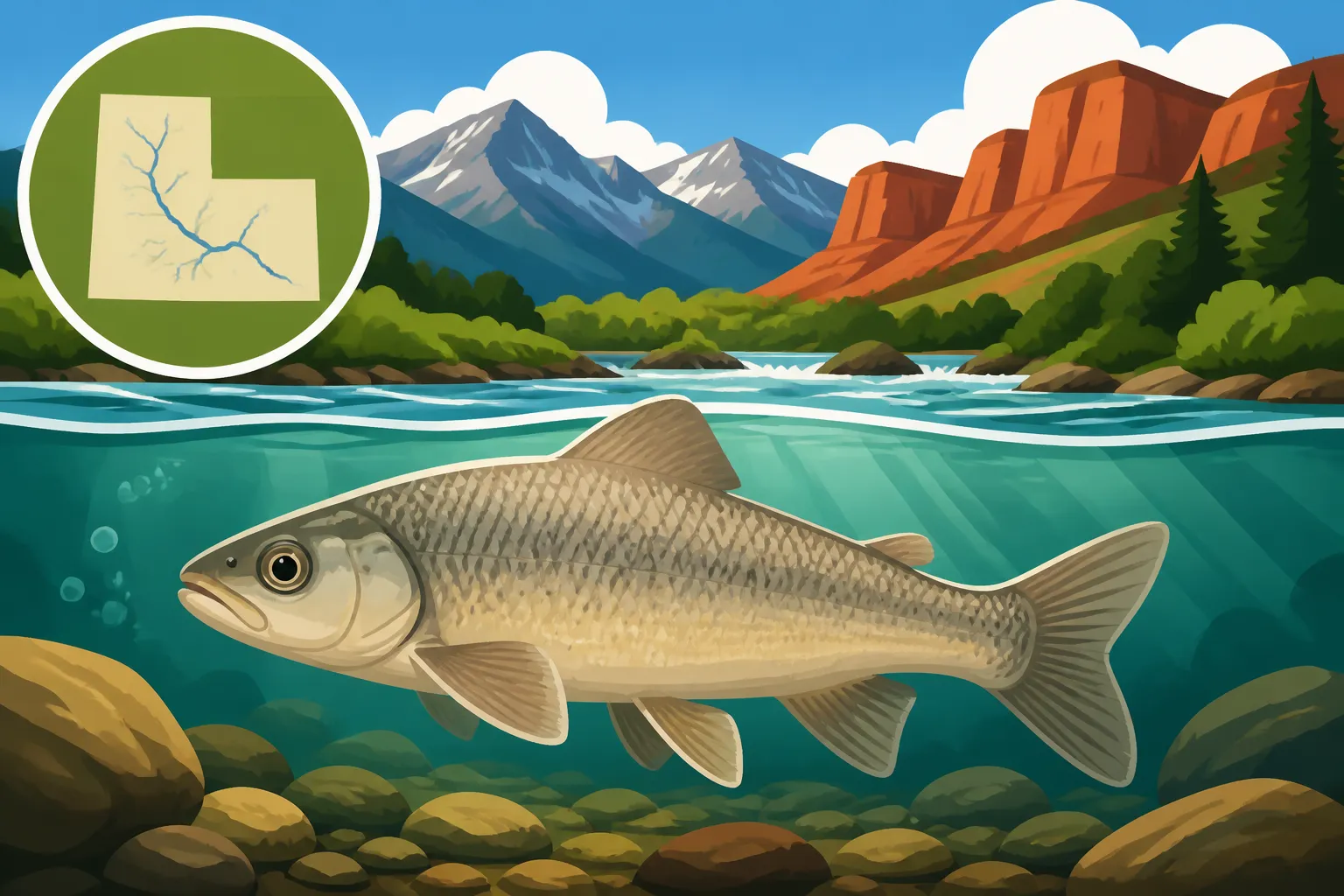
The most striking feature of the humpback chub, as its name suggests, is the prominent, fleshy hump located just behind its head. This isn't just a quirky aesthetic; it's a hydrodynamic adaptation. In the powerful, once free-flowing rivers of the Colorado Plateau, this hump, coupled with a deep, compressed body and large, sickle-shaped fins, helps the fish navigate fast currents and turbulence with remarkable efficiency. Imagine trying to swim against a strong river current – this fish is built for it. They're typically a sleek, olive-grey on their back, fading to silvery-white on their belly, a natural camouflage that helps them blend into their rocky, often silty river bottom environment. Their mouths are small and set slightly back, perfect for feeding on insects and plant matter in the water column or off the substrate. You'd be hard-pressed to mistake it for any other fish once you've seen one.
An Ancient Lineage in a Modern World
The humpback chub is a true relic, a living testament to the powerful, unbridled Colorado River system that existed before significant damming and diversions. These fish evolved over millions of years alongside other unique native species like the Colorado Pikeminnow, bonytail chub, and razorback sucker. They are part of a group known as the "Big River Fishes" of the Colorado River Basin, a group that stands apart from the trout species often stocked for recreation. Their adaptations, like that distinctive hump, were honed over eons to thrive in the fluctuating flows, silty conditions, and extreme temperatures of a dynamic desert river system. Understanding their ancient lineage helps us appreciate just how vulnerable they are to rapid human-induced changes in their habitat.
Where Do Humpback Chubs Live?
The habitat of the humpback chub is as specialized as the fish itself. While the broader Colorado River Basin is its home, its populations are now confined to very specific, often remote, stretches of river, making encounters with them a rare and special event. They are truly a fish of the canyons.
Key River Systems in Colorado and Beyond
In Colorado, the humpback chub's primary stronghold is within the Colorado River itself, particularly in the deep, turbulent canyons of the upper basin. You'd typically find them in the Black Canyon of the Gunnison and within parts of the Colorado River from Grand Junction downstream into Utah. These are rugged, often difficult-to-access areas where the river still maintains some of its historical characteristics, including swift currents and warm, turbid waters. Further downstream, in Arizona, significant populations also exist in the Grand Canyon, particularly near the confluence of the Colorado River and the Little Colorado River. These areas represent critical refuges where the species can still complete its life cycle. It's truly a fish tied to the wilder, less altered sections of these mighty rivers.
Preferred Habitat and Ecological Niche
Humpback chubs aren't found just anywhere in these river sections; they have specific preferences. They thrive in turbulent, deep canyon waters where eddies, backwaters, and other sheltered areas offer respite from the main current, especially for younger fish. These areas provide crucial foraging grounds and protection from predators, particularly non-native fish. Historically, the natural spring runoff would create these diverse habitats, offering a mosaic of slow and fast water. They are also adapted to a wide range of water temperatures, from the cold snowmelt of spring to the warm summer flows typical of desert rivers. This adaptability is key to their survival, but even that has limits when river conditions are drastically altered. These unique conditions are what allow species like the humpback chub to persist, even as much of the river has changed. You might find a good field guide or educational book about Colorado's native fish on Amazon to learn more about these specific habitats.
| Feature | Humpback Chub Description |
|---|---|
| Appearance | Prominent dorsal hump, deep, compressed body, large fins, olive-grey back, silvery belly. |
| Size | Typically 12-18 inches, though some can reach up to 22 inches. |
| Habitat | Deep, turbulent canyon reaches of the Colorado River Basin, side channels, eddies. |
| Diet | Primarily insects, small crustaceans, and plant matter; opportunistic feeder. |
| Conservation | Federally listed endangered species. Critical habitat designated. |
| Distinguishing | Unique hump differentiates it from other chubs and minnows. |
Why Are Humpback Chubs Protected?
The story of the humpback chub is inextricably linked to the history of the American West and the massive changes inflicted upon the Colorado River. Like many of our native aquatic species, they have faced immense challenges, leading to their classification as an endangered species.
Endangered Status and Primary Threats
The humpback chub is currently listed as a federally endangered species. This critical status reflects a dramatic decline in their populations over the last century, primarily due to habitat degradation and the introduction of non-native species. Dams, perhaps more than anything else, have profoundly altered their world. These structures change water temperature (making it consistently cold below dams), reduce natural flow fluctuations, and block fish migration. A river that once pulsed with seasonal floods and low flows, now has a regulated, often unnaturally stable flow regime, which eliminates the dynamic habitats the chubs need.
Beyond habitat alteration, invasive species pose a severe threat. Predatory non-native fish like northern pike and smallmouth bass, or even certain trout species, can easily outcompete or prey upon humpback chubs, especially juveniles. The changing water conditions due to dams often favor these introduced species, giving them an advantage over the highly adapted native fish. It’s a complex ecological puzzle, and protecting species like the humpback chub is a major focus for agencies like Colorado Parks and Wildlife. You can learn more about how different fish species are categorized in Colorado's Endangered and Threatened Fish.
Conservation Efforts and Recovery Programs
Despite the challenges, significant resources are dedicated to the recovery of the humpback chub. Extensive efforts involve habitat restoration, which includes trying to mimic natural flow regimes below dams where possible, creating or enhancing critical backwater habitats, and managing invasive species. Biologists often conduct surveys to monitor populations, and in some areas, efforts are made to remove or suppress non-native predators. There are also captive breeding programs that aim to bolster wild populations by reintroducing fish into suitable habitats. These programs are often complex and involve collaboration between state and federal agencies, as well as academic institutions. It's a long-term commitment, but one that’s vital for the future of this unique Colorado native. When you purchase a Colorado Fishing License Guide for Residents and Nonresidents, a portion of the funds often supports these critical conservation initiatives.
Encountering and Protecting Humpback Chubs
As an angler in Colorado, you might occasionally encounter a fish that looks a little different. Knowing what to do in such a situation is paramount for protecting our native species.
Identifying Native Fish on the Water
While the humpback chub is found in specific, often remote, stretches of river, it's always good practice to be able to identify native fish, especially those that are protected. The most obvious clue for the humpback chub is, of course, that prominent dorsal hump. They also tend to have a larger, more pointed head and smaller scales compared to trout. It's worth carrying a copy of a fish identification guide (many excellent ones are available on Amazon) or having a reliable app on your phone. Understanding the distinct features of our Colorado's Native Cutthroat Trout Subspecies or other native fish can help you discern a protected species from a common catch. If you're fishing in areas known for native fish populations, paying extra attention to what you've hooked becomes part of your responsibility as an ethical angler.
What to Do If You Accidentally Catch a Humpback Chub
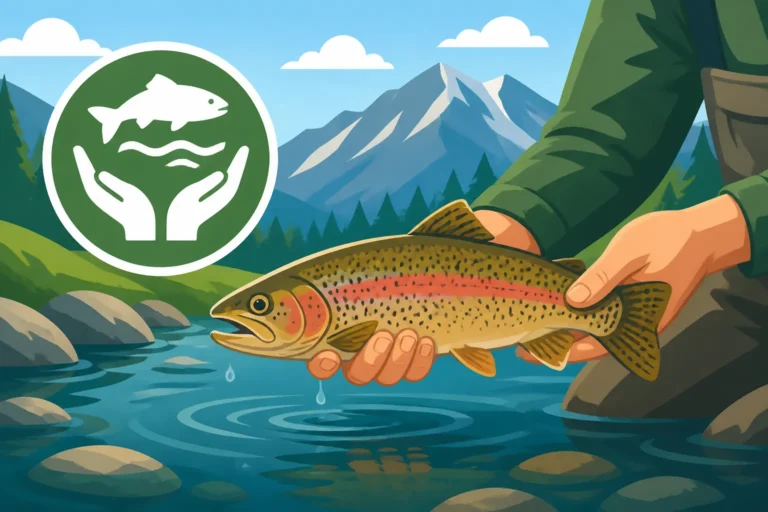
Imagine you're deep in a canyon, fishing a turbulent run, and you hook into something that doesn't feel like a trout. You bring it in, and there it is – that unmistakable hump! If you accidentally catch a humpback chub, it's crucial to handle it with extreme care and release it as quickly and gently as possible.
Here's a simple guide:
- Minimize Handling: Keep the fish in the water as much as possible. Avoid touching its scales or gills with dry hands.
- Remove the Hook Quickly: Use a de-hooking tool or pliers to remove the hook gently. If the fish is deeply hooked and removing the hook would cause significant damage, cut the line as close to the hook as possible.
- Avoid Photos: While tempting, avoid taking time for photos, as prolonged air exposure is very harmful.
- Support and Release: Support the fish in the water until it regains its strength and can swim away on its own.
- Report if Required: Depending on the location and specific regulations, you might be asked to report the catch to Colorado Parks and Wildlife, especially if it was injured. Always consult the most current Colorado Fishing Regulations Every Angler Should Know for the specific body of water you're on.
Your quick and careful actions can make a huge difference in the survival of these rare fish. This responsible behavior is part of being a good steward of our aquatic resources, something we all value as anglers. You may also be interested in What to Do If You Catch an Endangered Fish by Accident for more detailed guidance.
The Angler's Role in Conservation
Every angler has a role to play in the conservation of species like the humpback chub. It goes beyond just careful handling and release. It means educating yourself about the waters you fish and the species that call them home. It means being aware of the impact of non-native species and understanding why certain bait restrictions or special regulations are in place. When you buy your Colorado Fishing License Costs Explained, you're contributing directly to the management and conservation efforts that benefit all fish species, including the most vulnerable. By being informed, practicing ethical angling, and supporting conservation initiatives, we can all help ensure that the unique humpback chub continues to thrive in its canyon homes for generations to come. Even looking up specialized literature on Amazon can provide valuable insights into conservation.
Disclaimer
This article is for general informational purposes only and does not constitute professional advice. Laws, prices and regulations vary by location and change over time. Consult a qualified professional for guidance on your specific situation.