What to Do If You Catch an Endangered Fish by Accident
The heart-stopping moment when you reel in a fish only to realize it looks… different. Maybe it's not the rainbow trout you were expecting, or perhaps it has markings you've never seen before. That jolt of anxiety about whether you've just caught something rare, perhaps even endangered, is a real and unsettling feeling for any responsible angler in Colorado. This guide is here to walk you through exactly what to do if you find yourself in this situation, offering practical advice to protect these precious fish and ensure you're fishing ethically and legally.
Identifying Colorado's Protected Species on the Hook
One of the biggest anxieties for anglers is accidentally catching a fish they shouldn't. Colorado is home to a rich diversity of aquatic life, and while many species are common, a few are incredibly rare and protected. Knowing what these protected species look like, and understanding why they're protected, is your first line of defense against an accidental mishap.
Why Identification Matters and How to Spot Key Features
The stress of bringing in a fish and not immediately recognizing it can be intense. Your mind races: Is this legal? Is it a native? Did I just do something wrong? The truth is, mistakes happen, but a little knowledge goes a long way. Colorado's waters are part of vital recovery efforts for several native fish that face significant challenges, often due to habitat loss, pollution, and the introduction of non-native species. These aren't just obscure regulations; they're about preserving unique parts of Colorado's natural heritage. You can learn more about these efforts in our comprehensive guide, Colorado's Endangered and Threatened Fish.
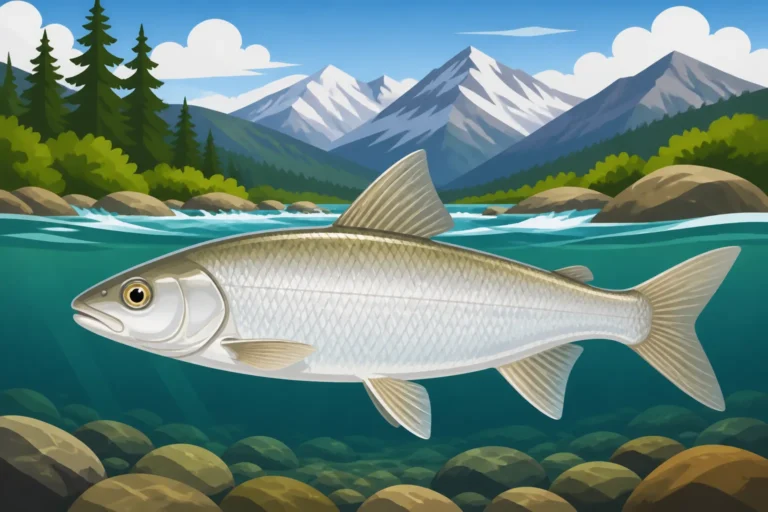
When you hook a fish, a quick and gentle observation is key. Don't panic and immediately yank it out of the water. Look for distinctive features. For example, some of Colorado's protected native fish include the Colorado Pikeminnow, Humpback Chub, and Bonytail Chub, all found primarily in the Colorado River basin. These fish often have elongated, cylindrical bodies, smaller scales, and unique mouth structures that differ from the trout and bass most anglers typically pursue. The Colorado Pikeminnow, for instance, can grow quite large and has a torpedo-shaped body with a distinct hump on its back. The Humpback Chub, as its name suggests, has a pronounced hump behind its head.
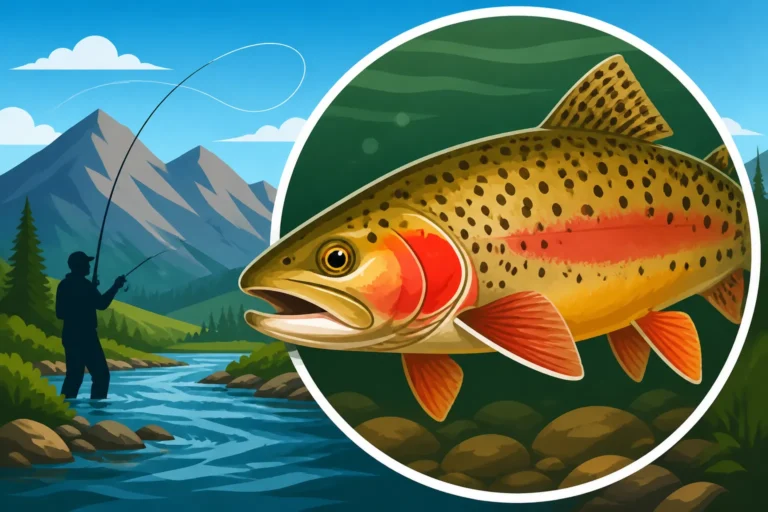
Then there's the Greenback Cutthroat Trout. This is Colorado's state fish, and while extensive recovery efforts are underway, truly pure Greenbacks are incredibly rare and found in very specific, often restricted, drainages. Distinguishing a pure Greenback from other cutthroat subspecies or even rainbow trout can be incredibly challenging, even for seasoned anglers, as How to Tell a Cutthroat From a Rainbow Trout explains. They typically have a distinctive red or orange slash under their jaw and can show unique spotting patterns. Knowing the general appearance of these rare fish, even if you can't be 100% sure in the moment, can help you react appropriately. These native species represent a crucial link to What Colorado's Native Fish Looked Like Before Trout Were Introduced.
The Role of the Colorado Fishing Atlas and Regulations Brochure
Before you even cast a line, a little homework can save you a lot of stress. Colorado Parks and Wildlife (CPW) provides incredible resources that are designed to help you fish responsibly. The annual Colorado Fishing Regulations brochure is an absolute must-read. It details species-specific regulations, length limits, bag limits, and any special restrictions for particular bodies of water, including those with protected or endangered species. Taking the time to read through it, perhaps even highlighting sections relevant to your planned fishing trip, is a wise move. You can find detailed tips on navigating this essential document in Reading Colorado's Fishing Regulations Brochure.
Beyond the brochure, the CPW's online Colorado Fishing Atlas is an invaluable tool. It allows you to search specific lakes, rivers, and streams, providing information on what species are present, any special regulations for that water, and sometimes even notes on native fish populations. If you're planning to fish a lesser-known stream or an area rumored to hold native fish, consulting the atlas beforehand can alert you to the presence of protected species and help you adjust your approach. For example, if you're fishing a high-alpine lake in a remote basin, knowing that it's part of a Colorado's Native Cutthroat Trout Subspecies recovery zone changes how you should prepare and fish. These resources are designed to empower you with information, reducing the likelihood of an accidental catch or, at the very least, preparing you for the correct response.
The Immediate Steps: Catch-and-Release Protocol for Endangered Fish
So, you've hooked something that looks suspiciously like one of Colorado's protected species. Your heart is pounding. What's next? The most critical thing is to act quickly, gently, and with the fish's well-being as your absolute top priority.
Prioritizing the Fish's Safety
This isn't a moment for a selfie or to show off your rare catch to your buddy. This is about minimizing stress and maximizing the fish's chance of survival. The first, most crucial step is to keep the fish in the water as much as humanly possible. If you must lift it, do so for mere seconds. Never let it flop around on the bank, in the bottom of your boat, or on dry ground. Air exposure is incredibly harmful to fish, especially those already stressed from being hooked.
Always wet your hands thoroughly before touching any fish. Dry hands can remove the protective slime layer that guards fish against disease and infection. If you use a net, opt for a knotless, rubberized landing net. These types of nets are much gentler on fins, scales, and that crucial slime coat than traditional knotted mesh nets. You can find excellent quality rubber nets on platforms like Amazon, which are an investment every conscientious angler should consider. When you reach for the hook, try to keep the fish submerged or at least partially submerged.
Gentle de-hooking is paramount. Use forceps, pliers, or a dedicated de-hooking tool to carefully remove the hook. If the fish is deeply hooked – meaning the hook is in its gills or gut – do not try to wrench it out. That will almost certainly cause lethal damage. Instead, cut the line as close to the mouth as possible. Studies show that hooks left in often rust out or are encapsulated by the fish's tissue, giving it a much better chance of survival than a botched removal. If you're using barbless hooks, removal is often much easier and quicker, a topic we cover in Barbless Hook Rules on Colorado Rivers. This is why many experienced anglers proactively crimp down the barbs on their hooks or purchase barbless hooks directly, which are also widely available on Amazon. For more detailed best practices on handling, check out How to Handle Trout for a Safe Release.
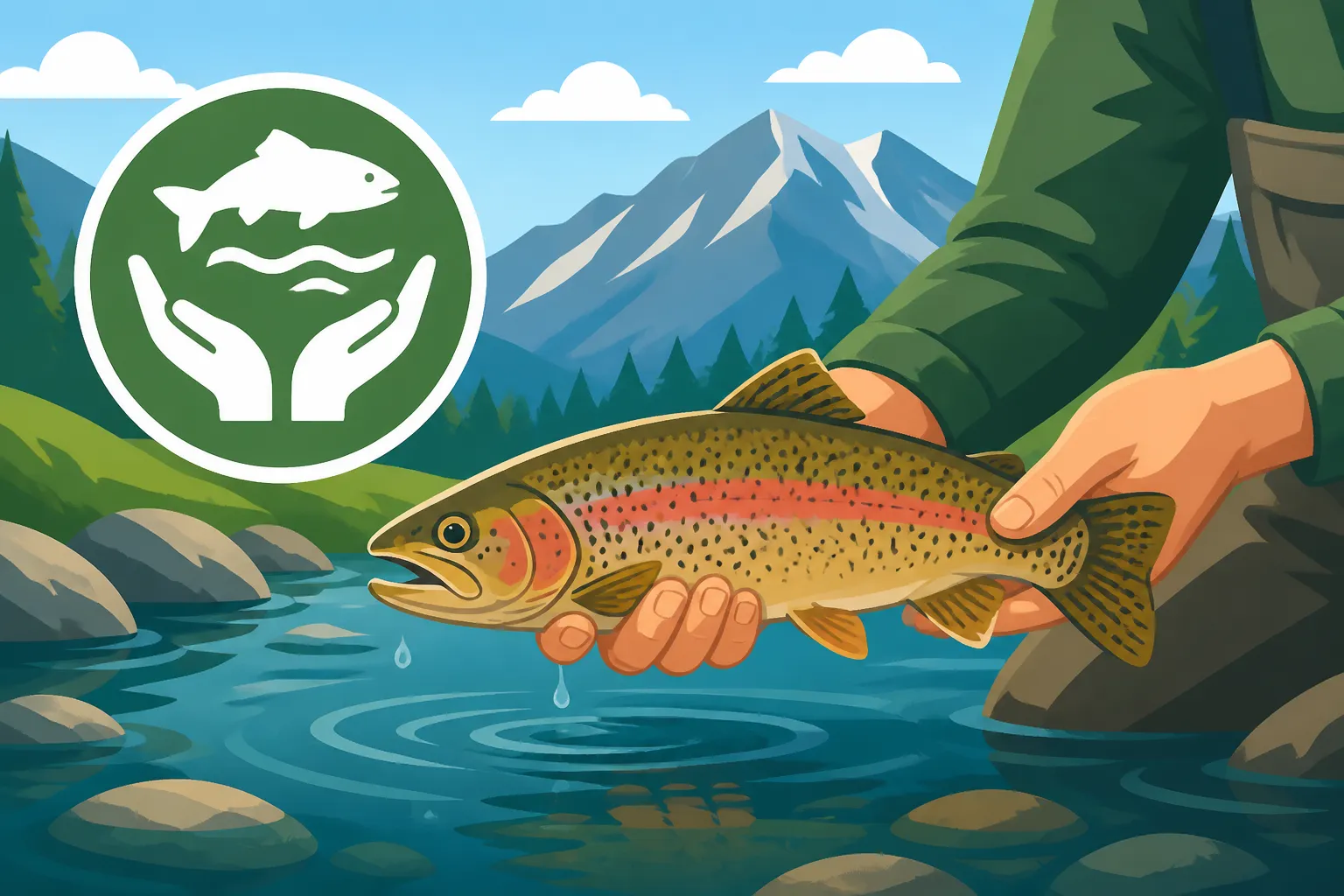
Once the hook is out, or the line is cut, cradle the fish gently in the water, facing upstream. Allow water to flow over its gills. You'll feel it start to revive as it regains strength and begins to swim on its own. Don't just toss it back; ensure it's strong enough to swim away vigorously. This "reviving" period is essential to its survival.
Documenting (Carefully) and Releasing
So, should you take a photo? This is a tricky one. In an ideal world, the focus is 100% on the fish's immediate release. However, conservation agencies sometimes appreciate documentation, especially if you believe you've caught a particularly rare or previously unrecorded specimen in a specific area. If you decide to take a photo, it must be done with extreme speed and without further stressing the fish. Keep the fish submerged or as close to the water as possible, and snap a quick, clear shot that shows key identification features. Do not attempt to hold it up by the jaw or gills. If you feel you cannot get a photo quickly and safely, then don't. The fish's life is more important than a picture.
After a photo (if taken) and the fish has been revived, release it immediately. Let it swim away on its own terms. There's no scenario where you should consider keeping an endangered or protected fish. Even if you think it's injured, attempting to transport it in a cooler or bucket is generally illegal and further stresses the fish. The best thing you can do is give it the best possible chance to recover in its natural environment.
It’s important to understand the regulations around keeping specific fish, especially natives. For instance, you might be asking yourself, Is It Legal to Keep a Greenback Cutthroat Trout? The answer is almost universally no, reinforcing the need for immediate, gentle release.
Reporting an Accidental Catch (When Necessary)
After the immediate release, you might be left wondering, "Do I need to report this?" The answer often depends on the specifics, but knowing when and how to contact Colorado Parks and Wildlife (CPW) is crucial for both your peace of mind and for conservation efforts.
When and Why to Report
Let's be clear: accidentally catching and immediately, safely releasing a protected fish is generally not going to land you in trouble, assuming you followed all best practices. The goal of regulations around endangered species is protection, not punishment for an honest mistake by a responsible angler. CPW understands that these things happen.
However, reporting an accidental catch can be incredibly valuable for conservation. For example, if you catch a species like a Colorado Pikeminnow in a location where it wasn't previously known to exist, or if you consistently encounter a particular protected species in a spot you didn't expect, this information is gold for biologists. It helps them track populations, understand habitat use, and refine their conservation strategies. If the fish appeared to be injured despite your best efforts at release, or if it unfortunately perished, reporting is even more critical.
Think of it as contributing to citizen science. Your encounter, if reported, becomes a data point that helps state wildlife agencies monitor the health and distribution of these sensitive populations. It shows your commitment to ethical angling and conservation.
How to Contact Colorado Parks and Wildlife (CPW)
If you decide to report an accidental catch, the process is straightforward. Colorado Parks and Wildlife is the agency to contact. You can reach them through various channels:
- Local CPW Office: If you're in an area with a regional CPW office, you can often find their non-emergency phone number online. This is a good option for non-urgent reports or if you want to speak directly with a local fisheries biologist.
- CPW Main Line: The main CPW customer service line can direct you to the appropriate division or a local officer.
- Operation Game Thief: For more urgent matters or if you suspect any illegal activity related to protected species, Colorado has an "Operation Game Thief" hotline. This is for reporting wildlife violations, but they can also field sensitive reports and direct you.
- Online Reporting: CPW's website may offer an online form for submitting observations or reports. This can be convenient for non-emergency situations where you have detailed information and perhaps a photograph to share.
When you contact CPW, be prepared to provide as much detail as possible:
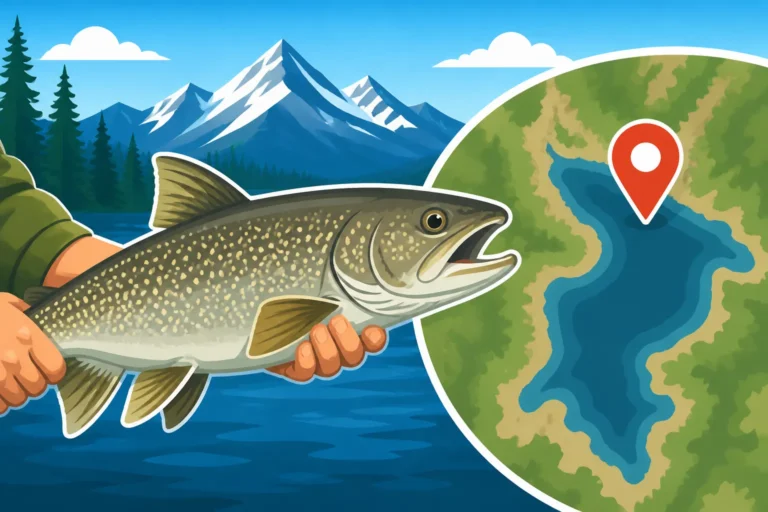
- Precise Location: The exact river, lake, or stream, and if possible, cross streets, landmarks, or GPS coordinates.
- Time and Date: When the incident occurred.
- Species Description: Describe what you saw – markings, body shape, estimated size. If you took a clear, safe photo, mention that.
- Fish's Condition: Was it alive and well upon release? Did it seem injured?
- Your Contact Information: So a biologist can follow up if needed.
Remember, honesty and clear communication are key. You're not admitting guilt; you're contributing to conservation.
Preventing Future Accidental Catches
While accidents happen, there are many proactive steps you can take to minimize the chance of hooking an endangered fish in the first place, ensuring a more relaxed and responsible fishing experience.
Researching Your Fishing Spots Thoroughly
The best way to avoid an accidental catch is to know what lives in the water you're fishing before you even cast. This means diving deep into your pre-trip research, far beyond just looking up the latest stocking report. The Colorado Fishing Atlas is your best friend here, as it often flags waters with special regulations or known native species populations. Don't just skim it; pay attention to the detailed notes for each specific body of water.
For example, some smaller mountain streams are actively managed for Colorado River Cutthroat Trout, Where to Find Them or Rio Grande Cutthroat Trout in the San Luis Valley. These areas might have specific bait restrictions or be designated as catch-and-release only for certain species. Being aware of these designations means you can either choose a different spot if you're not comfortable with those rules, or adjust your gear and technique accordingly. This deep dive into regulations is a hallmark of a truly ethical angler. You wouldn't want to unknowingly cast into a critical spawning ground for Colorado's Kokanee Salmon Limit at Blue Mesa, for instance, during their annual runs.
Additionally, pay attention to any signage at trailheads or access points. Sometimes, land managers will post specific warnings or information about sensitive species in that immediate area. Ignoring these signs is not only irresponsible but could also lead to unfortunate encounters.
Gear Choices and Fishing Practices
Your gear and how you use it can significantly impact both your ability to release fish unharmed and the likelihood of deep-hooking. Making conscious choices here is a powerful step towards responsible angling.
First and foremost, barbless hooks are a game-changer for catch-and-release. As discussed in Barbless Hook Rules on Colorado Rivers, they dramatically reduce trauma to the fish and allow for much quicker, easier hook removal. You can purchase barbless hooks directly or simply use a pair of pliers to crimp down the barb on any barbed hook you own. This simple modification is one of the most effective ways to ensure a fish's survival after release. Many reputable fly and tackle shops, as well as online retailers like Amazon, offer a wide array of barbless hook options for all types of fishing.
Secondly, be mindful of bait restrictions. Certain sensitive waters, especially those managed for native trout or where protected species might reside, have strict Colorado Bait Restrictions and Where They Apply. Often, this means no live bait, or only artificial lures/flies. Live bait, while effective, can be more prone to deep hooking, making a clean release nearly impossible. Always check the regulations for your specific water before bringing bait along.
Finally, consider carrying a release tool. While forceps or pliers are common, specialized de-hooking tools can make removing hooks even easier, especially with small or awkwardly hooked fish. These tools are designed to safely dislodge hooks without putting your hands or the fish's delicate tissues at risk. Many models are compact and easy to carry, and you can readily find them on Amazon or at your local sporting goods store. Coupled with a good rubberized landing net, these tools complete your ethical angling kit, empowering you to handle any accidental catch with confidence and care.
Key Identification Features: Protected vs. Common Fish
Here’s a quick guide to some features to look for when trying to identify fish that might be protected in Colorado, versus some of the more common species you might encounter. This is a general overview, and always cross-reference with the official CPW regulations!
| Feature | Colorado Pikeminnow / Humpback Chub (Protected) | Rainbow Trout / Brown Trout (Common Game Fish) |
|---|---|---|
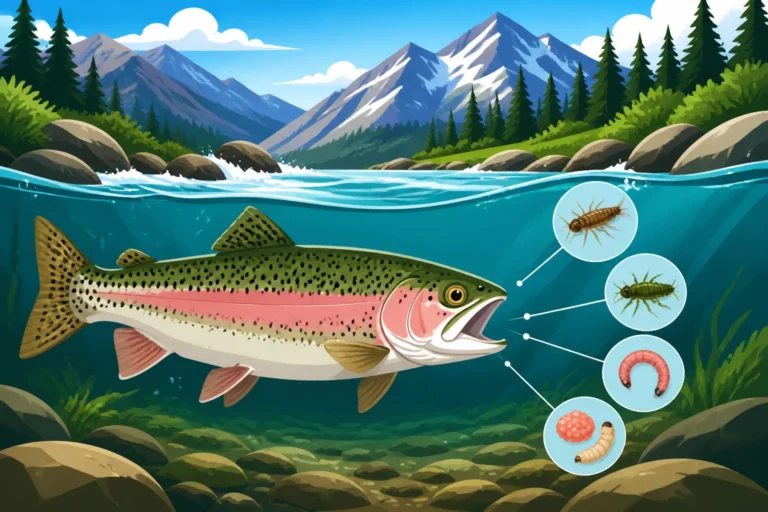
| Body Shape | Elongated, slender, torpedo-like; often with a pronounced hump on back/head | More robust, streamlined, fusiform (cigar-shaped) |
| Mouth | Subterminal (under the snout) or terminal; often small, sometimes sucker-like | Terminal (at the end of the snout); clearly visible, often with small teeth |
| Scales | Smaller, sometimes embedded, giving a smoother appearance | Larger, clearly visible scales, more textured feel |
| Coloration | Olive-green to silvery, sometimes brownish; less vibrant, camouflage-like | Varied; rainbow stripe, dark spots on light background (rainbow); darker, |
| red spots with light halos (brown) | ||
| Head Shape | Longer snout, sometimes pointed; Humpback Chub has distinct hump | More rounded, proportionate head, no extreme features |
| Location (Key) | Primarily lower elevation, warm-water sections of Colorado River basin | Widespread in cold-water rivers, lakes, reservoirs throughout Colorado |
This table is not exhaustive but highlights the distinct differences that should make you pause and take a closer look if you've caught something unusual.
Disclaimer
This article is for general informational purposes only and does not constitute professional advice. Laws, prices and regulations vary by location and change over time. Consult a qualified professional for guidance on your specific situation.