What the Bonytail Chub Is and Why It’s Protected
For many folks who dream of landing a trophy trout or a hefty walleye, hearing about a fish called the "bonytail chub" might not exactly get your heart racing. It's often misunderstood, or worse, completely unknown, but this unassuming native fish is a vital piece of Colorado's natural heritage and is facing some serious threats. This guide is all about shedding light on the bonytail chub, delving into what makes it unique, why it desperately needs our protection, and what conservation efforts are underway to ensure its survival in the face of immense challenges.
Understanding the Bonytail Chub: A Native Coloradoan
When you think of fish in Colorado, you probably picture a glistening rainbow trout leaping from a mountain stream or a powerful brown trout lurking in a deep eddy. But long before many of these popular sport fish were introduced, the rivers of the American West, including the Colorado River basin, were home to a remarkable array of native species adapted to these often harsh and dynamic environments. Among them is the bonytail chub ( Gila elegans ), a fish that, while not as flashy as a trout, represents a unique evolutionary success story and is a crucial indicator of river health.
What Makes a Bonytail Chub Unique?
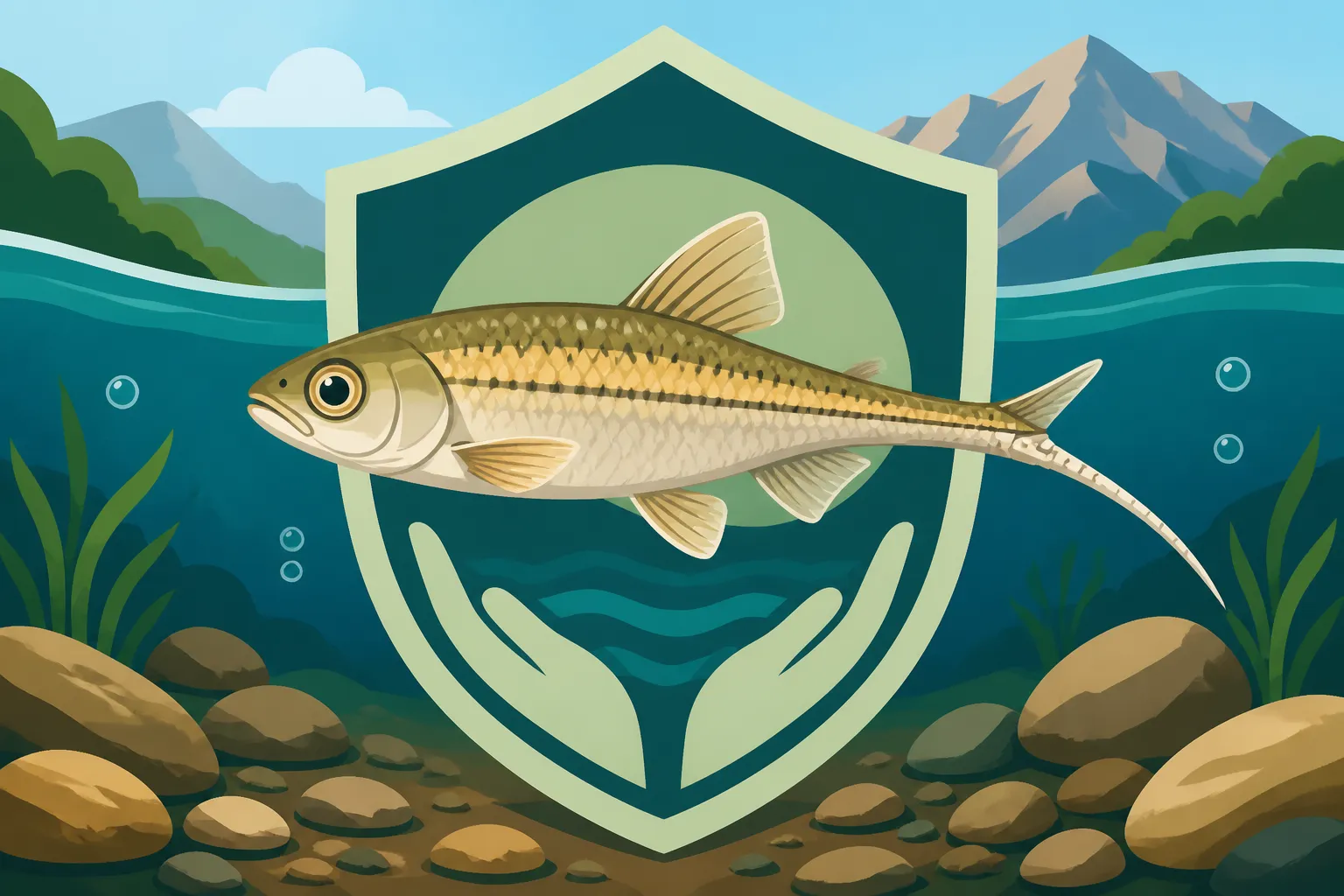
Imagine a fish that's perfectly streamlined for life in big, fast-flowing rivers. That's the bonytail chub. They have this incredibly sleek, torpedo-shaped body with a long, slender caudal peduncle (that's the narrow part of the body leading to the tail fin), which gives them their "bonytail" name. Their scales are relatively small, and their mouth is usually slightly underslung, perfect for foraging along the river bottom or snapping up insects from the water column. Historically, they could grow quite large, sometimes reaching up to two feet in length, though today, finding one even half that size is a rare event. They're often described as having an olive-green to silvery coloration, allowing them to blend in beautifully with the river environment.
One of the most fascinating aspects of the bonytail chub, and many other native Colorado River fish, is their incredible adaptation to a highly variable desert river system. These rivers historically experienced massive seasonal floods and then periods of very low flow, with huge fluctuations in temperature and turbidity. Bonytail chubs evolved to thrive in these conditions, utilizing the shifting sandbars, backwaters, and main channels throughout their life cycle. Their resilience, however, has been pushed to its absolute limit by changes to their habitat.
Historical Range and Current Status
Back in the day, the bonytail chub was widespread throughout the entire Colorado River basin, from Wyoming all the way down to Mexico. They were particularly common in the slower, warmer stretches of the main stem and its larger tributaries like the Green, Yampa, and San Juan rivers. Imagine a time when these chubs were a regular sight for early explorers and settlers, a testament to the river's vibrant, wild ecosystem.
Today, that picture is drastically different. The bonytail chub is one of the most endangered fish species in North America, teetering on the brink of extinction. Its natural populations have declined by over 99%, making it incredibly rare to find them in the wild. While captive breeding programs have helped somewhat, the reality is that their wild numbers are alarmingly low. This dramatic decline is why it's listed as a federally endangered species, granting it stringent protections under the Endangered Species Act. It’s a sobering reminder of how quickly even resilient species can disappear when their world is altered.
Why the Bonytail Chub Is Protected
The protection of the bonytail chub isn't just about saving one species; it's about preserving the intricate web of life that makes up the Colorado River ecosystem and acknowledging the profound impact human activity has had on these vital waterways. Losing a species like the bonytail chub sends ripples through the entire ecosystem, affecting everything from water quality to the food chain. Its protected status is a testament to its ecological importance and a desperate call to action.
Habitat Loss and Alteration: The Primary Threat
The biggest reason for the bonytail chub's decline is undeniably habitat loss and alteration. The Colorado River system, a lifeline for millions of people and vast agricultural areas, has been massively re-engineered over the last century. Dams, diversions, and reservoirs have fundamentally changed the river's natural flow patterns.
Think about the impact:
- Dams: Big dams like Flaming Gorge, Navajo, and Glen Canyon have turned long stretches of free-flowing river into cold, still reservoirs. Bonytail chubs evolved for warm, silty, fluctuating river environments, not deep, cold lakes. The steady, cold water releases from dam bases are essentially like an ice bath for these warm-water adapted fish, making survival incredibly difficult.
- Water Diversions: The immense demand for water for cities and farms means a lot of river water is simply removed from the system. This reduces flows, shrinks habitat, and concentrates pollutants, making the remaining patches of suitable habitat even more precarious.
- Loss of Seasonal Floods: Historically, annual spring floods would scour river channels, create new backwater habitats, and redistribute sediment, which was crucial for the bonytail chub's spawning and nursery grounds. With dams controlling flows, these natural processes are largely absent, leading to stagnant, less diverse habitats.
These changes haven't just altered the river; they've fundamentally changed the very rhythm of life for species like the bonytail chub, removing the conditions they needed to thrive over millions of years of evolution.
Non-Native Species: An Invasive Overwhelm
As if habitat alteration wasn't enough, the introduction of non-native fish species has delivered a devastating one-two punch to the bonytail chub. Many of these non-natives, like northern pike, smallmouth bass, and even some species of catfish, are highly adaptable predators that outcompete native fish for food and habitat, and, most critically, prey directly on them, especially the vulnerable young.
It’s a brutal scenario:
- Predation: Imagine a juvenile bonytail chub, trying to grow up in a nursery backwater, only to be constantly hunted by a hungry smallmouth bass or a pike that thrives in the slack water created by dams. The odds are stacked against them. Why Colorado Culls Pike From Some Waters directly addresses this issue with another species.
- Competition: Non-native species also compete for limited food resources and prime spawning areas. They are often more aggressive or simply better adapted to the altered conditions (colder, clearer water) found below dams, giving them a significant advantage over the native inhabitants.
- Hybridization: In some cases, non-native fish can even hybridize with native species, diluting the genetic purity of the wild populations and weakening their ability to adapt to changing conditions.
The presence of these introduced species, some intentionally stocked for sport fishing, others introduced accidentally, poses a continuous and often overwhelming threat that makes recovery efforts incredibly complex. For anglers who love fishing these introduced species, it's important to understand the ecological consequences; it’s a delicate balance.
Other Contributing Factors
While habitat and non-native species are the heavy hitters, other factors contribute to the bonytail chub's precarious status:
- Pollution: Runoff from agriculture, urban areas, and industrial sources can degrade water quality, impacting the chub's health and reproductive success.
- Disease: Wild populations, already stressed by habitat issues and non-native competition, can be particularly vulnerable to disease outbreaks.
- Small Population Size: When a species' numbers dwindle, genetic diversity often decreases, making them less resilient to environmental changes and more susceptible to local extinction events. It becomes a vicious cycle that's hard to break.
Understanding these multifaceted threats is crucial for appreciating the scope of the challenge in protecting the bonytail chub and other Colorado's Endangered and Threatened Fish.
Conservation Efforts and Recovery Programs
Despite the grim outlook, there's a dedicated community of scientists, conservationists, and government agencies working tirelessly to bring the bonytail chub back from the brink. These efforts are multifaceted, focusing on everything from direct restoration to public awareness. It’s a long, uphill battle, but one that many believe is absolutely essential.
Habitat Restoration and Management
A cornerstone of bonytail chub recovery is restoring and managing their native habitat. This involves some pretty innovative and often challenging projects:
- Flow Management: Working with dam operators to release water in a more "natural" pattern, mimicking historical spring floods or ensuring adequate summer flows, can significantly benefit native fish. It’s a delicate balance between human water needs and ecological requirements.
- Backwater Creation: Actively constructing or restoring off-channel habitats like side channels, oxbows, and floodplain wetlands provides crucial low-velocity nursery areas for young chubs and other native fish. These are the kinds of places where a young chub can escape strong currents and predatory fish.
- Fish Passages: In some areas, efforts are made to create fish ladders or other passage structures around smaller barriers, allowing fish to access historically important spawning and feeding grounds that were once cut off.
- Temperature Regulation: Though challenging, some projects explore ways to manage water temperatures below dams to create more suitable conditions for warm-water species.
These projects often require significant funding and collaboration, involving federal agencies, state wildlife departments like Colorado Parks and Wildlife, and numerous non-profit organizations. It's a massive undertaking, but seeing a healthy, flowing river with restored backwaters is a truly rewarding sight.
Captive Breeding and Stocking Programs
Given how few bonytail chubs remain in the wild, captive breeding programs are absolutely critical. Think of them as aquatic arks, safeguarding the species' genetic material and providing individuals for reintroduction. Fish hatcheries, some of them state-of-the-art facilities, raise bonytail chubs in controlled environments to ensure their survival.
Here's how it generally works:
- Broodstock Management: A carefully selected group of wild-caught or hatchery-raised bonytail chubs forms the "broodstock." Genetic diversity is paramount, so sophisticated genetic analysis is used to ensure a healthy and varied gene pool.
- Spawning and Rearing: The fish are encouraged to spawn, and their eggs are carefully collected and hatched. The young fish are then raised in protected ponds or raceways, safe from predators and harsh environmental conditions.
- Reintroduction: Once the fish reach a certain size and are deemed healthy enough, they are stocked into suitable habitats within their historical range. This often happens in specific, managed recovery areas where efforts have been made to control non-native predators and improve habitat.
While stocking is essential, it's not a silver bullet. The ultimate goal is to establish self-sustaining wild populations, which means addressing the underlying habitat and non-native species issues. Without a healthy environment to return to, even the hardiest hatchery-raised fish will struggle.
Non-Native Species Management
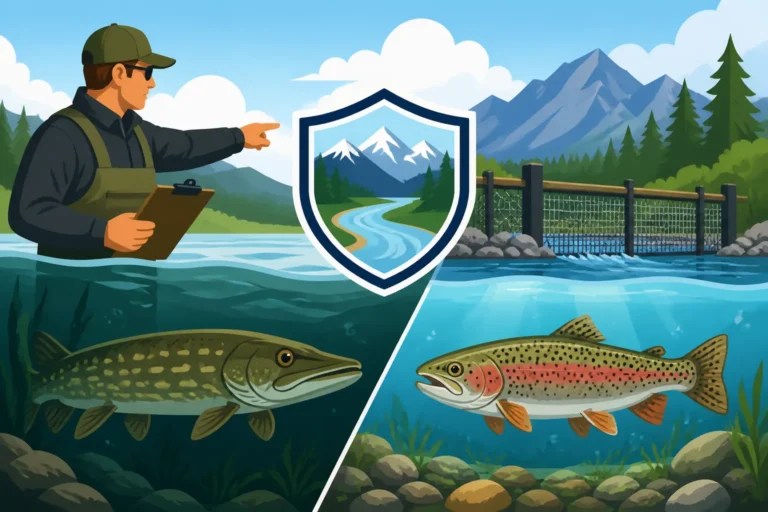
Controlling non-native fish is another critical piece of the puzzle, and often a controversial one. For species like northern pike or smallmouth bass, which thrive in altered environments and are voracious predators of native fish, management strategies can include:
- Removal Programs: In targeted recovery areas, efforts might be made to mechanically remove non-native fish through netting, electrofishing, or even through increased sport fishing bag limits to encourage angler harvest. Colorado's Daily Northern Pike Limit can be quite liberal in certain areas precisely for this reason.
- Barrier Construction: In some rare instances, physical barriers might be constructed to prevent the upstream migration of non-native fish into sensitive native fish habitats.
- Education: Educating anglers about the impact of non-native species and encouraging responsible fishing practices (like not illegally stocking fish) is also key.
It's a tough balance because many anglers enjoy fishing for these introduced species. However, for the survival of the bonytail chub and other native fish, managing these populations is often unavoidable.
How Anglers Can Help Protect the Bonytail Chub
For those of us who love to fish Colorado's waters, it's easy to feel detached from the plight of a fish we might never even see. But every angler has a role to play, big or small, in protecting our native species, including the bonytail chub. Your actions on and off the water can make a real difference, even if you're primarily targeting trout or bass.
Proper Identification and Catch-and-Release
One of the most important things you can do is learn to identify what you're catching. While it's highly unlikely you'll accidentally hook a bonytail chub in most popular fishing spots, knowing what it looks like can prevent accidental harm if you do encounter one in a recovery area. If you're fishing in a part of the Colorado River basin, especially areas designated for native fish recovery, it's worth brushing up on the local species. Many great field guides are available for purchase on platforms like Amazon that can help you distinguish between species.
If you happen to catch any fish that looks like a bonytail chub (or any other native or protected species), the best practice is always What to Do If You Catch an Endangered Fish by Accident:
- Minimize Handling: Handle the fish as little as possible. Keep it in the water if you can.
- Unhook Quickly: Use needle-nose pliers or hemostats to quickly remove the hook. Barbless hooks can make this much easier.
- Release Gently: Support the fish in the water until it swims away under its own power. Do not throw it back.
- No Photos: As tempting as it is, avoid taking photos that involve removing the fish from the water, as this adds unnecessary stress.
- Report Sightings: Consider reporting your sighting to Colorado Parks and Wildlife (CPW) if you're confident in your identification, providing location and date details. This helps biologists monitor populations.
Remember, the goal is to give these rare fish the best possible chance of survival.
Preventing the Spread of Non-Native Species and Diseases
Anglers can be unintentional vectors for spreading non-native species or diseases. By practicing "Clean, Drain, Dry," you can significantly reduce these risks:
- Clean: Inspect your boat, trailer, waders, boots, and gear, removing all visible mud, plants, and aquatic organisms before leaving a site. A good scrub brush or pressure washer, which you can find readily on Amazon, works wonders.
- Drain: Drain all water from your boat, livewell, bilge, and engine cooling systems, as well as waders and gear, before leaving the access area.
- Dry: Allow all your gear to thoroughly dry for at least 5 days before using it in another water body. If you can't dry it, freeze it, or rinse it with hot (140°F) water.
These simple steps, particularly crucial for preventing the spread of aquatic invasive species like quagga mussels or whirling disease, also help to protect native fish habitats from further degradation. Make it a habit every time you move between different fishing locations.
Supporting Conservation Efforts
Beyond individual actions, you can contribute to bonytail chub recovery by supporting organizations and initiatives dedicated to native fish conservation. Many environmental groups and local chapters of national organizations like Trout Unlimited or Audubon are actively involved in habitat restoration projects and advocacy.
Consider:
- Volunteering: Offer your time for river cleanups, habitat restoration projects, or citizen science programs.
- Donating: Financial contributions, even small ones, can help fund critical research, captive breeding programs, and habitat restoration. Many non-profits have an online donation portal.
- Education and Advocacy: Learn more about the issues, share what you know with other anglers, and advocate for policies that prioritize river health and native species.
The fate of the bonytail chub and other Colorado's Native Cutthroat Trout Subspecies often hinges on a collective effort. Every piece of information, every dollar, and every hour volunteered chips away at the immense challenge of recovering these precious native fish. For example, knowing How Many of Colorado's Fish Species Are Native can help you understand the broader picture of what we're trying to protect.
The Bigger Picture: Why Native Fish Matter
It's easy to dismiss a small, silvery fish like the bonytail chub, especially when it doesn't offer the thrill of a fight on a fishing line. But the truth is, the health of our native fish populations is a profound indicator of the overall health of our rivers and ecosystems. They are the living thermometers, telling us how well our natural systems are functioning.
Ecological Importance
Native fish, including the bonytail chub, have evolved over millennia to fit perfectly into their ecosystem. They play specific roles in the food web, from consuming insects and algae to being a food source for larger predators like birds of prey, otters, and even larger native fish. When you remove a species from this intricate web, the entire system can unravel. The loss of bonytail chubs impacts everything that relied on them, directly or indirectly. It’s not just about one fish; it’s about a vast network of connections.
Moreover, native fish like the bonytail chub are adapted to the specific conditions of their environment. Their presence signals a healthy river that still maintains at least some of its natural processes. Protecting them means protecting clean water, healthy floodplains, and the natural flow regimes that benefit countless other species, including many that people do fish for, like our beloved trout.
Cultural and Historical Significance
Beyond the ecological, native fish hold immense cultural and historical significance. They are living links to the past, part of the natural heritage that existed long before modern development. Indigenous peoples of the Colorado River basin relied on these fish for sustenance and saw them as integral parts of their world. To lose the bonytail chub is to lose a piece of that history, a living artifact of the wild American West.
When we talk about What Colorado's Native Fish Looked Like Before Trout Were Introduced, we are talking about a unique and vibrant ecosystem that shaped the landscape and the cultures around it. The stories these native fish could tell, if only they could speak, would be incredible tales of adaptation and resilience. Protecting them is about honoring that heritage and ensuring future generations have a chance to experience the full, natural beauty of Colorado's waters. Just like the discussion around What the Colorado Pikeminnow Is and Why It's Protected, the bonytail chub's story is one of survival against the odds, a testament to the wild spirit of the American West.
A Legacy of Conservation
Ultimately, the effort to protect the bonytail chub is about more than just one species. It's about our commitment to environmental stewardship, our willingness to learn from past mistakes, and our dedication to leaving a healthier planet for those who come after us. It's a challenging endeavor, requiring compromise, scientific innovation, and persistent public support.
So, the next time you're out on a Colorado river, perhaps casting a line for a rainbow trout you bought flies for from Amazon, take a moment to think about the bonytail chub. Think about its struggle, its resilience, and the vast, intricate ecosystem it represents. Our actions, however small, combine to create a powerful current of change – hopefully, one that helps this remarkable fish swim into a more secure future.
Disclaimer
This article is for general informational purposes only and does not constitute professional advice. Laws, prices and regulations vary by location and change over time. Consult a qualified professional for guidance on your specific situation.