What Colorado’s Record Northern Pike Weighed
For many Colorado anglers, the thought of reeling in a state record fish is the stuff of dreams – a true pinnacle of angling achievement. But let's be real, most of us are just hoping to catch something worthy of a photo, let alone a place in the record books. When it comes to the formidable Northern Pike, Colorado certainly has its share of impressive specimens, and knowing what the current record stands at can give you a real appreciation for the size and power these fish possess. This guide will dive deep into Colorado's state record Northern Pike, what it took to catch it, and where you might just find your own monster pike lurking in our waters.
The Thrill of the Chase: Colorado's Northern Pike Records
There's something uniquely exciting about chasing a state record. It's not just about the size of the fish; it's about the dedication, the luck, and the story behind it. For Northern Pike, a species known for its aggressive strikes and powerful fights, the record is a testament to both the angler's skill and the rich waters of Colorado.
Unveiling the Current State Record Northern Pike
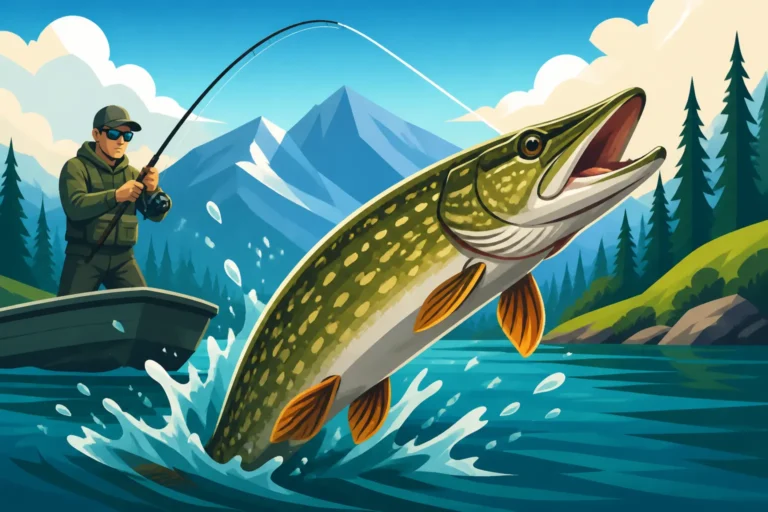
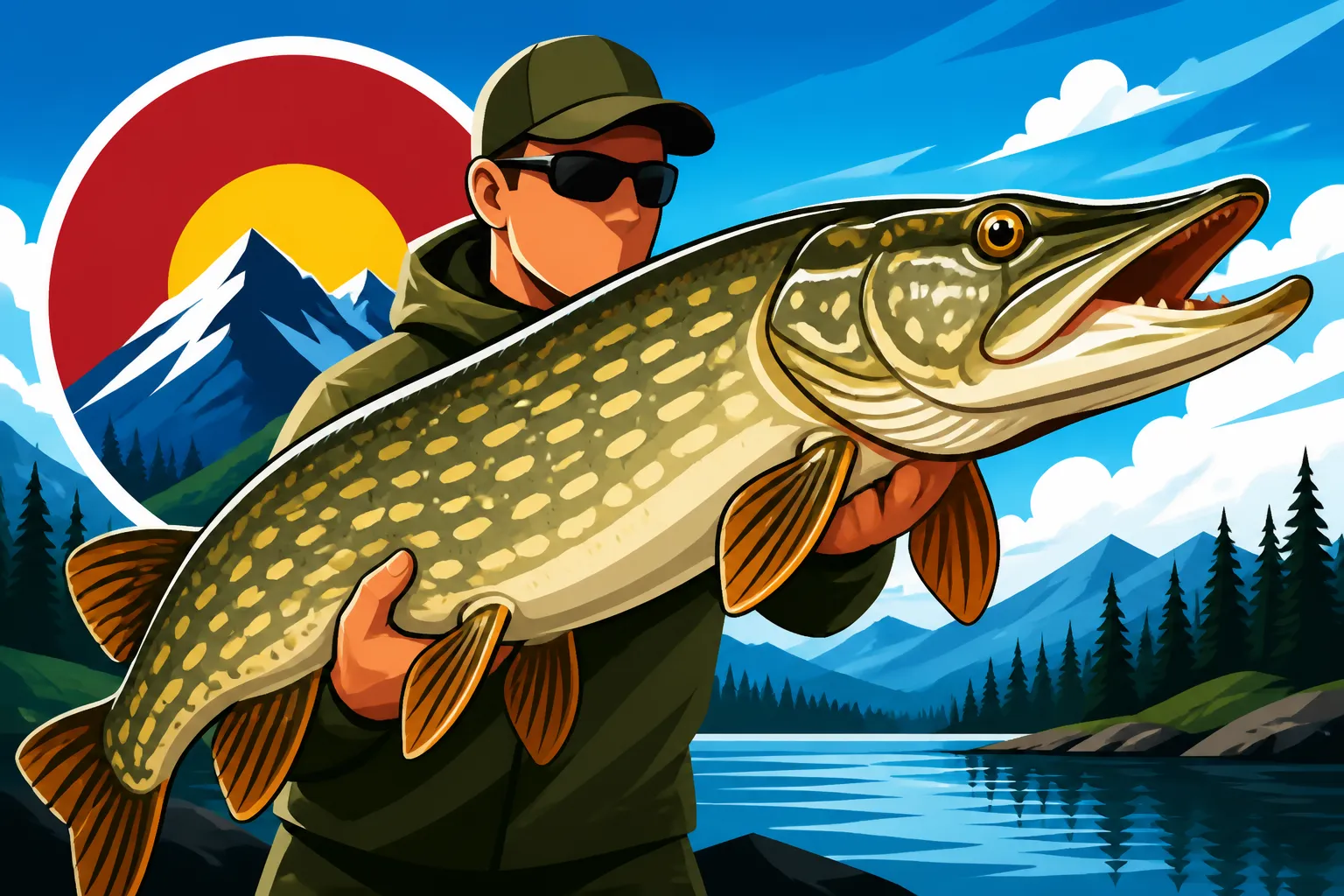
So, you want to know the big one? The official Colorado state record for Northern Pike is a truly massive fish, weighing in at 30 pounds, 11 ounces. This behemoth was caught by a dedicated angler, Marshall Whatley, at Spinney Mountain Reservoir back in the early 1990s. Imagine the sheer adrenaline of having a fish like that on the end of your line! It’s one of those stories that gets told and retold around campfires and in fly shops for generations. The sheer size of this pike really puts into perspective what our Colorado waters are capable of producing, and it highlights why so many anglers head out specifically targeting these toothy predators. When you consider the fight a 10 or 15-pound pike puts up, a 30-pounder must have been an absolute beast of a battle, demanding every ounce of strength and focus from the angler. It’s a record that inspires awe and a little bit of envy in every pike fisherman. You can learn more about all the impressive catches in the state by checking out Colorado State Record Fish, Species by Species.
The Allure of Trophy Pike
What is it about Northern Pike that draws anglers in, beyond just the pursuit of a record? It's their sheer predatory nature. These fish are essentially freshwater barracudas, with long, muscular bodies and mouths full of razor-sharp teeth. They lurk in ambush, often in weedy cover or along drop-offs, waiting for an unsuspecting meal to swim by. When they strike, it's often with a ferocity that can nearly rip the rod out of your hands. The experience of hooking into a large pike is unforgettable, characterized by powerful runs, head shakes, and often acrobatic jumps. They're not subtle fish, and that's precisely why they're so much fun to target. Many anglers spend countless hours honing their techniques and studying pike behavior just to get a shot at one of these magnificent fish. It's a game of patience mixed with explosive action. For those looking to upgrade their gear to handle such powerful fish, checking out heavy-duty rods, reels, and specialized lures on platforms like Amazon can be a good starting point. You'll need equipment that can stand up to the strain!
Where to Find Your Own Trophy Pike in Colorado
While the state record might seem like a once-in-a-lifetime catch, Colorado boasts several phenomenal waters known for producing not just pike, but big pike. Knowing where to go is half the battle when you're dreaming of a trophy.
Prime Pike Waters
If you're serious about landing a substantial Northern Pike, you need to head to the right places. Not all Colorado waters hold pike, and even fewer hold the kind of large, mature fish that get your heart pounding. Reservoirs are typically your best bet, as they offer the expansive habitat and forage base that allows pike to grow to impressive sizes.
Here are some of Colorado's top pike destinations:
- Spinney Mountain Reservoir: This is famously where the state record was caught, and it continues to be a prime location for trophy pike. Its vast open water and abundant trout forage provide the perfect conditions for pike to thrive and pack on the pounds. It's a popular spot, so be prepared for some company, but the rewards can be incredible.
- Eleven Mile Reservoir: Just downstream from Spinney, Eleven Mile also harbors a healthy population of large Northern Pike. It offers varied structure, from deep channels to weed beds, providing excellent ambush points for pike. Anglers here often have success targeting them during the open water season and also through the ice in winter.
- Blue Mesa Reservoir: Located in western Colorado, Blue Mesa is another giant reservoir known for its diverse fishery, including a strong presence of large pike. While famous for its Kokanee Salmon and Lake Trout, Blue Mesa's expansive coves and submerged structure offer fantastic opportunities for pike. Which Colorado Reservoirs Hold Northern Pike can give you an even broader overview of where these fish are abundant.
- Grand Lake and Shadow Mountain Reservoir: These connected lakes in Grand County are also home to Northern Pike, and while perhaps not as consistently trophy-producing as Spinney, they certainly have their moments. Pike here can be found in the shallower, weedy areas.
When fishing these waters, always remember to verify current conditions and regulations before heading out. Local bait shops are often the best source for up-to-date information on what's biting and where.
Tactics for Targeting Giant Pike
Catching a truly giant Northern Pike isn't usually an accident; it often requires specific tactics and gear. These are not dainty fish, and your tackle needs to reflect that.
- Heavy-Duty Gear: Forget your ultralight trout setup. You'll want a medium-heavy to heavy power rod, typically 7-9 feet long, paired with a stout baitcasting or spinning reel spooled with strong braided line (at least 30-50 lb test). Pike have incredibly sharp teeth, so a heavy-duty steel or fluorocarbon leader is absolutely essential to prevent bite-offs. You can find a fantastic selection of these robust fishing items on Amazon, from specialized pike leaders to heavy-action rods designed to handle big fish.
- Large Baits and Lures: Big pike eat big meals. Think large spoons, swimbaits, spinnerbaits, bucktails, and crankbaits. Lures in the 6-10 inch range are not uncommon. Colors can vary, but often bright, flashy colors or natural patterns imitating trout or kokanee are effective. For specific lure ideas, check out Best Lures for Northern Pike in Colorado Reservoirs.
- Target Structure: Pike love to ambush. Focus on areas with submerged vegetation, rock piles, drop-offs, and points. In open water, trolling large crankbaits or spoons can be effective, especially at depths where they might be hunting.
- Ice Fishing: Colorado's large reservoirs often freeze solid enough for ice fishing, and this can be a prime time to target big pike. Using large tip-ups rigged with live or dead bait (where legal) like suckers or large smelt can be very effective. Jigging large spoons or lipless crankbaits can also entice a strike.
Remember, patience and persistence are key. These fish are top predators and can be elusive, but the reward of a powerful strike from a massive pike is well worth the effort.
Understanding Pike Management and Regulations
While Northern Pike are an exciting sport fish, their presence in Colorado's waters is often a complex topic for wildlife managers. Understanding the ecological role and management strategies for pike is crucial for any responsible angler.
Colorado's Approach to Northern Pike
Colorado Parks and Wildlife (CPW) actively manages fish populations to maintain ecological balance and support diverse fisheries. For Northern Pike, this often means a balancing act. While popular with many anglers, pike are not native to Colorado and can have significant impacts on native fish populations, particularly trout and other species vital to the ecosystem. Because of their voracious appetites, large pike can quickly decimate populations of smaller fish.
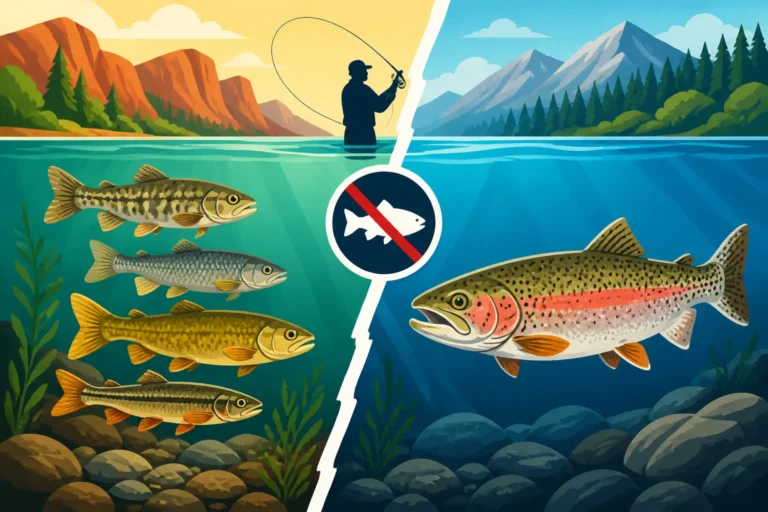
In some waters, particularly those designated as Gold Medal trout waters or those with struggling native cutthroat populations, CPW may encourage the removal of pike. This isn't because they dislike pike, but because they prioritize the health of the native and prized trout fisheries. Anglers might find liberal bag limits or even no bag limits on pike in certain areas, actively encouraging their harvest. It's a way to mitigate their impact on more sensitive ecosystems. If you've ever wondered Why Colorado Culls Pike From Some Waters, this is largely the reason. This management strategy is carefully considered to protect Colorado's unique aquatic heritage. More broadly, understanding How Colorado Manages Pike to Protect Trout is key to appreciating the larger conservation efforts at play.
Essential Regulations for Pike Anglers
Fishing for Northern Pike in Colorado, like any other species, requires adherence to specific regulations. These rules are in place to manage fish populations sustainably and ensure fair chase.
- Fishing License: First and foremost, you absolutely need a valid Colorado fishing license. This is non-negotiable for anyone over the age of 16. You can find comprehensive information in the Colorado Fishing License Guide for Residents and Nonresidents.
- Bag and Possession Limits: Always consult the current Colorado fishing regulations brochure for specific bag and possession limits for Northern Pike in the waters you plan to fish. These limits can vary by location and may be very generous or even unlimited in certain areas where pike are considered detrimental to other species. Understanding Colorado Bag and Possession Limits by Species is crucial before you cast a line.
- Method of Take: Be aware of legal fishing methods. Generally, standard rod and reel methods are permitted. However, rules on bait, especially live bait, can vary by water. Always check if a water body has specific bait restrictions.
- Showing Your License: Game wardens in Colorado are out there protecting the resource, and they have every right to ask to see your license and inspect your catch. Make sure your license is easily accessible, whether it's a physical copy or a digital one on your phone. Read more about Colorado Fishing Regulations Every Angler Should Know.
| Pike Management Aspect | Description | Angler Responsibility |
|---|---|---|
| Non-Native Status | Northern Pike were introduced to Colorado and are not native. They can impact native fish species. | Be aware of their ecological role. Participate in harvest where encouraged to protect native populations. Avoid illegal stocking or transfer. |
| Population Control | In some sensitive waters (e.g., Gold Medal trout streams), CPW actively manages pike populations, sometimes encouraging harvest to protect trout. This includes waters where Are Northern Pike Considered Invasive in Colorado?. | Understand local regulations regarding pike limits. If unlimited harvest is allowed, consider keeping your catch to aid management efforts. |
| Bag/Possession Limits | These vary widely. Some waters have liberal or unlimited limits; others have more restrictive rules, particularly where pike are managed as a sport fishery rather than a detrimental species. | Always check current regulations for the specific water you are fishing. Ignorance of the law is not an excuse, and penalties for fishing without a license or exceeding limits can be substantial. A simple search on CPW's website or app will provide this detail. |
| State Record Program | CPW maintains official state records for various fish species, including Northern Pike, recognizing exceptional catches. The current record for What Colorado's State Record Northern Pike Weighed is 30 pounds, 11 ounces. | If you believe you've caught a potential record fish, know the proper protocol for weighing, measuring, and reporting to ensure it qualifies. |
Always double-check the most recent regulations published by Colorado Parks and Wildlife, as they can change annually.
Beyond the Record: The Northern Pike Experience
Even if you don't land a state record, the experience of chasing Northern Pike in Colorado is incredibly rewarding. These fish offer an intense angling adventure that’s hard to beat.
The Fight of a Lifetime
Hooking into a substantial Northern Pike is an adrenaline rush like few others. Unlike some other fish that might just pull steadily, a pike often hits with explosive force, then rips line off the reel in powerful, blistering runs. They'll often shake their heads violently, trying to dislodge the hook, and can even leap clear out of the water in a thrashing display of power. It's a fight that demands good technique, strong gear, and a cool head. You'll feel every head shake transmitted through your rod, and the sheer power of these fish will leave your arms aching in the best possible way. The satisfaction of finally bringing a large pike to the net after such a battle is immense, whether it's a personal best or a true trophy.
Preparing for a Record Attempt
What if you do hook into a potential state record Northern Pike? It's a rare event, but being prepared is key. If you think your fish might be in the running for the record for What Colorado's State Record Northern Pike Weighed, here's what you need to do:
- Don't Rush It: Handle the fish carefully. While you want to get it weighed quickly, ensure its safety and yours. Pike have sharp teeth and gills, so use appropriate tools like a jaw gripper or large net.
- Certified Scale: The fish must be weighed on a state-certified scale. This usually means a commercial scale at a grocery store, bait shop, or other business that has been calibrated and certified. You can't just use your bathroom scale!
- Witnesses: Have witnesses present for the weighing. The more, the better, but at least one impartial witness is typically required.
- Documentation: Take clear photographs of the fish, the scale reading, and the measuring process. Get detailed measurements (length and girth).
- Contact CPW: Immediately contact Colorado Parks and Wildlife (CPW) to report your catch and get official guidance on the next steps for verification. They will have specific forms and procedures you need to follow.
- Preservation: If you intend to keep the fish for mounting, ensure it is properly cared for. If it's for catch-and-release, get the weighing done quickly and release the fish in good condition, if permitted by regulations.
This process is critical to ensure the integrity of the state record program. Don't let your excitement cause you to skip a step, or your magnificent catch might not qualify!
Gearing Up for Success
To consistently target and land big Northern Pike, your gear needs to be up to the task. It’s not just about the rod and reel; it’s about the whole setup.
- Rods and Reels: As mentioned, a medium-heavy to heavy action rod is essential. Lengths from 7 to 9 feet give you leverage for casting large lures and fighting powerful fish. Pair this with a robust baitcasting or spinning reel that has a smooth drag system and sufficient line capacity. Look for reputable brands that specialize in freshwater trophy fishing.
- Line and Leaders: Braided line is highly recommended for pike due to its strength, sensitivity, and minimal stretch. A 30-50 lb test is a good starting point. For leaders, heavy fluorocarbon (80-100 lb test) or wire leaders are a must to prevent those sharp teeth from cutting your line. You can easily find various leader materials and pre-tied leaders suitable for pike on Amazon.
- Lures: Stock your tackle box with a variety of large spoons (like Daredevils or Doctor Spoons), spinnerbaits with large blades, swimbaits that imitate trout or other forage fish, and diving crankbaits. Colors can vary, so having a selection of natural and flashy options is wise.
- Tools: Don't forget essential tools. Long-nosed pliers or a hook remover are crucial for safely extracting hooks from a pike's mouth without getting bitten. A fish gripper or boga grip tool allows you to handle the fish securely without touching its teeth. A large landing net with rubberized mesh is also highly recommended for safely netting and handling these big fish. Investing in quality tools will make your pike fishing experience safer and more enjoyable.
Having the right gear not only increases your chances of success but also ensures you can safely handle and release (if desired) these incredible fish. It’s an investment, but a worthwhile one for any serious pike angler.
Disclaimer
This article is for general informational purposes only and does not constitute professional advice. Laws, prices and regulations vary by location and change over time. Consult a qualified professional for guidance on your specific situation.