Are Northern Pike Considered Invasive in Colorado?
Many anglers hitting Colorado's beautiful lakes and rivers often wonder about the status of Northern Pike. You hear rumors, you see different regulations depending on where you're fishing, and it can be incredibly confusing to understand whether these aggressive predators are considered a welcome catch or an ecological menace. This guide will cut through the uncertainty, helping you understand Colorado's official stance on Northern Pike, why it matters, and how you as an angler play a crucial role in managing these powerful fish.
Understanding Colorado's Complex Relationship with Northern Pike
When we talk about Northern Pike in Colorado, it's not a simple black-and-white issue. They're a fascinating and formidable fish, known for their aggressive strikes and impressive size, which makes them a thrilling target for many anglers. However, their presence in certain Colorado waters sparks a lot of debate among fisheries managers and conservationists.
Where Northern Pike Originate and How They Arrived
Northern Pike ( Esox lucius) are not native to Colorado. Their natural range is actually much further north and east, stretching across Canada, Alaska, the Great Lakes region, and parts of the northeastern United States. So, how did they end up in our high-mountain reservoirs and plains lakes? It's a tale of both intentional introduction and, unfortunately, illegal stocking.
In some instances, pike were intentionally introduced into certain waters decades ago to provide sport fishing opportunities or to control populations of undesirable fish species. The idea was that their predatory nature could help balance an ecosystem. However, these introductions sometimes had unforeseen consequences, especially when pike found their way into waters where they weren't intended to be. The biggest problem, however, stems from illegal introductions. A few anglers, either out of ignorance or a misguided attempt to create new fisheries, have moved pike from one waterbody to another without authorization. These unauthorized introductions are incredibly damaging and create significant challenges for fisheries management. It's a stark reminder that moving live fish between waters is almost always illegal and harmful.
The Definition of "Invasive" in a Fisheries Context
The term "invasive" gets thrown around a lot, and it's essential to understand what it truly means in the context of fish species. Generally, an "invasive species" is a non-native organism whose introduction causes or is likely to cause economic or environmental harm, or harm to human health. It's not just about being "non-native" or "introduced"; it's about the impact they have on the existing ecosystem.
For Northern Pike in Colorado, it's nuanced. In many waters where they have been introduced, they are indeed considered invasive because they predate heavily on native fish species, as well as highly desired sport fish like trout and kokanee salmon, often outcompeting them for food and habitat. Their presence can disrupt the delicate balance of an ecosystem, leading to declines in other fish populations. However, in a few specific waters, Colorado Parks and Wildlife (CPW) actively manages for pike, maintaining them as a sportfish. Even in these cases, their populations are often carefully monitored and sometimes controlled to prevent them from becoming too dominant or spreading to sensitive areas. So, while they are an introduced species across the state, their "invasive" status often depends on the specific body of water and the management goals for that fishery.
Why Northern Pike Can Be a Problem for Colorado's Ecosystems
While the sheer power and aggressive nature of a Northern Pike can make for an exciting fight on the end of your line, their presence isn't always celebrated in Colorado. For our unique ecosystems, especially those designed to support native coldwater species or popular sportfish, pike can pose significant challenges.
Impact on Native and Sport Fish Populations
This is where the concern about Northern Pike really heats up. Pike are ambush predators, equipped with rows of razor-sharp teeth and an insatiable appetite. When they are introduced into waters containing native Colorado fish or prized sportfish populations, the results can be devastating.
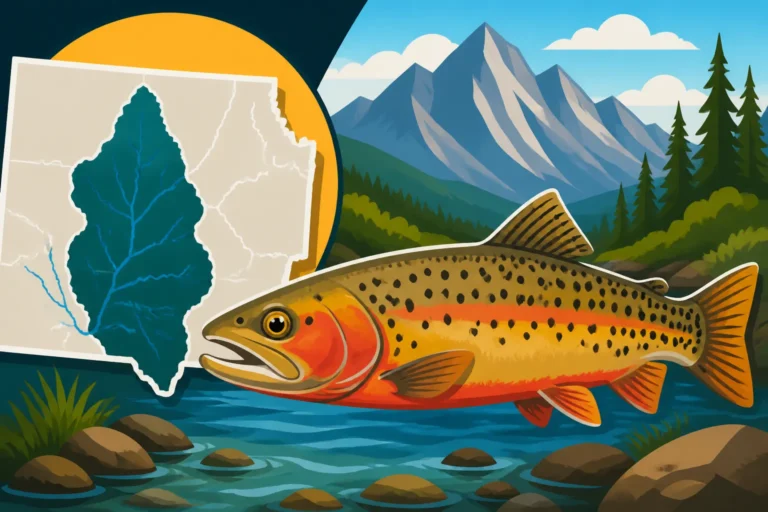
Consider our delicate native cutthroat trout subspecies, like the Greenback Cutthroat Trout, or the beloved Colorado River Cutthroat Trout. These fish evolved in environments without a major apex predator like the pike. They simply don't have the defensive strategies to cope with such an efficient hunter. A pike can decimate populations of smaller trout, often targeting the very fish that conservation efforts are trying to protect. Beyond native species, pike also pose a direct threat to the rainbow trout and brown trout that are regularly stocked across the state, and perhaps most notably, to the popular kokanee salmon. Many anglers flock to reservoirs like Blue Mesa to chase kokanee, but growing pike populations can severely impact these salmon, consuming them at various life stages. This predation can drastically reduce the number of fish available for anglers and disrupt the food chain. How Colorado Manages Pike to Protect Trout delves deeper into these conservation efforts.
It's not just about eating fish, either. Pike can also compete for food resources with other predators, further stressing ecosystems. If you've ever reeled in a pike with a stomach full of trout, you understand the direct impact these fish can have.
Competition and Habitat Alteration
Beyond direct predation, Northern Pike can also alter aquatic environments through competition and changes to habitat. They prefer weedy, shallow areas where they can lie in wait for prey. In waters that might otherwise be ideal spawning or rearing grounds for other species, a thriving pike population can make these areas dangerous.
When pike are abundant, they can outcompete other fish for available food sources, especially smaller prey items like minnows and insects. This competition can indirectly affect the growth rates and overall health of other fish species, making them less robust and more vulnerable. Furthermore, their sheer presence can cause behavioral changes in other fish, forcing them to occupy less ideal habitats to avoid predation, which can impact their spawning success and survival rates. This isn't just a hypothetical scenario; fisheries biologists observe these changes in real-time. For instance, in areas where CPW is working to restore Greenback Cutthroat Trout Recovery in Colorado, the presence of non-native species like pike is a major hurdle. Even if not directly "invasive" in every single water, their potential to cause harm and the significant resources required to manage their populations make them a persistent concern for Colorado's fisheries.
Management Strategies and Angler Responsibilities Regarding Northern Pike
Navigating the rules and expectations around Northern Pike in Colorado can feel like a maze, but understanding the "why" behind these regulations makes them much clearer. Colorado Parks and Wildlife has very specific strategies in place, and anglers are key partners in making them effective.
Current Regulations and Why They Exist
Colorado doesn't have a single, statewide rule for Northern Pike; regulations vary significantly depending on the specific body of water. This is where the confusion often arises! You might encounter waters with a standard bag and possession limit, while others have a "no bag or possession limit" and even a "must not release" rule. This distinction is critical for anglers.
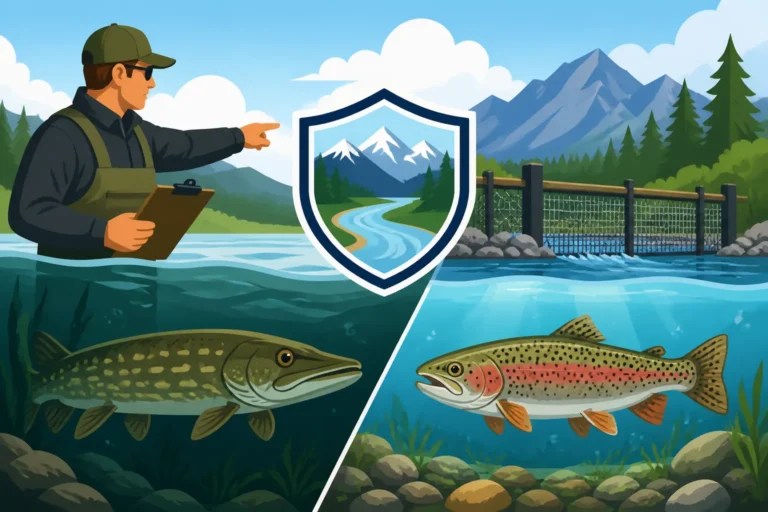
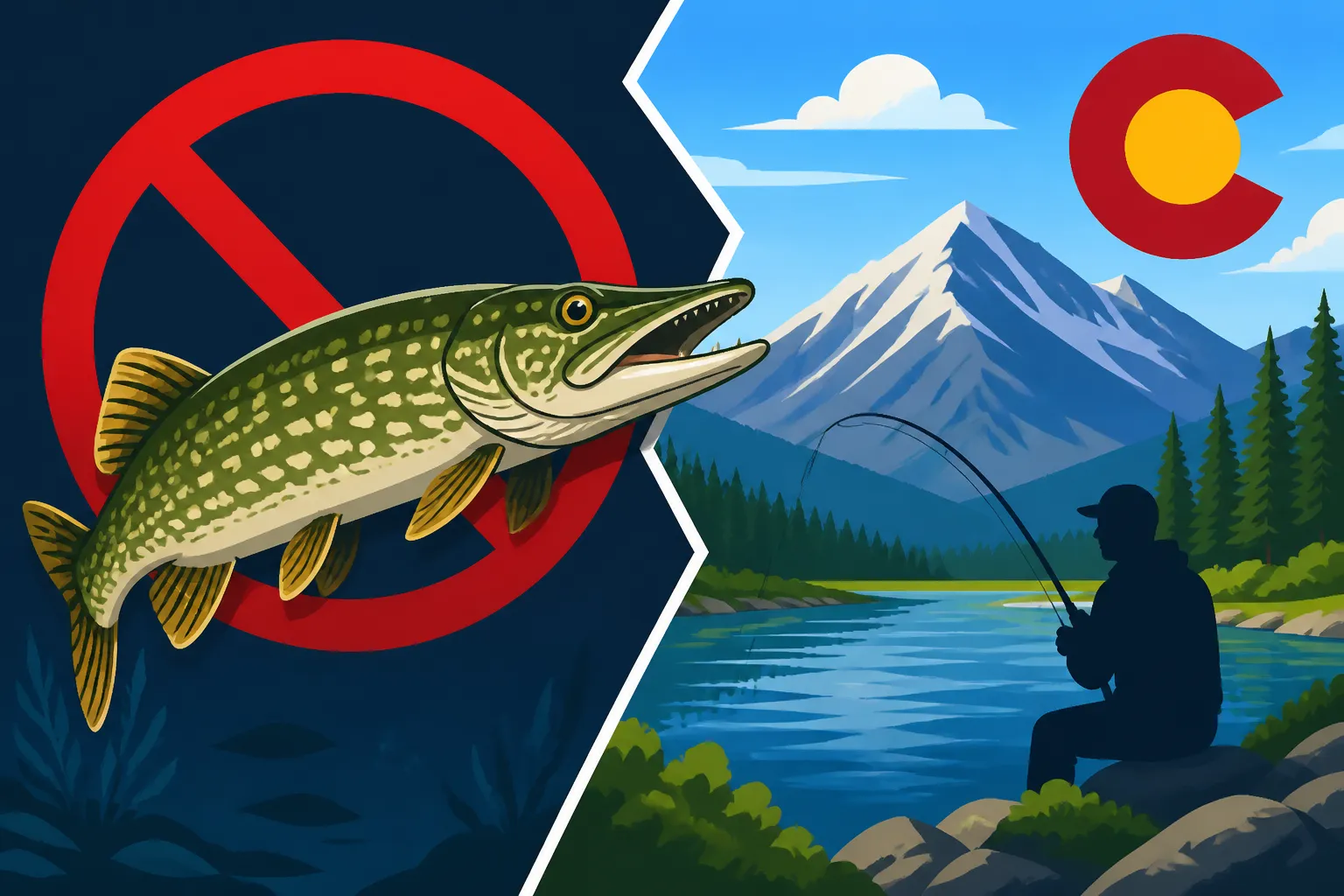
When you see a regulation that states "no bag or possession limit, must not release," it means that CPW actively wants anglers to remove every Northern Pike they catch from that water. These are typically waters where pike are considered highly detrimental to other desirable or native fish populations. The goal is to reduce or even eliminate pike to protect sensitive ecosystems or valuable sport fisheries like trout and kokanee salmon. These regulations exist because pike reproduce efficiently and are highly adaptable, making population control a continuous challenge. For example, waters containing significant populations of native cutthroat trout or crucial kokanee salmon spawning areas are often subject to these strict removal policies. It’s a direct response to preventing the ecological harm discussed earlier. You can always check the latest regulations in the official Colorado fishing brochure, available online or at license vendors. This helps clarify Colorado's Daily Northern Pike Limit for your specific location.
The Role of Anglers in Pike Management
Anglers are on the front lines of pike management, and your actions have a direct impact on Colorado's fisheries. It's not just about following the rules; it's about being an informed and responsible steward of our natural resources.
First and foremost, identification is crucial. Make sure you can correctly identify a Northern Pike before you keep or release it, especially in waters with "must not release" rules. If you're unsure, consult a fishing guide, a local fly shop, or reference the CPW website. Pictures and descriptions are often readily available. Once identified, if you're in a "must not release" water, it's your responsibility to humanely dispatch the fish and remove it from the water. Simply tossing it back alive, even if you don't want to keep it, undermines conservation efforts. Many anglers choose to keep pike for the table, as they are delicious eating fish when properly prepared.
Secondly, never, ever illegally stock fish. This cannot be stressed enough. Introducing a species like Northern Pike into a waterbody where it doesn't belong can cause irreversible damage and carries severe legal penalties. If you witness someone illegally stocking fish, report it to CPW immediately. Your vigilance helps protect the integrity of Colorado's fisheries for everyone. Anglers can also find helpful tools and resources to understand fish populations and regulations. Many turn to online resources or even books on Amazon for detailed guides on identifying species and understanding the intricate ecological balance of various waters. Understanding What Colorado's Fishing Atlas Shows You can also provide invaluable insights into fish populations and access points.
Finally, consider the larger picture. Your efforts to remove pike from designated waters directly contribute to the health and sustainability of Colorado's native and sport fish populations. It’s a tangible way to participate in conservation. Remember, What to Do If You Catch an Endangered Fish by Accident is also a vital piece of knowledge for responsible angling, ensuring you can correctly identify and protect our most vulnerable species.
Distinguishing Fact From Angler Rumor About Northern Pike
The world of fishing is rich with stories, traditions, and, let's be honest, a fair share of rumors. Northern Pike, with their fearsome reputation and varying regulations, are often at the center of such discussions in Colorado. It's important to separate the myths from the reality to truly understand their place in our waters.
Are Pike Always "Bad" or Are There Desirable Fisheries?
This is where the nuance really comes into play. Despite the management efforts to control or eradicate pike in many areas, it's not accurate to say they are universally "bad" or undesirable across the entire state. In some specific waters, Colorado Parks and Wildlife actually manages for Northern Pike as a legitimate and exciting sportfish. These are typically large reservoirs where pike can thrive without posing an immediate, critical threat to native or high-value sportfish, or where the habitat is simply not suitable for those more sensitive species.
For instance, anglers actively target trophy pike in certain locations because they offer an incredible challenge. The thrill of a pike strike and the powerful fight are unparalleled for many. In these managed pike fisheries, regulations might be more in line with other sportfish, allowing for catch-and-release or specific bag limits. It's a testament to the diversity of Colorado's angling opportunities that while some waters demand pike removal, others celebrate their presence. It all comes down to the specific goals for that particular fishery, which are outlined in the annual fishing regulations brochure. These specific waters often attract anglers who invest in specialized gear, researching options on sites like Amazon for heavy-duty rods, reels, and leaders designed to handle pike.
The Nuance of "Invasive" vs. "Introduced"
Let's circle back to the terminology, because it's a significant point of confusion. Northern Pike are, without a doubt, an introduced species to Colorado. They did not historically occur here naturally. However, being introduced doesn't automatically mean they are "invasive" in every single body of water.
As we discussed earlier, an invasive species is an introduced species that causes harm to the environment, economy, or human health. So, while pike are introduced, their invasive status is determined by their ecological impact in a specific location. In a high-country lake where the primary goal is to protect native cutthroat trout, a pike population would be considered highly invasive due to its predatory impact. In contrast, in a large, warmwater reservoir on the plains where pike might be providing a unique sport fishing opportunity and not significantly harming other managed species, they might be simply considered an introduced sportfish. The line can sometimes blur, but the key takeaway is that CPW assesses each water individually. This comprehensive approach is why you see varying regulations across the state. Understanding this distinction is crucial for anglers who want to fish responsibly and contribute positively to Colorado's diverse aquatic environments. Colorado's Northern Pike, Where They're Legal provides further details on these distinctions.
To summarize, while Northern Pike are non-native to Colorado, their status as "invasive" is often specific to the waterbody and the ecological harm they cause to existing fish populations, particularly native species and other sportfish like trout and salmon. In many instances, their uncontrolled presence is highly detrimental, necessitating angler participation in their removal. However, in other carefully managed waters, they are considered a legitimate and exciting sportfish.
Here’s a quick overview of how some common Colorado fish species are generally viewed in terms of their origin and management:
| Fish Species | Native to Colorado | Status / Management Overview | Angler Action (General) |
|---|---|---|---|
| Greenback Cutthroat Trout | Yes | State Fish, actively protected, restoration efforts underway. | Catch-and-release, specific regulations often apply. Illegal to keep in most waters. |
| Rainbow Trout | No | Widely stocked for sport fishing, often sterile (triploid) to prevent hybridization with natives. | Popular sportfish, usually regulated by bag limits. |
| Brown Trout | No | Established wild populations in many rivers, prized sportfish, can be predatory. | Popular sportfish, usually regulated by bag limits. |
| Brook Trout | No | Established in high-country streams, can overpopulate and stunt in size. | Often generous bag limits, encouraged removal in some native trout recovery areas. |
| Kokanee Salmon | No | Stocked in large reservoirs for sport, landlocked sockeye, distinct spawning runs. | Highly sought-after sportfish, strict bag limits, specific seasons for spawning runs. |
| Lake Trout | No | Apex predator in deep, cold reservoirs, can impact kokanee and other trout. | Prized for size, but often managed with aggressive limits to control populations. |
| Walleye | No | Introduced to warmwater reservoirs for sport fishing, popular table fare. | Popular sportfish, bag and size limits apply. |
| Northern Pike | No | Introduced, considered invasive in many waters due to predation on sport and native fish. | Varies wildly by water: "must not release" in some, regulated sportfish in others. |
| Channel Catfish | No | Introduced to warmwater lakes and ponds for sport and consumption. | Popular sportfish, generous bag limits. |
| Colorado Pikeminnow | Yes | Federally endangered, critical conservation efforts in the Colorado River basin. | Illegal to possess or harm, immediate release required if caught accidentally. |
Disclaimer
This article is for general informational purposes only and does not constitute professional advice. Laws, prices and regulations vary by location and change over time. Consult a qualified professional for guidance on your specific situation.