Why Colorado Stocks Triploid Rainbow Trout
Have you ever reeled in a beautifully plump rainbow trout from a Colorado lake or river, admired its vibrant colors, and wondered about its journey? Or maybe you've heard the term "triploid" tossed around in fishing circles and felt a little in the dark about what it actually means for your day on the water. It can be confusing to keep up with all the nuances of fish management, but understanding why Colorado Parks and Wildlife (CPW) makes certain stocking decisions, like using triploid rainbow trout, really helps piece together the bigger picture. This guide is here to shed light on exactly what a triploid rainbow trout is and the thoughtful reasons behind why Colorado relies on them to enhance our incredible fishing opportunities.
Understanding Trout Stocking in Colorado
Fishing in Colorado is a cherished pastime, drawing anglers from all walks of life to our stunning high-country lakes and winding rivers. But the robust fishing we enjoy isn't just a happy accident; it's often the result of careful, strategic management by Colorado Parks and Wildlife. They work tirelessly to balance native species protection with providing ample opportunity for anglers to wet a line and hopefully, catch a fish or two.
The Basics of How Colorado Parks and Wildlife Stocks Fish
When you see signs about stocking, it means CPW is actively introducing fish into specific bodies of water. This isn't just a random act; it's a science-backed process. They analyze factors like water temperature, oxygen levels, available food sources, and existing fish populations to determine the best species and sizes of fish to release. The goal is often twofold: to enhance recreational fishing where natural reproduction can't keep up with demand, and to sometimes restore or support native populations.
Think about the sheer number of people who love to fish in places like Chatfield Reservoir or many of the smaller urban ponds. If we relied solely on natural reproduction in these heavily fished waters, they'd be depleted in no flash. Stocking ensures there are always fish available, creating consistent opportunities for families to go out, cast a line, and make memories. It’s a vital part of sustaining the fishing experience we all treasure, and it often involves a mix of species, but rainbow trout are a huge favorite for their fight and their willingness to bite. For anyone new to the state, getting a handle on the rules, like needing a Colorado Fishing License Guide for Residents and Nonresidents, is the first step before you even think about what kind of trout you might catch.
The Role of Hatcheries in Colorado's Fishing Program
Behind every stocked fish is a dedicated hatchery. Colorado Parks and Wildlife operates a network of fish hatcheries across the state, which are essentially nurseries for fish. These facilities are where trout, kokanee salmon, and other species are spawned, raised from tiny eggs, and grown to a size suitable for stocking. It's a massive undertaking, requiring specialized staff, precise environmental controls, and a whole lot of feed!
These hatcheries are more than just fish farms; they are critical conservation tools. They provide the fish necessary to maintain healthy populations in waters where natural spawning is limited or non-existent, often due to habitat degradation, predation, or simply intense angling pressure. Without these hatcheries, many of our favorite fishing spots simply wouldn't be able to support the angler demand. The folks who work at these facilities are true unsung heroes of Colorado fishing, making sure that when you head out with your rod and reel, you have a real chance at success. They're also instrumental in providing fish for events like Colorado's Free Fishing Weekend, Explained, allowing everyone to enjoy the sport.
What Exactly is a Triploid Rainbow Trout?
The term "triploid" sounds a bit like something out of a science fiction novel, doesn't it? But it's actually a very practical and important genetic modification used in fisheries management. Understanding what it means is key to grasping why CPW chooses to stock these particular fish.
Diploid vs. Triploid: A Genetic Difference
To put it simply, most animals, including humans and "regular" trout, are diploid. This means their cells contain two complete sets of chromosomes – one set inherited from each parent. When these diploid fish reproduce, they pass on these two sets of chromosomes. It's the natural order of things.
A triploid fish, on the other hand, has three complete sets of chromosomes in its cells, rather than the usual two. This extra set of genetic material makes them effectively sterile, meaning they cannot reproduce. Think of it like a mule: a hybrid animal that has an odd number of chromosomes, rendering it infertile. Triploid trout are still rainbow trout in every other respect—they look like rainbows, fight like rainbows, and taste like rainbows—but they can't create the next generation. This distinction is central to What a Triploid Trout Is and Why It Matters.
How Triploid Trout Are Created for Stocking
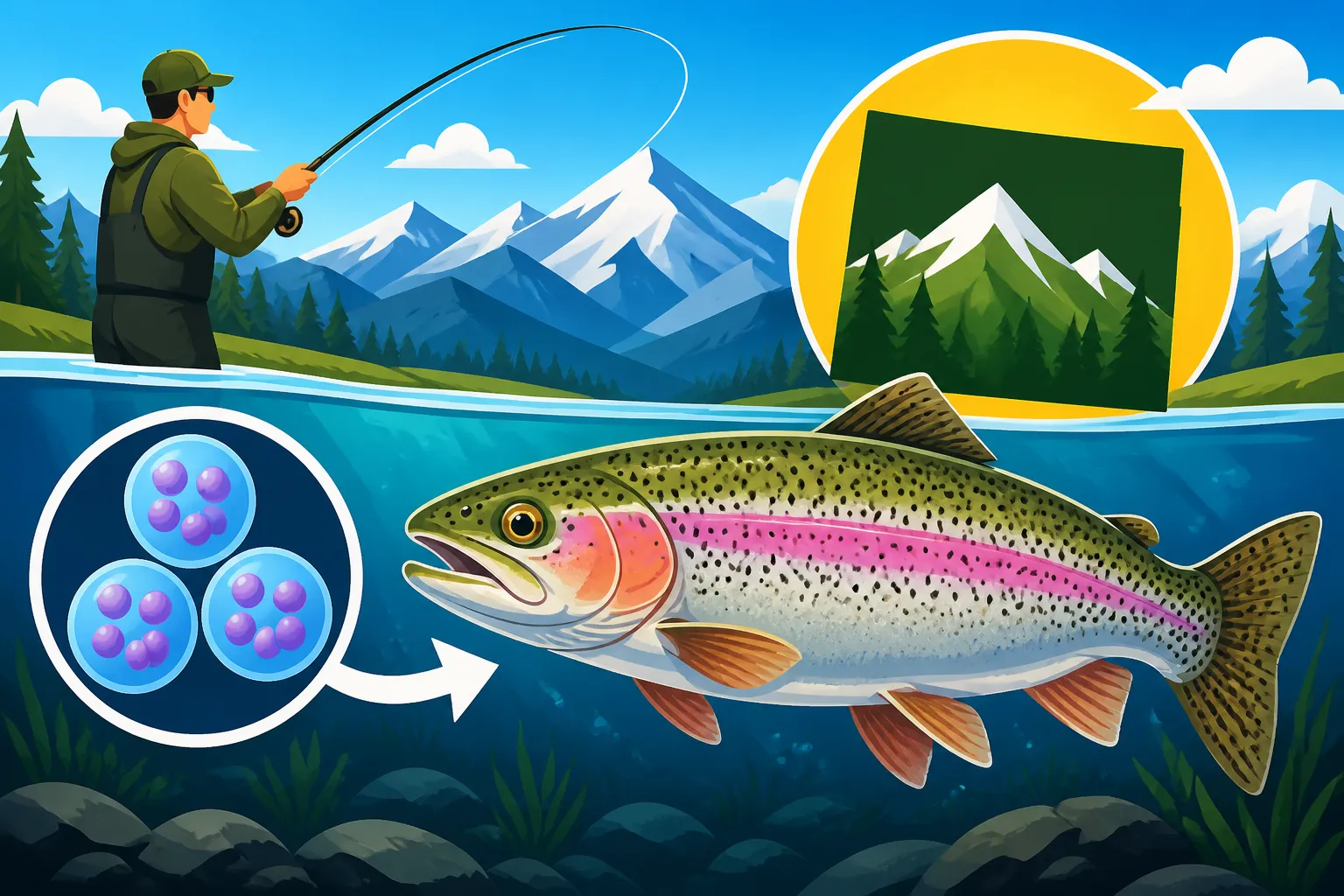
Creating triploid trout isn't a genetic engineering feat in the traditional sense, involving splicing genes or anything like that. Instead, it's a process that essentially tricks the fish's eggs. When a fish egg is fertilized, it usually undergoes a process where a small polar body (containing an extra set of chromosomes) is expelled. To create a triploid, fisheries technicians apply a specific physical shock—often a quick change in water temperature or a pressure treatment—to the newly fertilized eggs.
This shock prevents the egg from expelling that polar body, causing it to retain the extra set of chromosomes. The result? A fish that develops with three sets of chromosomes instead of two. This process is highly controlled within the hatchery environment, ensuring the resulting fish are healthy and robust, just sterile. It's a common and safe practice used widely across the globe to achieve specific management objectives, and it's why Are Colorado's Stocked Rainbows Sterile? is a question often asked.
The Core Reasons Colorado Stocks Triploid Rainbow Trout
Now that we understand what a triploid trout is, let's dive into the "why." Colorado's decision to stock these fish is not arbitrary; it's a thoughtful strategy aimed at protecting native species and enhancing angler experience, all while being environmentally responsible.
Preventing Unwanted Reproduction
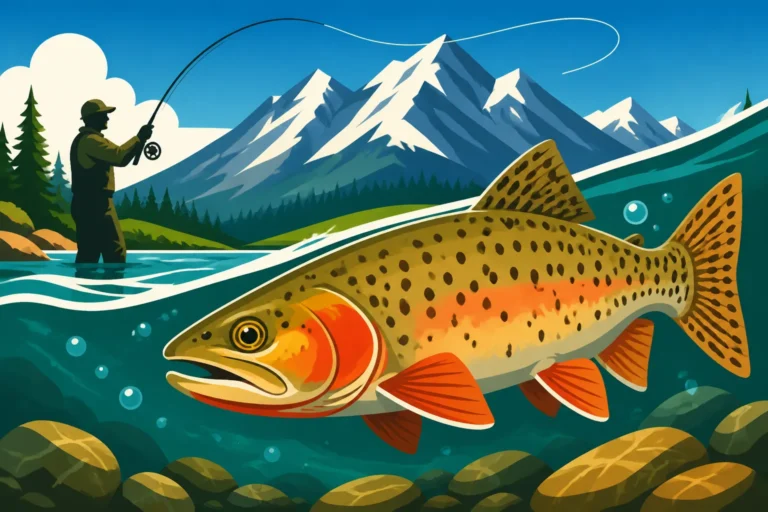
This is arguably the most significant reason for stocking triploid trout, especially in a state like Colorado with precious native fish populations. Colorado is home to several distinct subspecies of native cutthroat trout, such as the Greenback Cutthroat, Colorado River Cutthroat, and Rio Grande Cutthroat. These fish are often found in fragile, isolated drainages and are critically important to the state's natural heritage. You can learn more about these unique fish in Colorado's Native Cutthroat Trout Subspecies.
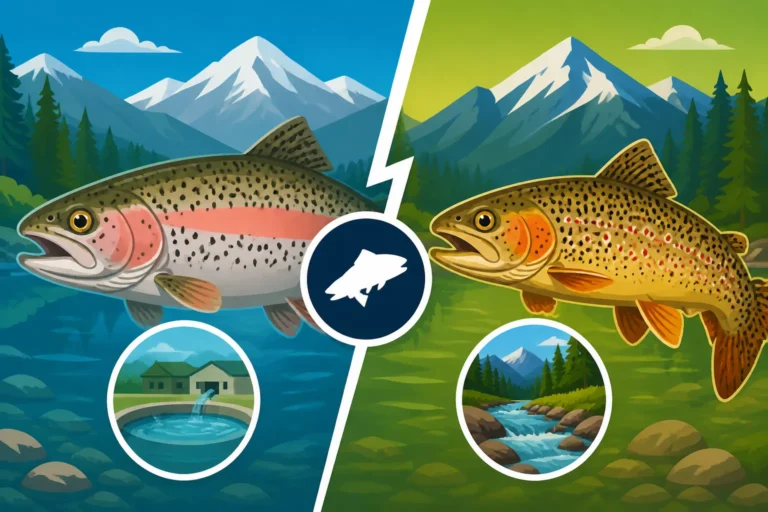
The problem arises when stocked rainbow trout, which are not native to many of these high-altitude waters, interbreed with native cutthroat trout. This interbreeding, or hybridization, can dilute the genetic purity of the native cutthroat populations, threatening their long-term survival. Why Interbreeding Threatens Native Cutthroat Populations explains this concern in detail. By stocking sterile triploid rainbow trout, CPW ensures that these fish can't reproduce with native cutthroat, safeguarding the genetic integrity of these sensitive species. It allows CPW to continue providing excellent rainbow trout fishing opportunities in specific waters without jeopardizing vital conservation efforts for our native fish. It’s a delicate balance, and triploids are a key tool in maintaining it.
Another crucial aspect of preventing unwanted reproduction, especially when considering the broader aquatic ecosystem, is the control of fish populations in specific waters. Sometimes, a body of water might have very limited natural forage or space for an explosion of fish. If stocked fish were to reproduce unchecked, it could quickly lead to overpopulation, stunting of growth for all fish, and even ecosystem collapse due to resource depletion. Triploids help maintain a stable population count, allowing fish to grow to a good size without overcrowding the water. This also means CPW can control exactly how many fish are in a given area, preventing a scenario where a massive number of smaller, less desirable fish dominate the ecosystem, which could impact other species or even water quality over time.
Promoting Growth and "Trophy" Opportunities
One of the fantastic side benefits of a triploid trout's sterility is that they don't expend energy on reproduction. Think about it: creating eggs or milt, finding a mate, engaging in spawning rituals, and the actual act of spawning all take a tremendous amount of energy from a fish. For diploid trout, this energy output can lead to a significant loss of weight and condition during spawning seasons.
Triploid trout, however, don't have to go through any of that. Because they're sterile, all the energy they consume from food goes directly into somatic growth—meaning they get bigger and fatter. This translates into larger, healthier fish for anglers to catch. Imagine a trout that, instead of focusing on procreation, channels all its metabolic resources into putting on size and muscle. That's exactly what happens with triploids. This strategy supports the desire for "trophy" fish in certain waters, giving anglers a better chance at landing a truly impressive specimen. You'll often find these larger, robust fish stocked in popular waters where bigger fish are highly sought after. Anglers are often on the lookout for a good fight, and a larger triploid trout certainly delivers that experience. The next time you're browsing fishing gear on Amazon, consider looking for a sturdier net for those potential giants!
This increased growth rate and condition also mean these fish often live longer. Without the stresses of spawning, they can maintain better health and continue to grow for a longer period in the wild, assuming food and habitat are sufficient. This longer lifespan can contribute to a more stable population of larger fish in a given system, making the fishing even more rewarding for consistent visitors.
Disease Management and Stocking Efficiency
Stocking fish comes with its own set of challenges, and disease management is a big one. Hatchery environments, despite best efforts, can sometimes be hotbeds for certain fish diseases. When fish are sterile, it can sometimes be a factor in how certain diseases are managed within the hatchery system. While it's not a silver bullet, it can be part of a broader strategy to ensure the health of the fish before they are released into public waters.
More broadly, triploid stocking contributes to overall stocking efficiency. By precisely controlling which fish can reproduce, CPW can better predict and manage the populations in specific bodies of water. This means they can avoid overstocking or understocking, which saves resources and ensures healthier ecosystems. Knowing that a stocked fish won't add to the population naturally allows for very precise calculations on how many fish a particular lake or reservoir can sustainably support for angler harvest. This targeted approach is part of How Colorado Decides Which Species to Stock Where.
Consider the time and effort it takes to raise thousands upon thousands of fish in hatcheries. Any measure that makes the stocking program more effective, healthier, and better for the environment is a win. Triploids help achieve these goals by providing predictable outcomes in the ecosystem, leading to less unforeseen complications that might require costly interventions down the line. It's about getting the most "bang for your buck" from every stocked fish, in terms of both angler enjoyment and ecological responsibility.
Angler Experience and Triploid Trout
For us anglers, the genetic makeup of a trout might seem like a distant scientific concern. But the choice to stock triploid rainbow trout absolutely impacts our experience on the water, from the size of the fish we catch to the overall health of the fishery.
What Anglers Notice About Triploid Trout
When you hook a triploid rainbow trout, you’re unlikely to notice any immediate visual difference compared to a diploid rainbow. They have the same beautiful iridescent bands, the same spotted patterns, and the same sleek, powerful bodies. What you might notice, however, is their size and their fight. Because these fish put all their energy into growing instead of reproducing, they often grow larger and can be exceptionally robust for their age. This means a more challenging and rewarding fight on the end of your line.
Many anglers appreciate the chance to catch a bigger fish, and triploids definitely deliver on that front. They're strong, vibrant, and, importantly, they still taste delicious for those who choose to keep their catch. There's no compromise on the angling experience; in fact, many would argue it's enhanced by the presence of these larger, more vigorous fish. Whether you're targeting them with a spinning rod or a fly rod, the thrill of a triploid rainbow on the line is unmistakable. For gear recommendations, a quick search on Amazon will show countless options for rods and reels capable of handling these hard-fighting fish.
| Feature | Diploid (Regular) Rainbow Trout | Triploid Rainbow Trout |
|---|---|---|
| Chromosome Sets | 2 (one from each parent) | 3 |
| Reproduction | Can reproduce | Sterile (cannot reproduce) |
| Energy Use | Spends energy on reproduction | All energy to somatic growth |
| Growth Potential | Normal | Often grows larger and faster |
| Impact on Natives | Can interbreed with cutthroat | Cannot interbreed with cutthroat |
| Angler Experience | Excellent | Excellent, often larger fish |
This table helps illustrate the key differences from both a biological and an angler's perspective.
Distinguishing Triploid from Diploid Trout
Here's the kicker: for the vast majority of anglers, it's virtually impossible to tell a triploid rainbow trout from a diploid rainbow trout just by looking at it in the water or even after you've landed it. They look identical, they act identical, and they fight identical. There are no external markers, colors, or fin differences that give away their triploid status.
The only way to definitively determine if a fish is triploid is through genetic testing in a laboratory, or by knowing that the water you're fishing is exclusively stocked with triploids. For us regular folks out on the lake, we just enjoy the fishing! CPW will typically specify in their stocking reports or informational materials if a particular water receives triploid stockings, so paying attention to those resources, like Colorado's Fishing Atlas to Plan a Trip, can give you a clue. But ultimately, when you hook a nice rainbow, whether it's diploid or triploid, you're going to have a fantastic time. The key is just enjoying the diverse fishing opportunities Colorado provides and doing your part by understanding things like Identifying Colorado's Native vs Stocked Trout. After all, the fun of fishing isn't just in the catch, but in the experience of being out in Colorado's incredible natural beauty, knowing that thoughtful management helps keep it that way for generations to come.
Ultimately, Colorado Parks and Wildlife's decision to stock triploid rainbow trout is a smart, multifaceted approach that benefits both the environment and the angling community. It protects precious native cutthroat populations from hybridization, ensures that stocked fish can grow larger and provide a better fighting experience for anglers, and contributes to the overall efficiency and health of the state's fisheries management program. So, the next time you're enjoying a day of fishing in Colorado, you can appreciate that a lot of thought and science goes into ensuring those fish are there for you to enjoy.
Disclaimer
This article is for general informational purposes only and does not constitute professional advice. Laws, prices and regulations vary by location and change over time. Consult a qualified professional for guidance on your specific situation.