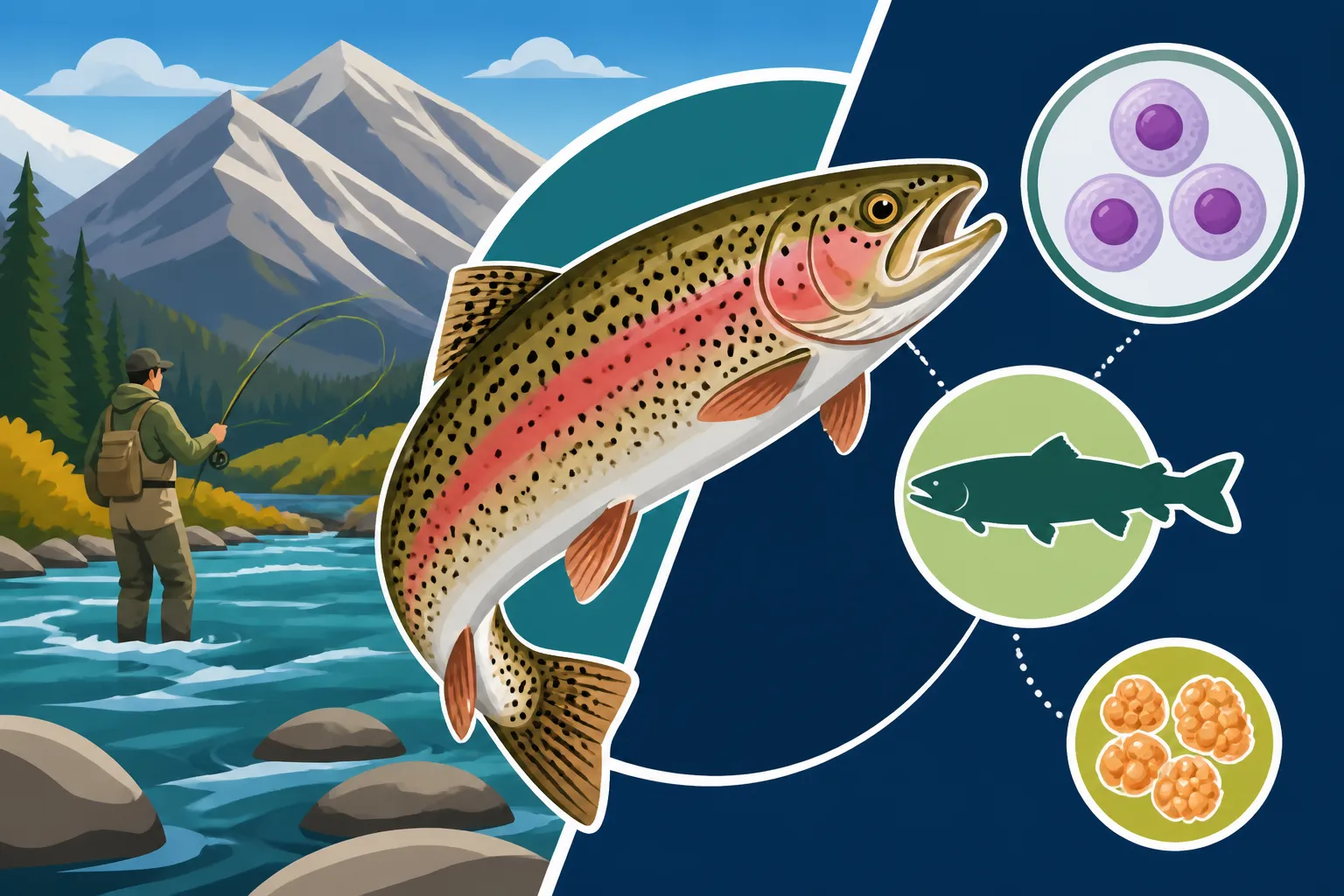
What a Triploid Trout Is and Why It Matters
Have you ever heard the term "triploid trout" mentioned among Colorado anglers and wondered what exactly it means, or why it even matters to your fishing success? It’s a bit of hatchery jargon that can sound intimidating, but it actually has a profound impact on the fish you're catching and the health of Colorado's precious native fish populations. This guide is going to demystify triploid trout, explaining what they are, why Colorado Parks and Wildlife (CPW) utilizes them, and how understanding them can give you a better appreciation for the incredible work being done to maintain our fisheries.
Understanding Triploid Trout: The Science Behind the Stocking
It’s easy to hear terms like "triploid" and immediately picture something out of a science fiction movie, but I promise it's far less dramatic and entirely natural in its origin, though assisted by human hands. Think of it as a clever biological trick that serves a really important purpose in modern fisheries management, especially in a state like Colorado with its diverse and sometimes fragile aquatic ecosystems.
What "Triploid" Really Means and Why It's Not a Mutant Fish
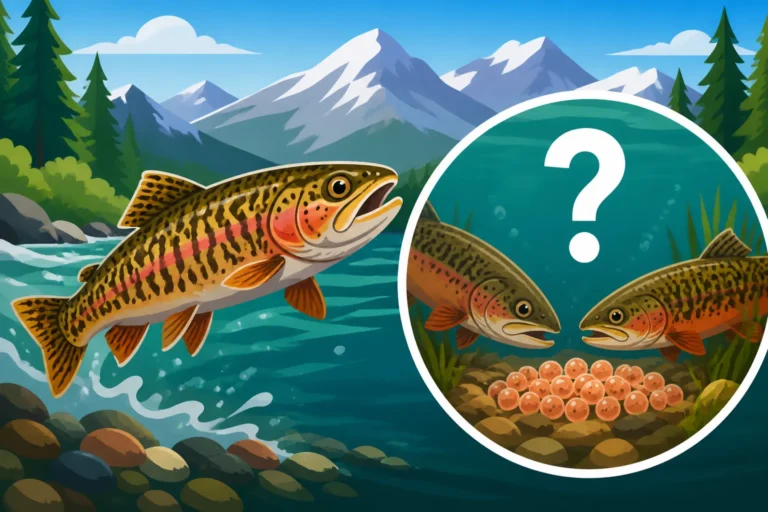
At its core, "triploid" refers to the number of chromosome sets within a fish's cells. Most animals, including humans and "normal" trout (what we call diploid trout), have two sets of chromosomes—one from each parent. Think of it like getting one set of blueprints from your mom and one from your dad. A triploid trout, however, has three sets of chromosomes. This isn't achieved through genetic modification in a lab, but rather through a process that mimics a natural phenomenon.
Hatcheries create triploid trout by taking newly fertilized eggs and exposing them to a brief pulse of heat or pressure. This shock prevents the eggs from expelling a chromosome set during a critical stage of development, resulting in an embryo with three sets instead of the usual two. It’s a bit like pressing pause on a biological timer at just the right moment. The result is a fish that looks, swims, and eats just like any other trout, but with one very significant difference in its reproductive capabilities. There’s no strange glow, no extra fins, nothing that screams "different" when you pull one from the water. In fact, if you bought a new fishing net from Amazon, it would likely be just as effective for catching one as any other trout.
The Big Difference: Why They Can't Reproduce
The reason triploid trout have three sets of chromosomes is directly tied to their inability to reproduce. With an odd number of chromosome sets, their reproductive organs don't develop properly, and they cannot produce viable eggs or sperm. Essentially, they are sterile. This sterility is the key reason why CPW, and many other fisheries agencies, find them so incredibly useful.
Imagine a fishing pond or a small mountain lake where the goal is simply to provide excellent angling opportunities without worrying about a population explosion or, more importantly, without risking the genetic integrity of native fish. By stocking sterile triploid trout, CPW can ensure that these fish will grow large, provide a fantastic fight, and offer a great meal without ever contributing to the gene pool. This means no unexpected spawning, no overpopulation issues, and no unintended consequences for the wild fish that call Colorado home. It’s a clean slate, providing pure recreational value.
Why Colorado Parks and Wildlife (CPW) Stocks Triploid Trout
Colorado is a state that takes its natural resources seriously, and that includes its fish populations. The decision to stock triploid trout isn't arbitrary; it's a carefully considered strategy that serves multiple critical purposes for both anglers and the environment. It's all about balancing the desire for robust recreational fishing with the vital need for conservation.
Maximizing Growth and Size Potential
One of the most appealing aspects of triploid trout from an angler's perspective is their potential for impressive growth. Since these fish don't expend energy on developing eggs or sperm, or on the strenuous acts of spawning, all that metabolic energy is redirected into somatic growth – essentially, getting bigger. This means that triploid trout often grow faster and reach larger sizes than their diploid counterparts in the same amount of time, given the right food and conditions.
For the folks at CPW, this is a win-win. They can stock waters with fish that are destined to become trophy-sized, increasing angler satisfaction and creating exciting fishing opportunities. Imagine reeling in a hefty rainbow trout from a local reservoir, knowing that its size is partly due to this clever biological tweak. These fish are often stocked in urban ponds and high-use reservoirs precisely because they provide an excellent return on the investment in terms of angler experience. You might even find yourself browsing a new fishing reel on Amazon to handle some of these bigger fish!
Preventing Genetic Mixing with Native Trout
This is perhaps the most crucial reason for stocking triploid trout in a state like Colorado, which is home to several precious native trout subspecies. Colorado is actively working to restore populations of Colorado's Native Cutthroat Trout Subspecies, including the Greenback Cutthroat Trout and the Colorado River Cutthroat Trout. These native fish are unique and irreplaceable, and their genetic purity is paramount.
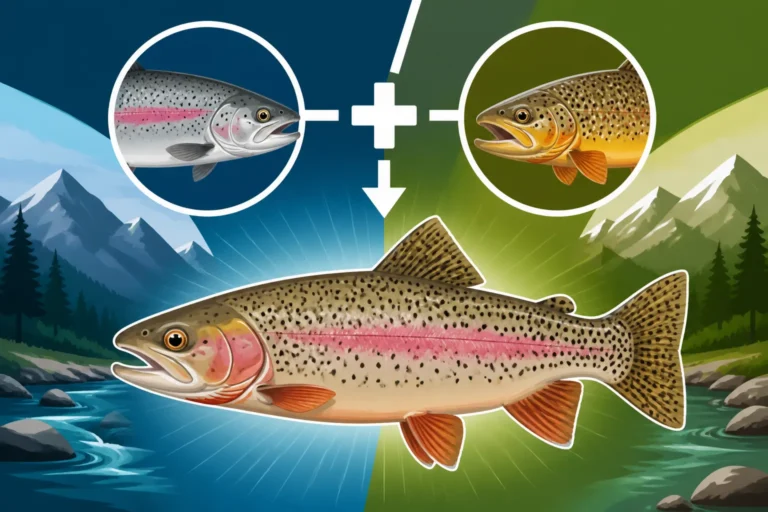
When non-native trout, like stocked rainbow trout, are introduced into waters where native cutthroats exist, there's always a risk of hybridization. This means the non-native fish can interbreed with the natives, creating "cutbows" or other mixed-gene offspring. While a cutbow can be a beautiful fish, it dilutes the genetic integrity of the native populations, which is a major conservation concern. Greenback Cutthroat Trout Recovery in Colorado efforts, for example, rely heavily on preventing such genetic pollution.
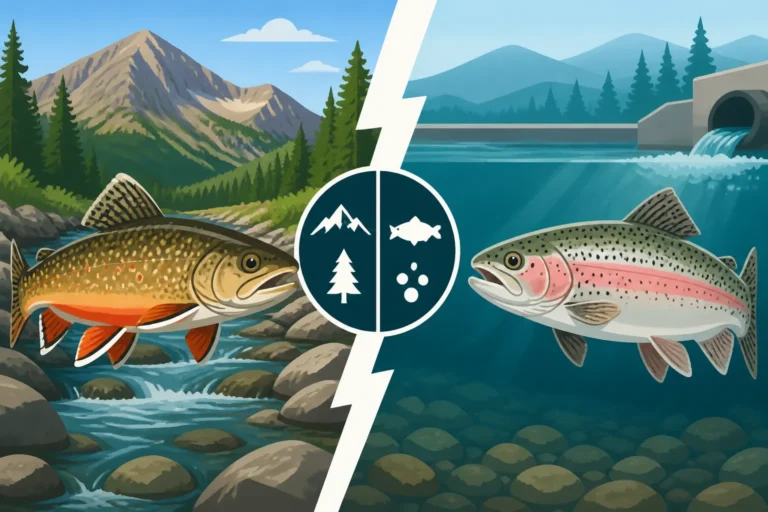
By stocking sterile triploid trout, CPW eliminates this risk. These fish can swim in the same waters as native cutthroats without posing a threat to their genetic purity. It's a way to provide excellent fishing without compromising the long-term health and restoration goals for Colorado's indigenous species. This is why understanding Why Colorado Stocks Sterile Tiger Trout is also important; it's a similar principle applied to another hybrid. The internal link Colorado River Cutthroat Trout, Where to Find Them might even lead you to waters where triploids are stocked to protect these very species.
Resource Management and Stocking Efficiency
Beyond growth and genetic protection, stocking triploid trout is also a smart move for efficient resource management. CPW has finite resources—hatchery space, fish food, and staff time—so every decision about what, where, and when to stock is made strategically.
With triploid trout, CPW can stock certain waters knowing they won't establish self-sustaining populations. This is particularly useful in waters where natural reproduction is limited, or where a self-sustaining population of non-native fish isn't desired for ecological reasons. It allows CPW to precisely control the fish biomass and fishing pressure in specific locations. They can tailor their Reading Colorado's Weekly Stocking Report to inform anglers about where these robust, non-reproductive fish are going, ensuring that prime fishing opportunities are sustained without unintended ecological consequences. This selective stocking helps to manage the overall fish population dynamics across the state, ensuring that the right fish are in the right places, for the right reasons. For more on this, check out How Colorado Decides Which Species to Stock Where.
How to Identify a Triploid Trout (and Why It's Often Hard)
Now, here's a fun question: how do you actually tell if the rainbow trout at the end of your line is a triploid? The truth is, for the average angler, it's pretty difficult, if not impossible, without specialized scientific equipment. Don't worry, you're not missing some secret tell-tale sign that only the most seasoned veterans know.
Subtle Visual Clues (or Lack Thereof)
The most straightforward answer is that there are no reliable external visual cues to definitively identify a triploid trout. They look, swim, and act just like their diploid cousins. You won't find a special fin clip, a unique color pattern, or any physical deformity that screams "I have three sets of chromosomes!" If you’ve ever wondered about Identifying Colorado's Native vs Stocked Trout, distinguishing between a triploid and a diploid stocked rainbow trout is even harder.
While triploids generally grow larger, size alone isn't a definitive indicator, as diploid trout can also grow to impressive dimensions under ideal conditions. Their overall body shape, fin structure, and coloration are typically indistinguishable from normal hatchery-reared trout. So, don't spend too much time squinting at your catch trying to count chromosomes; you'll likely just confuse yourself!
Why Knowing Doesn't Usually Change Your Fishing Approach
Given the difficulty in identification, it's comforting to know that whether a trout is triploid or diploid rarely changes how you approach fishing for it. These fish behave like any other trout. They feed on insects, small fish, and crustaceans; they seek cover; and they fight with the same vigor. Your tried-and-true techniques for spin fishing, bait fishing, or fly fishing will work just as well on a triploid as on any other stocked trout.
The important thing for anglers is to adhere to the general fishing regulations for the species you're targeting. For example, daily bag limits for rainbow trout don't differentiate between triploid and diploid. The regulations are species-specific, not ploidy-specific. So, focus on understanding the local rules, such as those covered in Colorado Fishing Regulations Every Angler Should Know, and enjoy the fishing! If anything, catching a triploid might mean a bigger, stronger fight, which is always a bonus. So, load up your tackle box (maybe with some new lures from Amazon!) and focus on the action.
The Angler's Perspective: What Triploids Mean for Your Fishing Day
For us, the folks out on the water, whether we’re chasing trout in a high mountain lake or an urban pond, the concept of triploid trout ultimately boils down to a few key advantages. It's about how these fish enhance our experience and contribute to the broader health of Colorado’s aquatic environment.
Opportunity for Bigger Fish
Let’s be honest, who doesn't love the thrill of hooking into a larger-than-average trout? The fact that triploid trout put all their energy into growing means that the waters they are stocked in often produce some truly impressive fish. This can translate to more exciting fights, heavier catches, and the potential for a memorable photo or even a meal.
CPW strategically stocks these fish in waters where they want to enhance recreational opportunities and provide immediate gratification for anglers. Think of community ponds, popular reservoirs, and certain "put-and-take" fisheries where the goal is to get fish into angler's hands. These waters become a fantastic place to target robust, healthy trout, giving you a better chance at that personal best. When you check Colorado's Trout Species, A Field Guide, remember that many of the rainbow trout you encounter in these stocked waters might very well be triploids, offering that extra growth potential. This means a more dynamic and rewarding fishing experience for everyone.
Conservation in Action
Beyond the pure enjoyment of reeling in a big one, understanding triploid trout gives you a deeper appreciation for the conservation efforts happening behind the scenes. When you learn about the delicate balance required to protect Colorado's native species, such as the Colorado's Native Cutthroat Trout Subspecies, the role of sterile triploids becomes incredibly clear. CPW is working diligently to ensure that while we enjoy excellent fishing today, we're not jeopardizing the future of our precious indigenous fish.
Every time you catch a stocked triploid trout, you can know that you're participating in a system designed to provide recreational benefits without undermining the genetic integrity of native populations. It's a testament to the thoughtful management that goes into keeping Colorado one of the best fishing destinations in the country. This careful planning allows for vibrant sport fisheries while simultaneously allowing species like the Greenback Cutthroat Trout Recovery in Colorado to continue their comeback. So, next time you're heading out, remember to grab your Colorado Fishing License Guide for Residents and Nonresidents and consider the clever science supporting your fantastic day on the water.
Here's a quick comparison of diploid and triploid trout:
| Feature | Diploid Trout (Normal) | Triploid Trout (Sterile) | Why It Matters for Colorado Fishing |
|---|---|---|---|
| Chromosome Sets | Two sets | Three sets | The fundamental biological difference that drives other distinctions. |
| Reproductive | Can reproduce | Cannot reproduce (sterile) | Prevents genetic mixing with native trout; no unintended populations. |
| Growth Potential | Energy split between growth and reproduction | All energy directed to growth | Often grow larger and faster, enhancing recreational fishing. |
| Identification | No special external markings | No special external markings | Difficult for anglers to distinguish visually; focus on species rules. |
| Conservation Role | Can hybridize with native species | Prevents hybridization with native species | Critical for protecting and restoring native trout populations. |
| Stocking Strategy | Used for self-sustaining populations or where genetic risk is low | Used for recreational "put-and-take" fisheries, urban ponds, and native trout waters | Balances angler opportunity with ecological protection. |
Disclaimer
This article is for general informational purposes only and does not constitute professional advice. Laws, prices and regulations vary by location and change over time. Consult a qualified professional for guidance on your specific situation.