Can Tiger Trout Reproduce in the Wild?
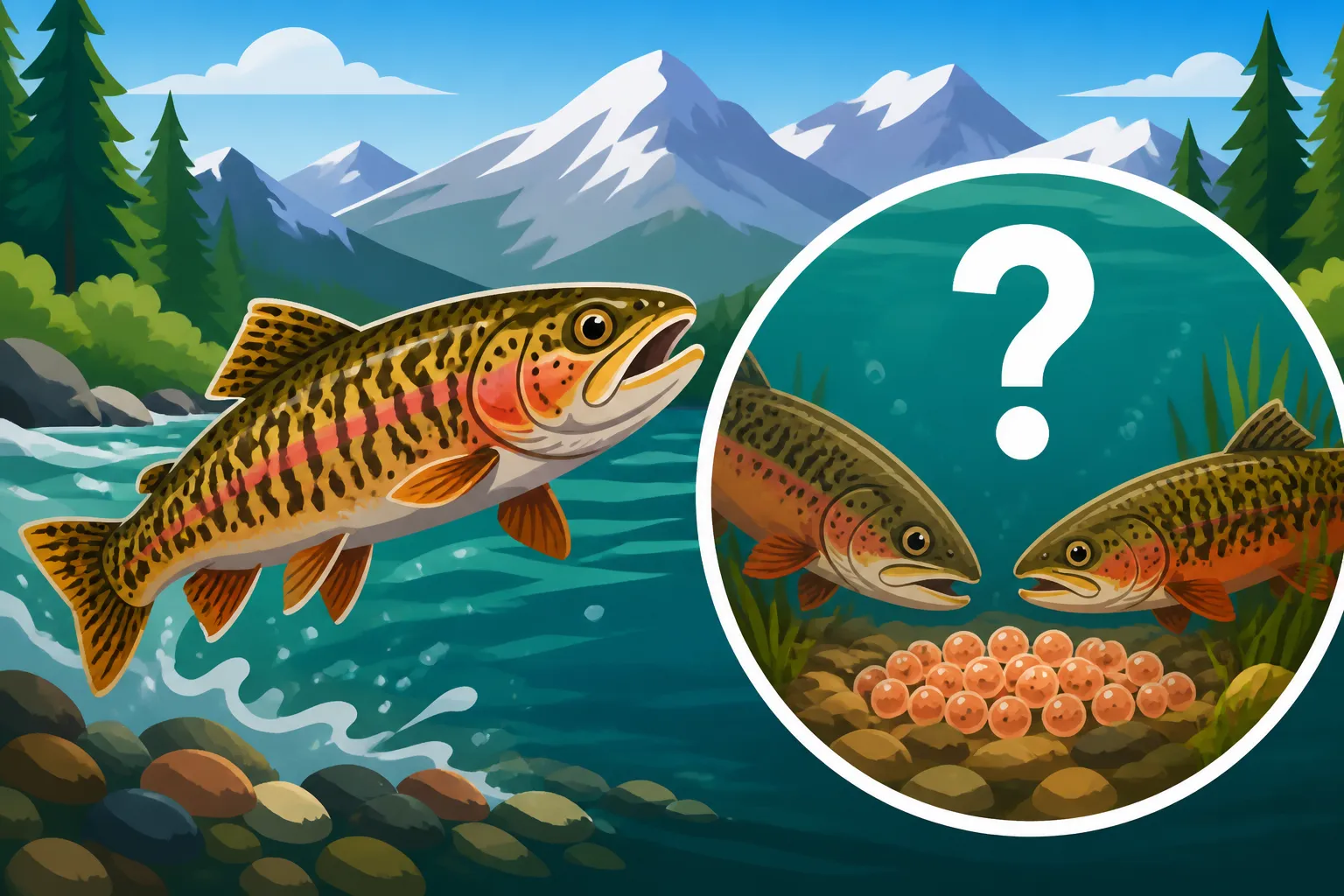
It's a question many Colorado anglers ponder when they reel in one of those stunning, striped beauties that looks almost too perfect to be real: can tiger trout reproduce in the wild? You're admiring those gorgeous vermiculated patterns, marveling at its feisty fight, and perhaps a little piece of you wonders if this unique fish is naturally expanding its own family tree out there. The short answer, and one that often surprises folks, is generally no – tiger trout, by their very nature as a hybrid, are almost always sterile. This guide will dive into what makes these fish so special, why they can't reproduce, and what that means for our beloved Colorado fisheries.
Understanding the Tiger Trout: A Unique Hybrid
Before we get too deep into their reproductive capabilities (or lack thereof), it helps to truly appreciate what a tiger trout is. These fish aren't some ancient, naturally evolved species. They're a deliberate creation, a hybrid born from the cross-breeding of two different trout species right here in hatcheries. It's a fascinating bit of biological engineering, and it produces a fish that's truly distinct in our waters.
What Exactly is a Tiger Trout?
A tiger trout is a sterile hybrid of a female brown trout (Salmo trutta) and a male brook trout (Salvelinus fontinalis). Think of it like a mule in the equine world – a cross between a horse and a donkey. Mules inherit some characteristics from both parents, but they typically cannot have offspring of their own. Similarly, tiger trout inherit a beautiful mosaic of traits from their parent species. They get their aggressive, predatory nature from the brown trout, often growing to impressive sizes. From the brook trout, they inherit those striking vermiculated patterns, a maze of dark, wavy lines that resemble tiger stripes, particularly on their backs and flanks. These markings are truly what set them apart visually, making them instantly recognizable and a prized catch for many anglers. They often have a yellowish or olive-green body with a white belly, and sometimes even a hint of red or orange on their fins, especially during cooler water temperatures. Tiger Trout in Colorado, a Hatchery Hybrid talks more about this fascinating origin story.
Why Colorado Stocks Tiger Trout
So, if these fish can't reproduce, why does Colorado Parks and Wildlife (CPW) go to the effort of stocking them? It’s not just for their good looks and the thrilling fight they offer, though those are certainly perks for anglers. There are several strategic reasons why tiger trout play an important role in managing certain fisheries across the state.
Firstly, their sterile nature means they don't impact the genetic integrity of native trout populations. This is a huge benefit, especially in waters where Colorado's Native Cutthroat Trout Subspecies are a concern. We can introduce a predatory fish to help control overpopulated nuisance species, like suckers or even smaller, stunted trout, without worrying about them establishing a self-sustaining population that could outcompete or hybridize with vulnerable native fish. This makes them an excellent biological tool for balancing ecosystems.
Secondly, tiger trout are known for their hardiness and disease resistance, often outperforming pure brown or brook trout in challenging environments. They tend to grow relatively fast and aggressively feed, making them a great option for "put-grow-and-take" fisheries where the goal is to provide a robust angling experience. They're often stocked in lakes and reservoirs where they can thrive, growing quickly to provide a substantial sport fish. Why Colorado Stocks Sterile Tiger Trout delves deeper into these specific management benefits.
The Biological Reality: Sterility in Hybrids
This is where the rubber meets the road on our core question. The very genetic makeup that creates these beautiful, fierce fish also prevents them from continuing their lineage in the wild. It’s a fundamental biological principle that applies to many hybrid animals.
The Genetic Barrier to Reproduction
The reason tiger trout cannot reproduce lies in their genetics. Brown trout and brook trout are different species, belonging to different genera (though both are salmonids). While they can interbreed, their chromosomes don't quite match up perfectly. When a tiger trout develops, it receives a set of chromosomes from each parent. However, during the process of meiosis – the cell division that produces sperm and eggs – these mismatched chromosomes often struggle to pair correctly.
Imagine trying to build a perfectly functional engine from parts of two different car models. You might get some components to fit together, and the engine might even start, but it's unlikely to run smoothly enough for the long haul, especially when it comes to producing more engines. For a tiger trout, this genetic incompatibility means that while they might mature and even attempt to spawn, they are effectively sterile. They simply cannot produce viable eggs or sperm capable of fertilization, or if they do, the resulting offspring are almost always non-viable. This genetic hurdle is what makes them a "dead-end" in terms of natural reproduction, ensuring that any tiger trout you encounter were put there by human hands.
Implications for Wild Populations
The sterility of tiger trout has significant implications for how Colorado manages its wild fish populations. It means that tiger trout stocking is a controlled process with predictable outcomes. Unlike species that can readily reproduce and establish wild populations, tiger trout do not contribute to the gene pool of any wild fish.
This is particularly important for native species conservation. In some areas, introducing a non-native species that can breed uncontrollably could lead to unforeseen ecological problems, such as competition for food and habitat, or even hybridization that dilutes the genetics of native fish. With tiger trout, CPW can introduce them to specific waters to achieve management goals – perhaps to provide a unique angling opportunity or to control an overpopulation of a less desirable fish – without the long-term risk of them altering the natural ecosystem through self-reproduction. It offers flexibility in management, allowing for diverse fishing opportunities while safeguarding the state's natural heritage. This careful balance is key to understanding Colorado Fishing Regulations Every Angler Should Know and why specific stocking decisions are made.
Fishing for Tiger Trout in Colorado
Now that we understand the biological side of things, let's talk about the exciting part: catching these incredible fish! Tiger trout are an absolute blast to target, offering a unique blend of beauty and brawn. If you're looking to add one of these striped marvels to your catch list, Colorado offers some fantastic opportunities.
Where You'll Find Them
You're most likely to find tiger trout in high-elevation lakes and reservoirs across Colorado. CPW strategically stocks them in waters where they believe these hybrids will thrive and contribute to a balanced fishery. Often, these are places where brook trout and brown trout are already present, or where a predatory fish is needed to manage other populations. Many of Colorado's alpine lakes and some larger reservoirs receive regular stockings. While I can't give you a current, real-time stocking report, historically, places like some of the high-country lakes in the central mountains, and certain smaller reservoirs on the Front Range or Western Slope have been known to hold them. Your best bet for finding specific locations is to check the latest CPW stocking reports or inquire at local fly shops, as stocking schedules can change. For more ideas, you might consult Colorado's Best Fishing Spots by Region for a general overview of where different trout species are typically found.
Catching These Elusive Beauties
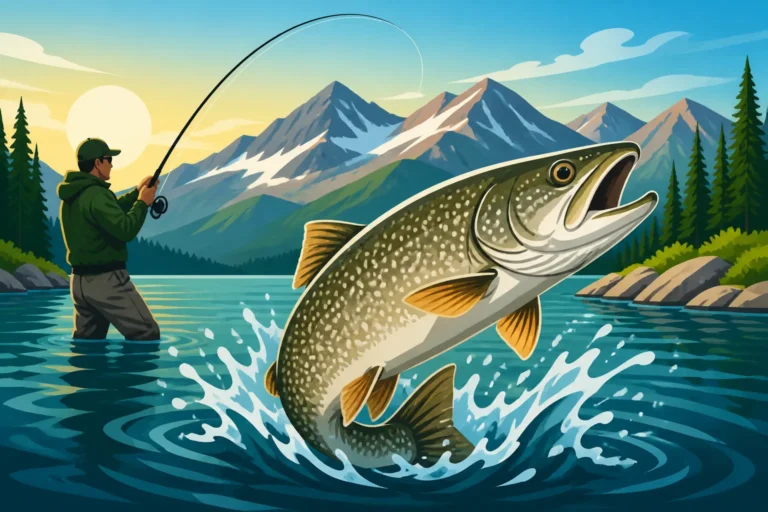
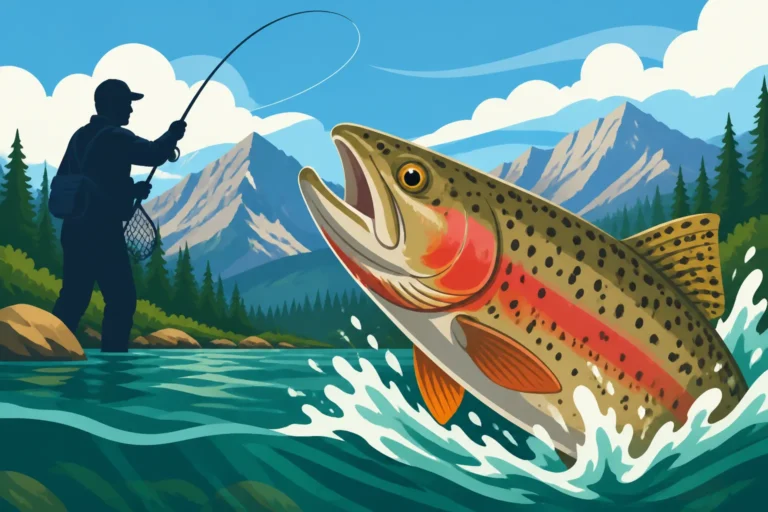
Tiger trout are notoriously aggressive, thanks to their brown trout lineage, and they are not shy about chasing down a meal. This makes them incredibly fun to fish for, whether you're fly fishing or spin fishing. They're often opportunistic feeders, keying in on insects, small fish, and even crayfish.
For fly anglers, streamers imitating baitfish are often highly effective, especially retrieved with erratic strips. Larger nymphs, like stoneflies or prince nymphs, can also entice a bite when fished deeper. Even dry flies can work, particularly if there's an active hatch, as their brook trout side gives them an appetite for surface insects. Don't be afraid to experiment with patterns that mimic smaller fish, like sculpins or minnows, as they love to ambush prey.
Spin fishermen will find success with a variety of lures. Small spinners, spoons, and minnow-imitating crankbaits are all excellent choices. Vary your retrieve speed and depth, as tiger trout can often be found cruising different parts of the water column. They are known for powerful strikes and strong fights, so be prepared for a spirited battle when you hook into one. They are truly a rewarding fish to catch, both for their striking appearance and their feisty demeanor. If you're considering a specialized trip, Guided Spin Fishing Trips in Colorado could offer some specific techniques for these aggressive fish.
| Trait | Tiger Trout (Hybrid) | Brown Trout (Parent 1) | Brook Trout (Parent 2) |
|---|---|---|---|
| Appearance | Distinct vermiculated (worm-like) patterns, often dark on lighter background, may have yellow/olive hues. | Dark spots, often with red halos, on sides. Olive to brown body, yellowish belly. | Light spots (yellow & red with blue halos) on dark, mottled background. Vermiculated pattern on back. |
| Growth Rate | Moderate to Fast (can grow large due to sterility and aggressive feeding) | Moderate to Fast (can grow very large, particularly in rivers) | Slow to Moderate (typically smaller, especially in high-country streams) |
| Aggressiveness | High (predatory nature) | High (predatory, often nocturnal) | Moderate (can be aggressive, especially for insects) |
| Reproduction | Sterile (cannot reproduce naturally) | Fertile (reproduces successfully) | Fertile (reproduces successfully) |
| Habitat Preference | Lakes, reservoirs, some slow rivers | Rivers, lakes, adaptable to varied conditions | Cold, clear streams and high-country lakes |
| Stocked/Wild | Stocked (hatchery produced) | Both Wild and Stocked | Both Wild and Stocked |
The Role of Tiger Trout in Colorado's Ecosystem
Tiger trout are a prime example of how thoughtful fisheries management can introduce a non-native species for specific benefits without causing detrimental long-term ecological harm. Their place in Colorado's diverse aquatic landscape is well-defined and monitored.
Management Strategies and Conservation
Colorado Parks and Wildlife utilizes tiger trout as a tool within a broader, complex management strategy. Because they are sterile, they can be introduced to control overpopulated forage fish or competing species without the risk of creating a new, self-sustaining population that could eventually become problematic. For example, if a lake has too many small, stunted brook trout, or an abundance of suckers that outcompete more desirable game fish, stocking aggressive, non-reproducing tiger trout can help reduce those populations, thereby improving the overall health and size structure of the remaining fish. This is a targeted approach, ensuring that our resources are allocated effectively and that native species are protected. CPW's detailed approach to How Colorado Decides Which Species to Stock Where showcases this level of planning.
Furthermore, their ability to thrive in a range of conditions and their relative resistance to certain diseases make them a robust choice for certain stocking programs, particularly in waters where native species might struggle or where a quick-growing sport fish is desired. This allows CPW to offer diverse angling opportunities across the state, from catching native cutthroat in pristine alpine streams to targeting larger, feisty tiger trout in managed lakes.
Looking Ahead: The Future of Tiger Trout
Tiger trout are likely to remain a valuable component of Colorado's fisheries management for the foreseeable future. They fulfill a specific niche, providing a high-quality angling experience and serving as an effective management tool. As long as there are waters where their unique traits are beneficial, CPW will likely continue to produce and stock them. Their striking appearance, aggressive nature, and impressive fight ensure they'll always be a favorite among anglers.
For us anglers, it means that every tiger trout we encounter is a special, intentional addition to our waters, a testament to careful management and a unique opportunity to catch a truly magnificent fish. So, the next time you cast your line in a Colorado lake or reservoir, keep an eye out for those beautiful tiger stripes. It might just be your day to hook into one of these sterile, yet incredibly valuable, hybrids. Remember, these are not fish that have naturally spawned and grown from previous generations in the wild, but rather a direct result of management efforts aimed at enhancing our fishing experiences and maintaining ecological balance. When you're out there, remember that identifying a fish correctly can be important, so you might find Telling a Cutbow From a Pure Cutthroat or Identifying Colorado's Native vs Stocked Trout helpful for other species you might encounter.
Disclaimer
This article is for general informational purposes only and does not constitute professional advice. Laws, prices and regulations vary by location and change over time. Consult a qualified professional for guidance on your specific situation.