Guided Spin Fishing Trips in Colorado
Navigating Colorado's diverse waters for a successful fishing trip can feel overwhelming, especially if you're new to the area or prefer spin fishing techniques in a state often celebrated for its fly fishing. Many anglers want to experience the thrill of catching Colorado's abundant fish but aren't sure where to start, what gear to use, or where to even cast a line. This comprehensive guide will walk you through everything you need to know about booking and enjoying guided spin fishing trips in Colorado, ensuring you make the most of your time on the water, whether you're targeting trophy trout in mountain lakes or powerful walleye in sprawling reservoirs.
Why Consider a Guided Spin Fishing Trip in Colorado?
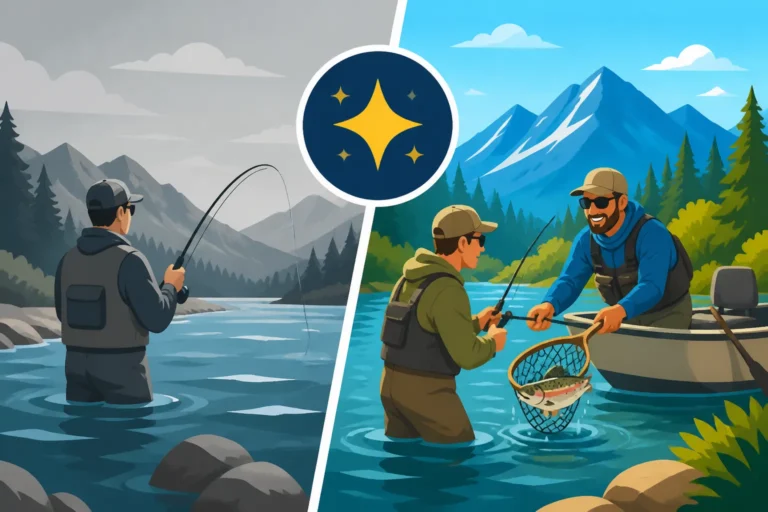
Colorado offers an incredible array of fishing opportunities, from high-alpine lakes brimming with trout to vast reservoirs holding formidable warmwater species. For many, spin fishing is the preferred method, offering a versatile and often more accessible way to engage with the water. However, the sheer variety and unique characteristics of Colorado's fisheries can present a steep learning curve. This is where a guided spin fishing trip truly shines, providing invaluable local expertise, access, and instruction that can transform a good day into an unforgettable adventure.
Overcoming the Learning Curve and Local Knowledge Gaps
Imagine arriving at a new lake or river, looking out over the expansive water, and having no idea where to start. This common frustration can quickly dampen the excitement of a fishing trip. A guided trip immediately eliminates this guesswork. Guides spend countless hours on the water, meticulously tracking fish movements, understanding seasonal patterns, and identifying prime holding areas that would take years for an independent angler to discover. They know the subtle nuances of each body of water – from the perfect depth to troll for kokanee salmon to the specific submerged structure where a trophy smallmouth bass might be lurking.
For instance, you might be aiming for walleye in a large Front Range reservoir like Pueblo or Chatfield. These reservoirs are massive, and without local insight, you could spend hours casting into unproductive water. A seasoned guide knows which points, humps, or submerged creek channels are currently active, what time of day the walleye are most likely to bite, and even the exact lure colors and retrieve speeds that have been producing. They also have a keen eye for reading current conditions, like water clarity or recent temperature changes, and can adjust tactics on the fly, ensuring you're always fishing smart.
Accessing Prime Waters and Understanding Seasonal Changes
One of the biggest advantages of a guided trip is the access it provides. Many of Colorado's most productive fishing spots require specific knowledge to reach, whether it's navigating rough roads to a remote high-country lake, understanding tricky public access points on a river, or knowing how to safely operate a boat on a sprawling, windy reservoir. Guides often have specialized boats, vehicles, or even private land access agreements that open up opportunities you wouldn't have on your own.
Beyond physical access, guides possess an intricate understanding of Colorado's dynamic fishing seasons. Spring runoff, for example, can make many rivers unfishable for weeks, but a guide knows which tailwaters or lakes remain clear and productive. As summer heat sets in, they can steer you to cooler, deeper waters where fish remain active. Fall brings aggressive feeding before winter, and guides can pinpoint the best times and locations for targeting pre-spawn brown trout or schooling kokanee salmon. This seasonal intelligence is critical. Without it, you might plan a trip during a peak runoff period and find all your preferred spots blown out, leading to disappointment. A guide ensures you're on the right water at the right time, maximizing your chances for success. You can learn more about these seasonal variations in Colorado Fishing Seasons Month by Month.
Enhancing Your Skills with Expert Instruction
A guided trip isn't just about catching fish; it's also an unparalleled learning experience. Whether you're a complete novice or an experienced angler looking to refine specific techniques, a guide acts as a personal instructor. They can teach you everything from how to properly tie knots and rig your bait to advanced casting techniques, lure presentation, and fighting fish effectively. This hands-on instruction in a real fishing scenario is far more valuable than watching videos or reading articles.
Consider trying to master the art of trolling for lake trout in a vast reservoir like Blue Mesa. There are subtleties involved with downriggers, planer boards, sonar readings, and specific lure choices at different depths. A guide will not only set up the gear but explain why they're using a particular rig, how to read the fish finder, and what kind of bite to expect. They'll correct your technique in real-time and help you understand the fish's behavior. This kind of personalized coaching builds confidence and skill, empowering you to become a more effective angler on future solo trips. The knowledge gained from even a single guided trip can elevate your fishing game for years to come.
What a Colorado Guided Spin Fishing Trip Entails
If you're new to guided trips, you might wonder what the experience is actually like. It's much more than just someone putting you on fish; it's a comprehensive service designed to make your day on the water as productive, enjoyable, and hassle-free as possible. From the moment you meet your guide to the final photo with your catch, every detail is typically handled.
Typical Day on the Water: From Meet-Up to Farewell
A guided spin fishing trip in Colorado usually starts bright and early, often at a pre-arranged meeting spot near the fishing destination, such as a local fly shop, marina, or boat ramp. Your guide will likely provide a warm greeting and handle all the logistics from there. This often includes transporting you to the water, launching the boat if it's a lake or reservoir trip, or leading you to prime river access points for wade fishing.
Once on the water, the guide takes charge of setting up gear, explaining the day's plan, and going over any safety protocols. They'll typically be rigging rods, baiting hooks, and demonstrating techniques. Throughout the day, they'll navigate the boat, put you on productive spots, help you untangle lines, re-bait, land fish, and offer constant encouragement and instruction. They might provide lunch, snacks, and drinks, ensuring you stay fueled and hydrated. The focus is entirely on your fishing experience, allowing you to relax and enjoy. As the trip winds down, the guide will often take care of cleaning the boat, packing up gear, and processing any fish you decide to keep (within legal limits, of course). They'll drop you back at your vehicle, leaving you with memories and perhaps a few new tricks up your sleeve.
Gear Provided and What You Should Bring
One of the greatest conveniences of a guided spin fishing trip is that the guide typically provides all the necessary fishing gear. This means high-quality rods, reels, line, lures, bait, and tackle appropriate for the target species and water type. You won't need to worry about packing your own cumbersome equipment or realizing you have the wrong setup for Colorado's unique conditions. For a reservoir trip targeting walleye or pike, the guide will have heavy-duty spinning rods, specific trolling rigs, and a vast tackle box filled with jigs, crankbaits, and soft plastics proven on that particular water. If you're chasing trout in a river, they'll have lighter spinning rods, appropriate lures like Kastmasters or Panther Martins, and a variety of powerbait or worms.
While the guide supplies the fishing essentials, you'll still need to bring some personal items to ensure your comfort and safety. These typically include:
- Valid Colorado Fishing License and Habitat Stamp: This is non-negotiable. You can obtain these online through the Colorado Parks and Wildlife (CPW) website or at various retailers. Be sure to understand Colorado Fishing License Regulations Every Angler Should Know and Colorado's Habitat Stamp, Explained.
- Weather-Appropriate Clothing: Layers are key in Colorado! Even on a warm day, mornings can be chilly, and afternoon thunderstorms can roll in quickly. A rain jacket is always a good idea.
- Sun Protection: Sunscreen, a wide-brimmed hat, and polarized sunglasses are essential, especially at higher altitudes or on reflective water.
- Snacks and Drinks (beyond what the guide provides): If you have specific dietary needs or just like to have your favorite treats.
- Camera: To capture those memorable moments!
- Small Backpack: To keep your personal items organized.
It's always a good idea to confirm with your guide what they provide and what they recommend you bring when you book your trip.
Target Species and Water Types for Spin Fishing
Colorado's waters host an impressive variety of fish species that can be effectively targeted with spin fishing gear. Your guide will help tailor the trip to your preferences and the seasonal availability of fish.
For Coldwater Enthusiasts (Trout, Salmon, Lake Trout):
- Rivers and Streams: Many of Colorado's freestone rivers and tailwaters, while popular for fly fishing, also offer fantastic spin fishing for rainbow, brown, cutthroat, and brook trout. Guides can take you to stretches of the Arkansas River, the Rio Grande, or various mountain creeks where casting small spinners, spoons, or bait can be highly effective. You might learn about specific techniques like Spin Fishing Techniques for Colorado Trout.
- High-Country Lakes: From the easily accessible to more remote alpine gems, these lakes are often stocked with various trout species, providing exciting action. Small spoons, jigs, and bait under a bobber are popular here.
- Large Reservoirs: Waters like Blue Mesa Reservoir, Eleven Mile Reservoir, and Granby offer opportunities for trophy lake trout, kokanee salmon (especially during their spawning runs), and large rainbow trout. Guides often employ trolling techniques with downriggers or planer boards for these species, which you can learn more about in Trolling Techniques for Colorado Reservoirs.
For Warmwater Anglers (Walleye, Pike, Bass, Catfish):
- Front Range and Eastern Plains Reservoirs: These larger, often warmer bodies of water are prime territory for species like walleye, northern pike, largemouth bass, smallmouth bass, and channel catfish. Reservoirs such as Chatfield, Cherry Creek, Pueblo, and John Martin are popular choices. Guides will use a variety of lures, jigs, and sometimes live bait to target these powerful fish. You can expect specific expertise in Walleye Fishing in Colorado, Northern Pike Fishing in Colorado, Bass Fishing in Colorado, and Catfish Fishing in Colorado.
Your guide will typically discuss your preferred species and fishing style beforehand to ensure they choose the best location and plan for your trip.
Selecting the Perfect Colorado Spin Fishing Guide
Choosing the right fishing guide is crucial for a successful and enjoyable trip. It’s not just about finding someone who knows how to catch fish; it’s about finding a personality, teaching style, and expertise that matches your expectations and goals. A little research upfront can make all the difference in connecting with a guide who will provide a truly memorable experience.
Key Questions to Ask Before Booking
Before you commit to a guide, don't hesitate to ask questions. A good guide will appreciate your thoroughness and be happy to provide detailed answers. Here are some essential inquiries:
- What species are you primarily targeting, and what are your success rates for them? This helps align expectations. If you're set on catching walleye, make sure the guide specializes in that and has a good track record.
- What spin fishing techniques do you typically employ? Some guides might focus on trolling, others on casting artificials, or perhaps bait fishing. Ensure their methods align with what you're interested in learning or doing.
- What's included in the trip price? Clarify if lunch, drinks, snacks, tackle, and flies are covered. Also, ask about transportation to the fishing spot.
- Do I need a fishing license and Habitat Stamp, and where can I get one? The answer is always yes, but it’s a good way to gauge their helpfulness and ensure you’re prepared. They might offer advice on How to Buy a Colorado Fishing License.
- What's your cancellation policy, especially for bad weather? Colorado weather can be unpredictable. Understand their policy if a storm rolls in.
- How many anglers can you accommodate? This is important if you're fishing with a group or family.
- What should I bring? Reiterate this to get their specific recommendations for the day and location.
- What's your philosophy on catch and release? If this is important to you, ensure your guide shares your values. Many Colorado guides are strong advocates for ethical angling.
Researching Outfitters and Their Specialties
Colorado is home to numerous reputable fishing outfitters and independent guides, each with their own unique specialties. Some might focus exclusively on fly fishing the Gold Medal trout streams, while others are masters of trolling for lake trout on vast reservoirs, or chasing warmwater species on the plains.
When researching, look for guides who explicitly mention "spin fishing" or "conventional gear" in their descriptions. Many outfitters have websites showcasing their guides, trip types, and photos of past clients' catches. Pay attention to:
- Reviews and Testimonials: Online reviews on platforms like Google, Yelp, or dedicated fishing forums can offer insights into a guide's personality, teaching style, and fish-finding abilities.
- Years of Experience: While newer guides can be excellent, those with many years on the water often have an unparalleled depth of knowledge about specific fisheries.
- Specialized Boats and Equipment: For reservoir fishing, a guide with a well-equipped boat (fish finder, trolling motor, downriggers) is a huge plus. For wade trips, they should have appropriate gear.
Don't be afraid to reach out to a few different outfitters or guides before making your decision. A brief phone call can give you a good feel for their communication style and willingness to answer your questions. Many good resources exist for researching guides, and understanding Hiring a Fishing Guide in Colorado, What to Expect can provide a great foundation.
Booking Through Platforms and Direct Contact
There are primarily two ways to book a guided spin fishing trip in Colorado: through online booking platforms or by contacting guides and outfitters directly.
- Online Booking Platforms: Websites like FishingBooker are fantastic resources. They allow you to search for guides by location, species, trip type (including spin fishing!), and even compare prices and read reviews from previous clients all in one place. Using a platform like FishingBooker can streamline the process, providing a sense of security through verified reviews and standardized booking procedures. It's often easy to see availability and make a reservation with just a few clicks.
- Direct Contact: Many independent guides and smaller outfitters prefer direct bookings. You can often find their contact information through local fly shops, tourism websites, or by searching online for "Colorado spin fishing guides." Booking direct can sometimes allow for more customization of your trip and a more personal connection with the guide before you even hit the water. It also often means the guide gets a larger share of the trip fee, which can be a plus for supporting local businesses.
Regardless of how you book, ensure you receive a clear confirmation, understand the payment schedule, and have all the necessary contact information for your guide leading up to the trip.
Top Colorado Destinations for Guided Spin Fishing
Colorado's varied landscape offers a fantastic array of spin fishing destinations, each with its own charm and target species. From the sprawling reservoirs near the Front Range to the serene high-country lakes and the vast waters of the Eastern Plains, there's a guided spin fishing adventure waiting for every preference.
Front Range Reservoirs for Warmwater Species
The reservoirs along Colorado's Front Range are often overlooked by trout purists but are absolute gems for warmwater spin fishing. These large bodies of water are easily accessible from major metropolitan areas like Denver and Colorado Springs, making them perfect for a day trip.
- Chatfield Reservoir: Located just south of Denver, Chatfield is a multi-species powerhouse. Guides here will often target walleye, smallmouth bass, largemouth bass, and sometimes even wiper (a hybrid striped bass). The reservoir features diverse structure, from rocky points to submerged timber and expansive flats. Spin fishing here can involve casting crankbaits, jigs, or soft plastics along shorelines and over submerged humps, or trolling deeper channels.
- Cherry Creek Reservoir: Another urban oasis in the Denver metro area, Cherry Creek offers similar opportunities to Chatfield for walleye, bass, and pike. Its expansive waters and varied depths provide ample space for guides to find active fish. It’s an excellent spot for learning how to use electronics to locate fish and structure.
- Pueblo Reservoir: Further south, near Pueblo, this reservoir is renowned for its excellent walleye fishing and good populations of bass and crappie. Its desert canyon setting provides unique scenery, and the fishing can be exceptional, especially during the spring and fall. A guided trip here would focus on specific contours, points, and humps where walleye stage. You might be interested in Walleye Fishing in Colorado for more specific techniques.
These reservoirs often require a boat for optimal access to prime fishing grounds, making a guided trip with a well-equipped vessel incredibly advantageous.
High-Country Lakes and Rivers for Trout
For those seeking the classic Colorado trout experience with a spin rod, the high country delivers stunning scenery and excellent fishing. While many of these waters are also popular with fly anglers, spin fishing can be just as, if not more, effective in certain situations.
- Blue Mesa Reservoir: Near Gunnison, Blue Mesa is Colorado's largest body of water and a bucket-list destination for lake trout and kokanee salmon. Guided trips here often involve trolling with downriggers or jigging for large lake trout in deep water. In the fall, kokanee salmon runs are a spectacle, offering a different kind of spin fishing opportunity.
- Eleven Mile Reservoir: Located in South Park, Eleven Mile is famous for its large rainbow trout, brown trout, and pike. It's a vast, windswept lake where guides excel at putting clients on quality fish, whether casting spoons and jerkbaits from a boat or using bait from specific shore locations.
- Arkansas River (Upper Sections): While much of the Arkansas is Gold Medal water, revered by fly fishers, certain stretches and access points are fantastic for spin fishing. Guides can lead you to areas where casting small spinners or spoons for brown and rainbow trout is highly effective, especially when paired with a good understanding of reading river currents and structure. You can learn more about specific techniques in Spin Fishing Techniques for Colorado Trout.
These high-country destinations often require more travel but reward anglers with breathtaking views and robust fish populations. A guide's expertise in navigating these sometimes-remote areas and understanding trout behavior is invaluable.
Eastern Plains Lakes for Diverse Opportunities
The Eastern Plains of Colorado might seem flat and dry, but they hold a surprising number of large reservoirs and state parks that offer exceptional and often less-pressured spin fishing for a variety of species. These waters often warm up earlier and stay warmer longer, providing extended seasons for warmwater species.
- John Martin Reservoir: Near Hasty, John Martin is known for its excellent wiper, walleye, and channel catfish populations. Its vast, open waters and sometimes subtle structure can be challenging for the uninitiated, but a guided trip can unlock its potential, especially for those powerful wiper that fight like mini-stripers.
- Jackson Lake State Park: Located near Orchard, Jackson Lake is another popular spot for walleye, wiper, and channel catfish, with good opportunities for crappie and perch as well. It's a great choice for family-friendly trips, and guides can help you locate schooling fish.
- Boyd Lake State Park: Near Loveland, Boyd Lake is a popular destination for bass, walleye, crappie, and white bass. Its proximity to the northern Front Range makes it an accessible option for diverse spin fishing action.
These Eastern Plains lakes offer a different flavor of Colorado fishing, often with less crowded conditions than their Front Range counterparts, and a guide will be essential in navigating their unique features and finding the hot spots.
Understanding Costs and Expectations for Your Trip
Deciding to hire a fishing guide is an investment in an experience, education, and potentially, a trophy catch. Understanding the financial aspects and what to expect regarding inclusions will help you budget appropriately and ensure a smooth, enjoyable trip.
Pricing Structures: Half-Day vs. Full-Day and Inclusions
Guided spin fishing trips in Colorado typically come in two main formats: half-day and full-day excursions. The pricing will reflect the duration, the guide's experience, the type of water (e.g., remote vs. easily accessible), and what's included.
- Half-Day Trips: These usually last around 4-5 hours. They are a great option for beginners, families with young children, or anglers who want a taste of a guided experience without committing to a full day. Half-day trips are generally more affordable and often focus on one specific technique or species in a nearby, accessible location. They usually include all necessary gear, some drinks, and snacks.
- Full-Day Trips: These are typically 8+ hours on the water. Full-day trips offer a more comprehensive experience, allowing time to explore multiple spots, try different techniques, and adapt to changing conditions. They provide ample opportunity for in-depth instruction and a higher chance of encountering diverse species or landing a larger fish. Full-day trips almost always include all gear, lunch, snacks, and beverages.
Prices vary widely depending on the outfitter and specific offerings. Generally, a full-day trip will cost more than two half-day trips, but often provides better value per hour of fishing. Always confirm the exact price and what's included when you book. You can find more specific details on typical costs in articles like What a Half-Day Colorado Guided Fishing Trip Costs or What a Full-Day Colorado Guided Fishing Trip Costs.
The Importance of Tipping Your Guide
Tipping is a standard and expected practice in the guided fishing industry, much like in the restaurant or hospitality sector. Guides work incredibly hard to ensure your trip is successful and enjoyable, from preparing gear and cleaning boats to providing expert instruction and putting you on fish. Their income often relies significantly on gratuities.
A good rule of thumb for tipping a Colorado fishing guide is 15-20% of the trip's total cost. If your guide went above and beyond, provided exceptional instruction, or helped you land a fish of a lifetime, feel free to tip more. Conversely, if you feel the service was subpar, you can adjust the tip accordingly, but remember that some factors (like uncooperative fish or sudden weather changes) are beyond a guide's control. Always present the tip discreetly and directly to your guide at the end of the trip. It's a thoughtful gesture that shows your appreciation for their hard work and dedication.
What's Covered by Your Guide vs. Your Own Responsibilities
To avoid any confusion, here's a general breakdown of what you can expect your guide to cover and what remains your responsibility:
| Aspect | Guide's Responsibility (Typically Included) | Angler's Responsibility (Bring Your Own) |
|---|---|---|
| Fishing Gear | Rods, reels, line, tackle, lures, bait, flies (if applicable). | Personal fishing gear if preferred (e.g., favorite lucky rod). |
| Instruction | Casting, rigging, knot tying, fish handling, local fishing techniques. | Openness to learning, asking questions. |
| Logistics | Transportation to/from fishing spots, boat launch/retrieval, navigation. | Getting to the initial meeting point on time. |
| Food & Drink | Lunch (full-day), snacks, water, non-alcoholic beverages. | Special dietary items, extra favorite snacks, alcoholic beverages. |
| Safety Equipment | First-aid kit, PFDs (life jackets), emergency communication. | Awareness of safety instructions, personal medications. |
| Fish Processing | Cleaning/filleting legal fish (if requested and applicable). | Cooler for transporting your catch home. |
| Permits & Licenses | Guide's commercial licenses and permits for operating. | Your personal Colorado Fishing License Guide for Residents and Nonresidents and Colorado's Habitat Stamp, Explained. |
| Gratuity | N/A (Guides aim to earn it) | Tipping your guide (15-20% customary). |
Always confirm these details directly with your guide or outfitter when you book. Being clear on these points ensures there are no surprises and that both you and your guide have a fantastic day on the water.
Essential Preparations for a Successful Guided Trip
Once your guided spin fishing trip is booked, a little preparation on your part can go a long way in ensuring a comfortable, safe, and ultimately successful outing. Colorado's unique climate and terrain require specific considerations, especially regarding clothing and personal items.
Dressing for Colorado's Variable Weather
Colorado's weather, particularly in the mountains or on large reservoirs, can change dramatically throughout the day. It's not uncommon to start a morning with crisp, cool temperatures, experience warm sunshine by midday, and then be hit with a sudden thunderstorm or gusty winds in the afternoon. Layering is not just a suggestion; it's a necessity.
- Base Layers: Start with moisture-wicking synthetic or merino wool base layers. These will keep you dry by pulling sweat away from your skin, which is crucial for comfort if you're active or if temperatures fluctuate.
- Mid-Layers: A fleece jacket or a down vest provides insulation. These are easy to put on or take off as the temperature changes.
- Outer Layer: A waterproof and windproof jacket is essential. Even if rain isn't in the forecast, afternoon showers can materialize quickly, and wind can make even a sunny day feel cold, especially on the water.
- Pants: Quick-drying nylon pants are ideal. Avoid cotton jeans, which can stay wet and cold if they get soaked.
- Footwear: Wear comfortable, waterproof shoes or boots with good traction. If you'll be wading, ensure they can handle wet conditions.
- Headwear: A brimmed hat offers sun protection, and a warm beanie or stocking cap is vital for chilly mornings or cold, windy conditions, especially on a boat.
- Gloves: Fingerless fishing gloves can protect your hands from the sun and offer a bit of warmth, while full gloves might be necessary on colder days.
Remember, you can always shed layers, but you can't add what you didn't bring. Pack more than you think you'll need, storing extra layers in a dry bag or small backpack.
Necessary Personal Items and Comforts
Beyond your clothing, a few personal items will greatly enhance your comfort and overall experience on a guided spin fishing trip.
- Sun Protection: This cannot be stressed enough in Colorado. The altitude means the sun's rays are more intense. Bring high SPF sunscreen (reapply frequently), a wide-brimmed hat, and quality polarized sunglasses. Polarized lenses are not just for comfort; they cut glare on the water, allowing you to see fish and submerged structure more clearly, which can be a huge advantage.
- Medications: If you take any prescription medications, bring them in their original containers. Also, consider over-the-counter pain relievers, anti-nausea medication (if you're prone to motion sickness on boats), and allergy medication.
- Camera or Smartphone: While your guide might take some photos, you'll want your own device to capture the beautiful Colorado scenery and your memorable catches. Ensure it's fully charged and perhaps bring a portable power bank.
- Small Backpack or Dry Bag: This is perfect for carrying your personal items, extra layers, snacks, and keeping everything dry, especially on a boat.
- Cooler (for your catch): If you plan to keep any legally caught fish, bring a cooler with ice in your vehicle. Your guide can often clean and bag your fish for you, ready for transport.
- Cash for Tipping: As mentioned, having cash ready for your guide at the end of the trip is customary and appreciated.
Physical Readiness and Safety Considerations
While spin fishing is generally less physically demanding than, say, hiking into a remote alpine lake with heavy gear, a guided trip can still involve a fair amount of activity.
- Physical Activity: Be prepared for standing for extended periods, casting repeatedly, and potentially walking on uneven terrain if it's a wade trip. If you have any physical limitations, discuss them with your guide when booking; they can often accommodate specific needs.
- Altitude Sickness: If you're coming from sea level, Colorado's altitude can affect you. Stay hydrated by drinking plenty of water days before and during your trip. Avoid excessive alcohol and caffeine. If you experience symptoms like headache, nausea, or dizziness, inform your guide immediately.
- Hydration and Nutrition: Even if your guide provides drinks, bring extra water, especially on warm days or at high altitudes. Snacks are always a good idea to keep your energy levels up.
- Sunburn and Dehydration: These are common risks in Colorado. Following the advice on sun protection and hydration is paramount for your safety and comfort.
- Listen to Your Guide: Your guide is an expert in safety on the water. Pay close attention to their instructions, especially regarding boat safety, handling fish, and navigating slippery banks. They are there to ensure you have a safe and enjoyable trip.
By taking these preparatory steps, you'll be well-equipped to relax, learn, and enjoy the incredible guided spin fishing opportunities that Colorado has to offer. Whether you're a seasoned angler or a complete novice, a guided trip can unlock new experiences and help you connect with Colorado's stunning aquatic environments in a truly special way.
Disclaimer
This article is for general informational purposes only and does not constitute professional advice. Laws, prices and regulations vary by location and change over time. Consult a qualified professional for guidance on your specific situation.