Guided Trips on the East River Near Crested Butte
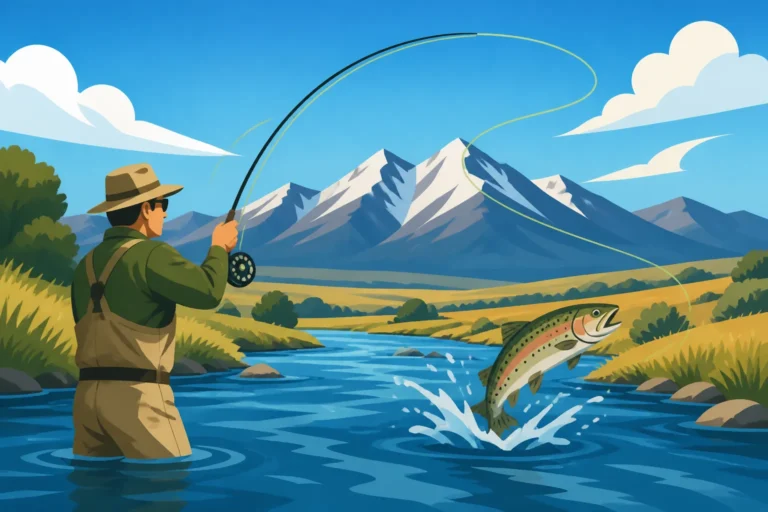
There’s a special kind of magic that draws anglers to the rivers around Crested Butte, but that magic can often feel like a well-guarded secret. If you've ever stood on the banks of the East River, admiring its shimmering flow and the majestic Elk Mountains towering above, you might have also felt a twinge of intimidation. This guide is here to demystify the process of hiring a local expert to help you unlock the unparalleled fishing opportunities of the East River.
Why Consider a Guided Trip on the East River Near Crested Butte?
The East River, often overshadowed by its more famous neighbors, is a true gem in Colorado's fishing crown. It's a designated Gold Medal Water, meaning it offers exceptional opportunities for large trout. However, like many prized fisheries, it presents its own set of challenges that can leave even seasoned anglers scratching their heads. This is where a guided trip really shines, transforming frustration into a fantastic day on the water.
Navigating Complex Gold Medal Waters
Let's be honest: Gold Medal Waters like the East River aren't always easy. The fish here are smart, often wary, and the river itself can be a puzzle of currents, deep runs, and tricky riffles. You might find yourself casting into what looks like perfect holding water, only to come up empty-handed time and again. It’s not just about finding fish; it’s about understanding their behavior in highly pressured environments and knowing exactly how to present your fly to elicit a strike. A local guide has spent countless hours observing these very fish, learning their patterns, and adapting to the river's ever-changing moods. They can read the water like an open book, pointing out subtle seams, hidden pockets, and prime feeding lanes that you might otherwise overlook. This isn't just about catching more fish; it's about making the most of your precious time on the water and building a deeper understanding of this incredible ecosystem.
Unlocking the Best Spots and Hatches
Imagine arriving at a new river, only to spend half your day driving around, trying to find public access points or suitable wading spots. On the East River, like many of Colorado's prime fisheries, access can be a maze of private land, public easements, and designated stretches. A guided trip eliminates this logistical headache entirely. Your guide already knows the ins and outs, including often overlooked sections or even private water access that they might have secured for their clients. More importantly, guides are on the water almost daily, which means they have an up-to-the-minute understanding of what flies are hatching, where the fish are concentrating, and what presentation is working best.
One day, it might be a subtle midge hatch requiring tiny, delicate patterns, and the next, a robust stonefly emergence that calls for a completely different approach. Trying to decipher this yourself can be overwhelming. A guide will often have a fly box stocked with hundreds of patterns, many tied specifically for local conditions, and they'll select the perfect imitation for you. They’ll know that in early summer, a specific stretch might be perfect for targeting Best Flies for Colorado's Gold Medal Trout Water during a caddis hatch, while another section might hold bigger brown trout responding to streamers in the fall. This hyper-local knowledge means less guesswork and more productive, enjoyable fishing.
Learning and Leveling Up Your Skills
Beyond just helping you catch fish, a guided trip on the East River is an unparalleled learning opportunity. Think of it as a personalized, on-the-water masterclass. Whether you're a complete beginner struggling with your casting loop or an experienced angler looking to refine your nymphing techniques in tricky currents, a guide acts as your personal coach. They'll observe your technique, offer immediate feedback, and demonstrate effective strategies. Maybe you've always wanted to learn how to effectively "read" a complex riffle to identify where trout are holding, or perhaps you're keen to master a specific cast to reach an otherwise inaccessible seam.
Guides are patient teachers who can break down complex ideas into manageable steps. They'll explain why certain techniques work in particular situations, deepening your understanding of trout behavior and river dynamics. It's not just about being handed a rod and told where to cast; it's about gaining insights that will make you a more confident and capable angler long after your trip is over. This educational aspect is often cited by anglers as one of the most valuable takeaways from a guided experience.
What to Expect from an East River Guided Trip
So, you're convinced a guided trip is the way to go. Fantastic! Now, let's talk about what that actually looks like on the East River. It's not a one-size-fits-all experience, and understanding the options can help you choose the adventure that's perfect for you.
Trip Types: Walk-Wade vs. Float
On the East River, you'll generally encounter two primary types of guided trips: walk-wade and float trips. Each offers a distinct experience, and the "best" choice really depends on your preferences and the river conditions.
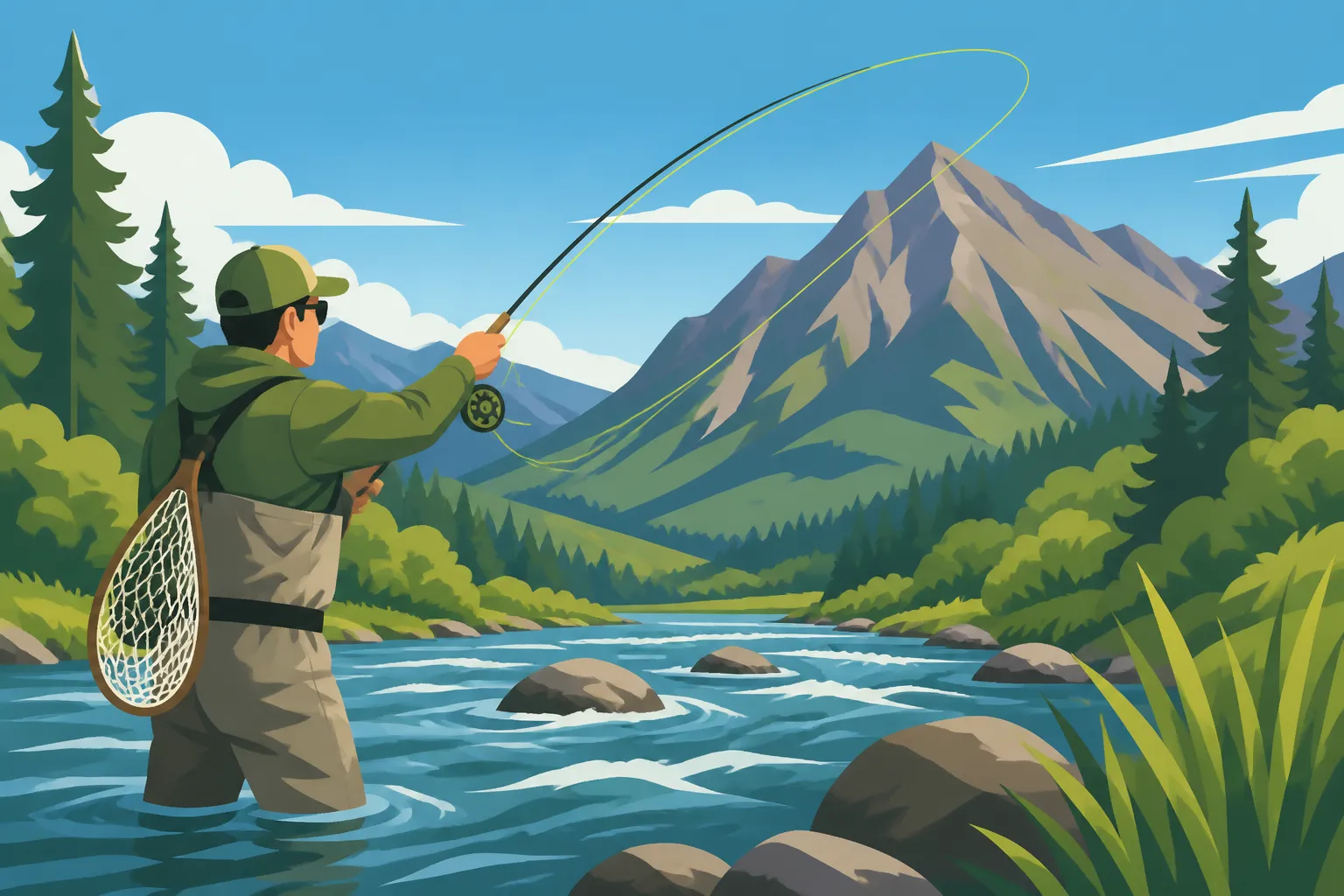
A walk-wade trip, as the name suggests, involves hiking or walking along the riverbanks and wading into the water to fish specific sections. These trips offer an intimate experience, allowing you to explore smaller pockets, navigate through technical stretches, and truly immerse yourself in the riverside environment. On the East River, certain sections, particularly those with narrower flows or tighter canyons, are ideally suited for walk-wade. It's perfect for anglers who enjoy the physical activity of exploring on foot and focusing on precise presentations to specific fish. Guides on these trips can often lead you to less-pressured spots that are inaccessible by boat. You can learn more about this style of fishing in our article on Guided Walk-Wade Trips on Colorado Rivers.
Float trips, on the other hand, involve fishing from a drift boat or raft, allowing you to cover significantly more water. While the East River has sections suitable for floating, especially during higher flows, it's not as extensively floated as some other Colorado rivers like the Upper Colorado or Arkansas. When conditions are right, a float trip can be incredibly productive, giving you access to diverse water types from fast riffles to deep pools, all while conserving your energy. Your guide will expertly row the boat, positioning you for optimal casting angles as you drift downstream. This option is great for those who prefer comfort, want to see a lot of water, or have mobility limitations. For a broader understanding, check out our piece on Guided Float Trips on Colorado Rivers.
Sometimes, depending on the section and water levels, a hybrid approach might even be offered, where you float to certain areas and then get out to wade fish a promising stretch. Discussing these options with your chosen outfitter beforehand is key to setting expectations.
What's Typically Included (and What to Bring)
When you book a guided trip on the East River, you can usually expect a lot to be provided, taking much of the guesswork out of packing. Most outfitters will supply high-quality fly rods, reels, leaders, tippet, and a vast selection of flies tailored to the current conditions. Many will also offer waders and wading boots if you don't have your own or prefer not to travel with them – this is a huge convenience, especially for beginners or those flying in from out of state. Beyond the fishing gear, a good guide will also provide a delicious lunch, snacks, and plenty of water or other non-alcoholic beverages to keep you fueled throughout the day.
What's not typically included, and what you absolutely must bring yourself, are your valid Colorado fishing license and a Colorado Habitat Stamp. These are legally required for anyone aged 16 and older fishing in Colorado's public waters. You can easily purchase these online through the Colorado Parks and Wildlife (CPW) website or at licensed vendors. Don't forget to read our Colorado Fishing License Guide for Residents and Nonresidents and Colorado's Habitat Stamp, Explained for all the details. Beyond that, consider layering your clothing (Colorado weather can change in a flash!), bringing a rain jacket, a wide-brimmed hat, polarized sunglasses (essential for spotting fish and eye protection), sunscreen, and any personal medications. Most guides appreciate you leaving large backpacks behind in favor of a smaller, essential kit.
A Typical Day on the Water
While every guided trip is unique, a general outline for a full-day guided adventure on the East River often looks something like this:
Your day will typically begin early, often between 7:00 AM and 8:30 AM, depending on the time of year and the guide's strategy. You'll meet your guide at an agreed-upon location, which could be a local fly shop in Crested Butte, your lodging, or a designated meeting spot near the river. This is your chance to chat with your guide, share your experience level and goals for the day, and for them to finalize the game plan based on current conditions.
After a brief discussion and any necessary gear outfitting, you'll head to the river. The drive might take anywhere from a few minutes to half an hour or more, depending on the chosen fishing section. Once at the water, your guide will provide a quick safety briefing, explain the day's approach (whether you'll be walk-wading a specific stretch or floating from one point to another), and help you get geared up.
Then, it's time to fish! Your guide will lead you to prime spots, teach you casting techniques, explain insect hatches, help you identify fish lies, and provide constant coaching and encouragement. They'll change your flies, adjust your leader, and mend your line, allowing you to focus purely on fishing. Midday, you'll break for a provided lunch, often a delicious spread eaten riverside amidst stunning scenery. The afternoon will continue with more fishing, potentially moving to different sections of the river to chase new opportunities. As the day winds down, typically around 3:00 PM to 5:00 PM, you'll head back to your meeting point, full of stories and hopefully a few fishy memories. This is also the time to discuss tipping your guide, a common practice we cover in Tipping a Colorado Fishing Guide, What's Standard.
Choosing the Right East River Fishing Guide
Hiring a fishing guide is a personal experience, and finding the right fit can make all the difference between a good day and an unforgettable one. Especially on a river as special as the East River, you want someone who not only knows their stuff but also aligns with your fishing style and expectations.
Experience and Local Expertise
This is paramount. While many guides are excellent anglers, you want someone who specifically has a deep, intimate knowledge of the East River. The nuances of its flows, its fish populations, its specific hatches, and even its mood swings with weather changes are all critical. An experienced East River guide will know which stretches fish best at different times of the year, which access points are most productive, and how to adapt quickly to changing conditions. They'll also understand the local regulations, like Colorado Gold Medal Water Regulations Explained, which can be very specific to certain areas.
Look for guides who are based in or around Crested Butte and who frequently guide the East River, rather than someone who might just visit occasionally. Don't hesitate to ask questions about their specific experience on this particular river. How long have they been guiding it? What are their favorite techniques for the East River? What's their approach during certain conditions, like high water or a tough bite? A guide who can answer these questions confidently and passionately is likely a great choice. You might even find reviews that specifically mention their East River expertise.
Guide-to-Angler Ratio and Personalization
When you're shelling out for a guided trip, you want it to feel tailored to you. Most guided fly fishing trips are designed for one or two anglers per guide. This low guide-to-angler ratio is crucial for personalized instruction and attention. If you're a beginner, a one-on-one scenario allows for maximum learning and casting practice. For two anglers of similar skill, it can be a great shared experience, with the guide dividing their attention effectively. Be wary of trips offering more than two anglers per guide unless it's a specific "learn to fly fish" class with multiple instructors.
Before booking, discuss your skill level and what you hope to achieve. Do you want to learn advanced nymphing, master your dry fly presentation, or simply catch as many fish as possible? A good guide will listen to your goals and customize the day to your interests and abilities. For example, if you're keen on fly fishing but your partner prefers spin fishing, some guides are versatile enough to accommodate different methods, though it's always best to clarify this upfront. This personalization ensures that your day on the East River is exactly the adventure you envisioned.
Checking Credentials and Reviews
Once you've narrowed down a few potential guides or outfitters, it’s smart to do a little homework. Reputable outfitters and guides should be licensed and insured, adhering to all state regulations. Don't be shy about asking about their affiliations or certifications. Many guides are also members of professional organizations.
Online reviews are a treasure trove of information. Websites like FishingBooker allow past clients to share their experiences, offering insights into a guide's personality, teaching style, and success rates. Look for recurring themes in positive reviews – punctuality, patience, good communication, knowledge of the river, and a pleasant demeanor. Conversely, pay attention to any red flags. A guide might be a phenomenal angler, but if they're constantly late or have a poor teaching style, it might not be the right fit for you. Reach out to the outfitter or guide directly. A brief phone conversation can give you a strong sense of their communication style and willingness to answer your questions, ensuring you feel comfortable and confident in your choice for an East River adventure.
Best Times for a Guided East River Adventure
Timing is everything in fishing, and the East River is no exception. While you can certainly find fish throughout the year, certain seasons offer distinct advantages and experiences, especially when you have a local guide to pinpoint the best opportunities.
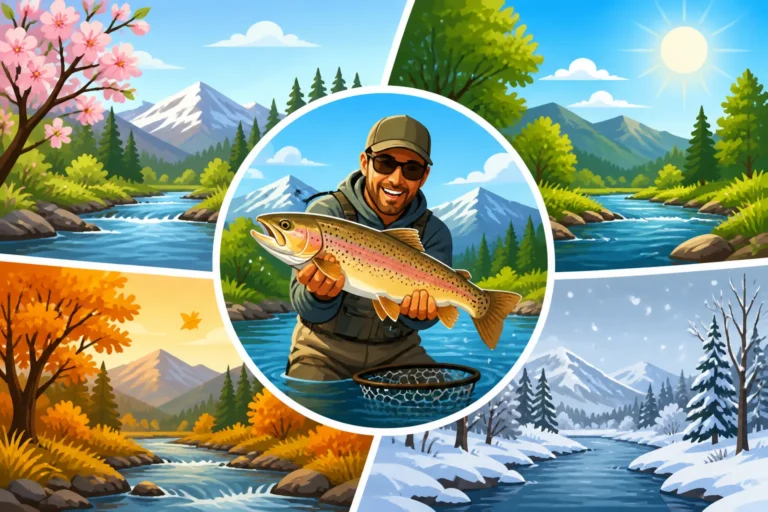
Spring: Pre-Runoff and Early Hatches
Spring on the East River can be a tale of two different fisheries, primarily dictated by the arrival of the annual snowmelt. In the weeks leading up to the infamous "runoff," typically from March through early May, the river often runs clear and cold. This can be a fantastic time for nymphing, as trout are actively feeding on subsurface insects. Early season hatches, like Blue-Winged Olives (BWOs) or midges, can bring fish to the surface, offering exciting dry fly opportunities on milder days. A guide during this period is invaluable, as they'll know exactly which stretches are most productive before the high water hits and can help you target hungry fish that are still in their winter holding patterns. However, you need to be aware that the window for pre-runoff fishing can be fickle. When Colorado's Spring Runoff Hits and How to Fish Around It is a critical piece to understand how the timing can shift each year, impacting conditions dramatically. Once runoff truly kicks in, usually from late May through mid-June, the river can become high, fast, and muddy, making fishing challenging or even unsafe in some areas. A guide will know if and where it's still fishable, often shifting focus to smaller tributaries or nearby lakes if the main river is blown out.
Summer: Prime Dry Fly and Consistent Action
Ah, Colorado summer! This is arguably the most popular time for a guided trip on the East River, and for good reason. Once runoff subsides, typically by late June or early July, the river settles into stable, clear flows. This period ushers in a bounty of insect hatches, making it prime time for dry fly fishing. Caddis, Green Drakes, Pale Morning Duns (PMDs), and various stoneflies all make appearances, drawing trout to the surface for consistent, visual takes. The longer daylight hours mean more time on the water, and the generally pleasant weather makes for a comfortable day of fishing.
Your guide will be expertly "matching the hatch," tying on the precise imitation to fool selective trout. They'll know the specific banks where fish rise in the mornings or evenings, and where to find shaded pockets that hold fish during the warmer midday sun. This consistent action and the opportunity to experience the classic "dry fly bite" make summer a highly sought-after time. It’s also a wonderful time for anglers of all skill levels, from beginners eager to see a fish take a dry fly to experienced casters honing their presentation. The combination of beautiful weather, active fish, and abundant insect life creates a truly memorable experience.
Fall: Trophy Browns and Cooler Temperatures
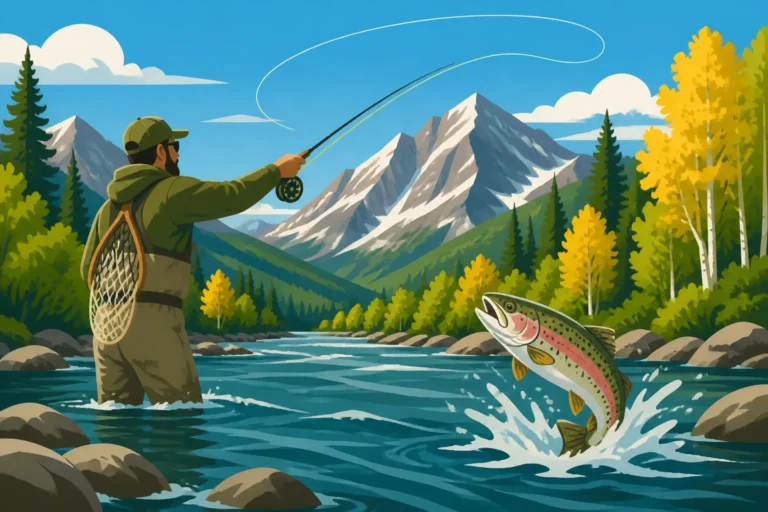
For many serious anglers, fall is the undisputed champion on the East River, especially if you're targeting larger brown trout. As water temperatures begin to cool in September and October, brown trout become incredibly active and aggressive, feeding heavily in preparation for their spawning season. Brown Trout in Colorado, Where They're Wild are often at their most beautiful during this time, adorned in vibrant spawning colors. This is an excellent time for streamer fishing, as big browns are often eager to chase larger prey imitations. Additionally, fall brings incredible scenic beauty to the Crested Butte area, with aspens turning brilliant shades of gold and orange.
Crowds tend to thin out after the summer rush, offering a more peaceful experience on the water. While dry fly opportunities can still exist, especially with late-season BWO hatches or terrestrials, the focus often shifts to subsurface techniques designed to entice those trophy-sized fish. A guide in the fall can lead you to prime spawning runs (while ensuring ethical, non-spawning-bed-disturbing fishing practices) and help you master the techniques needed to connect with a truly massive East River brown. Our article Fall Fishing in Colorado, What Changes provides even more context for fishing this beautiful season. The crisp air, stunning scenery, and potential for big fish make fall a truly magical time to experience a guided trip.
Winter: Challenging but Rewarding Tailwater Opportunities
While not typically the prime season for guided trips specifically on the East River's main stem due to ice formation and extreme cold, some tailwater sections (rivers flowing out of large reservoirs) in Colorado remain open and fishable year-round. These waters often offer stable temperatures and consistent flows, providing opportunities for hearty anglers seeking solitude and challenging winter fishing. If the main East River is frozen solid, your guide might suggest an alternative nearby tailwater if you're keen on a winter outing.
Winter fishing demands a different approach – smaller flies, delicate presentations, and a focus on deeper, slower runs where trout conserve energy. It's a game of patience and precision, often rewarded with robust, strong fish. While less common for the East River itself, knowing that guides can pivot to other viable winter fisheries is a testament to their local knowledge. If you're a cold-weather enthusiast, discuss this possibility with your outfitter; they might have just the secret spot to keep your rod bent even in the heart of winter.
Preparing for Your East River Guided Trip
Getting ready for your guided fishing trip on the East River is part of the fun! A little preparation goes a long way in ensuring you have a comfortable, safe, and productive day on the water. You don't need to overthink it, but a few key considerations will make a world of difference.
Essential Gear and Clothing
Even though your guide will provide most of the fishing gear, your personal clothing choices are crucial, especially in Colorado where mountain weather can be notoriously unpredictable. Layers are your best friend! Start with a moisture-wicking base layer (synthetic or wool, never cotton). Add a warm mid-layer like a fleece or puffy jacket. For your outer layer, a waterproof and windproof jacket is non-negotiable – even on sunny days, an afternoon shower can roll in quickly. Good quality fishing pants or quick-dry hiking pants are ideal.
If you don't have your own, your guide will likely provide waders and wading boots. If you bring your own, ensure they are comfortable and in good repair. A wide-brimmed hat or baseball cap offers sun protection, and polarized sunglasses are not just for style; they're essential for cutting glare, seeing into the water to spot fish and structure, and protecting your eyes from errant hooks. Don't forget sunscreen and lip balm, even on cloudy days, as the high-altitude sun is intense. Also, a small waterproof bag for your phone, camera, and any personal items is a good idea.
Licensing and Regulations
This is one area where you absolutely cannot skip a beat. Every angler aged 16 and older needs a valid Colorado fishing license and a Colorado Habitat Stamp to fish in Colorado. Period. It's not something your guide can provide for you, and game wardens do check. You can purchase these easily online through the Colorado Parks and Wildlife (CPW) website before your trip, or at numerous licensed vendors across the state, including many sporting goods stores and fly shops in the Crested Butte area. It's always best to have them purchased and in hand (or digitally accessible on your phone) before you meet your guide.
Beyond the license, a good guide will ensure you understand and adhere to all local fishing regulations specific to the East River. These can include bag and possession limits, special restrictions on certain fish species (like native cutthroats), or specific rules for Gold Medal Waters, such as mandatory catch-and-release on certain sections or barbless hook requirements. You should always be familiar with Colorado Fishing Regulations Every Angler Should Know, but your guide will act as your on-the-water expert, clarifying any ambiguities and ensuring an ethical and legal fishing experience. Don't hesitate to ask questions if you're unsure about any rule; your guide is there to help keep you compliant and the fishery healthy.
Physical Preparedness and Mindset
A guided fishing trip, especially a walk-wade trip on the East River, can be more physically demanding than some people anticipate. While you won't be scaling mountains, you might be walking on uneven riverbanks, wading through currents, and casting repeatedly. If you're planning a walk-wade trip, a moderate level of fitness will enhance your enjoyment. Keep in mind that Crested Butte sits at a high elevation (around 8,900 feet), and even light exertion can feel more strenuous if you're not acclimatized. Stay hydrated in the days leading up to your trip to help with altitude.
Equally important is your mindset. Come with an open mind and a willingness to learn. Even experienced anglers can pick up new tricks from a local guide. Don't get discouraged if the fish aren't biting immediately; fishing involves patience and persistence. Embrace the process, enjoy the stunning scenery, and appreciate the guidance. Remember, it's not just about catching fish; it's about the entire experience of being on a beautiful river in the Colorado mountains. Let your guide lead, trust their expertise, and soak in the knowledge they share.
Maximizing Your Experience Beyond the Fish
While the primary goal of a guided trip on the East River is often to catch fish, the experience offers so much more. By embracing the broader context of your adventure, you can truly maximize your enjoyment and leave with a deeper appreciation for this incredible part of Colorado.
Conservation and Ethical Angling
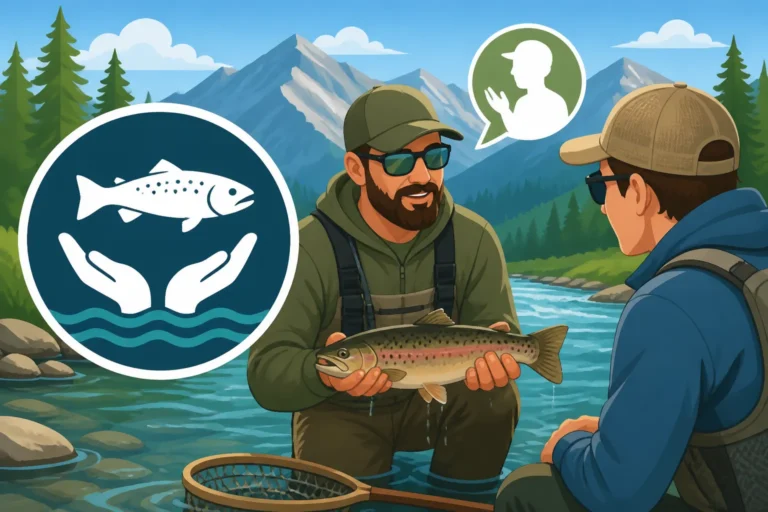
Being on a Gold Medal Water like the East River comes with a responsibility to protect it. A good guide will be a strong advocate for conservation and will teach you ethical angling practices. This often includes strict catch-and-release protocols, especially for larger, wild trout or protected species. You'll learn how to properly handle fish with wet hands, minimize their time out of the water, and use appropriate tools like a rubberized net to prevent harm. Many guides also enforce the use of barbless hooks, which makes for easier and safer unhooking, minimizing stress on the fish.
Understanding the fragility of these ecosystems and how your actions impact them is a crucial part of the guided experience. Your guide will likely share insights into the river's health, local wildlife, and ongoing conservation efforts. For instance, knowing how sensitive native fish like the Greenback Cutthroat Trout Recovery in Colorado are can inform your actions. By observing and learning these practices, you not only contribute to the sustainability of the East River but also become a more responsible angler, carrying these lessons forward to every other body of water you fish.
Enjoying the Crested Butte Surroundings
Let's face it: the East River doesn't exist in a vacuum. It's nestled in one of the most breathtakingly beautiful valleys in Colorado, surrounded by the towering peaks of the Elk Mountains. While your focus might be on the water, take moments to look up, breathe in the crisp mountain air, and soak in the spectacular scenery. The vibrant wildflowers of summer, the fiery aspens of fall, or the quiet, snow-dusted serenity of early spring all add immeasurably to the fishing experience.
Your guide, being a local expert, can often share fascinating tidbits about the area's geology, wildlife, and history. You might spot an elk herd grazing on a distant hillside, an osprey diving for a fish, or even a bear foraging along the banks. These encounters with nature are just as much a part of the Colorado fishing experience as landing a big trout. Embrace the entire sensory experience – the sound of the rushing water, the scent of pine, the warmth of the sun, and the sheer grandeur of the landscape. It truly transforms a fishing trip into a comprehensive wilderness adventure.
Tipping Etiquette and Appreciation
After a fantastic day on the water, it’s customary to show your appreciation for your guide's hard work, expertise, and personalized service. Tipping is a standard practice in the guiding industry, much like in hospitality. While the specific amount can vary, a general guideline for a full-day guided fly fishing trip is typically 15-20% of the trip's cost. For exceptional service, some anglers choose to tip more. If you had a half-day trip, a slightly lower percentage might be appropriate.
It's important to have cash on hand for the tip, as many guides prefer it, and it's easier to handle at the end of the day. This is a topic we delve into more deeply in Tipping a Colorado Fishing Guide, What's Standard. A good guide works incredibly hard, from hours of scouting, maintaining gear, tying flies, and providing instruction, to ensuring your safety and comfort. A generous tip acknowledges their dedication and effort in making your East River experience unforgettable. Beyond the monetary tip, a sincere "thank you" and perhaps a positive review on platforms like FishingBooker or directly to their outfitter can also go a long way in showing your gratitude and helping other anglers find a great guide.
| Feature | Walk-Wade Trip on East River | Float Trip on East River |
|---|---|---|
| Coverage | Focuses on specific sections, intimate exploration | Covers more river miles, diverse water types |
| Physicality | Moderate to high (walking uneven banks, wading currents) | Low to moderate (fishing from boat, minimal wading) |
| Ideal Conditions | Lower flows, technical water, targeting specific fish | Higher flows, covering wide stretches, exploring new areas |
| Angler Type | Likes active exploration, focused instruction, intimate experience | Prefers comfort, covering distance, diverse casting opportunities |
| Accessibility | Limited to public access points or guide's private access | Requires suitable boat ramps and river conditions for floating |
| Pace | Slower, more deliberate, often focused on individual fish or runs | Faster, constantly presenting to new water, less repetitive |
Disclaimer
This article is for general informational purposes only and does not constitute professional advice. Laws, prices and regulations vary by location and change over time. Consult a qualified professional for guidance on your specific situation.