Guided Trips on the Taylor River
The Taylor River in Colorado often calls to anglers with its legendary reputation, but stepping onto its hallowed banks can feel a bit intimidating if you're not familiar with its unique challenges and incredible fish. Many folks dream of hooking into one of its monster trout, but aren't quite sure how to navigate the complex regulations, tricky currents, or super-selective fish. This guide is here to walk you through everything you need to know about embarking on a guided fishing trip on the Taylor River, ensuring you have the best possible chance at success and a truly memorable day on the water.
Why the Taylor River is a World-Class Fishing Destination
The Taylor River isn't just another pretty mountain stream; it's a true gem in the Colorado fishing landscape, known globally for its exceptional trout fishing. What makes it so special often comes down to its unique ecosystem, particularly the section directly below the Taylor Park Dam. This stretch of water consistently produces some of the largest trout in the state, attracting anglers from all over the world. But its fame also means it can be a challenging river to fish, demanding precision and local knowledge.
The Legendary Taylor River Tailwater
When most anglers talk about "the Taylor River," they're often referring to the tailwater section that flows out of Taylor Park Reservoir. This roughly mile-long stretch of river is a biological anomaly, an aquatic paradise engineered by circumstance. The Taylor Park Dam releases cold, consistent water from the bottom of the reservoir year-round. This stable, chilly environment is absolutely packed with aquatic invertebrates, especially tiny midges and Blue-Winged Olives (BWOs), providing a constant buffet for the fish.
Because of this abundant food source and ideal water temperatures, the trout here grow to incredible sizes. We're talking about fish that often push the 20-inch mark, with some truly massive browns and rainbows lurking in the depths. They become incredibly selective, though, accustomed to an endless supply of tiny, perfect insects. This means they can be incredibly frustrating to fool, often ignoring anything that isn't an exact match to their current meal. That's where a good guide truly shines, offering insights into the specific hatches, subtle takes, and exact fly patterns that these discerning fish demand. Without that local expertise, it's easy to spend a day casting to giants only to feel utterly defeated. You'll often hear about the "Taylor's 14-inch Trout Length Rule" in other gold medal waters, but here, the average size often far exceeds that.
Beyond the Tailwater: Freestone Sections and Tributaries
While the tailwater gets most of the glory, the Taylor River offers more diverse fishing opportunities if you're willing to explore. Above the Taylor Park Reservoir, the upper Taylor River flows as a classic freestone stream. This section is a completely different ballgame, offering a more traditional mountain stream experience. Here, the fish are typically smaller, though still feisty, and less pressured than their tailwater cousins. You'll find a mix of brook trout, rainbow trout, and even some native cutthroat in the higher reaches.
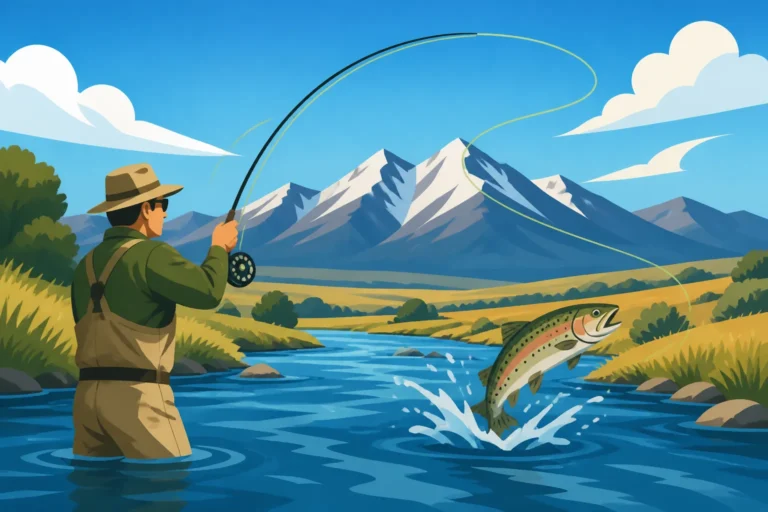
Fishing the freestone sections involves more conventional fly fishing techniques, with dry flies becoming more effective, especially during the warmer months when various terrestrial insects and larger aquatic hatches are present. It's a great option for anglers looking for a less technical challenge or those who prefer a more serene, less crowded experience. Many guides who operate on the Taylor will offer to take clients to these sections, especially if the tailwater is proving particularly difficult or if the client simply wants a different kind of day. They know the public access points, private easements, and even tiny tributaries where eager trout might be hiding. If you're looking for an all-around Colorado fishing experience, a guide can help you decide if you want to focus solely on the legendary tailwater, or explore these more accessible, yet equally beautiful, stretches of river.
Types of Guided Trips Available on the Taylor River
Understanding the different formats a guided trip can take is crucial for planning your Taylor River adventure. Because of the river's specific characteristics—particularly the legendary tailwater section—walk-wade trips are overwhelmingly the most common and effective option. However, guides in the area are often versatile and might offer other options on nearby waters as part of a multi-day experience.
Walk-Wade Adventures
For the vast majority of anglers heading to the Taylor River with a guide, a walk-wade trip is the standard. This format involves you and your guide physically walking along the riverbanks, wading into the water, and targeting specific holding lies. On the Taylor's famous tailwater, this is especially important because much of the prime water flows through private property or areas that are difficult to access by boat. A good guide will have established relationships with landowners or hold permits for specific access points, allowing you to get to the best water without trespassing. This is also where the true teaching happens.
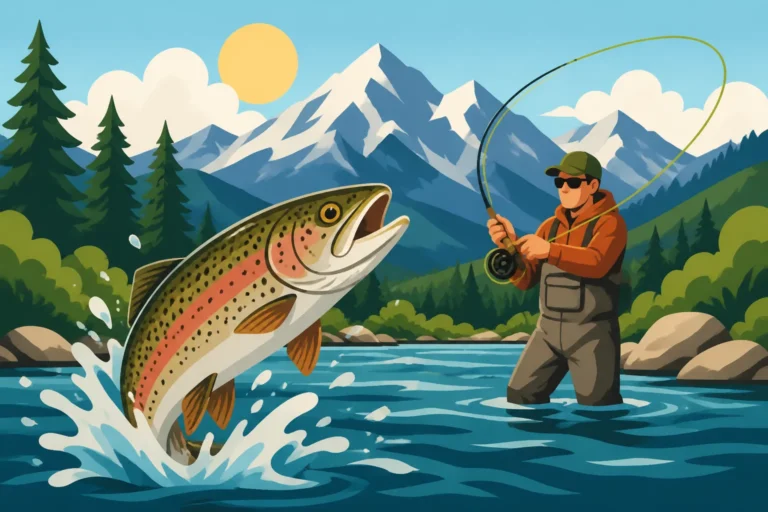
During a walk-wade trip, your guide will be right there with you, offering hands-on instruction. They'll help you refine your casting, teach you how to read the complex currents and determine where fish are holding, explain the intricacies of nymphing or dry fly presentation, and help you select the exact Best Flies for Colorado's Gold Medal Trout Water that the Taylor's selective trout are feeding on. You'll learn about entomology on the fly, literally, as your guide points out emerging insects and ties on the perfect imitation. It's an intimate, immersive experience that focuses heavily on skill development and understanding the subtle nuances of the river. Because the fish here are so large and often require delicate presentations, a walk-wade trip allows for stealthier approaches and more precise casting, maximizing your chances of success. You'll also learn the delicate art of landing and properly handling these trophy fish for a safe release. Many anglers consider Guided Walk-Wade Trips on Colorado Rivers to be the purest form of guided fly fishing, and it's certainly the most suitable for the Taylor.
The Dominance of Walk-Wade and Limited Float Opportunities
While float trips are popular on many larger Colorado rivers like the Arkansas or the Colorado River itself, they are significantly less common, if not entirely absent, on the prime sections of the Taylor River. There are a few key reasons for this. First, as mentioned, a large portion of the most productive tailwater flows through private land, making public float access extremely limited or non-existent. Second, the nature of the fishing itself in the tailwater often requires a more stationary, precise approach. The fish are often holding in deep, intricate runs and pools, requiring careful wading, long drifts with tiny flies, and an intimate understanding of micro-currents. Covering water quickly from a boat, while effective elsewhere, isn't always the best strategy for these finicky giants.
Furthermore, the narrow and sometimes shallow nature of some productive sections of the Taylor can make navigating a drift boat or raft challenging, if not impossible, particularly during lower flows. While some guides might offer a "hybrid" trip that involves a short float followed by extensive walk-wading on different sections of the river, a dedicated float trip on the Taylor's famous tailwater is rare. If you're keen on a float trip, your guide will likely recommend it on a different, larger river that they also operate on. Many reputable outfitters near the Taylor also guide on the nearby Gunnison River, which offers excellent float fishing opportunities for a different experience. It's important to clarify with your guide what kind of experience you're looking for, but be prepared for a walk-wade focused trip if the Taylor River is your primary target.
What to Expect from a Taylor River Guided Trip
Embarking on a guided fishing trip, especially to a renowned destination like the Taylor River, can be an incredibly rewarding experience. It's not just about catching fish; it's about learning, exploring, and gaining a deeper appreciation for the aquatic environment. Knowing what to expect in terms of instruction, logistics, and planning will help you arrive prepared and make the most of your time on the water.
Personalized Instruction and Local Expertise
One of the greatest benefits of hiring a guide for the Taylor River is the immediate access to their personalized instruction and deep well of local expertise. These guides spend countless hours on this specific river, day in and day out, across all seasons and conditions. They understand the subtle nuances of each bend, riffle, and pool. They know what the trout are feeding on during different times of day, different water levels, and different seasons. This isn't just about general fly selection; it's about knowing if the fish are keying in on a size 22 black midge larva or a size 20 olive emerger, and exactly where in the water column to present it.
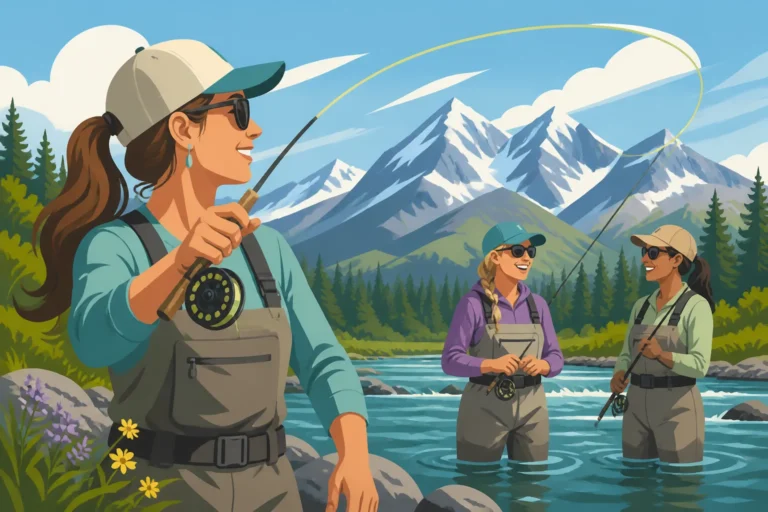
Your guide will provide direct, one-on-one coaching tailored to your skill level. If you're a beginner, they'll teach you the fundamentals of casting, line management, and reading water. If you're an experienced angler, they'll help you refine your technique for the Taylor's incredibly selective trout, perhaps introducing you to advanced nymphing rigs or delicate dry fly presentations. They'll explain the river's unique entomology, teaching you about the lifecycle of the insects that the trout feed on. Beyond fishing techniques, they'll also share insights into Colorado Fishing Regulations Every Angler Should Know, including specific rules for Gold Medal Waters and Colorado Gold Medal Water Regulations Explained, ensuring you stay compliant and ethical. It's like having a private professor for the river, accelerating your learning curve and dramatically increasing your chances of success on this challenging water. This hands-on guidance is invaluable for understanding why the Taylor fishes the way it does.
Gear, Logistics, and Trip Planning
A guided trip on the Taylor River typically simplifies many of the logistical headaches associated with fishing a new, technical river. Most reputable guides and outfitters will provide all the necessary fishing gear, which usually includes high-quality fly rods and reels, appropriate lines, tippet, leaders, and a carefully curated selection of flies proven to work on the Taylor. Many will also provide waders and wading boots if you don't have your own, ensuring you stay warm and dry in the often-chilly tailwater. This is a huge advantage, as you won't need to invest in specialized gear before your trip or worry about bringing the "right" flies.
However, there are a few essential items you'll be responsible for bringing. Layers of clothing are crucial in Colorado's unpredictable mountain weather, even in summer. Polarized sunglasses are non-negotiable for spotting fish and reading subsurface currents. A hat, sunscreen, and any personal medications are also vital. Most importantly, you must have a valid Colorado Fishing License Guide for Residents and Nonresidents and Colorado's Habitat Stamp, Explained. Your guide can't provide these, and fishing without them can lead to significant penalties. While your guide handles most of the day's logistics, understanding the Hiring a Fishing Guide in Colorado, What to Expect can alleviate any pre-trip anxiety. Make sure to confirm what exactly is included when you book. Lunch, snacks, and non-alcoholic beverages are often provided on full-day trips, but it's always good to ask beforehand. Booking well in advance is highly recommended, especially for peak seasons, and be sure to understand the guide's Cancellation Policies for Colorado Guided Trips in case unforeseen circumstances arise.
Choosing the Right Guide for Your Taylor River Adventure
Selecting a fishing guide is about more than just finding someone who can put you on fish. It's about finding the right personality, teaching style, and overall fit for your desired experience. On a technical river like the Taylor, the guide's expertise and demeanor can make all the difference between a frustrating day and an unforgettable one.
Factors to Consider Beyond Price
While budget is always a consideration, choosing a Taylor River guide solely on price can be a mistake. A truly great guide brings so much more to the table. Look for guides with extensive experience specifically on the Taylor River. This river is unique, and someone who guides primarily on other waters might not possess the deep, nuanced understanding required here. Ask about their teaching style: do they patiently explain concepts, or do they prefer to just tell you where to cast? If you're a beginner, a patient and encouraging teacher is paramount. If you're experienced, you might seek someone who can push your skills to the next level.
Personality plays a huge role in your enjoyment. You'll be spending a full day, or even multiple days, with this person. Look for someone who is personable, enthusiastic, and genuinely passionate about teaching and the river itself. Many guides are affiliated with reputable local fly shops, such as those in Almont or Gunnison, which can be a good sign of their professionalism and local standing. These shops often have a roster of experienced guides and can help you find a good match. Beyond that, consider their conservation ethic. A good guide will prioritize fish health and river stewardship, teaching you proper catch-and-release techniques and emphasizing minimal impact. When you're ready to start your search, platforms like FishingBooker can be incredibly helpful for comparing different guides, reading reviews, and getting a sense of their specialties and approaches. Don't be afraid to call a few guides or outfitters directly to chat and get a feel for their personality and expertise before committing.
Tipping Etiquette and Inclusions
Understanding the financial aspects of a guided trip, beyond the initial fee, is important for a smooth and respectful experience. Tipping your fishing guide is standard practice, much like tipping in the service industry, and it's a significant part of their income. While there's no hard and fast rule, a good guideline for Tipping a Colorado Fishing Guide, What's Standard is typically 15-20% of the trip's cost, assuming you had a good experience and felt the guide worked hard for you. If they went above and beyond, providing exceptional instruction, tying countless flies, or navigating challenging conditions with skill, consider tipping at the higher end or even a bit more. It's customary to give the tip directly to your guide at the end of the trip, usually in cash.
It's also crucial to clarify exactly what is included in the stated trip price. As discussed, most trips will include gear, flies, and sometimes lunch and non-alcoholic drinks. However, there might be exceptions. For instance, some guides might charge extra for specialized patterns if you're targeting extremely difficult fish, or for private water access fees if they take you to exclusive sections of the river. Do You Need Your Own License for a Guided Trip in Colorado? is a common question, and the answer is always yes. Your fishing license and Habitat Stamp are your responsibility. Don't assume anything; a quick call or email to your outfitter or guide before booking can clarify all inclusions and any potential extra costs, preventing any surprises on the day of your adventure. A transparent guide or outfitter will be happy to break down all costs for you.
Maximizing Your Experience on the Taylor River
You've booked your guide, you've got your license, and you're ready to go! Now, how do you ensure you get the absolute most out of your time on the legendary Taylor River? It's about more than just showing up; it's about preparation, attitude, and a commitment to responsible angling.
Best Seasons and Conditions
The Taylor River tailwater, thanks to its dam-controlled flows, offers remarkably consistent fishing opportunities year-round, which is part of its allure. Unlike freestone rivers that can be blown out by spring runoff or frozen solid in winter, the tailwater usually maintains fishable conditions. However, "fishable" doesn't always mean "easy." Each season brings its own set of unique challenges and rewards.
Spring (March-May) can be fantastic for Blue-Winged Olive (BWO) hatches, especially on cloudy days, and the fish are often aggressive after a long winter. This is also when the freestone sections above the dam start to thaw and become more accessible. Summer (June-August) sees prolific midge hatches and can offer some incredible dry fly opportunities with caddis or even terrestrials in the slower sections. However, midday can be tough as the fish get pressured and the sun gets high. Early mornings and late evenings often produce the best results. Fall (September-November) is a favorite for many, as brown trout become more active and aggressive leading up to their spawn. The water often clears, and the crisp air makes for beautiful days on the river. Even winter (December-February) can be productive, with intense midge hatches providing excellent sight-nymphing opportunities for hearty anglers willing to brave the cold. Your guide will be invaluable in pinpointing the absolute best windows for specific hatches and conditions, helping you plan your trip around the best chance for success with your target species, be it a trophy brown or a fat rainbow.
Conservation and Etiquette on the River
Fishing on the Taylor River, particularly the trophy tailwater, comes with a responsibility to uphold strong conservation practices and maintain good river etiquette. This is a highly pressured river, and the health of its fishery depends on every angler doing their part. Your guide will be a strong advocate for these principles, and following their lead is paramount. Primarily, this means practicing ethical catch-and-release. The majority of fish caught on the Taylor are released back into the water, especially the large trout that have become the river's namesake.
This involves using barbless hooks, which are often a requirement on Gold Medal Waters anyway, to minimize harm to the fish. When you land a fish, handle it gently with wet hands, keep it in the water as much as possible, and quickly remove the hook. Avoid excessive handling or taking the fish out of the water for prolonged periods, especially if the water temperatures are warm. What Catch-and-Release Only Means on Colorado Water delves into this in more detail. Your guide will demonstrate the proper techniques for handling these precious resources. Beyond fish handling, river etiquette means being respectful of other anglers, especially in crowded sections. Give fellow anglers ample space, avoid wading directly upstream or downstream into their fishing lane, and keep noise to a minimum. Respect private property boundaries, even if a guide takes you to an access point. By adhering to these practices, you contribute to the long-term health and enjoyment of the Taylor River for everyone, ensuring that its legendary status continues for generations to come. Reading How to Read Colorado's Fishing Regulations Brochure will provide even more context on the regulations and expectations for anglers in Colorado.
| Item | Typically Provided by Guide | What You Should Bring |
|---|---|---|
| Fly Rods & Reels | Yes | Optional (if preferred) |
| Flies, Leaders, Tippet | Yes | Optional (if preferred) |
| Waders & Wading Boots | Yes (often rental fee) | Recommended (if owned) |
| Lunch, Snacks, Drinks | Yes (full-day trips) | Personal favorites, extra water |
| Sunscreen & Lip Balm | No | Essential |
| Hat & Polarized Sunglasses | No | Essential |
| Layers of Clothing | No | Essential (weather varies) |
| Rain Gear (Jacket/Pants) | No | Highly Recommended |
| Valid CO Fishing License | No | Required |
| CO Habitat Stamp | No | Required |
| Personal Medications | No | Essential (if needed) |
| Camera (waterproof) | No | Optional (for memories) |
Disclaimer
This article is for general informational purposes only and does not constitute professional advice. Laws, prices and regulations vary by location and change over time. Consult a qualified professional for guidance on your specific situation.