Best Guided Colorado Fishing Trips Near Denver
Let's be real, embarking on a fishing trip in Colorado, especially if you're visiting or new to the scene, can feel a bit like trying to navigate a wild river without a map. The sheer number of lakes, reservoirs, and rivers, coupled with ever-changing conditions and specific regulations, can quickly turn an exciting prospect into an overwhelming chore. But what if you could bypass all that stress and jump straight into the joy of casting a line in some of the most beautiful and productive waters near Denver? That's exactly what a guided fishing trip offers, transforming potential frustration into a memorable adventure by putting local expertise right in your corner. This guide will walk you through everything you need to know about finding the best guided fishing trips near Denver, ensuring your next angling outing is nothing short of fantastic.
Why a Guided Fishing Trip Near Denver is a Game Changer
I hear it all the time from folks, "I went fishing in Colorado, but I didn't catch anything!" or "There are so many rivers, I don't even know where to start." It's a common lament, and honestly, it's completely understandable. Colorado's diverse fisheries are incredible, but they demand a certain level of local insight to truly unlock their potential. This is where a professional fishing guide becomes less of a luxury and more of an invaluable resource. They don't just take you fishing; they teach you, equip you, and put you on fish you might never have found on your own.
Navigating Overwhelming Choices
Imagine scrolling through endless online maps, seeing dozens of blue lines and patches, each representing a potential fishing spot. You might ask yourself, "Is this spot public access? What kind of fish are here? Is it wadeable? What flies or lures work this time of year?" The questions pile up, and suddenly your relaxing fishing trip planning session has turned into a research project worthy of a PhD. For many, this complexity is enough to simply give up or stick to the most obvious, often overcrowded, spots.
A guided trip eliminates this analysis paralysis. Your guide has already done the legwork. They know which stretches of river are fishing well, which lakes are producing, and where the crowds are (and how to avoid them). They've checked the water levels, the bug hatches, and the weather patterns. Their expertise means you spend less time worrying about logistics and more time with a line in the water. It’s about leveraging someone else's years of experience to guarantee a more fulfilling and successful outing, especially when you're short on time or local knowledge.
The Local Knowledge Advantage
There's a saying among seasoned anglers: "90% of the fish are in 10% of the water." A guide knows that 10%. They understand the subtle nuances of each bend in the river, the hidden drop-offs in a reservoir, and the specific holding lies where trout congregate. They can tell you why a certain fly pattern works better in one riffle than another, or why a particular trolling depth is key for kokanee salmon on a specific lake. This isn't just about catching fish; it's about learning the intricacies of an ecosystem from someone who practically lives on the water.
This local knowledge extends beyond just fish location. Guides are intimately familiar with Colorado Fishing Regulations Every Angler Should Know, including specific bag limits, special restrictions on certain Gold Medal Waters, or even the subtle unwritten etiquette of popular fishing areas. They can also provide real-time updates on conditions that a map or a generic online report just can't. For instance, if a section of the South Platte is blown out from a recent rain, your guide will already have a backup plan for a clear tailwater nearby. This foresight is priceless, ensuring your precious time on the water is maximized and productive.
Popular Denver-Area Waters for Guided Trips
When you think about fishing near a major city like Denver, you might imagine crowded urban ponds, but Colorado offers so much more. Within a reasonable drive of the city, there are world-class rivers and expansive reservoirs teeming with various species. Guides know these areas like the back of their hand and can lead you to productive waters, often revealing hidden gems you'd never find alone.
The South Platte River System: Dream Stream and Deckers
For many fly anglers, the South Platte River system west and south of Denver is synonymous with exceptional trout fishing. Areas like the "Dream Stream" (a phenomenal stretch between Spinney Mountain and Eleven Mile Reservoirs) and the waters near Deckers are legendary. These Gold Medal Waters are renowned for their abundant populations of large, wild brown and rainbow trout. While these spots can be challenging due to heavy fishing pressure and selective trout, they are also incredibly rewarding, and a guided trip here is often the best way to experience them.
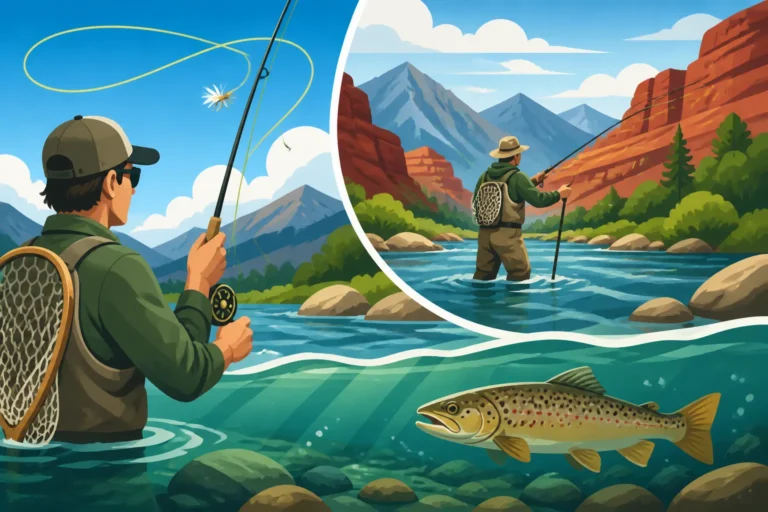
Picture this: you're standing in crystal-clear water, the sun warming your back, and your guide is patiently demonstrating the perfect roll cast to reach a hungry 20-inch brown trout sipping emergers in a tricky current. Or perhaps you're on the Dream Stream during a fall kokanee spawn, and your guide is helping you navigate the crowds and understand the subtle takes from opportunistic trout feeding behind the salmon. These aren't just fishing trips; they're immersive educational experiences. Guides on the South Platte often specialize in advanced nymphing techniques or matching the precise, tiny insect hatches that these wary trout demand. They know the river's moods, when the hatches will come off, and where the biggest fish hide. You can find out more about these specific spots in The Dream Stream and Cheesman Canyon on Colorado's South Platte.
Front Range Reservoirs: Chatfield, Cherry Creek, and Standley Lake
If your fishing interests lean more towards diverse species beyond just trout, or if you prefer the accessibility of stillwater fishing, the large Front Range reservoirs are fantastic options. Lakes like Chatfield, Cherry Creek, and Standley Lake offer excellent opportunities for walleye, smallmouth bass, largemouth bass, wiper, perch, and even some large trout, especially during the cooler months. These reservoirs are often just a short drive from Denver, making them perfect for half-day or full-day guided trips.
A guided trip on one of these reservoirs might involve trolling for walleye with downriggers, casting crankbaits for smallmouth bass along rocky shorelines, or jigging for perch in deeper waters. Guides typically have specialized boats equipped with advanced electronics to locate fish and structure efficiently. They understand the seasonal movements of these species, knowing exactly when and where to find them. For instance, Fishing Chatfield Reservoir offers great opportunities for wiper and smallmouth, and a guide can teach you the specific tactics needed to hook into these hard-fighting fish, from understanding sonar readings to selecting the right lure presentation. It's a completely different experience from river fishing, and a guide ensures you're set up for success from the get-go.
Urban Fishing Ponds for Quick Escapes
Sometimes, you don't have a whole day for a remote river trip, but you still crave that bending rod. Denver and its surrounding suburbs boast numerous urban fishing ponds that are regularly stocked by Colorado Parks and Wildlife (CPW). These ponds offer convenient, family-friendly fishing opportunities for trout, catfish, bass, and panfish. While you might think you don't need a guide for a local pond, a guided trip here can be incredibly valuable, especially for beginners or families with young children.
A guide can turn a casual pond outing into a masterclass. They'll teach kids how to cast, identify bites, and properly handle fish for release. They'll show you the best baits and lures for the specific species stocked at that time and explain how to "read" even a small body of water to find productive spots. Imagine your child's delight as they reel in their first trout with the patient guidance of a pro! It takes the pressure off parents and makes the experience truly enjoyable and educational for everyone. These trips are often more affordable and shorter in duration, making them an excellent entry point into guided fishing, ensuring immediate success and fostering a love for the sport without the extensive travel.
Types of Guided Trips Near Denver
Once you've decided a guide is the way to go, you'll find there are different styles of guided trips, each offering a unique experience. Understanding these options will help you choose the adventure that best suits your preferences, physical ability, and what you hope to get out of the day. Whether you want to intimately explore a river on foot or cover miles of water from a boat, there’s a guided trip designed for you.
Walk-Wade Trips: Up Close and Personal
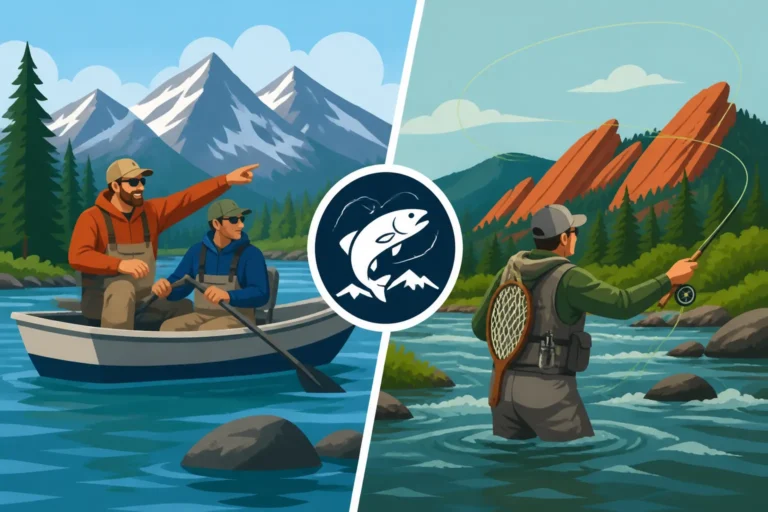
Walk-wade trips are perfect for anglers who want to get truly immersed in the river environment. As the name suggests, these trips involve walking along the riverbank and wading into the water, often exploring specific runs, riffles, and pools on foot. They offer a more intimate connection with the water and allow for precise targeting of fish in smaller, more technical sections of a river. Guides typically lead you to spots accessible from the bank, sometimes requiring short hikes to reach less pressured water.
These trips are often favored by fly anglers who enjoy the challenge of stalking individual fish and making precise presentations. Your guide will teach you how to read the water, identify trout lies, and adapt your technique to different currents and depths. They'll also help you with casting instruction and fly selection, making it an excellent learning experience. While less ground is covered than a float trip, the depth of exploration in specific areas is unmatched. For example, on a walk-wade trip along a section of the South Platte, your guide might spend an hour breaking down a complex eddy, showing you exactly where the trout are holding and how to present your fly effectively. It's an active and engaging way to fish, requiring a reasonable level of physical mobility. You can find more detail about this style of trip in Walk-Wade Trips on Colorado Rivers.
Float Trips: Covering More Water
For those who prefer to cover more water, or who have limited mobility, a float trip is an outstanding choice. These trips involve drifting down a river in a specialized drift boat or raft, allowing you to fish new stretches of water continuously. Guides row the boat, positioning you in prime fishing lanes and giving you ample opportunities to cast to various holding spots along the banks, submerged structure, and mid-river currents. Float trips are excellent for seeing more of the river, especially on longer sections of rivers like the Colorado River or the wider stretches of the South Platte.
Float trips are fantastic for both fly fishing and spin fishing, depending on the river and the guide's specialization. They allow anglers to fish from a comfortable seated position, which can be a relief on longer days. Guides often pack lunches and drinks, making it a full-service experience on the water. Imagine drifting silently down a scenic canyon, casting to rising trout while your guide expertly maneuvers the boat. This style of trip is particularly productive during certain seasons, like when the river levels are higher during spring runoff, or when large hatches are occurring along extended sections of the river. Float Trips on Colorado Rivers can often access areas that are difficult or impossible to reach on foot, giving you a unique perspective and less pressured fishing.
Specialized Techniques: Fly Fishing vs. Spin Fishing
Many guided trips near Denver will cater to either fly fishing or spin fishing, or sometimes both, depending on the water and the guide's expertise. It's important to communicate your preference and experience level when booking.
Fly Fishing Guided Trips: These trips focus on the art of fly casting and presenting artificial flies that mimic insects, baitfish, or other aquatic life. They are incredibly popular on Colorado's renowned trout rivers. A good fly fishing guide will not only put you on fish but also dramatically improve your casting, knot tying, and understanding of entomology and water dynamics. They’ll teach you how to set up a proper nymph rig for deep runs or how to present a delicate dry fly to a picky trout. If you're looking to delve deeper into the nuances of fly fishing, a specialized guide is invaluable. Learning Nymphing Techniques for Colorado Tailwaters can elevate your game significantly, and a guide will demonstrate these effectively.
Spin Fishing Guided Trips: Don't think for a second that spin fishing is less legitimate. Many guides specialize in spin fishing, particularly on the larger reservoirs for species like walleye, bass, pike, and even lake trout. These trips might involve trolling with various lures, casting jigs or crankbaits, or using bait fishing techniques. Spin fishing guides are experts at using modern electronics to locate fish, understanding lure actions, and employing different retrieval methods. If you're new to fishing, prefer conventional tackle, or are targeting warmwater species, a spin fishing guide will ensure you have the right gear and techniques for success. They are equally adept at teaching the intricacies of their chosen method, from understanding how to work a jerkbait for smallmouth to the subtle art of jigging for yellow perch.
What to Expect From Your Denver Fishing Guide
Booking a guided trip isn't just about showing up with your waders (or not even that!) and hoping for the best. It's an experience designed to be seamless, educational, and productive. Understanding what you can expect from your guide and the trip itself will help you relax, engage, and make the most of your investment.
Gear, Flies, and Bait: What's Provided
One of the biggest advantages of a guided trip, especially for out-of-state visitors or beginners, is that the guide typically provides all the necessary high-quality fishing gear. This means you don't need to worry about packing your own rods, reels, waders, boots, or tackle. For fly fishing, this includes a wide selection of flies perfectly matched to current conditions and hatches. For spin fishing, you'll have access to various lures, baits, and terminal tackle appropriate for the target species.
Think about it: hauling waders and a 9-foot fly rod on an airplane is a hassle. Forgetting a crucial fly pattern for a specific hatch can ruin a self-guided day. With a guide, all that stress disappears. They'll have top-notch equipment sized correctly for you, from a beginner-friendly fly rod to an advanced sonar unit on their boat. This also means you get to try out high-end gear you might not own yourself, giving you a chance to feel the difference a quality rod or reel makes. This provision of gear alone makes the trip incredibly convenient and cost-effective, saving you from purchasing specialized equipment you might only use occasionally.
The Educational Aspect: Learning as You Go
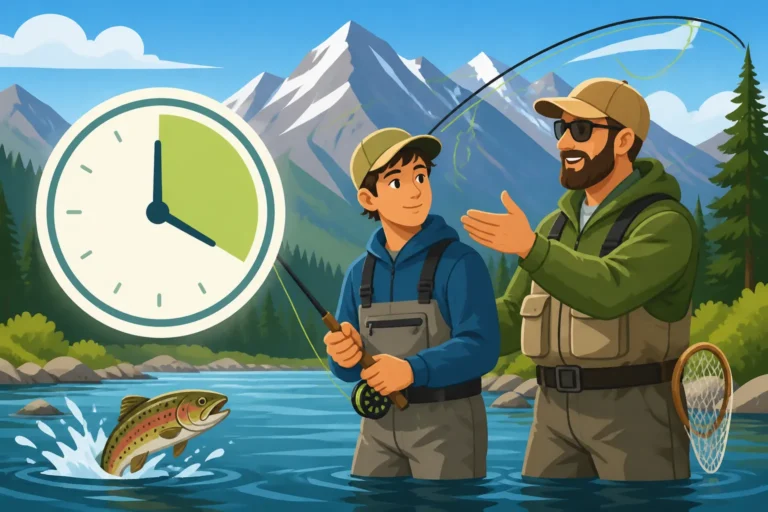
A great fishing guide is not just a boat captain or a fish spotter; they are a patient teacher. Beyond simply helping you catch fish, they're dedicated to improving your skills and understanding of the sport. Throughout the day, expect them to offer constant instruction and insights. They'll explain why they chose a particular fly or lure, how to cast more efficiently, and where to present your offering for the best chance of a strike.
They might teach you how to read the seams and currents of a river, explaining where fish hold and why. Or, they might demonstrate the subtle retrieve necessary to entice a wary walleye. For fly anglers, they'll often cover different nymphing techniques, dry fly presentation, or how to mend your line effectively. This isn't just for beginners either; even experienced anglers can pick up new tricks and refine their techniques from a knowledgeable local guide. You'll finish the day not only with memories of fish caught but also with a deeper appreciation and understanding of Colorado's fisheries, empowering you for future unguided adventures.
Handling Logistics: From Meeting Point to Lunch
A guided trip is designed to be as hassle-free as possible. From the moment you book, the guide takes on the heavy lifting of logistics. They'll communicate a clear meeting point, whether it's at a local fly shop near a river, a boat ramp at a reservoir, or even a pre-arranged pickup location. They handle all the on-water setup, from rigging rods to setting up the drift boat or getting the powerboat ready.
Most full-day guided trips also include lunch, snacks, and drinks, often featuring delicious local sandwiches, fresh fruit, and a variety of beverages. This means you don't have to worry about packing a cooler or finding a place to eat mid-day. Your guide will often carry a camera to snap photos of your catches, allowing you to focus on the moment rather than fumbling with your phone. They manage all the details, leaving you free to simply enjoy the scenery, the company, and the thrill of fishing. Think of it as a concierge service for your fishing day, where your only job is to show up, relax, and fish.
Choosing the Right Guide and Outfitter Near Denver
Selecting the right guide is paramount to having a successful and enjoyable fishing trip. With many options available, it can feel like another daunting task. However, by doing a bit of research and asking the right questions, you can find a guide who perfectly matches your expectations and fishing style.
Researching Local Outfitters and Guides
Start your search by looking into reputable local outfitters and independent guides who operate in the Denver area or the specific waters you're interested in. Many will have detailed websites showcasing their services, fishing reports, and guide bios. Look for guides who are passionate, experienced, and specialize in the type of fishing you want to do (e.g., fly fishing for trout, spin fishing for walleye). Online platforms like FishingBooker can be a great place to begin, offering listings for various guides and charters, often with customer reviews that provide valuable insights into their guiding style, personality, and success rates.
Pay attention to client testimonials and photos. Do the clients look happy and relaxed? Are the fish healthy and well-handled? A good guide will prioritize safety, conservation, and making the experience enjoyable, regardless of how many fish are caught. Look for guides who emphasize teaching and a positive attitude, rather than just raw numbers of fish. You want someone who is patient, knowledgeable, and genuinely enthusiastic about sharing their love of fishing.
Questions to Ask Before Booking
Before you commit to a booking, don't hesitate to ask prospective guides a few key questions. This not only helps you determine if they're a good fit but also demonstrates your seriousness and helps set clear expectations for the trip.
Here are some questions you might consider:
- "What waters do you typically guide this time of year, and what species are we likely to target?" This helps align your expectations with their current expertise and water conditions.
- "What's your guiding philosophy? Do you focus more on catching fish, teaching, or a mix of both?" This helps ensure their style matches what you're looking for.
- "What's included in the trip price (gear, flies/bait, lunch, drinks, transportation)?" Be clear about what you need to bring or if there are any hidden costs.
- "What is your cancellation policy in case of bad weather or unforeseen circumstances?" This is crucial for planning flexibility.
- "Do I need to bring my own Colorado Fishing License Guide for Residents and Nonresidents and Colorado's Habitat Stamp, Explained?" (Spoiler: Yes, you do!) Guides can't provide licenses, and you'll need one.
- "What's your typical group size?" Ensure the guide can accommodate your party comfortably.
A professional guide will welcome these questions and answer them thoroughly, instilling confidence in their service. You can also get more details on Booking a Colorado Fishing Guide Online from many outfitters’ websites.
Understanding Pricing and Tipping Etiquette
Guided fishing trips in Colorado come at various price points, influenced by factors like trip duration (half-day vs. full-day), the number of anglers, and the specific water or technique. While I can't give you exact numbers, expect prices to reflect the guide's expertise, the provided gear, and the comprehensive service. A full-day trip will naturally cost more than a half-day, and private water access might add a premium. It's always best to check the guide or outfitter's current rates directly.
Beyond the base price, it's customary and expected to tip your fishing guide. Guides work incredibly hard to ensure your trip is successful and enjoyable, from scouting locations and maintaining gear to providing expert instruction and safe passage. A standard tip for a fishing guide in Colorado generally ranges from 15% to 20% of the trip's cost. If your guide went above and beyond, or if you had an exceptional day, a higher tip is always appreciated. Think of it as a thank you for their hard work, knowledge, and dedication. More detailed information on this topic can be found in Tipping a Colorado Fishing Guide, What's Standard.
| Trip Type | Typical Duration | Inclusions (Common) | Considerations |
|---|---|---|---|
| Walk-Wade Trip | Half-day/Full-day | Rods, reels, waders, flies/lures, snacks, drinks | More intimate, good for learning, requires mobility |
| Float Trip | Full-day | Boat, rods, reels, flies/lures, lunch, drinks | Covers more water, less physical demand, scenic |
| Reservoir Charter | Half-day/Full-day | Boat, specialized gear (downriggers, electronics), lures/bait, snacks, drinks | Best for diverse species, boat-specific techniques, often for larger groups |
Preparing for Your Guided Denver Fishing Adventure
So, you've chosen your guide, picked your dates, and you're ready to hit the water. But before you step out the door, a little preparation on your part can make a huge difference in your comfort and overall enjoyment of the trip. Think of these as the final touches to ensure your adventure goes smoothly.
Essential Personal Items to Bring
While your guide provides most of the fishing gear, there are a few personal items you absolutely need to bring for a comfortable and safe day on the water. Colorado weather can change rapidly, often within an hour, so dressing in layers is critical.
- Sun Protection: This is non-negotiable in Colorado's high altitude. Bring a wide-brimmed hat, polarized sunglasses (essential for spotting fish and protecting your eyes), and high SPF sunscreen. The sun here is intense!
- Layers of Clothing: Even on a warm day, mornings can be chilly, and afternoon thunderstorms can roll in unexpectedly. Pack a waterproof rain jacket, a warm fleece or puffy jacket, and moisture-wicking base layers. Avoid cotton, as it stays wet and loses its insulating properties.
- Snacks and Hydration: While some guides provide snacks, it’s always wise to bring extra, especially if you have dietary restrictions. Hydration is key at altitude, so bring a refillable water bottle, even if drinks are provided.
- Camera: To capture those memorable moments (but let your guide handle fish photography to ensure safe handling).
- A Small Backpack: To keep your personal items organized and dry.
- Medications: Any personal prescriptions or over-the-counter pain relievers you might need.
By being prepared for the elements, you can focus on the fishing rather than being distracted by discomfort.
Physical Preparedness and Expectations
Guided fishing trips, even float trips, can involve some physical activity. Walk-wade trips will definitely require hiking to access fishing spots and navigating uneven riverbanks and slippery rocks while wading. Even on a float trip, you'll be standing and casting for extended periods. Be realistic about your physical capabilities and communicate any concerns to your guide beforehand.
If you have knee issues, back problems, or simply aren't used to a full day of standing, discuss this. A good guide can often adapt the trip to your needs, perhaps choosing easier access points or more frequent breaks. For instance, if you're planning a walk-wade trip in a remote canyon, ensure you're comfortable with the necessary hiking. Staying hydrated and well-fed throughout the day also contributes significantly to your physical endurance and overall enjoyment.
The Importance of a Colorado Fishing License
This is perhaps the most crucial item on your pre-trip checklist. Every angler aged 16 and older needs a valid Colorado Fishing License Guide for Residents and Nonresidents and, for most adults, a Colorado's Habitat Stamp, Explained. Your guide cannot provide you with a license, and fishing without one carries hefty penalties.
It's best to purchase your license online through the Colorado Parks and Wildlife (CPW) website before your trip. You can also buy them at many sporting goods stores or authorized license agents across the state. Make sure you understand the difference between resident and nonresident licenses and choose the correct option (annual, one-day, or five-day) based on your needs. For detailed instructions, refer to How to Buy a Colorado Fishing License. Have your license (either a physical copy or a digital copy on your phone) readily available, as wildlife officers conduct regular checks on the water. Showing up without a license can lead to a canceled trip, disappointment, and a potential fine, so make this your absolute priority!
Disclaimer
This article is for general informational purposes only and does not constitute professional advice. Laws, prices and regulations vary by location and change over time. Consult a qualified professional for guidance on your specific situation.