What a Walk-Wade Trip Involves on Colorado Rivers
Planning a guided fishing trip in Colorado can feel like stepping into a whole new world of terminology, and if you've been wondering what exactly a "walk-wade" trip entails on our beautiful rivers, you're not alone. It's a common question, and understanding the nuances between trip types can make all the difference in choosing the right adventure for you. This guide is here to demystify the walk-wade experience, laying out everything from what it is to what you can expect, so you can confidently book your next Colorado angling excursion.
What Exactly Is a Walk-Wade Trip?
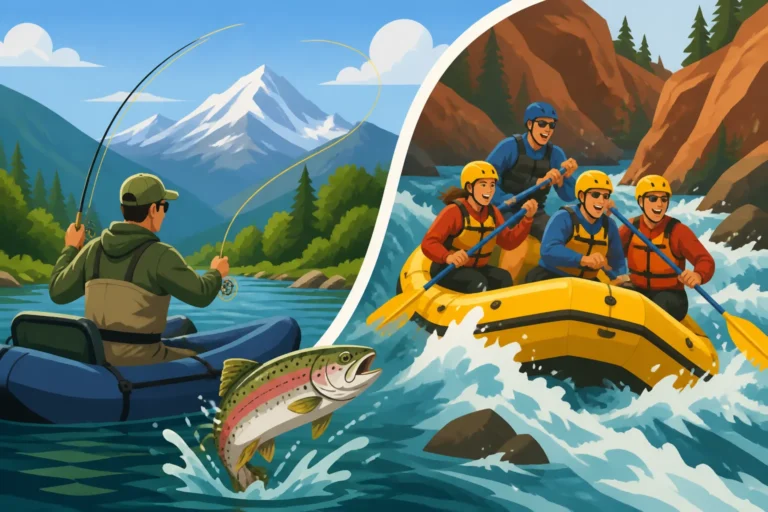
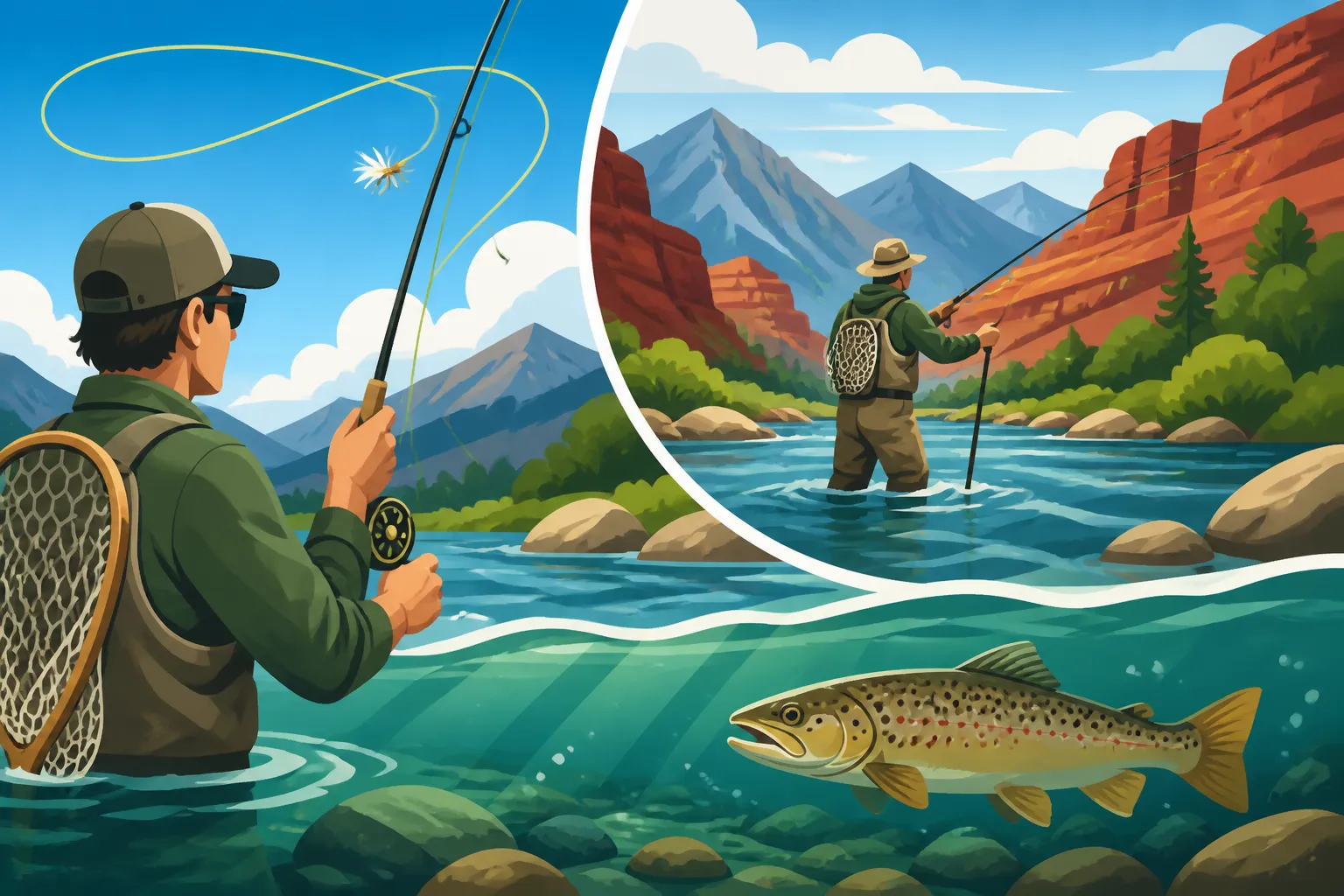
When you hear "walk-wade," picture yourself quite literally walking along the banks of a river or stream, and then wading into its currents with your guide, navigating the water on foot. Unlike float trips, where you spend your day drifting downstream in a raft or drift boat, a walk-wade trip keeps you tethered to the riverbed, offering a uniquely intimate and instructional experience.
The Core Concept: Boots on the Ground
At its heart, a walk-wade trip is about immersion. Instead of covering miles of river from a boat, you and your guide will focus on a specific section of water, carefully dissecting its features, currents, and fish lies. You'll spend more time examining the river up close, observing insect hatches, and learning to read the water's subtle clues. Imagine standing knee-deep in a crystal-clear mountain stream, the water rushing past your waders, while your guide points out a subtle current seam where a trout is likely holding. This direct engagement with the environment is a hallmark of the walk-wade experience. It's not just about catching fish; it's about learning the river's rhythm and building a deeper connection to the water itself.
Who Are Walk-Wade Trips For?
Walk-wade trips are incredibly versatile and appeal to a wide range of anglers.
- For the Beginner: If you're new to fly fishing, a walk-wade trip is often the ideal starting point. Your guide can provide hands-on casting instruction, teach you knot tying, and help you understand the basics of fly selection and presentation without the added complexity of managing a boat. The focused attention on a smaller section of water allows for more repetition and targeted learning.
- For the Skill-Focused Angler: Experienced anglers looking to refine specific techniques, like advanced nymphing strategies or delicate dry fly presentations, will find walk-wade trips invaluable. You can spend extended periods practicing in different types of water, receiving immediate feedback from your guide.
- For the Physically Active: If you enjoy hiking and exploring on foot, this type of trip is perfect. You'll be walking along uneven banks, navigating slippery rocks, and wading through currents, which can be a great way to combine your love for fishing with a bit of a workout in Colorado's stunning scenery.
- For Those Seeking Intimacy with Nature: Some of Colorado's most beautiful and productive waters are smaller, wade-only streams or sections of larger rivers inaccessible by boat. A walk-wade trip allows you to access these hidden gems, offering a more tranquil and secluded fishing experience away from the crowds often found on popular float sections. It's about really being in the environment, not just passing through it. You'll often find yourself in places that feel untouched, listening to the birds and the sound of the flowing water, which is a big part of the appeal for many anglers. If you're looking for guidance on choosing your adventure, considering Hiring a Fishing Guide in Colorado, What to Expect can be a great first step.
The On-the-Ground Experience: What to Expect
Stepping into the river with your guide for a walk-wade trip is an experience filled with learning and direct engagement. It's less about covering vast distances and more about thoroughly exploring specific pieces of water.
Gear, Wading, and River Navigation
Your primary gear for a walk-wade trip will be your waders and wading boots. In Colorado, especially on our colder tailwaters and mountain streams, breathable chest waders are essential for staying dry and comfortable. Your guide will likely provide these if you don't have your own, along with a wading staff. A good wading staff is your best friend when navigating slippery riverbeds and fast currents, offering stability and confidence with every step. You'll learn how to cross currents safely, read the depth of the water, and identify secure footing. Your guide is there to ensure your safety, leading you to the most productive and safest wading lanes. They'll show you how to move deliberately, feeling your way with the staff before committing your weight. This isn't just about safety; it's also about stealth, minimizing disturbance to the fish. When preparing, remember to consider What to Wear on a Colorado Guided Fishing Trip to ensure you're comfortable.
Focus on Technique and Instruction
This is where walk-wade trips truly shine. With your guide right there beside you, you'll receive immediate, personalized instruction.
- Casting: Whether you're learning the basics of a roll cast for tight spots or perfecting your double-haul for longer distances, your guide can watch your form, adjust your grip, and help you understand the mechanics of an efficient cast. It's like having a private coach on the water.
- Presentation: Beyond just casting, you'll learn about presentation – how to land your fly gently, achieve a natural drift, and mend your line to avoid drag. These subtle skills are often best taught and learned in a one-on-one, on-the-water setting. For specific techniques, you might focus on Nymphing Techniques for Colorado Tailwaters or Dry Fly Fishing Colorado's Freestone Rivers, depending on the conditions and the river you're on.
- Fly/Lure Selection: Your guide will help you "match the hatch," choosing flies that imitate the insects currently active in the river. They'll explain why certain patterns work better in different conditions or for specific types of water. This deep dive into entomology and strategy is a huge takeaway from a walk-wade trip.
- Reading Water: Perhaps the most valuable skill you'll gain is learning to read the river. Your guide will point out riffles, pools, current seams, undercut banks, and structure where fish are likely to feed or hold. This knowledge is transferable to any river you fish in the future, empowering you to find fish on your own. Understanding Reading Water on a Colorado Freestone River is critical here.
Covering Water and Finding Fish
While you won't cover as many miles as you would in a float boat, a walk-wade trip allows for an incredibly thorough exploration of specific areas. Your guide will often take you to spots they know hold fish, moving efficiently between pockets, runs, and riffles. You might start by working a deep pool, then move upstream to a section of fast water, and then perhaps explore a slower, calmer bend.
The beauty is in the detail. Instead of a quick cast as you drift past, you can spend twenty minutes meticulously working a single promising stretch of water, trying different angles, flies, and techniques. Your guide will lead you to these productive spots, often in more secluded areas that aren't easily reached by larger groups. It’s an approach that emphasizes quality over quantity in terms of river covered, focusing on extracting the most from each fishing spot. Remember, even on a guided trip, you'll need your Colorado Fishing License Guide for Residents and Nonresidents and Colorado's Habitat Stamp, Explained.
The Benefits and Drawbacks of Walk-Wade Trips
Every type of guided trip has its unique advantages and disadvantages, and walk-wade trips are no exception. Understanding these can help you decide if this style of adventure aligns with your fishing goals and preferences.
Advantages: Intimacy, Learning, and Access
The benefits of a walk-wade trip are considerable, especially for those who prioritize learning and a connection with nature.
- Unparalleled Instruction: As mentioned, the proximity of your guide allows for immediate, hands-on coaching. This level of personalized attention is difficult to replicate in a drift boat, where the guide is often managing the oars and navigating the river simultaneously. You'll walk away with a much deeper understanding of casting, presentation, and fish behavior. For beginners, this focused learning is often what helps them truly get started in the sport.
- Intimate River Experience: Being directly in the water, feeling the current, and walking the banks creates a more immersive and intimate connection with the river. You'll notice details—the types of rocks on the bottom, the insects hatching on the surface, the specific flow of a current—that might be missed from a boat. This closeness fosters a greater appreciation for the ecosystem.
- Access to Secluded Water: Many of Colorado's most pristine and productive fishing spots are simply not accessible by boat. Think small mountain streams, narrow canyon sections, or stretches of river with significant rapids or shallow riffles. Walk-wade trips open up these remote, often less-pressured waters, increasing your chances of finding unspooked fish and enjoying solitude. Colorado's Gold Medal Water Regulations Explained often involve sections that are ideal for walk-wading due to their specific rules or challenging access.
- Cost-Effective (Often): Generally, walk-wade trips can be more affordable than float trips. There's less specialized equipment (no boat to maintain, transport, or launch), which can translate to a lower guide fee. For a general idea of costs, look into Colorado Fly Fishing Guide Costs Explained.
Considerations: Physicality and Reach
While walk-wade trips offer many advantages, there are some factors to consider to ensure it's the right choice for your particular outing.
- Physical Demands: This isn't a passive experience. You'll be walking, climbing over rocks, and wading against currents. Depending on the river and the length of the trip, it can be physically demanding. If you have mobility issues or prefer a more relaxed pace, a float trip might be a better option. It's important to be honest about your fitness level before booking.
- Limited Distance Covered: By its nature, a walk-wade trip covers less linear distance than a float trip. If your goal is to see many miles of a river or fish as many different spots as possible, a float trip would allow for that broader exploration. A walk-wade focuses more on depth of exploration within a confined area.
- Weather Sensitivity: While all fishing is weather-dependent, strong winds or heavy rain can make wading less pleasant and more challenging. On a float trip, you often have the boat as a bit of shelter. During a walk-wade, you're more exposed to the elements. Dressing in layers and checking the forecast thoroughly is always key.
Here's a quick comparison of key aspects between walk-wade and float trips:
| Feature | Walk-Wade Trip | Float Trip |
|---|---|---|
| Pace | Slower, meticulous exploration of specific spots | Covers more miles, faster-paced |
| Instruction | Highly personalized, guide right by your side | Guide often rows, instruction may be less hands-on |
| Access | Can reach wade-only, secluded, or smaller waters | Limited to navigable sections of larger rivers |
| Physicality | Requires more physical exertion (walking, wading) | Less strenuous, can relax in the boat |
| Cost (Generally) | Often more affordable | Typically higher due to boat, shuttle, and equipment |
| Environmental Connection | Very intimate, direct interaction with water/banks | Broader scenic views from the boat |
Planning Your Colorado Walk-Wade Adventure
Now that you understand what a walk-wade trip entails, let's talk about how to plan your perfect Colorado angling adventure. Taking a little time to prepare will ensure you have a fantastic and productive day on the water.
Choosing Your River and Guide
Colorado is blessed with an incredible diversity of rivers and streams, many of which are fantastic for walk-wading.
- Tailwaters: Rivers below large dams, like the Fryingpan, Blue, or South Platte rivers, offer consistent flows and temperatures, making them prime walk-wade destinations, especially in winter. These often have specific Colorado Gold Medal Water Rules that apply.
- Freestone Rivers: Smaller freestone streams in the high country, or sections of larger rivers like the Arkansas or the Upper Colorado, provide a more classic "mountain stream" feel. These often fish best during the spring, summer, and fall after When Colorado's Spring Runoff Hits and How to Fish Around It has subsided.
- Guide Selection: Choosing the right guide is paramount. Look for guides who specialize in walk-wade trips and are intimately familiar with the specific stretches of river you're interested in. Don't be shy about asking questions about their experience, teaching style, and typical client-to-guide ratio (often 1:1 or 2:1 for walk-wade trips). Many excellent Colorado guides list their services on platforms like FishingBooker, where you can read reviews and compare offerings. When you're ready to book, remember that a site like FishingBooker can offer a wide selection of local guides, making it easier to find one who fits your specific needs and the type of walk-wade experience you're looking for.
What to Bring and How to Prepare
Preparation is key to a comfortable and successful walk-wade trip.
- Your Fishing License and Habitat Stamp: This is non-negotiable. You absolutely need a valid Colorado fishing license, and often a Habitat Stamp, to fish legally in Colorado. Even on a guided trip, Do You Need Your Own License for a Guided Trip in Colorado? and Who Needs Colorado's Habitat Stamp clearly state that you are responsible for having these. Purchase them beforehand, either online through CPWShop.com or at a local tackle shop.
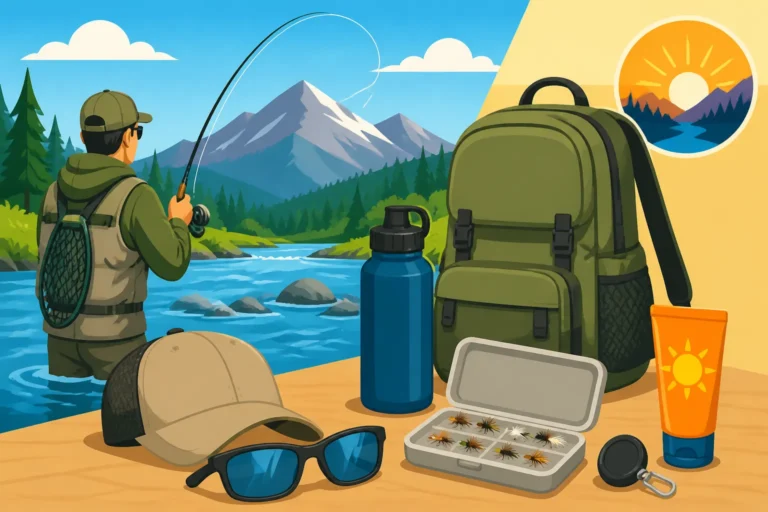
- Appropriate Clothing Layers: Colorado weather is famously fickle, especially in the mountains. Dress in layers, avoiding cotton. Synthetic materials or wool are best for warmth and moisture-wicking. A waterproof outer shell is a must. Remember gloves and a hat, even in summer, as mornings can be chilly, and afternoon sun can be intense.
- Sun Protection: Sunscreen, a wide-brimmed hat, and polarized sunglasses are critical. The sun's reflection off the water, especially at higher altitudes, can lead to serious sunburn and eye strain. Polarized lenses also help you see into the water, spotting fish and potential hazards.
- Water and Snacks: Staying hydrated is crucial, particularly at Colorado's higher elevations. Bring plenty of water and some easy-to-eat snacks like energy bars, nuts, or fruit to keep your energy up throughout the day.
- Personal Medications: If you have any essential medications, make sure they are easily accessible and protected from water.
- Physical Conditioning: While you don't need to be an Olympic athlete, a reasonable level of fitness will make your trip much more enjoyable. Go for a few walks, especially on uneven terrain, in the weeks leading up to your trip. This will help prepare you for navigating riverbanks and wading.
- Camera: Colorado offers unparalleled scenery. A waterproof or water-resistant camera can capture those memories, but always prioritize safety and keep your hands free for wading when necessary.
Before your trip, your guide will typically communicate with you about specific river conditions, recommended gear, and meeting points. Don't hesitate to ask them any questions you might have. You can often find a plethora of guides and their specific trip offerings, including walk-wade options, through platforms like FishingBooker, which makes planning much simpler. By following these tips and understanding the ins and outs of a walk-wade trip, you're set for an unforgettable Colorado fishing experience, whether you're targeting brook trout in a high mountain stream or large browns on a famous tailwater.
Disclaimer
This article is for general informational purposes only and does not constitute professional advice. Laws, prices and regulations vary by location and change over time. Consult a qualified professional for guidance on your specific situation.