What a Float Trip Involves on Colorado Rivers
Many anglers dream of covering more water and experiencing a river from a new perspective, but the thought of a float trip on a Colorado river can seem a bit daunting if you've never done one. You might wonder what it actually entails, what gear you need, or if it's even for you. This guide will break down exactly what a guided float trip involves, from start to finish, so you can confidently plan your next river adventure in Colorado.
The Basics of a Colorado River Float Trip
There's something uniquely appealing about seeing a river from the inside out, rather than always peering in from the bank. A float trip offers just that – a chance to immerse yourself in the flow, accessing stretches of water that are otherwise unreachable and experiencing the river's rhythm in a whole new way. It's an adventure that combines the serenity of drifting with the thrill of fishing, all while being expertly navigated down some of Colorado's most beautiful waterways.
What is a Float Trip, Really?
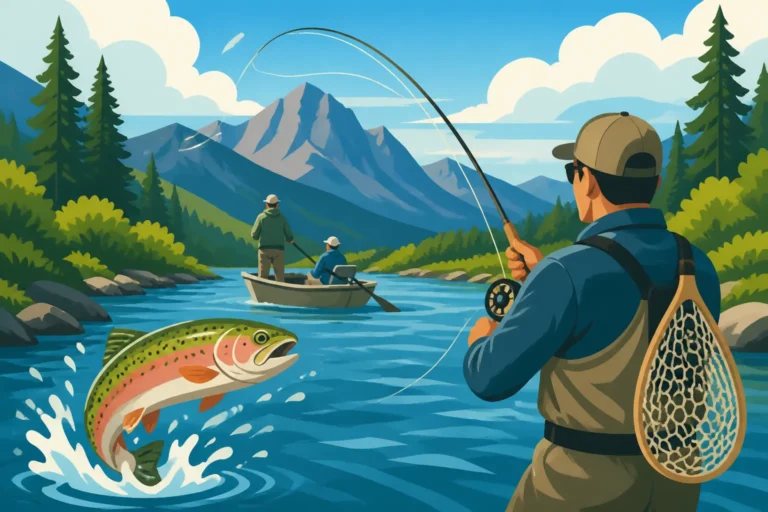
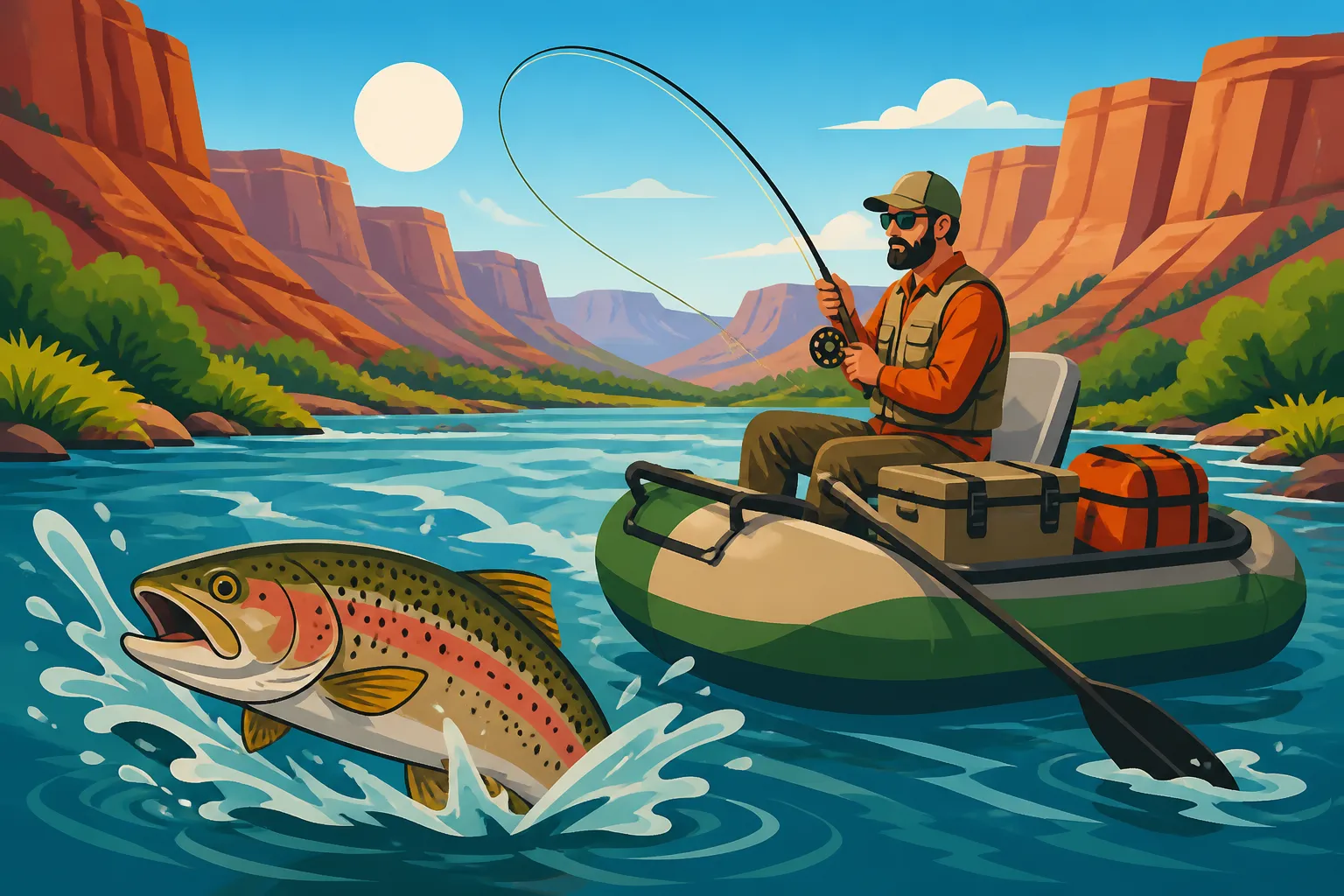
At its core, a float trip means you'll be fishing from a boat that's moving downstream. Unlike wade fishing, where you're physically in the water, a float trip keeps you relatively dry and allows you to cover many miles of river in a single day. Think of it as a moving platform for your angling pursuits. The most common crafts used for these excursions in Colorado are specialized drift boats or inflatable rafts, both designed for stability and maneuverability in varying river conditions. These boats are typically rowed by a professional guide who steers you through rapids, positions you for optimal casting angles, and often spots fish before you do.
The guide is truly the unsung hero of a float trip, acting as navigator, casting coach, fish spotter, and even chef during a riverside lunch. They are intimately familiar with the river's personality—its hidden seams, deep pools, and the fish's favorite holding spots. This makes a guided float trip an excellent option for anglers of all skill levels, from beginners looking to learn the ropes to seasoned veterans wanting to maximize their time on the water. It’s a very different experience compared to a Guided Walk-Wade Trips on Colorado Rivers, where the focus is often on exploring smaller sections more intimately on foot.
Why Choose a Float Trip?
The allure of a float trip is multi-faceted, offering several distinct advantages over traditional wade fishing. Firstly, and perhaps most importantly, is the sheer amount of water you can cover. A good float trip can take you ten or fifteen miles down a river in a day, exposing you to diverse stretches of habitat and countless potential fishing spots that might be inaccessible by foot. This increases your chances of finding actively feeding fish and experiencing the river's full character. Imagine drifting past stunning canyons and remote forests, all while making casts into pristine waters.
Secondly, float trips offer a level of comfort and reduced physical exertion that wade fishing simply can't match. You're mostly sitting or standing in a stable boat, reducing the strain on your legs and back, which can be a huge benefit for longer days or for those with physical limitations. Your guide handles the rowing, allowing you to focus entirely on fishing. This also means you can easily bring more gear, snacks, and even a camera without the burden of carrying it all on your back. While a walk-wade trip offers a more intimate connection with the water, a float trip gives you a broader perspective and often a more relaxed, yet incredibly productive, day of fishing.
What to Expect Before and During Your Float
Embarking on a float trip, especially if it's your first time, can feel a bit like planning a small expedition. But don't worry, the process is usually quite streamlined, thanks to the experienced outfitters and guides who orchestrate these adventures. From the initial booking to the final takeout, every step is designed to ensure you have a safe, enjoyable, and successful day on the water.
Pre-Trip Preparations and Communication
The journey begins long before you even touch the water. Once you've decided on a float trip, you'll need to book it, often through a reputable fly shop or an online booking platform like FishingBooker. This is where you'll typically discuss your experience level, what species you hope to target, and any specific expectations you have for the day. A good guide wants to tailor the experience to you, so clear communication upfront is key. Don't be shy about asking questions!
Your guide or the outfitter will provide you with crucial information regarding the meeting spot, usually a specific time and location (a boat ramp or the fly shop itself), and details about the weather forecast for your trip. They'll also tell you what to bring, which typically includes layers of clothing, a hat, sunglasses, sunscreen, and your Colorado Fishing License Guide for Residents and Nonresidents. Many outfitters offer a comprehensive package, so it's always worth confirming What's Included in a Colorado Guided Fly Fishing Trip and asking Do Colorado Guided Trips Include Gear and Flies? to avoid any surprises. They might supply rods, reels, flies, leaders, tippet, and even a cooler stocked with drinks and lunch. It’s always best to clarify what’s covered so you can pack accordingly.
The Day of the Float: Launching and Fishing
The day of your float trip will start bright and early. You'll meet your guide at the agreed-upon location, where you'll transfer your personal gear into the drift boat or raft. Before you push off, your guide will give you a crucial safety briefing. This covers everything from how to sit comfortably and safely in the boat, to what to do in the unlikely event of falling overboard, and the proper use of your Personal Flotation Device (PFD), which you'll wear for the duration of the trip. This might seem a bit serious, but it's all about ensuring everyone has a secure and worry-free experience.
Once you're on the water, the real fun begins. Your guide will skillfully row the boat, navigating the currents and positioning you for optimal casts. You'll learn to cast from a moving platform, often aiming for specific seams, eddies, or structure along the banks where fish are likely to hold. It’s a dynamic form of fishing, constantly changing as the river flows. You might be making short, accurate casts to tight pockets, or longer drifts through wider runs. Lunch is often a highlight, enjoyed riverside, where you can stretch your legs and share stories. Colorado is blessed with many incredible rivers perfect for floating, from the mighty Colorado River itself to the technical waters of the Gunnison, or the beautiful Arkansas River, each offering unique challenges and rewards.
Gear, Logistics, and River Etiquette
While a float trip provides a significant advantage in terms of covering water, it also comes with its own set of considerations regarding gear, understanding the river's dynamics, and maintaining good etiquette on the water. Being prepared and respectful ensures a smooth and enjoyable experience for everyone involved.
Essential Gear for Your Comfort and Success
Even though much of the heavy lifting, literally, is handled by your guide, bringing the right personal gear is critical for your comfort and enjoyment. Layers are paramount in Colorado's unpredictable mountain weather. Think breathable base layers, insulating mid-layers, and a waterproof, windproof outer shell. A wide-brimmed hat, polarized sunglasses (non-negotiable for spotting fish and eye protection), and high-quality sunscreen are also must-haves. You'll also want to review What to Wear on a Colorado Guided Fishing Trip to ensure you're dressed for success. And of course, don't forget your valid Colorado Fishing License Guide for Residents and Nonresidents and your Habitat Stamp—wardens do check, and you don't want your day cut short!
Your guide will provide the boat, oars, and PFDs. Many guides also offer high-quality rods and reels, a full selection of flies, and all the necessary terminal tackle. However, if you prefer to use your own gear, confirm this with your guide beforehand. It’s always a good idea to bring a small daypack for your personal items, water, and perhaps a few extra snacks, even if lunch is provided. Comfortable, waterproof shoes are also a good idea, especially for getting in and out of the boat or during any riverside stops.
Understanding River Dynamics and Your Guide's Role
Colorado rivers are dynamic environments, constantly changing with weather, season, and water releases. Your guide's expertise in navigating these conditions is invaluable. They're skilled at reading the current, understanding where hazards like submerged rocks or sweepers might be, and safely maneuvering the boat. This allows you, the angler, to relax and focus on fishing. They also know how factors like When Colorado's Spring Runoff Hits and How to Fish Around It will affect the river, and what tactics to employ during these challenging times. They understand how different sections of the river fish at varying flows and water clarity.
Beyond navigation, your guide is your on-the-water mentor. They'll point out prime holding water, suggest fly patterns, and help you refine your casting from the boat. They're often exceptional at spotting fish that are camouflaged against the riverbed, giving you an edge. Think of your guide as a human fish-finder and river encyclopedia rolled into one. Their knowledge of the ecosystem, insect hatches, and trout behavior will significantly enhance your learning and fishing success throughout the day.
Etiquette on the Water
River etiquette is just as important on a float trip as it is when wade fishing. Colorado's rivers can be popular, especially during peak seasons, and respecting other anglers ensures a pleasant experience for everyone. This means giving wade anglers plenty of space, not crowding other boats, and generally being mindful of your presence on the water. Your guide will manage the boat spacing, but a little common courtesy from everyone goes a long way.
When it comes to fishing itself, if you're on a catch-and-release only section or simply choosing to release your fish, proper handling is crucial for the fish's survival. Your guide will instruct you on the best practices for quickly landing, unhooking, and safely releasing trout. Finally, don't forget to consider Tipping a Colorado Fishing Guide, What's Standard at the end of your trip. These professionals work incredibly hard to ensure you have an unforgettable day, and a gratuity is a customary way to show your appreciation for their efforts and expertise.
Making the Most of Your Colorado Float Trip
A float trip on a Colorado river is more than just a fishing excursion; it's an immersive experience that connects you with the wild beauty of the Rockies. To truly make the most of it, a little forethought in choosing your destination and guide, along with an open mind, can go a long way.
Popular Colorado Rivers for Floating
Colorado boasts an incredible array of rivers that are fantastic for float trips, each offering its own unique character and fishing opportunities. The Colorado River itself, particularly stretches near Kremmling and through Glenwood Canyon, is a classic float destination known for its stunning scenery and prolific brown and rainbow trout populations. Further south, the Arkansas River offers exciting float fishing, especially through its Gold Medal stretches near Buena Vista and Salida, with strong populations of Brown Trout in Colorado, Where They're Wild.
For a truly wild experience, the Gunnison River, particularly the Black Canyon, offers unparalleled beauty and challenging fishing for large trout, though some sections are wilderness experiences requiring special permits. The Roaring Fork River near Aspen and Basalt also offers excellent floating, particularly during specific hatches. Knowing what you want to target, whether it's big browns, feisty rainbows, or just a scenic drift, can help you narrow down your river choice.
Choosing the Right Time and Guide
The timing of your float trip can significantly impact the experience. While you can float fish nearly year-round on some tailwaters, specific seasons offer distinct advantages. Summer and early fall are generally prime times for consistent hatches and active fish, but can also mean more crowds. Colorado Fishing Seasons Month by Month offers a detailed breakdown of what to expect. Spring can be fantastic before When Colorado's Spring Runoff Hits and How to Fish Around It makes rivers high and muddy, while late fall can bring out large brown trout preparing for their spawn.
Choosing the right guide is equally important. Look for guides with extensive experience on your chosen river and a reputation for professionalism and patience. Many anglers find great success by researching guides online, reading reviews, or calling local fly shops for recommendations. Platforms like FishingBooker can also be a helpful tool for comparing options and checking availability. Don't hesitate to ask Questions to Ask Before Booking a Colorado Fishing Guide, such as their experience with different techniques, their approach to beginner anglers, or their cancellation policy. Being clear about your expectations and listening to your guide's advice will ensure a memorable and productive day on the river.
Here's a quick comparison of what you might expect between a float trip and a walk-wade trip in Colorado:
| Feature | Guided Float Trip | Guided Walk-Wade Trip |
|---|---|---|
| Coverage | Covers many miles of river in a day. | Focuses on smaller, more intimate sections. |
| Accessibility | Accesses remote water unreachable by foot. | Explores specific pockets and runs in detail. |
| Physical Exertion | Low to moderate (mostly sitting/standing in boat). | Moderate to high (walking, wading, climbing). |
| Comfort | More comfortable, less exposure to elements. | More exposure, can be physically demanding. |
| Gear Transport | Guide carries most gear in boat. | Angler carries own gear. |
| Perspective | Broader view of the river, dynamic fishing. | Intimate, 'hands-on' connection with the water. |
| Learning Opportunities | Casting from a boat, reading moving water, diverse spots. | Reading specific features, stealthy approach, fly placement. |
| Best For | Covering ground, accessing big water, anglers of all mobility. | Exploring specific sections, technical fishing, intimate experience. |
Disclaimer
This article is for general informational purposes only and does not constitute professional advice. Laws, prices and regulations vary by location and change over time. Consult a qualified professional for guidance on your specific situation.