Do Colorado Guided Trips Include Gear and Flies?
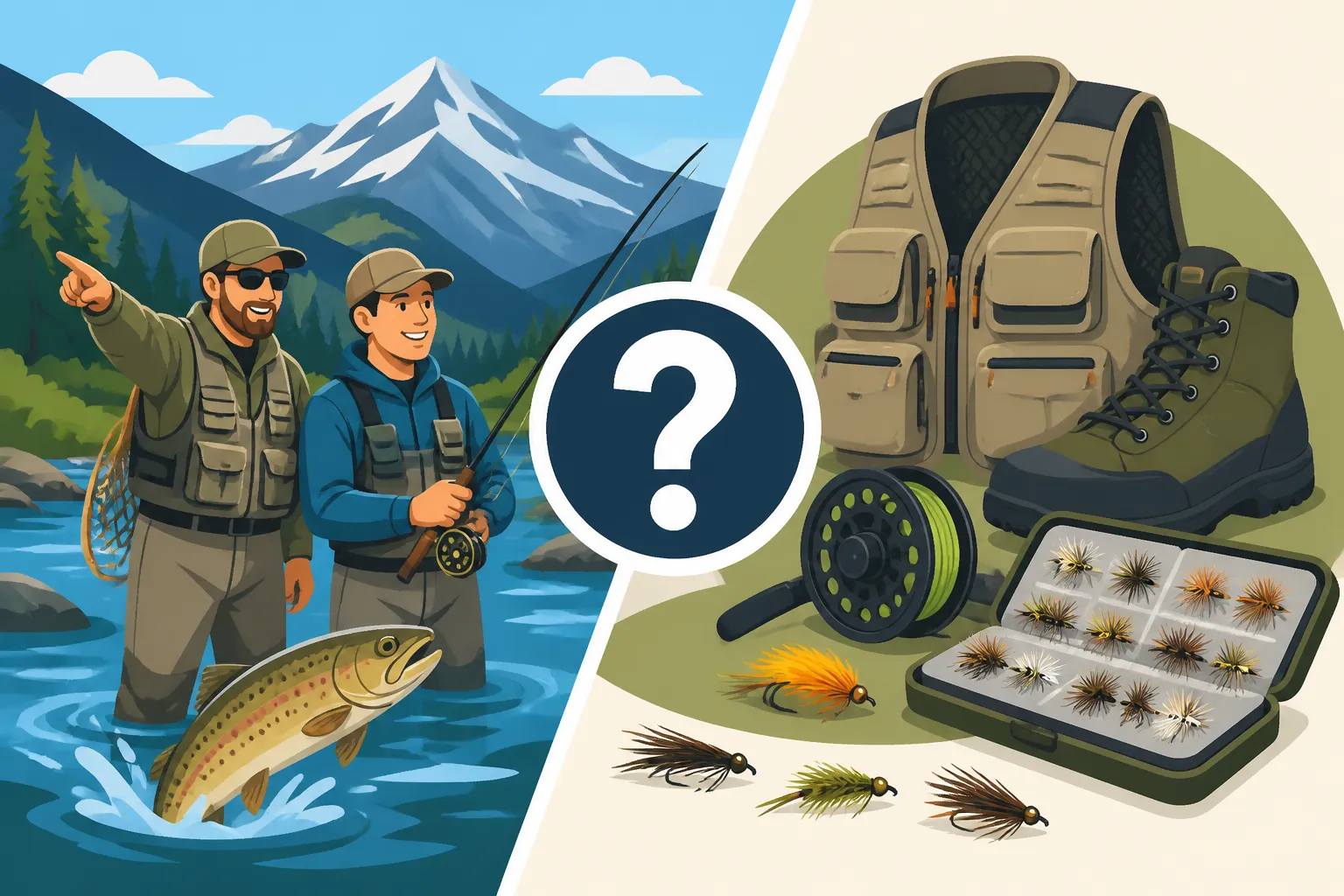
One of the most common worries anglers have when planning a guided fishing trip in Colorado, especially if it's their first time, is what exactly they need to bring themselves. There’s a general assumption that a guide provides everything, but the reality can be a bit more nuanced, leaving many folks wondering, "Do Colorado guided trips actually include all the gear and flies, or am I expected to show up with my own tackle box?" This guide will break down what you can typically expect from a guided trip, helping you understand what's usually provided, what might be extra, and what you'll definitely need to have on hand for a successful and stress-free adventure on Colorado's incredible waters.
The Standard Inclusions: What Most Colorado Guided Fishing Trips Provide
When you book a guided fishing trip in Colorado, whether you're heading to the famed Gold Medal waters of the Fryingpan River or casting for trophy lake trout on Blue Mesa, most reputable guide services aim to make your experience as seamless as possible. This generally means they provide the essential equipment you'll need to actually catch fish. However, the exact "what" can sometimes vary, so it's always wise to clarify beforehand.
Rods, Reels, and Terminal Tackle Generally Yes
For the vast majority of guided fishing trips in Colorado, especially those focused on fly fishing or spin fishing for trout, your guide will supply the appropriate rods and reels. This is fantastic news, particularly if you're traveling from out of state and don't want to haul your entire quiver of rods on a plane, or if you're new to the sport and don't own any specialized gear yet. For a fly fishing trip, your guide will typically have a range of fly rods, often 4-weight to 6-weight, perfectly matched for the trout and conditions you'll encounter on rivers like the Arkansas or the Big Thompson. They'll also provide the corresponding reels, fly lines, leaders, and tippet – all the technical bits that connect your fly to the rod.
Similarly, if you're on a spin fishing trip targeting species like walleye or bass in one of Colorado's many reservoirs, your guide will have spinning rods, reels, and the correct line weights. They'll often have a variety of setups ready, anticipating different techniques or the size of fish you might hook. This also includes "terminal tackle" such as swivels, weights, and bobbers – the small, often easily lost, but crucial components of your fishing rig. The benefit here is that the guide knows the local waters intimately, and they've invested in the gear that works best for those specific conditions and species, saving you the headache and expense of trial and error. You'll often find that guides are very protective of their gear, so be respectful and treat it well.
Flies, Lures, and Bait Often, but with Caveats
This is where the "it depends" factor often comes into play. For fly fishing trips, it's almost universally expected that your guide will provide the flies. Colorado's trout can be notoriously selective, and matching the hatch (or even knowing what hatch might be happening) is a specialized skill. Guides spend countless hours on the water, observing insect activity, and often tying or stocking their own custom fly patterns that are deadly effective. They'll show up with dozens, if not hundreds, of flies in various sizes, colors, and patterns, ready to adapt to whatever the fish are biting on that day. This is a huge advantage, as buying a comprehensive selection of flies for a specific river could cost a small fortune.
However, sometimes, if you're on a multi-day trip or a particularly long excursion, or if you're fishing a highly technical piece of water, the sheer volume of flies used might incur an additional, minor charge. This isn't common, but it's something to clarify. For spin fishing trips, lures are almost always included. Guides will have a selection of spoons, spinners, jigs, and crankbaits that have proven successful in their local waters. When it comes to bait, such as worms, minnows, or cut bait, this is usually included as well, especially if live bait is permitted and effective for the target species. Always confirm if there's any distinction, particularly if you're targeting something like big catfish or specific predatory species where a lot of expensive bait might be consumed. For a deep dive into costs, check out Colorado Fly Fishing Guide Costs Explained.
Waders, Boots, and Essential Safety Gear It Depends
While rods, reels, and terminal tackle are usually standard, items like waders and wading boots are a little less consistent. Many guide services, especially those catering to beginners or those from warmer climates, do offer waders and boots as part of the package. This is incredibly helpful, as quality waders and boots are a significant investment and take up a lot of luggage space. They'll typically have a range of sizes available, from small to extra-large, to fit most anglers. If this is a deal-breaker for you, make sure to ask specifically when you book.
However, some guides might expect you to bring your own, particularly if you're an experienced angler who already owns good gear. They might assume you prefer your own comfortable, broken-in waders. It's truly a mix, so a quick question to your guide service or checking their website (or a booking platform like FishingBooker) will usually clear it up.
Beyond fishing-specific gear, essential safety equipment is almost always provided. This includes things like personal flotation devices (PFDs) for float trips or boat charters (mandatory in Colorado), first-aid kits, and often a cooler with water and snacks. On colder days, your guide might even have extra layers or hand warmers available. Safety is paramount, and reputable guides take it very seriously.
Why Inclusions Vary: Understanding Different Guide Service Models
The variety in what's included often comes down to the specific type of trip, the duration, and even the philosophy of the guide service itself. Just like choosing a car, you have different models and options available when it comes to guided fishing trips in Colorado.
Trip Type: Fly Fishing, Spin Fishing, Ice Fishing, or Boat Charters
The kind of fishing you're doing dramatically influences what gear is needed and therefore, what's provided.
- Fly Fishing Trips: As mentioned, these almost always include rods, reels, leaders, tippet, and flies. The specialization of fly fishing gear and the constant need to change patterns makes it essential for the guide to control this aspect. You wouldn't want to show up with the wrong flies for a Matching the Hatch on Colorado's Tailwaters experience.
- Spin Fishing Trips: Similar to fly fishing, rods, reels, line, and lures are typically provided. If bait is needed (like for catfish or walleye), that's usually covered too. These trips are often more accessible for beginners, and having all gear supplied makes it easy for anyone to try.
- Ice Fishing Trips: These are a completely different beast! When you book a Guided Ice Fishing Trips in Colorado, you're often paying for specialized equipment like ice augers, portable shelters (ice shanties), heaters, sonar units (fish finders), ice fishing rods, and jigs. This equipment is expensive and cumbersome to transport, so it's practically guaranteed that your guide will provide it all. You just need to bundle up!
- Boat Charters: If you're going out on a large reservoir like Blue Mesa for kokanee salmon or lake trout, you're likely on a boat charter. These trips inherently include the boat itself, all necessary safety gear, and specialized trolling rods, downriggers, and lures. These are often more expensive trips, and the comprehensive gear package reflects that. For more on this, look into Charter Boats for Kokanee Salmon at Blue Mesa.
Duration and Location: Half-Day, Full-Day, Walk-Wade vs. Float
The length of your trip and how you're accessing the water also play a role.
- Half-Day vs. Full-Day: Longer trips often mean more provisions. While basic gear is always there, full-day trips are more likely to include lunch, more extensive snack options, and perhaps a wider variety of specialized gear for different sections of a river. For a deeper dive, read What a Full-Day Colorado Guided Fishing Trip Costs.
- Walk-Wade Trips: On these trips, you'll be on foot, often navigating riverbanks or stream beds. This is where the waders and boots question becomes most pertinent. Some guides will offer them, particularly for those who don't wade often or are new. Others might expect you to have your own, especially if you're doing a strenuous hike-in trip to high-country lakes.
- Float Trips: If you're floating down a river in a drift boat or raft, your waders and boots might be less critical if you're staying in the boat, though still useful for stepping out at key spots. The guide will provide the boat, oars, safety gear, and often a comfortable seating arrangement. For insights into different types of trips, check out Float Trips vs Walk-Wade Trips With a Colorado Guide. The focus here is on the vessel and the ability to cover more water efficiently, like on a guided trip on Guided Fly Fishing on Colorado's Gunnison River.
Outfitter vs. Independent Guide: The Business Side of Things
There can be a slight difference between booking with a large outfitter versus a smaller, independent guide.
- Outfitters: Larger fly shops or guide services often have a comprehensive inventory of rental gear. They're typically set up to provide everything, including high-quality waders, boots, and even rain jackets, for an additional fee or sometimes as part of a deluxe package. Their business model often includes serving a broad range of clients, from absolute beginners to seasoned anglers. They often have dedicated staff to manage and maintain this rental gear.
- Independent Guides: A solo guide might have a more limited selection of rental waders or boots, or they might prefer clients bring their own if they have them. They often specialize in a particular type of fishing or a specific stretch of river, and their focus might be more on the expertise and less on being a full-service rental hub. It's not a hard-and-fast rule, but it's a general trend. When using platforms like FishingBooker, you can usually filter by guides who specify what gear they include, which is super helpful for comparing options.
Preparing for Your Trip: What to Bring When Gear Isn't Fully Covered
Even if your guided trip covers most of the fishing gear, there are always personal items you'll want to bring to ensure comfort and readiness for a day on the water. These are often things that even the most comprehensive guide service won't provide, simply because they're so personal.
Personal Items and Weather-Appropriate Clothing
Colorado's weather is famously unpredictable. A sunny morning can quickly turn into an afternoon thunderstorm, even in summer, especially in the mountains. Layering is key!
- Outerwear: Always bring a good quality waterproof and windproof jacket, even on sunny days. A pair of rain pants can also be a lifesaver. You can peel off layers if it gets warm, but you can't add what you don't have.
- Layers: Think moisture-wicking base layers, a fleece or insulated mid-layer, and quick-drying pants or shorts. Cotton is generally discouraged for fishing clothes as it stays wet and can make you cold.
- Headwear: A brimmed hat is essential for sun protection and helps reduce glare off the water, making it easier to spot fish. In colder weather, a warm beanie or stocking cap is a must.
- Sun Protection: High altitude sun is intense. Sunscreen (SPF 30 or higher) and polarized sunglasses are non-negotiable. Polarized lenses are incredibly important, not just for eye protection but also for seeing into the water, which can drastically improve your fishing experience.
- Gloves: Depending on the season, sun gloves can prevent sunburn, while fingerless fleece or neoprene gloves can keep your hands warm on chilly mornings.
- Socks: Wear good quality wool or synthetic socks. If you're wearing waders, bring a thicker pair of wading socks.
- Snacks and Drinks: While some guides provide lunch and snacks on full-day trips, always bring extra water and a few of your favorite energy bars or treats. Staying hydrated and fueled is crucial, especially when you're exerting yourself at altitude. For more packing tips, check out What to Bring on a Half-Day Colorado Fishing Trip.
Your Own Preferred Rods and Reels
While guides typically provide gear, many experienced anglers prefer to use their own rods and reels. If you've spent years getting comfortable with a specific fly rod, or you have a lucky spinning reel, you absolutely can bring it. Just make sure to communicate this with your guide beforehand. They might even appreciate it, as it means less gear for them to set up or clean.
However, be prepared for the guide to suggest using their equipment if they believe it's better suited for the specific conditions or the target species. They're the experts on that water, and their advice is often invaluable. If you choose to bring your own, ensure it's in good working order and appropriately sized for the type of fishing you'll be doing. For instance, a lightweight 3-weight trout rod might not be ideal for battling a large brown trout in a strong current, even if it's your favorite for smaller streams.
The Importance of a Colorado Fishing License and Habitat Stamp
This is perhaps the single most important item you must provide yourself. No guide, no outfitter, no matter how inclusive their package, can supply you with a personal fishing license. It is a legal requirement for anyone aged 16 and older to possess a valid Colorado fishing license to fish in the state's public waters. You'll also need a Habitat Stamp if you're between the ages of 18 and 64, which supports wildlife conservation efforts.
It's your responsibility to purchase these before your trip. You can buy them online through the Colorado Parks and Wildlife (CPW) website, over the phone, or in person at various licensed vendors like sporting goods stores. Your guide will expect you to have it, and so will any game warden you might encounter. Fishing without a license or Habitat Stamp can result in hefty fines. For detailed information, consult Colorado Fishing License Guide for Residents and Nonresidents or Colorado's Habitat Stamp, Explained. Keep your license readily accessible, either as a printed copy or on your phone, as What Colorado Game Wardens Check When They Stop You often includes proof of licensing.
| Item Category | Generally Included by Guide | Often Provided by Guide (Ask First) | Almost Always Provided by Angler |
|---|---|---|---|
| Fishing Gear | Rods, Reels, Line, Basic Lures | Flies (sometimes extra), Waders, Boots | Specialty Lures/Flies (personal preference) |
| Terminal Tackle | Hooks, Sinkers, Swivels, Bobbers | Bait (live or prepared) | Your "lucky" jig |
| Safety Equipment | PFDs, First-Aid Kit, Boat (if applicable) | Extra Layers (cold weather) | Personal Medications |
| Personal Items | Water, Basic Snacks (full-day trips) | Lunch (full-day trips) | Sunscreen, Hat, Sunglasses, Rain Gear, Layers, Camera, Personal Snacks, Fishing License |
Asking the Right Questions Before You Book Your Colorado Guided Trip
To avoid any surprises, the best approach is always to communicate clearly with your guide service or outfitter before you commit to a booking. Don't be shy – they expect these questions!
Clarifying Gear and Fly Policies Upfront
When you're first making inquiries or booking your trip, make sure to ask direct questions about gear and flies.
"What fishing equipment, including rods, reels, and terminal tackle, will be provided for this trip?"
"Are flies or lures included in the trip price, or will there be an additional charge for them?"
"Do you provide waders and wading boots, and if so, is there a rental fee?"
"Will there be lunch, snacks, and drinks provided, or should I bring my own?"
Getting these answers upfront will save you any potential frustration on the day of your trip. Many guide services have FAQs on their websites that address these points, or you can find detailed information on booking platforms. If you're looking for an easy way to compare, Booking a Colorado Fishing Guide Online often provides clear breakdowns of inclusions from various outfitters. This clarity is especially important when considering What's Included in a Colorado Guided Fly Fishing Trip.
Understanding Potential Additional Costs
While many basic items are included, it's good to be aware of other potential costs beyond the base trip fee.
- Gratuity: Tipping your guide is standard practice in the industry and a significant part of their income. It’s always good to budget for this. Typically, a gratuity of 15-20% of the trip cost is customary for good service. You can learn more about this by reading Tipping a Colorado Fishing Guide, What's Standard.
- License and Habitat Stamp: As discussed, these are your responsibility.
- Flies/Lures for Specialized Trips: Very occasionally, on certain trips or if you lose an excessive amount of expensive flies, a guide might have a small charge for these. This is rare, but worth a quick mention.
- Rental Gear: If waders and boots aren't included, there might be a separate rental fee if the outfitter offers them.
- Park Passes/Access Fees: Some fishing locations within state parks or private waters may require separate entry fees or access permits. Your guide will usually inform you if this applies. For instance, do you need a park pass to fish Fishing Eleven Mile State Park's Shoreline? Clarify these details.
- Retail Purchases: You might fall in love with a particular fly pattern or a piece of gear your guide uses. While not an additional cost of the trip itself, it's easy to get excited and make impulse purchases at the fly shop after a successful day!
Utilizing Booking Platforms for Clear Information
Platforms like FishingBooker are incredibly useful for this very reason. When you browse guides and trips, they often have a standardized section outlining what's included and what's not. This allows for easy comparison between different guides and outfitters, so you can quickly see which option best suits your needs and budget regarding gear, flies, and other provisions. It takes some of the guesswork out of the equation and provides a clear picture of what you're paying for.
Ultimately, the goal of any Colorado guided fishing trip is for you to have an enjoyable, successful, and memorable experience on the water. By understanding what's typically provided and asking the right questions, you can ensure you're fully prepared and can focus on the thrill of the catch rather than worrying about whether you packed enough leaders or the right dry flies. So go ahead, book that trip, and get ready to enjoy some of the best fishing the Rocky Mountains have to offer!
Disclaimer
This article is for general informational purposes only and does not constitute professional advice. Laws, prices and regulations vary by location and change over time. Consult a qualified professional for guidance on your specific situation.