Fishing Eleven Mile State Park’s Shoreline
Trying to tackle a massive reservoir like Eleven Mile State Park without a boat can feel like staring at an ocean – overwhelming, intimidating, and leaving you wondering where in the world to even cast your line. Many anglers, myself included, have stood on the shore, unsure if they're in the right spot or using the best approach. This guide is here to cut through that confusion, giving you all the insider knowledge you need to successfully fish Eleven Mile's extensive shoreline, ensuring your next trip is productive and enjoyable.
Why Eleven Mile's Shoreline is a Premier Fishing Destination
Eleven Mile State Park, nestled in Park County, Colorado, is an absolute gem for anglers, and not just those with fancy boats. It's a huge body of water, over 3,400 surface acres at full capacity, renowned for its challenging but incredibly rewarding fishing. For those who prefer to keep their feet on solid ground, the sheer amount of accessible shoreline here is a major draw. You're not limited to a tiny public dock; instead, you have miles and miles of diverse access points to explore.
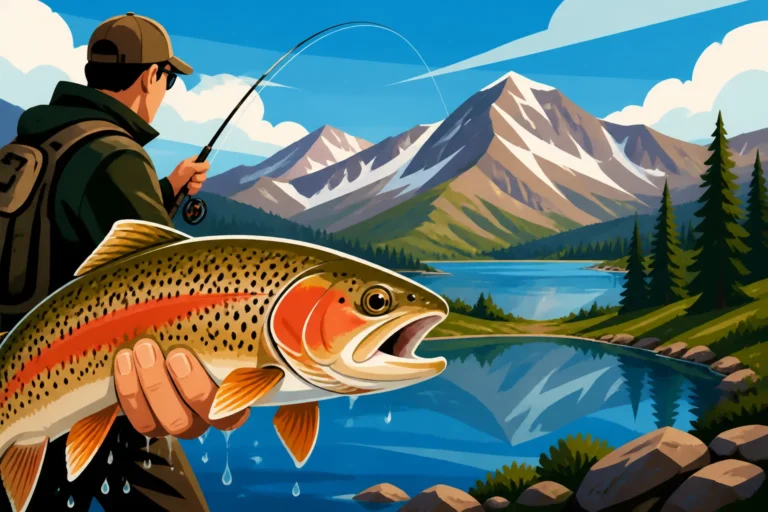
What makes Eleven Mile truly special, especially for the shore-bound angler, is its well-deserved "Gold Medal Water" designation from Colorado Parks and Wildlife (CPW). This isn't just a fancy title; it signifies that the reservoir consistently produces trophy-sized trout, boasting a minimum of 60 pounds of trout per acre, with at least 12 individual trout weighing 14 inches or more per acre. This designation primarily applies to its trout populations – rainbow, brown, and cutthroat – ensuring that even from the bank, you have a legitimate shot at a fish of a lifetime. The quality of fishing here often leads people to understand why these areas are protected under special rules, as outlined in our comprehensive guide on Colorado Gold Medal Water Regulations Explained
It's a common misconception that without a boat, you're relegated to catching only smaller, stocker-sized fish. Eleven Mile shatters that notion. Its rich aquatic insect life and plentiful forage fish mean the trout grow big and healthy, regardless of where you're fishing from. This makes it an ideal spot for anglers who love the tranquility of shore fishing but still crave the thrill of a substantial catch.
The park itself is designed with access in mind. Unlike some reservoirs where private land severely restricts bank access, Eleven Mile State Park offers numerous pull-offs, campgrounds, and designated fishing areas that are easily reachable by vehicle and then a short walk. This makes scouting new spots incredibly convenient, and you won't feel like you're trespassing just to wet a line. Whether you're looking for a quiet cove or a more open, windswept point, Eleven Mile’s shoreline diversity caters to all preferences.
Top Shoreline Access Points and Hotspots
Eleven Mile's vast shoreline means there's always a new spot to explore. While conditions like water levels, recent stockings, and time of year can influence success, some areas consistently prove to be excellent choices for bank anglers. These spots offer a mix of structure, depth, and forage that attract hungry fish.
Northern Shoreline Gems
The northern side of Eleven Mile Reservoir offers some fantastic, easily accessible areas. You'll find a mix of rocky points, coves, and areas where the South Platte River arm feeds into the main body of water.
- Lazy Boy Campground Area: Don't let the name fool you – the fishing here can be anything but lazy! This area, particularly the points and coves around the campground, provides excellent access to deeper water relatively close to shore. During spring and fall, trout often cruise these areas looking for insects and baitfish. It's also a popular spot for setting up multiple rods if you have a Colorado's Second-Rod Stamp and Who Needs One. The varying depths make it ideal for experimenting with different presentations, from bottom-bouncing baits to casting and retrieving lures. The convenience of nearby restrooms and picnic tables makes it a great family-friendly option.
- Wickiup Point: Just a bit further east from Lazy Boy, Wickiup Point juts out into the reservoir, providing access to deeper water and often a good current flow, especially during water releases from Spinney Mountain Reservoir upstream. This area is known for attracting larger trout, particularly brown trout in the fall as they prepare for their spawning runs. Casting spoons or jerkbaits here can be very effective, mimicking baitfish that larger trout prey upon. The views are incredible, making it a pleasant spot even on slower fishing days.
Southern and Western Shoreline Spots
The southern and western shores tend to be a bit more open, with long stretches of gravelly beach mixed with rocky outcroppings. These areas are excellent for covering water and often provide good access to cruising fish.
- Cross Creek: This popular spot on the reservoir's western side is where Cross Creek flows into Eleven Mile. Inflow areas are always a good bet, as they bring in nutrients, insects, and cooler water, attracting baitfish and, consequently, hungry trout and pike. The relatively shallow, weedy areas near the creek mouth can be prime ambush points for Northern Pike Fishing in Colorado, especially in warmer months. Further out, the deeper water off the points can hold respectable trout. Spin anglers throwing spoons, crankbaits, or even large soft plastics will find success here.
- Howbert Point: Situated on the southern shore, Howbert Point is another excellent option for bank anglers. It offers long, accessible shorelines with varied structure, from gradual slopes to more abrupt drop-offs. This diversity means you can target different species and depths. It's particularly good in the spring and early summer when trout are actively feeding closer to the surface. Trolling small lures from shore (with the help of a long cast) or simply casting out PowerBait and letting it sit on the bottom can yield excellent results for Rainbow Trout in Colorado, Where They're Stocked.
East End Opportunities
While the east end of the reservoir is dominated by the dam, there are still some accessible spots that can be very productive.
- North Shore Day Use Area: Near the dam, this area offers excellent access, especially for those looking to fish deeper water without a boat. The dam face itself often has good drop-offs that hold fish, and the surrounding points are ideal for long casts. This is a strategic location if you're targeting fish that prefer cooler, deeper water, especially during the peak of summer. Using heavy spoons or jigs that can reach the bottom in these deeper areas can be a game-changer.
- Wigwam Park: East of the main reservoir, but still part of the Eleven Mile experience, Wigwam Park provides access to the South Platte River below the dam. While technically river fishing, it's often included in the Eleven Mile experience. This section of the river can hold some truly enormous trout that have migrated downstream from the reservoir or are residents of the river itself. Fly anglers will find this area particularly appealing, but spin anglers can also have success with small lures and baits.
When choosing your spot, consider the wind direction. A consistent wind blowing into a particular shore can stack baitfish and, in turn, attract larger predatory fish. Check local reports or apps like FishingBooker for real-time information or to explore options for a guided trip, even if it's just to get insights on current hotspots.
Essential Gear and Techniques for Shoreline Angling at Eleven Mile
Shoreline fishing at Eleven Mile State Park, while incredibly rewarding, requires a slightly different approach than boat fishing. You're relying on your casting distance, understanding of bankside structure, and the right gear to bring the fish to you.
Spin Fishing from Shore
Spin fishing is arguably the most popular and versatile method for shoreline anglers at Eleven Mile. The gear is relatively simple, and it allows for a wide range of techniques to target the reservoir's diverse species.
- Rods and Reels: A medium-light to medium action spinning rod, around 6 to 7.5 feet in length, is ideal. This length provides good casting distance without being unwieldy on the bank. Pair it with a 2500-3000 series spinning reel spooled with 6-8 lb monofilament or fluorocarbon line, or even a braided line with a fluorocarbon leader for added sensitivity and abrasion resistance. Braided line, like PowerPro or Sufix, can really help with those longer casts, especially when the wind is working against you.
- Baits and Lures:
- PowerBait & Dough Baits: These are perennial favorites for stocked Rainbow Trout and even some wild fish. The key is to get them off the bottom with a small marshmallow or foam float and use a sliding sinker rig. Popular colors include rainbow, chartreuse, and white. You can find these at most local tackle shops, including larger retailers like Bass Pro Shops or Sportsman's Warehouse.
- Worms and Live Bait (where permitted): Nightcrawlers or smaller garden worms on a simple bottom rig can be incredibly effective for all trout species and even perch. Always check current regulations regarding bait restrictions, as some waters in Colorado have specific rules.
- Spoons: Classic Kastmaster, Dardevle, or Little Cleo spoons in silver, gold, or flashy colors like firetiger are excellent for covering water and imitating baitfish. Their weight allows for long casts, crucial for reaching deeper water from the bank. Work them with a steady retrieve, perhaps with an occasional twitch or pause.
- Spinners: Roostertail, Mepps, or Panther Martin spinners are fantastic for actively feeding trout. Sizes #2-#4 are usually sufficient. Cast them out and retrieve them steadily, letting the blade do its work. They create vibrations and flash that can provoke strikes, especially in stained water or during low light conditions.
- Jerkbaits & Stickbaits: For larger brown trout or Northern Pike, smaller jerkbaits (like Rapala or Smithwick models) can be very effective. Work them with a "twitch, twitch, pause" retrieve to mimic an injured baitfish. These are particularly good around rocky structure or submerged vegetation.
Fly Fishing from Shore
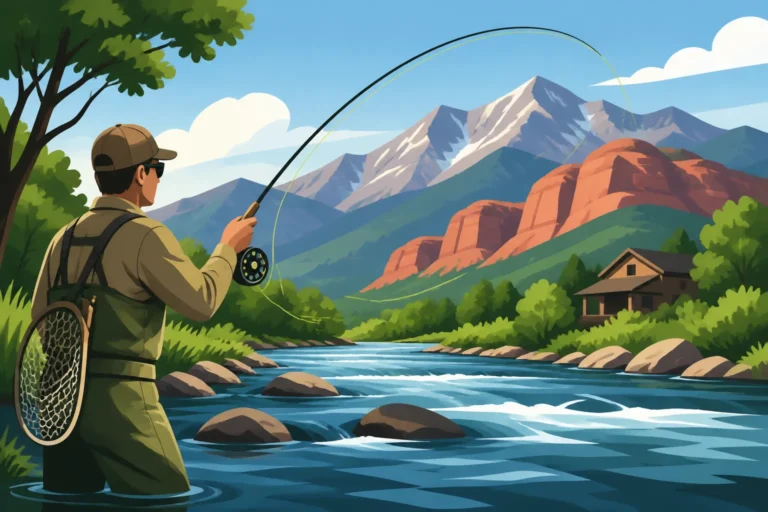
While fly fishing from a boat or wading is common, shore-based fly fishing at Eleven Mile is absolutely possible and can be incredibly rewarding, especially in areas with gradual slopes or accessible points.
- Rods and Reels: A 5 or 6-weight fly rod, 9 feet in length, with a matching reel and weight-forward floating line, is a good all-around setup. If you plan to throw larger streamers or fish in windy conditions, a 7-weight might be more appropriate.
- Fly Selection:
- Nymphs: When fish are feeding sub-surface, patterns like Hare's Ears, Pheasant Tails, Prince Nymphs, and Caddis Larvae are deadly. Fish them under an indicator with some split shot to get them down to depth.
- Streamers: Woolly Buggers (black, olive, brown), Zonkers, and small articulated streamers can imitate baitfish and attract larger, aggressive trout. Strip them slowly or erratically, depending on fish activity.
- Dry Flies: While less common for consistent shore success on such a large reservoir, during specific hatches (like midges or callibaetis), trout may feed on the surface. Having some Adams, Parachute Adams, or Griffith's Gnats on hand can be fun for opportunistic rises.
- Techniques: Long casts are key from shore. Focus on areas where currents might converge or where structure provides cover. A retrieve that varies in speed and includes pauses can entice strikes. If the water is deep near the bank, a sink-tip line can help get streamers down faster.
General Shoreline Tactics
- Fan Casting: Instead of casting to the same spot repeatedly, fan cast, making casts at different angles to cover a wider area. This increases your chances of encountering actively feeding fish.
- Vary Your Retrieve: Don't just reel in at one speed. Experiment with fast retrieves, slow retrieves, pauses, and twitches until you figure out what the fish are looking for that day.
- Watch for Structure: Look for anything that breaks up the uniform shoreline: submerged rocks, logs, weed lines, drop-offs, or points. These are natural holding areas for fish. Sometimes, simply walking a bit further down the bank can reveal a hidden gem.
- Time of Day: Early morning and late evening often provide the best fishing, especially during warmer months. Fish tend to move closer to shore and feed more actively when the sun isn't directly overhead. This is when you'll find the best conditions for Colorado Fishing Seasons Month by Month
Targeting Eleven Mile's Diverse Fish Species from Shore
Eleven Mile Reservoir is a fantastic mixed-bag fishery, meaning you have the potential to catch several different species right from the bank. Knowing what you're targeting can help refine your gear and technique for maximum success.
Rainbow Trout: The Shore Angler's Staple
Rainbow trout are the most commonly stocked species in Eleven Mile, making them the bread and butter for many shoreline anglers. They are generally eager to bite and can be found throughout the reservoir.
- Where to Find Them: Rainbows love cruising the shallower flats and points, especially in the spring after ice-out and throughout the summer in the early mornings and late evenings. They'll also congregate around inflow areas like Cross Creek and along the more gradual slopes of the shoreline where aquatic insects are plentiful. You'll often find them just about anywhere with accessible bank fishing.
- Best Techniques & Baits: For rainbows, simple bottom rigs with PowerBait (especially garlic-scented varieties), marshmallows, or half a nightcrawler are incredibly effective. A small bobber rig with a worm or a small nymph pattern can also work well. Actively retrieved lures like small Kastmaster spoons (1/8 oz to 1/4 oz) or Roostertail spinners (size #2-3) are also excellent choices, particularly if you're trying to cover more water. Remember to check the Colorado's Daily Rainbow Trout Limit before you head out.
Brown Trout: The Elusive Trophy
While not as numerous as rainbows, Eleven Mile holds some truly magnificent brown trout, often reaching impressive sizes. They're more wary and require a bit more finesse, but the reward is well worth the effort.
- Where to Find Them: Brown trout often prefer structure and cover. Look for rocky points, submerged timber, or drop-offs where they can ambush prey. The fall is prime time for browns as they move into shallower areas to spawn. Areas near river inflows like the South Platte arm and around Wickiup Point can be particularly good during this period.
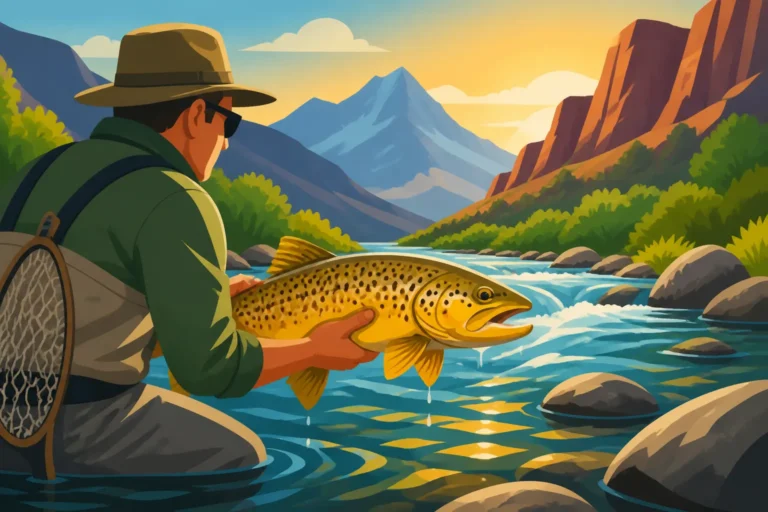
- Best Techniques & Baits: Larger brown trout are predatory, so lures that imitate baitfish are key. Jerkbaits (like Rapala Husky Jerks or Shadow Raps), larger spoons (1/4 oz to 3/8 oz), and minnow-imitating soft plastics fished on jig heads are excellent. Streamer flies (Woolly Buggers, Dace patterns) stripped aggressively can also trigger strikes. If using bait, a live minnow (where legal) or a large nightcrawler can tempt them. Try fishing during low light hours – dawn, dusk, or even into the night – as bigger browns are often more active under the cover of darkness. For more insight into these magnificent fish, check out our guide on Brown Trout in Colorado, Where They're Wild
Kokanee Salmon: A Seasonal Challenge
Kokanee salmon are a landlocked sockeye salmon and offer a unique, seasonal fishing opportunity at Eleven Mile. Catching them from shore can be challenging but not impossible, especially during their fall spawning run.
- Where to Find Them: Kokanee spend most of their lives in the deeper, colder parts of the reservoir. However, in the late summer and fall, they begin to stage and then move into tributary streams to spawn. While most success comes from boats, shoreline anglers can sometimes intercept them in the river arm sections or where the reservoir narrows as they stage.
- Best Techniques & Baits: Trolling is the primary method for kokanee, but from shore, your best bet is to use small, flashy spoons (like Kokanee Killers or Dick Nites) or specialized kokanee jigs. Bright colors like orange, pink, and chartreuse are often effective. Fishing with corn kernels or Gulp! maggots on a small hook under a bobber can also sometimes entice them if they are in an active feeding mode, though this is rare during the spawning run. It's important to understand the Colorado's Kokanee Salmon Limit at Blue Mesa and other regulations for Eleven Mile, as they are often species-specific.
Northern Pike: The Apex Predator
Eleven Mile also boasts a healthy population of Northern Pike, often referred to as "water wolves" for their aggressive nature. Catching a pike from shore can be an exhilarating fight.
- Where to Find Them: Pike are ambush predators and prefer areas with submerged vegetation, weed lines, and structure where they can hide and dart out to strike unsuspecting prey. Look for weedy coves and shallower bays, especially on the western side of the reservoir near Cross Creek.
- Best Techniques & Baits: Large, flashy lures are the ticket for pike. Spinnerbaits, chatterbaits, large spoons (like Daredevils), and big jerkbaits or swimbaits are excellent choices. Using a wire leader is highly recommended, as their razor-sharp teeth will make short work of monofilament or fluorocarbon lines. Cast these lures close to weed beds and retrieve them erratically to simulate a struggling baitfish. For more detailed strategies, consult our guide on Northern Pike Fishing in Colorado
Other Species
While trout and pike are the main draws, you might also encounter Kokanee Salmon Life Cycle in Colorado and even the occasional cutthroat trout. Keeping a diverse tackle box and being adaptable to what the fish are biting on is always a good strategy at Eleven Mile.
Seasonal Considerations for Shoreline Fishing at Eleven Mile
The fishing at Eleven Mile State Park changes dramatically throughout the year. Understanding these seasonal shifts can significantly improve your shoreline fishing success.
Spring: Ice-Out and Rejuvenation
Spring at Eleven Mile is a season of new beginnings for anglers. As the ice recedes, often in March or April, the fishing can be phenomenal, especially from the bank.
- Early Spring (Ice-Out to Mid-May): This is often one of the best times for shore fishing. Water temperatures are cold, but fish, particularly rainbows, become incredibly active after a long winter under the ice. They'll cruise the shallower coves and points, eager to feed on anything they can find. This is also when Colorado Parks and Wildlife (CPW) often conducts their initial stocking efforts, making it a prime time for consistent action.
- Tactics: Focus on bottom fishing with PowerBait or worms on a sliding sinker rig. The fish are often still sluggish, so presenting bait directly to them is effective. Small spoons and spinners can also work well, retrieved slowly. Target north-facing banks or those that receive more sun exposure, as these areas will warm up slightly faster.
- Late Spring (Mid-May to June): As temperatures rise, fish become more active, and insect hatches may begin. However, this period can also bring Colorado's spring runoff, which can make fishing challenging due to high, muddy water in some areas. Eleven Mile, being a reservoir, is less affected by runoff than freestone rivers, but its inflows can still be discolored.
- Tactics: Continue with PowerBait and worms, but also incorporate more active lure fishing. Spoons, spinners, and small jerkbaits will become more effective as fish chase prey. If you see signs of insect activity, try fishing nymphs under an indicator.
Summer: Early Mornings, Late Evenings, and Deeper Water
Summer at Eleven Mile brings warm, sunny days, and while the fishing can still be great, you'll need to adjust your approach for shoreline success.
- Peak Summer (July-August): During the warmest months, trout will seek cooler, deeper water during the heat of the day. This means your prime fishing windows from shore will be early mornings and late evenings, or even after dark.
- Tactics: Focus your efforts during the low-light hours. From the bank, try casting heavier spoons or jigs that can reach deeper drop-offs. Using PowerBait or worms on a long leader to present the bait closer to the bottom can also be effective. If fishing during the day, look for shaded areas or spots where the bank drops off quickly into deeper water. For Northern Pike, target weedy coves during these times. Summer is when you'll truly appreciate the convenience of checking services like FishingBooker for local charter information if you decide to venture onto the open water for deeper fish.
- Water Levels: Always keep an eye on water levels. Lower water levels can expose new shoreline, but also push fish further out. Higher water levels can inundate vegetation, providing new cover for fish.
Fall: Trophy Time and Spawning Runs
Fall is often considered the best season for trophy trout at Eleven Mile, especially for brown trout, as they prepare for their annual spawning run. The cooler temperatures and vibrant scenery make it a truly special time to be on the water.
- Early Fall (September-October): The cooling water temperatures invigorate all species. Brown trout become particularly aggressive, actively feeding before their spawn. Kokanee salmon also begin their impressive color change and move towards their spawning grounds.
- Tactics: This is prime time for throwing larger streamers, jerkbaits, and spoons for brown trout. Focus on rocky points and areas with current, especially near the South Platte River arm. For kokanee, if you can access areas where they are staging near inflows, small jigs or flashy spoons can sometimes provoke a strike, but remember they are focused on spawning, not feeding.
- Late Fall (November): As winter approaches, the water cools significantly, and fish activity may slow down. However, the biggest brown trout are still present and can be caught by persistent anglers.
- Tactics: Slow down your retrieve. Baits like PowerBait and worms can still be effective. Larger spoons and stickbaits worked slowly can still tempt a trophy brown. Look for deep holes or transitions where fish might be congregating before winter sets in.
Winter: Ice Fishing Dominates
While shore fishing is severely limited in winter due to ice cover, Eleven Mile is a premier Colorado ice fishing destination.
- Ice Fishing Season (December-March): Once the ice is safe, the reservoir transforms into an ice fishing paradise. While not strictly "shoreline" fishing, many ice anglers set up relatively close to the banks in accessible bays or coves.
- Tactics: Jigging with small spoons, tube jigs, or Gulp! baits is very effective for trout. Perch and pike can also be targeted through the ice. Always prioritize safety and ensure the ice is thick enough before venturing out. For a detailed guide, refer to Ice Fishing in Colorado, Getting Started.
Here’s a quick overview of seasonal opportunities from the Eleven Mile shoreline:
| Season | Primary Species | Best Baits/Lures | Key Locations (Shoreline) | General Tactics |
|---|---|---|---|---|
| Spring | Rainbow Trout, Brown Trout | PowerBait, Worms, Small Spoons/Spinners | Lazy Boy, Howbert Point, near Dam area | Bottom rigs for lethargic fish; slow retrieve for lures. |
| Summer | Rainbow Trout, Northern Pike | Spoons, Jerkbaits, Worms, PowerBait | Cross Creek, deeper points, shaded areas (early/late) | Target low-light hours; cast to deeper water or weed lines for pike. |
| Fall | Brown Trout, Rainbow Trout, Kokanee Salmon | Larger Spoons, Jerkbaits, Streamers, Worms | Wickiup Point, South Platte arm, rocky structure | Aggressive retrieves for browns; try flashy lures for staging kokanee. |
| Winter | (Limited Shore Access) | (Ice fishing jigs/spoons) | (Ice cover, focus on safety and ice fishing methods) | (Eleven Mile becomes an ice fishing destination, not shore fishing accessible.) |
Rules, Regulations, and Etiquette for Eleven Mile Shore Fishing
Fishing at Eleven Mile State Park, like any other managed fishery in Colorado, comes with a set of rules and unwritten courtesies that ensure a safe, enjoyable, and sustainable experience for everyone.
Understanding Colorado Parks and Wildlife Regulations
Before you even make your first cast, make sure you're properly licensed and understand the specific regulations for Eleven Mile.
- Fishing License: Every angler 16 years and older needs a valid Colorado Fishing License Guide for Residents and Nonresidents. This is non-negotiable. You can purchase these online through the CPW website, at authorized retailers, or sometimes even at the park entrance.
- Habitat Stamp: Most anglers between the ages of 18 and 64 also need to purchase a Habitat Stamp in addition to their fishing license. This stamp supports vital wildlife habitat conservation projects across the state. It's a small fee that goes a long way. For more details, see Colorado's Habitat Stamp, Explained.
- Eleven Mile Specific Regulations: Eleven Mile Reservoir has specific regulations that deviate from general statewide rules, particularly concerning bag and possession limits for various species. These are often listed in the annual Colorado Fishing Regulations brochure provided by CPW or on their website. It's crucial to check this annually, as rules can change. For example, there are often specific size limits on trout and sometimes mandatory kill limits for certain invasive species like Northern Pike in some areas. Our article on Colorado Fishing Regulations Every Angler Should Know provides a great overview.
- Second Rod Stamp: If you plan on fishing with more than one rod from the shore, you'll need a Colorado's Second-Rod Stamp and Who Needs One in addition to your regular license. This allows you to deploy up to three lines simultaneously, which can be a great advantage for shore anglers, especially when bait fishing.
- Prohibited Baits: Always double-check bait restrictions. While live minnows are generally prohibited statewide to prevent the spread of aquatic invasive species, certain artificial baits or worms are usually acceptable. Never use anything that's not explicitly allowed.
- Gold Medal Water Rules: As Gold Medal Water, Eleven Mile may have specific regulations regarding flies, lures, or catch-and-release practices in certain areas or during specific seasons. Always read the signage at access points and consult the CPW brochure for the most up-to-date information.
Eleven Mile State Park Pass Requirements
Beyond your fishing license, you'll also need a valid Colorado State Parks Pass to enter and park at Eleven Mile State Park.
- Daily or Annual Pass: You can purchase a daily pass at the park entrance or through self-service stations, or if you plan on visiting Colorado State Parks frequently, an annual pass is often more economical. This fee directly supports the maintenance of the park's facilities, roads, and trails.
- Parking: Make sure your vehicle is parked in designated areas to avoid fines or towing.
Etiquette and Leave No Trace Principles
Being a responsible angler means more than just following the rules; it's about respecting the environment and other users.
- Leave No Trace: This is paramount. Pack out everything you pack in, including all trash, discarded fishing line, and bait containers. Don't leave any litter behind, no matter how small. Dispose of fish waste properly, away from popular areas.
- Respect Other Anglers: Eleven Mile can get busy, especially on weekends and during prime seasons. Maintain a respectful distance from other anglers. Don't cast over their lines or crowd into their spot. If you're walking along the shore, try not to disturb someone who is actively fishing.
- Wildlife Viewing: Eleven Mile is home to abundant wildlife, including eagles, deer, and coyotes. Enjoy these encounters from a distance and avoid disturbing them.
- Catch and Release Best Practices: If you're practicing catch and release, handle fish gently with wet hands, minimize their time out of water, and revive them properly before release. Consider using barbless hooks, which make release easier and less stressful for the fish. For those considering keeping fish, always be aware of How Many Trout You Can Keep Per Day in Colorado.
By adhering to these regulations and principles, you contribute to the continued health of Eleven Mile's fishery and ensure that everyone can enjoy its beautiful shorelines for generations to come.
Disclaimer
Please note that fishing regulations and conditions can change. Always consult the most current Colorado Parks and Wildlife regulations brochure or website before heading out on your trip to Eleven Mile State Park. This guide is for informational purposes only and does not constitute legal advice.