Fishing Twin Lakes Near Leadville for Trophy Cutthroat
It's incredibly frustrating to spend a beautiful day on the water, only to come home without a single fish, especially when you're dreaming of landing a truly magnificent trophy. Many anglers eye Colorado's stunning high-country lakes with anticipation, but navigating the nuances of these unique environments to find big fish can feel overwhelming. This comprehensive guide is designed to cut through that confusion, providing you with the in-depth knowledge and practical strategies needed to successfully fish Twin Lakes near Leadville for those elusive, impressive cutthroat trout.
Understanding Twin Lakes: A High-Altitude Gem
Twin Lakes, nestled in the shadow of Colorado's highest peaks, Mount Elbert and Mount Massive, isn't just a picturesque spot; it's a dynamic fishery shaped by its unique high-altitude environment. Before you even cast a line, understanding the forces that govern this particular body of water will give you a significant advantage in your pursuit of trophy cutthroat. These two large, interconnected glacial lakes, located just south of Leadville, offer a fishing experience unlike many other places in the state, demanding a nuanced approach from any dedicated angler.
The Unique Ecosystem of Twin Lakes
Imagine massive glaciers carving out deep basins, leaving behind a stunning landscape and two distinct, yet connected, bodies of water. That's the origin story of Twin Lakes. These lakes are deep, especially the lower lake, with depths reaching over 100 feet in some areas, providing ample cold-water habitat crucial for trout. The water itself is incredibly clear, a testament to its glacial melt and the sparse development around its shores, which means fish can be more wary and sight-fishing opportunities can be excellent on calm days. The clarity also highlights the importance of presentation and natural-looking baits or flies.
The cold, oxygen-rich waters are fed primarily by snowmelt and streams cascading down from the surrounding Collegiate Peaks Wilderness. This constant influx of fresh, cold water is what allows species like the Colorado River Cutthroat Trout to thrive here. The nutrient levels, while not as high as some lower-elevation reservoirs, are sufficient to support a healthy food chain, from microscopic organisms to larger baitfish and aquatic insects, all contributing to the growth of substantial trout. The sheer size of Twin Lakes, with the Upper and Lower Lakes encompassing thousands of acres, provides vast areas for fish to roam, find sanctuary, and grow to impressive sizes.
Species You'll Encounter Beyond Cutthroat
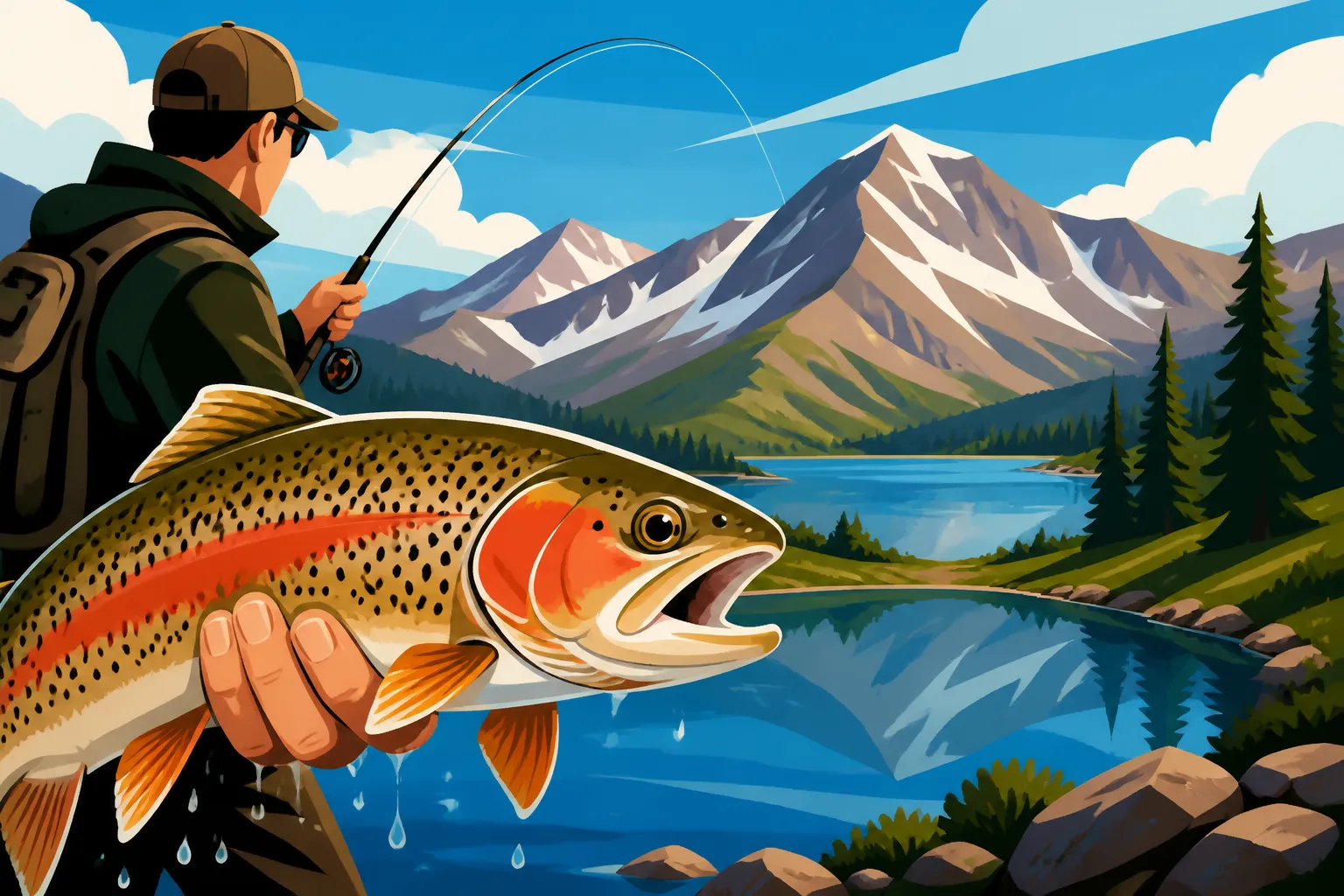
While the quest for a true trophy cutthroat often brings anglers to Twin Lakes, it's important to remember that these waters are home to a diverse array of fish. You'll certainly be focusing on those iconic cutthroat, recognizable by the distinctive red or orange slash under their jaw. The allure of these native trout, especially the larger specimens, is undeniable, and Twin Lakes has a reputation for producing some truly exceptional ones. The primary cutthroat subspecies found here is the Colorado River Cutthroat Trout, a truly special fish that has been the focus of significant conservation efforts in the state. Learning How to Tell a Cutthroat From a Rainbow Trout is a valuable skill here, as regulations can differ.
Beyond the cutthroat, you'll also find healthy populations of rainbow trout, which are regularly stocked by Colorado Parks and Wildlife (CPW). These rainbows provide consistent action and can also reach respectable sizes. Brown trout, known for their predatory nature and often larger size, are also present, offering another exciting target, particularly during the fall spawning season when they become more aggressive. Additionally, keep an eye out for splake, a hybrid cross between brook trout and lake trout, which are stocked in some Colorado waters and can grow quite large. Understanding the full spectrum of fish available in Twin Lakes means you're prepared for whatever bites, and can adapt your tactics accordingly. For a deeper dive into the region's fish, refer to Colorado's Trout Species, A Field Guide.
Targeting Trophy Cutthroat: Tactics and Techniques
The pursuit of a trophy cutthroat at Twin Lakes isn't just about luck; it's about understanding the fish's behavior, knowing when and where to find them, and presenting your offering effectively. These are smart, often wary fish, and consistently landing large ones requires thoughtful strategy and patience. Whether you prefer fly fishing or spin fishing, tailoring your approach to the unique conditions of Twin Lakes is key.
Best Seasons for Trophy Cutthroat
The seasonal cycles at Twin Lakes play a massive role in where and how cutthroat feed, and therefore, how you should approach your fishing.
-
Spring and Early Summer: The Ice-Out Frenzy
As the ice melts, usually around late April to early May, the lake comes alive. The water, still very cold, begins to warm slightly in the shallows, stimulating invertebrate activity and drawing fish out of their deeper winter haunts. This "ice-out" period is often one of the best times to target large cutthroat. They are hungry after a long winter and will often cruise the shorelines, inlets, and newly thawed areas in search of food. Fly anglers might find success with large streamers that imitate baitfish or leeches, while spin fishers can cast spoons or jerkbaits designed to cover water and mimic wounded prey. This is when cutthroat are often most accessible from shore or shallow-water boats. Pay close attention to areas where snowmelt streams enter the lake, as these can carry nutrients and insects, attracting hungry trout. -
Summer: Deep Water and Evening Rises
As summer progresses and surface temperatures rise, trophy cutthroat typically move to deeper, cooler water. They'll often be found near the thermocline – the layer of water where temperature changes rapidly – seeking comfort and consistent oxygen levels. This is when boat fishing becomes extremely effective. Trolling with downriggers or lead-core line at specific depths, using spoons, dodgers, and flies or bait, can be incredibly productive. Focus on deep drop-offs, submerged structures, and the main lake basin. However, don't discount the possibility of an evening dry fly bite near shore or around inlets, especially if there's an insect hatch. Late summer can also bring out terrestrial insects like grasshoppers, making foam hoppers an option near grassy banks. When targeting specific depths, techniques covered in Trolling Techniques for Colorado Reservoirs can be very useful. -
Fall: Spawning Runs and Aggressive Feeding
Fall is arguably the most exciting time for trophy cutthroat at Twin Lakes. As water temperatures begin to drop, cutthroat become incredibly active, putting on weight before winter. More importantly, this is the season when many cutthroat, particularly the larger ones, begin their spawning runs. They move into shallower areas, inlets, and the connecting channel between the Upper and Lower Lakes. During this time, they become more aggressive and territorial, making them susceptible to streamers, large nymphs, and even egg patterns. This is a prime time for sight fishing, as you can often spot large fish moving in clear, shallow water. However, it's crucial to exercise extreme caution and ethical angling practices during spawning periods to avoid disturbing the fish or damaging redds (spawning beds). Check local regulations for any specific closures or restrictions during these sensitive times. For more information on what changes during this season, read Fall Fishing in Colorado, What Changes.
Recommended Gear and Tackle
Having the right tools for the job is essential, especially when dealing with potentially large, strong fish in a big lake environment. Both fly fishing and spin fishing have their advantages at Twin Lakes, and a versatile setup for either can greatly improve your chances.
-
Fly Fishing Setup
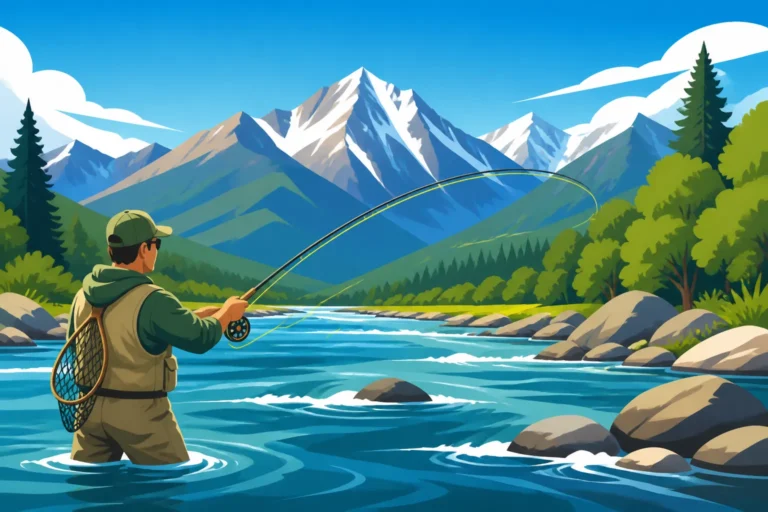
For fly fishing, a 6 to 8-weight fly rod, typically 9 to 10 feet long, provides the backbone needed to cast larger flies and handle big fish. A reliable reel with a smooth drag and ample backing is non-negotiable. Line choice depends heavily on your chosen technique:- Full-sink lines are paramount for getting streamers and large nymphs down to depth quickly when fish are holding deep, especially from a boat or during colder months.
- Intermediate lines are versatile for shallower trolling or casting near drop-offs.
- Weight-forward floating lines are standard for presenting dries or dry-dropper rigs in shallower areas or during hatches.
- Your leader and tippet should be robust enough to handle powerful takes but fine enough for clear water – 3X to 0X fluorocarbon tippet is often a good starting point.
- Fly Patterns: Streamers are king for trophy cutthroat. Think about patterns like Sculpzillas, Sex Dungeons, Woolly Buggers (black, olive, brown), and Clouser Minnows in sizes #2-8. Large nymphs such as Pat's Rubber Legs, Copper Johns, Prince Nymphs, and Hare's Ears in sizes #8-14 are also effective, especially under an indicator or as droppers. For surface activity, consider large terrestrials like foam hoppers or caddis patterns. If you notice specific hatches, matching them is vital; for instance, understanding Fly Selection for Colorado's Stonefly Hatch can be a game-changer.
-
Spin Fishing Setup
For spin fishing, a medium to medium-heavy spinning rod (6'6" to 7'6") paired with a reliable spinning reel spooled with 8-12 lb monofilament or fluorocarbon, or 15-20 lb braided line with a fluorocarbon leader, is ideal.- Lures: Spoons like Kastmasters, Daredevils, and Krocodiles in silver, gold, or combination colors are excellent for casting long distances and imitating baitfish. Spinners such as Mepps or Panther Martins can also be effective. For deeper water or imitating larger prey, jerkbaits and crankbaits that dive to various depths can trigger aggressive strikes.
- Bait Fishing: While fly and lure fishing often target larger, more active cutthroat, bait can also be highly effective. PowerBait, Gulp! trout baits, worms, or salmon eggs fished on a slip sinker rig near the bottom can entice sluggish fish. Always check current Colorado fishing regulations for bait restrictions at Twin Lakes before using any live or natural bait, as rules can change and vary by water.
Reading the Water and Locating Fish
Twin Lakes is vast, so effectively reading the water to locate fish, especially trophy cutthroat, is paramount. You can't just cast blindly and expect success.
- Focus on Structure: Like most predatory fish, large cutthroat relate strongly to structure. Look for sharp drop-offs where shallow water suddenly plunges into deeper troughs. These transition zones are prime ambush points. Submerged timber, rock piles, and underwater humps provide cover and hold baitfish. Use a fish finder if you have a boat to map out these features.
- Inlets and Outlets: Areas where streams flow into or out of the lakes are natural magnets for trout. These spots bring in fresh oxygen, nutrients, and aquatic insects, creating feeding lanes. They are particularly active during spring run-off and fall spawning migrations.
- Shoreline vs. Boat Fishing: While shore access can be productive, especially during ice-out and fall, a boat or float tube significantly increases your access to prime cutthroat habitat. With a boat, you can cover more water, target specific depths, and reach structure that's inaccessible from the bank. However, don't discount accessible points near campgrounds or public access areas that offer quick drop-offs or submerged structure close to shore.
- Seasonal Movements: Remember how fish move seasonally. In early spring, they're often shallow. In summer, they retreat to deeper, cooler water. In fall, they might push into shallower spawning areas. Adjust your target zones based on the time of year. Learning Reading Water on a Colorado Freestone River can help, even on stillwater, to identify promising contours and currents.
Accessing and Navigating Twin Lakes
Getting to Twin Lakes and knowing how to navigate its waters responsibly is crucial for a successful and enjoyable fishing trip. While the beauty of the area is undeniable, being prepared for its specific access points and safety considerations is key. This is a high-altitude destination, so planning is essential.
Public Access Points and Boat Ramps
Twin Lakes offers several well-marked public access points, making it relatively easy for anglers to get on the water. The main access is typically along Highway 82, just west of Leadville.
- Twin Lakes Village: This area provides good access to both the upper and lower lakes, with some shoreline fishing opportunities and camping. You'll find boat ramps here, making it a popular starting point for those with larger vessels.
- Dexter Point Recreation Area: Located on the Lower Twin Lake, Dexter Point offers excellent boat ramp facilities and additional shoreline access, as well as camping options. It’s a fantastic spot to launch and explore the deeper parts of the lake.
- Forest Service Campgrounds: Several U.S. Forest Service campgrounds dot the shoreline, such as White Star and Interlaken, offering additional access for campers and day-use anglers. These spots often provide quieter, more secluded shoreline fishing opportunities.
- Interlaken Trail: For those who enjoy a hike, the Interlaken Historic Resort trail provides access to some beautiful, remote shoreline sections, particularly between the two lakes. However, this is a longer walk and less suitable for carrying heavy gear.
It’s always a good idea to consult a current map of the area from the US Forest Service or CPW to pinpoint the best access points for your chosen fishing style.
Boating and Kayaking Considerations
Twin Lakes is a large body of water, and while it's fantastic for boating, it demands respect.
- Boat Ramps: The primary boat ramps at Twin Lakes Village and Dexter Point are well-maintained, but they can get busy, especially on summer weekends. Plan to arrive early to avoid crowds. There's generally ample parking for trucks and trailers.
- Speed Limits: Be aware of any posted speed limits, especially in designated no-wake zones near boat ramps, campgrounds, and between the two lakes. The channel connecting the Upper and Lower Twin Lakes often has specific navigation rules.
- Safety on Open Water: The sheer size of Twin Lakes means conditions can change rapidly. Sudden winds can whip up significant waves, making navigation challenging and potentially dangerous for smaller craft. Always check the weather forecast before heading out. Life jackets are mandatory for all occupants, and it's advisable to carry all required safety gear, including a whistle, throwable floatation device, and a fully charged cell phone.
- Kayaks and Paddleboards: These smaller craft are excellent for accessing quieter coves and shallower areas that larger boats might avoid. They offer a unique perspective and can be very effective for stealthily approaching fish. However, be acutely aware of weather and wind, as a strong gust can quickly push you far from shore. Wearing a wetsuit or drysuit is recommended in colder water, even in summer, due to the risk of hypothermia from capsizing.
Important Regulations and Safety
Before you even think about dropping a line, it's absolutely critical to be familiar with Colorado's fishing regulations. Not only is it the law, but it's essential for responsible conservation.
- Colorado Fishing License: Everyone 16 years and older needs a valid Colorado Fishing License Guide for Residents and Nonresidents. Be sure to purchase yours before you arrive. You can often buy them online, by phone, or at various vendors like Walmart or sporting goods stores. Make sure you also understand if you need a Colorado's Habitat Stamp, Explained.
- Specific Twin Lakes Regulations: Twin Lakes is part of the larger state-wide regulations, but specific waters can have their own unique rules. For cutthroat, there might be specific length limits (e.g., minimum or maximum size) or reduced bag limits to protect the native populations. For instance, the general trout possession limit is often 4 fish, but always double-check the current CPW fishing brochure for Lake County to confirm any special restrictions for Twin Lakes, especially for cutthroat trout. These regulations are designed to protect and enhance the trophy cutthroat fishery. The Colorado Bag and Possession Limits by Species can vary.
- High-Altitude Safety: Twin Lakes is at an elevation of over 9,000 feet. This means the sun is more intense, and weather can change dramatically.
- Sun Protection: Wear sunscreen, a wide-brimmed hat, and polarized sunglasses to protect your eyes and skin.
- Hydration: Drink plenty of water, even if you don't feel thirsty, to prevent dehydration and altitude sickness.
- Weather: Afternoon thunderstorms are common in the mountains, bringing lightning, heavy rain, and sometimes hail. Keep an eye on the sky and be prepared to seek shelter quickly. Dress in layers, as temperatures can swing wildly throughout the day.
- Cold Water: The water in Twin Lakes is always cold, even in summer. If you're wading or in a small craft, be aware of the risks of hypothermia if you accidentally fall in.
Always carry your fishing license with you and be prepared to show it to a Colorado Parks and Wildlife officer if requested.
Beyond the Catch: Conservation and Local Information
Successfully catching a trophy cutthroat at Twin Lakes is certainly a memorable experience, but being a responsible angler extends far beyond just landing the fish. It involves understanding the importance of conservation, particularly with native species, and knowing how to interact with the local community and resources.
Practicing Responsible Catch and Release
For trophy cutthroat at Twin Lakes, catch and release is not just a good idea; it's often a crucial practice for maintaining and enhancing this special fishery. Large, mature fish are the backbone of a healthy population, providing genetics for future generations.
- Minimize Fight Time: When you hook a large fish, try to land it as quickly as possible to reduce stress and exhaustion. Prolonged fights can deplete a fish's energy, making it less likely to survive after release.
- Use Proper Tools: A good, rubberized landing net is indispensable. These nets are much gentler on a fish's slime coat, fins, and scales compared to traditional nylon nets, preventing injury and disease. A pair of forceps or a de-hooker is also vital for quickly and safely removing hooks, especially if the fish has swallowed the bait or lure.
- Handle with Care: Always wet your hands before touching a fish. Dry hands can remove the protective slime coat, leaving the fish vulnerable to infection. Avoid squeezing the fish, especially around its belly or gills. Support its weight horizontally.
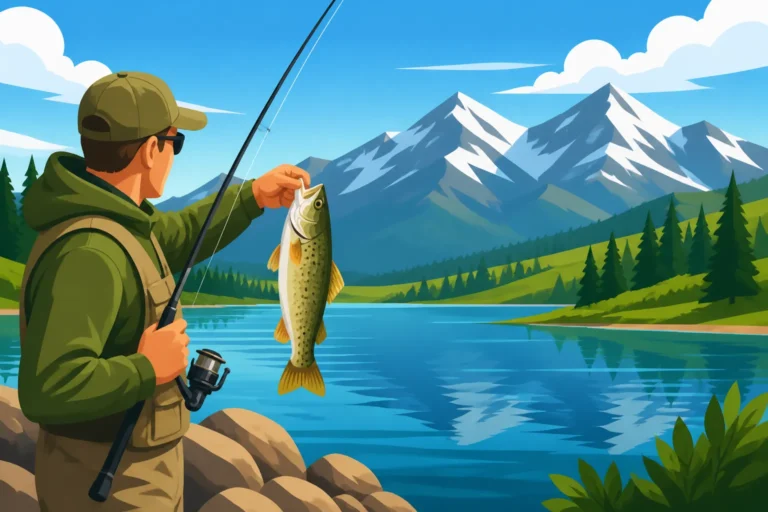
- Keep Fish in Water: The less time a fish spends out of the water, the better its chances of survival. Try to unhook the fish while it's still in the net or partially submerged. If you want a photo, be quick, keep the fish low over the water, and return it gently.
- Revival: If a fish seems sluggish, hold it gently upright in the water, facing into a mild current if possible, and allow water to flow over its gills until it regains its strength and swims away on its own. Never throw a fish back into the water.
By adhering to these practices, you play an active role in ensuring that future generations of anglers can also experience the thrill of fishing for trophy cutthroat at Twin Lakes.
Local Resources and Nearby Attractions
Twin Lakes is more than just a fishing destination; it's part of a vibrant mountain community with resources that can enhance your trip.
- Leadville, Colorado: Just a short drive from Twin Lakes, Leadville is a historic mining town with a unique charm. Here, you'll find accommodations, restaurants, grocery stores, and essential services. It’s also a great base camp for exploring the surrounding high country.
- Fly Shops and Sporting Goods: While not directly in Twin Lakes Village, nearby towns like Leadville or even Buena Vista (a bit further south) might have small sporting goods stores or fly shops where you can get up-to-date local advice, purchase flies or lures, and pick up any forgotten gear. Local shops are invaluable for their current conditions reports and hot tips.
- FishingBooker: If you're looking for a guided experience to maximize your chances, or simply prefer to leave the planning to a professional, platforms like FishingBooker can help you find local guides and charters that operate on Twin Lakes or nearby waters. They offer a convenient way to compare options and book trips, whether you're interested in a full-day guided fly fishing excursion or a specialized trolling trip for lake trout. You might even find guides who specifically target the large cutthroat that Twin Lakes is known for.
- Other Nearby Fishing: The Arkansas River, a renowned Gold Medal Water, flows just a short distance from Twin Lakes. If you're looking to diversify your trip, exploring sections of the Arkansas for brown and rainbow trout can be an excellent option. Check out Fishing the Arkansas River Near Buena Vista or Fishing the Arkansas River Near Salida for more ideas. Additionally, there are numerous other high-country lakes and streams in the surrounding San Isabel National Forest offering diverse fishing opportunities for various trout species.
For those planning an extended stay, Twin Lakes is surrounded by incredible hiking trails, mountain biking opportunities, and stunning scenic drives. Take some time to explore the breathtaking wilderness beyond the water.
Here's a quick comparison of fly fishing and spin fishing for cutthroat at Twin Lakes:
| Feature | Fly Fishing | Spin Fishing |
|---|---|---|
| Pros | Precise presentation, mimics natural prey, deeply rewarding. | Easy for beginners, covers water quickly, effective with various lures. |
| Cons | Higher learning curve, can be less effective in deep water. | Can spook wary fish, less natural presentation. |
| Ideal Conditions | Shallow areas, inlets, during hatches, sight fishing. | Deeper water, trolling, windier conditions, covering large areas. |
| Primary Target | Active, feeding cutthroat, especially near structure. | All trout, including larger, deeper-holding cutthroat. |
| Key Lures/Flies | Streamers, large nymphs, terrestrials, egg patterns. | Spoons, spinners, jerkbaits, PowerBait. |
| Best Seasons | Spring (ice-out), Fall (spawning runs), Summer (evenings). | Spring (ice-out), Summer (trolling), Fall. |
Disclaimer
The information provided in this guide is for general informational purposes only and is not intended as legal advice regarding fishing regulations. Regulations, including license requirements, bag limits, and methods of take, are subject to change at any time by Colorado Parks and Wildlife (CPW). It is the sole responsibility of every angler to consult the most current official CPW fishing regulations brochure or visit the CPW website before engaging in any fishing activity. Failure to comply with current regulations can result in fines and penalties. Always prioritize safety and ethical angling practices.