Fishing Green Mountain Reservoir Near Silverthorne
There's nothing quite like the crisp mountain air and the promise of a big catch, but let's be honest, finding that perfect fishing spot that lives up to the hype can be a real challenge. You've probably heard whispers about Green Mountain Reservoir, nestled near Silverthorne, but figuring out where to go, what to use, and when to be there can feel like cracking a secret code. This guide is here to demystify Green Mountain Reservoir, offering you a complete rundown so you can spend less time guessing and more time reeling in Colorado's finest.
Unpacking Green Mountain Reservoir: A Comprehensive Overview
Green Mountain Reservoir, a jewel in Summit County, Colorado, often flies under the radar compared to some of the state's more famous waters, but that's precisely part of its charm. Located just north of Silverthorne, this expansive body of water is a critical component of the Colorado-Big Thompson Project, which funnels water across the Continental Divide to the thirsty Front Range. While its primary purpose is water storage, for anglers, it represents a fantastic cold-water fishery with a diverse ecosystem.
The reservoir itself is quite large, spanning over 2,100 surface acres at full capacity, with a maximum depth that can exceed 250 feet. This size and depth create a varied habitat, from shallow coves and rocky points to deep channels and submerged structures, all offering unique opportunities for different species and fishing techniques. The surrounding landscape is classic Colorado high country: pine and aspen forests leading up to rugged mountain peaks, making for a picturesque backdrop to any fishing adventure. However, don't let the beauty fool you; Green Mountain can be a challenging mistress, especially when the notorious Colorado winds decide to kick up. Understanding its geography and the factors influencing its waters is your first step to success.
Understanding the Reservoir's Unique Features and Location
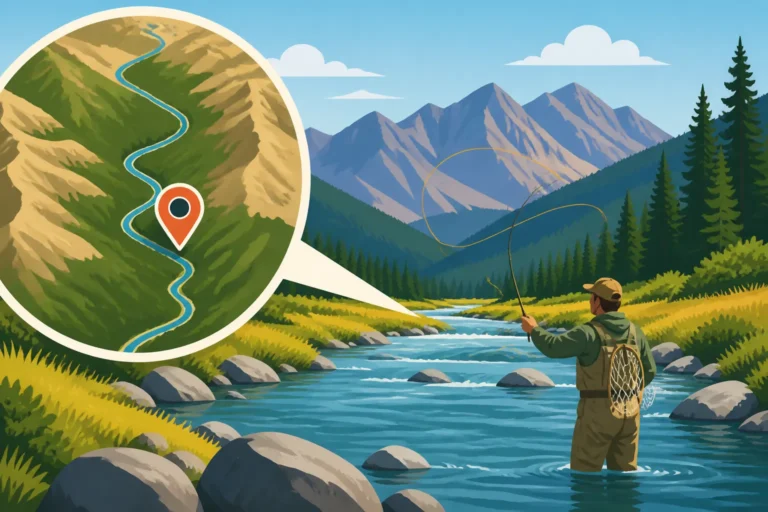
Green Mountain Reservoir is strategically located on the Blue River, a tributary to the mighty Colorado River. Its position means it's fed by cold, nutrient-rich waters from the surrounding mountains, maintaining a consistent cold-water environment ideal for trout and salmon. The elevation here is substantial, sitting at around 7,950 feet, which means the seasons arrive a bit later and depart earlier than in lower elevations. Expect ice-on conditions typically from late November or early December, often lasting well into April or even early May, depending on the year's snowpack.
Access to the reservoir is primarily via Colorado Highway 9, making it relatively easy to reach from both the Denver Metro area (about a 1.5 to 2-hour drive) and other mountain communities. However, the reservoir's size can be deceiving. While there are several public access points, choosing the right one can make a huge difference in your fishing experience. On the east side, you'll find the main boat ramp and campgrounds, including the popular Cow Creek North and South Campgrounds. The west side, while offering more dispersed camping and less formal access, can be a goldmine for anglers seeking solitude away from the busier areas, especially during peak summer months or popular Kokanee salmon runs. Always check the current water levels before heading out, as low water can make some ramps unusable and change the available shore access dramatically.
Common Frustrations and How to Tackle Them
Anglers often face a few common frustrations when fishing Green Mountain Reservoir. The first, as mentioned, is the wind. This high-mountain lake can turn from glass-calm to white-capping chop in a matter of minutes, especially in the afternoons. This makes boat control difficult, casting a challenge, and can even be dangerous for smaller craft. Your best bet is to check the forecast meticulously and aim for early morning or late evening trips when winds are typically calmer. If you're planning a full day, consider bringing appropriate gear for choppy conditions and be ready to adapt your strategy or seek sheltered coves.
Another common complaint is crowding, particularly during the prime summer weekends or the much-anticipated Kokanee salmon snagging season in the fall. Popular access points and boat ramps can get packed, and finding a quiet stretch of water can be tough. To mitigate this, consider fishing on weekdays if your schedule allows, or explore some of the less-trafficked areas on the reservoir's west side. Sometimes, simply walking a little further from the parking area can put you in solitude. Utilizing resources like the Colorado Parks and Wildlife (CPW) Fishing Atlas can help identify less obvious access points. If you're keen on finding a professional to guide you to the best spots, sometimes booking through a service like FishingBooker can provide insights into quieter areas or less common techniques.
Finally, fluctuating water levels can be a real headache. As a working reservoir, its levels are managed for water supply, not just recreation. This means ramps can close, submerged structures become exposed, and fish patterns can change as they adjust to new depths and shorelines. Staying informed is key; check the CPW website or call local bait shops for the most up-to-date conditions before your trip. A little preparation can save you a lot of frustration once you're on the water.
Targeting Fish Species at Green Mountain Reservoir
Green Mountain Reservoir is celebrated for its diverse cold-water fishery, offering anglers a chance to hook into several exciting species. While trout and salmon are the main draws, you might also encounter some less common residents. Knowing what's swimming beneath the surface is crucial for tailoring your approach and maximizing your chances of a successful day.
The Trout Family: Rainbows, Browns, and Splake
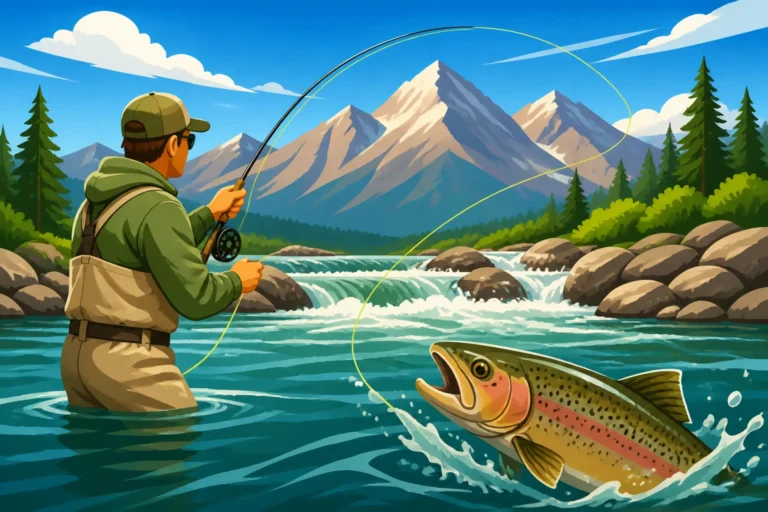
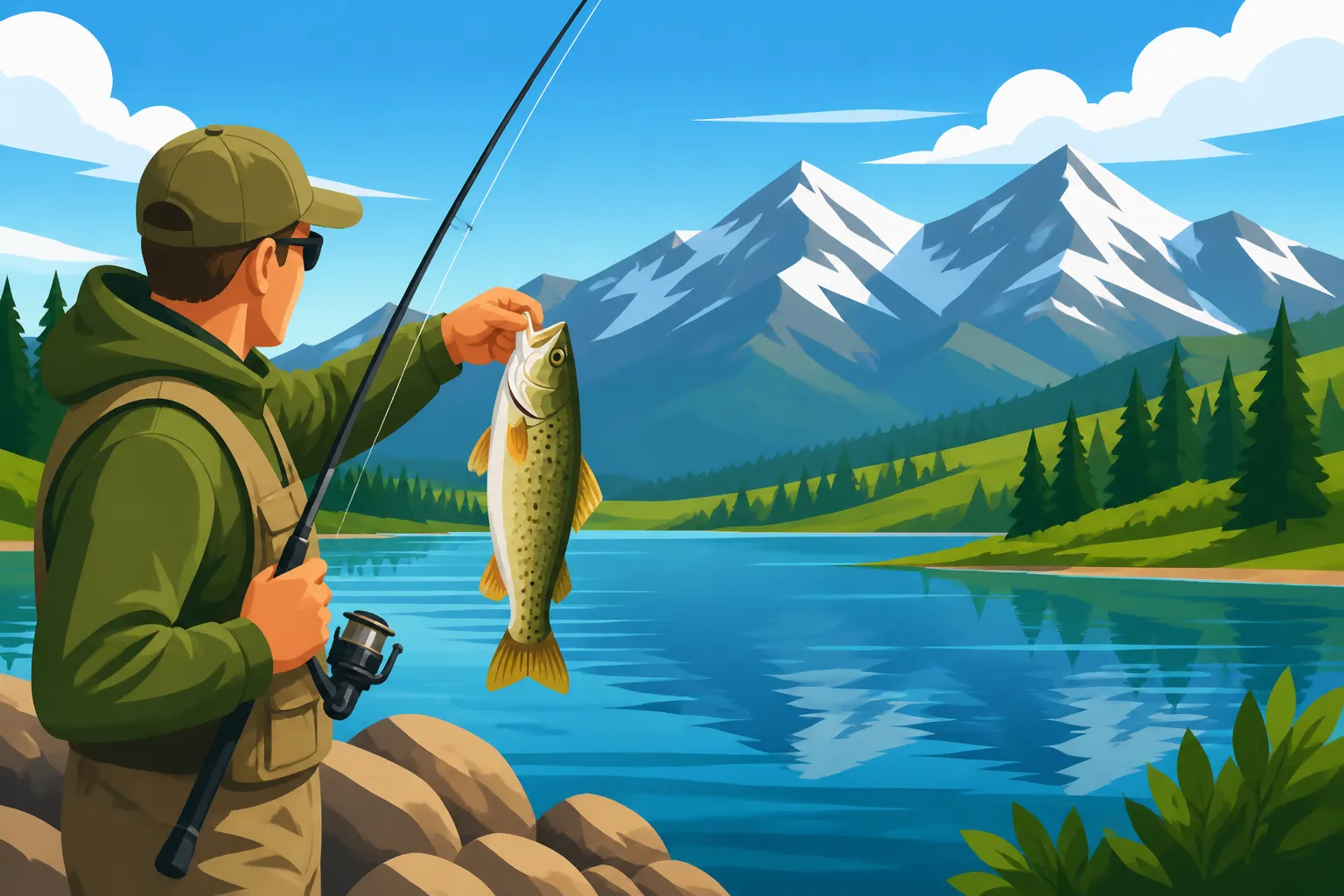
The backbone of Green Mountain's fishery is undoubtedly its trout population. You'll primarily find Rainbow Trout and Brown Trout, which are regularly stocked by CPW and also maintain wild populations in the river systems feeding the reservoir. Rainbows here can grow to impressive sizes, offering a spirited fight, especially when targeted in open water. They're often found cruising shallower areas in spring and fall, and deeper during the warmer summer months.
Brown trout, on the other hand, are typically more elusive and often larger. They thrive in the deeper, cooler parts of the reservoir and are known for their predatory nature. Fall is a prime time to target big browns as they become more active, especially leading up to their spawning season. They're often found around rocky structures, drop-offs, and points where they can ambush baitfish.
A unique hybrid trout you might encounter here is the Splake. This cross between a Brook Trout and a Lake Trout is specifically stocked in certain Colorado waters, including Green Mountain, to add another dimension to the fishery. Splake are known for their aggressive behavior and can grow quite large, making them a thrilling catch. They tend to favor deeper, colder water like their lake trout parent, often found near the bottom or suspended over deep structures. Understanding these distinct characteristics will help you choose the right gear and presentation.
Kokanee Salmon and Arctic Char: A Northern Touch
Green Mountain Reservoir is one of Colorado's premier destinations for Kokanee Salmon. These landlocked Sockeye salmon are highly sought after for their fighting ability and delicious table fare. They are pelagic fish, meaning they typically school in the open water column, feeding on zooplankton. Targeting Kokanee usually involves trolling with downriggers or weighted lines to get your lures to the correct depth, often between 20-60 feet, depending on the season and time of day. The Kokanee population here undergoes a spectacular spawning run in the fall, typically from late September into October, when they turn a brilliant red and move into the shallower tributaries, including the Blue River inlet. This period is when snagging is often permitted, drawing large crowds of anglers.
A less common, but equally exciting, resident in Green Mountain is the Arctic Char. This cold-water species, a relative of trout and salmon, is a unique addition to Colorado's fisheries. They are typically found in the deepest, coldest parts of the reservoir and can be quite challenging to target, often requiring specialized deep-water jigging or trolling techniques. Catching an Arctic Char from Green Mountain is a truly special experience, a testament to the reservoir's deep, cold-water habitat.
The Intruder: Northern Pike
While not a desirable resident, Northern Pike are present in Green Mountain Reservoir. These highly predatory fish are considered invasive in many Colorado waters due to their impact on native trout and salmon populations. In Green Mountain, like many other state waters, there's often a mandatory kill regulation for Northern Pike, meaning any pike caught must be immediately killed and not returned to the water. This is an important regulation to be aware of and follow. Pike can grow very large and offer a powerful fight, often found lurking in weed beds or around submerged timber, waiting to ambush prey. While they can be fun to catch, remember the regulations surrounding them. For anglers looking to specifically target pike, large spoons, swimbaits, and even live bait (where permitted) can be effective.
Essential Techniques and Seasonal Strategies
Fishing Green Mountain Reservoir successfully often comes down to adapting your techniques to the specific species you're targeting and the time of year. Each season brings its own set of challenges and opportunities, and understanding these nuances will significantly boost your catch rates.
Spring: Post-Ice Thaw and Active Fish
As the ice finally retreats from Green Mountain Reservoir, typically in late April or early May, the fishing can be phenomenal. This "ice-out" period is often overlooked but can yield some of the biggest fish of the year. Trout, hungry after a long winter, become very active and will cruise the shallower margins of the reservoir, especially near inlets where fresh water flows in.
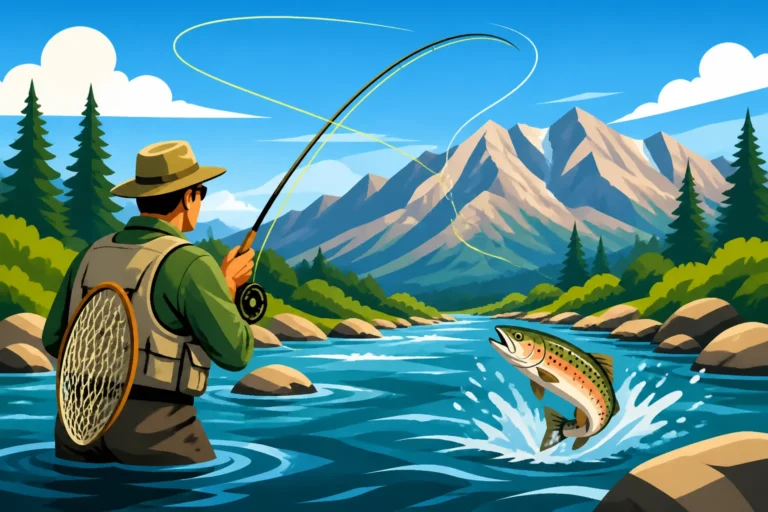
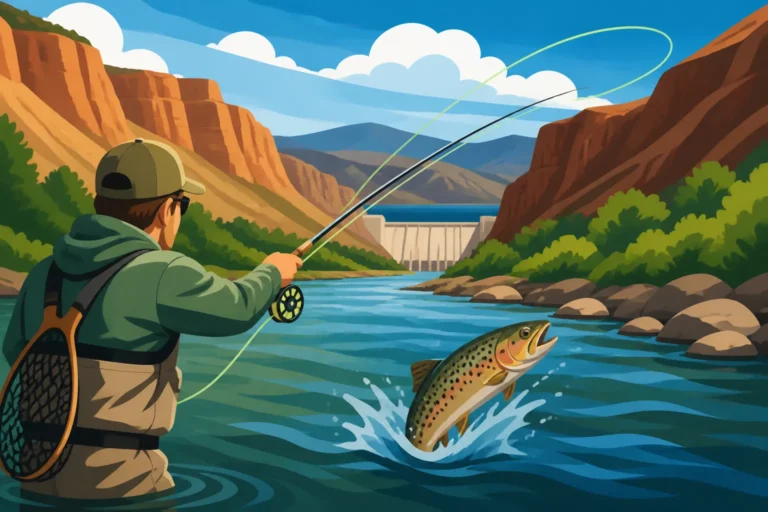
During spring, focus on shore fishing or casting from a boat near the banks, particularly around points and drop-offs. Spin fishermen will find success with spoons (like Kastmasters or Daredevils) and inline spinners (such as Mepps or Panther Martins) in bright colors. Bait fishing with PowerBait or worms rigged under a bobber or on a bottom rig can also be incredibly effective for stocked rainbows. For fly anglers, streamers imitating baitfish or large nymph patterns can be deadly. Look for areas where the sun has warmed the water slightly, as these pockets will attract baitfish and, consequently, hungry trout. The reservoir's inlets, particularly where the Blue River enters, can be hot spots as fish migrate upstream.
Summer: Deeper Waters and Trolling Tactics
Summer at Green Mountain Reservoir means warmer surface temperatures, pushing most trout, salmon, and splake into deeper, cooler waters. This is when boat fishing, particularly trolling, becomes the dominant and most effective technique.
For Kokanee salmon, trolling with small dodgers or flashers paired with hoochies, wedding rings, or small spoons (like Dick Nite or Mack's Lures Cha Cha Squids) is the way to go. You'll need downriggers or lead core line to get your offerings down to the 20-60 foot range where Kokanee typically suspend. Pay attention to your fish finder to locate schools of bait and actively feeding fish. The best depths can vary daily, so experimenting is crucial.
Lake trout and splake also favor the depths during summer. Jigging with heavy spoons, tube jigs, or soft plastics tipped with sucker meat can be highly effective when you mark fish on your sonar. Target submerged structures, deep humps, and the main lake basin. Trolling large spoons or crankbaits that dive deep can also entice these larger predators. Remember, these fish are often lethargic in the deepest, coldest water, so a slow, methodical presentation is key. If you're looking for guidance on specific deep-water tactics, checking out a local guide's insights on platforms like FishingBooker can be very beneficial.
Fall: Spawning Runs and Trophy Hunts
Fall is arguably the most exciting season at Green Mountain Reservoir, especially for those chasing trophy fish or participating in the Kokanee snagging season. As water temperatures drop, fish become more active and aggressive.
The Kokanee salmon spawning run usually begins in late September and peaks in October. During this time, the salmon, now vibrant red, migrate en masse into the Blue River and other tributaries that feed the reservoir. CPW often opens a specific season for snagging Kokanee during this period. It's a unique experience, but be prepared for crowds and ensure you understand all current regulations regarding snagging and bag limits.
For trout, fall means they're putting on weight for winter and, for brown trout, preparing to spawn. This is your best chance at catching a truly large Brown Trout. Focus on casting large streamers or spoons from shore or trolling with bigger crankbaits near rocky points, ledges, and creek mouths. Brown trout become very territorial and aggressive during their spawn, making them more susceptible to aggressive presentations. Rainbows will also be active, responding well to a variety of lures and flies as they feed heavily.
Winter: Ice Fishing Opportunities
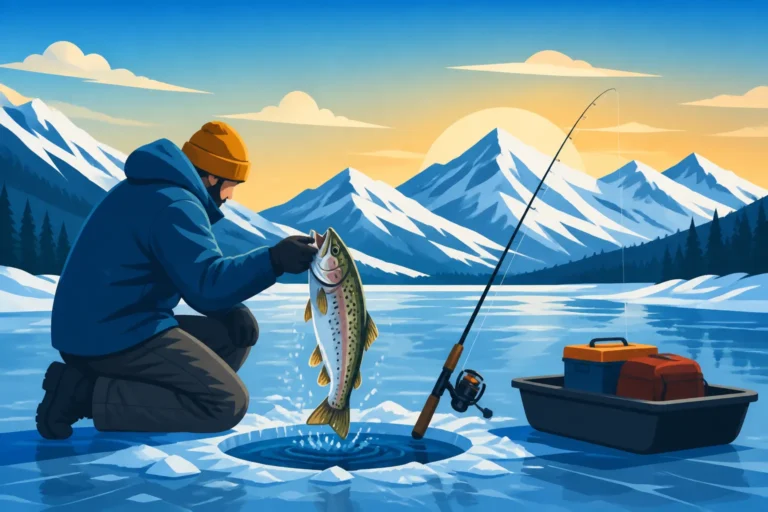
Green Mountain Reservoir freezes over reliably each winter, offering fantastic ice fishing opportunities, typically from December through March or early April. However, always prioritize safety and ensure the ice is thick enough (at least 4 inches for foot traffic, more for vehicles) before venturing out.
Ice fishing at Green Mountain can yield a mixed bag of species. For Kokanee, jigging with small tungsten jigs tipped with wax worms or corn, often enhanced with scents, is popular. Look for schools suspended at various depths using your fish finder. For trout (rainbows, browns, and splake), a combination of dead sticking (fishing a bait motionless on a separate rod) with sucker meat or PowerBait, and actively jigging with spoons or tube jigs, is often effective. Target areas near drop-offs, points, and even the main lake basin. The reservoir's vastness means there's plenty of room to spread out, though popular spots like the area near the dam or inlets will see more traffic. Always be sure to check the specific Colorado Ice Fishing Rules as regulations can vary.
Navigating Access and Amenities for Your Trip
A successful fishing trip to Green Mountain Reservoir isn't just about the fish; it's also about knowing how to get there, where to park, and what facilities are available to make your experience enjoyable and hassle-free.
Public Access Points and Boat Ramps
Green Mountain Reservoir offers several public access points, though their usability can fluctuate with water levels. The most developed access is on the east side of the reservoir, directly off Highway 9.
- Green Mountain Reservoir Public Boat Ramp (East Side): This is the primary launching point for most boaters. It features concrete ramps, ample parking for trailers, and usually a restroom facility. However, during periods of extreme low water, this ramp can become unusable. Always check the current conditions with CPW or local sources before you tow your boat.
- Cow Creek North and South Campgrounds: These popular U.S. Forest Service campgrounds offer direct shore access for anglers and are fantastic options if you plan to stay overnight. While not formal boat ramps, you can hand-launch kayaks, canoes, or float tubes from these areas.
- Elliott Creek Campground: Further north along the east side, Elliott Creek offers more primitive camping and shore access, often less crowded than Cow Creek.
- Heeney Marina: Located on the western side of the reservoir, Heeney Marina offers additional boat launching facilities, boat rentals, and a small store. This is a great option if you're coming from the west or prefer a less busy launch point, though access to the marina itself might require a slightly longer drive on gravel roads. It’s also a good place to ask for local fishing reports.
- Dispersed Camping and Shore Access (West Side): The west side of Green Mountain Reservoir, accessed via various forest service roads (e.g., Spring Creek Road), provides extensive opportunities for dispersed camping and shore fishing. These areas are typically more rugged and less developed, but they offer solitude and unique fishing angles. Just be mindful of private land boundaries and always practice Leave No Trace principles.
When planning your trip, consider what kind of fishing you'll be doing. If you're bringing a large powerboat for trolling, the main public boat ramp or Heeney Marina are your best bets. For smaller craft or shore fishing, the campgrounds and dispersed areas provide excellent options.
Camping and Lodging Options Nearby
If you're planning more than a day trip, camping or finding lodging near Green Mountain Reservoir is essential.
- U.S. Forest Service Campgrounds: As mentioned, Cow Creek North, Cow Creek South, and Elliott Creek Campgrounds offer developed sites with basic amenities like picnic tables, fire rings, and vault toilets. Reservations are often recommended, especially during peak season, through Recreation.gov. These campgrounds are popular, so booking in advance is a smart move.
- Dispersed Camping: For a more rustic experience, dispersed camping is permitted on much of the national forest land surrounding the reservoir. There are no facilities, so you must be self-sufficient and follow all regulations regarding fire restrictions and waste disposal. Remember to camp at least 100 feet from water sources.
- Silverthorne and Kremmling: The nearby towns of Silverthorne (to the south) and Kremmling (to the north) offer a range of lodging options, from hotels and motels to vacation rentals. Silverthorne, being a larger mountain town, has more choices for restaurants, grocery stores, and sporting goods shops. If you're looking for an alternative to camping, these towns provide a comfortable base for your fishing adventures. You might even find some local guides through platforms like FishingBooker who operate out of these towns and can provide tailored experiences.
Essential Gear and Local Resources
Beyond your basic fishing setup, a few items are particularly helpful for Green Mountain Reservoir. Due to the potential for wind, a quality anchor is vital if you're boating, even for smaller craft. Layers of clothing are a must, as mountain weather can change dramatically throughout the day. Sun protection (hat, sunglasses, sunscreen) is also critical due to the high altitude.
A fish finder is almost indispensable for targeting Kokanee salmon, lake trout, and splake in the deeper waters, helping you locate schools and ascertain their depth. For ice fishing, an ice auger (power augers are a huge time-saver here), a fish finder/flasher, and a comfortable ice shelter are highly recommended.
Before you go, it's always wise to check in with local resources. Stores like Cutthroat Anglers in Silverthorne or Kremmling's Big Shooter Coffee & Fly Shop can provide invaluable, up-to-the-minute fishing reports, advise on hot flies or lures, and help with any last-minute gear needs. They are also excellent places to purchase your Colorado fishing license if you haven't already done so. Remember to always carry your valid Colorado Fishing License Guide for Residents and Nonresidents with you, and understand the specific Colorado Fishing Regulations Every Angler Should Know, especially for bag limits and any special regulations pertinent to Green Mountain Reservoir.
Disclaimer
Please be aware that fishing regulations, conditions, and access points can change. Always consult the official Colorado Parks and Wildlife (CPW) website or their most current fishing brochure for the latest rules and information before planning your trip to Green Mountain Reservoir. Practice responsible angling, respect private property, and prioritize safety on the water.