Ice Fishing at Spinney Mountain Reservoir
There's nothing quite like the crisp air and the anticipation of a tug on the line while ice fishing, but figuring out where to go for a truly rewarding experience in Colorado can be a real head-scratcher. Many anglers dream of pulling big, healthy fish from beneath the frozen surface, yet often find themselves on crowded lakes with lackluster results. If you've been wondering if a true trophy ice fishing destination exists that offers both quality fish and stunning scenery, then you've come to the right place. This guide will take a deep dive into everything you need to know about ice fishing Spinney Mountain Reservoir, a jewel of Colorado's high country, ensuring your next winter outing is nothing short of epic.
Why Spinney Mountain Reservoir is an Ice Fishing Paradise
Spinney Mountain Reservoir, often simply called "Spinney" by locals, isn't just another body of water in Colorado. It's legendary, a high-elevation trophy fishery nestled in South Park, renowned for its incredible populations of large trout and kokanee salmon, and increasingly, northern pike. What makes it so special for ice anglers is the sheer size and health of its fish, a direct result of its nutrient-rich waters and excellent management by Colorado Parks and Wildlife. The frustrations of fishing over-pressured, small-fish waters quickly melt away once you've experienced Spinney's potential.
The Trophy Fish That Call Spinney Home
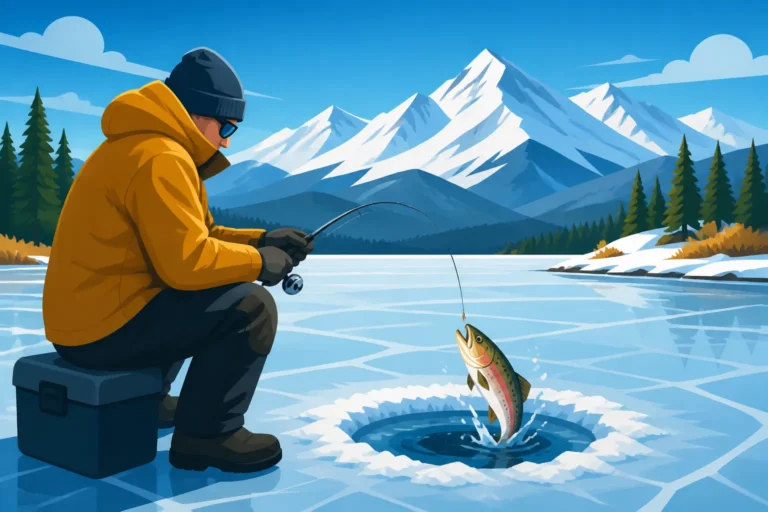
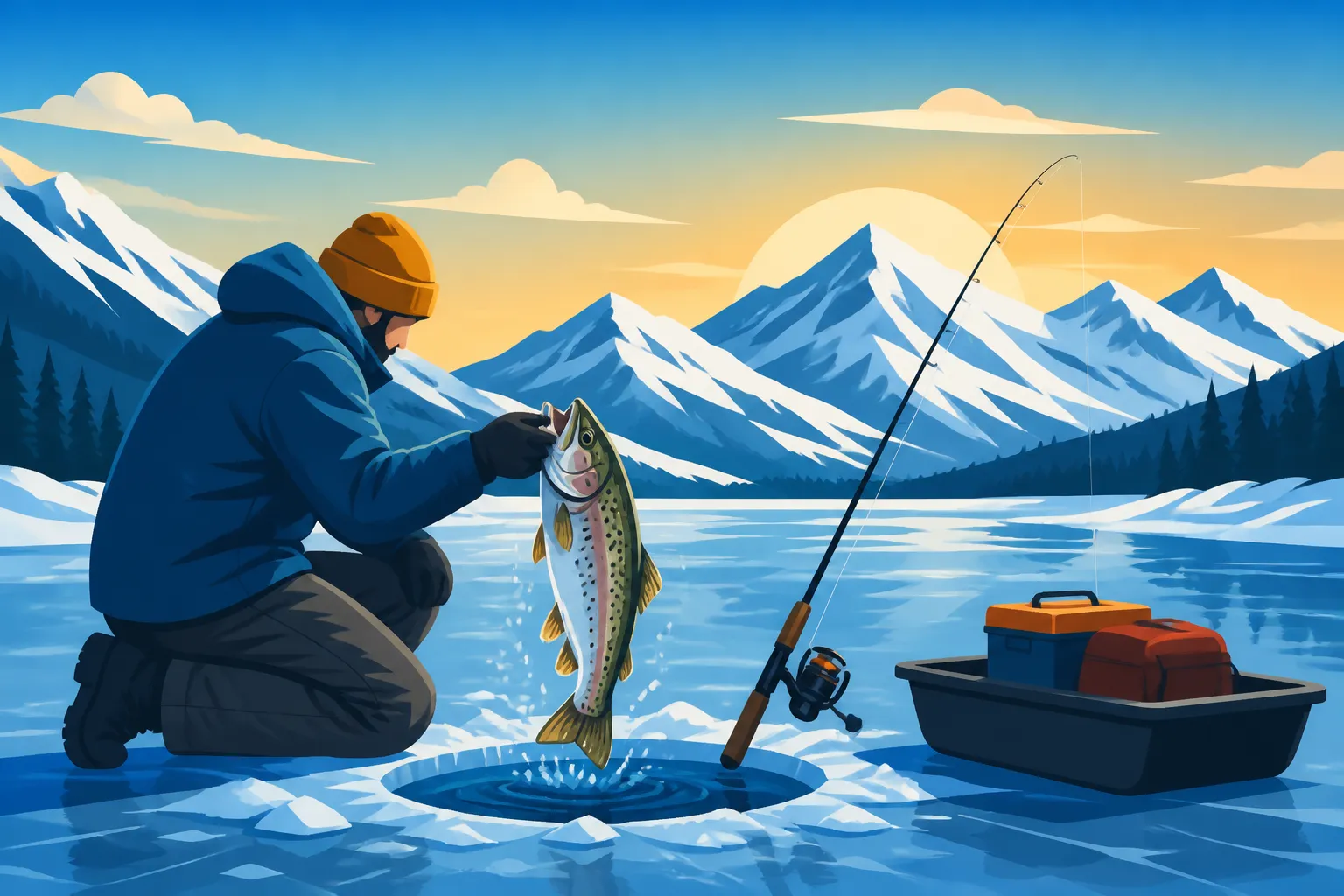
When you drill a hole in Spinney's ice, you're not just hoping for a nibble; you're setting yourself up for a potential battle with a true lunker. The reservoir is primarily known for its incredible rainbow trout, which are routinely caught in the 18-to-24-inch range, with many exceeding that. Imagine the thrill of reeling in a feisty rainbow that could easily be mistaken for a small salmon! Brown trout are also present and grow to impressive sizes, offering a different, often more elusive, challenge.
Beyond trout, Spinney is a fantastic spot for kokanee salmon, especially during certain times of the ice season. These landlocked sockeye salmon are aggressive fighters and provide delicious table fare. While not as universally targeted through the ice as trout, a hot kokanee bite can be an unforgettable experience. However, the species that has truly taken off in Spinney in recent years, drawing a dedicated following of ice anglers, is the northern pike. Colorado Parks and Wildlife actually encourages anglers to keep all pike caught from Spinney, as they are considered an invasive species that preys on the valuable trout and kokanee populations. This means you can keep as many as you want, which is a rare and exciting prospect for pike enthusiasts.
Gold Medal Potential and Specific Regulations
While Spinney Mountain Reservoir itself isn't officially designated as a Gold Medal Water, it fishes like one. The management strategies, coupled with the natural productivity of the reservoir, lead to exceptional fishing conditions that rival many designated Gold Medal stretches. Anglers often find themselves adhering to catch-and-release practices for the larger trout, not because it's required by regulation, but out of respect for the fishery and a desire to preserve its trophy potential.
However, it's absolutely crucial to stay up-to-date on all specific regulations for Spinney Mountain Reservoir, as they can differ significantly from general statewide rules. For instance, the bag limits for trout are typically more restrictive here to protect the trophy fishery, while, as mentioned, pike have no bag or possession limits. Before you even think about heading out, make sure you check the current Colorado Parks and Wildlife fishing regulations brochure. Ignorance of the rules is no excuse, and wardens frequent Spinney, especially during peak ice fishing season, to ensure compliance. You'll also want to understand the broader Colorado Fishing Regulations Every Angler Should Know to ensure you're fully prepared.
Navigating Spinney Mountain Reservoir's Ice Fishing Season
The allure of Spinney's hard water begins when the first safe ice forms and typically lasts until late winter or early spring when ice-out makes it unsafe to venture out. Understanding the nuances of this season – from when to go to what to expect from the ice itself – is paramount for both safety and success. There’s nothing worse than planning a trip only to find the ice too thin or the crowds unbearable.
When the Ice Forms and the Best Times to Go
Spinney Mountain Reservoir usually starts forming safe ice in late November or early December, making it one of the earlier large reservoirs in Colorado to freeze over due to its high elevation. Early ice is often the most productive for aggressive trout and pike, as they haven't seen much pressure and are actively feeding before the full grip of winter sets in. This "first ice" period can be phenomenal, but it also demands extreme caution regarding ice thickness.
As winter progresses into January and February, the ice typically thickens to a safe, walkable, and even drivable depth (where permitted). These mid-winter months offer consistent fishing, though the fish can sometimes be a bit more finicky, requiring a more subtle approach. Many anglers find that weekdays are significantly less crowded than weekends, especially for those seeking solitude. For a truly unique experience, consider targeting northern pike during their pre-spawn period in late winter, as they become incredibly active and aggressive before the ice breaks up.
Ice Conditions, Thickness, and Safety Protocols
Ice safety should always be your number one priority when ice fishing. Spinney is a large body of water, and ice thickness can vary dramatically, even within short distances, due to currents, springs, and sun exposure. The general rule of thumb is at least four inches of clear, solid ice for safe foot travel, but more is always better, especially if you're bringing a snowmobile or ATV (check specific rules about vehicle access first). Remember, ice conditions can change rapidly with weather fluctuations. A warm, sunny day can degrade ice quickly, and strong winds, common in South Park, can cause cracks and pressure ridges.
Always go with a buddy, carry ice picks, and wear a flotation suit or vest. Test the ice as you go, and be wary of discolored ice, slushy spots, or areas near inlets/outlets. While you're learning about the general safety, it's good to reference resources like How Thick Ice Needs to Be Before You Fish It in Colorado to stay informed. Many anglers also check local bait shops in Fairplay or Hartsel for the latest ice reports before heading out. Trust me, a little preparation can prevent a lot of heartache (or hypothermia!).
| Ice Thickness (Solid, Clear Ice) | Activity Recommended |
|---|---|
| Less than 4 inches | AVOID ICE |
| 4 inches | Ice fishing, foot traffic only |
| 5-7 inches | Snowmobile or ATV use (check specific rules first) |
| 8-12 inches | Small car or truck use (check specific rules first) |
| 12-15 inches | Medium truck or utility vehicle (check specific rules) |
Always consult local conditions and regulations before venturing onto the ice. This table provides general guidelines.
Mastering Techniques and Gear for Spinney's Hard Water
Ice fishing at Spinney isn't just about drilling a hole and dropping a line; it's about understanding the specific behaviors of the fish that live there and having the right tools for the job. From tiny jigs to large tip-ups, your approach needs to be tailored to the species you're targeting and the conditions of the day.
Essential Ice Fishing Gear for Spinney
Before you even think about bait, let's talk gear. A good ice auger is non-negotiable – whether it's a hand auger, a propane-powered Eskimo, or a powerful electric unit like a StrikeMaster. Given the potential for thick ice, a powered auger will save you a lot of sweat equity. Next, a comfortable ice fishing shelter is a game-changer, especially on windy days (and Spinney has plenty of those!). A portable hub-style or flip-over shelter from brands like Clam or Otter will make your day infinitely more enjoyable.
For rods, you'll want dedicated ice fishing rods. For trout and kokanee, light to medium-light action rods with sensitive tips are perfect for detecting subtle bites. For northern pike, you'll need much heavier action rods, capable of handling larger lures and powerful runs. Pair these with small spinning reels spooled with quality monofilament or fluorocarbon line, typically 4-6 lb test for trout/kokanee, and 10-20 lb test (or even heavier braided line with a fluorocarbon leader) for pike. Don't forget a good ice scoop to keep your holes clear, a depth finder/flasher (like a Humminbird or Vexilar) to locate fish and structure, and a comfortable bucket or chair. For more general advice on what to pack, checking out a guide on Ice Fishing Gear for Colorado Reservoirs can be super helpful.
Techniques for Trout, Kokanee, and Pike
Each species at Spinney demands a slightly different approach.
For rainbow and brown trout, jigging small spoons, tube jigs, or soft plastics tipped with a mealworm, wax worm, or a piece of Berkley PowerBait is often effective. Experiment with different colors and retrieve speeds. Chartreuse, pink, and white are often good starting points. Sometimes, a stationary dead stick with a small jig or bait just off the bottom can outproduce active jigging. Look for trout cruising flats or near drop-offs.
Kokanee salmon are a different beast. They often suspend in the water column and can be finicky. Small, flashy jigs or spoons tipped with corn or a kernel of Gulp! Maggots are popular. The key with kokanee is often subtle jigging – a slow lift and fall, sometimes almost imperceptible. Pay close attention to your depth finder, as kokanee often move in schools.
For northern pike, think big and aggressive. Large spoons, lipless crankbaits, or even large dead bait (suckers or chub, check regulations for bait restrictions) fished under a tip-up are incredibly effective. Set your tip-ups with a wire leader to prevent bite-offs from their razor-sharp teeth. When fishing actively for pike, use heavy jigs or spoons, and be ready for a fight. These fish hit hard! Remember, you're doing the fishery a favor by removing them, so don't hesitate to target them aggressively. Knowing Colorado's Daily Northern Pike Limit will be easy here since it's unlimited.
Planning Your Trip: Access, Regulations, and Amenities
A successful ice fishing trip to Spinney Mountain Reservoir requires more than just good gear and technique; it demands careful planning around access, understanding permits, and knowing what amenities are available (or not available) in this relatively remote location.
Getting There and Access Points
Spinney Mountain Reservoir is located about an hour west of Colorado Springs, or a couple of hours southwest of Denver, in Park County. The main access point during the ice fishing season is typically off Highway 24, near the dam. This area usually offers good parking. However, specific access points can sometimes change or be restricted due to snow conditions or ice safety, so always check the Colorado Parks and Wildlife website or call the park office directly before you head out.
The reservoir is known for being quite exposed, meaning wind can be a significant factor. Dress in layers, and be prepared for rapidly changing weather conditions. While there are some areas where vehicles might be allowed on the ice once it's thick enough, always verify this information and proceed with extreme caution. Don't be "that guy" who drives a truck onto marginal ice. When looking for similar spots, you might also consider Fishing Eleven Mile Reservoir which is nearby and often fished by the same crowd.
Permits, State Park Passes, and Local Services
Spinney Mountain Reservoir is managed by Colorado Parks and Wildlife and requires a valid Colorado fishing license for anyone aged 16 and older. Make sure to purchase your Colorado Fishing License Guide for Residents and Nonresidents well in advance. Additionally, a Colorado State Parks Pass is typically required for vehicle entry into Spinney Mountain State Park, even in winter. You can often purchase a daily pass on-site, but an annual pass is more economical if you plan multiple visits. It's a small price to pay for access to such incredible fishing.
Amenities around Spinney are fairly limited. There are usually vault toilets available at the main access points, but don't expect lavish facilities. It's best to bring everything you need for the day, including food, water, and extra layers. The nearest towns for supplies are Hartsel and Fairplay, which are small but offer basic gas, convenience stores, and sometimes bait. For more serious tackle or last-minute needs, you might have to drive further to larger towns. If you're looking for an easier way to find a guide or local expertise for your trip, platforms like FishingBooker can sometimes help connect you with local experts who know Spinney inside and out. They can provide insights into current conditions and even offer guided trips.
Respecting the Fishery and the Environment
When you fish Spinney, you become a steward of this exceptional resource. This means practicing ethical angling, especially for the larger trout. Handle fish gently, minimize their time out of the water, and use barbless hooks to ensure a high survival rate for released fish. Remember, while pike have no bag limit, other species like trout and kokanee do, and respecting these limits is vital for maintaining the fishery's health.
Always pack out everything you pack in. This includes all trash, broken line, and any waste. The pristine beauty of Spinney Mountain Reservoir is part of its charm, and keeping it clean ensures that future generations of anglers can enjoy it just as much. Leave no trace, and consider joining conservation efforts to protect these precious high-country waters. If you're planning a trip and want to maximize your chances, using resources like FishingBooker can sometimes offer insights into local guides who are not only skilled anglers but also passionate advocates for the environment, ensuring your trip is both successful and responsible.
Disclaimer
Please note that fishing regulations, ice conditions, and access policies can change frequently. Always consult the most current Colorado Parks and Wildlife regulations brochure and check local conditions before planning and embarking on any ice fishing trip to Spinney Mountain Reservoir. Safety should always be your top priority.