Fishing the Arkansas River Near Buena Vista
It's no secret that the Arkansas River holds some incredible fishing opportunities, but for many, the sheer length and varied character of the river, especially around a vibrant town like Buena Vista, can feel overwhelming. You might be wondering where to start, what techniques truly work, or how to navigate the busy sections. This comprehensive guide is designed to cut through that confusion, helping you unlock the prime fishing spots and strategies for an unforgettable angling experience on the Arkansas River near Buena Vista.
The Unique Appeal of the Arkansas River Near Buena Vista
The Arkansas River, snaking its way through the heart of Colorado, transforms as it approaches Buena Vista, offering a truly special blend of natural beauty and fantastic fishing. This isn't just any mountain river; it's a dynamic ecosystem where cold, clear waters cascade from the Collegiate Peaks, nurturing a thriving trout population. The area around Buena Vista, nestled in the Upper Arkansas River Valley, stands out not only for its stunning scenery but for its accessible and rewarding angling. It’s a place where you can feel connected to the wild, even with amenities just a stone's throw away.
A Gold Medal Water Experience
One of the crown jewels of Colorado's fishing scene, the Upper Arkansas River, including significant stretches near Buena Vista, proudly bears the designation of Gold Medal Water. This isn't just a fancy title; it's a testament to the exceptional quality of the fishery. A Gold Medal designation means the water consistently supports a population of at least 60 pounds of trout per acre, with at least twelve 14-inch or larger trout per acre. Imagine that! You're not just casting a line; you're casting into waters that are biologically rich and carefully managed to produce truly remarkable fish. This designation speaks volumes about the health of the river and the abundance of its inhabitants, making it a bucket-list destination for many anglers.
The Colorado Parks and Wildlife (CPW) implements specific regulations to maintain this esteemed status, often including special bag and possession limits or gear restrictions. These rules are put in place to protect the valuable fishery, ensuring that it remains a premier destination for generations to come. When you fish Gold Medal Waters, you're experiencing the pinnacle of trout fishing in Colorado, a place where the fish are healthy, abundant, and often, impressively large. This also means you need to be extra diligent about understanding Colorado Gold Medal Water Regulations Explained, which differ from general state regulations.
Diverse Trout Species and Habitat
What really makes the Arkansas River near Buena Vista shine is the incredible diversity of trout species that call it home, along with the varied habitats they occupy. You'll primarily encounter robust brown trout and feisty rainbow trout, but it's not uncommon to come across cutthroat trout, especially in some of the more secluded tributaries, or even the occasional brook trout. This mix keeps things exciting, as each species has its own quirks and preferences, demanding different approaches and offering unique challenges. If you're keen to learn more about the different fish you might encounter, a good resource to check out is Colorado's Trout Species, A Field Guide.
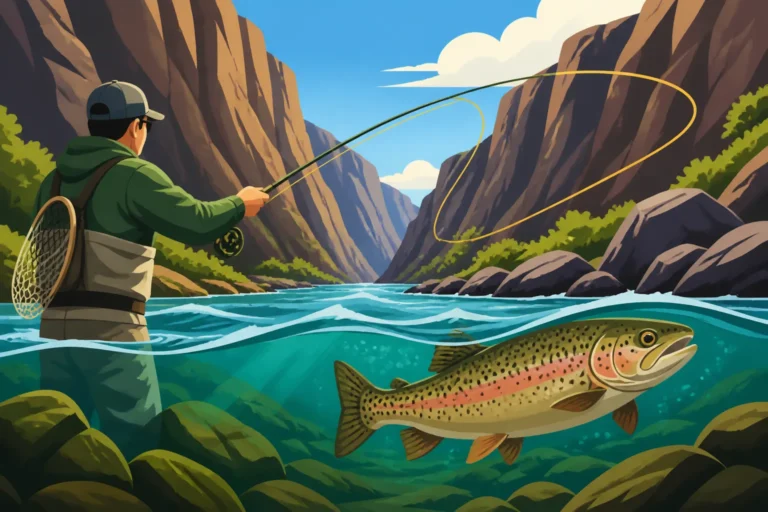
The river itself provides a mosaic of perfect trout habitat. You'll find deep, slow pools where larger browns might lurk, fast riffles where hungry rainbows eagerly snatch up nymphs, and classic runs with perfect current seams that hold fish throughout the day. The rocky bottom, abundant insect life, and healthy riparian vegetation all contribute to this rich environment. This variety means that whether you prefer casting dry flies to rising fish, drifting nymphs through likely holding water, or swinging streamers for aggressive strikes, there’s a piece of the Arkansas River near Buena Vista that will cater to your preferred style of fishing.
Balancing Whitewater and Fishing
For anyone who's spent time in Buena Vista, you know it's a hub for whitewater rafting and kayaking. This river isn't just for anglers; it's a playground for adventurers seeking the thrill of rapids. While the bustling whitewater scene might initially seem at odds with a peaceful fishing trip, the truth is that the Arkansas River manages to harmoniously balance both. In fact, the whitewater sections often create incredible holding water for trout, with deep pools and turbulent flows offering both shelter and food delivery. This unique dynamic means anglers need to be adaptable and often creative in their approach.
During peak rafting season, particularly in summer, certain stretches of the river can see heavy boat traffic. This is where local knowledge and smart planning come into play. Anglers learn to seek out less-trafficked areas, fish during off-peak hours (early mornings or late evenings often yield fantastic results), or explore sections that are less appealing to rafters but perfect for trout. For example, some sections feature complex currents or numerous obstructions that make them less suitable for rafts but create ideal lies for fish. Understanding this balance is key to a successful and enjoyable fishing experience, allowing you to appreciate both the natural power of the river and its serene angling opportunities.
Understanding the River's Character and Flow
The Arkansas River near Buena Vista is a living, breathing entity, constantly changing with the seasons and the demands of snowmelt and weather. What works one month might be completely ineffective the next. Truly understanding its character and flow is paramount to consistent fishing success, turning what might seem like a daunting challenge into a rewarding puzzle.
Seasonal Changes and Optimal Fishing Times
The Arkansas River's fishing season is profoundly influenced by Colorado's distinct seasons, each offering a unique experience.
- Spring (March – May): As the snow begins to melt, the river wakes up. Early spring can offer fantastic fishing before the full force of runoff. Water levels are usually lower and clearer, and trout are actively feeding as insect hatches begin to pick up. However, late spring usually brings the infamous "runoff," a period of high, cold, and often muddy water from snowmelt. This can make fishing extremely challenging, as fish seek refuge in slower, clearer side channels or close to the banks. Knowing how to fish around When Colorado's Spring Runoff Hits and How to Fish Around It is crucial during this time.
- Summer (June – August): Once runoff subsides, typically by late June or early July, the river settles into its prime summer flows. Water temperatures are ideal, and insect activity is at its peak. This is often considered the best time for dry fly fishing, with abundant caddis, stoneflies, and mayflies hatching. However, afternoon thunderstorms can temporarily muddy the water, and increased recreational traffic means fishing early or late in the day can be more productive.
- Fall (September – November): Many veteran anglers consider fall the absolute best time to fish the Arkansas. The crowds dwindle, the weather is often glorious, and the brown trout become incredibly aggressive as they prepare for their spawning season. Streamer fishing can be phenomenal, and dry fly opportunities persist with hatches of blue-winged olives and midges. The cooler water temperatures mean fish are active throughout the day, providing consistent action.
- Winter (December – February): Winter fishing on the Arkansas can be a quiet, serene, and surprisingly productive experience. While certain sections might freeze over, the main river channel usually remains open. Fish congregate in deeper, slower pools, and nymphing with small patterns like midges becomes the dominant technique. It's a fantastic time for solitude, offering the chance to catch larger, sluggish fish without the crowds.
How Whitewater Rafting Affects Fishing
Buena Vista is synonymous with whitewater adventure, and the presence of numerous rafting and kayaking outfitters means the river sees substantial recreational traffic, especially from May through August. This traffic can definitely impact your fishing experience, but it doesn't have to ruin it.
The main impact of whitewater rafting is often visual and auditory disturbance. Rafters, while typically respectful, can put fish down or make them wary due to passing boats and noise. This is particularly true in narrower sections or popular rapids. To mitigate this, many savvy anglers choose to fish during non-peak hours. Getting out on the water at dawn means you'll have several hours of relatively undisturbed fishing before the first rafts launch. Similarly, fishing late into the evening after the last boats have come off the water can be highly rewarding.
Another consideration is that the best whitewater sections often correspond to excellent fish habitat. Rapids create oxygenated water and structure, and the calm pockets between them are prime holding lies. Don't be afraid to explore these areas, but be mindful of sharing the river. Some stretches, particularly those requiring longer hikes or having less direct access, naturally see less rafting pressure. Consider using a service like FishingBooker to find a local guide who knows these lesser-known spots, or consult with local fly shops for up-to-the-minute advice on river traffic and alternative locations.
Reading the Water for Success
Successfully fishing the Arkansas River, like any dynamic trout stream, hinges on your ability to "read the water." This skill allows you to identify where fish are most likely to be holding, feeding, and resting, rather than just casting blindly.
- Riffles and Runs: These faster, shallower sections are often prime feeding grounds, especially for rainbow trout. Look for areas where the current breaks over submerged rocks, creating oxygenated pockets where nymphs and small fish are dislodged. Trout will position themselves just out of the main current, waiting for food to drift by.
- Pools: Deeper, slower-moving sections are often where larger, older fish will hold, particularly brown trout. Look for changes in depth, submerged structure like logs or boulders, and shaded areas. Fish in pools can be more selective, requiring precise presentations.
- Current Seams and Eddies: These are absolute magnets for trout. A current seam is where fast water meets slow water, creating a conveyor belt of food. Eddies, or circular currents, form behind obstacles and provide a resting place where fish can still intercept drifting insects without expending too much energy. These are often the first places to target.
- Bank Structure and Undercuts: Don't neglect the edges of the river. Overhanging vegetation, fallen trees, and undercut banks provide excellent cover and shade, offering refuge from predators and strong currents. Fish often hug these structures, especially on bright days.
- Pocket Water: This refers to turbulent sections with numerous rocks and boulders creating small, calm pockets of water. These pockets are prime lies, often holding surprisingly large fish. Short, accurate casts are key here, dropping your fly directly into the calm zone.
By paying close attention to these features, you can develop a more intuitive understanding of trout behavior and significantly increase your chances of finding fish, even on crowded days or during challenging conditions. For deeper insights into water interpretation, refer to guides on Reading Water on a Colorado Freestone River.
Key Access Points and Prime Fishing Stretches
One of the great things about fishing the Arkansas River near Buena Vista is the sheer amount of public access available. However, navigating these options and understanding the nuances of each stretch can be the difference between a frustrating day and a fantastic one. It's not just about getting to the river; it's about getting to the right part of the river at the right time.
Public Land vs. Private Water Access
Colorado is blessed with vast expanses of public land, and the Arkansas River is no exception. Much of the river corridor, especially around Buena Vista, flows through lands managed by the Bureau of Land Management (BLM) and the U.S. Forest Service (USFS), offering excellent public access. This means you can often pull off the highway, find a parking spot, and walk down to the river to begin fishing. Popular recreation sites, campgrounds, and designated access points (like those marked on the Using Colorado's Fishing Atlas to Plan a Trip) are fantastic resources. Always look for signage and respect any private property boundaries. A general rule of thumb in Colorado is that if you're standing in the streambed, you're usually fine, but gaining access to the streambed often requires legal access, so stick to public points.
While public access is abundant, there are also stretches of private water along the Arkansas River. These areas are typically owned by individuals or private ranches and are often marked with "No Trespassing" signs. It is absolutely crucial to respect these boundaries. Fishing private water without permission is poaching and can lead to serious legal consequences. Some private stretches are managed by outfitters who offer exclusive guided trips for a fee. If you're interested in fishing these private waters, your best bet is to inquire with local fly shops or guide services like those you can find on FishingBooker, as they often have agreements or permits to access these areas.
Notable Hotspots: From Johnson Village to Browns Canyon
The Arkansas River near Buena Vista offers a variety of experiences, from easily accessible spots to more remote, hike-in sections. Here are some of the most notable and productive stretches:
- Johnson Village to Buena Vista: Just north of Buena Vista, near Johnson Village, the river begins to calm slightly after its more aggressive upper sections. This stretch often features good runs and riffles, with relatively easy access from US-24. It's a great spot for both wade and float fishing, with healthy populations of rainbow and brown trout. The river here can be wide, offering plenty of room to spread out, though it can also see fair traffic.
- Buena Vista Town Stretch: Right through the town of Buena Vista, the river offers incredibly convenient access. There are numerous parks and public easements where you can walk right to the water. This urban stretch can be surprisingly productive, especially in the early mornings or evenings. Don't let the proximity to town fool you; these waters still hold good fish, and it's a perfect spot for a quick fishing session or for families with young anglers. You might even find some larger fish that have become accustomed to human presence but are still selective.
- Browns Canyon National Monument: South of Buena Vista, the river flows into the stunning Browns Canyon National Monument. This is a truly wild and scenic stretch, characterized by dramatic cliffs, granite walls, and exciting whitewater. While famous for rafting, Browns Canyon also offers phenomenal fishing. Access within the monument often requires more effort, involving longer hikes, but the rewards can be spectacular. The isolation often means less angling pressure, and the complex river structure provides ideal habitat for robust trout. Fishing here often involves a mix of wade and float fishing, with many anglers opting for guided float trips to explore its deeper, more remote sections. This area is considered Gold Medal Water, so be aware of specific regulations, which you can learn more about by reading Colorado Gold Medal Water Regulations Explained.
Table: Arkansas River Fishing Stretches Near Buena Vista
| River Stretch | Primary Access | Typical Fishing Style | Target Species | Notes |
|---|---|---|---|---|
| Johnson Village to Buena Vista | US-24 Pull-offs, Public Parks | Wade, Float | Rainbow, Brown | Good mix of runs & riffles, moderate traffic, excellent hatches. |
| Buena Vista Town Stretch | Town Parks, Easements | Wade | Rainbow, Brown | Easy access, surprising productivity, good for quick trips. |
| Browns Canyon National Monument | Hike-in, Guided Floats | Wade (limited), Float | Brown, Rainbow | Scenic, wild, often less crowded for anglers, Gold Medal Water. |
| Fisherman's Bridge Area | Designated Parking | Wade, Float (put-in/take-out) | Rainbow, Brown | Popular spot, can be busy, good structure. |
| Ruby Mountain Recreation Area | Designated Parking | Wade, Float (put-in/take-out) | Rainbow, Brown | Excellent nymphing water, beautiful scenery. |
Wading vs. Float Fishing Opportunities
The decision to wade or float fish on the Arkansas River near Buena Vista depends heavily on the specific stretch you're targeting, your skill level, and the river conditions.
- Wade Fishing: Many sections of the Arkansas are perfectly suited for wade fishing, offering anglers the chance to intimately explore pocket water, carefully stalk rising fish, and navigate complex currents on foot. Good wade fishing spots can be found from Johnson Village down through sections of Browns Canyon where the gradient isn't too steep. Areas with defined banks, gravel bars, and slower riffles are ideal. However, caution is paramount; the Arkansas can have strong currents and a slippery, uneven bottom. Always use a wading staff and be aware of changing water levels. For safety, it’s advisable to have a partner, especially in unfamiliar or fast-moving sections.
- Float Fishing: For covering more water, accessing otherwise unreachable stretches, and navigating the swifter currents, float fishing is an incredibly effective method. Many guided trips utilize drift boats or rafts, allowing anglers to cast from a stable platform while moving downstream. This is particularly advantageous in sections like Browns Canyon, where access from shore is limited, or in the larger, deeper runs. Float fishing allows you to present flies or lures to undisturbed fish and to cover vast amounts of prime water quickly. If you're considering a float trip, especially if you're new to the area, Hiring a Fishing Guide in Colorado, What to Expect is highly recommended. Many local outfitters offer half-day and full-day guided float trips. FishingBooker is a great platform to explore and book these guided experiences, connecting you with reputable local guides who know the river inside and out. They can provide all the necessary gear and expertise to ensure a safe and successful float, even during high-water periods.
Essential Techniques and Gear for Buena Vista Anglers
The Arkansas River's diverse character demands a versatile approach from anglers. Whether you're a seasoned fly fisher or prefer the simplicity of spin casting, having the right techniques and gear in your arsenal will significantly enhance your success on this incredible waterway.
Fly Fishing Strategies for Arkansas Trout
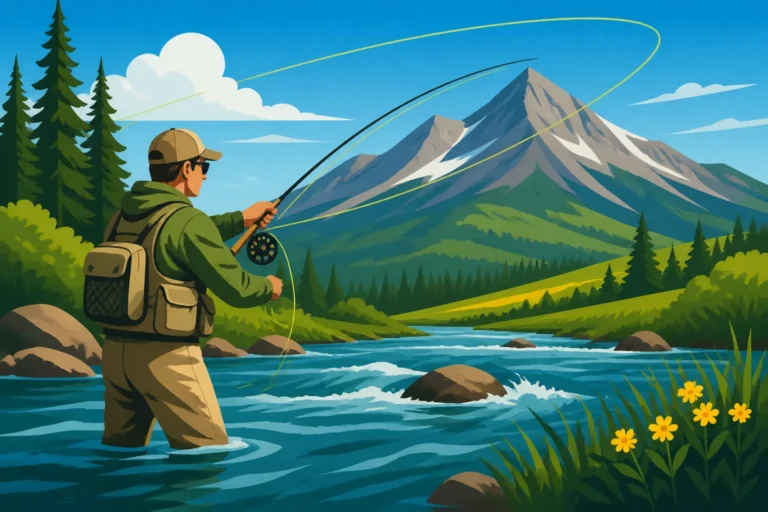
Fly fishing is incredibly popular on the Arkansas, and for good reason—the river supports a vibrant insect population that trout readily feed on. To truly master the Arkansas with a fly rod, you'll need a few key strategies:
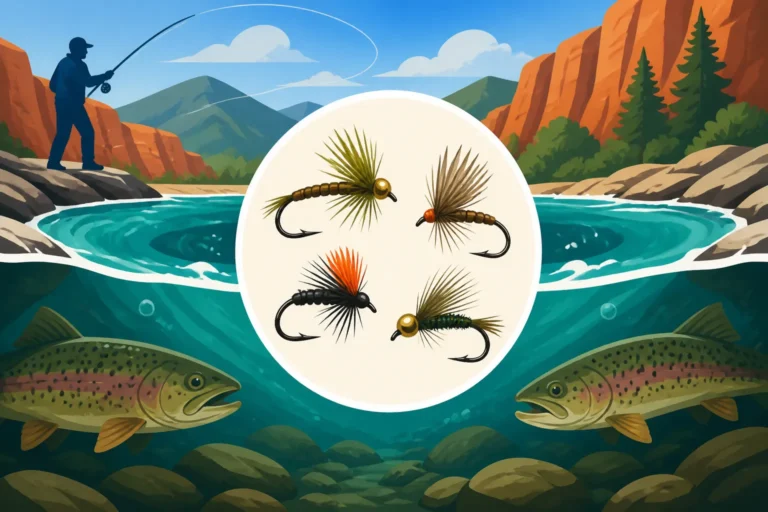
- Nymphing: This is often the most consistent and productive method, especially when fish aren't actively rising. Trout spend most of their time feeding subsurface, consuming nymphs and larvae. Using a "hopper-dropper" rig (a buoyant dry fly with a nymph tied below it) is a popular technique, allowing you to cover multiple depths. Alternatively, a traditional indicator nymph rig can be deadly in deeper runs and pools. Focus on drifting your nymphs naturally, ensuring they tumble along the bottom without drag. Common nymph patterns include various stonefly imitations (Pat's Rubber Legs, 20 Incher Stone), caddis larva (Prince Nymph, Green Rock Worm), and mayfly nymphs (Pheasant Tail, Hare's Ear). For more specific techniques, delve into Nymphing Techniques for Colorado Tailwaters.
- Dry Fly Fishing: When the hatches are on, there's nothing more exhilarating than watching a trout rise to your perfectly presented dry fly. Summer and fall are prime times for dry fly action. Keep an eye out for prevalent hatches—caddis, pale morning duns (PMDs), blue-winged olives (BWOs), and various terrestrials (grasshoppers, ants, beetles) are common. Matching the hatch is key, so carry a variety of patterns in different sizes. During periods of no visible hatch, "attractor" patterns like Chubby Chernobyls or larger stimulators can still entice aggressive strikes, especially if used as the indicator fly in a dry-dropper rig.
- Streamer Fishing: For targeting the river's larger, more predatory brown trout, streamer fishing can be incredibly effective, especially in the fall during the brown trout spawn. Casting and stripping streamers that imitate baitfish or larger nymphs through deep pools, undercut banks, and current seams can trigger aggressive takes. Colors like olive, black, brown, and white are popular, with patterns like Woolly Buggers, Sculpzillas, and Articulated Streamers being mainstays. This technique is often best when the water is slightly off-color or when fishing during low-light conditions. If you're specifically targeting those bigger fish, check out Streamer Fishing for Colorado Brown Trout.
Spin Fishing for Success
Don't let the fly fishing reputation intimidate you; spin fishing can be incredibly productive on the Arkansas River, especially for anglers new to the sport or those who simply prefer this method. It offers versatility and can be very effective for covering different water types.
- Lure Selection: Small spinning lures are highly effective for trout. Inline spinners from brands like Mepps or Panther Martin, in sizes #0 to #3, with silver, gold, or brass blades, are classic choices. Spoons, such as Kastmasters or Daredevils, in similar metallic finishes, can also be deadly, particularly in deeper pools or when casting across broader sections of the river. Small crankbaits or jerkbaits that imitate baitfish can also entice strikes from aggressive trout. Focus on retrieving these lures at varying speeds and depths to find what the fish are keying in on.
- Bait Fishing: While some sections of the Arkansas, particularly Gold Medal stretches, have bait restrictions, where allowed, natural baits can be incredibly effective. Worms (nightcrawlers, mealworms), salmon eggs, and PowerBait are popular choices. Presenting bait naturally with minimal weight, allowing it to drift along the bottom, often yields good results. Always check the current Colorado Fishing Regulations Every Angler Should Know for the specific stretch you're fishing, as bait restrictions can vary.
- Technique and Presentation: Regardless of whether you're using lures or bait, the key is presentation. Cast upstream or quarter-upstream and allow your offering to drift naturally with the current, retrieving just fast enough to impart action to your lure or keep your bait from snagging too much. Fan casting—making multiple casts across a section of water, gradually moving your casting angle—helps you cover water thoroughly. Be observant of where strikes occur and try to replicate those conditions.
Must-Have Gear and Tackle
Being prepared with the right gear ensures comfort, safety, and success on the Arkansas River.
- Rods and Reels:
- Fly Fishing: A 9-foot, 5-weight fly rod is considered the versatile workhorse for most trout fishing on the Arkansas. It's capable of handling most fish sizes and conditions. Pair it with a matching 5-weight floating fly line and a good quality reel with a smooth drag. For streamer fishing or larger fish, a 6 or 7-weight rod might be preferred.
- Spin Fishing: A 6 to 7-foot light or medium-light action spinning rod paired with a small spinning reel (size 1000-2500) spooled with 4-8 pound test monofilament or braided line is ideal. This setup provides the sensitivity to detect subtle bites and the backbone to fight feisty trout.
- Waders and Boots: Waders are essential for staying warm and dry in the cold Colorado waters. Breathable chest waders are generally preferred for comfort. Pair them with sturdy wading boots, preferably with felt soles or rubber soles with studs for better traction on slippery riverbeds. A wading belt is crucial for safety, helping to prevent water from filling your waders if you take a spill.
- Layered Clothing: Colorado weather can change rapidly. Dress in layers, including moisture-wicking base layers, insulating mid-layers (fleece or down), and a waterproof/windproof outer shell. Even in summer, evenings can be cool. Don't forget a wide-brimmed hat for sun protection and polarized sunglasses to help spot fish and reduce glare.
- Miscellaneous Essentials:
- Landing Net: A rubber or silicone net is crucial for safe catch-and-release, minimizing harm to the fish.
- Forceps or Pliers: For easily removing hooks.
- Tippet and Leader Material: For fly fishing, carry various sizes of tippet (3x to 6x) and tapered leaders.
- Tackle Box/Vest: To organize flies, lures, and other small items.
- Water and Snacks: Stay hydrated and fueled, especially if you're hiking into spots.
- Sunscreen and Bug Spray: Protect yourself from the elements.
- First-Aid Kit: For minor scrapes and emergencies.
- Colorado Fishing License: Absolutely mandatory. You can learn more about securing yours through Colorado Fishing License Guide for Residents and Nonresidents. Always have it on your person when fishing.
Navigating Regulations and Conservation
Fishing the Arkansas River near Buena Vista is an incredible privilege, and it comes with the responsibility of understanding and adhering to local regulations and practicing sound conservation ethics. These guidelines are in place to protect the valuable fishery and ensure its health for future generations of anglers.
Special Regulations and Bag Limits
The Arkansas River is not a one-size-fits-all fishery when it comes to regulations. Because significant portions are designated as Gold Medal Water, and others are managed for specific conservation goals, you'll encounter special rules that go beyond the general statewide limits. This is a critical point that can sometimes catch visitors off guard.
For instance, Gold Medal Water sections often have reduced bag and possession limits, or even require catch-and-release for certain species or sizes. You might also find restrictions on the type of gear you can use, such as flies and lures only, or barbless hooks required. These regulations are designed to minimize stress on the fish and promote healthy, wild populations. It’s not uncommon to see "flies and lures only" or "single, barbless hooks" signs prominently displayed at popular access points along the Arkansas.
Before you even wet a line, it is absolutely essential to consult the most current Colorado Parks and Wildlife (CPW) fishing regulations. You can find these online at the CPW website or pick up a physical copy at any license vendor or local fly shop. Pay close attention to the specific section of the river you plan to fish, as rules can change from bridge to bridge or monument boundary to monument boundary. Ignoring these rules, even unintentionally, can lead to hefty fines and the loss of your fishing privileges. This comprehensive guide helps explain Colorado Fishing Season Dates and Bag Limits, which is crucial information for any angler.
Practicing Responsible Angling
Beyond simply following the rules, responsible angling is about adopting a mindset that prioritizes the well-being of the fish and the environment. This is especially important on popular rivers like the Arkansas.
- Catch and Release Best Practices: If you plan to release fish, handle them with extreme care. Keep the fish in the water as much as possible, use wet hands when handling, and avoid squeezing them. Use a rubber or silicone landing net, as these are gentler on fish slime and fins than knotted nylon nets. Revive the fish gently, holding it facing upstream in the current until it swims away under its own power. Avoid fighting fish to complete exhaustion, especially in warmer water temperatures.
- Leave No Trace: Pack out everything you pack in, including all trash, broken leader, and old fishing line. This helps keep the river and its banks pristine for everyone. Avoid disturbing wildlife or vegetation. If you're wading, minimize disturbance to the riverbed and spawning areas.
- Respect Other Anglers and River Users: The Arkansas River is a shared resource. Be courteous to other anglers, giving them ample space. If someone is already fishing a run, don't crowd them; move upstream or downstream a good distance. Be mindful of rafters, kayakers, and other recreational users. A friendly wave goes a long way in fostering good relations on the river. Many of these points also apply when you're fishing a different stretch of the Arkansas, such as Fishing the Arkansas River Near Salida, where similar principles of etiquette and conservation are vital.
Dealing with Crowds and Etiquette
Buena Vista is a popular destination, and the Arkansas River is a major draw, meaning you'll inevitably encounter other people. Knowing how to navigate these shared spaces respectfully makes for a better experience for everyone.
During peak seasons (summer and fall weekends), popular access points and Gold Medal stretches can get busy. If you arrive at a spot and see another angler already there, give them a wide berth. A general rule of thumb is to allow at least 100 feet of space between yourself and another angler, especially if they are actively working a run. Sometimes, a polite conversation can clarify intentions – a simple "Is this spot open?" or "Which way are you heading?" can prevent misunderstandings.
If you're float fishing, be aware of wade anglers. Give them plenty of room, pass quietly, and avoid splashing or making excessive noise as you go by. Conversely, if you're wading, understand that float boats have the right-of-way in the main channel, especially in rapids. Try to avoid casting directly into their path or obstructing their passage.
Dealing with crowds is less about avoiding them entirely and more about managing expectations and adjusting your approach. Fishing during weekdays, or very early and late in the day, can significantly reduce pressure. Exploring lesser-known access points or being willing to hike a bit further away from parking areas can also lead to more solitude and potentially better fishing. Ultimately, a little patience, respect, and a friendly attitude contribute immensely to a positive atmosphere on the river.
Planning Your Fishing Trip to Buena Vista
A successful fishing trip to the Arkansas River near Buena Vista involves more than just knowing where to cast your line; it's about smart planning, tapping into local expertise, and ensuring you have all your bases covered. This preparation can transform a good trip into an unforgettable adventure.
Local Resources and Guide Services
When venturing to a new or complex fishery like the Arkansas, local knowledge is an invaluable asset. Buena Vista is fortunate to have several excellent resources:
- Local Fly Shops: These are goldmines of up-to-the-minute information. Shops like ArkAnglers or The Liar's Lodge in Buena Vista or nearby Salida can provide crucial intel on current river conditions, recent hatches, effective fly patterns, and productive stretches. They often have real-time flow data and can tell you about any special regulations or access issues you need to be aware of. Plus, they're great places to stock up on flies, tippet, and any last-minute gear you might need. Don't be shy about asking questions; the staff are usually passionate anglers eager to help.
- Guide Services: If you're looking for a truly immersive and educational experience, consider hiring a local fishing guide. Guides possess an intimate knowledge of the river, often knowing secret spots, what flies are working best right now, and how to safely navigate challenging sections. They can dramatically shorten your learning curve, especially if you're new to the area or fly fishing. A guided trip on the Arkansas can teach you specific techniques for its unique currents and bottom structure, and many guides provide all the necessary gear. Platforms like FishingBooker can help you find reputable local guides who offer services tailored to your skill level and preferences, whether you're looking for a walk-wade trip or a full-day float. They handle all the logistics, allowing you to focus solely on the fishing. If you're interested in a guided experience, check out Guided Trips on the Arkansas Near Salida for more insights into what to expect from a professional outfitter in the area.
Nearby Amenities and Accommodation
Buena Vista itself is a charming mountain town with a surprising array of amenities and lodging options, making it an ideal basecamp for your fishing adventures.
- Accommodation: You'll find a range of choices to suit every budget and style.
- Hotels/Motels: Several comfortable hotels and motels are available both within town and along the highway, offering standard amenities.
- Vacation Rentals: Options from cozy cabins to larger homes are available through services like Airbnb or VRBO, which can be great for groups or families.
- Campgrounds: For those who prefer a more rustic experience, numerous campgrounds are located nearby, both developed (like those in state parks or national forests) and dispersed (primitive camping on BLM or USFS land). Camping near the river can offer convenient early morning access.
- Dining and Groceries: Buena Vista boasts a variety of restaurants, from casual eateries and breweries to more upscale dining options, perfect for refueling after a long day on the river. There's also a full-service grocery store in town, so you can stock up on snacks, drinks, and ingredients for your own meals if you prefer.
- Other Services: Gas stations, sporting goods stores, and medical services are all available in or very close to Buena Vista, ensuring you have everything you need for a comfortable trip.
Other Activities for Non-Anglers
If you're traveling with family or friends who aren't as keen on fishing, Buena Vista offers a plethora of alternative activities, ensuring everyone has a fantastic time. This makes it an ideal destination for a mixed-interest vacation.
- Whitewater Rafting and Kayaking: As mentioned, Buena Vista is a major whitewater hub. Non-anglers can experience the thrill of the Arkansas River firsthand with a guided rafting trip through Browns Canyon or other exciting sections. There are options for all skill levels, from mellow scenic floats to exhilarating Class IV rapids.
- Hiking and Biking: The surrounding Collegiate Peaks Wilderness Area provides endless opportunities for hiking, from easy riverside strolls to challenging summit ascents. Mountain biking trails are also abundant, offering stunning views and varied terrain.
- Hot Springs: After a day of adventure (or fishing!), the nearby natural hot springs are a perfect way to relax and rejuvenate. Cottonwood Hot Springs and Mount Princeton Hot Springs Resort offer different experiences, from rustic natural pools to luxurious resort amenities.
- Exploring Town: Buena Vista itself is worth exploring. Wander through the historic downtown, visit local art galleries, browse unique shops, or simply enjoy a craft beer at one of the local breweries. The town has a vibrant, welcoming atmosphere.
- Stargazing: Away from city lights, the clear mountain skies around Buena Vista offer spectacular stargazing opportunities. On a moonless night, the Milky Way can be breathtakingly visible.
With so much to see and do, Buena Vista truly offers a diverse Colorado experience, catering to anglers and non-anglers alike, making it a premier choice for your next mountain getaway.
Disclaimer
Please remember that fishing conditions, regulations, and access can change. Always check the most current Colorado Parks and Wildlife (CPW) regulations before heading out, and prioritize your safety on the river. This guide is for informational purposes only.