Fishing Trappers Lake in the Flat Tops
Stepping into the Flat Tops Wilderness area, you quickly realize you're in a special corner of Colorado. The frustration of endless crowds and pressured fish on more accessible waters can really take the joy out of fishing. But what if there was a place where wild, native trout thrived, surrounded by breathtaking, untouched beauty, offering a true escape? This comprehensive guide will walk you through everything you need to know about fishing Trappers Lake, often called the "Cradle of Cutthroat," ensuring you're prepared for an unforgettable high-country adventure.
Trappers Lake: The "Cradle of Cutthroat" in the Flat Tops
Trappers Lake isn't just another body of water in Colorado; it's a living legend, a place steeped in history and ecological significance. Nestled high in the Flat Tops Wilderness, it's widely recognized as the largest natural lake in Colorado and, perhaps more importantly, a vital stronghold for one of the state's most revered native fish: the Colorado River Cutthroat Trout. The sheer scale of its untouched surroundings and the pristine nature of its waters make it a pilgrimage for anglers seeking a truly wild experience, far from the madding crowds and the incessant hum of daily life.
The Wilderness Setting and What It Means
When we talk about the Flat Tops Wilderness, we're talking about vast, unspoiled tracts of land where human impact is minimized, and nature reigns supreme. This designation isn't just a fancy title; it comes with strict rules designed to preserve the area's pristine condition. For anglers heading to Trappers Lake, this means no motorized vehicles, no mountain bikes, and a commitment to leave no trace. It’s an experience that demands respect for the environment, requiring you to pack out everything you pack in, and often to hike or ride horseback to reach your destination. The rewards, however, are immeasurable: crisp, clean air, unparalleled solitude, and a deep connection to the wild heart of Colorado. You might find the initial effort daunting, but the quiet solitude and the sense of accomplishment are worth every step.
The wilderness boundary around Trappers Lake ensures that the pressures of modern society are left far behind. Imagine casting your line with only the sound of the wind through the pines and the occasional call of a high-country bird. This isn't just a fishing trip; it's an immersion into a landscape that has largely remained unchanged for centuries. The strictures of wilderness travel mean a slower pace, a chance to truly disconnect, and an opportunity to appreciate the natural world on its own terms. It also means you need to be self-reliant, prepared for changing weather, and mindful of wildlife, from elk and deer to the occasional bear.
A Sanctuary for Colorado River Cutthroat Trout
The moniker "Cradle of Cutthroat" isn't given lightly. Trappers Lake is celebrated as one of the few places where genetically pure populations of Colorado River Cutthroat Trout (CRCT) have managed to persist. These beautiful, native trout, distinguished by their vibrant colors and the characteristic "cutthroat" slash of orange or red under their jaw, faced near extinction due to habitat loss and the introduction of non-native species. Trappers Lake, protected by its remote location and careful management, became a critical refuge for these iconic fish.
Conservation efforts here are paramount. Every regulation, from specific bag limits to bait restrictions, is designed to protect this fragile native population and ensure its continued survival. For anglers, this means understanding and adhering to a strict catch-and-release ethic for cutthroat trout. It’s not just about catching fish; it’s about participating in a legacy of conservation. The thrill comes from outsmarting these wild, wary fish in their native habitat, knowing that each one you gently release contributes to the health of the species. This makes fishing here not just a sport, but an act of stewardship.
Navigating the Journey to Trappers Lake
Getting to Trappers Lake is part of the adventure itself. It’s not a drive-up-and-fish kind of place, which is precisely why it retains its wild character. Many anglers find the logistics intimidating, especially if they're used to more easily accessible waters, but with a bit of planning, it's an incredibly rewarding journey. Understanding the various access points and seasonal limitations is key to a smooth and enjoyable trip.
Understanding Road Access and Seasonal Closures
Access to the Trappers Lake area typically involves traversing a combination of paved and unpaved forest roads. The main route usually leads from the town of Meeker or from Rifle, heading east or north respectively, into the White River National Forest. The most common access road is County Road 8 (Flat Tops Trail Scenic Byway), which eventually leads to Trappers Lake Road (Forest Service Road 205). However, these high-elevation roads are highly susceptible to seasonal closures, primarily due to heavy snowpack. Historically, the roads are usually open from late May or early June through late October or early November, but this can vary significantly year to year depending on snow accumulation and spring thaw.
It's absolutely crucial to check the White River National Forest website or call the local U.S. Forest Service ranger district office in Meeker or Yampa before you even consider heading out. Showing up only to find the gates locked due to snow is a common, frustrating scenario, especially for those who've driven a long distance. Furthermore, some sections of the road can be rough, particularly after heavy rains or snowmelt, so a vehicle with good clearance is often advisable, though 4WD isn't always strictly necessary if the roads are dry. Be prepared for slow going, and always keep an eye out for wildlife crossing the road.
The Trek In: Trails and Horseback Options
Once you reach the designated parking areas near the wilderness boundary, your journey truly begins, as Trappers Lake itself is within the Flat Tops Wilderness. This means the final leg of the trip is on foot or by horseback. The primary trail leading to the lake is well-maintained but still demands a moderate hike, typically around 1 to 2 miles, depending on your chosen access point. It's not a strenuous climb, but it is enough to deter casual visitors, contributing to the lake's preserved solitude. Many people enjoy the scenic walk, taking in the subalpine meadows and dense spruce-fir forests.
For those who prefer not to hike, or who are carrying substantial gear for a longer stay, horseback riding is a traditional and highly recommended option. Local outfitters in the towns surrounding the Flat Tops, like Meeker or Yampa, often provide guided pack trips or horse rentals that can transport you and your gear right to the lake. This can significantly enhance the wilderness experience, allowing you to access more remote sections of the lake or carry in more comfortable camping equipment. Whether you choose to hike or ride, remember that you’ll be sharing the trail with others, so practicing good trail etiquette and being respectful of horses is important.
Regulations and Respecting This Special Fishery
Fishing in Trappers Lake comes with a heightened sense of responsibility. This isn't just about following rules; it's about being a guardian of a unique natural resource. The regulations are designed to protect the fragile ecosystem and, most importantly, the native Colorado River Cutthroat Trout. Ignoring these rules not only risks penalties but also undermines the collective effort to preserve this special place. To avoid any issues, it’s always best to consult the latest Colorado Parks and Wildlife (CPW) regulations brochure, which you can often find at local sporting goods stores or on the CPW website. You'll also want to make sure you have your Colorado Fishing License Guide for Residents and Nonresidents in order.
Strict Catch-and-Release and Barbless Hook Mandates
One of the most critical regulations at Trappers Lake, and indeed many sensitive native trout waters in Colorado, is the requirement for strict catch-and-release for cutthroat trout. This means that if you catch a Colorado River Cutthroat, it must be immediately and carefully returned to the water. The goal is to minimize stress and injury to the fish, ensuring they have the best chance of survival. This also typically comes hand-in-hand with a mandate for barbless hooks. A barbless hook causes less damage to a fish's mouth and can be removed much more easily and quickly, reducing handling time. You can either buy barbless hooks or, more commonly, simply crimp down the barb on your existing hooks with a pair of pliers.
Failing to adhere to these rules can result in significant fines and potentially even loss of fishing privileges, which is a stark reminder of the importance of these regulations. Beyond the legal ramifications, it’s about ethical angling. When you catch a cutthroat, hold it gently in the water, avoid touching its gills or eyes, and revive it if necessary before letting it swim away on its own power. Many anglers find the challenge of catching and safely releasing these wild fish far more satisfying than keeping a limit. If you’re unsure about Catch-and-Release Rules on Colorado's Cutthroat Waters, it's crucial to educate yourself before your trip.
Bait Restrictions and Protecting Native Species
To further protect the native trout populations, Trappers Lake, like many of Colorado's Gold Medal Waters, often has strict bait restrictions. In many wilderness areas and native trout strongholds, the use of live bait is prohibited. This is primarily to prevent the introduction of non-native species or diseases that could devastate the existing ecosystem. Bait, even dead bait, can also lead to deeper hooking, causing more harm to a released fish. Therefore, you should anticipate that only artificial lures and flies are permitted.
This means leaving your worms, minnows, and PowerBait at home. Instead, focus on developing your skills with flies and artificial lures. This challenge is part of the Trappers Lake experience. It encourages anglers to think more critically about presentation, matching the hatch, and understanding fish behavior. Before you go, thoroughly review the Colorado Bait Restrictions and Where They Apply to ensure you're compliant. Using the wrong bait, even unknowingly, can lead to a citation and harm the very fish you've traveled so far to catch. It’s a small sacrifice to make for the health and vitality of this unparalleled fishery.
Here's a quick overview of key regulations for Trappers Lake:
| Regulation Type | Specifics for Trappers Lake (Typical) | Why it's Important |
|---|---|---|
| Fishing License | Required for all anglers 16 and older. Residents and Nonresidents need specific licenses. | Funds conservation efforts and fisheries management. |
| Cutthroat Trout | Catch-and-release only. All cutthroat trout caught must be immediately and gently released. | Protects the genetically pure, native Colorado River Cutthroat Trout population. |
| Hooks | Barbless hooks only. Both single and treble hooks must be barbless. | Minimizes injury to fish, especially during catch-and-release. |
| Bait | Artificial lures and flies only. Live bait, dead bait, and scented baits are prohibited. | Prevents introduction of invasive species/diseases and reduces deep hooking. |
| Other Species | Consult current CPW regulations for specific bag and possession limits on other species (if present and legal to keep). | Manages fish populations sustainably. |
| Habitat Stamp | Required for most anglers annually. Exemptions for seniors/veterans might apply. | Provides funding for critical wildlife habitat conservation. Colorado's Habitat Stamp, Explained |
| Wilderness Rules | No motorized vehicles, no mountain bikes, pack it in/pack it out, camp in designated areas or follow Leave No Trace principles. | Preserves the pristine wilderness character and prevents environmental degradation. |
Note: Always verify current regulations directly with Colorado Parks and Wildlife before your trip, as rules can change seasonally or annually.
Targeting Trappers Lake's Prized Cutthroat
Fishing Trappers Lake is a truly unique experience because of its primary resident: the Colorado River Cutthroat Trout. These aren't your typical hatchery-raised rainbows; they are wild, wary, and beautiful. Understanding their behavior and employing specific techniques is key to success in this high-alpine environment.
Identifying and Appreciating Colorado River Cutthroat
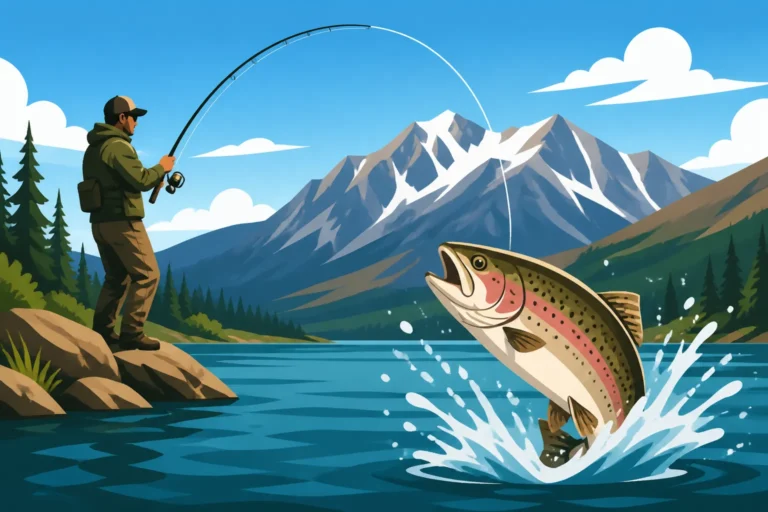
Before you even make your first cast, it's invaluable to know what you're looking for. Colorado River Cutthroat Trout are distinguished by several key features. Their overall body color can range from silvery-gray to olive-green on the back, fading to lighter shades on their sides and belly. What truly sets them apart is the bright red-orange "cutthroat" mark on the underside of their lower jaw, which can be quite pronounced. They also often have sparse, small black spots concentrated towards their tail and dorsal fin, though the spotting can vary. It's crucial to be able to tell them apart from other trout species, especially stocked rainbow trout or hybrid "cutbows," as the regulations for keeping or releasing them are very strict. Check out Colorado's Native Cutthroat Trout Subspecies for a deeper dive into identifying these magnificent fish.
Catching one of these native beauties is a true accomplishment. They are not as easy to fool as their hatchery counterparts, which makes the reward of hooking one even sweeter. Their wild nature means they are keenly attuned to their surroundings, so a stealthy approach and careful presentation are essential. Take a moment to appreciate the fish's vibrant colors and perfect form before gently releasing it back into its pristine home. The opportunity to interact with such an authentic piece of Colorado's natural heritage is something truly special.
Fly Fishing Strategies for High-Altitude Success
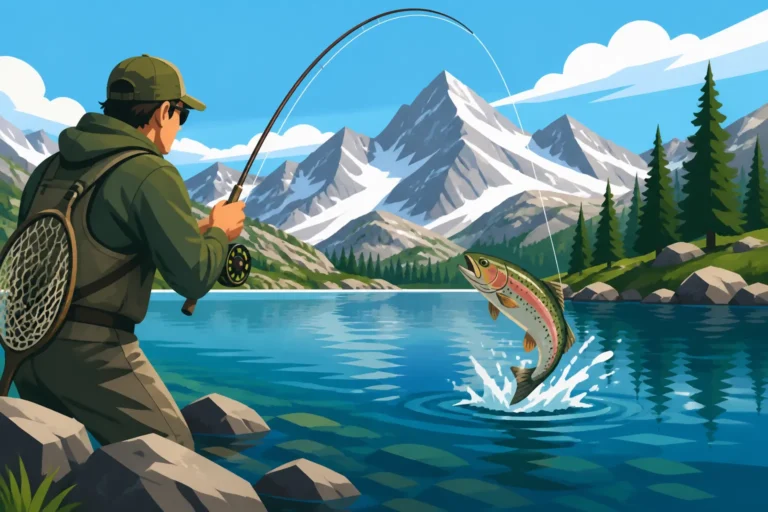
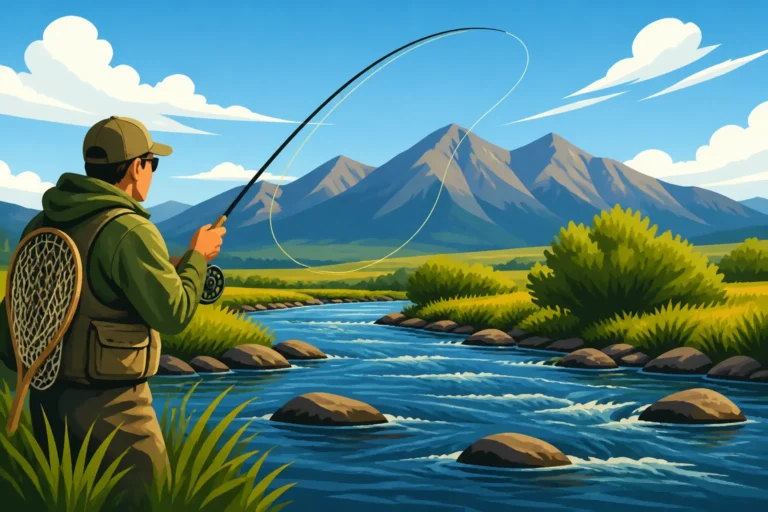
Fly fishing is arguably the most popular and often most effective method for targeting cutthroat trout in Trappers Lake. The clear, cold water and the abundance of natural insect life create ideal conditions for matching the hatch. Cutthroat in high-country lakes can be opportunistic feeders, but they can also be incredibly selective, especially when a strong hatch is on. Dry fly fishing can be phenomenal, particularly during the summer months when insects like caddis, mayflies, and even terrestrials like grasshoppers and ants are active. If you’re seeing fish rising, a well-presented dry fly can lead to explosive strikes.
When fish aren't rising, nymphing under an indicator or even Euro nymphing techniques can be highly effective. Cutthroat often hold near drop-offs, submerged structures, or along current seams near inlets and outlets. Small midge patterns, pheasant tails, and prince nymphs are reliable choices. Streamers, especially in olive or black, can also entice larger, more aggressive cutthroat, particularly early or late in the day. Given the clear water, using a longer leader and finer tippet (5x or 6x) can make a significant difference in getting bites. Remember to approach the water slowly and quietly, as these fish are easily spooked. For more advanced tactics, consider reading up on Nymphing Techniques for Colorado Tailwaters or Dry Fly Fishing Colorado's Freestone Rivers, as many principles apply to high-alpine lakes.
Spin Fishing with Lures and Artificials
While fly fishing is popular, spin fishing can also be incredibly productive at Trappers Lake, especially if you're using the right artificial lures. Again, live bait is prohibited, so your tackle box needs to be stocked with small spoons, spinners, and jigs. Lures that imitate small minnows or aquatic insects tend to work best. Think subtle movements and natural presentations. Small Kastmasters, Daredevles, or Panther Martin spinners in silver, gold, or brass finishes can be very effective, especially when retrieved slowly along the edges of weed beds or near drop-offs.
Soft plastic jigs, like micro-jigs tipped with a Berkley Gulp! Alive! PowerBait Minnow (remember, no live bait, but scented artificials like Gulp are often allowed if specifically made for lure fishing and not considered "bait" by CPW, always check current regulations), can also be deadly when fished under a bobber or slowly jigged off the bottom. The key is to match the size and color to the natural forage available to the cutthroat. A common frustration for spin anglers is using lures that are too large or too bright, scaring off these sensitive fish. Opt for smaller, more natural-looking presentations and focus on working the structure and depths where cutthroat are likely to be holding. For deeper fishing, small spoons or jigging Rapalas can penetrate the water column effectively.
When to Plan Your Trappers Lake Adventure
Timing is everything when planning a trip to Trappers Lake. Its high-elevation location means a much shorter fishing season compared to lower-elevation waters, and understanding the nuances of weather and conditions is crucial for a successful and enjoyable trip.
The Short but Sweet High-Country Season
The fishing season at Trappers Lake is famously brief but incredibly rewarding. Typically, the access roads open in late May or early June, depending on the severity of the winter snowpack. This "ice-off" period can be fantastic, as fish are often hungry and aggressive after a long winter under the ice. Water temperatures are cold, and fish are often found cruising the shallower areas looking for food. As summer progresses into July and August, the weather stabilizes, and insect hatches become more prolific, leading to some of the best dry fly fishing opportunities. This is when the lake truly comes alive with activity, and you'll often see fish rising eagerly to a variety of insects.
By September, the days shorten, and the nights grow colder, signaling the start of the fall shoulder season. The crowds begin to thin, and fishing can remain excellent, particularly with streamer patterns as the cutthroat become more focused on larger meals in preparation for winter. This is also when the aspen trees in the surrounding forests turn brilliant gold, adding another layer of beauty to the trip. Road closures typically begin in late October or early November with the first heavy snowfalls. Planning your trip within this relatively narrow window, perhaps using tools like FishingBooker if you were looking to find a local outfitter for other waters nearby or just gathering regional fishing intelligence, is essential.
Dealing with Weather and High-Altitude Conditions
High-country weather can be notoriously unpredictable, and Trappers Lake is no exception. Even in the middle of summer, afternoon thunderstorms are common, often bringing sudden drops in temperature, heavy rain, or even hail. It’s not uncommon to experience all four seasons in a single day. This makes proper layering and waterproof gear absolutely essential. Always pack a good rain jacket, warm layers, and sturdy, waterproof hiking boots. The sun at high altitude is also incredibly intense, so sunscreen, a wide-brimmed hat, and polarized sunglasses are non-negotiable.
Altitude sickness is another real concern for visitors coming from lower elevations. Trappers Lake sits at an elevation of approximately 9,200 feet (2,800 meters), and surrounding peaks climb even higher. Symptoms can range from headaches and nausea to more severe conditions. To mitigate this, consider spending a day or two at a slightly lower elevation (e.g., in Meeker or Rifle) to acclimatize before heading up. Stay well-hydrated, avoid excessive alcohol, and take it easy on your first day. Remember, physical exertion at high altitude is much more demanding. Understanding How Altitude Affects Fishing at Colorado's High Lakes can also give you an edge in planning.
Beyond the Fishing: The Full Trappers Lake Experience
While the primary draw of Trappers Lake is undoubtedly its incredible fishing, the entire experience extends far beyond just catching fish. It's an opportunity to immerse yourself in one of Colorado's most spectacular and pristine wilderness areas. Making the most of your trip means embracing the broader natural environment and adhering to responsible wilderness practices.
Camping and Backcountry Considerations
For many, a trip to Trappers Lake isn't complete without spending a night or two under the stars. There are designated campsites around the lake and within the broader Flat Tops Wilderness area, some accessible by car (outside the wilderness boundary) and others requiring a hike in. If you plan to camp within the wilderness, remember that dispersed camping is often allowed, but you must follow strict Leave No Trace principles. This means camping at least 200 feet from water sources and trails, properly storing food to avoid attracting wildlife, and ensuring campfires (where permitted) are completely extinguished.
It's vital to research specific camping regulations for the Trappers Lake area, as rules can vary. Some popular areas might have specific restrictions or require permits, especially during peak season. You'll need to be self-sufficient, bringing all your water or a reliable water filter, as well as all necessary provisions. Remember, there are no services, stores, or amenities directly at the lake. The solitude of camping in this environment, waking up to the sound of loons and the smell of pine, is an integral part of the Trappers Lake mystique.
Capturing the Beauty Photography and Wilderness Ethics
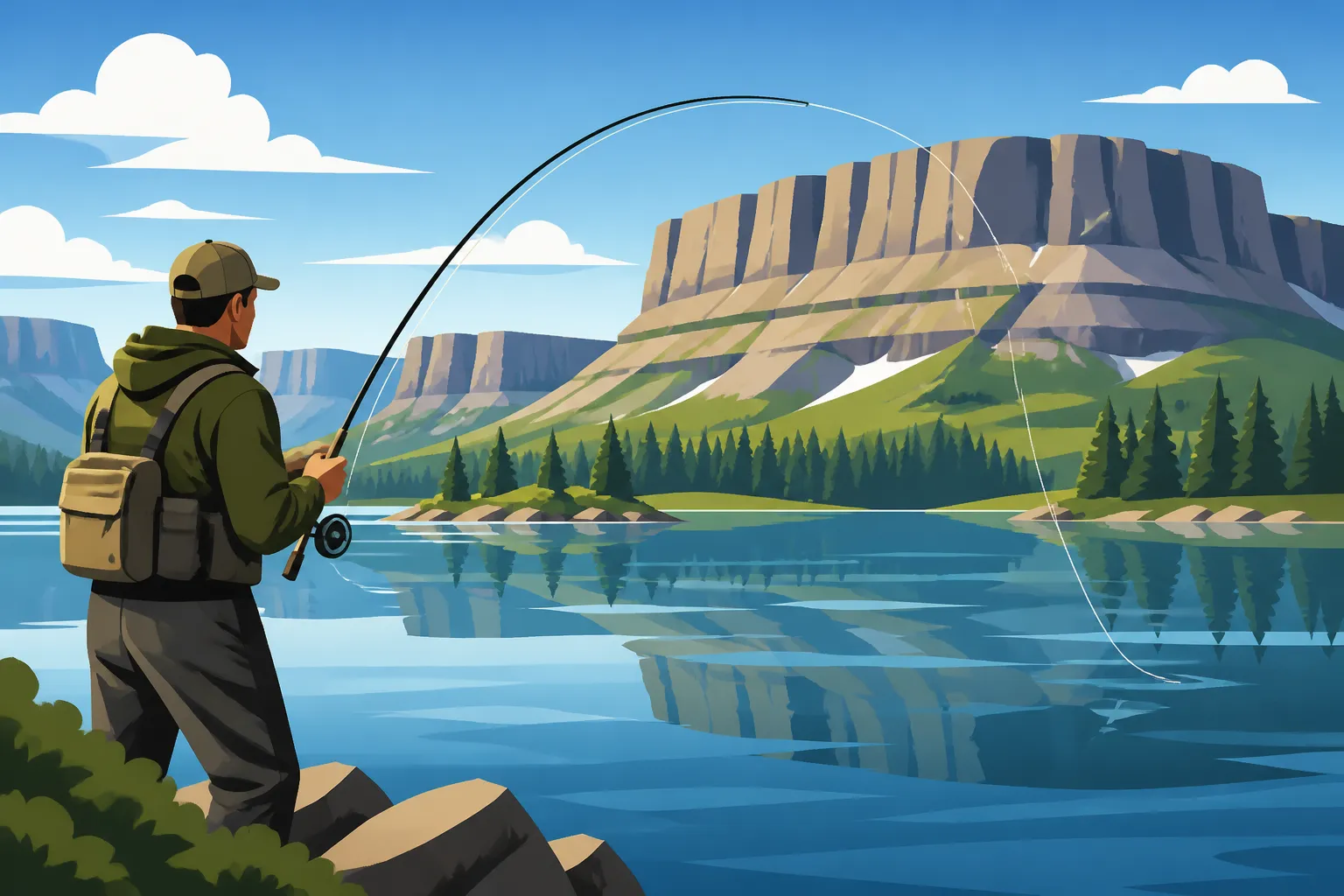
Trappers Lake and the surrounding Flat Tops Wilderness offer some of the most stunning photographic opportunities in Colorado. From the reflective surface of the lake at dawn to the vibrant fall colors, and the abundant wildlife, there's beauty around every corner. Many visitors bring their cameras not just to document their catches, but to capture the sheer grandeur of the landscape. Imagine the perfect shot of a rising cutthroat against a backdrop of towering cliffs and untouched forest.
However, with this beauty comes a responsibility to uphold wilderness ethics. Always practice Leave No Trace principles: pack out everything you pack in, minimize your impact on vegetation, and respect wildlife by observing from a distance without disturbing them. This includes proper waste disposal and avoiding loud noises that can disrupt the tranquility of others or scare animals. The goal is to leave the area exactly as you found it, preserving its pristine nature for future generations of anglers and wilderness enthusiasts. This mindful approach ensures that Trappers Lake remains the "Cradle of Cutthroat" and a true gem of the Rockies. For those interested in deeper conservation, learning How Colorado's Habitat Stamp Money Gets Used can also provide valuable insight into supporting such beautiful places.
Disclaimer
Please remember that fishing regulations, road conditions, and environmental factors in Colorado can change rapidly. Always consult the official Colorado Parks and Wildlife (CPW) website and the U.S. Forest Service for the most current information before planning your trip to Trappers Lake. Your safety and adherence to regulations are your sole responsibility.