How Altitude Affects Fishing at Colorado’s High Lakes
There’s nothing quite like the allure of fishing Colorado’s high-country lakes. The crisp mountain air, the stunning vistas, and the promise of wild, strong trout are a powerful draw. But if you've ever cast a line above 9,000 or 10,000 feet, you know it's a completely different ballgame than fishing down in the valleys. The thin air impacts not just us anglers, but the fish and the very water they live in. This guide is all about unraveling those unique challenges and equipping you with the knowledge to make your next high-altitude fishing adventure a resounding success.
The Thin Air Reality: Understanding Altitude's Impact
When you venture into Colorado's high country, you're entering an environment defined by altitude. This isn't just about feeling a little winded on the hike in; it fundamentally alters the physics and biology of the lake ecosystem. Understanding these changes is your first step toward cracking the code of high-altitude fishing. It’s a different world up there, and what works at lower elevations might fall flat.
Oxygen Levels and Fish Behavior
One of the most significant, yet often overlooked, factors at high altitude is the reduction in atmospheric pressure. While water itself still contains dissolved oxygen, the lower atmospheric pressure at the surface means less oxygen can naturally diffuse into and remain suspended in the water column. For fish, especially cold-water species like trout, oxygen is critical for their metabolic processes.
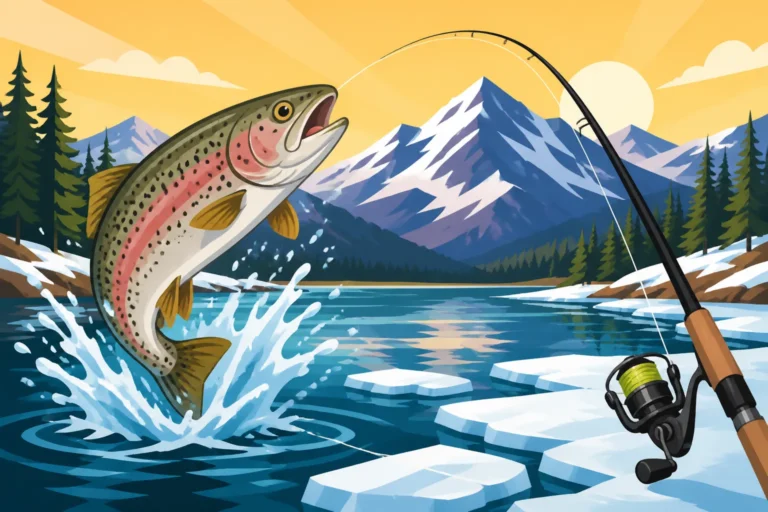
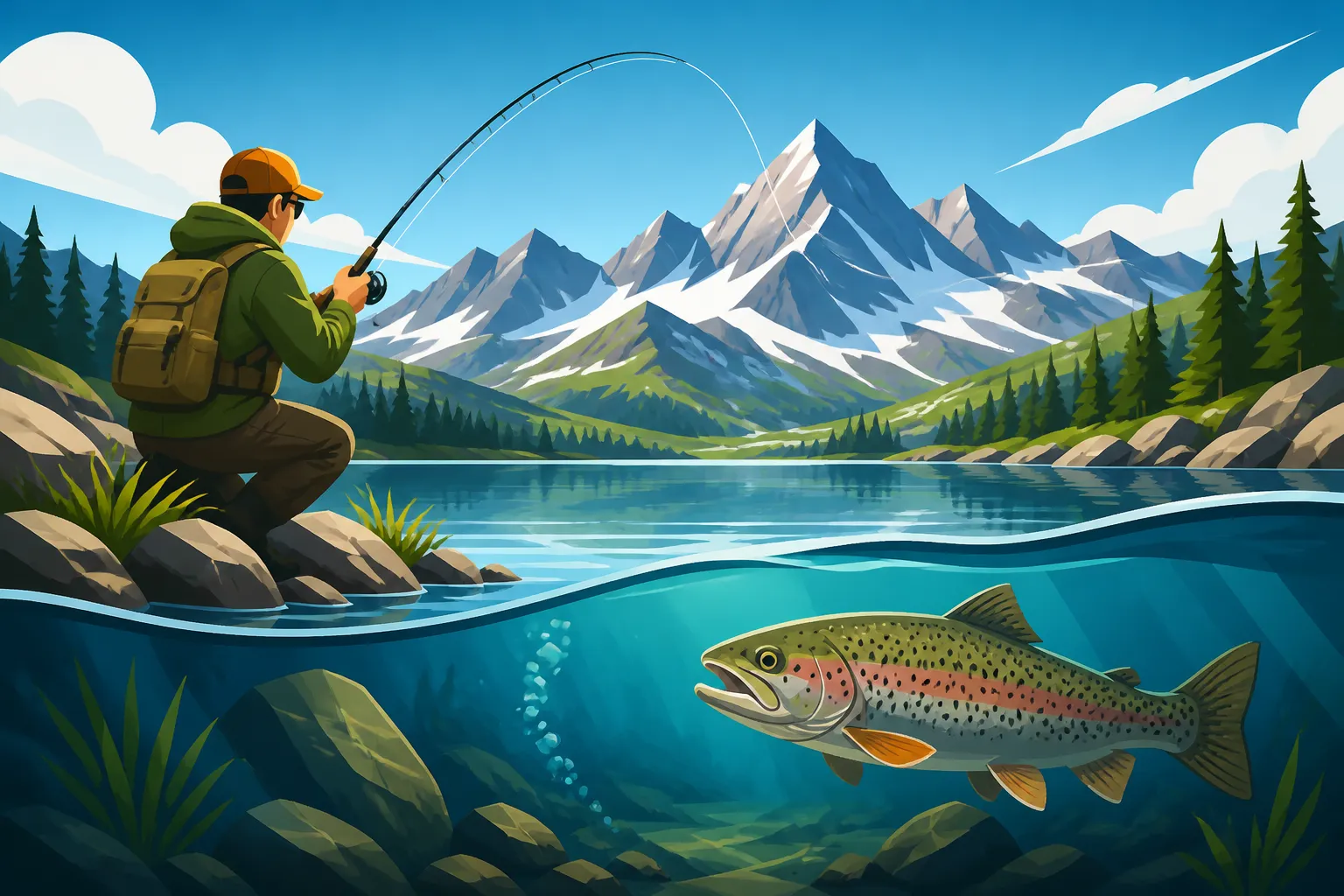
Imagine a rainbow trout trying to go about its day in water with slightly less available oxygen. It might become more lethargic, needing to conserve energy. This can mean less aggressive feeding and slower movements. Fish might also seek out areas where oxygen is more abundant, such as near inflowing streams, springs, or areas with greater surface agitation. This behavior can shift throughout the day and with weather patterns. During periods of intense sun on a still lake, oxygen levels might dip further, making fish more reluctant to chase a fast retrieve or rise to a dry fly. Understanding this physiological reality helps you anticipate where the fish might be holding and how active they're likely to be.
Water Temperature Fluctuations
High-altitude lakes, especially those without significant inflow or outflow, are often characterized by dramatic diurnal temperature swings. The thin atmosphere means less insulation, allowing for intense solar radiation during the day and rapid heat loss at night. You might find a lake's surface temperature warm enough for a quick dip in the afternoon sun, only for it to plummet back into the 40s or 30s Fahrenheit overnight.
These fluctuating temperatures have a profound effect on trout. Trout are cold-blooded, and their metabolism is directly tied to water temperature. When the water is very cold, they become sluggish, digesting food slowly and moving minimally. As the water warms, their metabolism speeds up, making them more active and increasing their feeding drive. Therefore, the "prime time" to fish high alpine lakes often shifts with the sun. Early mornings and late evenings can be excellent if the overnight temperatures haven't been too brutal, or if there's a good period of warming during the mid-day that gets fish moving. For those lakes that are truly cold year-round, like many found in the San Juan Mountains' High Alpine Lakes, the feeding windows might be shorter and require more precise presentations. This dynamic interplay between sun, air temperature, and water temperature is a constant puzzle for the high-country angler.
Atmospheric Pressure Changes
While not as immediately intuitive as oxygen or temperature, changes in atmospheric pressure are believed to influence fish behavior significantly. Fish have a swim bladder, a gas-filled organ that helps them maintain buoyancy. As atmospheric pressure changes, the pressure exerted on the water (and thus on the fish and its swim bladder) also changes.
Sudden drops in barometric pressure, often associated with approaching storms, can make fish feel uncomfortable. They might descend to deeper water to equalize pressure, or simply become less inclined to feed actively. Conversely, stable or rising pressure often signals better fishing, as fish feel more at ease and are more willing to move and feed. If you're planning a trip, keeping an eye on the weather forecast and paying attention to subtle pressure changes can give you an edge. Many experienced anglers swear by the idea that fish "turn on" or "turn off" with these pressure shifts. It's a subtle factor, but one that seasoned high-country fishermen often consider, especially if they're seeing fish but can't get them to commit.
Gear and Technique Adjustments for High-Altitude Fishing
The unique conditions of high-altitude environments demand some specific adjustments to your gear and fishing techniques. What works like a charm on a low-elevation river might be completely ineffective or even detrimental high up in the mountains. This isn't just about being prepared for the elements, but about optimizing your approach for the fish themselves.
Line and Leader Considerations
High-altitude lakes often boast incredibly clear water, a result of minimal runoff and particulate matter. This crystal-clear visibility means trout can be incredibly wary and easily spooked. To combat this, you'll want to lighten up your line and leader considerably. For spin fishing, a lighter monofilament or fluorocarbon main line (4-6 lb test) is often preferred, sometimes paired with a nearly invisible fluorocarbon leader of 2-4 lb test. You can find excellent spools of fluorocarbon leader material on Amazon, ready for your next trip.
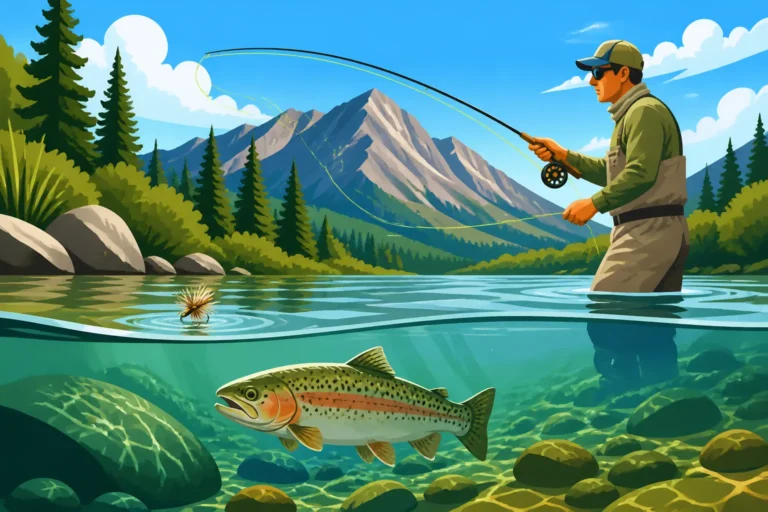
For fly fishing, presentation is paramount. You'll typically want longer leaders, often 9 to 12 feet, tapered down to a very fine tippet (5X or 6X, sometimes even 7X for particularly spooky fish). The idea is to present your fly as naturally as possible, with minimal line disturbance. The thin air can also mean more wind, making casting light flies on long leaders a challenge. Sometimes, a slightly heavier fly line or a specialized wind-cutting taper can make a difference in getting your fly where it needs to go, especially when you're trying to match a tiny Trico spinner fall.
Lure and Fly Selection
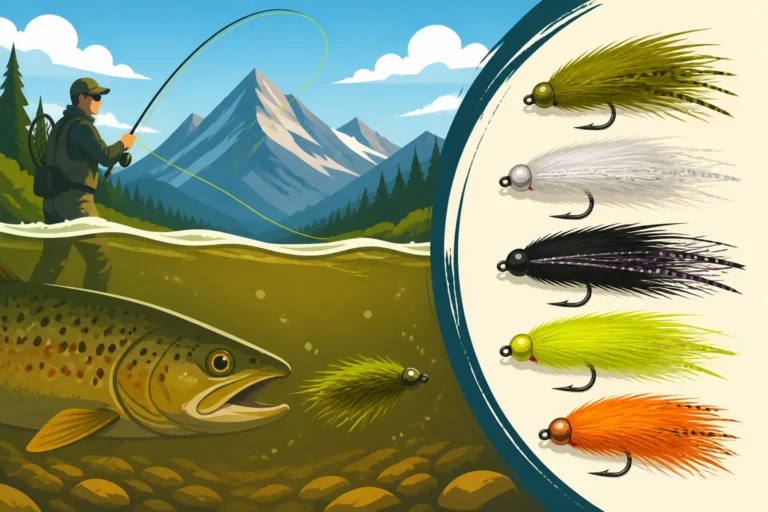
Given the clear water and potentially finicky fish, lure and fly selection becomes critical. While some staple patterns and lures still work, specific adaptations often yield better results. For spin fishermen, smaller, more subtle presentations are generally best. Think tiny spoons, spinners, or small jerkbaits that mimic the natural forage of high-country trout. Bright, flashy colors can sometimes work, but often natural colors like silver, gold, or olive tend to be more effective. Soft plastics, like small tubes or grubs, can also be deadly when fished slowly, imitating aquatic insects or leeches.
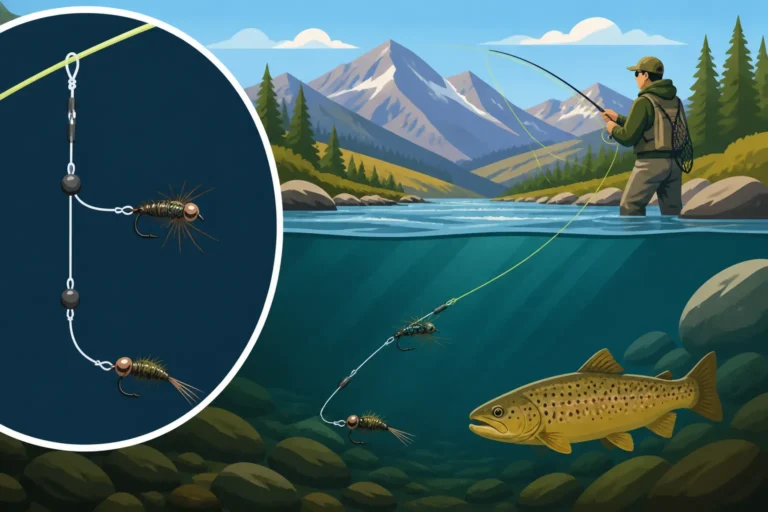
Fly anglers will want a diverse box, reflecting the typically sparse but crucial insect life. Midges are almost always present, so tiny midge larva, pupa, and adult patterns are essential. Small mayfly and caddis patterns, both nymphs and dries, are also key. Don't forget terrestrials like ants, beetles, and grasshoppers, especially during late summer when they often fall into the water from streamside vegetation. Patterns like a size 18 Parachute Adams, a size 20 Zebra Midge, or a small black ant can often be the ticket. When considering the best flies for Colorado's Gold Medal Water, many of the same principles apply, though specific hatches might differ. Keep your eyes peeled for active rises and try to "match the hatch" as best as possible.
Casting in Windy, High-Altitude Conditions
Wind is an almost constant companion in Colorado's high country, and it can turn a pleasant day of fishing into a frustrating battle. The thinner air offers less resistance, meaning wind can feel stronger and be more impactful on your casts. For both spin and fly fishing, learning to cast effectively in windy conditions is a valuable skill.
Spin casters might need to switch to slightly heavier lures to punch through the wind, or adjust their casting angle to use the wind to their advantage rather than fight against it. Sidearm casts can help keep your lure low and out of the direct path of strong gusts. For fly anglers, mastering the "double haul" technique is almost a necessity. This allows you to generate more line speed and create tighter loops, which are much more efficient at cutting through the wind. Shorter, more compact casts can also be more manageable. Sometimes, it’s about accepting that perfect casts aren't always possible and focusing on presenting your fly accurately within a more limited range. Remember to use the wind to your advantage when possible, letting it carry your line out on the backcast if it's coming from behind you.
Planning Your High Lake Expedition: Beyond the Fishing
Fishing high-altitude lakes is often more than just a quick drive and cast; it's an expedition. Whether it's a strenuous day hike or a multi-day backpacking trip, proper planning for the mountain environment itself is just as crucial as your fishing strategy. Your personal safety and comfort will directly impact your ability to focus on and enjoy the fishing.
Personal Acclimatization and Safety
Altitude sickness is a real concern when venturing into Colorado's high country. Even if you're physically fit, ascending too quickly can lead to symptoms like headaches, nausea, dizziness, and extreme fatigue. These symptoms can range from mild to severe and can ruin a trip, or worse, become a medical emergency. The best defense is gradual acclimatization: spending a night or two at a moderate elevation (around 7,000-8,000 feet) before heading higher. Stay hydrated by drinking plenty of water, and avoid excessive alcohol and caffeine.
Always inform someone of your itinerary and expected return time. Weather in the mountains can change rapidly, with sunny skies quickly giving way to violent thunderstorms, hail, or even snow, even in summer. Pack appropriate layers, including waterproof and windproof outerwear. Carry a first-aid kit, a headlamp, and navigation tools (map, compass, or GPS device) even for what seems like a straightforward hike. Remember, cell service is often nonexistent in remote high-altitude areas, so you can't rely on your phone for emergencies or navigation.
Packing Essentials for Mountain Environments
Your packing list for a high-altitude fishing trip will look a bit different from a typical day trip to a local pond. Lightweight, packable gear is key. In addition to your fishing tackle, consider:
- Layered Clothing: Start with a moisture-wicking base layer, add insulating mid-layers (fleece or down), and finish with a waterproof/windproof outer shell. Even in July, you can get a sudden snow flurry at 12,000 feet.
- Sun Protection: The sun's rays are much more intense at altitude. Bring high-SPF sunscreen, a wide-brimmed hat, and sunglasses with good UV protection. You can find excellent, high-performance sunscreens on Amazon.
- Hydration: Carry plenty of water or a water filter/purifier for refilling from streams or the lake itself. Dehydration exacerbates altitude sickness.
- Food: High-energy, non-perishable snacks are vital for maintaining energy levels throughout the day.
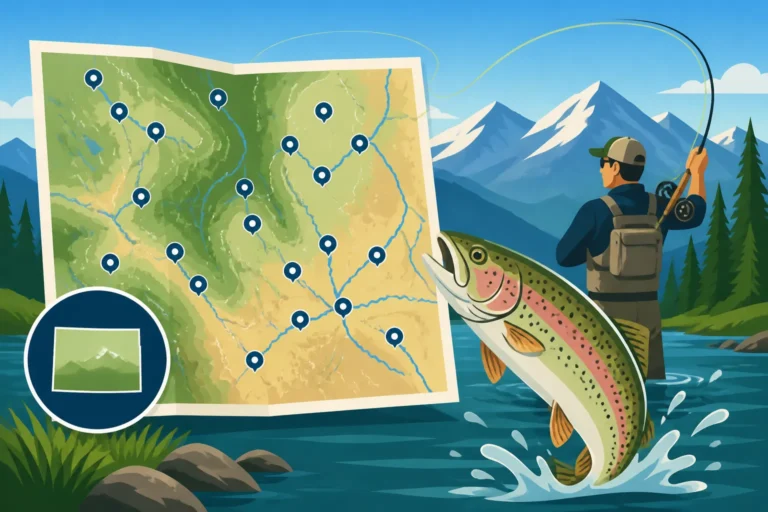
- Navigation: A physical map of the area and a compass are indispensable backups to any electronic devices. The Colorado Fishing Atlas is a great resource for planning.
- Emergency Gear: Fire starter, emergency shelter (like a lightweight tarp or bivvy sack), and a whistle can be life-savers.
- Footwear: Sturdy, waterproof hiking boots are essential for navigating rocky, uneven terrain.
- Insect Repellent: Mosquitoes and flies can be surprisingly tenacious in high-country settings, especially around still water in the evenings.
Best Time of Day and Year to Fish High Alpine Lakes
Knowing when to go can significantly increase your chances of success. Generally, the season for fishing high alpine lakes is relatively short, often from late June or early July through September. Prior to that, many lakes are still locked under ice. For a deeper dive, check out When Alpine Lakes Above 11,000 Feet Thaw Out. As for the best time of day, it often comes down to the sun and water temperature.
- Summer (July-August): This is the peak season. In July and August, the water has had a chance to warm up, and insect activity is at its highest. Early mornings and late evenings can be fantastic for dry fly fishing as trout become more active. Mid-day can be productive too, especially on cloudy days or if you target deeper areas.
- Fall (September): As temperatures begin to drop, fish often feed aggressively to put on weight for winter. This can be an excellent time for larger trout, especially with streamers or nymphs, but you must be prepared for colder weather and potential early snow. The window for dry fly fishing narrows.
- Spring (June): While some lower-elevation high lakes might be accessible in June, most truly high alpine lakes will still be thawing or recently thawed. Fishing can be challenging but rewarding for those who brave the cold. Trout are often hungry after winter but can be sluggish.
As previously mentioned, How Water Temperature Affects Trout Feeding is particularly relevant here. On sunny days, the mid-morning to late afternoon, after the sun has had a chance to warm the shallows, can be particularly productive. Conversely, during periods of intense high-country wind, understanding How Wind Affects Fishing on Colorado's High Lakes becomes critical. Ultimately, patience and adaptability are your best tools when planning your high-altitude fishing adventure.
Disclaimer
Please remember that fishing regulations in Colorado can change. Always consult the latest official Colorado Parks and Wildlife (CPW) regulations brochure before heading out. This guide provides general information and recommendations but is not a substitute for official regulations or professional advice. Be safe, respect the environment, and practice Leave No Trace principles in Colorado's beautiful high country.