Public vs Private Water on the Fryingpan River
Anglers often grapple with the complexities of public versus private water access, especially on renowned rivers like the Fryingpan in Colorado. It can be incredibly frustrating to plan a cherished fishing trip, only to arrive and find prime stretches are either confusing to navigate, heavily crowded, or completely off-limits due to private ownership. This guide aims to demystify the Fryingpan, providing clarity on where you can legally cast a line and how to make the most of both public and private fishing opportunities.
Understanding the Lay of the Land on the Fryingpan River
The Fryingpan River, often affectionately called "the Pan" by those who know it, is one of Colorado's crown jewels when it comes to trout fishing. It’s a place that draws anglers from all over the world, and for very good reason. Understanding what makes it so special, and the basic rules that govern its waters, is the first step to a successful outing.
The Fryingpan's Unique Appeal and Designation
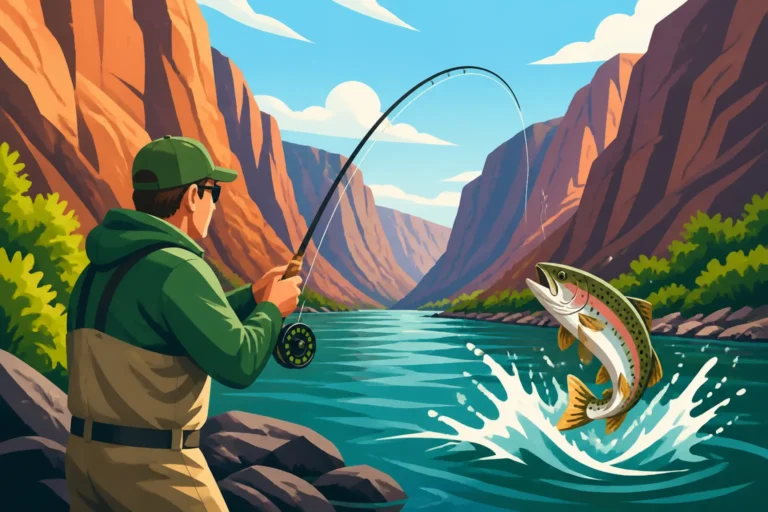
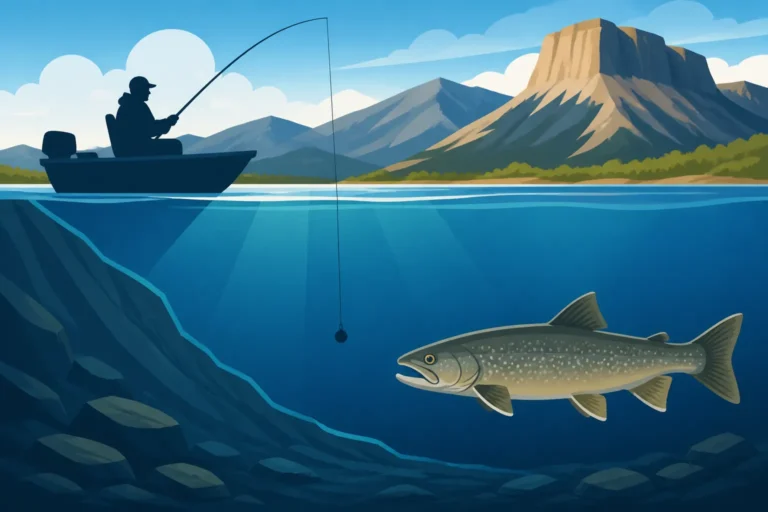
What truly sets the Fryingpan apart is its status as a tailwater fishery. Flowing out of the bottom of Ruedi Reservoir, the river benefits from consistent, cold water temperatures year-round. This stable environment creates a perfect habitat for aquatic insects and, consequently, large, healthy trout. We're talking about some truly impressive fish here, often referred to by locals as "gulpers" because of their distinctive, gulping rises to tiny midges. It’s this consistent flow and rich ecosystem that contributes to why the Fryingpan Below Ruedi Grows Giant Rainbows.
Because of its exceptional quality, the Fryingpan River, particularly the stretch from the Ruedi Reservoir dam down to its confluence with the Roaring Fork River, has been designated as Gold Medal Water by Colorado Parks and Wildlife (CPW). This designation isn't just a fancy title; it comes with specific regulations designed to protect and enhance the trophy trout fishery. These regulations include special bag and possession limits, and often require catch-and-release fishing with artificial flies and lures only, usually with Barbless Hook Rules on Colorado Rivers. It's crucial for any angler to familiarize themselves with Colorado's Gold Medal Water Regulations Explained before heading out, as they are strictly enforced.
General Rules of Engagement
Before you even think about whether you're on public or private land, remember that a valid Colorado fishing license is always your first priority. You'll need to secure your Colorado Fishing License Guide for Residents and Nonresidents, and it’s important to understand the associated costs and requirements. Beyond the license, general Colorado Fishing Regulations Every Angler Should Know apply to all waters, public or private, unless specific local rules are more restrictive. These often dictate things like bait restrictions, length limits (like Colorado's 14-Inch Trout Length Rule, though it might be superseded by catch-and-release on specific Gold Medal stretches), and allowed methods of take.
The Fryingpan is primarily a wade-fishing river. While you might see some folks with inflatable rafts or drift boats, these are generally used for access and moving between spots rather than actively fishing from them, especially in the narrower upper sections. Respect for other anglers, the fish, and the environment is paramount. Always be mindful of your wading, avoid disturbing redds (spawning beds), and leave no trace behind. If you're unsure about any specific rules or need to clarify details, the annual Colorado fishing regulations brochure is your best friend. Learning How to Read Colorado's Fishing Regulations Brochure can save you a lot of headaches and potential fines.
Navigating Public Access Points on the Fryingpan
For many anglers, public access is the backbone of their fishing adventures. The Fryingpan does offer several excellent public stretches, but it’s important to understand their characteristics, especially regarding popularity and potential crowds.
Key Public Stretches and How to Find Them
The most famous and easily accessible public stretch on the Fryingpan is undoubtedly the "Toilet Bowl." Located directly below the Ruedi Reservoir dam, this area is known for its deep, turbulent water and significant numbers of large trout, often feeding on midges that are flushed through the dam. It's a truly unique fishing experience. Getting there is straightforward: from Basalt, you'll head up Frying Pan Road (County Road 104) until you reach the dam. There are designated parking areas right at the base.
Further downstream, there are several pull-offs and designated public access points along Frying Pan Road. These spots often include small parking areas and clear pathways to the river. While the "Toilet Bowl" gets most of the fame, exploring these downstream sections can often yield more solitude and equally impressive fish. Using resources like the Colorado Parks and Wildlife (CPW) Fishing Atlas online can be incredibly helpful for identifying official access points and understanding the surrounding land ownership. It’s a fantastic tool for planning your trip, allowing you to scout out potential fishing spots even before you leave home. You might also want to check How to Read Colorado's Weekly Stocking Report to see if any areas have recently received fish.
The Realities of Public Water Fishing
Let's be real: public access, especially on a world-renowned river like the Fryingpan, means you won't always have the river to yourself. During peak season, especially on weekends or when a major hatch is on, the "Toilet Bowl" and other popular spots can become quite crowded. It's a testament to the river's quality, but it can also be a source of frustration for anglers seeking solitude. You might find yourself sharing a relatively short stretch of water with multiple other fly fishers, all trying to present their Best Flies for Colorado's Gold Medal Trout Water.
The key to success and enjoyment on public water is patience and respect. Always give fellow anglers ample space, avoid cutting them off, and if someone is already fishing a run, ask if you can fish above or below them before wading in. Sometimes, you'll need to hike a bit further or explore less obvious access points to find your own piece of quiet water. The fish on public stretches can also be incredibly wary due to constant pressure. This often requires longer, lighter leaders and very precise presentations. You might need to refine your Nymphing Techniques for Colorado Tailwaters or master the art of long, drag-free drifts with tiny dry flies to fool these educated trout. It's a challenge, but when you succeed, the reward is even sweeter.
Exploring Private Water Opportunities on the Fryingpan
While public water offers accessibility, many anglers dream of fishing pristine, unpressured stretches. On the Fryingpan, this often means exploring the world of private water access.
Understanding Private Water Rights in Colorado
Colorado's stream access laws can be a bit tricky, and it’s a point of contention for many anglers. Generally speaking, in Colorado, while the water itself might be considered public (navigable waters exception applies, but most trout streams are not truly navigable in a legal sense), the streambed and banks are often privately owned. This means that if you're wading, you could technically be trespassing if you step on the streambed of a privately owned section without permission. However, the exact interpretation and enforcement can vary.
For practical purposes on the Fryingpan, it’s safest to assume that if you're not on clearly marked public land or within the established right-of-way of a public road, you are likely on private property. Landowners in Colorado have the right to restrict access to their property, and many stretches of the Fryingpan flow through private ranches and estates. These landowners often post "No Trespassing" signs, and it's imperative to respect these boundaries. Violating private property laws can lead to hefty fines and legal trouble, not to mention a very unpleasant end to your fishing trip.
Accessing Private Water Through Outfitters and Lodges
So, how do you experience these exclusive, less-pressured waters? The most common and legitimate way to fish private water on the Fryingpan is by booking a guided trip through a local fly shop or a dedicated fishing lodge. Companies like Fryingpan Anglers, Taylor Creek Fly Shop, or Crystal Fly Shop often lease private water access from landowners, allowing their clients to fish these pristine stretches exclusively. This is a fantastic option for those seeking solitude, a more personalized experience, or higher chances of catching trophy fish.
When you book a private water trip, you’re not just paying for access; you're also benefiting from the expertise of a professional guide. These guides know the water intimately, understand the current hatches, and can provide invaluable instruction and insights. They’ll often supply all the necessary gear, flies, and even lunch. While the cost is higher than a DIY public water trip, many anglers find the experience well worth the investment. You can find many reputable guides and outfitters through platforms like FishingBooker, which can help you compare options and book your dream trip. Exploring "Guided Fishing Trips on Colorado's Fryingpan River" will give you a good idea of what's available and what to expect.
Key Differences and How to Approach Both
Deciding between public and private water access on the Fryingpan isn't about one being "better" than the other; it's about understanding what kind of experience you're looking for and planning accordingly. Each offers a distinct set of challenges and rewards.
Fishing Pressure and Fish Behavior
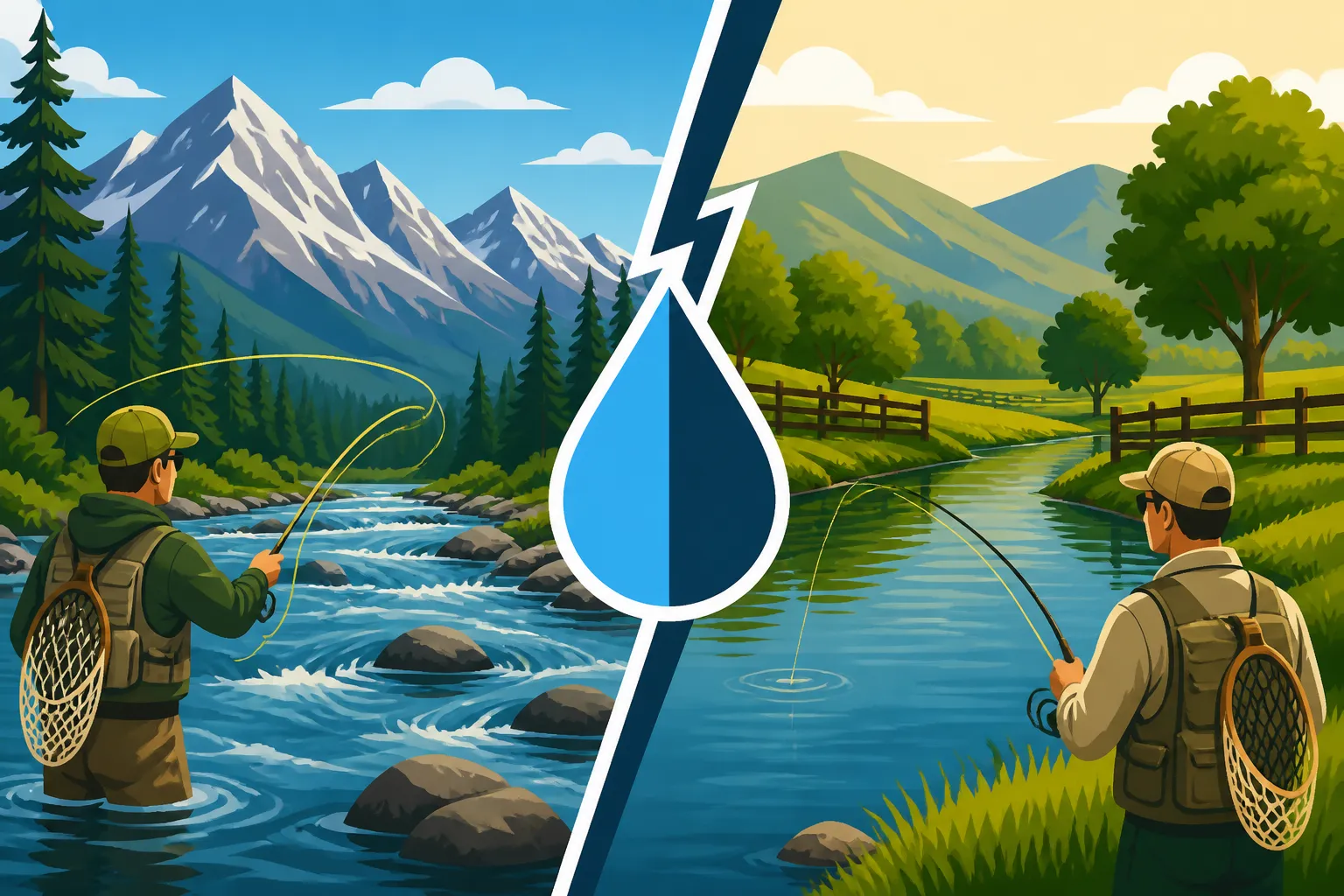
The most significant difference between public and private water is the level of fishing pressure. On public stretches, especially the famous ones like the "Toilet Bowl," fish see countless flies and lures every day. They become highly educated and extremely wary. This means you’ll often need to employ very subtle techniques, use the lightest tippets possible (often 6x or 7x), and present your flies with absolute precision to avoid spooking them. Even a slight drag on your line can send them darting for cover. Mastering these delicate presentations is key to success on pressured public waters.
Conversely, fish in private water stretches are typically less accustomed to seeing anglers and flies. This doesn't mean they're easy, but they are generally less wary and more forgiving of minor presentation errors. You might find them more willing to rise to a dry fly or chase a nymph. This can be a huge advantage for beginners, or for experienced anglers looking to hone specific techniques without the added challenge of highly pressured fish. The sheer abundance of large fish in these less-frequented areas can also be astounding.
Regulations and Restrictions
While the foundational Colorado state regulations, such as those covered in the Colorado Fishing License Guide for Residents and Nonresidents, apply everywhere, private landowners and outfitters often impose additional rules on their waters. These might include:
- Specific Wading Restrictions: Some private sections might prohibit wading entirely to protect the streambed or enhance habitat, requiring you to fish from the bank.
- Fly/Lure Restrictions: While the Fryingpan is generally artificial flies and lures only, some private stretches might have even stricter rules, such as specific patterns, sizes, or even barbless hook-only mandates that go beyond the general Colorado rules.
- Catch-and-Release Only: Many private waters operate under strict catch-and-release policies, even if state regulations might allow for keeping fish in some areas. This is usually to maintain the quality and quantity of the trophy fishery.
It's absolutely critical to clarify any specific rules with your outfitter or landowner before fishing private water. Showing respect for their property and rules ensures continued access for future anglers.
Maximizing Your Fryingpan Experience
To truly make the most of your Fryingpan adventure, consider a multifaceted approach.
For public water, timing is everything. Try to fish during weekdays rather than weekends, or during the shoulder seasons (spring and fall) when crowds are thinner. Early mornings or late evenings can also offer more solitude. Don't be afraid to hike a bit further away from the main access points; a short walk can often lead to significantly less pressured water. When the fish are exceptionally wary, consider using advanced techniques like Euro Nymphing or extremely long leaders with tiny dry flies. Keeping an eye on a platform like FishingBooker might also reveal less-known public access guides.
For private water, the advantage lies in the tailored experience. If you’re a beginner, a guided trip on private water offers personalized instruction and a higher chance of success, building confidence. If you're an experienced angler, it provides the opportunity to target trophy fish in a serene setting, perhaps even trying out new techniques like streamer fishing for large brown trout. The knowledge a guide brings about "Best Flies for Colorado's Gold Medal Trout Water" or the nuances of the river can transform your day.
Ultimately, whether you choose public or private water, the Fryingpan River offers an incredible fishing experience. By understanding the differences, respecting the rules, and approaching the river with a good attitude, you're set for an unforgettable day.
| Feature | Public Water (e.g., Fryingpan) | Private Water (e.g., Fryingpan) |
|---|---|---|
| Access Method | Designated points, public lands, road easements | Through guided outfitters, lodges, or direct landowner permission |
| Cost | Colorado fishing license & Habitat Stamp only | Guide fees, access fees, potentially lodge stay (can be significant) |
| Fishing Pressure | High, especially at popular spots and peak times | Low, often exclusive to a small number of anglers |
| Fish Behavior | Highly educated, wary, requires stealth & precision | Generally less wary, more forgiving, often more aggressive |
| Typical Experience | Social, challenging, rewarding when you crack the code, budget-friendly | Solitude, higher success rates, educational with a guide, premium experience |
| Additional Rules | Colorado state regulations apply | State regulations + landowner/outfitter specific rules (e.g., no wading, specific flies) |
| Best For | Independent anglers, budget travelers, those who enjoy a challenge | Beginners, those seeking solitude, trophy fish, professional instruction, special occasions |
Important Disclaimer
Fishing conditions and regulations in Colorado are subject to change. Always consult the official Colorado Parks and Wildlife (CPW) website or the latest fishing regulations brochure before planning your trip. This guide is for informational purposes only and does not constitute legal advice regarding land access or fishing regulations. Always exercise caution and respect private property.