Best Alpine Lakes for Cutthroat Trout Near Silverton
There’s a special kind of magic that draws anglers to Colorado’s high country, especially those with a passion for native cutthroat trout. But let's be honest, finding those pristine alpine lakes, tucked away in the rugged San Juan Mountains near Silverton, isn't always easy. It requires effort, planning, and a bit of local know-how. This guide is dedicated to helping you unlock the secrets of these incredible fishing destinations, giving you the insights you need to experience some truly unforgettable cutthroat fishing.
The Allure of Alpine Cutthroat Trout in the San Juan Mountains
For many, the San Juan Mountains represent the quintessential Colorado wilderness: towering peaks, vast alpine meadows, and a remoteness that truly lets you disconnect. But for anglers, this region holds an even deeper appeal, primarily due to its native cutthroat trout populations. Unlike the heavily stocked rivers and easily accessible reservoirs, the cutthroats in these high-altitude lakes are often wild, vibrant, and a testament to the perseverance of a true Colorado native.
These fish thrive in the icy-cold, oxygen-rich waters fed by snowmelt, often living in environments where few other fish species can survive. The challenge of reaching them, combined with the sheer beauty of their habitat, makes every cast a privilege. You're not just catching a fish; you're connecting with a piece of Colorado's natural heritage in some of the most stunning landscapes the state has to offer. It’s an experience that’s about so much more than just the fish count.
What Makes Alpine Lakes Ideal for Cutthroat
It's no accident that these remote, high-altitude lakes are the stronghold for Colorado's native cutthroat trout. The conditions here are absolutely perfect for them, creating an ecosystem that fosters their survival and often leads to healthy, thriving populations.
First, the water itself is pristine. These lakes are typically fed by snowmelt and mountain springs, meaning the water is incredibly cold, clear, and unpolluted. This high-quality water is essential for trout health. Second, the altitude acts as a natural barrier. The thin air and harsh winters limit the presence of many invasive fish species that can outcompete or hybridize with cutthroat trout in lower elevations. This isolation is critical for maintaining genetically pure populations of native fish like the Colorado River Cutthroat Trout, Where to Find Them or the Rio Grande Cutthroat Trout in the San Luis Valley. Without this natural protection, these unique strains would struggle to survive. Finally, the food sources in alpine lakes, while sometimes sparse, are exactly what cutthroats need—insect hatches, small crustaceans, and occasionally smaller baitfish provide a balanced diet, allowing them to grow strong and healthy.
Identifying Native Cutthroat and Their Habitat
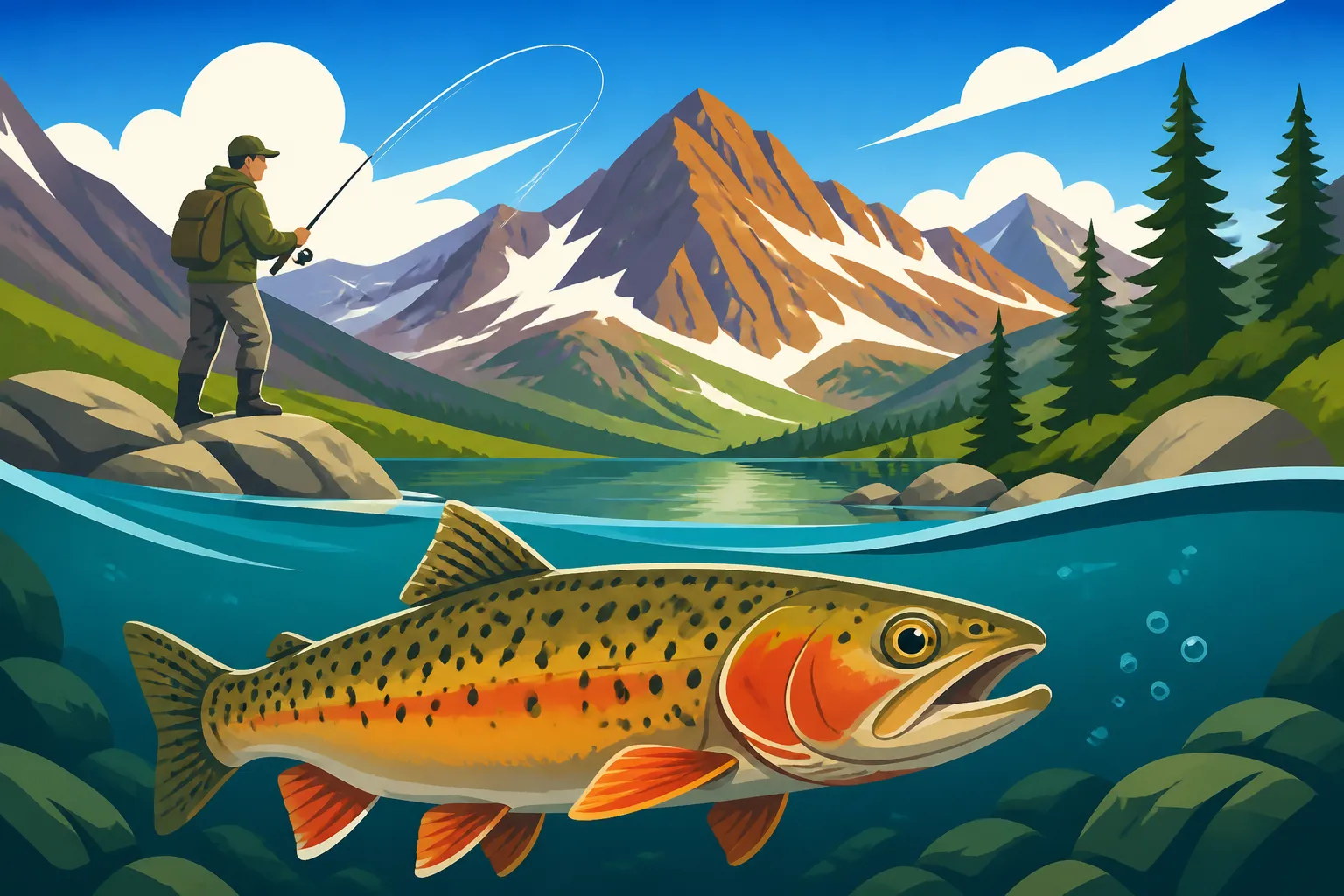
Knowing what a native cutthroat looks like is key to appreciating your catch and ensuring you're respecting conservation efforts. While there are several subspecies in Colorado, including the Greenback, Colorado River, and Rio Grande cutthroats, they generally share distinct characteristics. Look for vibrant red or orange "slash" marks under their jawline, which give them their name. Their body coloration can vary from olive green to brassy yellow, often with distinct black spots, particularly towards the tail. If you're ever in doubt about what you've caught, it's wise to assume it's a native and handle it with extreme care, especially if you're practicing catch-and-release.
The best habitat for these fish will be exactly what you'd expect: clear, cold water, often with rocky bottoms and plenty of structure like submerged logs or boulders for cover. They prefer areas where they can ambush prey and quickly retreat if threatened. When you're scouting a lake, look for these features – deep pockets, rocky ledges, and areas where feeder streams enter the lake, bringing in fresh oxygen and food. These are often the prime spots where these beautiful fish will be holding. Learning Telling a Cutbow From a Pure Cutthroat can also be very helpful in the field, as hybrids can sometimes be found, though less commonly in these high alpine bastions.
Prime Alpine Lakes for Cutthroat Trout Near Silverton
Silverton, nestled deep within the San Juans, is an incredible jumping-off point for accessing some truly remarkable high-country fishing. The surrounding mountains are dotted with sapphire-blue lakes, many of which hold strong populations of cutthroat trout. The key, however, is being prepared for the journey and knowing which lakes offer the best opportunities. Remember, these aren't your roadside ponds; they demand effort, but the reward is absolutely worth it.
When you start planning, it's always a good idea to check resources like the Colorado Parks and Wildlife (CPW) stocking reports or their Colorado Fishing Atlas to Plan a Trip for the most current information. While many of these lakes aren't stocked annually with cutthroat, CPW does monitor native populations and their health.
Ice Lake Basin
Ice Lake Basin is arguably one of the most stunning and iconic hiking destinations in Colorado, and thankfully, it also boasts some fantastic cutthroat fishing. The main Ice Lake itself, with its surreal turquoise waters, holds populations of native cutthroat. However, the real gems for anglers might be the smaller, less-pressured lakes higher up in the basin, like Island Lake or Fuller Lake.
The hike into Ice Lake Basin is challenging, gaining significant elevation over a relatively short distance. You'll often encounter snowfields even into early summer, and afternoon thunderstorms are a daily occurrence in July and August. The best time to fish here is typically from late June through September, once the ice has fully melted and the trails are clear. The fish here are often eager to strike dry flies, especially smaller terrestrials or attractor patterns, given the lack of angling pressure compared to more accessible waters. Be prepared for strong winds that can make casting tricky, but also bring in terrestrial insects, creating feeding opportunities for the trout.
Highland Mary Lakes
Another incredible high-altitude system, the Highland Mary Lakes, offers a true wilderness fishing experience. This chain of lakes is located north of Silverton and requires a moderately strenuous hike, often accessed via the Cunningham Gulch trailhead. The rewards are breathtaking views and a strong chance at catching beautiful cutthroat trout in an incredibly serene setting.
The various lakes in the system each offer slightly different fishing experiences. Some are shallower and weedier, while others are deeper with rocky structures. The cutthroats here are often smaller but plentiful, making it a great spot for consistent action. Fly fishing with small nymphs, emergers, or dry flies during a hatch can be incredibly effective. Spin anglers can do well with tiny spoons or spinners. Because of the multi-lake system, you can explore and find fish throughout the day, moving between different water bodies to see what's biting. Always be mindful of weather changes in this exposed alpine environment; storms can roll in quickly.
Other Hidden Gems and Considerations
Beyond the well-known destinations, there are countless smaller, unnamed, or less-frequented tarns and lakes scattered throughout the San Juan Wilderness surrounding Silverton. These often require significant off-trail navigation, advanced backpacking skills, and a keen eye for maps and terrain, but they offer the ultimate solitude and often the most untouched cutthroat populations.
When looking for these truly hidden gems, consult detailed topographic maps, focusing on basins above the tree line with permanent water sources. Lakes with inlet and outlet streams are often more productive as they provide spawning habitat and a steady flow of nutrients. Researching specific wilderness areas, like the Weminuche Wilderness which borders Silverton, can also point you to areas with high concentrations of alpine lakes. Always prioritize safety, tell someone your plans, and be prepared for self-rescue in these remote locations. Many outfitters list trips on platforms like FishingBooker, which, while focusing on guides, can sometimes provide insight into productive regions even if you're planning a DIY trip.
Here's a quick comparison of some popular high-country options near Silverton:
| Lake/Basin | Access Difficulty | Primary Fish Species | Typical Size (Inches) | Best Season | Special Regulations |
|---|---|---|---|---|---|
| Ice Lake Basin | Strenuous Hike | Cutthroat Trout | 8-14 | Late June – Sep | General Colorado regs, often catch-and-release encouraged |
| Island Lake (in Ice) | Strenuous Hike | Cutthroat Trout | 8-12 | Late June – Sep | General Colorado regs, often catch-and-release encouraged |
| Highland Mary Lakes | Moderate-Strenuous | Cutthroat Trout | 6-12 | July – Mid-Oct | General Colorado regs, often catch-and-release encouraged |
| Unnamed High Tarns | Very Strenuous | Cutthroat Trout | 6-16+ | July – Sep | Check specific regulations, often catch-and-release only |
Remember, these are general guidelines, and conditions can vary year to year. Always consult the official Colorado Fishing Regulations Every Angler Should Know before heading out.
Essential Gear for High-Altitude Cutthroat Fishing
Heading into Colorado’s high country demands a different kind of preparation than fishing a leisurely riverbank. The weather can be unpredictable, the terrain challenging, and the fish surprisingly wary despite their remoteness. Having the right gear isn't just about comfort; it's about safety and effectiveness. Don't underestimate the mountains; they command respect.
Even if you’re a seasoned angler, remember that the high alpine environment adds extra layers of consideration. The thin air at elevations like those around Silverton (often above 10,000 feet) means you’ll tire more easily, and the sun's intensity is much higher. Factor all of this into your gear choices, aiming for lightweight, durable, and versatile items.
Fishing Tackle for Wary Cutthroat
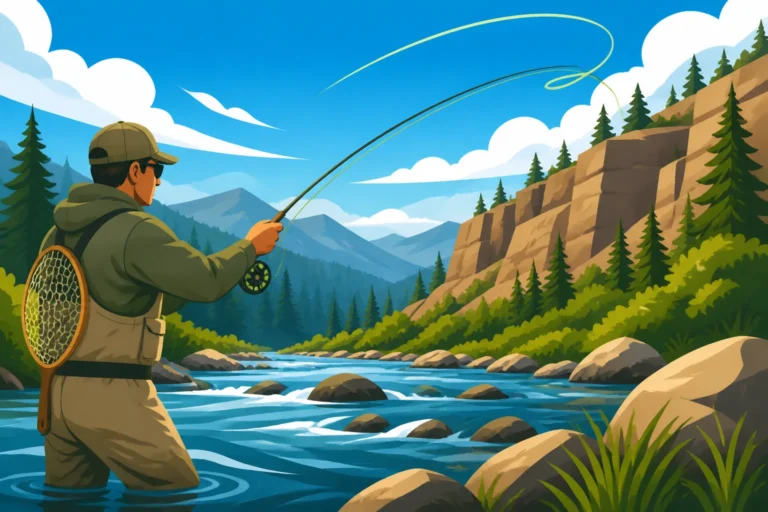
For fly anglers, a lightweight 3- or 4-weight rod, 7.5 to 8.5 feet long, is usually perfect for these smaller streams and lakes. It provides enough backbone to cast into the wind but is sensitive enough for delicate presentations. A floating line is standard. Your leader and tippet should be on the lighter side, think 4x to 6x, especially if the water is crystal clear and the fish are spooky.
When it comes to flies, simplicity often wins. Cutthroats in alpine lakes aren't usually picky eaters, but smaller patterns are often more effective.
- Dry Flies: Parachute Adams, Royal Wulff, Stimulator, Caddis patterns, and smaller terrestrials like beetles or ants are excellent choices. They work well on calm days or when fish are rising to natural hatches.
- Nymphs: Prince Nymphs, Hare's Ear, Pheasant Tail, and Copper Johns in sizes 16-20 will cover most subsurface feeding. A small indicator can help detect subtle takes.
- Streamers: Don't overlook small Woolly Buggers (olive or black) for aggressive fish, especially after a storm or in deeper pockets.
For spin anglers, a light-action rod with 4-6 lb test line is ideal. Small spinners (like Panther Martin or Mepps), tiny spoons (Kastmaster or Daredevil), and small jigs tipped with a piece of Gulp! or PowerBait can be incredibly effective. Remember that bait restrictions may apply in some native cutthroat waters, so always double-check the regulations.
Essential Backpacking and Safety Gear
Beyond your fishing tackle, your backpack needs to be a small fortress of preparedness. Even for a day trip, bring supplies as if you might be stuck overnight.
- Navigation: A detailed topographical map (like USGS quads or National Geographic Trails Illustrated maps) of the area, a compass, and a fully charged GPS device or smartphone with downloaded offline maps (like Gaia GPS or AllTrails) are non-negotiable. Cell service will be non-existent in many of these basins.
- Weather Protection: Layers, layers, layers! A waterproof and windproof jacket is essential, even on sunny days. Bring a warm hat, gloves, and extra dry socks. The weather in the San Juans can change from sunny to snowing in a matter of minutes, even in mid-summer.
- First Aid: A comprehensive first-aid kit, including blister treatment, pain relievers, and any personal medications, is vital.
- Water & Food: Carry ample water and a water filter or purification tablets. High-altitude exertion demands more hydration. Pack high-energy snacks and extra food.
- Sun Protection: Sunscreen, a wide-brimmed hat, and polarized sunglasses are crucial due to the intense UV radiation at elevation.
- Headlamp/Flashlight: Even if you plan to be back before dark, an unexpected delay can happen, and navigating rough terrain in the dark is dangerous.
- Emergency Shelter/Fire Starter: A lightweight emergency bivy or space blanket and a fire starter (waterproof matches, lighter, fire steel) can be lifesavers.
- Bear Canister/Bag: If camping overnight, use a bear-resistant food canister or hang your food properly to protect both your supplies and wildlife.
Knowing how to properly handle your catch is also part of responsible angling, especially when you're targeting sensitive species like cutthroat. Make sure you understand How to Handle Trout for a Safe Release to minimize stress and maximize their survival chances.
Navigating Access and Regulations for Remote Alpine Fishing
The very thing that makes alpine lakes so special—their remoteness—also presents the biggest challenges. Accessing these waters requires not just physical stamina but also a deep respect for the wilderness and a thorough understanding of local rules and regulations. This isn't just about avoiding a ticket; it's about preserving these delicate ecosystems for generations to come.
Silverton sits surrounded by national forest and wilderness areas, each with its own specific guidelines that often layer on top of statewide regulations. Doing your homework before you go is paramount, as penalties for non-compliance can range from hefty fines to loss of fishing privileges, or worse, causing irreversible harm to native fish populations.
Understanding Wilderness Permits and Trailheads
Many of the prime cutthroat lakes are located within designated wilderness areas, such as the Weminuche Wilderness. While a specific permit for fishing itself isn't typically required beyond your standard Colorado Fishing License Guide for Residents and Nonresidents, some wilderness areas might require permits for overnight camping or group sizes. Always check with the local Forest Service office (the San Juan National Forest office in Durango would be your point of contact for the Silverton area) for the most current information.
Trailheads can be rough and require high-clearance 4×4 vehicles to reach, particularly those leading to the more remote basins. Even well-known trails, like the one to Ice Lake Basin, can be busy, especially on summer weekends. Plan to start your hike early to beat the crowds and afternoon thunderstorms. Be prepared for creek crossings, downed trees, and potentially snow-covered trails well into July, especially in higher elevations. Maps and a good sense of direction are critical, as trail markers can be sparse or non-existent in some areas.
Specific Regulations for Native Cutthroat Waters
Colorado Parks and Wildlife takes the conservation of native cutthroat trout very seriously. As such, many native cutthroat waters have special regulations that differ from general statewide rules. These often include:
- Catch-and-Release Only: Many pristine high-alpine lakes are designated as catch-and-release only for native cutthroat to help boost their populations.
- Artificial Flies and Lures Only: To minimize impacts on native fish, bait is often prohibited in these waters. This means no worms, salmon eggs, or power bait.
- Barbless Hooks: Requiring barbless hooks makes it easier to release fish with minimal injury, increasing their survival rate. If your hooks aren't barbless, simply crimp down the barb with a pair of pliers.
- Specific Bag and Possession Limits: Even if keeping fish is allowed, the daily bag and possession limits for cutthroat trout might be lower than for other trout species, or there might be specific length restrictions, such as the Colorado's 14-Inch Trout Length Rule in some waters, though less common in these very high lakes.
It is your responsibility to know and abide by these rules. Before you head out, make sure to thoroughly read the current year’s Colorado Fishing Regulations Brochure, which is available online through CPW or at most sporting goods stores. Ignoring these rules not only risks legal trouble but also undermines the collective efforts to protect these precious native fish. Be especially diligent about Catch-and-Release Rules on Colorado's Cutthroat Waters and practice them ethically to ensure the future of these fragile populations. Many fishing charters or guide services you might find on FishingBooker also emphasize these conservation practices.
Respecting the Wilderness and Ethical Angling
When you venture into Colorado’s high country, you're not just a visitor; you're a steward of a fragile and beautiful ecosystem. Practicing responsible wilderness ethics and ethical angling is paramount to preserving these incredible places for everyone, including the fish themselves. The principles of Leave No Trace are your guide here, ensuring that your impact is minimal and respectful.
This isn't just about following rules; it's about developing a personal code of conduct that prioritizes conservation and respect. The pristine nature of these alpine lakes is directly tied to the actions of every person who visits them. Let's make sure our visits contribute to their preservation, rather than their degradation.
Leave No Trace Principles in the High Country
The seven principles of Leave No Trace are designed to minimize human impact on the outdoors. When fishing alpine lakes, pay particular attention to:
- Plan Ahead and Prepare: This includes everything from checking weather forecasts to understanding regulations and packing appropriate gear. Being prepared reduces the likelihood of emergencies and impulsive actions that might harm the environment.
- Travel and Camp on Durable Surfaces: Stick to established trails, even if they are muddy. Avoid creating new paths. If camping, use existing campsites away from water sources (at least 200 feet).
- Dispose of Waste Properly: Pack out everything you pack in, including all trash, food scraps, and fishing line. Human waste should be buried in a cathole 6-8 inches deep and at least 200 feet from water, trails, and campsites.
- Leave What You Find: Do not disturb cultural or natural features. Leave rocks, plants, and other natural objects as you find them.
- Minimize Campfire Impacts: Campfires are often prohibited in high-altitude, fragile environments. Use a camp stove for cooking. If fires are allowed, use established fire rings and keep fires small.
- Respect Wildlife: Observe wildlife from a distance. Do not feed animals. Secure food and trash to prevent animals from getting into them.
- Be Considerate of Other Visitors: These remote areas are for everyone seeking solitude. Keep noise levels down and yield to other hikers and anglers on trails.
Ethical Angling for Native Cutthroat
Catching a native cutthroat in a remote alpine lake is a trophy in itself, regardless of its size. If you plan to release your catch, which is highly recommended in these sensitive areas, especially for species covered under Colorado Bag and Possession Limits by Species, make sure you do so with the utmost care.
- Minimize Handling: Try to keep the fish in the water as much as possible. Wet your hands before touching the fish to protect its slime coat, which is vital for its health and disease resistance.
- Use Barbless Hooks: As mentioned, barbless hooks make removal quick and easy, causing less trauma to the fish.
- Quick Release: Work quickly to unhook the fish. If using pliers, ensure you have them readily accessible. Avoid playing the fish to exhaustion, especially in cold water where their metabolism is slower.
- Revive Carefully: If the fish seems stressed, hold it gently in the water, facing upstream, allowing water to flow over its gills until it regains its strength and can swim away on its own.
By adhering to these principles, you help ensure that these stunning fish and their spectacular habitats remain healthy and vibrant for future generations of anglers. It's a small price to pay for the immense privilege of experiencing Colorado's wild alpine frontiers.
Disclaimer
The information provided in this guide is for general informational purposes only and does not constitute official legal advice or comprehensive instructions on all Colorado Parks and Wildlife regulations. Always consult the most current official Colorado fishing regulations brochure and wilderness area rules before embarking on any fishing trip. Conditions in the high country can change rapidly, and personal safety is always your responsibility.