Telling a Cutbow From a Pure Cutthroat
Few things are more frustrating for a Colorado angler than pulling in a beautiful trout and staring at it, utterly perplexed, wondering if it's a true native cutthroat or a hybrid "cutbow." The visual differences can be incredibly subtle, especially to an untrained eye, and the rules about keeping certain species, particularly our protected native cutthroat, are strict for good reason. This guide is here to untangle that mystery, giving you the real-world tips and details you need to confidently distinguish between these two magnificent fish in Colorado's diverse waters.
The Tale of Two Trout: Cutthroat and Cutbow Defined
Colorado's waters are home to a fascinating array of trout, each with its own story. Understanding the difference between a pure cutthroat and a cutbow hybrid is crucial, not just for identifying your catch, but for respecting the delicate balance of our aquatic ecosystems and following regulations. It's a distinction that can feel like splitting hairs, but with a little knowledge, you'll be an expert in no time.
The True Native: Colorado's Cutthroat Trout
Imagine a fish that has graced Colorado's high-country streams and pristine rivers for thousands of years, long before any other trout species were introduced. That, my friends, is our native cutthroat trout. Colorado is proudly home to several subspecies, each adapted to specific drainages. We have the Greenback Cutthroat, the Colorado River Cutthroat, and the Rio Grande Cutthroat. These fish are more than just beautiful; they are living relics, vital to the health of our native aquatic habitats. They’re often found in colder, clearer waters, clinging to their ancestral grounds, a testament to resilience and adaptation. Learning about Colorado's Native Cutthroat Trout Subspecies is a journey into our state's natural heritage.
Pure cutthroat trout are often characterized by their less aggressive feeding habits compared to their rainbow cousins, and their preference for cleaner, less disturbed environments. They are the epitome of wildness in our streams, often more elusive and requiring a more delicate approach from anglers. Their survival is a testament to ongoing conservation efforts, and every angler plays a part in protecting these unique fish. When you encounter a pure cutthroat, you're not just seeing a fish; you're seeing a piece of Colorado's wild heart.
The Hybrid Enigma: Understanding the Cutbow
Now, let's talk about the cutbow. As the name suggests, a cutbow is a hybrid, a cross between a rainbow trout and a cutthroat trout. This interbreeding can happen naturally in areas where both species coexist and spawn, or it can occur in hatcheries, sometimes intentionally for stocking programs, other times accidentally. The challenge is that cutbows can display a confusing mix of characteristics from both parent species, making identification a real puzzle.
Cutbows often exhibit a blend of the rainbow's vibrant colors and larger spots with the cutthroat's signature "cut" marks. They tend to be more adaptable than pure cutthroat, often tolerating a wider range of water conditions and food sources, much like the resilient rainbow trout. While beautiful and often strong fighters, their presence in native cutthroat waters can pose a threat to the genetic purity of our indigenous fish populations. It's a complex issue, and understanding Why Interbreeding Threatens Native Cutthroat Populations sheds light on the challenges conservationists face.
Why the Confusion Exists in Colorado Waters
The primary reason for the widespread confusion between cutthroat and cutbows lies in the sheer visual similarity and the historical stocking practices in Colorado. For decades, various trout species, including non-native rainbows, were introduced into waters across the state. This inevitably led to rainbows overlapping with native cutthroat populations, creating ideal conditions for hybridization. When you're standing on the banks of a river, staring into the water, you're not seeing a neat genetic chart; you're seeing a fish that might have traits from both sides of its family tree.
Adding to the complexity is the fact that certain characteristics, like the red slashes under the jaw, can vary in intensity even among pure cutthroat, and can sometimes be present in hybrids as well. Environmental factors, diet, and even the age of the fish can influence coloration and spotting patterns, further blurring the lines. It’s no wonder so many anglers scratch their heads, unsure if their catch is a precious native or a common hybrid.
Key Physical Characteristics for Identification
When you're trying to tell a cutthroat from a cutbow, you really need to become a detective of details. These fish are masters of subtle disguise, and a quick glance often isn't enough. Grab your magnifying glass (or just lean in closer!) because we're going to break down the tell-tale signs. It's all about observing patterns, colors, and even the shape of their fins.
The Iconic Red Slash: A Cutthroat's Hallmark
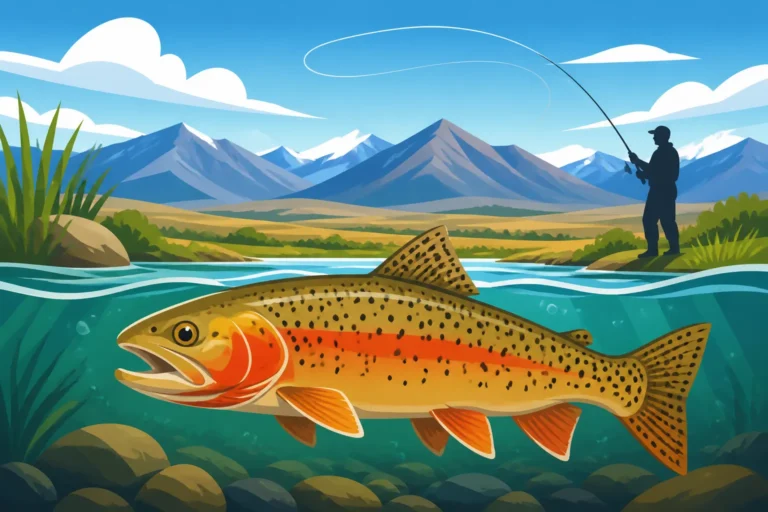
The most famous, and often the most reliable, indicator for a cutthroat trout is the presence of the distinct red, orange, or even yellowish "slash" marks found in the folds of skin under their lower jaw. Think of it like a painted cheek mark, or a literal cut, hence the name "cutthroat." This mark can range from a vivid, fiery red to a more muted, dusky orange, depending on the subspecies, water clarity, and the fish's diet.
However, here's where it gets tricky: some cutbows, especially those with a strong cutthroat genetic influence, can also exhibit these slashes. Generally, in a true cutthroat, these slashes are more pronounced, often extending further back and being more intensely colored. In a cutbow, they might be fainter, broken, or less vibrant, sometimes even appearing as just a light orange or yellow smudge. So while it's the first thing to look for, don't let it be the only thing you look for. It's a critical clue, but not always a definitive answer on its own.
Spotting Patterns: Fine Spots vs. Larger Markings
Now, let's talk spots. This is another major differentiator, and it requires a keen eye.
- Pure Cutthroat: Generally, pure cutthroat trout, especially our native Colorado River Cutthroat and Greenback Cutthroat, have smaller, more numerous spots that are often concentrated towards the tail end of their body. These spots tend to be irregularly shaped and somewhat faded, almost like specks of pepper. They rarely extend onto the head or beyond the midline of the body in dense clusters. If you see a fish with large, bold spots peppered all over its head and front body, it's likely not a pure cutthroat.
- Cutbows: Cutbows, on the other hand, often inherit the spotting pattern of their rainbow trout parent. This typically means larger, more distinct, and more evenly distributed spots across their entire body, including often extending onto the head, gill plates, and dorsal fin. The spots might even appear as small, dark circles, rather than the more irregular, smudged spots of a cutthroat. If you're comparing two fish side-by-side, you'll often notice the cutbow's spots are bolder and more widespread. This is one of the more consistent indicators to differentiate them. A good waterproof field guide you can purchase on Amazon can be an invaluable tool to reference these patterns quickly on the water.
Fin Shape and Coloration: Subtle But Important Differences
Beyond spots and slashes, the fins can offer subtle clues. While not as obvious as the other traits, they contribute to the overall picture.
- Fin Color: Pure cutthroat trout typically have fins that match their body coloration, often with a hint of yellow or orange, especially on the pelvic and anal fins. The edges of their fins might be a darker, more olive tone, but generally, they lack the stark white leading edges sometimes seen on rainbow trout fins.
- Fin Shape: The overall fin shape can also be a subtle hint. Cutthroat trout tend to have more rounded or blunt fin tips, particularly on their pectoral and pelvic fins, compared to the often slightly more pointed fins of a rainbow or cutbow. These differences are minimal, but when combined with other features, they can help solidify your identification.
Body Shape and Overall Appearance
Consider the fish's overall "jizz" – that indefinable impression.
- Cutthroat: Pure cutthroat often have a more slender, elongated body shape, especially when found in smaller, wild streams. Their heads can appear proportionally smaller, and their mouths may not extend quite as far back as a rainbow's. The coloration tends to be more subdued, often olive, bronze, or yellowish-green, blending seamlessly with their natural environment. The lateral line, while present, isn't usually highlighted by a prominent red or pink band.
- Cutbows: Cutbows, influenced by their rainbow genetics, often present a slightly chunkier, more robust body. Their coloration can be brighter, with iridescent silver flanks and sometimes a more prominent pink or red lateral stripe running down their side, similar to a classic rainbow. Their heads might appear slightly larger, and their jaws can extend further back, sometimes past the eye. This general impression of robustness and brighter coloration can often lean towards a cutbow identification. Remember, Telling a Rainbow From a Cutthroat Trout can give you even more context for distinguishing these fish.
Here's a quick comparison table to help you keep these characteristics straight in your mind:
| Feature | Pure Cutthroat Trout | Cutbow Trout (Hybrid) |
|---|---|---|
| Red Jaw Slash | Typically distinct, vibrant red/orange, often solid, pronounced. | Can be present, but often fainter, broken, or less vibrant; sometimes yellowish. |
| Spotting Pattern | Smaller, numerous, irregular spots concentrated on the tail. Seldom on head/front body. | Larger, more distinct, more evenly distributed spots across entire body, often on head/gills. |
| Lateral Line Stripe | Usually absent or very subtle; body color typically uniform. | Often has a noticeable pink/red lateral band, similar to a rainbow trout. |
| Body Shape | More slender, elongated; wilder appearance. | Often more robust, chunkier, or football-shaped, similar to a rainbow. |
| Overall Coloration | More subdued, olive, bronze, yellowish-green; blends with natural habitat. | Brighter, more iridescent silver flanks; can show more vibrant rainbow hues. |
| Mouth Position | Usually does not extend past the back of the eye. | Can extend slightly past the back of the eye, like a rainbow. |
Habitat and Behavior Clues
Beyond what a fish looks like, where you find it and how it behaves can offer critical insights into whether you're dealing with a pure cutthroat or a cutbow. Colorado's diverse landscapes offer a huge range of aquatic environments, and different trout species tend to prefer specific niches within them. Knowing these preferences can greatly aid your identification, even before you get a good look at the fish itself.
Native Range and Preferred Waters for Pure Cutthroat
Pure cutthroat trout, by their very nature, are often found in the most pristine, wild, and often remote corners of Colorado. Think high-altitude alpine lakes, small headwater streams, and isolated river drainages that have remained relatively untouched by human development and the introduction of non-native species. These are typically colder, clearer waters with excellent oxygen levels. For instance, you'll find healthy populations of Colorado River Cutthroat Trout, Where to Find Them in the upper reaches of the Colorado River basin, often above natural barriers that prevent other trout from migrating upstream. Similarly, Rio Grande Cutthroat Trout in the San Luis Valley inhabit specific high-elevation streams within their namesake drainage.
When you're bushwhacking to a remote, unnamed creek in the wilderness, or fishing above a waterfall that blocks upstream migration, the odds of encountering a pure native cutthroat skyrocket. These fish are sensitive to competition and habitat degradation, so their presence often signals a healthy, intact ecosystem. Their behavior also tends to be more cautious; they might be less aggressive feeders than stocked rainbows or cutbows, often requiring a more subtle presentation.
Where Cutbows Thrive: Stocked Waters and Intermixed Habitats
Cutbows, being hybrids, are often a product of circumstance where rainbow and cutthroat populations intermingle. You're far more likely to encounter them in larger, more accessible rivers and reservoirs, especially those that have been historically stocked with rainbow trout or where both species have been introduced. These waters often have more variable conditions, perhaps warmer temperatures, more fishing pressure, or a mix of habitat types that favor a more adaptable hybrid.
Think about many of the well-known, easily accessible rivers and reservoirs along the Front Range or major highway corridors. While these waters may hold some cutthroat, they are also prime territory for rainbows and, by extension, cutbows. If you're fishing a popular stretch of a river where you know stocking occurs, or a reservoir with a mix of species, approach your identification with the assumption that a cutbow is a real possibility. Their greater adaptability means they can thrive in conditions that might be too harsh for a pure, sensitive native cutthroat.
Feeding Habits and Aggression Levels
Behavior can also be a significant clue. While not foolproof, general tendencies can help you make an educated guess.
- Pure Cutthroat: Native cutthroat, particularly in their wild, undisturbed environments, are often more opportunistic and less aggressive feeders. They might be more selective, keying in on specific insect hatches or subtle drifts. They can be spooky, easily put down by heavy footsteps on the bank or sloppy casts. In very cold, clear mountain streams, they might hold tight to cover and only dart out for a perfectly presented fly or small lure. Their survival instincts often make them warier.
- Cutbows: Influenced by their rainbow genetics, cutbows tend to be more aggressive and less particular in their feeding habits. They're often strong fighters, readily hitting a variety of flies, lures, or baits. If you're consistently getting hard strikes on diverse offerings, especially in a faster current or busier water, you might be dealing with a cutbow. They can be more competitive and less timid, a trait inherited from the highly successful rainbow trout. While these are general observations, they can still contribute to your overall assessment, especially if you're trying to quickly identify a fish for catch-and-release.
Genetic Testing and Conservation Efforts
When physical characteristics and habitat clues leave you scratching your head, there's a good chance even the experts would struggle without a little help from science. In the realm of conservation, identifying pure native cutthroat isn't just a fun angling challenge; it's a critical component of ensuring their survival. This is where genetic testing steps in, providing the definitive answers needed to guide recovery programs.
The Science Behind Trout Identification
For scientists and conservation managers, a simple glance at a fish's spots or slashes just isn't enough when the stakes are so high. This is where DNA analysis comes into play. By taking a small fin clip or tissue sample from a trout, biologists can analyze its genetic material to determine its lineage. They compare the fish's DNA markers against known genetic profiles for pure cutthroat subspecies (like the Greenback, Colorado River, or Rio Grande) and rainbow trout. This allows them to definitively say whether a fish is a pure native cutthroat, a rainbow, or a hybrid cutbow, and even to what degree it's hybridized. It's truly fascinating How Colorado Genetically Tests Cutthroat Populations to protect these species.
This scientific rigor is essential for managing sensitive populations. Imagine a remote stream where biologists suspect a remnant population of pure Greenback Cutthroat exists. Visual identification might be inconclusive due to environmental variations or historical interbreeding. Genetic testing provides the undeniable proof, allowing agencies like Colorado Parks and Wildlife (CPW) to designate these waters as critical habitat and implement specific protection measures. This detailed understanding helps tailor conservation strategies to be as effective as possible.
Protecting Colorado's Native Cutthroat Subspecies
The work of protecting Colorado's native cutthroat is an ongoing, vital mission. Our three native subspecies – the Greenback, Colorado River, and Rio Grande Cutthroat – each face unique challenges, primarily habitat loss and degradation, and genetic introgression (interbreeding) with non-native trout, especially rainbows. Conservation efforts focus on several key strategies:
- Habitat Restoration: Improving water quality, restoring stream banks, and removing obstacles that prevent fish migration are crucial.
- Barrier Construction: In some cases, natural or man-made barriers are used to prevent non-native trout from moving upstream into native cutthroat strongholds, protecting their genetic purity.
- Translocation and Stocking: Pure genetic strains of native cutthroat, often reared in hatcheries from wild broodstock, are carefully reintroduced into historical habitats that have been restored and protected.
- Public Education: Informing anglers and the public about the importance of these fish and the regulations designed to protect them is paramount. Understanding Greenback Cutthroat Trout Recovery in Colorado highlights the significant dedication involved in bringing these species back from the brink.
These efforts are not just about saving a fish; they're about preserving biodiversity and ensuring the health of Colorado's most precious aquatic ecosystems for future generations.
The Role of Anglers in Conservation
As anglers, we are on the front lines of conservation. Our actions, whether conscious or unconscious, have a direct impact on the health of these native populations. This isn't about being perfect, but about being informed and responsible.
- Accurate Identification: The better you are at identifying fish, the better you can adhere to regulations. If you're unsure if a fish is a cutthroat or a cutbow, it's always safest to err on the side of caution and practice careful catch-and-release, especially in known cutthroat waters. You can even carry a small, inexpensive waterproof camera (many available on Amazon) to snap a picture if you're really stumped, then release the fish unharmed and consult a guide or forum later.
- Responsible Handling: When practicing catch-and-release, especially with suspected native cutthroat, handle the fish as little as possible, keep it in the water, and revive it gently before release. Catch-and-Release Rules on Colorado's Cutthroat Waters provide specific guidelines to maximize the fish's survival rate.
- Report Observations: If you encounter a fish that you believe is a pure native cutthroat in an unexpected location, or if you see something concerning, like illegal stocking, reporting it to CPW can be incredibly valuable to their ongoing research and management. Your eyes on the water are a powerful resource.
Why Accurate Identification Matters to Anglers
Beyond the scientific and conservation aspects, making the distinction between a cutthroat and a cutbow holds very real, practical implications for every angler heading out to Colorado's rivers and lakes. It's not just about bragging rights; it's about following the law, supporting conservation, and ensuring ethical angling practices. Ignoring these differences can lead to unintended consequences, both for you and for the fish.
Understanding Bag and Possession Limits
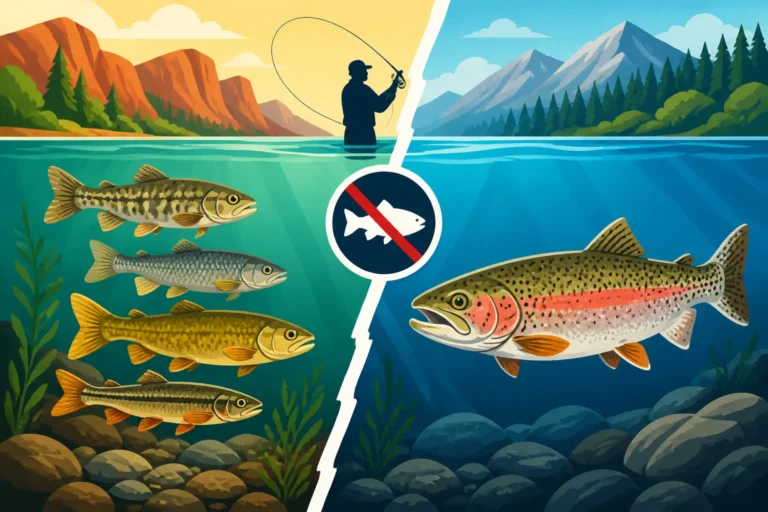
The most direct and immediate reason for accurate identification is adhering to Colorado's fishing regulations. Colorado Fishing Regulations Every Angler Should Know clearly outline species-specific rules, and these rules are often strictest for native cutthroat trout. In some waters, particularly those designated for native cutthroat recovery, pure cutthroat may be "catch-and-release only," or have extremely restrictive bag and possession limits. For example, you might be allowed to keep a certain number of rainbow trout or even cutbows, but be forbidden from keeping any native cutthroat.
Imagine you're fishing a beautiful high-country stream. You catch what you think is a cutbow, keep it, and later find out it was a genetically pure Colorado River Cutthroat. This isn't just a mistake; it's a violation of fishing regulations, which can result in fines and even loss of fishing privileges. CPW officers actively patrol these waters, and they are trained to identify these fish. Knowing the difference protects you from unknowingly breaking the law and ensures you stay within Colorado Bag and Possession Limits by Species.
Respecting Catch-and-Release Rules on Sensitive Waters
Many of Colorado's most pristine waters, especially those designated as Gold Medal Waters or critical native cutthroat habitat, operate under strict catch-and-release regulations for all trout, or specifically for native species. These rules are put in place to protect fragile populations, allow fish to grow to trophy sizes, and ensure strong spawning populations. If you can't tell a cutthroat from a cutbow, you might inadvertently keep a fish that should have been released, or mishandle a sensitive native species.
Practicing proper catch-and-release techniques is vital, regardless of the species, but it becomes even more critical when dealing with native cutthroat. This means minimizing air exposure, using wet hands, de-hooking quickly, and reviving the fish gently until it can swim away under its own power. Education on Catch-and-Release Rules on Colorado's Cutthroat Waters is not just a suggestion; it's a responsibility for every angler who cares about the future of our fisheries.
Ethical Angling and Supporting Native Fish Recovery
Ultimately, knowing the difference between a cutthroat and a cutbow is about ethical angling and being a responsible steward of Colorado's natural resources. Our native cutthroat trout are part of what makes Colorado's fishing heritage so unique and special. They represent thousands of years of natural history and are a testament to the wildness of our state. By taking the time to learn how to identify them, you're doing more than just avoiding a fine; you're actively participating in their recovery and conservation.
Supporting native fish recovery means understanding the challenges they face, including genetic pollution from interbreeding with non-native species. It means appreciating the effort that goes into restoring their habitats and ensuring their genetic purity. When you confidently identify and safely release a pure cutthroat, you're not just letting a fish go; you're affirming your commitment to preserving a vital part of Colorado's natural legacy. Every careful identification and every responsible release contributes to the larger goal of thriving native fish populations for generations to come. For further reading, seeking out a detailed guide on Colorado's Trout Species, A Field Guide from a reputable outdoor publisher (perhaps found on Amazon) can deepen your knowledge of all the fish you might encounter.
Disclaimer
This article is for general informational purposes only and does not constitute professional advice. Laws, prices and regulations vary by location and change over time. Consult a qualified professional for guidance on your specific situation.