How Long Kokanee Salmon Live in Colorado
Ah, the elusive and beautiful kokanee salmon! If you've spent any time fishing in Colorado, particularly on our larger reservoirs, you've likely encountered or at least heard whispers of these vibrant, landlocked sockeye. They're a truly special fish, known for their stunning crimson transformation and their fierce fight. But it’s natural to wonder about their journey—especially how long these magnificent creatures actually get to live in our high-altitude waters. It can feel a bit heartbreaking to learn about their lifecycle, but understanding it truly deepens your appreciation for every one you encounter. This guide is going to walk you through the surprisingly brief, yet incredibly impactful, life of a Colorado kokanee, from their humble beginnings to their spectacular, final act.
The Brief but Brilliant Life Cycle of Colorado's Kokanee Salmon
Kokanee salmon in Colorado reservoirs lead a life that is, by nature, quite short but incredibly intense. Unlike their ocean-going sockeye cousins, they spend their entire existence in freshwater. This means they are born, grow, mature, and eventually return to where they were born to spawn, all within the confines of our lakes and streams. It's a journey packed with growth, survival, and a final, heroic sacrifice that's truly awe-inspiring. You might be researching this because you're planning a trip and wondering what kind of experience to expect, or perhaps you just picked up a new book on Colorado fish species from Amazon and want to dive deeper.
From Egg to Fry: The Start of a Journey
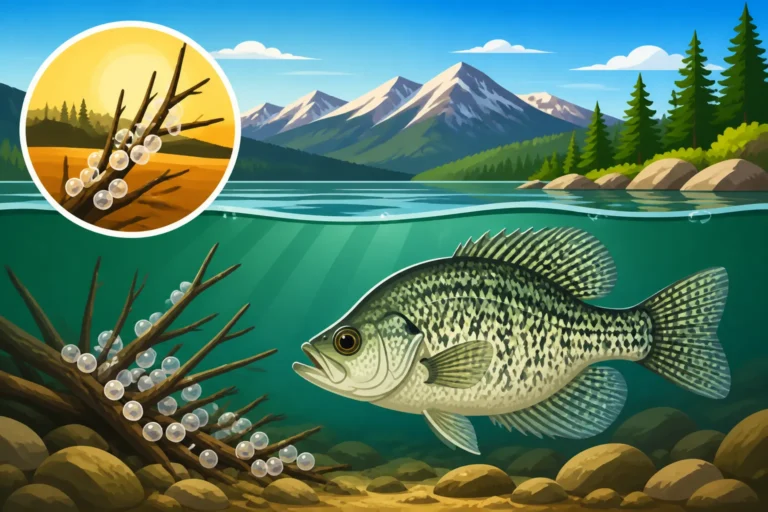
The kokanee's life begins in the fall, nestled deep within gravel beds in the shallow, oxygenated waters of tributaries flowing into larger reservoirs, or sometimes even along the reservoir's shoreline itself. After the female digs a "redd" (a spawning nest) and deposits her eggs, and the male fertilizes them, the parents immediately begin to decline. The eggs, typically a vibrant orange, will spend the cold winter months developing, protected by the gravel from predators and the harsh currents.
This initial period is fraught with danger. A sudden cold snap can freeze the shallow water, killing the eggs. Heavy runoff in spring can scour the gravel beds, washing them away. Even without these natural disasters, other fish, birds, and even insects are constantly on the lookout for an easy meal. It's a precarious start, to say the least. Those eggs that survive will hatch in early spring, emerging as tiny, translucent "alevin" with a prominent yolk sac that provides their initial nourishment. Once the yolk sac is absorbed, they become free-swimming "fry," ready to venture out into the vastness of the reservoir.
The Reservoir Years: Growth and Maturation
After emerging from the gravel, the young kokanee fry make their way into the main body of the reservoir. This is where they'll spend the majority of their lives, growing rapidly and fueling up for their inevitable spawning journey. They are primarily planktivorous, meaning they feed on zooplankton—tiny crustaceans and other microscopic organisms drifting in the water column. Reservoirs like Blue Mesa, Granby, and Dillon are teeming with these food sources, allowing the kokanee to thrive.
During these reservoir years, kokanee are sleek, silver-sided fish, often mistaken for rainbow trout by the untrained eye. They typically grow to a catchable size within two to three years. Many anglers target them during this phase, often by trolling with specialized lures and downriggers that allow them to reach the depths where schools of kokanee hold. Trolling for Kokanee Salmon in Colorado is a popular technique for a reason! They are known for their spirited fight, making them a favorite among many Colorado anglers. Their lives here are a constant quest for food and avoidance of predators, both natural—like lake trout and osprey—and human.
The Spawning Run: A Final, Fateful Migration
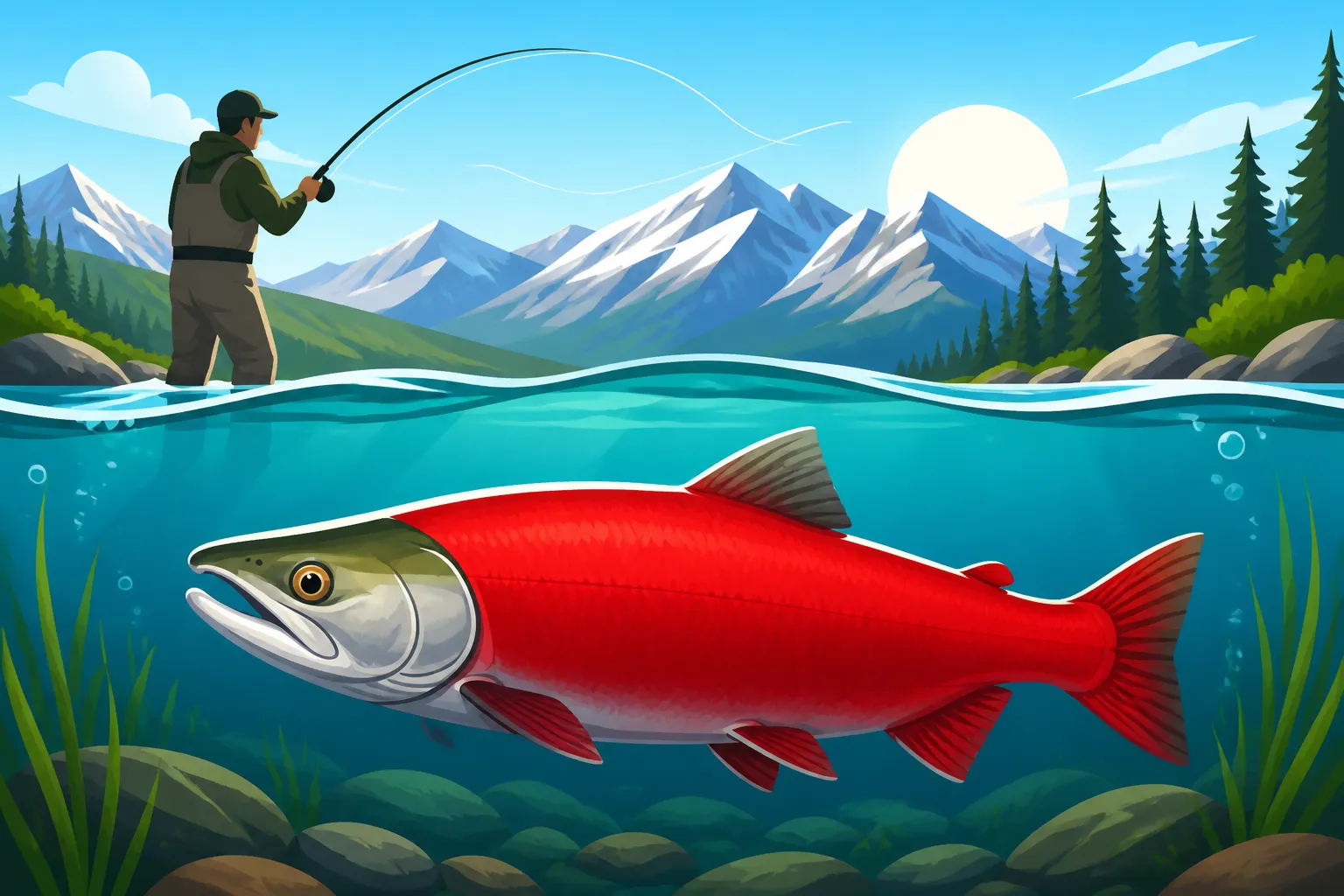
This is perhaps the most iconic and bittersweet part of the kokanee's life story. Sometime in their third or fourth year, usually in late summer or early fall, a powerful biological urge takes over. The fish undergo a dramatic transformation, both internally and externally. Their silver scales begin to turn a brilliant crimson red, their backs darken, and the males develop a distinct, hooked jaw (a "kype") and a humped back. They stop feeding altogether, their digestive systems begin to shut down, and their entire being becomes focused on one singular goal: reproduction.
This is the start of the Kokanee Salmon Spawning Runs in Colorado. They migrate from the open waters of the reservoir upstream into the feeder rivers and streams, or to shallow areas along the reservoir's edge, battling currents and obstacles. It's an incredible display of endurance and determination. Once they reach their chosen spawning grounds, the females lay their eggs in the redds, and the males fertilize them. Within days or weeks of this monumental effort, their life cycle concludes. They will die, having fulfilled their biological purpose, leaving their bodies to nourish the ecosystem and their eggs to begin the cycle anew. It's a powerful reminder of nature's relentless drive for continuation.
Factors Influencing Kokanee Lifespan in Colorado Waters
While the natural life cycle of a kokanee is inherently short, a few key factors can influence how long an individual fish might survive within that brief window. From the clarity of the water to the pressure from predators, both natural and human, these elements play a crucial role in the kokanee's journey. Understanding these factors can give you a better appreciation for the fish you're targeting and the efforts made to sustain their populations.
Environmental Conditions and Habitat Quality
The quality of the environment where kokanee live has a huge impact on their growth rates and survival. Think about the water: temperature, oxygen levels, and clarity. Kokanee are cold-water fish, preferring deep, cool, and oxygen-rich waters in our reservoirs. If a reservoir experiences prolonged periods of warm temperatures, especially in deeper zones, it can stress the fish, slow their growth, and even lead to die-offs. Drought years, for example, can lead to lower water levels and warmer temperatures, compressing the habitable zones for these fish.
Food availability is another massive factor. As filter feeders, kokanee rely heavily on healthy populations of zooplankton. If the zooplankton population declines due to nutrient imbalances, pollution, or competition from other species, the kokanee will struggle to grow and mature. A reservoir with a robust and diverse ecosystem generally supports healthier, larger, and slightly longer-lived kokanee within their natural lifespan. Fishing Blue Mesa Reservoir for Kokanee Salmon is a prime example of an ecosystem that generally supports a strong kokanee population.
Predation and Fishing Pressure
It's a tough world out there for a small fish! Kokanee face constant threats from predators throughout their lives. In Colorado, larger fish like lake trout (which share many of the same deep-water habitats) are primary predators. Ospreys, bald eagles, and even some wading birds will also take advantage of kokanee, especially during their vulnerable spawning runs when they're in shallower water and less aware of external threats.
Then there's us, the anglers! Kokanee are a popular sport fish, and fishing pressure is certainly a factor in their overall numbers and, indirectly, the lifespan of individual fish that are harvested. Colorado Parks and Wildlife (CPW) carefully manages kokanee populations through stocking programs and regulations to ensure sustainable fishing. Daily bag and possession limits, which you can read about in Colorado Bag and Possession Limits by Species, are put in place to balance angler enjoyment with the health of the fishery. Catching and keeping your limit is a rewarding experience, but responsible angling means adhering to these rules to ensure future generations of kokanee. If you're looking for gear to help you land these beauties, from robust fishing reels to specialized lures, Amazon offers a wide array of options to get you geared up.
Genetic Predisposition and Hatchery Contributions
Kokanee salmon, as landlocked sockeye, have a unique genetic makeup that dictates their short, semelparous life cycle—meaning they reproduce once and then die. This isn't a flaw; it's an evolutionary strategy. In the wild, this ensures that all energy is put into one massive reproductive effort, maximizing the chances of the next generation. This genetic programming is why even in perfect conditions, they won't live for many years like some other trout species might.
However, many of Colorado's kokanee populations are sustained through extensive hatchery programs. CPW collects eggs from spawning runs, raises them in hatcheries, and then stocks them back into various reservoirs across the state. This helps to supplement natural reproduction, especially in waters where spawning habitat is limited or natural survival rates are low. These hatchery-raised fish are genetically identical to their wild counterparts in terms of lifespan programming. They follow the same general growth pattern and inevitable spawning cycle, ensuring a consistent supply of fish for anglers and a healthy prey base for other species.
The Kokanee's Grand Finale: Spawning and Post-Spawn Demise
The final chapter of the kokanee's life is perhaps the most dramatic and visually striking. It's a biological imperative, a race against time and fading energy, all for the sake of the next generation. While it can seem sad to witness, it's a testament to the power of nature and the profound cycle of life and death that plays out in our Colorado waters every year.
The Irreversible Transformation
As late summer turns to fall, the kokanee undergo an incredible, irreversible physical transformation. Their sleek, silver bodies, which were so perfectly camouflaged in the open water, begin to change dramatically. Hormonal shifts trigger the skin to thicken and turn a vibrant, almost shocking, crimson red. Their heads become dark, sometimes almost black, and the males develop that distinctive, menacing-looking hooked jaw, or kype, along with a prominent humped back.
Inside, their digestive systems begin to atrophy. They stop feeding entirely, relying solely on the fat reserves they've accumulated over the past few years in the reservoir. All energy is diverted to the development of eggs and milt (sperm), and the physical changes needed for spawning. This is why a spawning kokanee won't bite a lure; they simply aren't interested in food anymore. Their entire being is focused on the upstream journey and the act of reproduction. If you’re out on the water, a good pair of polarized sunglasses (easily found on Amazon, by the way) can help you spot their distinct red coloration during these runs.
The Act of Spawning and its Energetic Cost
Once they've completed their arduous migration to the spawning grounds—be it a flowing tributary or a shallow section of the reservoir—the kokanee engage in their final, energy-intensive act. The females meticulously dig their redds in the gravel, using their tails to fan out depressions where they will deposit their eggs. Males fiercely compete for access to females and the opportunity to fertilize the eggs, often displaying aggressive behavior towards rivals.
The process of laying and fertilizing eggs is incredibly taxing. Females may create several redds and deposit thousands of eggs, and males will fertilize them with milt. This isn't just a simple act; it's a monumental effort that drains every last bit of energy and physiological reserve from their bodies. The fish are constantly battling currents, fending off competitors, and performing the physically demanding tasks of digging and releasing. It's a frantic, exhausting period where survival beyond spawning is simply not an option.
The Post-Spawn Reality: A Life Completed
Within a relatively short time after spawning, usually a few days to a couple of weeks, the kokanee salmon begin to die. Their vibrant red colors fade, their bodies become tattered and bruised from the journey and the act of spawning, and they become weak and sluggish. This post-spawn mortality is not a failure; it is the natural and intended conclusion of their life cycle. Their purpose is fulfilled.
Their decomposing bodies, though a somber sight, are not wasted. They return essential nutrients to the aquatic ecosystem, enriching the water and providing food for a host of scavengers, insects, and other fish species. This nutrient cycling is a vital part of the stream and lake ecology, supporting the very environment that will nurture the next generation of kokanee. So, while their individual lives are short, their contribution to the overall health and vibrancy of Colorado's fisheries is immense and cyclical. It’s a beautiful, if stark, reminder of nature’s perfect design.
Angler Insights: Fishing and Respecting the Kokanee's Short Life
As anglers, understanding the kokanee's unique life cycle is crucial not only for successful fishing but also for responsible stewardship. We can enjoy the thrill of catching these magnificent fish while also ensuring that their populations remain healthy for years to come. It’s about more than just filling a cooler; it’s about appreciating the journey of each fish.
Targeting Kokanee Throughout Their Lifecycle
Knowing the kokanee's life stages dramatically impacts how and when you target them. For much of the year, from spring through mid-summer, kokanee are in their "reservoir years"—sleek, silver, and actively feeding. This is the prime time for trolling, often in deep water, where schools congregate around rich zooplankton sources. Techniques like using downriggers to get your lures to the right depth are essential. If you want to know How Deep to Troll for Kokanee at Blue Mesa, for instance, it's usually based on the thermocline and where the plankton are most abundant.
As fall approaches and the spawning urge takes hold, fishing opportunities shift. The fish move into shallower areas, often near stream inlets or specific shoreline sections. While their feeding drive ceases, they can still be caught with specialized snagging techniques (where legal and permitted by specific regulations) or by traditional methods if they strike out of aggression or territoriality, though this is less common once the full transformation occurs. Always check the latest Colorado Fishing Regulations Every Angler Should Know and specific rules for the body of water you're fishing, as regulations can change, especially around spawning times.
Understanding Limits and Conservation Efforts
Because kokanee have such a short and predictable life cycle, managing their populations is paramount. Colorado Parks and Wildlife (CPW) implements strict daily bag and possession limits to ensure that enough fish survive to complete their spawning cycle or that hatchery programs can adequately replace harvested fish. These limits are not arbitrary; they are carefully calculated based on biological data, population assessments, and the capacity of our waters to support these fish.
When you're out fishing, being aware of these limits and respecting them is your part in conservation. Carrying a copy of the current regulations, or having them readily accessible on your phone, is just good practice. Colorado Fishing License Costs Explained also highlights how the revenue from licenses directly supports these vital conservation efforts, including kokanee management. Keeping a copy of the regulations, maybe even a laminated one, or having a digital version on a device you picked up from Amazon, is always a smart move. Responsible angling means knowing that your actions contribute to the long-term health of the fishery, ensuring that the beautiful red runs continue year after year for everyone to appreciate, whether you're fishing for the Colorado's State Record Kokanee Salmon or just a tasty meal. Is Kokanee Salmon Good to Eat? Yes, they are!
Honoring the Kokanee's Contribution to Colorado's Ecosystem
The kokanee salmon's short, brilliant life is more than just a target for anglers; it's a critical component of Colorado's aquatic ecosystems. Beyond being a prized sport fish, kokanee serve as a vital prey species for larger game fish like lake trout and even some of our native cutthroat trout, providing a significant food source that supports the entire food web. Their annual spawning runs also redistribute nutrients from the open water of the reservoir into the shallower stream environments, playing a key role in ecological health.
By understanding and respecting the Kokanee Salmon Life Cycle in Colorado, we can all contribute to their future. This means practicing ethical angling, adhering to regulations, and supporting the conservation efforts that keep these unique fish thriving. Whether you're releasing a beautiful chrome-sided kokanee or bringing home a few for dinner, remember the incredible journey that fish has taken. It's a fleeting life, yes, but one of immense beauty and ecological importance in the majestic mountains and waters of Colorado.
Disclaimer
This article is for general informational purposes only and does not constitute professional advice. Laws, prices and regulations vary by location and change over time. Consult a qualified professional for guidance on your specific situation.