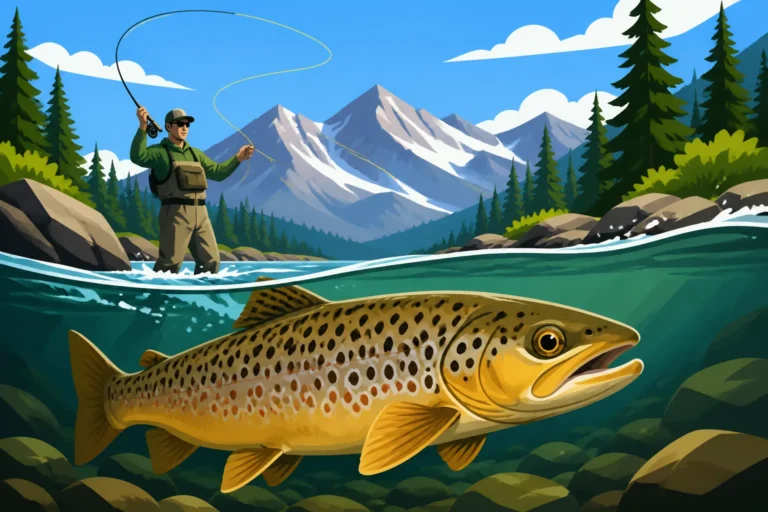
What Colorado’s Record Cutthroat Trout Weighed
Many anglers dream of catching a trophy fish, a true monster that makes history, and when it comes to the revered native cutthroat trout in Colorado, there's always a buzz around just how big they can get. The thought of hooking into a fish that could shatter records is what keeps many of us casting through all kinds of weather. This guide will dive deep into the impressive details of Colorado's state record cutthroat, exploring its size, the specific subspecies it represents, and the immense significance of such an incredible catch in our beautiful state.
The Unbelievable Size of Colorado's Record Cutthroat Trout
There’s nothing quite like the thrill of reeling in a big fish, but imagine if that fish was so big it cemented its place in Colorado’s angling history forever. That’s exactly what happened with the state record cutthroat trout. For those of us who spend countless hours on the water, chasing these elusive and beautiful native fish, the sheer size of the record holder can feel almost mythical.
Unveiling the Record-Setter: Specifics of the Catch
So, let's get right to it: the Colorado state record for a cutthroat trout stands at an astounding 10 pounds, 4 ounces. This magnificent fish wasn't just heavy; it measured an impressive 29 inches long, with a girth of 17 inches. To put that in perspective, that’s a fish that could barely fit in a standard cooler, and certainly one that would have given the angler a fight to remember!
This particular cutthroat was caught way back in 1964 by a lucky angler named H.R. Duell while fishing in the Rio Grande Reservoir in Hinsdale County. Think about that for a moment: 1964. That’s over half a century ago, and yet this record still stands as a testament to the potential for truly enormous fish in Colorado’s waters, even before some of the more intense angling pressure and environmental changes we see today. Catching a cutthroat of this size is incredibly rare, a once-in-a-lifetime event for even the most dedicated anglers. It speaks to a perfect storm of genetics, abundant food sources, and ideal habitat conditions that allowed this particular fish to grow to such monumental proportions. It's the kind of story that gets shared around campfires and in fly shops for generations.
The Significance of a State Record
Why do these records matter so much to us anglers, and to the state itself? Well, a state record isn't just bragging rights, although that's certainly part of it! It represents the pinnacle of a species' growth potential within a specific region. For the angling community, it’s a benchmark, a challenge, and a constant source of inspiration. It reminds us that there are still giants out there, lurking in the depths of our rivers and reservoirs, waiting to be discovered.
Beyond the individual accomplishment, these records also play a vital role in conservation and fisheries management. Colorado Parks and Wildlife (CPW) meticulously tracks these records, and the data helps them understand what environments allow fish to thrive. A record-setting fish often comes from a water body with exceptional habitat, food availability, and proper management. It highlights the success of conservation efforts and the health of certain ecosystems. Plus, let's be honest, knowing that a fish of over ten pounds has been pulled from Colorado waters keeps the dream alive for every angler, from the seasoned veteran to the beginner casting their line for the very first time. It truly adds to the mystique and allure of Colorado fishing. You can learn more about official records by checking out Colorado's State Record Fish, Species by Species.
Understanding Colorado's Native Cutthroat Trout
Colorado is incredibly fortunate to be home to several subspecies of cutthroat trout, each with its own unique history and characteristics. The state record cutthroat, caught in the Rio Grande Reservoir, likely belonged to one of these native populations, making its size all the more impressive. These fish are not just game species; they are living symbols of Colorado's wild heritage and a testament to the ecological health of our high country.
The Diverse Family of Colorado Cutthroats
When we talk about cutthroat trout in Colorado, we're not just talking about one kind of fish. We actually have three main native subspecies, each with distinct habitats and appearances. Understanding these differences is crucial for both identification and conservation.
- Greenback Cutthroat Trout: This is Colorado's state fish, and perhaps the most famous, largely due to its incredible recovery story. Historically, greenbacks were found on the eastern plains of the Continental Divide. They typically have large, dark spots concentrated towards the tail, and often display vibrant red-orange slashes under their jaw (the "cutthroat" mark) and on their belly. For a long time, it was believed the pure greenback was extinct, but dedicated efforts have brought them back from the brink in specific high-elevation streams. You can delve deeper into their story in Greenback Cutthroat Trout Recovery in Colorado.
- Colorado River Cutthroat Trout: As their name suggests, these cutthroats are native to the Colorado River basin and its tributaries on the western slope. They tend to have smaller, more evenly distributed spots across their bodies, and their coloration can vary depending on their specific environment, often showing a more golden or olive hue. Finding pure strains of Colorado River cutthroat can be a real adventure, often requiring hikes into remote mountain streams. If you're curious where to seek them out, check out Colorado River Cutthroat Trout, Where to Find Them.
- Rio Grande Cutthroat Trout: These beautiful fish are found in the Rio Grande basin in the southern part of the state, extending into New Mexico. They are characterized by larger, more irregular spots, and often have a distinct golden or bronze sheen. Like the other native cutthroats, their survival relies heavily on pristine, cold-water habitats. For details on where these specific fish can be found, see Rio Grande Cutthroat Trout in the San Luis Valley.
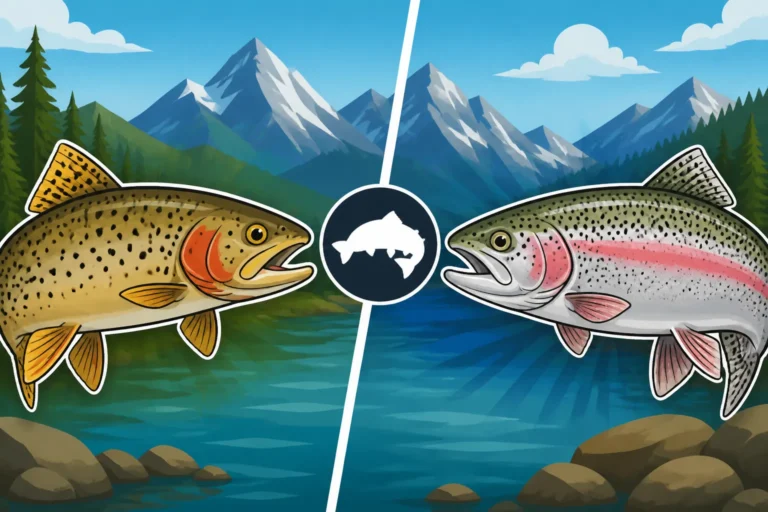
Each of these subspecies has adapted to its unique environment, resulting in subtle differences in size, spotting, and coloration. Knowing how to Tell a Cutthroat From a Rainbow Trout is also important, as stocked rainbow trout can sometimes hybridize with native cutthroats, creating "cutbows," which can dilute the genetic purity of our native populations.
| Cutthroat Subspecies | Primary Habitat | Spotting Pattern | Unique Characteristics |
|---|---|---|---|
| Greenback Cutthroat Trout | Eastern Slope of Continental Divide, high streams | Large, dark spots concentrated near tail | Often vibrant red-orange on belly and jaw slashes; Colorado's state fish; significant conservation efforts |
| Colorado River Cutthroat | Western Slope, Colorado River basin | Small, evenly distributed spots | More golden or olive hues; adaptable to diverse stream conditions; often found in remote, pristine waters |
| Rio Grande Cutthroat Trout | San Luis Valley, Rio Grande basin | Larger, irregular spots, often clustered | Distinct golden or bronze sheen; found in southern Colorado; also subject to conservation and habitat restoration to maintain pure strains and populations |
Conservation and Recovery Efforts
The story of Colorado’s native cutthroat trout is one of resilience and dedicated conservation. All three subspecies have faced significant challenges over the past century, primarily from habitat loss, competition and hybridization with non-native trout species (especially rainbow trout), and historical overfishing. Without proactive management and restoration, these incredible fish might not be with us today.
Colorado Parks and Wildlife, along with various partner organizations, has implemented extensive recovery programs. These efforts include restoring degraded stream habitats, removing non-native fish from critical native cutthroat waters, and carefully stocking genetically pure cutthroat populations into historical ranges. For anglers, this means certain waters have very specific regulations designed to protect these vulnerable fish. For example, some areas might be strictly catch-and-release, or require barbless hooks. It's crucial for every angler to understand Catch-and-Release Rules on Colorado's Cutthroat Waters and respect these regulations to ensure these fish continue to thrive. The state also focuses on How Colorado Genetically Tests Cutthroat Populations to identify and protect pure strains. Anglers who are passionate about our native trout often take extra care when fishing these sensitive areas, understanding that every fish released successfully contributes to the long-term health of the population.
The Journey to a Record Fish: More Than Just Luck
Catching a state record fish, especially a native cutthroat trout weighing over ten pounds, is far more than just a stroke of luck. It's a combination of environmental factors, the fish's own remarkable journey, and the angler's skill, patience, and persistence. While some might dismiss it as pure chance, any record-holding angler will tell you there’s a lot more to it.
Factors Contributing to Trophy Size
So, what exactly allows a cutthroat trout to grow to such a massive size, far exceeding the average two or three pounds most anglers are thrilled to catch? It comes down to a perfect confluence of factors, a rare alignment that allows an individual fish to truly thrive.
First and foremost is habitat. A trophy cutthroat needs a pristine, stable environment with consistent cold water temperatures, ample oxygen, and plenty of cover from predators. Deep pools, undercut banks, and large submerged structures provide safety and ideal ambush points for feeding. Think of the deep, clear waters of the Rio Grande Reservoir where the record fish was caught – a large body of water that offers plenty of room to grow without excessive competition.
Secondly, food availability is paramount. A fish needs a rich and varied diet to pack on pounds. This could mean an abundance of aquatic insects, crayfish, smaller baitfish, or even other trout. In a healthy ecosystem, a cutthroat that manages to avoid being eaten itself will have a smorgasbord of food options, allowing it to grow faster and larger than its peers. This usually means a body of water with a robust food chain.
Finally, genetics and longevity play a huge role. Some fish are simply predisposed to grow larger and live longer than others. Combine those genes with years of avoiding predators and anglers, and you have the potential for a true monster. A 10-pound cutthroat would have been many, many years old, having navigated countless challenges and survived numerous seasons to reach that incredible size. This longevity requires a stable ecosystem that can sustain the fish through its entire life cycle, free from major environmental disturbances or overfishing.
The Angler's Persistence and Preparation
While the environment sets the stage, it's the angler who ultimately lands the record. This isn't a casual affair; it's the culmination of persistence, preparation, and often, a deep understanding of the water and the fish. H.R. Duell certainly wasn't just throwing a line out without thought; he was likely an experienced angler who knew his stuff.
Consider the dedication required. Many record fish are caught by individuals who have spent countless hours studying fish behavior, understanding seasonal patterns, and perfecting their techniques. They know when and where to fish, what baits or flies to use, and how to present them effectively. They also come prepared with the right gear – a strong rod and reel, durable fishing line that can handle a heavy fight, and a reliable net to safely land a big fish. You can find excellent, high-quality gear for any fishing adventure on platforms like Amazon, ensuring you're ready for whatever bites.
Beyond the technical skills, there’s the mental game. Fishing for trophy fish requires immense patience. You might go days, weeks, or even years without seeing a fish of that caliber. But the persistent angler keeps coming back, honing their craft, and learning from every outing. When that once-in-a-lifetime bite finally comes, it's not just luck; it's the reward for all that dedication and hard work. Being prepared to handle a large fish responsibly, especially if you plan to release it, is also a mark of a truly skilled angler.
Documenting Your Potential Record: The Official Process
So, you've done it. You've landed what you believe could be a state record cutthroat trout. The adrenaline is pumping, your hands might be shaking, and you're probably grinning from ear to ear. But what happens next? It's not enough to just catch the fish; to make it official, you need to follow a precise set of steps for verification. This process ensures the integrity of the record books and gives due credit where it's earned.
Essential Steps for Record Verification
When you suspect you have a potential record, every second counts, especially if you plan to release the fish. The immediate actions you take are critical for official verification:
- Weigh the Fish Accurately and Promptly: This is arguably the most important step. The fish must be weighed on a certified scale, usually one found at a grocery store, post office, or a professional meat market that has been inspected and sealed for accuracy. Do not rely on personal, uncertified scales. The weight must be taken as soon as possible after the catch to prevent any weight loss. Some anglers even carry a dependable digital scale in their gear bag (you can find various options on Amazon), but for an official record, it must be verified on a certified one.
- Measure Length and Girth: Use a flexible tape measure to get both the total length (from the tip of the snout to the tip of the tail, with the tail squeezed together) and the girth (the widest circumference around the fish). Again, accuracy is key here.
- Take Clear Photographs: Capture multiple photos from different angles. Crucially, photographs should clearly show the entire fish, the measuring tape against it, and the scale reading. If possible, include yourself with the fish, but ensure the fish is handled carefully and minimally. These visual proofs are indispensable for CPW to assess the claim.
- Seek Witness Verification: Having at least one, and preferably two, unbiased witnesses present who can attest to the catch and the measurements is highly recommended. Their contact information will be needed for the official submission. These witnesses should not be members of your immediate fishing party if possible, to further ensure impartiality.
- Identify the Species: You must be certain of the species. In the case of cutthroat trout, distinguishing it from rainbow trout or hybrids is crucial. Knowing How to Tell a Cutthroat From a Rainbow Trout could prevent a false claim. If you're unsure, take extra detailed photos of specific features like the cutthroat slashes, spotting pattern, and fin characteristics.
Remember, if your intention is to release the fish, take these steps as quickly and gently as possible to minimize stress on the animal. A quick, accurate measurement and photo sequence is better than a prolonged struggle.
Submitting Your Claim to Colorado Parks and Wildlife
Once you have gathered all the necessary evidence, the next step is to formally submit your claim to Colorado Parks and Wildlife (CPW). They are the official arbiters of state records, and their process is thorough.
CPW typically requires you to fill out a specific application form, which will ask for all the details of the catch: the angler’s information, date, time, location, species, weight, measurements, and details of your witnesses. You'll also need to submit all your photographic evidence. You can find information on How to Submit a Colorado State Record Fish Application directly on the CPW website or by contacting their fisheries division.
It’s important to understand that the process takes time. CPW biologists and staff will review your application, verify the information, and may even contact your witnesses. They might also require genetic testing if the species identification is ambiguous, particularly with native cutthroat subspecies, to ensure it's a pure cutthroat and not a hybrid. The goal is to ensure that every record holder is legitimate and represents the true maximum potential of that fish in Colorado waters. This rigorous process is what makes holding a state record such a prestigious and recognized achievement.
Disclaimer
This article is for general informational purposes only and does not constitute professional advice. Laws, prices and regulations vary by location and change over time. Consult a qualified professional for guidance on your specific situation.