How Colorado Genetically Tests Cutthroat Populations
It can be incredibly frustrating to hear about native fish populations struggling, especially when you're out on the water, trying to do your part but not entirely sure how to help. You might catch a beautiful trout and wonder, "Is this a true native cutthroat, or is it a hybrid?" This guide is here to shed light on exactly how Colorado tackles this critical question, delving deep into the world of genetic testing and why it's so vital for preserving our precious cutthroat trout populations.
The Crucial Role of Genetic Testing in Cutthroat Conservation
For those of us who cherish Colorado's pristine high-country lakes and winding rivers, the health of our native fish populations is a constant concern. Colorado is home to several native cutthroat trout subspecies, each a unique piece of our state's natural heritage. However, decades of stocking non-native trout, like rainbows and brook trout, have led to widespread hybridization, where these different species interbreed. This isn't just a concern for scientists; it's something every angler should understand, because it directly impacts the future of fishing in our state.
Imagine fishing a remote alpine lake, a place you hiked for hours to reach, hoping for a glimpse of a pure, vibrant greenback cutthroat. Without genetic testing, confirming the genetic integrity of these fish would be nearly impossible. Their physical appearance alone can be deceiving; a "cutthroat" might look the part but carry a significant amount of rainbow trout DNA. This genetic dilution is a huge threat, as it can lead to a loss of unique adaptations, reduced fitness, and ultimately, the complete disappearance of distinct native subspecies. That's why Colorado's wildlife agencies rely so heavily on advanced genetic tools to identify, protect, and restore these irreplaceable fish.
Why Native Cutthroat Trout Are So Important to Colorado
Our native cutthroat trout aren't just fish; they're living symbols of Colorado's wildness and biodiversity. We have distinct populations like the Greenback, Colorado River, and Rio Grande cutthroat, each adapted to specific environments across our diverse landscapes. These fish have evolved over millennia to thrive in their unique habitats, playing a crucial role in the ecosystem. They're part of the delicate balance of life in our rivers and high-altitude lakes. Losing them means losing a piece of what makes Colorado, well, Colorado.
Consider the Greenback Cutthroat Trout, for example, our state fish. Colorado's State Fish, the Greenback Cutthroat Trout went through an incredibly tough period, nearly vanishing due to overfishing, habitat loss, and, critically, hybridization with other trout species. Recovering these populations is an immense undertaking, requiring precise identification and protection of the few remaining pure strains. It's a testament to dedicated conservation efforts, and genetic testing is the backbone of that work, helping ensure that when we introduce fish into a stream, we're introducing the right ones.
The Threat of Hybridization and Its Consequences
Hybridization might sound like a minor issue, but it's a huge deal for native fish. When non-native rainbow trout, for instance, breed with native cutthroat, the offspring (often called "cutbows") carry a mix of genes. While these hybrids might be fun to catch, they dilute the genetic distinctiveness of the native species. Over generations, this can lead to a complete genetic swamping, where the pure native gene pool is lost forever.
This genetic mixing can reduce the native fish's ability to survive in its specific environment. Native cutthroat have evolved to handle Colorado's harsh winters, fluctuating water levels, and specific insect hatches. Hybrids might not possess the same genetic programming, making them less resilient. For anglers, this means fewer opportunities to encounter true native fish and, potentially, less stable fisheries in the long run. It also complicates conservation efforts significantly, as resources could be spent on restoring populations that aren't genetically pure. This is why tools like genetic testing are non-negotiable in modern fisheries management. For more on this, check out Why Interbreeding Threatens Native Cutthroat Populations.
Unraveling the DNA: How Colorado Parks and Wildlife Conducts Genetic Analysis
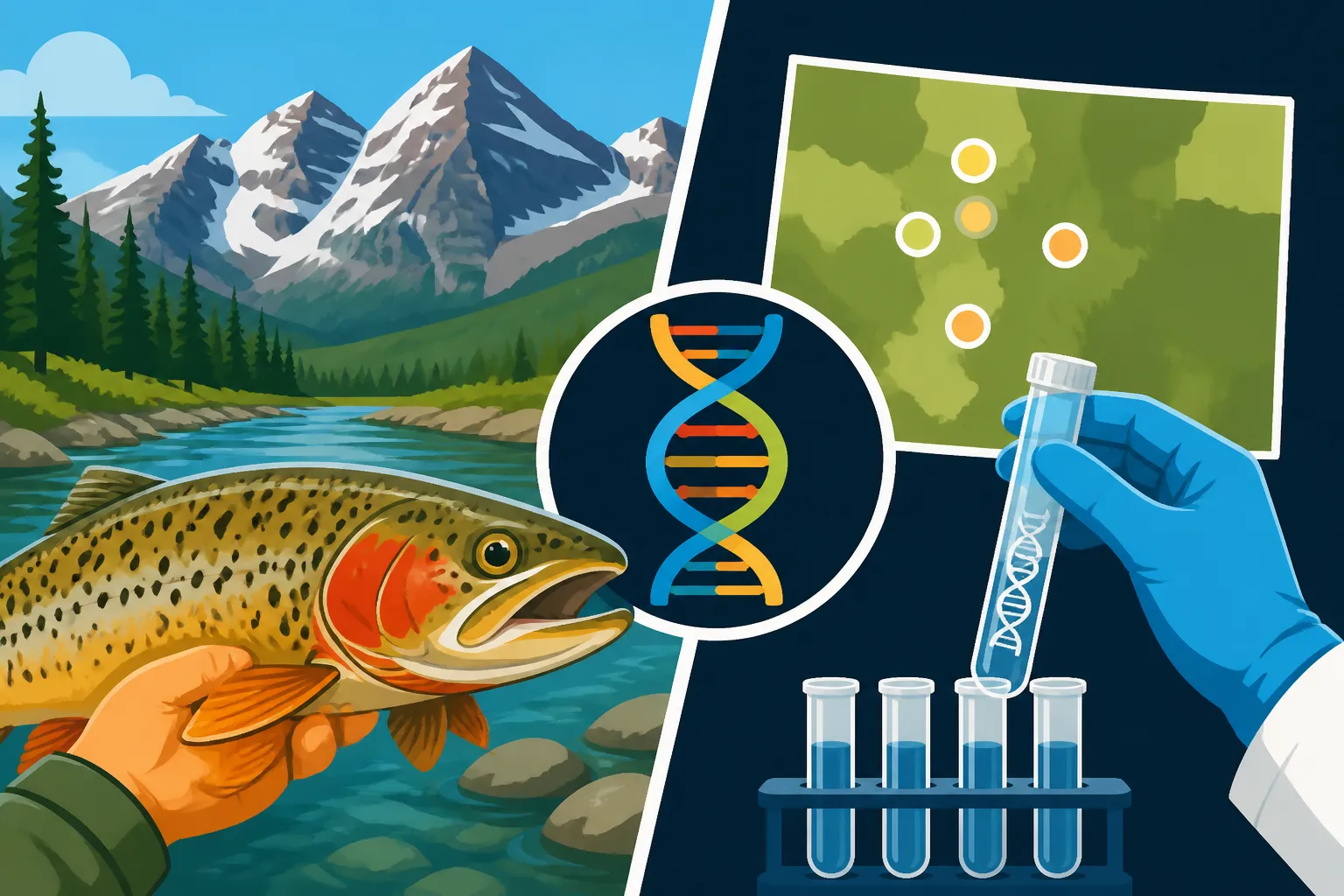
So, how does Colorado Parks and Wildlife (CPW) actually figure out which fish are pure natives and which are carrying mixed genes? It's not magic, it's science – specifically, molecular genetics. This involves collecting small tissue samples from fish and then analyzing their DNA to determine their genetic makeup. It's a detailed, precise process that has revolutionized fisheries management.
Think about it this way: every fish carries a unique genetic fingerprint within its DNA. By looking at specific markers in that fingerprint, scientists can tell if a fish is a pure Greenback, a pure Colorado River Cutthroat, or if it has mixed ancestry from, say, a rainbow trout. This isn't just about identifying a species; it's about understanding the specific genetic lineage and how pure that lineage is. It's truly incredible how much information a tiny piece of fin tissue can hold!
The Sample Collection Process in the Field
Before any lab work can begin, samples need to be collected from the fish themselves. This is a critical step that requires careful planning and execution in the field. CPW biologists and technicians often brave remote wilderness areas, high-altitude lakes, and challenging river conditions to collect these samples.
The process typically involves netting or electrofishing to temporarily capture fish. Once a fish is caught, a small piece of tissue, usually from a fin, is carefully clipped. This is a minimally invasive procedure that doesn't harm the fish, allowing it to be immediately released back into the water. The tissue sample, sometimes no bigger than a fingernail clipping, is then preserved in a special solution or on a drying card to protect the DNA from degradation. Each sample is meticulously labeled with information about the fish's location, size, and any observable physical characteristics. This detailed record-keeping is crucial for linking the genetic data back to specific populations and habitats. It's not uncommon for biologists to spend days or weeks in the backcountry collecting hundreds of these tiny samples from various streams and lakes.
From Fin Clip to DNA Profile: The Laboratory Analysis
Once the samples make their way back to the lab, the real genetic detective work begins. The first step is to extract the DNA from the tissue sample. This involves a series of chemical processes that break open the cells and separate the DNA from other cellular components. Think of it like carefully isolating a single string of beads from a bowl full of mixed-up beads and glitter.
After extraction, the DNA is amplified using a technique called Polymerase Chain Reaction (PCR). This creates millions of copies of specific DNA segments, making it easier for scientists to analyze. They then look for particular genetic markers – unique sequences of DNA – that are known to differ between species and subspecies. For instance, specific markers can distinguish a pure Greenback cutthroat from a hybrid with rainbow trout genes. The results are analyzed using specialized software, generating a genetic profile for each fish. This profile tells researchers the percentage of ancestry from each parental species, giving a clear picture of its genetic purity. This scientific rigor is what allows CPW to confidently identify Colorado's Native Cutthroat Trout Subspecies and guide restoration efforts.
The Impact of Hybrids: Why Purity Matters for Colorado's Native Cutthroat
The phrase "genetic purity" might sound a bit harsh, but in conservation, it's absolutely vital. It’s not about valuing one fish over another, but about preserving distinct evolutionary lineages and the unique ecological roles these native fish play. When a fish population becomes heavily hybridized, it can lose its native characteristics, adaptations, and even its ability to survive environmental changes. This is why CPW works tirelessly to prevent and mitigate the effects of hybridization.
Anglers often wonder about the implications of catching a "cutbow," a hybrid of a cutthroat and a rainbow. While these can be feisty fish, their prevalence in native cutthroat waters is a red flag for conservationists. It signals that the native gene pool is under threat. Understanding Telling a Cutbow From a Pure Cutthroat is a skill many dedicated anglers learn, but genetic testing provides the definitive answer, especially when visual identification can be tricky.
Defining "Pure" vs. Hybrid Cutthroat for Conservation Efforts
In the context of cutthroat conservation, "pure" typically refers to fish that show no evidence of genetic material from non-native trout species, like rainbows or brook trout, within a defined set of genetic markers. CPW, in collaboration with other agencies and universities, has established specific genetic baselines for each native cutthroat subspecies. These baselines act as a reference point for what a genetically pure fish from a particular population should look like at the DNA level.
Hybridization isn't an all-or-nothing situation; it exists on a spectrum. A fish might be 10% rainbow and 90% cutthroat, or it could be 50/50. For conservation purposes, populations with even a small percentage of non-native genetics might be deemed unsuitable for certain restoration projects, especially if the goal is to reintroduce a truly pure lineage. This strict definition ensures that the genetic integrity of native populations is maintained for future generations, preventing the loss of traits that have allowed them to survive in Colorado for millennia.
How Genetic Testing Informs Stocking and Relocation Decisions
The results of genetic testing are incredibly powerful tools for fisheries managers. They directly inform some of the most critical decisions made by CPW, particularly when it comes to stocking and fish relocation programs. Without this data, these efforts would be largely guesswork, with a high risk of inadvertently harming native populations.
For example, if genetic tests confirm a population in a remote lake is 100% pure Colorado River Cutthroat Trout, Where to Find Them, that population might be designated as a "source population." Fish from this lake could then be used to stock other historical habitats where Colorado River Cutthroats have been extirpated or where hybridized populations need to be replaced with pure native stock. Conversely, if a population is found to be heavily hybridized, CPW might decide to remove those fish and replace them with genetically pure native trout from a known source. This targeted approach is essential to the Greenback Cutthroat Trout Recovery in Colorado and similar efforts for other subspecies. It ensures that every effort to restore native populations is built on sound scientific evidence, maximizing the chances of success and preventing the accidental spread of non-native genes into sensitive areas.
| Cutthroat Subspecies | Key Genetic Markers (Simplified) | Typical Habitat | Conservation Status |
|---|---|---|---|
| Greenback Cutthroat Trout | Specific lineage markers (e.g., GHCT) | Front Range, high-elevation streams | Threatened, actively restored |
| Colorado River Cutthroat Trout | Specific lineage markers (e.g., CRCT) | Western Slope, cold mountain streams | Special Concern, actively restored |
| Rio Grande Cutthroat Trout | Specific lineage markers (e.g., RGCT) | San Luis Valley, southern mountains | Special Concern, actively restored |
| Hybrid (Cutbow) | Mixed markers (e.g., GHCT/Rainbow) | Varied, often stocked or co-exist | Not a conservation target |
How Anglers Can Help Protect Colorado's Native Cutthroat
As anglers, we're not just visitors to these incredible wild places; we're also stewards. Our actions, both on and off the water, can have a significant impact on the health of native cutthroat populations. Understanding the challenges faced by these fish and knowing how we can contribute to their survival is crucial. It’s about being a responsible, informed participant in conservation, not just a casual observer.
One of the most important things we can do is simply be aware and educate ourselves. The more you know about the different cutthroat subspecies, where they live, and what regulations protect them, the better equipped you'll be to fish responsibly. Consider picking up a good field guide, perhaps one you found on Amazon, that details the various fish species and their identifying characteristics in Colorado. Every little bit of knowledge helps make us better conservationists.
Practicing Responsible Angling in Native Cutthroat Waters
Responsible angling practices are paramount, especially when fishing in waters known to harbor native cutthroat. This means adhering strictly to regulations, which are often designed with the protection of these sensitive populations in mind. Regulations for native cutthroat waters can include catch-and-release only, specific gear restrictions like Barbless Hook Rules on Colorado Rivers, or even bait bans. These rules aren't arbitrary; they reduce stress on fish, minimize mortality, and prevent the introduction of harmful pathogens or invasive species.
Always check the current Colorado fishing regulations for the specific water you plan to fish. You can find detailed information in the annual brochure or online. Being careful when handling fish, minimizing their time out of water, and ensuring a quick, clean release are all part of the deal. If you're fishing in a known native cutthroat area, and you're unsure if a fish is a pure native or a hybrid, the safest bet is always to treat it as a native and release it carefully. When you release a healthy fish, you're directly contributing to the population's well-being.
Preventing the Spread of Non-Native Species and Disease
Beyond careful handling, anglers play a huge role in preventing the spread of non-native species and diseases. This often comes down to one simple, yet critical, mantra: "Clean, Drain, Dry." This principle, most commonly associated with preventing the spread of aquatic invasive species, also applies to preventing disease transmission between different bodies of water.
Before you move from one fishing location to another, especially between different drainages or after fishing in stocked waters, take the time to thoroughly clean your gear. This means inspecting your waders, boots, nets, and even your boat (if applicable) for any plant material, mud, or standing water. Drain all water from your boat, livewell, and equipment. Then, allow everything to completely dry, ideally for several days, before fishing a new location. This simple habit can stop the microscopic larvae of invasive mussels, plant fragments, or disease pathogens from hitching a ride on your gear and devastating a pristine native cutthroat habitat. It's a small effort with a massive impact on the long-term health of our fisheries. You can find more details on this in the general Colorado Fishing Regulations Every Angler Should Know.
Supporting Colorado's Cutthroat Conservation Efforts
There are many ways to actively support Colorado's ongoing efforts to conserve native cutthroat trout. One direct way is through your fishing license purchase. When you buy a Colorado Fishing License Guide for Residents and Nonresidents or Colorado's Habitat Stamp, Explained, a portion of those funds goes directly toward fisheries management, including critical research, habitat restoration, and native fish recovery programs. Your dollars literally help fund the genetic testing and fieldwork we've been discussing!
Beyond licenses, consider getting involved with local conservation organizations. Many groups focus on specific river cleanups, habitat improvement projects, or public education initiatives related to native trout. Even something as simple as reporting suspicious observations (like unusually diseased fish or illegal stocking activities) to CPW can make a difference. Every angler has a stake in the future of Colorado fishing, and by understanding the science behind conservation, we can all become more effective advocates and stewards of these incredible native species. For more on what your license dollars support, you might look into What You're Actually Paying for in a Colorado Fishing License.
Disclaimer
This article is for general informational purposes only and does not constitute professional advice. Laws, prices and regulations vary by location and change over time. Consult a qualified professional for guidance on your specific situation.