What Fish Live in Colorado’s Warmwater Reservoirs
Many anglers, when they think of Colorado fishing, immediately picture pristine mountain streams teeming with trout. And it's true, our coldwater fisheries are legendary. But if you only focus on those icy rivers and high-alpine lakes, you're truly missing out on a whole other world of exciting angling opportunities! Colorado boasts a fantastic network of warmwater reservoirs and lakes, offering diverse species and unique challenges. This guide is here to shed light on those often-overlooked aquatic havens, introducing you to the incredible warmwater fish that call them home.
The Tale of Two Waters: Understanding Colorado's Diverse Habitats
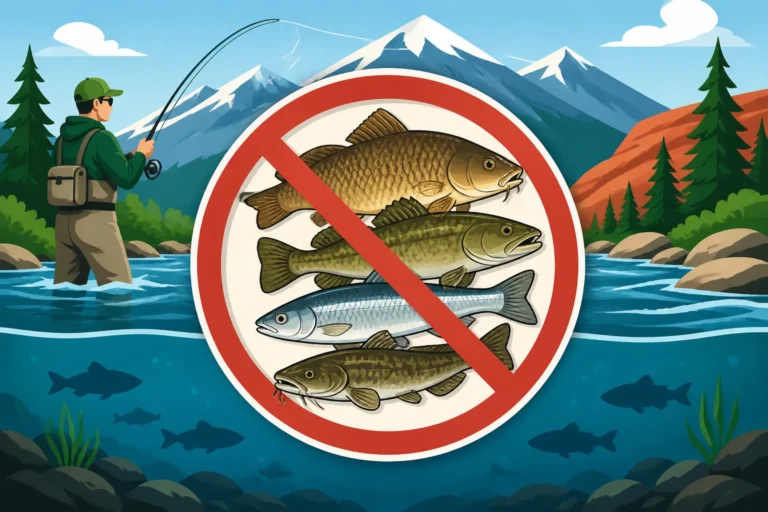
Colorado is a land of incredible extremes, and that applies just as much to our fishing environments as it does to our majestic mountains and sprawling plains. While the iconic image might be a fly fisherman in waders surrounded by snow-capped peaks, a significant portion of the state's waterways are far from icy, especially as you head away from the highest elevations. Understanding the distinction between coldwater and warmwater environments is crucial for any angler hoping to broaden their horizons beyond just trout.
What Exactly Defines "Warmwater" in Colorado?
When we talk about "warmwater" in Colorado, we're primarily referring to bodies of water that naturally reach and sustain higher temperatures, typically above 65-70 degrees Fahrenheit, for significant portions of the year. This contrasts sharply with the cold, oxygen-rich waters preferred by trout, which generally thrive in temperatures below 60 degrees. These warmwater reservoirs are often shallower, have more aquatic vegetation, and can experience greater fluctuations in temperature seasonally. The warmer water holds less dissolved oxygen, which means the fish species that thrive here are specially adapted to those conditions. You'll find a completely different food chain at play, too, with more insect larvae, baitfish, and crustaceans that can handle the heat. This environmental difference dictates everything from the types of fish you'll find to the best times of year to target them and the fishing techniques that will be most effective. It's a fundamental shift in approach compared to your typical high-country trout stream.
Where to Find Warmwater Reservoirs and Lakes
While trout streams dominate the mountain regions, Colorado's warmwater fishing opportunities are spread across various parts of the state, though some areas are more concentrated than others. The Front Range, stretching from Fort Collins down through Denver and Colorado Springs, is home to a surprising number of urban and suburban reservoirs that offer excellent warmwater action. These spots are incredibly convenient for city dwellers looking for a quick after-work or weekend fishing fix. Think about places like Chatfield Reservoir, Cherry Creek Reservoir, and Boyd Lake, which are popular for a reason – they hold a fantastic array of species.
As you move east onto the vast plains, the landscape changes, and so do the fisheries. Here, large, sprawling reservoirs like John Martin Reservoir and Jackson Lake State Park become the dominant feature. These eastern plains waters are often shallower, windier, and can heat up considerably during the summer months, creating ideal conditions for species like walleye, wiper, and catfish. On the Western Slope, in the lower elevation valleys, you'll also find some fantastic warmwater options, particularly in larger impoundments like Pueblo Reservoir and Navajo Reservoir, which straddle the New Mexico border. Even some of the larger mountain valley reservoirs, while popular for trout, can have excellent warmwater fisheries in their shallower, warmer bays during peak summer. It's truly a statewide opportunity if you know where to look.
Top Predators of the Plains: The Walleye, Bass, and Pike
These three species represent some of the most sought-after warmwater game fish in Colorado. Each offers a unique challenge and a thrilling fight, drawing dedicated anglers year after year. They are aggressive, cunning, and have developed incredible survival tactics in our reservoirs. Learning their habits is key to success.
Walleye: Colorado's Elusive Golden Ghost
Oh, the walleye! If you've ever spent time chasing these incredible fish, you know exactly why they're often called the "golden ghost." They are notoriously finicky, possessing an almost uncanny ability to detect your presence or an unnatural presentation. In Colorado, walleye are a prized catch, celebrated for their delicious fillets and the challenge they present. These sleek, toothy predators are primarily found in our larger, deeper warmwater reservoirs, particularly those on the Front Range and Eastern Plains. Places like Pueblo Reservoir, Cherry Creek, and Chatfield often host robust walleye populations. They prefer to hang out around rocky points, submerged humps, and drop-offs, especially where they can ambush baitfish. Walleye Fishing in Colorado is a fantastic resource for diving deeper into how to target these beauties.
When it comes to lures and bait, walleye have a preference for things that mimic their natural prey. Jigs tipped with a minnow or a plastic grub, crankbaits that dive to their preferred depth, and bottom bouncers with a crawler harness are all popular choices. You can find a huge variety of these specialized lures and tackle components on Amazon, making it easy to stock up for your next trip. Remember, walleye are often most active during low-light conditions, so dawn, dusk, and even night fishing can be incredibly productive. Best Time of Year to Target Walleye in Colorado will give you seasonal insights, and Do Walleye Bite Better at Night in Colorado? explores this exciting nighttime strategy further. It's a game of patience and precision, but the reward of a fresh walleye dinner is absolutely worth it.
Bass: Largemouth and Smallmouth, Masters of the Structure
When it comes to sheer angling popularity, bass often take the cake, and Colorado is no exception. We're lucky enough to have both largemouth and smallmouth bass, each with their own distinct personalities and preferred haunts. The largemouth bass, with its iconic dark lateral line and cavernous mouth, is the king of shallow, vegetated waters. You'll find them lurking in weed beds, around submerged timber, and near docks or other forms of cover in reservoirs that have extensive shoreline structure. Think of those calm, warm coves where lily pads grow thick. They're ambush predators, waiting for an unsuspecting baitfish or frog to swim by. Best Waters for Largemouth Bass in Colorado details some prime locations.
Smallmouth bass, on the other hand, are often found in cleaner, rockier environments. They prefer deeper water, offshore humps, and main lake points where they can cruise for crawfish and baitfish. These bronze beauties are known for their incredible fighting spirit, often making acrobatic leaps when hooked. Reservoirs with ample rocky shorelines and clear water are ideal smallmouth habitats. Smallmouth Bass in Colorado covers these feisty fighters in depth, and Best Waters for Smallmouth Bass in Colorado can guide you to productive spots. For both species, a wide range of lures is effective: soft plastics (worms, jigs, creature baits), spinnerbaits, crankbaits, and topwater lures can all tempt a strike. Having a diverse selection of these, easily accessible on Amazon, will definitely increase your chances of success.
Northern Pike: The Apex Ambush Predator
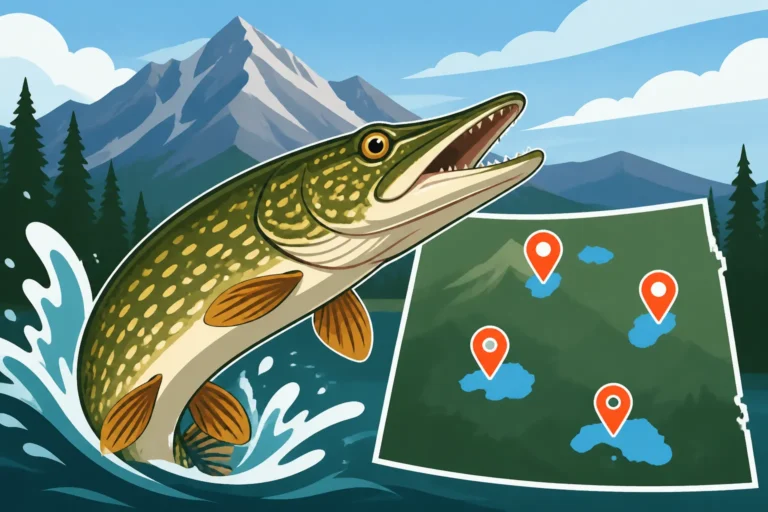
If you're looking for a truly aggressive fight, look no further than the northern pike. These long, slender fish are true apex predators with mouths full of razor-sharp teeth and an insatiable appetite. In Colorado, they inhabit many of the same warmwater reservoirs as walleye and bass, often preferring the shallower, weedy bays where they can hide and ambush prey. Their explosive strikes and powerful runs make them a favorite among anglers who enjoy a hard-fighting fish. However, it's worth noting that pike can be quite controversial in some Colorado waters. Due to their predatory nature, they can have a significant impact on trout and other desirable fish populations, leading to specific regulations and even culling efforts in certain areas. Colorado's Northern Pike, Where They're Legal provides crucial information on this topic, and Why Colorado Culls Pike From Some Waters explains the management strategies.
Targeting northern pike requires stout tackle and a willingness to use larger lures. Big spoons, inline spinners, spinnerbaits, and large jerkbaits are all effective. Many anglers also use dead bait, like suckers or shad, suspended under a float or fished on the bottom. Always remember to use a steel leader when fishing for pike to prevent their sharp teeth from cutting your line. You can find robust leaders and a variety of pike-specific lures on Amazon, ensuring your gear is up to the challenge. When you hook into a pike, be ready for a battle – they often thrash violently at the boat or shoreline, so a long-nosed pliers or jaw spreader is essential for safe handling and hook removal. Best Lures for Northern Pike in Colorado Reservoirs will give you a great starting point for your tackle box.
Bottom Dwellers and Panfish Powerhouses: Catfish, Crappie, and Perch
Beyond the "glamour" species like walleye and bass, Colorado's warmwater reservoirs are also home to a fantastic array of fish that offer excellent angling fun, especially for families and those looking for a more relaxed day on the water. These species are often abundant, relatively easy to catch, and in many cases, absolutely delicious!
Channel Catfish: The Night Shift Specialists
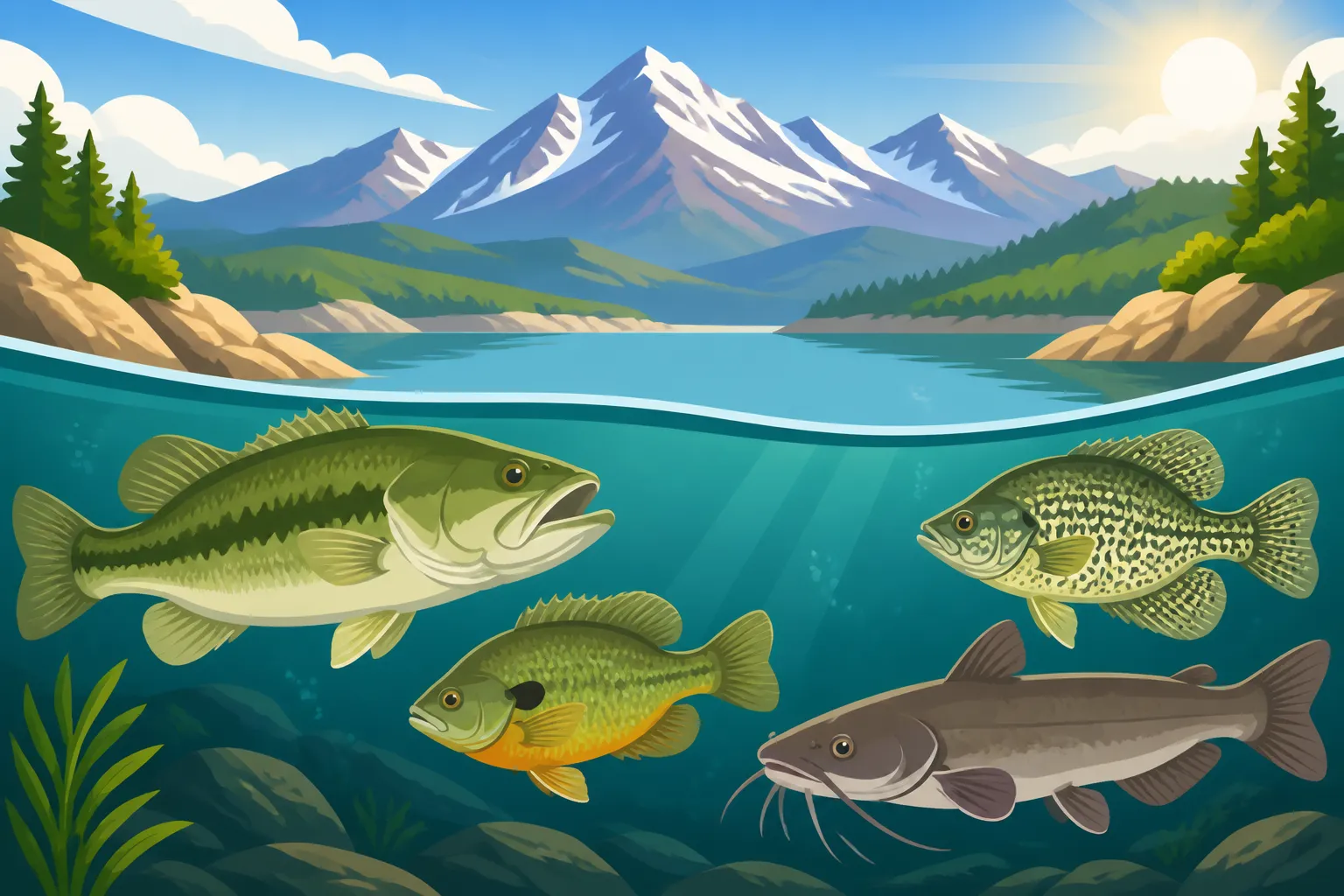
The channel catfish is a true warmwater classic. Known for their distinctive whiskers (barbels) and scaleless, sleek bodies, these fish are incredibly prevalent in Colorado's warmer, often murkier reservoirs and ponds. They're scavengers and opportunistic predators, making them a relatively easy target for anglers using the right bait. What makes them "night shift specialists" is their incredible sense of smell, which becomes particularly effective after dark. As the sun sets and temperatures cool, catfish often move into shallower waters to feed, making night fishing a prime time to target them. Channel Catfish in Colorado's Warmwater Lakes offers a deep dive into these unique fish.
When it comes to bait, catfish are not picky! Stink baits, cut baits (like shad or pieces of other fish), chicken livers, and good old nightcrawlers are all highly effective. Fishing them on the bottom with a simple Carolina rig or slip-sinker rig is a tried-and-true method. A medium-heavy rod with a sturdy reel and strong line is recommended, as even a modest channel cat can put up a surprisingly strong fight. If you're looking for a new setup for catfish, you'll find plenty of options for durable rods and reels suitable for battling these strong fish on Amazon. Best Bait for Catfish in Colorado Reservoirs will give you all the smelly details you need for a successful outing. Don't be afraid to try different baits until you find what they're hitting on that particular day!
Crappie: Speckled Panfish Fun for All Ages
Crappie, whether black or white, are an absolute blast to catch and are one of Colorado's most popular panfish. These speckled beauties are a fantastic choice for anglers of all skill levels, from seasoned veterans to young children just learning the ropes. They are known for their paper-thin mouths, which require a gentle touch to avoid tearing the hook out, but their willingness to bite and schooling behavior makes them incredibly rewarding. You'll find crappie in reservoirs with plenty of submerged structure – brush piles, fallen trees, old dock pilings, and even bridge abutments are all prime real estate for schooling crappie. Crappie Fishing in Colorado is a great starting point for learning more about these fun fish.
The key to catching crappie is often using small baits and lures. Tiny jigs (1/32 to 1/16 ounce) tipped with a small plastic grub, a live minnow, or even a worm segment are incredibly effective. A light-action rod and reel setup with thin monofilament or fluorocarbon line is ideal for detecting their subtle bites. Many anglers use a bobber to suspend their bait at the desired depth, which is often right above the structure where the crappie are holding. It's not uncommon to catch dozens of crappie in a single outing once you locate a school! This makes them perfect for introducing kids to fishing; the consistent action keeps them engaged. You can easily find affordable crappie jigs and bobbers in bulk on Amazon to ensure you're well-stocked.
Yellow Perch: The Delicious Schooling Fish
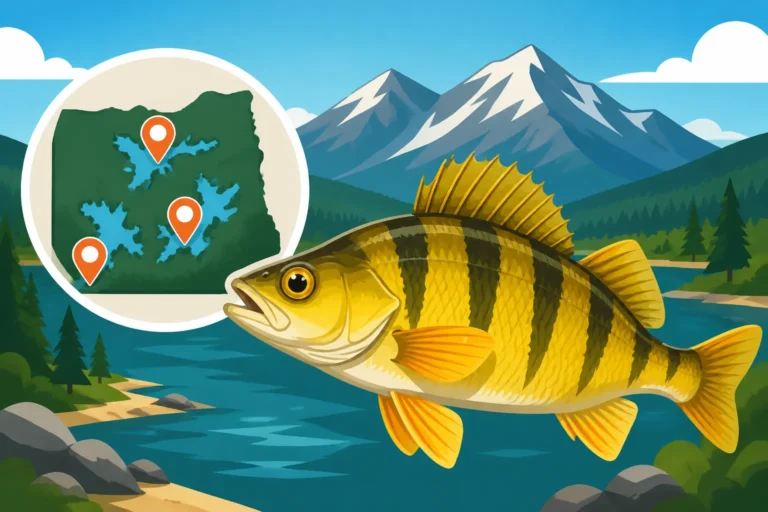
Another panfish favorite in Colorado's warmwater reservoirs is the yellow perch. Instantly recognizable by their distinctive vertical bars and yellowish sides, these fish are not only fun to catch but are also absolutely delicious on the dinner plate. Like crappie, perch are schooling fish, meaning if you catch one, there are likely many more in the vicinity. They tend to prefer areas with some aquatic vegetation or structure, but they can also be found in open water, especially during the colder months. Yellow Perch in Colorado delves into where and how to find these tasty critters.
Yellow perch are often caught using similar techniques to crappie: small jigs, grubs, and live bait like worms or minnows are excellent choices. They're particularly popular among ice anglers, as they remain active and can be caught in good numbers through the ice. During warmer months, look for them around weed lines and drop-offs. A light spinning setup is perfect, allowing for sensitive feel when they bite. Perch are known for their subtle "pecks," so paying close attention to your line or bobber is important. If you're gearing up for some perch fishing, a variety of small, brightly colored jigs and bait hooks can be found readily on Amazon. They're a fantastic target for a relaxing day of fishing, and you'll be hard-pressed to find a tastier freshwater fish.
Gear Up for Warmwater Success: Essential Tackle and Tactics
Venturing into Colorado's warmwater fisheries requires a slightly different approach than chasing trout. While some gear might overlap, optimizing your setup for species like walleye, bass, pike, and catfish will dramatically increase your chances of success and enjoyment.
Rods, Reels, and Lines for Different Species
Choosing the right rod and reel combination is fundamental to warmwater fishing. Unlike delicate trout presentations, warmwater species often require more power, sensitivity, or durability depending on the target.
For walleye, a medium-light to medium-action spinning rod, around 6'6" to 7' long, is a versatile choice. It provides enough backbone to set the hook on their often-subtle bites and fight a strong fish, yet retains the sensitivity needed to feel a faint tap. Pair this with a reliable spinning reel spooled with 6-10 pound test monofilament or fluorocarbon, or even braided line with a fluorocarbon leader for extra sensitivity.
When targeting bass, many anglers prefer baitcasting setups for their casting accuracy and power, especially when throwing heavier lures or fishing in thick cover. A medium-heavy action rod, 6'8" to 7'4" long, is standard. Spinning gear still works great, especially for lighter presentations or smallmouth bass. For line, 10-20 pound test fluorocarbon or braided line (with a leader) is common. The lower stretch of fluorocarbon is excellent for feeling bites and setting hooks.
For the toothy northern pike, you'll want a stout setup. A medium-heavy to heavy-action casting or spinning rod, 7' to 8' long, is ideal to handle their size and powerful runs. Pair this with a robust reel capable of holding 20-50 pound braided line, always with a steel or heavy fluorocarbon leader to prevent bite-offs. Safety is paramount with pike, and a longer rod helps manage them.
Catfish demand strong, durable gear. A medium-heavy to heavy-action rod, 7' to 9' long, often with a forgiving tip but plenty of backbone, is excellent for soaking baits. Match this with a sturdy spinning or baitcasting reel spooled with 15-30 pound monofilament, which offers good abrasion resistance against rough bottoms. Durability and line capacity are key here.
Finally, for crappie and perch, lighter is better. A light to ultra-light action spinning rod, 5' to 6'6" long, paired with a small spinning reel spooled with 4-6 pound monofilament or fluorocarbon is perfect. This setup allows for maximum sensitivity to detect those soft bites and makes even small panfish feel like giants. You'll find a wide variety of these specialized rods and reels, from budget-friendly options to high-performance models, readily available on Amazon for every species and fishing style.
Lure and Bait Selection
Just as critical as your rod and reel is what you tie on the end of your line. Each warmwater species has its preferences, and understanding them will drastically improve your catch rate.
For walleye, versatility is key. Jigs are perhaps the most popular, whether tipped with a live minnow, a piece of nightcrawler, or a soft plastic grub. Crankbaits, especially those designed to run at specific depths, are also incredibly effective for covering water and triggering reaction strikes. Trolling spinner rigs with nightcrawlers is another classic walleye tactic.
Bass respond to a vast array of presentations. For largemouth, soft plastics like Texas-rigged worms, Senkos, and creature baits pitched into cover are deadly. Spinnerbaits, chatterbaits, and swim jigs are excellent for covering water, while topwater frogs and poppers create exhilarating blow-ups. Smallmouth often prefer crankbaits that mimic crawfish, tube jigs dragged along rocky bottoms, and small swimbaits.
Northern pike are drawn to large, flashy offerings that trigger their predatory instincts. Big inline spinners, spoons (especially red and white, or silver), and large crankbaits are go-to choices. For dead bait, whole suckers or large shiners fished on a quick-strike rig can be incredibly effective, especially in colder water.
Catfish are less about flashy lures and more about scent. Stink baits, either prepared dough baits or punch baits, are famous for attracting catfish from a distance. Cut bait, like pieces of shad or carp, provides both scent and a natural food source. Chicken livers are another classic, though they can be messy to keep on the hook. Worms are always a reliable option, too.
For crappie and perch, think small and subtle. Tiny jigs (1/32 to 1/16 ounce) in various colors (chartreuse, white, black, pink) tipped with small plastic grubs or minnows are incredibly productive. Slip bobbers are invaluable for presenting these baits at precise depths. Small spoons can also work, especially for perch. Many anglers swear by the effectiveness of live minnows when crappie are being finicky.
You can stock up on a huge variety of these specific lures and baits, including specialized plastics, jig heads, and even fishing attractants, all with the convenience of a quick search on Amazon. Having a well-organized tackle box filled with options will keep you ready for whatever the fish are biting.
Practical Tips for Warmwater Anglers
Beyond the right gear, a few practical tips can make all the difference when fishing Colorado's warmwater reservoirs.
Reading the Water: Unlike a rushing trout stream, reading warmwater reservoirs means looking for subtle cues. Pay attention to changes in bottom contour using a fish finder or by observing the shoreline. Look for submerged humps, drop-offs, and points. Identify areas with aquatic vegetation, fallen trees, or rock piles – these are all prime fish-holding structures. Observe baitfish activity; if you see schools of small fish jumping or dimpling the surface, predators are likely nearby.
Time of Day and Season: Warmwater fish, particularly bass and walleye, are often most active during low-light conditions. Dawn and dusk are prime times, and night fishing can be incredibly productive for walleye and catfish. In the heat of summer, midday action often slows, with fish retreating to deeper, cooler water or dense cover. Spring and fall are transitional periods where fish might be more spread out but actively feeding. During the cold months, some species, like perch and lake trout, become prime targets for ice fishing, a whole other adventure! Colorado Fishing Seasons Month by Month is a great reference for overall seasonal patterns.
Adaptability is Key: Don't get stuck on one presentation. If what you're doing isn't working after 15-20 minutes, change it up. Try a different lure color, retrieve speed, depth, or even a completely different bait. Warmwater fish can be incredibly sensitive to minor changes in conditions, and a willingness to experiment will often lead to success. Carrying a diverse tackle box, easily assembled from items found on Amazon, allows you to be flexible. Always remember to check current regulations for the specific body of water you're fishing, as rules for bag limits, bait restrictions, and even permitted species can vary.
Disclaimer
This article is for general informational purposes only and does not constitute professional advice. Laws, prices and regulations vary by location and change over time. Consult a qualified professional for guidance on your specific situation.