Are Suckers Good Bait for Bigger Fish in Colorado?
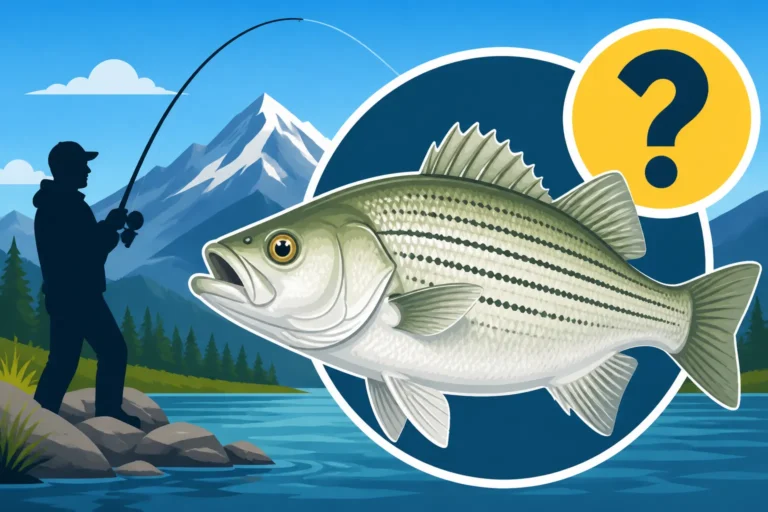
It's a question that echoes across many a Colorado campfire and riverbank: if you want to land that trophy-sized fish, shouldn't you use a bigger bait? Many anglers look to suckers, those often-overlooked bottom-dwellers, with the hope that they hold the key to enticing a truly massive catch. But the truth is, while suckers can indeed be a phenomenal bait for certain predatory species, the rules and realities in Colorado are a lot more nuanced than just "big bait, big fish." This guide will cut through the speculation and give you the real scoop on using suckers to target bigger fish in our beautiful state.
The Allure of Suckers: Why Anglers See Them as Prime Big Fish Bait
There’s a natural logic that appeals to many of us: if you want to catch a truly large fish, you need to offer it a substantial meal. Suckers, with their typically larger size compared to smaller baitfish, fit this bill perfectly. They're often abundant, and in many ecosystems, they represent a significant food source for apex predators. It’s this combination of availability and size that has cemented their reputation among anglers chasing giants.
What Makes a Sucker So Appealing to Predatory Fish?
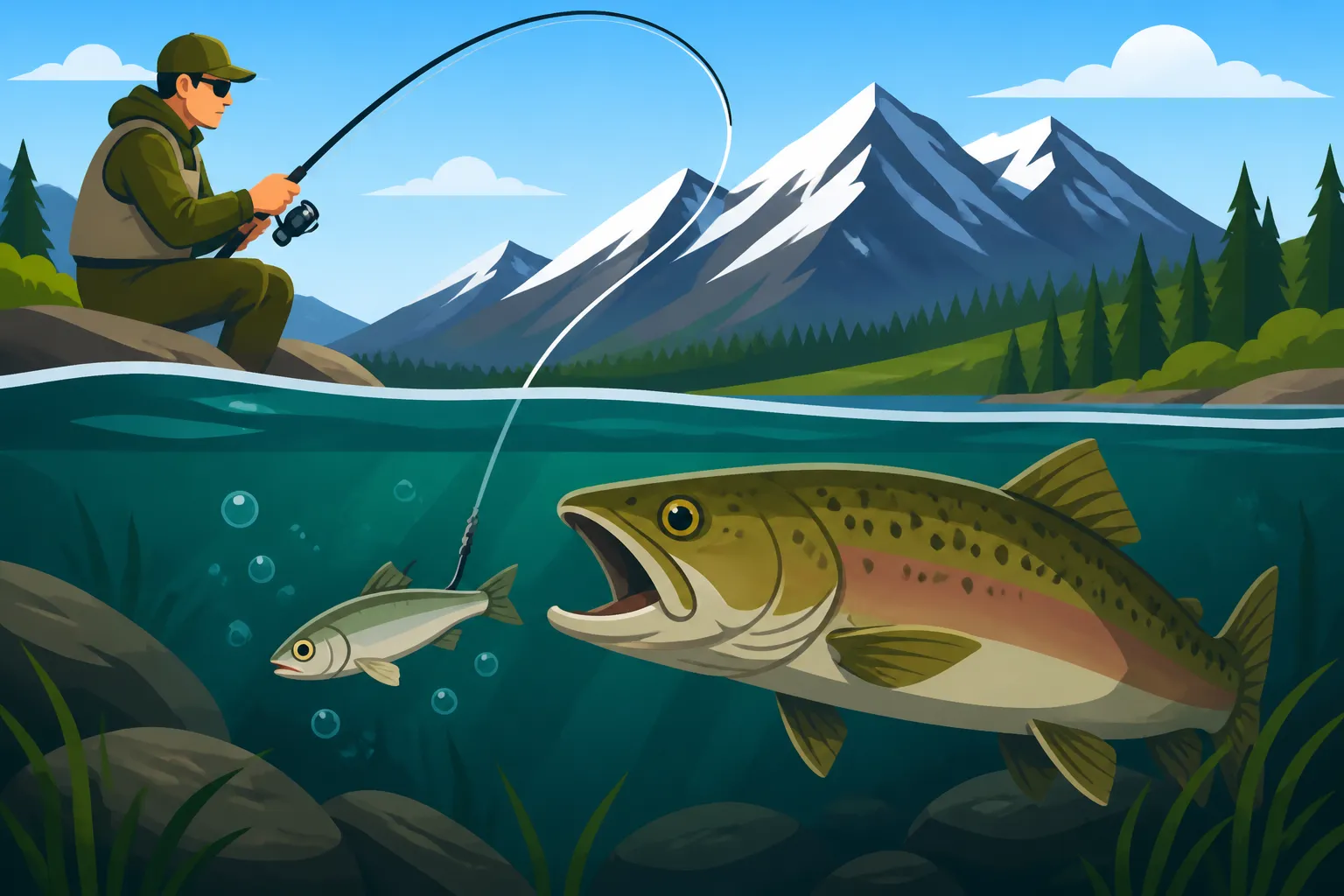
Suckers, like the longnose sucker or white sucker commonly found in Colorado, are a natural part of the food chain in many lakes and rivers. They possess several characteristics that make them highly attractive to larger, predatory fish. For one, their size alone means more calories for a fish that needs to grow big. A large lake trout or northern pike isn't going to expend energy chasing down tiny minnows if a hefty sucker is available.
Beyond size, suckers are often slow-moving and somewhat clumsy, especially when injured or stressed, making them an easy target. They also have a distinctive scent and oil content that can draw in fish from a distance, even in murky waters. This natural appeal is hard to replicate with artificial lures, which is why when conditions allow, many experienced anglers swear by the real thing. It’s not just about what a fish can eat; it’s about what it wants to eat and what's easiest to catch.
The "Big Bait, Big Fish" Theory and Its Limits
The "big bait, big fish" theory isn't just an old wives' tale; there's a good deal of truth to it. Larger predators typically aren't interested in small, calorie-poor prey. They're looking for an efficient meal that offers a high return on their energy investment. A 10-pound northern pike isn't going to be satisfied with a single 2-inch minnow; it would need to eat dozens to feel full. A single 6-inch sucker, however, could be a much more appealing proposition.
However, this theory has its limits, especially in Colorado. The primary constraint isn't the fish's appetite but the legal framework. Even if a giant brown trout would love to gobble up a live sucker, the regulations in many of our pristine Gold Medal waters prohibit the use of live bait, or even any natural bait at all. So, while the theory holds true in principle for the fish, it often doesn't hold up to the reality of strict fishing rules designed to protect our aquatic ecosystems. Ignoring these rules can lead to serious penalties, which nobody wants. You definitely want to be familiar with Colorado Fishing Regulations Every Angler Should Know.
Colorado's Strict Rules: Live Bait vs. Dead Bait and Suckers
This is where the rubber meets the road, or rather, where the regulations meet your fishing line. Colorado Parks and Wildlife (CPW) has very specific and often stringent rules about what can and cannot be used as bait, particularly concerning live bait and the movement of fish, even if it's just bait. These rules are in place for critical reasons, primarily to prevent the spread of aquatic invasive species (AIS) and diseases.
The Critical Distinction: Live vs. Dead Bait in Colorado
Let's get this straight right off the bat: the use of live fish as bait is prohibited in almost all Colorado waters. This is not a suggestion; it's a hard and fast rule designed to protect our fisheries. The risk of introducing non-native species or spreading diseases like whirling disease, which has devastated some trout populations, is too high. Imagine moving a bucket of live suckers from one drainage to another, unknowingly carrying a parasite that could wipe out a unique population of native cutthroat trout. It’s a conservation nightmare.
However, the use of dead suckers as bait is a different story. In many waters where bait fishing is allowed, dead suckers, or parts of them, can be legally used. The key is to ensure they are indeed dead and, if possible, sourced legally and locally to the water you are fishing, or purchased from a reputable bait shop. This minimizes the risk of introducing foreign pathogens. Always check the current CPW fishing regulations brochure for the specific water you plan to fish, as rules can vary widely from one lake or river to another. Some waters are "artificial flies and lures only," while others might allow dead bait but restrict the type of bait. Colorado Bait Restrictions and Where They Apply provides much more detail on this critical topic.
Sourcing Suckers Legally and Safely
If you've determined that using dead suckers as bait is legal in your chosen fishing spot, the next step is sourcing them. You generally have a few options:
- Catching Your Own (and Killing Them): In waters where suckers are present and you're allowed to harvest them, you can catch them and immediately dispatch them for use as dead bait. This ensures you're using local fish, reducing the risk of disease transfer from distant sources. Always verify the bag and possession limits for suckers, as even "trash fish" sometimes have limits.
- Purchasing from a Licensed Bait Dealer: This is often the safest and easiest option. Licensed bait dealers are typically required to source their bait responsibly and often have health certifications. When you buy from a bait shop, you can be more confident that the bait isn't carrying diseases from another basin. You might find vacuum-sealed packages of frozen sucker fillets or whole small suckers at sporting goods stores or even through online retailers like Amazon, though for fresh, local options, a bait shop is usually best.
- Using Sucker Imitations: In many waters, especially our renowned Gold Medal stretches or certain high-country lakes, even dead natural bait is prohibited. This is where artificial lures that imitate suckers become invaluable. Think large swimbaits, jerkbaits, or even big streamers that mimic the profile and action of a sucker. These can be incredibly effective and are always legal in artificial-lures-only waters.
Understanding Species and Water-Specific Restrictions
Colorado's fishing regulations are not one-size-fits-all. They are often highly specific to particular bodies of water and even certain species. For example, many of Colorado's Gold Medal Waters, which are managed for trophy trout populations, often have "artificial flies and lures only" rules, and sometimes even barbless hook requirements. This means no live or dead bait of any kind, suckers included. Colorado Gold Medal Water Regulations Explained is a must-read if you plan to fish these prime areas.
On the other hand, some warmwater reservoirs or certain areas known for northern pike or lake trout might allow the use of dead bait. It’s absolutely vital to consult the current Colorado Fishing Regulations brochure or the CPW website for the specific lake or river you intend to fish. A small misunderstanding could lead to a citation, or worse, inadvertently harm a fragile ecosystem. Don't just assume what's okay in one spot is okay in another; it rarely is.
Which Colorado Game Fish Will Bite a Sucker?
So, after navigating the regulations, if you're in a spot where using dead suckers is legal, which fish are you actually hoping to catch with them? Not all fish are created equal when it comes to a meal preference for a large, dead sucker.
Northern Pike: The Apex Predator's Delight
Without a doubt, northern pike are the primary target for anglers using sucker bait in Colorado. These aggressive, toothy predators are visual hunters that love a big, easy meal. A dead sucker, rigged to drift or lie on the bottom in a pike-filled reservoir, is an irresistible offering. Pike grow large in Colorado, and a 30-inch-plus pike isn't uncommon, especially in waters like Spinney Mountain Reservoir, Eleven Mile Reservoir, or Harvey Gap State Park.
When targeting pike with suckers, presentation is key. Many anglers will use a quick-strike rig with two treble hooks to ensure a solid hookup, as pike tend to engulf their prey. You can rig them to float just off the bottom using a slip float or weight them to sit directly on the bottom. The smell and profile of a dead sucker are a powerful combination for these ambush predators. Even if you're not using natural bait, big pike swimbaits that imitate suckers can be incredibly effective; you can find a wide variety of these on Amazon.
Lake Trout: Deepwater Giants
Lake trout, or 'lakers' as they're affectionately called, are another species that readily take dead sucker bait. Colorado's deep, cold reservoirs like Blue Mesa Reservoir, Granby Reservoir, and Taylor Park Reservoir are home to monster lake trout that feed on smaller fish, including suckers. Lakers are often found in very deep water, so getting your bait down to them requires heavy weights, downriggers, or a lot of patience.
Anglers targeting lake trout with suckers often use cut bait (fillets or chunks of sucker) or whole small suckers. The bait is typically fished on the bottom or trolled slowly at specific depths. Jigging with a whole or partial sucker on a large jig head is also a popular and effective technique, particularly through the ice. The scent trail a dead sucker leaves in the water can be a major draw for these deepwater cruisers. Understanding Lake Trout Fishing in Colorado can give you even more insights into pursuing these magnificent fish.
Other Potential Targets: Walleye and Large Brown Trout
While pike and lake trout are the main attractions, other predatory species might show interest in dead sucker bait under the right circumstances.
- Walleye: Walleye in Colorado's warmwater reservoirs (such as Pueblo Reservoir or Cherry Creek Reservoir) are known for their preference for baitfish. While they typically prefer smaller minnows, a chunk of sucker or a smaller whole sucker could certainly attract a larger walleye, especially during low-light conditions or when they are actively feeding. Again, artificial versions like walleye-specific swimbaits are widely available on Amazon and often see great success.
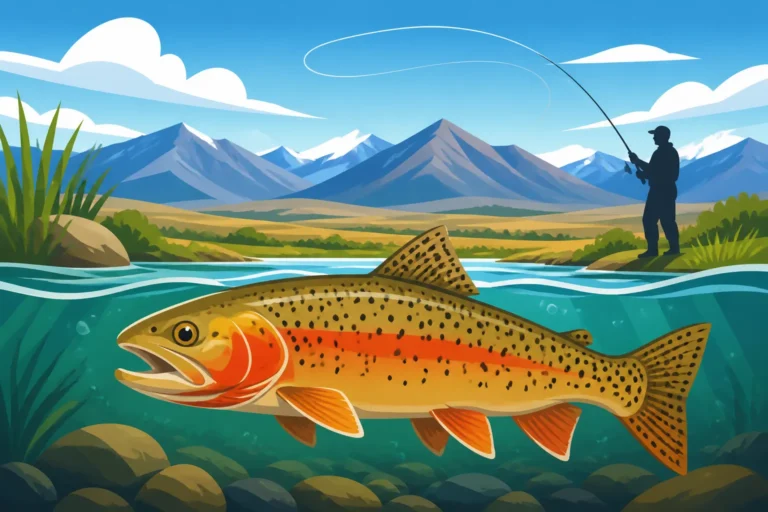
- Large Brown Trout: In certain rivers or lakes with liberal bait regulations, truly massive brown trout, which are highly predatory, might occasionally take a dead sucker. Brown trout are known to be opportunistic and will eat almost anything they can fit in their mouths, including other fish, rodents, and birds. However, the waters where you'd typically find these trophy browns are often the same ones with strict "flies and lures only" regulations, making this a rare scenario for natural suckers. If you're hoping for a record-sized fish, looking into Colorado's State Record Brown Trout Weighed might inspire you.
It's important to understand that using suckers for these other species is less common and less consistently effective than it is for pike and lake trout. Always refer to local regulations, as even if a fish might eat a sucker, it doesn't mean you're allowed to use one to catch it.
Here's a quick overview of target species and bait legality:
| Fish Species | Primary Target for Suckers? | Legality of Dead Suckers as Bait (General) | Notes |
|---|---|---|---|
| Northern Pike | Yes | Often Permitted | Highly effective for large, aggressive pike. Check specific reservoir regulations. Artificial swimbaits are also excellent. |
| Lake Trout | Yes | Often Permitted | Great for deepwater lakers. Can be jigged or trolled. Again, verify regulations for deep, cold reservoirs. |
| Walleye | Sometimes | Often Permitted | May take smaller suckers or cut bait, especially larger walleye. More common to use smaller baitfish or artificials. |
| Brown Trout | Rarely | Generally Prohibited | While large browns are predatory, the waters they inhabit (especially trophy waters) usually have "artificials only" rules. |
| Rainbow/Cutthroat Trout | No | Generally Prohibited | Primarily insect/aquatic invertebrate eaters, though larger ones may eat small fish. Waters typically stocked with or holding native trout often have strict bait bans. |
| Smallmouth Bass | Rarely | Sometimes Permitted | Smallmouth prefer crawfish and smaller baitfish. A small piece of sucker might work, but it's not a primary bait. |
| Largemouth Bass | Rarely | Sometimes Permitted | Larger largemouth will eat baitfish. A small sucker or chunk could work, but not a primary choice. |
| Channel Catfish | Rarely | Often Permitted | Catfish are primarily scavengers and will eat almost anything. While a dead sucker might work, stinky baits or cut bait from other species are usually more effective for catfish. |
Note: This table provides general guidance. Always consult the current Colorado Parks and Wildlife fishing regulations for the specific body of water you intend to fish before using any bait. Regulations can and do change.
Ethical Considerations and Conservation
Beyond the legalities, there are important ethical and conservation considerations when choosing to use live or dead fish as bait, even if the regulations allow it. Our role as anglers goes beyond just catching fish; it extends to protecting the resources we enjoy.
The Risk of Disease and Aquatic Invasive Species (AIS) Transfer
This cannot be stressed enough: the primary reason Colorado has such strict rules against live bait, and encourages careful sourcing of dead bait, is to prevent the spread of diseases and aquatic invasive species. A single bucket of live bait moved from one drainage to another can introduce devastating pathogens or non-native species that outcompete or prey on native fish.
Imagine an angler using live suckers from a local pond as bait, then moving to a different river system. If those suckers carried a pathogen like New Zealand mudsnails, whirling disease spores, or even just eggs from an undesirable fish species, they could inadvertently infect or infest a pristine, native trout population. CPW works tirelessly to prevent these issues, and anglers are the first line of defense. This is why you should never bring live fish from one body of water to another, even if you just plan to use them as dead bait. Always "Drain, Clean, Dry" your boats and gear to prevent AIS transfer. You can read more about Why Colorado Bans Live Bait Fish in Some Waters.
Impact on Native and Desired Species
When you use large bait like suckers, you're inherently targeting larger, often more predatory fish. This is fine when you're targeting species like northern pike, which in some Colorado waters are even encouraged to be harvested due to their impact on other fish populations. However, if you're fishing in a mixed fishery where native cutthroat trout or other sensitive species might also be present, using large, natural bait can sometimes lead to unintended catches of these vulnerable fish.
Even if allowed, consider the impact on catch-and-release practices. Fish that deeply swallow a large bait can be harder to release unharmed. Using artificial lures, where allowed, often leads to hookups in the mouth, improving the chances of a successful release. As responsible anglers, we want to ensure the health of the fish and the fishery for future generations.
Final Thoughts on Suckers as Bait in Colorado
So, are suckers good bait for bigger fish in Colorado? The answer is a resounding "yes, but with significant caveats." For northern pike and lake trout, particularly in waters where dead bait is permitted, they can be incredibly effective. Their size, scent, and natural appeal are hard to beat when trying to entice a trophy-level predator.
However, the legal landscape in Colorado is dominated by crucial conservation efforts. Live bait is almost universally prohibited, and dead bait use is highly regulated and varies by specific water. It is your responsibility as an angler to know and follow these rules. Always check the current regulations for the specific water you're fishing. When in doubt, or if regulations restrict natural bait, embrace the incredible array of artificial lures that mimic suckers. You can find excellent options for these on Amazon, designed to fool even the most discerning Colorado fish. By understanding the rules, respecting our aquatic environments, and choosing your bait wisely, you can effectively pursue those bigger fish while still being a responsible steward of Colorado's incredible fishing resources.
Disclaimer
This article is for general informational purposes only and does not constitute professional advice. Laws, prices and regulations vary by location and change over time. Consult a qualified professional for guidance on your specific situation.