Best Bait for Catfish in Colorado Reservoirs
It’s a feeling many of us know all too well: you head out to one of Colorado’s beautiful reservoirs, excited to spend a day or an evening chasing catfish, only to find the bites are few and far between. It can be incredibly frustrating to sit there, rod in hand, wondering if you've chosen the right spot or, more importantly, the right bait. But don't you worry, because this comprehensive guide is going to take the guesswork out of tempting those whiskered bottom-dwellers, diving deep into the best baits for catfish in Colorado reservoirs and how to use them effectively.
Understanding Colorado Catfish and Their Habitat
Before we even talk about what to put on your hook, it's really helpful to understand the fish you're targeting. Catfish in Colorado aren't just one monolithic group; primarily, we're talking about Channel Catfish, with a smattering of Bullheads in some waters. These aren't the monster flatheads of the deep South, but they're still powerful, delicious, and a ton of fun to catch.
The Colorado Catfish Landscape
In Colorado, Channel Catfish are far and away the most popular and widespread species you'll encounter. They absolutely thrive in the warmer waters of our state's plains reservoirs and many urban ponds. You'll find healthy populations in places like Pueblo Reservoir, John Martin Reservoir on the Eastern Plains, and even closer to the Front Range in spots like Chatfield Reservoir and Cherry Creek Reservoir. These are typically warmer, often shallower lakes compared to the high-country trout havens, providing the perfect environment for catfish to grow. If you're looking for prime locations, you might want to check out our detailed guide on Best Waters for Channel Catfish in Colorado.
While Channel Cats are the main event, sometimes you might also hook into a smaller Black Bullhead or Yellow Bullhead, especially in muddier, shallower waters. These smaller cousins often respond to similar baits, though their mouths are smaller, so adjusting your hook size can be beneficial. Understanding these preferences helps you dial in your approach, whether you're targeting a feisty two-pound channel cat or hoping for a ten-pounder. For those curious about the potential size, you can read up on How Big Channel Catfish Get in Colorado.
Catfish Feeding Habits and Preferences
Catfish are primarily scavengers and opportunistic predators. They have an incredible sense of smell and taste, thanks to those prominent whiskers (barbels) that are packed with chemoreceptors, allowing them to detect even the faintest scent of food in murky water. This means strong-smelling baits are often your best bet. They don't typically "hunt" by sight in the same way a trout might; instead, they cruise the bottom, using their senses to locate a meal.
Their diet is varied: they'll eat smaller fish, insects, crawfish, mollusks, and even decaying organic matter. This broad palette is good news for anglers, as it means a wide range of baits can be effective. They're particularly active during low light conditions, especially at dawn, dusk, and throughout the night. This is a crucial piece of information, as your best bites often happen when the sun isn't blazing down. If you've ever wondered about this, our article on Do Catfish Bite Better at Night in Colorado? offers some great insights. The warmer months, generally from late spring through early fall, are when they're most active and feeding aggressively, making your bait choices even more critical.
Top Baits for Colorado Catfish Success
Now that we understand our quarry, let's talk about the main event: what to put on your hook. The world of catfish bait is vast, but for Colorado reservoirs, a few stand out as consistent producers.
The Classics: Tried-and-True Natural Baits
Sometimes, you just can't beat the simplicity and effectiveness of natural bait. These options have been catching catfish for generations, and for good reason.
Worms:
Ah, the humble worm. Nightcrawlers or even common garden worms are fantastic all-around baits, not just for catfish but for many species. Their natural scent and squirming action are incredibly enticing. Catfish will readily pick up on the scent trail worms leave in the water. For smaller catfish or when you're not sure what else might be biting, a big juicy nightcrawler threaded onto a hook is often the perfect starting point. The biggest advantage here is ease of availability; you can usually pick up a carton at any local bait shop or even many gas stations.
While worms are great, they can sometimes be picked apart by smaller panfish or stolen by nimble nibblers before a catfish finds them. Using a larger hook and threading the worm on multiple times can help it stay on longer.
Cut Bait:
This is often the secret weapon for targeting larger Channel Catfish in Colorado. Cut bait is essentially pieces of fish meat, and it has an incredibly strong, natural scent that catfish absolutely key in on. The best part? You can use nearly any legal rough fish or even parts of fish you've already caught (check local regulations first!). Common choices include shad, carp, or even parts of larger suckers.
To prepare cut bait, simply slice a fresh fish into strips or chunks, ensuring there's some skin and scales still attached to help it stay on the hook. The oilier the fish, the better the scent trail it will leave. Some anglers even let their cut bait sit out for a short while to "ripen" and enhance the smell, though be prepared for some serious stink! The key is to use fresh, smelly pieces that emit a powerful odor plume through the water, drawing in catfish from a distance.
The Stink Factor: Prepared and Scented Baits
If nature's offerings aren't cutting it, or you simply want to unleash a scent bomb, prepared and "stink" baits are your next best friend. These are specifically designed to appeal to a catfish's extraordinary sense of smell.
Dip Baits and Punch Baits:
These concoctions are the epitome of "stink." Dip baits are typically thick, sticky pastes or cheeses that you literally "dip" a special bait holder (often a plastic worm or a spongy material on a hook) into. Punch baits are similar but often have a firmer texture, meant to be "punched" onto a treble hook with a stick or tool. Brands like Catfish Charlie, Sonny's Super Sticky Baits, or even homebrew recipes are popular. They come in various pungent flavors – cheese, blood, shad, and even liver.
The effectiveness of these baits comes from their intense, long-lasting scent. They slowly dissolve in the water, creating a powerful scent cloud that catfish can't resist. For sheer convenience and a guaranteed powerful aroma, these are hard to beat. You can often find a wide variety of these specialized baits on platforms like Amazon, making it easy to experiment with different scents to see what the catfish in your local reservoir are craving. Just be warned: they are messy, so bring plenty of paper towels!
Sponge Baits and Tubes:
Similar to dip baits but often pre-scented or designed to absorb liquid scents. These come in small sponge-like pieces or soft plastic tubes that you can thread onto a hook. They are fantastic because they hold scent well and are relatively clean to handle compared to traditional dip baits. You can add your own scent enhancers or buy them pre-loaded with fish attractants. For those who don't want to get too gooey, these provide a more manageable, yet still potent, alternative.
Unexpected Delights: Household and Live Baits
Sometimes the best bait isn't found in a tackle shop, but in your kitchen or backyard. These unconventional options can often surprise you with their effectiveness.
Chicken Livers:
This is a classic catfish bait that almost every angler has tried at some point. Chicken livers are soft, bloody, and incredibly stinky, making them irresistible to catfish. The challenge with chicken livers is keeping them on the hook due to their soft texture. Many anglers combat this by curing them slightly with salt, wrapping them in cheesecloth or nylon stocking material, or simply using a treble hook.
The mess factor is high, but the results can be worth it. The blood and strong internal organ scent disperse quickly in the water, attracting hungry catfish. You can usually find chicken livers at any local grocery store, making them a readily available and cost-effective option for a day of catfishing.
Hot Dogs:
Believe it or not, plain old hot dogs can be an incredibly effective catfish bait! They're cheap, easy to find, and surprisingly durable on a hook. The trick here is often to "doctor" them up. Many anglers will cut them into one-inch pieces and then marinate them in things like garlic powder, Kool-Aid (for color and sweetness), or a special commercial fish attractant overnight. The combination of the hot dog's processed meat smell with added attractants can be a real game-changer. This makes them a fantastic budget-friendly and easy-to-handle bait, particularly good for a casual family fishing trip or if you're introducing kids to catfishing.
Crawfish (Live or Dead):
Crawfish are a natural food source for many fish species, including catfish, in Colorado's waters. Both live and dead crawfish can be excellent bait. A live crawfish fished on a Carolina rig near rocky bottoms or submerged structures is incredibly enticing. If using dead crawfish, simply break them in half or remove the tail to release more scent.
The advantage of crawfish is that they are a natural part of the catfish diet in many reservoirs, making them a very familiar and appealing meal. You can often catch your own crawfish in the same waters you plan to fish, adding an extra layer of challenge and reward to your outing.
Here’s a quick comparison of some popular catfish baits:
| Bait Type | Pros | Cons | Best Use |
|---|---|---|---|
| Nightcrawlers | Readily available, natural scent | Can be picked off by small fish easily | All-around, good for mixed species |
| Cut Bait | Strong natural scent, targets bigger fish | Can be messy, requires fresh fish | Targeting larger Channel Catfish |
| Dip/Punch Baits | Intense, long-lasting scent, convenient | Very messy, specialized bait holders needed | High-scent attraction, good in murky water |
| Chicken Livers | Strong blood scent, cheap | Very soft, hard to keep on hook | Fast action, strong scent attraction |
| Hot Dogs | Cheap, easy to use, durable | Less natural scent, often requires marinating | Casual fishing, family trips, experimental |
| Crawfish | Natural food source, very effective | Can be harder to acquire | Targeting active, larger catfish |
Maximizing Your Bait's Effectiveness
Choosing the right bait is a huge step, but how you present it, where you cast it, and when you fish can make all the difference between a slow day and a bent rod.
Rigging for Reservoir Catfish
When it comes to rigging for catfish in Colorado reservoirs, simplicity and effectiveness are key. The goal is to get your bait to the bottom where catfish feed and keep it there.
The Carolina Rig:
This is, without a doubt, the king of catfish rigs. It consists of a sliding egg sinker above a swivel, followed by a leader (usually 12-24 inches of monofilament or fluorocarbon) and then your hook. The sliding sinker allows the catfish to pick up the bait and run with it without feeling the resistance of the weight, which can cause them to drop the bait.
For hooks, consider an octopus hook or a circle hook. Circle hooks are excellent for catch and release, as they typically hook in the corner of the fish's mouth, reducing gut-hooking. Sizes from 2/0 to 6/0 are common, depending on the size of your bait and the catfish you expect to encounter. For leaders, choose a strength slightly less than your main line so if you get snagged, you only lose your hook and leader, not your entire rig.
Slip Bobber Rig:
While the Carolina rig is primarily for bottom fishing, a slip bobber rig can be effective in areas where catfish might be suspended over deeper water or along drop-offs. This rig allows you to present your bait at a specific depth off the bottom, just above any snags. It's particularly useful in areas with a lot of debris on the bottom. You can use a smaller sinker to take your bait down, then set your bobber stop to the desired depth.
Presentation and Location Strategies
Even with the best bait, if you're not putting it in front of a catfish, you won't catch anything. Understanding where catfish hold and how they feed is crucial.
Fish the Bottom:
As bottom-feeders, your bait absolutely needs to be on or very close to the bottom. This is why the Carolina rig is so effective. Cast your bait out and let it sink. Once it hits bottom, take up any slack in your line, and keep a watchful eye on your rod tip.
Target Structure and Depth Changes:
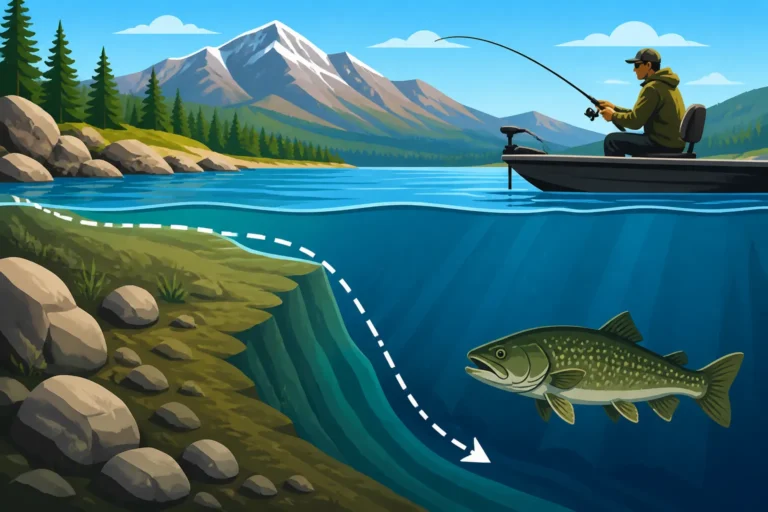
Catfish love structure. Look for submerged logs, rock piles, old creek channels, or any changes in depth. These areas provide cover, ambush points, and often hold concentrations of their natural food sources. In larger reservoirs, finding the old river channels or points that extend into deeper water can be goldmines. On a boat, your sonar can be invaluable for finding these spots. From shore, look for obvious points, inlets, or areas where the bank drops off steeply.
Multiple Rods, Different Baits:
If regulations allow for multiple rods (remember to check Colorado Fishing Regulations Every Angler Should Know and consider a Colorado's Second-Rod Stamp and Who Needs One if applicable), don't be afraid to experiment! Use different baits on each rod to see what the fish are keying in on that day. One rod might have chicken liver, another cut bait, and a third a dip bait from Amazon. This strategy significantly increases your chances of finding the preferred meal.
Time of Day and Season Considerations
Catfish activity levels are heavily influenced by temperature and light. Timing your trips can dramatically improve your success.
Warm Water is Key:
Catfish are warmwater fish. They are most active and feed most aggressively when water temperatures are comfortably warm, typically from late spring through early fall. This is when their metabolism is high, and they're constantly on the prowl for food. During the colder months, they become much less active, often hunkering down in deeper water, and can be notoriously difficult to tempt. You can refer to Colorado Fishing Seasons Month by Month for a broader view of seasonal fish activity.
Low Light, High Action:
As mentioned earlier, catfish have a distinct preference for low light. Early morning, late evening, and especially through the night are prime times for catfishing in Colorado. The reduced light gives them a sense of security, and many of their natural prey items are more active during these periods. Setting up for an evening session, perhaps with some glow sticks on your rod tips, can be one of the most exciting ways to catch them.
Remember, a successful catfishing trip in Colorado involves more than just throwing a line in the water. It requires understanding the fish, choosing the right bait, rigging it properly, finding the right spots, and timing your efforts. Make sure you have your Colorado Fishing License Guide for Residents and Nonresidents squared away, and you're good to go. Even considering the Colorado Fishing License Costs Explained is part of a well-planned trip. And don't forget to review Colorado's Urban Fishing Program License Rules if you're hitting up city ponds where catfish often thrive.
So grab your stinkiest bait, a sturdy rod, and get ready to enjoy some fantastic catfishing on Colorado’s reservoirs!
Disclaimer
Please note that fishing regulations, including bait restrictions and bag limits, can change. Always consult the most current Colorado Parks and Wildlife (CPW) regulations brochure before heading out on any fishing trip. The information provided here is for general guidance only.