What You’re Actually Paying for in a Colorado Fishing License
It’s a question every Colorado angler has pondered, especially when that annual renewal notice pops up: "What exactly am I paying for with this fishing license?" You might look at the fee and wonder if it’s just another charge, or if it truly makes a difference. The truth is, that seemingly simple purchase does so much more than just grant you permission to cast a line; it’s the lifeblood of our state’s incredible aquatic ecosystems and angling opportunities.
Beyond the Sticker Price: The Real Value of Your License Fee
When you shell out for a Colorado fishing license, you're not just buying a piece of paper or a digital credential. You're making a direct investment in the health and future of Colorado's rivers, lakes, and the fish that call them home. It’s a collective contribution that fuels the vast machinery of conservation, management, and public access that makes our state a fishing paradise.
Funding Conservation Efforts
Think of your fishing license fee as a membership to one of the most effective conservation organizations in the state: Colorado Parks and Wildlife (CPW). These funds are critical for maintaining the delicate balance of our natural resources. They go towards comprehensive conservation programs, from restoring riparian habitats along the Arkansas River to protecting native species like the Colorado River Cutthroat Trout in remote high-country lakes. When CPW undertakes a project to stabilize eroding stream banks, improve water quality, or conduct crucial research on fish populations, it’s your license dollars at work. This ensures that the waters we love today will continue to thrive for future generations of anglers. It’s a pretty powerful thought that your small annual fee contributes to such large-scale, impactful initiatives.
Supporting Fish Stocking Programs
One of the most immediate and tangible benefits of your license fee is the extensive fish stocking program that CPW runs. Colorado boasts an incredible variety of fishing experiences, and many of these are sustained by the diligent work of state hatcheries. Millions of fish, primarily various trout species like rainbow trout and brown trout, are raised and stocked annually into lakes, reservoirs, and rivers across the state. This is especially vital for heavily fished urban ponds near Denver, popular reservoirs like Blue Mesa, and accessible mountain lakes, providing reliable opportunities for anglers of all skill levels. Without these stocking efforts, many easily accessible waters would quickly become fished out. Your contribution helps fund the entire operation: the rearing facilities, the feed, the transportation, and the dedicated staff who ensure these fish are healthy and ready to thrive. It’s a direct link between your purchase and that bending rod on your next outing.
Protecting and Managing Colorado's Diverse Fisheries
The beauty of Colorado fishing lies in its diversity – from Gold Medal trout streams to warmwater reservoirs teeming with bass and walleye. Maintaining this variety, and ensuring these fisheries remain healthy and productive, requires active management and thoughtful regulation, all supported by your license fees.
Enforcement and Regulation
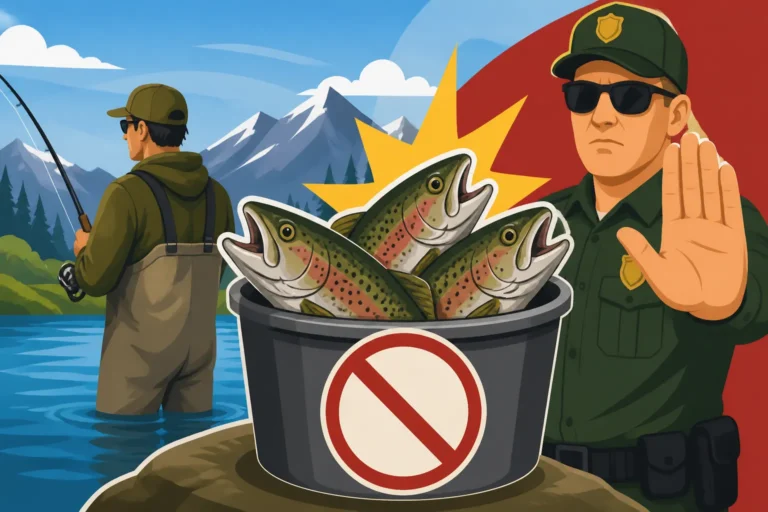
Let’s be honest, rules aren’t always fun, but they are absolutely essential for sustainable fishing. Your license fees contribute significantly to the funding of wildlife officers, commonly known as game wardens, who patrol our waters. These dedicated individuals aren't just there to check your license; they're the front line in enforcing vital Colorado fishing regulations, ensuring that bag and possession limits are respected, bait restrictions are followed, and illegal activities like poaching are prevented. Their presence is crucial for protecting fish populations from overexploitation and maintaining fair chase principles. Imagine if there were no limits on how many trout you could keep, or if protected native species had no safeguards – our fisheries would quickly suffer. The cost of patrolling vast wilderness areas, busy reservoirs, and popular river stretches is considerable, and it’s a direct expense covered by license sales. If you ever wondered what happens if you fish in Colorado without a license, rest assured, there are wardens out there making sure everyone is playing by the rules.
Habitat Improvement and Access
Healthy fish need healthy homes, and much of your license fee goes toward direct habitat improvement. This isn't always glamorous work, but it's incredibly important. Projects might involve stabilizing stream banks that have eroded due to floods or heavy use, planting native vegetation to create shade and reduce water temperatures, or installing in-stream structures that provide cover and feeding lies for fish. These efforts enhance the natural spawning grounds for wild trout populations and improve the overall ecological health of a waterway. Beyond direct habitat work, your fees also help maintain and improve public access points. Think about those well-maintained boat ramps, the designated parking areas near your favorite river, or the informational signs that help you understand local rules. Ensuring that anglers have places to launch a boat or simply walk down to the water is a constant effort, and these amenities directly enhance your fishing experience. Investing in these infrastructure projects ensures that Colorado's incredible natural resources remain accessible to everyone, whether you're trying to find the best fishing lakes near Denver or casting flies on the Fryingpan River.
Education, Information, and Angler Resources
Part of CPW's mission, and thus a portion of what your license fees support, involves empowering anglers with the knowledge and tools to fish responsibly and effectively. This commitment to education and accessible information is invaluable, especially for newcomers to the sport or those exploring new waters.
Educational Programs and Outreach
Not everyone grew up with a fishing rod in their hand, and Colorado Parks and Wildlife understands that. Your license fees fund a variety of educational programs designed to introduce new anglers, especially youth, to the sport. These "learn-to-fish" clinics and youth fishing events provide hands-on instruction, teaching basic techniques, fish identification, and ethical angling practices. It’s about fostering a love for the outdoors and responsible stewardship from an early age. Beyond direct instruction, CPW also provides a wealth of information through publications, online resources, and public workshops. Ever picked up a copy of the annual Colorado Fishing Regulations Every Angler Should Know? Or perhaps explored the interactive Colorado Fishing Atlas online? These resources, vital for planning your trips and understanding local rules, are supported by the very fees you pay. Even when you're browsing for new gear on Amazon, you can find guides and books that indirectly benefit from the overall health of the sport, which CPW helps maintain.
Research and Data Collection
Good conservation is built on good science, and your fishing license supports crucial research and data collection efforts. CPW biologists are constantly monitoring fish populations, assessing water quality, studying aquatic insect hatches, and analyzing environmental factors that impact our fisheries. This isn't just academic curiosity; the data gathered informs critical management decisions. For example, by understanding the growth rates and reproductive success of Kokanee Salmon in Blue Mesa Reservoir, CPW can adjust stocking levels or fishing regulations to ensure a healthy population for years to come. Your fees fund the specialized equipment, laboratory analysis, and expert personnel required for these studies. This scientific approach ensures that management decisions are based on evidence, leading to more sustainable and productive fisheries throughout the state. It's the unseen but incredibly important work that underpins the quality of your fishing experience.
What Your Colorado Fishing License Pays For
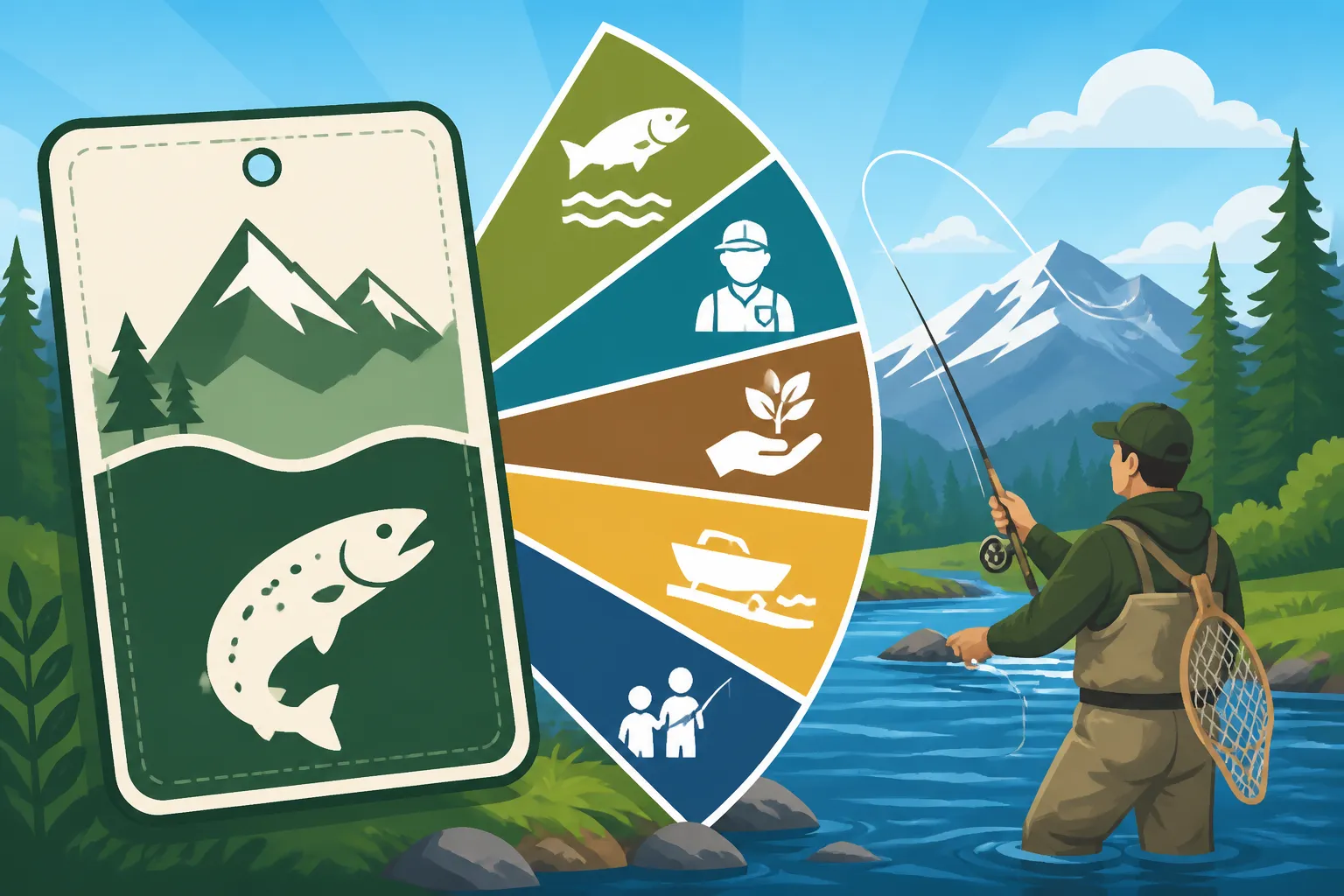
To give you a clearer picture of where your money goes, here’s a simplified breakdown of the general areas supported by fishing license sales and related conservation funds in Colorado:
| Category | Description | Impact on Anglers |
|---|---|---|
| Fish Management | Population surveys, disease monitoring, species recovery programs, hatchery operations, fish stocking (millions of fish annually). | Ensures healthy, abundant fish populations, provides diverse fishing opportunities, maintains sportfishing quality. |
| Habitat Protection & Restoration | Stream bank stabilization, riparian zone improvements, water quality monitoring, wetlands restoration, invasive species control. | Creates healthier ecosystems for fish, improves natural spawning, protects critical fish habitat, enhances overall fishing environments. |
| Enforcement & Regulations | Funding for wildlife officers (game wardens), patrols, investigation of violations, development and communication of fishing regulations. | Protects fish from poaching and overfishing, ensures fair and ethical angling, maintains sustainable use of resources, ensures compliance with rules like "Colorado Bag and Possession Limits by Species". |
| Public Access & Infrastructure | Acquisition and maintenance of public fishing access points, boat ramps, trails, parking areas, signs, informational kiosks. | Guarantees places for anglers to fish, provides necessary amenities, improves accessibility to prime fishing spots. |
| Education & Outreach | "Learn-to-fish" programs, youth clinics, angler education materials, production of regulation brochures, online fishing atlas, public awareness campaigns. | Teaches new anglers, promotes safe and ethical practices, provides essential information for trip planning and compliance. |
| Research & Data | Scientific studies on fish biology, population dynamics, environmental impacts, water temperature monitoring, analysis of fishing trends. | Informs science-based management decisions, ensures long-term sustainability, adapts management to changing conditions. |
What a Fishing License Doesn't Cover
It's important to understand that while your Colorado fishing license is fundamental, it doesn't cover absolutely everything you might encounter or need during your angling adventures. There are a few key components that require separate considerations, and knowing about them upfront can save you a headache down the line.
Additional Stamps and Permits
The base fishing license is your entry ticket, but Colorado has a couple of additional requirements that often get confused with the license itself. The most notable of these is the Habitat Stamp. Almost every angler between the ages of 18 and 64 needs to purchase this stamp annually, and it's a vital piece of the conservation puzzle. The funds generated by the Habitat Stamp go directly to acquiring, protecting, and improving wildlife habitat across the state, benefiting not just fish but all wildlife. It's an investment in the wild places we recreate in, ensuring they remain robust and thriving. You might automatically add it to your cart when buying your license through CPWShop.com, or find it available on Amazon when looking for gear, but it is a separate charge.
Another common addition is the Second-Rod Stamp. If you plan on fishing with two rods simultaneously, which is a popular strategy in many lakes and reservoirs, you’ll need to purchase this separate stamp. This allows you to double your chances, but it's not included with your standard license. Understanding who needs Colorado's Second-Rod Stamp and its specific cost, like the Colorado Second-Rod Stamp Cost, is key to avoiding issues with a wildlife officer. These stamps are critical because they ensure that specific aspects of conservation and resource use are funded appropriately without burdening every single angler with the full cost.
State Park Passes and Federal Lands
Many of Colorado’s most popular fishing spots are located within State Parks or on federal lands like National Forests or National Parks. It’s a common misconception that your fishing license grants you automatic access to these areas. Unfortunately, it doesn’t. If you plan to fish at a Colorado State Park, such as Chatfield Reservoir or Cherry Creek Reservoir, you will still need to purchase a State Park Pass for vehicle entry. This pass goes towards the maintenance and operations of the park itself, not directly to fishing management. You can often purchase these as annual passes or daily passes at the park entrance.
Similarly, if you're venturing into a National Park, like Rocky Mountain National Park, you'll need to pay the park's entrance fee, which is separate from your state fishing license. Your fishing license gives you the right to fish within the park according to state regulations, but the park entrance fee covers access to federal lands. Always check the specific requirements for your chosen fishing destination. Knowing the difference between Colorado State Park Passes vs Fishing Licenses can prevent an unexpected expense or even a turn-around at the gate, especially if you’ve traveled a long way to get there.
Disclaimer
The information provided in this guide is for general informational purposes only and is subject to change. While we strive to be accurate, Colorado Parks and Wildlife (CPW) regulations can be updated at any time. Always refer to the official CPW website or the most current Colorado Fishing Regulations brochure for the definitive and most up-to-date rules and requirements before heading out to fish.