Why Colorado’s Habitat Stamp Doesn’t Apply to Seniors
It can be confusing, can't it? You’re trying to enjoy a peaceful day fishing in Colorado, and as you navigate the Colorado Parks and Wildlife (CPW) website or stand in line at a local sporting goods store, you see all these different requirements, fees, and stamps. One of the common questions, especially if you're a seasoned angler, is whether you need to fork over extra cash for a Habitat Stamp. Well, if you're a senior resident of our beautiful state, you're in luck, because this guide will thoroughly explain why the Colorado Habitat Stamp doesn't apply to you.
Understanding the Colorado Habitat Stamp
Before we dive into the specifics of senior exemptions, it’s really helpful to understand what the Habitat Stamp is all about. It's not just another arbitrary fee; it’s a crucial component of Colorado's conservation efforts, and frankly, it makes a tangible difference in keeping our wild places wild and accessible.
What the Habitat Stamp Is and Why It Exists
Think of the Habitat Stamp as a direct investment in the future of Colorado's wildlife and natural spaces. For most residents and nonresidents between the ages of 18 and 64, it's a mandatory purchase if you're participating in hunting, fishing, or even just certain types of off-highway vehicle recreation on state wildlife areas. This isn't just about fish and game; it's about the broader ecosystem that supports all the incredible outdoor activities we cherish here.
The stamp was introduced to provide a dedicated funding source for projects that protect, restore, and improve wildlife habitat across the state. Colorado is growing rapidly, and with that growth comes increased pressure on our natural resources. The Habitat Stamp helps counteract this by ensuring there’s a consistent, reliable revenue stream specifically earmarked for conservation. It’s part of a larger picture of how we fund our state parks and wildlife programs, separate from your actual fishing license. In fact, many people often wonder, "What You're Actually Paying for in a Colorado Fishing License," and while a portion goes to fish stocking and management, the Habitat Stamp ensures the land itself is healthy.
How the Habitat Stamp Funds Conservation Efforts
So, where does your Habitat Stamp money actually go? It's pretty impactful stuff. Funds generated by the sale of Habitat Stamps are used for a variety of critical initiatives, primarily focused on:
- Habitat Protection and Restoration: This includes buying up critical lands and easements to prevent development, restoring degraded habitats like wetlands and riparian areas, and improving forest health. These projects directly benefit countless species, from elk and deer to migratory birds and, of course, the fish we love to catch. Imagine the work involved in ensuring the health of the South Platte River or maintaining the pristine conditions of high-country lakes – that’s where some of this money goes.
- Public Access: Another significant use of these funds is to acquire or secure access to public lands for hunting, fishing, and other outdoor recreation. This is huge for anglers who might otherwise struggle to find public entry points to rivers and lakes. Projects funded by the Habitat Stamp open gates (sometimes literally!) to new fishing spots and ensure that existing ones remain accessible for everyone to enjoy.
- Mitigating Human-Wildlife Conflict: As more people move to Colorado and recreate in our wild spaces, conflicts between humans and wildlife become more common. Habitat Stamp funds can support projects that reduce these conflicts, whether it's through wildlife crossings, fencing, or public education programs.
- Research and Management: A healthy ecosystem relies on good science. A portion of the funds can also support research into wildlife populations and habitats, helping CPW make informed decisions about managing our natural resources sustainably.
Without this dedicated funding, many of these vital programs would struggle to exist, ultimately impacting the quality of fishing and outdoor experiences we all treasure. If you're curious about "Who Needs Colorado's Habitat Stamp" generally, it's a good resource to consult.
Colorado Fishing Licenses for Seniors
Now, let's get to the good news for our senior anglers. Colorado recognizes the contributions and unique circumstances of its elder residents, which is reflected in the state's fishing license policies, especially concerning the Habitat Stamp.
Eligibility Requirements for Senior Fishing Licenses
To qualify for a senior fishing license and its associated benefits in Colorado, you must be a resident of Colorado and 65 years of age or older. It's a fairly straightforward age requirement, but the residency part is critical. To be considered a resident, you typically need to have lived in Colorado for at least six consecutive months immediately prior to purchasing your license. This usually involves showing proof of residency, like a Colorado driver's license or state ID.
Once you meet these criteria, you become eligible for a reduced-cost annual fishing license. This isn’t a free pass to fish without a license – you still absolutely need a valid Colorado fishing license. The exemption is specifically for the Habitat Stamp and, sometimes, the overall price of the license. The CPW offers different options, and while many senior licenses are significantly cheaper than a standard adult annual license, the key takeaway here is the Habitat Stamp.
The Specific Exemption for Seniors Regarding the Habitat Stamp
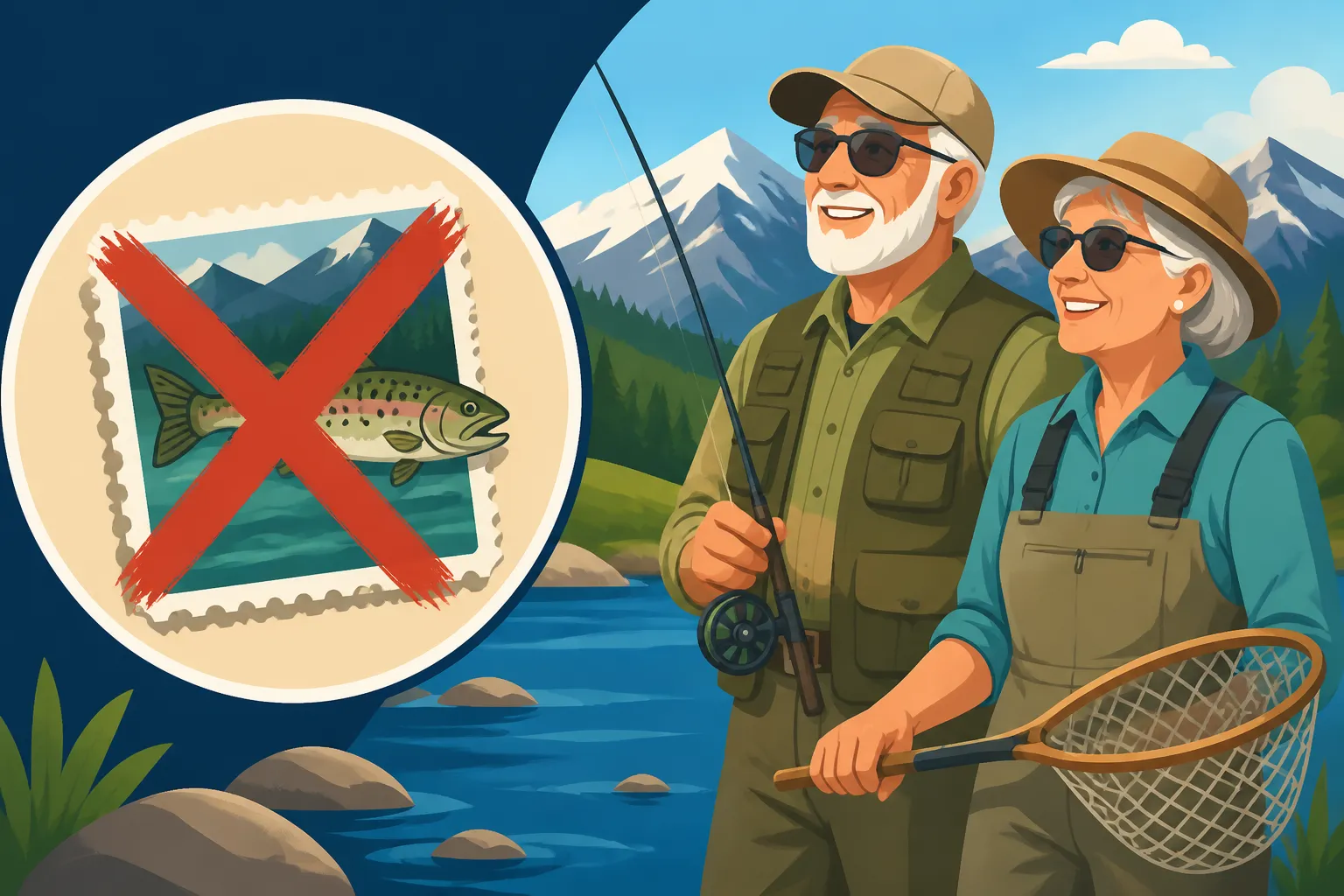
Here’s the core of it: Colorado resident anglers aged 65 and older are explicitly exempt from purchasing the annual Habitat Stamp. This means when you go to buy your "Colorado Fishing License Guide for Residents and Nonresidents," and you indicate you are a resident senior, the system will automatically waive the Habitat Stamp fee. You'll simply pay for your senior fishing license, and that’s it.
This exemption is a significant benefit, as the Habitat Stamp is usually a separate, additional cost on top of your fishing license fee. For many anglers, the Habitat Stamp is an annual expense, currently set at $12.15. While that might not seem like a massive amount on its own, for those on a fixed income, every dollar counts. This waiver effectively reduces the overall cost of getting out on the water, making fishing more accessible and affordable for Colorado’s senior population. It’s also important to note that this exemption is for the Habitat Stamp only; if you plan to use two fishing rods simultaneously, you would still need to purchase a "Colorado's Second-Rod Stamp and Who Needs One."
The Philosophy Behind Senior Exemptions
The decision to exempt seniors from the Habitat Stamp isn’t arbitrary; it's rooted in a thoughtful approach that balances conservation needs with social considerations. It reflects a recognition of past contributions and a desire to support continued engagement in outdoor recreation.
Recognizing Contributions and Reducing Barriers
Colorado, like many states, values its senior citizens and recognizes the lifetime of contributions they’ve made to their communities and, often, to the state’s natural resources. Many senior anglers have spent decades buying licenses, paying taxes, and actively participating in outdoor recreation, thereby supporting conservation efforts through direct and indirect means throughout their lives. This exemption can be seen as a small gesture of appreciation for that sustained involvement.
Furthermore, it addresses a practical reality: many seniors live on fixed incomes. While younger generations may have more disposable income to put towards recreational pursuits, seniors often face tighter budgets. Removing the Habitat Stamp requirement helps reduce a financial barrier that might otherwise prevent some seniors from continuing to enjoy fishing, a pastime that offers immense physical, mental, and social benefits. It’s about ensuring that age doesn't become a prohibitive factor in experiencing Colorado's incredible natural beauty and abundant fishing opportunities. The goal is to encourage continued participation, not to create additional hurdles.
Balancing Conservation Funding with Senior Access
It's a delicate balance, right? On one hand, you have the critical need for conservation funding, and the Habitat Stamp is a key part of that. On the other, you have a desire to make outdoor recreation accessible for all demographics. Colorado Parks and Wildlife (CPW) achieves this balance by generally requiring the Habitat Stamp from the broad working-age population (18-64), who typically have higher earning potential.
The revenue generated from this large demographic is substantial enough to fund the necessary conservation projects, even with exemptions for specific groups like seniors and "Why Colorado's Habitat Stamp Doesn't Apply to Veterans." By focusing the requirement on the majority of license purchasers, CPW ensures a robust income stream for habitat work while still extending a courtesy and practical benefit to seniors. This strategic approach allows the state to continue its vital conservation work without unduly burdening those who may be on limited incomes. It's a smart way to maintain vital services and encourage a healthy, active senior population simultaneously.
Practical Implications and What Seniors Need to Know
Understanding the exemption is one thing, but knowing how it actually works when you're getting ready to hit the water is another. Let's walk through the practicalities.
How to Purchase a Senior Fishing License Without the Stamp
The process for purchasing your senior fishing license without the Habitat Stamp is remarkably simple and user-friendly. Colorado Parks and Wildlife has designed its purchasing systems to automatically account for age and residency.
- Online at CPWShop.com: This is often the easiest and most convenient method. When you navigate to the CPW website to purchase your license, you'll be prompted to enter your personal information, including your date of birth. Once the system recognizes you as a Colorado resident aged 65 or older, it will automatically present you with the appropriate senior resident fishing license options, and the Habitat Stamp will not be added to your cart or total. You simply select your desired license (most seniors opt for the annual option), proceed to checkout, and pay the reduced fee. It's as straightforward as buying something from Amazon, but for your fishing adventure! If you need help, there's even a guide on "Buying a Colorado Fishing License Online at CPWShop.com."
- In Person at a Retailer: Many sporting goods stores, like most Bass Pro Shops or even some Walmart locations, are authorized CPW license agents. When you go to purchase your license in person, the agent will ask for your identification (a Colorado driver's license or state ID is usually sufficient) to verify your age and residency. Their point-of-sale system will then automatically calculate the correct senior resident license fee, excluding the Habitat Stamp.
- By Phone: You can also purchase licenses over the phone through CPW's customer service. Again, you'll provide your identifying information, and the representative will process your senior resident license without the Habitat Stamp.
No matter which method you choose, the key is that you won't have to specifically ask for the exemption; it's built into the system for eligible seniors. However, always double-check your receipt or license document to ensure you've been charged correctly and that the Habitat Stamp isn't listed, just for peace of mind. Remember, while the stamp is waived, you still need to ensure you understand all the other "Colorado Fishing Regulations Every Angler Should Know."
Other Potential Exemptions or Discounts for Seniors
While the Habitat Stamp exemption is a big one, it’s worth being aware that other discounts or specific rules might apply to seniors in Colorado, though they might not directly relate to the fishing license itself.
For example, beyond the general senior fishing license, Colorado does not currently offer additional broad fishing license discounts specifically for low-income seniors. However, individuals with permanent disabilities who are Colorado residents and have received disability benefits for at least seven consecutive years may qualify for a "Colorado's Lifetime License for Residents With Disabilities," which is another significant benefit. This is a separate program with its own application process and documentation requirements.
It’s always a good idea to periodically check the official Colorado Parks and Wildlife website or their annual fishing regulations brochure. These resources provide the most up-to-date information on all licenses, stamps, fees, and exemptions. Keep an eye out for any special events, like "Colorado's Free Fishing Weekend, Explained," which is a nationwide event where anyone, regardless of age or residency, can fish without a license for a specific period. These are great opportunities to introduce grandkids or friends to the joy of fishing without the initial cost of a license.
Here's a quick summary table to clarify who needs the Habitat Stamp:
| Age Group (Colorado Resident) | Fishing License Required? | Habitat Stamp Required? |
|---|---|---|
| Under 16 | No | No |
| 16-17 | Yes | Yes |
| 18-64 | Yes | Yes |
| 65 and Older | Yes (Senior License) | No |
| Non-residents (all ages) | Yes | Yes |
As you can see, for those 65 and older who call Colorado home, you’re granted a nice break on the Habitat Stamp. So go ahead, grab your rod, reel, and maybe a new tackle box from Amazon, and enjoy Colorado’s incredible waters without that extra worry.
Disclaimer
The information provided in this guide is for general informational purposes only and does not constitute legal advice. While we strive to provide accurate and up-to-date information, fishing regulations and license requirements can change. Always consult the official Colorado Parks and Wildlife (CPW) website or the current Colorado Fishing Regulations brochure for the most accurate and legally binding information before engaging in any fishing activities.