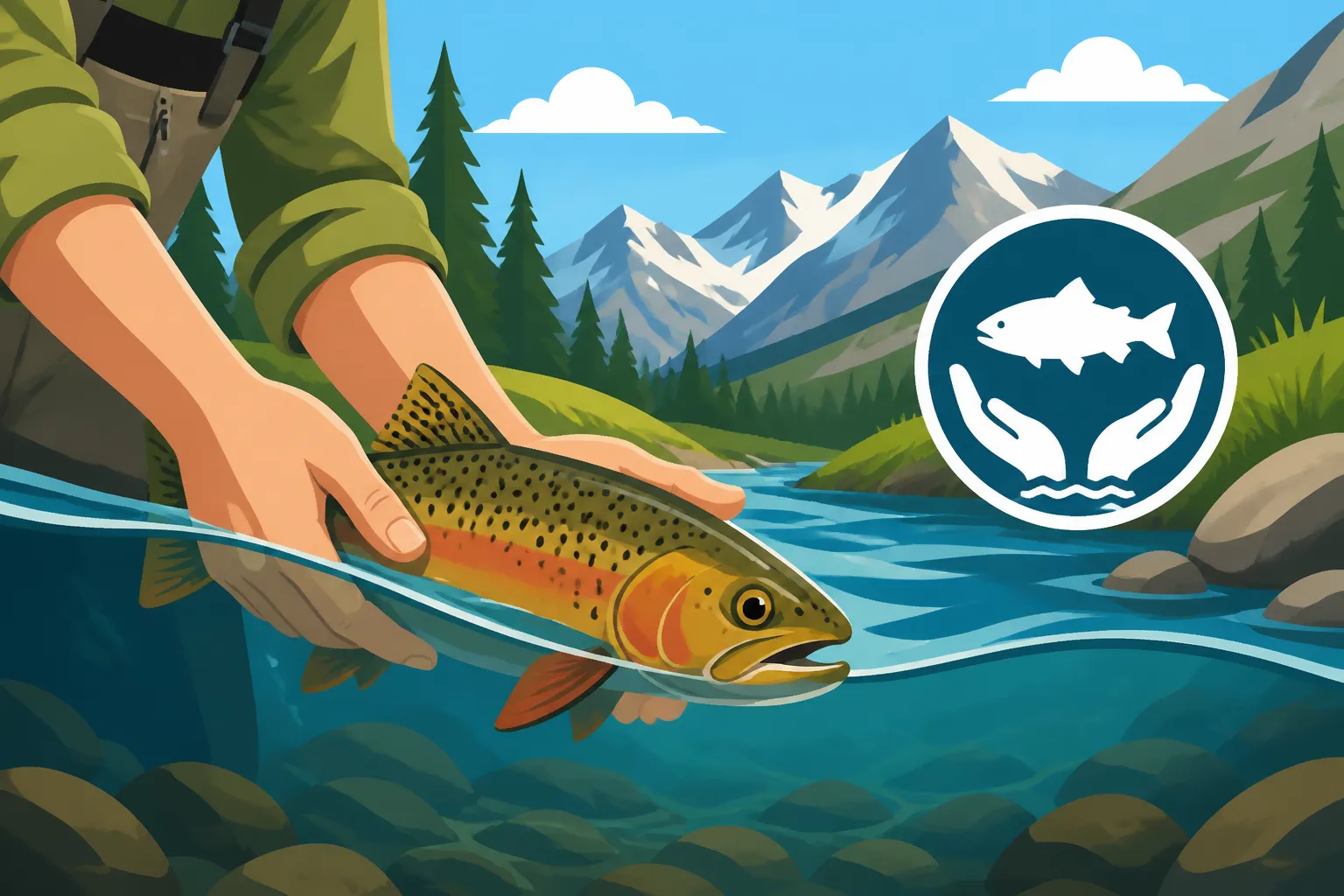
Catch-and-Release Rules on Colorado’s Cutthroat Waters
It can be incredibly frustrating to finally get out on a beautiful Colorado river, hook a stunning native cutthroat, and then be wracked with anxiety about whether you're handling it correctly or following all the intricate catch-and-release rules. Anglers often feel the immense pressure to do right by these precious fish, and it’s a valid concern. This guide will walk you through the specific catch-and-release regulations and best practices for Colorado's cutthroat waters, ensuring you can enjoy your angling experience responsibly and help protect these vital populations.
Why Catch-and-Release is Crucial for Colorado's Cutthroat
Colorado's native cutthroat trout are truly special, a living legacy of our state's wild heritage. Unlike the more common rainbow or brown trout, cutthroat are indigenous to these waters, and their populations have faced immense challenges over the centuries due to habitat loss, interbreeding with non-native species, and historical overfishing. This isn't just about catching a fish; it's about connecting with a piece of Colorado's ecological soul, and that connection comes with a deep responsibility.
The Vulnerability of Native Cutthroat Populations
These stunning fish, identifiable by the distinctive red or orange slash under their jaw, are incredibly sensitive to environmental changes and angling pressure. Subspecies like the Greenback Cutthroat Trout, Colorado River Cutthroat Trout, and Rio Grande Cutthroat Trout have distinct, often isolated populations that are slow to recover from disturbances. When we talk about "catch-and-release," especially on waters designated for native cutthroat, we're not just practicing good sportsmanship; we're actively participating in conservation efforts that are literally keeping these species alive and thriving. Every fish safely released is another fish that can reproduce and contribute to the genetic health of its population.
The Role of Anglers in Conservation
Many of Colorado Parks and Wildlife (CPW) efforts to restore native cutthroat rely heavily on angler cooperation. Without proper catch-and-release techniques, even well-intentioned fishing can negate years of habitat work and stocking programs. It’s a partnership: CPW works to provide the habitat and stock the fish, and we, as anglers, commit to minimizing our impact. This means educating ourselves, using the right gear, and understanding the nuances of fish handling. Your actions directly contribute to the success (or failure) of these vital conservation initiatives, ensuring future generations can experience the thrill of catching these magnificent trout.
Understanding Specific Catch-and-Release Regulations for Cutthroat Waters
Colorado has very specific regulations designed to protect its native cutthroat trout. These rules aren't arbitrary; they are carefully crafted based on scientific research and the unique needs of these vulnerable populations. Missing a key detail can result in penalties, but more importantly, it can harm the fish we aim to protect.
Designated Cutthroat Waters and Special Rules
You'll find these special regulations typically in high-country lakes, remote streams, and specific river sections where native cutthroat restoration efforts are underway or where populations are particularly fragile. These areas are often clearly marked in the annual Colorado Fishing Regulations Every Angler Should Know brochure. For example, some high alpine lakes might be entirely catch-and-release for cutthroat, or they might have specific size limits, bag limits, and even bait restrictions to prevent harm to smaller, more vulnerable fish. Always check the current regulations for the specific body of water you plan to fish before you even tie on your first fly or lure. Failure to do so isn't just risky for your wallet; it's risky for the fish.
Barbless Hooks and Artificial Lures Only
One of the most common and crucial rules on many cutthroat waters is the requirement for Barbless Hook Rules on Colorado Rivers. This means any hook you use, whether on a fly or a spin-fishing lure, must have its barb removed or crimped down. Barbless hooks minimize tissue damage to the fish's mouth, making it much easier to remove the hook quickly and reducing the chance of severe injury, which can lead to infection or feeding issues. Using artificial lures or flies only often accompanies this rule, as it eliminates the possibility of fish swallowing bait, which frequently leads to gut-hooking—a nearly always fatal injury for released fish. You can easily find tools to crimp barbs on hooks, or purchase pre-barbless hooks, from retailers like Amazon.
Possession Limits vs. Catch-and-Release Designations
It's vital to differentiate between general possession limits for a species and specific catch-and-release requirements for certain waters. On some waters, you might be able to keep a certain number of rainbow trout, but all cutthroat must be immediately released. Other waters might have a "zero bag limit" for all trout species, meaning everything is catch-and-release. The key is knowing what kind of water you're on. A "catch-and-release only" designation means exactly that: the fish must be returned to the water immediately and unharmed. This also means you can't transport the fish, even if it's dead, if it came from a catch-and-release only section. Always verify the regulations for the specific section of river or lake you are fishing, as rules can change even within short distances.
Best Practices for Catch-and-Release Angling
Catching a beautiful cutthroat is only half the battle; successfully releasing it to swim another day is the true mark of a responsible angler. Proper technique minimizes stress and injury, significantly increasing the fish's chances of survival. Think of it as performing delicate surgery: speed, gentleness, and precision are paramount.
Minimizing Fight Time and Handling
The moment a fish is hooked, it's under stress. A prolonged fight can exhaust the fish, making it more susceptible to predators or less able to recover post-release. Use appropriate tackle that allows you to land the fish efficiently without over-stressing it. Once landed, avoid dragging the fish onto dry land or rocks. Ideally, keep the fish in the water as much as possible. If you must lift it, use a net that supports its entire body. When it comes to handling, less is always more. Avoid squeezing the fish, especially around its belly, as this can damage internal organs.
Consider carrying a proper landing net. A rubberized, knotless landing net is ideal because it's gentle on the fish's delicate slime coat, fins, and scales. Traditional knotted nets can strip away the protective slime layer, leaving the fish vulnerable to disease. You can find excellent options for knotless nets on Amazon that are lightweight and easy to carry on the stream.
Proper Fish Handling Techniques
When you do need to handle the fish, wet your hands thoroughly before touching it. This preserves the fish's crucial slime coat, which acts as its immune system against parasites and infections. Gently hold the fish horizontally, supporting its belly, and avoid touching its gills. If you need to remove the hook, use forceps or hemostats. These tools, which are essential and readily available from outdoor retailers or online platforms like Amazon, allow for quick and precise hook removal without having to put your fingers deep into the fish's mouth. If the hook is deeply embedded and cannot be removed easily without further harm, it's better to cut the line as close to the hook as possible. The hook will often rust out over time, and this causes less trauma than a forced removal. For more specific guidance, read up on How to Handle Trout for a Safe Release.
| Catch-and-Release Gear | Purpose | Benefit for Cutthroat |
|---|---|---|
| Barbless Hooks | Easy, quick hook removal | Minimizes mouth tissue damage, reduces handling time |
| Rubberized Knotless Net | Gentle landing and containment | Protects slime coat, fins, and scales |
| Forceps/Hemostats | Precise hook removal | Avoids deep finger contact, reduces stress |
| Line Clippers | Quick line severance for deep hooks | Prevents unnecessary trauma if hook is swallowed |
| Thermometer | Checks water temperature | Informs release decisions during warm periods |
Responsible Release and Revival
Once the hook is out, cradle the fish gently in the water, facing upstream. Allow water to flow over its gills. If it seems sluggish, gently rock it back and forth to help circulate oxygenated water. Avoid forcing it forward or backward, as this can damage gills. Wait until the fish is strong enough to swim away under its own power. Sometimes, this might take a few minutes, especially if the fight was long or the water is warm. When it kicks off, let it go. Don't chase it or try to take one last picture if it's struggling. The goal is survival. Keep in mind that Does Water Temperature Affect Catch-and-Release Survival?; warmer water holds less oxygen and puts more stress on fish, making a quick release even more critical.
Common Mistakes to Avoid When Releasing Cutthroat
Even with the best intentions, it's easy to make mistakes that can jeopardize a released fish's survival. Awareness is the first step toward correcting these common pitfalls and becoming a truly effective conservation angler. Learning from others' experiences and constantly refining your technique is part of the journey.
Exposing Fish to Air for Too Long
One of the most frequent errors is holding a fish out of water for extended periods, especially for photos. While a quick snapshot can be fine, prolonged exposure to air can be fatal. Fish gills are designed to extract oxygen from water, not air. When gills collapse in the air, the fish can't breathe, leading to suffocation and extreme stress. This is particularly true for trout, which are coldwater species and highly sensitive to oxygen deprivation. Aim for "grip and grin" photos that last only a few seconds, with the fish held just above the water or partially submerged. If you're on a multi-day trip, consider leaving your camera behind for some of the more sensitive waters or getting a waterproof camera that allows for in-water photography.
Mishandling and Rough Treatment
Another critical mistake is rough handling. Dropping a fish, squeezing it tightly, or allowing it to flop around on rocks or dry ground can cause internal injuries, spinal damage, or severe abrasions that remove its protective slime coat. The slime coat is a fish's first line of defense against bacteria, fungi, and parasites. Once compromised, the fish becomes vulnerable to disease, even if it swims away seemingly unharmed. Always ensure your hands are wet before touching a fish, and support its body fully to prevent bending or damage. This gentle approach is especially important for the delicate Colorado River Cutthroat Trout, Where to Find Them or Rio Grande Cutthroat Trout in the San Luis Valley.
Ignoring Environmental Conditions
Fishing for cutthroat requires an understanding of more than just the rules; it demands an awareness of the environment. Warm water temperatures, often seen in mid-summer afternoons or during drought periods, can significantly reduce oxygen levels in the water. Releasing a stressed fish into warm, low-oxygen water drastically lowers its chances of survival. If water temperatures rise above 68°F (20°C), it's generally best to stop fishing for trout altogether, as the mortality rate for released fish becomes very high. Pay attention to stream reports and local conditions. If you notice fish are unusually lethargic or sluggish upon release, it might be a sign that conditions are too stressful for catch-and-release fishing.
The Long-Term Benefits of Responsible Angling
Practicing diligent catch-and-release is far more than just following rules; it's an investment in the future of Colorado's incredible fishing opportunities. Every angler who takes this responsibility seriously contributes to a larger, more sustainable ecosystem that benefits everyone, from the fish themselves to future generations of outdoor enthusiasts.
Ensuring Sustainable Fish Populations
By releasing fish unharmed, especially native cutthroat, we allow them to grow, mature, and reproduce. This directly contributes to healthier, more robust fish populations. Imagine catching a magnificent 20-inch cutthroat that was safely released by another angler years ago. That's the power of catch-and-release. It allows natural spawning cycles to continue uninterrupted, ensuring genetic diversity and resilience within species. This is particularly vital for ongoing efforts like the Greenback Cutthroat Trout Recovery in Colorado, where every surviving fish plays a crucial role in re-establishing populations.
Preserving a Legacy for Future Generations
Think about the sheer joy of wading into a pristine mountain stream and seeing a flash of gold and crimson beneath the surface – a wild cutthroat, thriving in its natural habitat. This experience is a treasure, and it's one we want to pass on. Responsible angling ensures that our children and grandchildren will have the same, if not better, opportunities to experience Colorado's unique fisheries. It’s about more than just catching fish; it’s about experiencing the wildness, the beauty, and the serenity that only these places can offer. Our actions today directly shape the legacy we leave behind for future anglers and conservationists.
Contributing to the Health of Colorado's Ecosystems
Healthy fish populations are a strong indicator of healthy aquatic ecosystems. When cutthroat thrive, it means the water quality is good, the insect populations they feed on are robust, and the surrounding riparian habitats are intact. By supporting sustainable fish populations through catch-and-release, anglers indirectly contribute to the overall health of Colorado’s rivers, streams, and lakes. This ecological balance extends beyond fish, impacting everything from local wildlife that relies on clean water to the plant life along the banks. It's a holistic approach to conservation where every cast and every careful release has a ripple effect throughout the environment.
Disclaimer
The information provided in this guide is for general informational purposes only and is not a substitute for the official regulations published by Colorado Parks and Wildlife (CPW). Always consult the most current CPW fishing regulations brochure or website before heading out to fish, as rules and conditions can change.