Colorado Second-Rod Stamp Cost
Trying to figure out all the ins and outs of Colorado fishing regulations can feel like deciphering a secret code, especially when you're just trying to enjoy a peaceful day on the water. One common point of confusion is the Colorado Second-Rod Stamp – what it is, who needs it, and most importantly, how much it actually costs. This guide is here to clear up all those questions, helping you understand the rules and budget correctly for your next angling adventure in the Centennial State.
Understanding the Colorado Second-Rod Stamp
The idea of a "second-rod stamp" might sound a bit quirky to anglers from other states, but it's a specific permit here in Colorado that allows you to do exactly what it says: fish with a second rod. It's an additional endorsement on top of your standard fishing license, designed to expand your angling capabilities within the state's regulatory framework. Without this stamp, even if you have a valid fishing license, you are legally restricted to using only one rod, hook, and line at a time. This rule applies to most waters across Colorado, from the high mountain lakes to the popular Front Range reservoirs.
Many seasoned anglers find the ability to use a second rod incredibly useful, especially when targeting different species or employing varied techniques simultaneously. Imagine you're at Blue Mesa Reservoir; with one rod, you might be still-fishing for Kokanee Salmon, while your second rod could be rigged for jigging Lake Trout in deeper waters. Or perhaps you're casting lures for Northern Pike in one area of a lake and soaking bait for catfish in another. The versatility it offers can significantly enhance your fishing experience and increase your chances of a successful day.
The "Why" Behind the Second-Rod Stamp
Colorado Parks and Wildlife (CPW) implements the second-rod stamp, like many other licenses and stamps, for two primary reasons: conservation and revenue generation. The state's fisheries are a precious resource, and managing them requires significant funds for stocking, habitat restoration, scientific research, and enforcement. Every dollar collected from licenses, stamps, and permits directly contributes to these efforts.
When an angler purchases a second-rod stamp, they are essentially contributing a little more to the system that supports the very resource they are enjoying. It acknowledges that using an additional rod potentially increases one's catch rate, thus placing a slightly higher demand on the fish populations and their management. This approach helps ensure that future generations of anglers will have healthy, robust fisheries to enjoy, much like we do today. It's a small investment in the long-term sustainability of Colorado's incredible aquatic ecosystems. Without these funds, the high-quality fishing experiences that Colorado is famous for, especially in its Gold Medal Waters, would simply not be possible.
Do You Actually Need One? Clarifying the Rules
The question of whether you actually need a second-rod stamp is straightforward but often misunderstood. The rule is simple: if you intend to fish with more than one rod, line, or hook at a time, you must possess a valid Colorado fishing license and a second-rod stamp. If you're happy with just one rod, then this stamp isn't necessary for you. This applies whether you're fly-fishing, spin-fishing, or using bait.
Let's consider a few scenarios to make this crystal clear:
- Scenario 1: Solo Angler, Two Rods. You're fishing alone at Cherry Creek Reservoir. You want to cast a crankbait for walleye with one rod and set up a slip bobber with a worm for perch on another. In this instance, you absolutely need a second-rod stamp in addition to your annual fishing license.
- Scenario 2: Parent and Child, Each with One Rod. You and your 10-year-old child are fishing. You have your license, and your child, being under 16, does not need a license. Each of you is using one rod. In this case, neither of you needs a second-rod stamp, as each individual is only using one rod. Remember, for rules regarding young anglers, it's always good to check into whether kids need a fishing license in Colorado.
- Scenario 3: Angler with One Rod, but Multiple Hooks. Some anglers wonder if using a single line with multiple hooks, like a sabiki rig for baitfish, requires a second-rod stamp. The regulation specifies "rod, line, or hook" when defining the "one rod" rule. However, for most general angling, the spirit of the second-rod stamp applies to the use of a second, entirely separate rod and line setup. If you're unsure about specific multi-hook rigs, it's always best to consult the most current Colorado Fishing Regulations Every Angler Should Know brochure or contact CPW directly.
- Scenario 4: Two Anglers, Two Rods Each. If you and a friend are fishing together, and each of you wants to use two rods, then each of you would need your own individual fishing license and your own second-rod stamp. The stamp is tied to the individual angler, not to a fishing party or a shared setup.
The importance of complying with this rule cannot be overstated. Colorado Game Wardens frequently patrol popular fishing areas, and they are well-versed in checking for licenses and stamps. Getting caught fishing with a second rod without the proper stamp can lead to a citation, fines, and even the confiscation of your gear, making for a very unpleasant end to your day. This is why it's crucial to understand Colorado's Two-Rod Fishing Rules in Colorado before you head out.
What a Colorado Second-Rod Stamp Costs
One of the most pressing questions for anglers is, naturally, "how much does it cost?" The good news is that the Colorado Second-Rod Stamp cost is quite affordable, especially when considering the added flexibility and opportunity it provides. For the 2024-2025 license year, the second-rod stamp costs a flat fee of $5.00. This price is consistent for both residents and nonresidents, making it an equitable add-on for everyone who wants to expand their angling capabilities.
It's important to understand that this $5.00 is in addition to the cost of your primary annual fishing license. It's not a standalone permit that allows you to fish; it's an endorsement that modifies the terms of your existing license. So, if you're planning a trip to Colorado, remember to factor in the cost of your main license – whether it's an annual, one-day, or five-day option – plus this additional $5.00 if you plan on using two rods. For a full breakdown of all license costs, you might want to review Colorado Fishing License Costs Explained.
Resident vs Nonresident Pricing
Unlike the primary fishing licenses, where there's a significant difference between resident and nonresident fees (for example, a nonresident annual fishing license is considerably more expensive than a resident annual license), the second-rod stamp maintains a flat price for everyone. This simplifies things considerably.
Let's look at how this compares to other fees:
| Item | Resident Cost (Approx.) | Nonresident Cost (Approx.) | Notes |
|---|---|---|---|
| Annual Fishing License | $36.08 | $101.52 | Main license required for adults 16+ |
| Second-Rod Stamp | $5.00 | $5.00 | Allows use of a second rod, in addition to main license |
| Habitat Stamp | $12.15 | $12.15 | Required with first license purchase for most anglers ages 18-64 |
Costs are approximations for the 2024-2025 season and may vary slightly due to processing fees or future changes. Always check the current CPW regulations.
As you can see from the table, while your main Colorado Fishing License Guide for Residents and Nonresidents will differ greatly depending on your residency, the second-rod stamp is a universal fee. This structure ensures that regardless of where you call home, if you wish to use that extra rod, the cost is the same for all.
Where Does the Money Go?
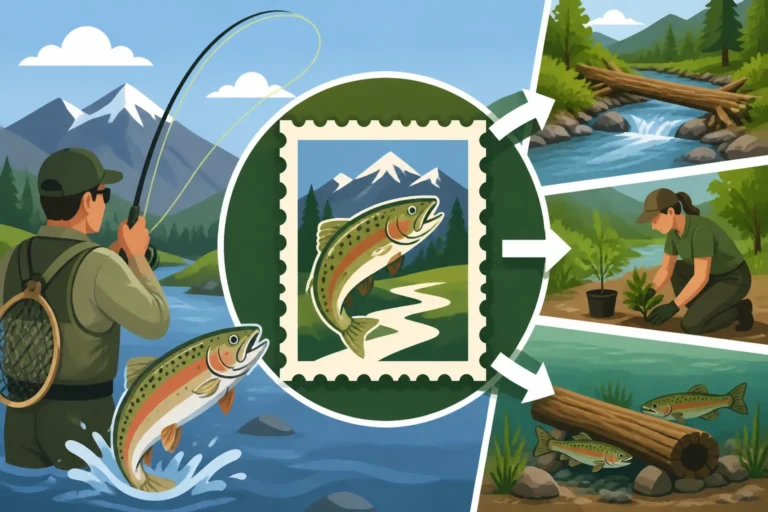
Just like the revenue generated from other licenses and stamps, the funds collected from the sale of second-rod stamps are crucial for supporting Colorado Parks and Wildlife's mission. This $5.00 isn't just a random fee; it's a direct contribution to maintaining and improving the state's natural resources.
Specifically, these funds are channeled into various programs that directly benefit anglers and the aquatic environment:
- Fish Stocking Programs: Colorado actively stocks millions of fish each year into its rivers, lakes, and reservoirs. These stockings ensure that popular fishing spots remain productive and that anglers have a good chance of catching fish. The second-rod stamp revenue helps cover the costs of raising these fish in hatcheries and transporting them to their destinations.
- Habitat Improvement Projects: Many projects focus on enhancing the natural environment where fish live. This can include restoring riparian areas, improving water quality, creating better spawning grounds, and addressing erosion. Healthier habitats lead to healthier fish populations.
- Research and Management: CPW biologists continuously monitor fish populations, conduct research on fish health, migration patterns, and angler impact. This data is vital for making informed decisions about bag limits, seasons, and stocking strategies to ensure sustainable fishing.
- Law Enforcement: Game wardens play a critical role in enforcing fishing regulations, protecting wildlife from poaching, and educating the public. The funds help support their operations, ensuring fair play and the protection of natural resources for everyone.
- Public Access and Education: CPW works to provide and maintain public access points to fishing waters and offers educational programs for anglers of all ages.
In essence, every second-rod stamp purchased helps keep Colorado's waters vibrant and accessible. It's an investment in the future of fishing in a state renowned for its incredible outdoor opportunities. It's similar to how Colorado's Habitat Stamp, Explained, contributes to broader wildlife and habitat conservation.
How to Purchase Your Second-Rod Stamp
Purchasing your Colorado Second-Rod Stamp is a straightforward process, typically done at the same time you acquire your primary fishing license. Colorado Parks and Wildlife (CPW) offers several convenient ways to buy licenses and stamps, catering to different preferences.
Online Convenience Through CPWShop.com
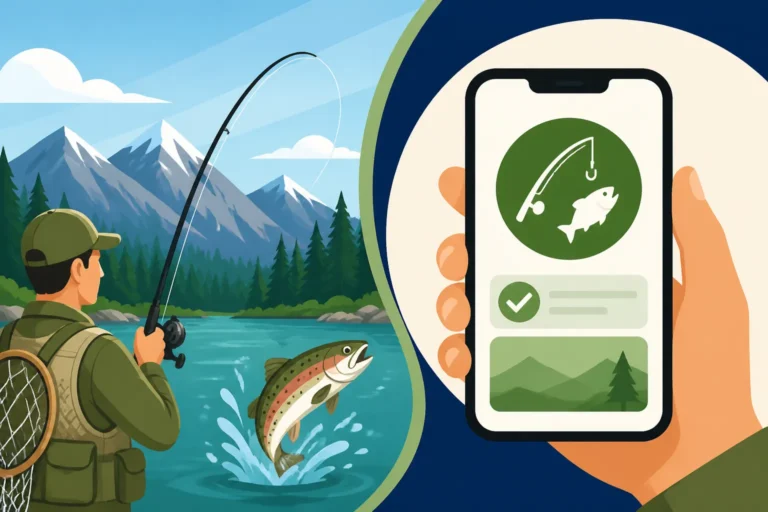
For many anglers, the easiest and quickest way to purchase a second-rod stamp is online through the official CPWShop.com website. This platform is user-friendly and accessible 24/7, meaning you can buy your license and stamps from the comfort of your home, any time of day or night.
Here's a general step-by-step guide for purchasing online:
- Visit CPWShop.com: Navigate to the official Colorado Parks and Wildlife online portal.
- Log In or Create an Account: If you've purchased a license before, you can log in with your customer ID and password. New users will need to create an account, which usually involves providing some personal information like name, date of birth, and proof of residency (if applicable). This is the same process as Buying a Colorado Fishing License Online at CPWShop.com.
- Select Fishing Licenses: Once logged in, look for the "Buy a License" or "Fishing Licenses" section.
- Choose Your Primary License: Select the appropriate primary fishing license for your needs (e.g., Annual Resident Fishing License, Annual Nonresident Fishing License, or a short-term option like a One-Day or Five-Day license).
- Add the Second-Rod Stamp: During the selection process, or sometimes as an add-on during checkout, you'll see an option to purchase the "Second-Rod Stamp." Make sure to add this to your cart. You may also be prompted to add other required items like the Habitat Stamp, depending on your age and previous purchases.
- Review and Pay: Double-check your selections to ensure you have the correct licenses and stamps. Proceed to payment using a credit or debit card.
- Print or Save: After a successful purchase, you'll receive a confirmation email. You can usually print your license directly from the website or save a digital copy to your phone. It's a good idea to have both, especially if you plan to fish in areas with poor cell service.
The convenience of buying online means you can avoid lines and ensure you have all your necessary permits before even leaving for your fishing trip.
In-Person Options and Retailers
If you prefer a more traditional approach or need to make a last-minute purchase on your way to the water, numerous authorized sales agents across Colorado sell fishing licenses and stamps. These typically include:
- Sporting Goods Stores: Large retailers like Bass Pro Shops and smaller, independent local tackle shops are excellent places to buy your license. They often have knowledgeable staff who can answer questions about local regulations or provide fishing tips.
- Walmart: Many Walmart locations with a sporting goods counter serve as authorized CPW license agents. This is a popular option due to their widespread presence, similar to Buying a Colorado Fishing License at Walmart or a Sporting Goods Store.
- CPW Offices: You can visit a Colorado Parks and Wildlife office during business hours to purchase your license and stamps directly from the source.
- Other Retailers: Some convenience stores, gas stations, and other small businesses, particularly in rural or popular tourist areas, may also be authorized agents. Look for signs indicating "Colorado Parks and Wildlife License Sales."
When purchasing in person, remember to bring a valid form of identification, such as a driver's license or state ID. If you're establishing residency for the first time, you might need additional proof. The agent will process your purchase and provide you with a printed license and any stamps. While buying fishing gear, don't forget that retailers like Amazon also offer a wide selection of rods, reels, and tackle to complement your two-rod setup.
No matter where you choose to purchase, always ensure that your second-rod stamp is properly affixed or noted on your primary fishing license, especially if you're using a physical copy.
Common Questions and Misconceptions About the Second-Rod Stamp
Even with clear regulations, certain aspects of the Colorado Second-Rod Stamp can still cause confusion. It's helpful to address these common questions and clear up any lingering misconceptions to ensure you're always fishing legally and confidently.
Penalties for Fishing Without the Stamp
This is a big one, and it's essential to understand the consequences. Fishing with two rods without a valid second-rod stamp is considered a violation of Colorado fishing regulations. Game wardens take these infractions seriously, and getting caught can lead to penalties that are far more costly than the $5 stamp itself.
The exact penalty can vary depending on the discretion of the game warden and the specifics of the situation, but generally, you can expect:
- Fines: You will likely receive a citation with a fine. These fines can range from dozens to hundreds of dollars, significantly outweighing the stamp's cost.
- Court Appearance: In some cases, especially if combined with other violations, you might be required to appear in court.
- Confiscation of Gear: It is within a game warden's authority to confiscate equipment used in violation of regulations, which could mean losing your second fishing rod and reel.
- Loss of Future Privileges: Repeated or severe violations could potentially lead to the suspension or revocation of your fishing privileges in Colorado.
The message is clear: the minimal cost of the second-rod stamp is a small price to pay for peace of mind and legal compliance. It's always better to be safe than sorry and ensure you have all the necessary endorsements before you even cast your line. Remember, the rule about penalties for fishing without a license in Colorado also applies to fishing without the correct stamps.
Second-Rod Stamp vs. a Second Fishing License
Another common area of confusion is the distinction between a second-rod stamp and a second fishing license. These are two entirely different things, and understanding the difference is crucial.
- Second-Rod Stamp: This stamp allows one individual angler to use two rods at the same time. It's an add-on to your single primary fishing license. Think of it as an upgrade to your personal fishing capabilities.
- Second Fishing License: This concept doesn't really exist in the way people might imagine. An individual only needs one primary fishing license (annual, one-day, five-day, etc.) to fish in Colorado. You don't buy a "second license" to use a second rod. If two people are fishing, each person needs their own individual primary fishing license.
Let's illustrate this with an example:
- You and a friend are fishing. Each of you needs your own individual Colorado Fishing License. If you want to use two rods, you would need your primary license + a second-rod stamp. Your friend, if only using one rod, would just need their primary license. If your friend also wants to use two rods, they would need their own primary license + their own second-rod stamp.
- You cannot buy one fishing license and one second-rod stamp and expect it to cover two people using one rod each. Each person aged 16 and over must possess their own valid fishing license. This is a fundamental rule in Colorado and most other states.
The second-rod stamp is solely about increasing the number of rods one person can actively fish with. It does not transfer to another individual, nor does it replace the need for each eligible angler to have their own primary license. It simply enables the specific activity of simultaneously operating two fishing lines.
It’s always a good idea to consider all the various Colorado's Annual, One-Day and Five-Day License Options to make sure you're getting exactly what you need for your specific trip. Understanding these nuances will save you a lot of headache and ensure your time on Colorado's beautiful waters is spent enjoying the fishing, not worrying about regulations.
Disclaimer
Please note that fishing regulations, including license and stamp costs, can change. While every effort has been made to provide accurate and up-to-date information for the 2024-2025 season, it is the angler's responsibility to verify current regulations directly with Colorado Parks and Wildlife (CPW) before engaging in any fishing activities. This guide is for informational purposes only and should not be considered legal advice.