Is Fishing Free for Kids 15 and Under in Colorado?
It can be incredibly confusing trying to navigate all the different rules and regulations when you’re just trying to enjoy a simple day of fishing with your family, especially when it comes to the little ones. You want to make sure you’re doing everything by the book, but you also don't want to overspend or jump through unnecessary hoops. Many parents worry, "Do I really need to buy a fishing license for my five-year-old?" or "What happens when my teenager turns 16?" This comprehensive guide is here to clear up all that uncertainty, specifically addressing whether fishing is free for kids 15 and under in Colorado, and what other regulations you need to keep in mind.
Colorado Fishing Licenses for Kids Under 16: The Clear Cutoff
Let's get right to the heart of the matter because this is often where the biggest relief comes for parents and guardians. Colorado Parks and Wildlife (CPW) makes it wonderfully straightforward for the youngest anglers in our state.
No License Needed for the Little Ones
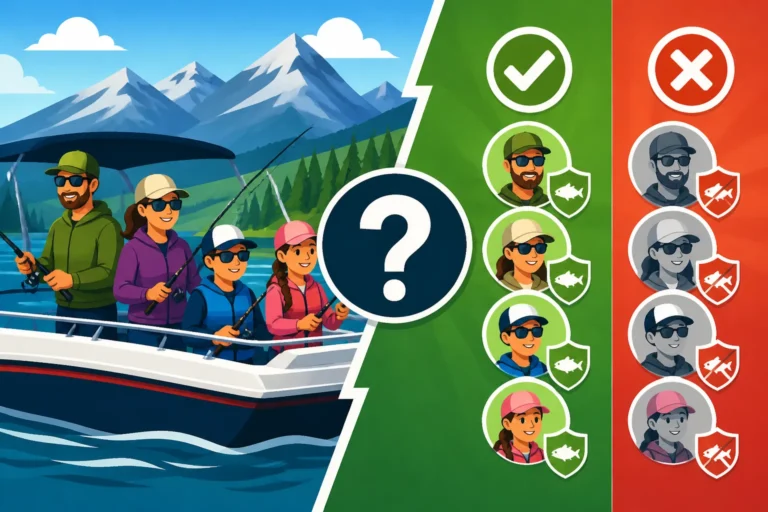
Here's the fantastic news you've been hoping for: children who are 15 years old and younger do not need a fishing license to fish in Colorado. That’s right, whether your little one is three, ten, or just shy of their sixteenth birthday, they can cast a line in Colorado’s beautiful waters without you having to purchase a separate license for them. This applies equally to both Colorado residents and non-residents, which is a huge bonus for families visiting our stunning state. This policy is a genuine effort to encourage youth participation in outdoor activities and foster an early love for fishing and conservation. Imagine the joy of watching your child reel in their first trout without the added stress of paperwork or fees for them! It truly removes a barrier for many families, making those first fishing memories all the more accessible and enjoyable.
The Transition Point: Age 16 and Beyond
While the freedom for kids under 16 is fantastic, it's crucial to understand that this changes as they grow. The minute a child turns 16 years old, they are officially considered an adult for fishing license purposes in Colorado. This means they will need to purchase a valid Colorado fishing license to legally fish, just like any other adult. This transition can sometimes catch families by surprise, so it's a good idea to mark that birthday on the calendar if your budding angler is approaching 16. At this point, they'll need to decide which type of license is best for them – perhaps an annual license if they plan to fish frequently, or a shorter-term option if it's for a specific trip. You can find out more about the specific costs involved for these older kids in our detailed guide on Colorado Youth Fishing License Cost for Ages 16 and 17. It's a rite of passage into becoming a fully licensed Colorado angler!
Why Colorado Encourages Youth Participation
Colorado Parks and Wildlife's decision to exempt young children from fishing license requirements isn't just an arbitrary rule; it's a strategic investment in the future of our state's natural resources and outdoor heritage. The philosophy behind this approach is multi-faceted. Firstly, it's about fostering a lifelong connection to nature. By making fishing accessible and free for kids, CPW hopes to cultivate an appreciation for wildlife, aquatic ecosystems, and the importance of conservation from an early age. When kids enjoy the outdoors, they're more likely to grow up caring about protecting it.
Secondly, it promotes family bonding and healthy recreation. In an increasingly digital world, fishing offers a fantastic opportunity for families to unplug, spend quality time together, and create lasting memories. Removing the financial barrier for children allows more families to participate without feeling the pinch of multiple license purchases. For many adults, the process of navigating Colorado Fishing License Costs Explained can feel daunting, so knowing their kids are covered is a huge relief. This policy underscores the belief that outdoor activities contribute significantly to physical and mental well-being, and getting kids involved early is paramount. It’s an investment in the next generation of anglers and environmental stewards.
Essential Regulations That Still Apply to Young Anglers
Even though kids 15 and under don't need a license, it’s a common misconception that all rules go out the window. That's simply not true! The freedom from a license doesn't mean freedom from all regulations. It's the adult's responsibility to ensure that even the youngest anglers adhere to the statewide and specific water rules.
Beyond the License: Bag and Possession Limits
This is probably the most important regulation that still applies to children. Just like adults, young anglers must abide by all bag and possession limits for the species they catch. A "bag limit" refers to the number of fish you can keep in a single day, while a "possession limit" is the total number of fish you can have on hand at any given time, including those from previous days of fishing.
For example, if the daily bag limit for trout on a particular body of water is four, and your child catches four trout and wants to keep them, they've reached their limit for that day. It doesn't matter if they don't have a license; these limits are in place to manage fish populations and ensure sustainable fishing for everyone. It's really critical for adults supervising children to be well-versed in these rules. Imagine the disappointment, or worse, the penalty, if you didn’t realize your child was over the limit. You can dive deeper into these specifics by checking out Colorado Bag and Possession Limits by Species and Colorado Daily Bag Limits by Species. Always check the current year’s regulations brochure from CPW before heading out, as these limits can vary greatly by species and location.
Understanding Bait, Tackle, and Method Restrictions
Colorado has a diverse range of fishing waters, and many of them come with specific rules regarding what you can use to catch fish. These rules are in place for various reasons, including protecting native species, managing specific fisheries, or ensuring fair chase. Regardless of whether a license is required, all anglers, including children, must follow these restrictions.
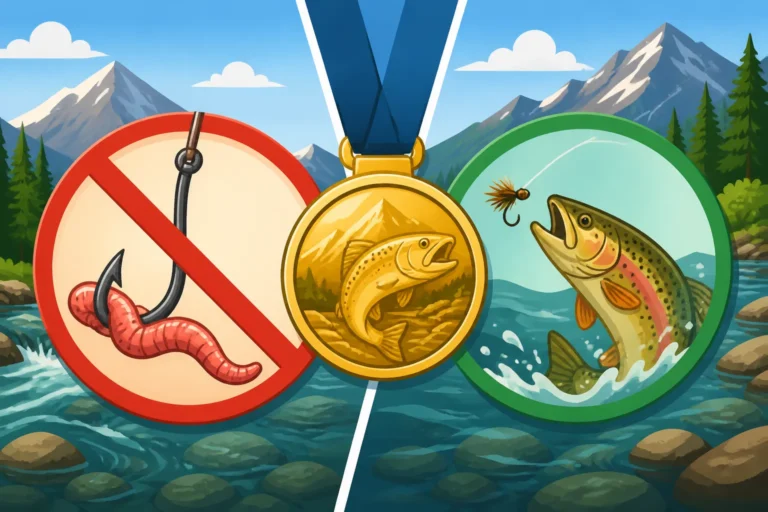
For instance, some of Colorado's most pristine trout streams, particularly those designated as Gold Medal Waters or wild trout waters, often have "flies and lures only" regulations, meaning bait like worms or PowerBait is prohibited. Many also require Barbless Hook Rules on Colorado Rivers to minimize harm to fish intended for catch-and-release. Similarly, specific waters might have bait restrictions, such as prohibiting the use of live minnows to prevent the introduction of invasive species. If you're planning a trip, definitely look into Colorado Bait Restrictions and Where They Apply so you don't inadvertently break a rule. Teaching children about these rules from a young age instills a sense of ethical angling and conservation. It's a great opportunity to explain why these rules exist – to keep the fish healthy and the fishing good for years to come.
Respecting Gold Medal Waters and Special Regulations
Colorado is renowned for its "Gold Medal Waters," stretches of rivers and lakes that consistently support outstanding coldwater fisheries and provide excellent opportunities for trophy-sized trout. While these spots are incredible for fishing, they often come with more stringent regulations to protect their unique quality. Even if a child under 16 is fishing, they must adhere to all rules specific to Gold Medal Waters. This might include stricter length limits, catch-and-release only requirements, or specific gear restrictions mentioned above.
For example, on some Gold Medal stretches, you might encounter a "14-inch minimum length" rule for trout, or a "catch and release only" directive for certain species or all fish. It's paramount for supervising adults to understand Colorado Gold Medal Water Regulations Explained before fishing these areas with children. Beyond Gold Medal Waters, other specific regulations might apply to unique fisheries, such as those focused on native cutthroat trout recovery or specific reservoirs with unique management goals for species like Kokanee salmon or walleye. Always consult the official CPW fishing regulations brochure, available online or at license vendors, to ensure you are fully informed about the specific rules for your chosen fishing spot.
Adult Supervision and Responsibility
Here’s the plain truth that all parents and guardians need to grasp: while your child might not need a license, you, as the supervising adult, are ultimately responsible for ensuring they comply with all fishing regulations. Kids are learning, and they depend on you to teach them the right way to fish responsibly. This means it’s your job to know the bag limits, understand the bait restrictions, and ensure they are fishing in legal areas with appropriate gear.
A Colorado Parks and Wildlife officer isn't going to ticket your five-year-old for keeping an undersized trout, but they will hold the supervising adult accountable. This could mean a warning, a citation, or even fines for violations committed by the child under your supervision. It’s not just about avoiding penalties; it’s about modeling good stewardship and responsible outdoor ethics. Teach them to handle fish gently for release, to pick up any trash, and to respect other anglers and the environment. These lessons are just as important, if not more so, than catching fish.
Making the Most of Family Fishing Adventures in Colorado
With the license question settled, you can focus on the truly fun part: planning those memorable family fishing trips! Colorado offers countless opportunities to introduce kids to the joys of angling, and CPW provides resources to make it even easier.
Free Fishing Weekend: A Bonus for Everyone
Colorado's annual Free Fishing Weekend is an absolute gift for families, especially those new to fishing or looking for an extra budget-friendly outing. Typically held in early June, this special weekend allows everyone – adults and children alike – to fish in Colorado without needing a license. It’s an incredible opportunity to try out fishing without any financial commitment for licenses, and it removes any lingering confusion about who needs what.
This weekend is perfect for introducing friends or extended family to fishing, or simply for enjoying a relaxed day on the water without the license formality. While the license requirement is waived, all other regulations, such as bag limits and specific water restrictions, still apply. So, while you can enjoy the freedom of license-free fishing, you'll still need to be aware of the rules for the water you choose. To ensure you don't miss out, make sure to check Colorado's Free Fishing Weekend, Explained and confirm the exact dates for the current year. It's a fantastic way to dip your toes into Colorado fishing!
Where to Find Kid-Friendly Fishing Spots
Choosing the right spot can make all the difference for a successful and enjoyable fishing trip with kids. You want places with easy access, plenty of fish (preferably those that are eager to bite), and perhaps some amenities. Thankfully, Colorado has numerous options, many of which are regularly stocked by CPW.
Urban ponds in cities like Denver, Colorado Springs, and Fort Collins are often excellent choices. These ponds are usually stocked frequently with rainbow trout and sometimes warmwater species, making for exciting and consistent action. Many city parks feature these ponds, offering restrooms, playgrounds, and picnic areas to round out the family experience. Places like Cherry Creek State Park or Chatfield State Park also offer great shore fishing opportunities with ample space.
To find these prime locations, a great resource is the CPW stocking report, which details where and when fish have been recently planted. Learning to use Reading Colorado's Weekly Stocking Report can be a game-changer for planning trips. You can also explore reservoirs like Eleven Mile or Spinney Mountain, which offer a chance at larger trout, but might require a bit more planning or a boat. For younger kids, stick to easily accessible areas where they can cast from the bank without much effort.
Gear and Getting Started for Kids
Getting kids into fishing doesn't require a huge investment in fancy gear. Simplicity is key to keeping it fun and frustration-free. A basic spinning rod and reel combo, often available for under $50, is perfect for beginners. You can find excellent options from brands like Ugly Stik or Shakespeare, often bundled with a tackle box and some basic lures, at local sporting goods stores or even online at Amazon.
Start with simple bait rigs – a small hook, a sinker, and some PowerBait, worms, or corn (where legal, of course). Bobbers are fantastic for kids as they provide a visual cue when a fish bites, making it incredibly exciting. Focus on comfort: pack plenty of snacks, drinks, sunscreen, and appropriate layers of clothing. A small, lightweight landing net can help them land their catches independently and safely. Remember, the goal is to make it an enjoyable experience, not necessarily to catch the biggest fish or master complex techniques right away.
Cultivating a Lifelong Love for Fishing
Beyond the fish themselves, fishing offers invaluable life lessons and opportunities for growth. Introducing children to fishing is about more than just a day out; it's about cultivating a deep respect for the natural world. It teaches patience, resilience, and the joy of simple pleasures. When they learn to cast, feel a tug on the line, and carefully release a fish, they're developing skills and an appreciation that will stay with them.
These early experiences can spark a lifelong passion for outdoor pursuits, conservation, and scientific curiosity. They learn about aquatic ecosystems, different fish species, and the delicate balance of nature. These moments away from screens, spent breathing fresh air and connecting with the environment, are truly priceless. Encourage them to ask questions, observe the surroundings, and celebrate every small success, whether it’s a bite, a cast well-made, or a fish safely returned to the water.
Common Scenarios and Important Clarifications
While the main rule about kids under 16 not needing a license is clear, there are still some scenarios and nuances that often pop up, causing confusion for families planning their Colorado fishing trips.
Do Accompanying Adults Need a License?
This is a frequently asked question, and the answer is yes, usually. If you are an adult (16 years or older) and you are actively participating in fishing, even if it's just helping your child cast, bait their hook, or net a fish, you need to have a valid Colorado fishing license. The general guideline from Colorado Parks and Wildlife is that if you are touching the rod, setting the hook, or otherwise engaging in the act of fishing, you need a license.
Consider this scenario: You're helping your young child who doesn't have a license. They're struggling to cast, so you take the rod, cast it for them, and hand it back. In the eyes of CPW, you have just "fished," and therefore, you need a license. The safest approach for any adult accompanying a child who is fishing is to purchase their own license if they plan on being actively involved. The only exception to this rule for adults is during the designated Colorado's Free Fishing Weekend, Explained, when all age groups can fish without a license. So, while your kids might fish for free, don't forget your own permit! Learn more about the Colorado Fishing License Guide for Residents and Nonresidents.
Habitat Stamp and Second-Rod Stamp for Kids
When adults purchase a fishing license in Colorado, they are typically also required to buy a Habitat Stamp, unless they are exempt (such as very young children, seniors, or veterans). The Habitat Stamp is a crucial part of Colorado's conservation funding, contributing to critical wildlife habitat projects. Similarly, if an angler wishes to use two rods at once, they need to purchase a Second-Rod Stamp in addition to their regular fishing license.
However, since children aged 15 and under are not required to purchase a fishing license in the first place, they are also exempt from needing a Habitat Stamp or a Second-Rod Stamp. These stamps are directly tied to the purchase of a valid fishing license. Therefore, you do not need to worry about adding these costs or requirements for your young, license-exempt anglers. This is another way the state makes fishing more accessible and less financially burdensome for families with young children. You can read up on these specific requirements for adults in guides like Do You Need a Habitat Stamp to Fish in Colorado? and Colorado's Second-Rod Stamp and Who Needs One.
Penalties for Non-Compliance (for Adults)
It's important to reiterate that while kids 15 and under fish license-free, the responsibility for adhering to all other regulations falls squarely on the shoulders of the supervising adult. Breaking fishing laws in Colorado can lead to significant consequences for the adult involved. Penalties can range from warnings and fines to, in more serious cases, suspension of hunting and fishing privileges.
For instance, if your child keeps more fish than the legal daily limit, or uses prohibited bait on a "flies and lures only" water, the game warden will issue a citation to the adult in charge. These infractions can carry fines and potentially accrue points against your Colorado Parks and Wildlife customer account, which could impact future license purchases or lead to further penalties. Our guide on What Happens If You Fish in Colorado Without a License covers some of the broader implications. The best way to avoid these situations is to always be prepared: know the rules for the specific body of water you're fishing, monitor your child's catches, and educate them on responsible angling practices. Safety and compliance ensure a positive experience for everyone.
| Age Group | Fishing License Required? | Habitat Stamp Required? | Second-Rod Stamp Required (for 2 rods)? | General Bag/Possession Limits Apply? | Specific Water Rules Apply? |
|---|---|---|---|---|---|
| 0-15 Years Old | No | No | No | Yes | Yes |
| 16 Years and Up | Yes | Yes (unless exempt) | Yes (if using two rods) | Yes | Yes |
| During Free Fishing Weekend (All Ages) | No | No | No | Yes | Yes |
Disclaimer
Please note that fishing regulations are subject to change. While this guide provides the most current information available, it is always your responsibility to consult the official Colorado Parks and Wildlife (CPW) fishing regulations brochure for the current year before engaging in any fishing activities. This brochure is the definitive source for all rules, limits, and special conditions that apply to fishing in Colorado.