How Old Kids Have to Be Before They Need a Colorado License
One of the most common questions I get from parents who want to introduce their kids to the magic of Colorado fishing is, "Do my kids need a fishing license?" It's a completely valid question, and honestly, the rules can feel a little murky if you're not deeply entrenched in them. No one wants to accidentally break a regulation, especially when you're just trying to share a wholesome outdoor experience with your little ones. This guide is here to clear up exactly when your aspiring angler needs to officially buy a Colorado fishing license and what that means for your family outings.
The Age Requirement for Kids to Fish in Colorado
Colorado Parks and Wildlife (CPW) has a very clear age cutoff when it comes to fishing licenses. Understanding this specific age is the first and most important step for any family heading out to the state's incredible rivers and lakes.
The 16th Birthday Milestone
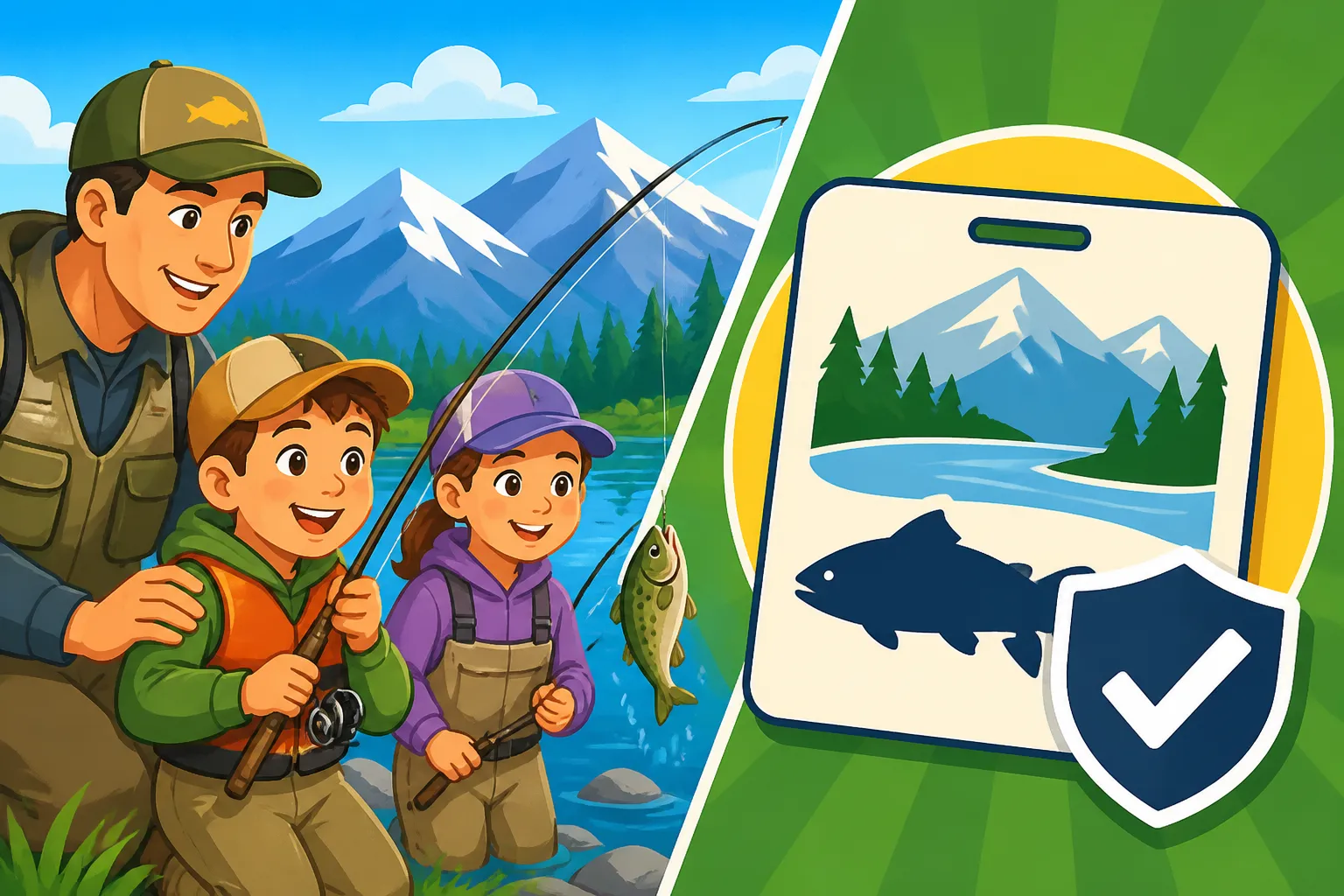
Here’s the deal: In Colorado, any resident or nonresident child who is 15 years old and under does not need a fishing license to cast a line. That's right! For all those precious years from toddlerhood up until their 16th birthday, your kids can fish for free. This is fantastic news for families, as it removes a financial barrier and makes it incredibly easy to get youngsters hooked on the sport. Imagine heading to a beautiful alpine lake or a meandering creek with your 10-year-old, knowing they can fish to their heart's content without any paperwork or fees. It's a truly wonderful incentive to foster a love for the outdoors.
However, the moment a child turns 16 years old, they are officially considered old enough by CPW to require a valid fishing license. This rule applies equally to both residents and nonresidents. So, if your child is turning 16 this year, make sure you plan ahead to get them their first official license before their next fishing adventure. This age distinction is consistent across many states and is a fundamental aspect of wildlife management and funding. You can learn more about the broader rules in our comprehensive guide, Colorado Fishing License Guide for Residents and Nonresidents.
Why the Age Limit Matters for Conservation
You might wonder why there’s a cutoff at 16, specifically. It’s not an arbitrary number. The revenue generated from the sale of fishing licenses is absolutely vital for funding Colorado Parks and Wildlife's conservation efforts. These funds go directly back into managing fish populations, stocking programs, habitat restoration, and enforcing regulations to ensure healthy fisheries for everyone, including future generations.
When an adult or a 16-year-old buys a license, they are directly contributing to the future of fishing in Colorado. This includes everything from maintaining boat ramps at popular spots like Blue Mesa Reservoir to conducting scientific research on native cutthroat trout populations in remote high-country streams. It’s a collective responsibility, and by participating, we ensure that these precious natural resources remain vibrant. For instance, the specific costs associated with licenses are detailed in our article, Colorado Fishing License Costs Explained, which highlights how these fees translate into conservation efforts.
Fishing for Young Anglers Before They Need a License
The fact that kids under 16 can fish for free is one of the best aspects of Colorado's fishing regulations. It's an open invitation to families to explore the state's incredible waterways without the immediate worry of extra expenses or paperwork.
The Joy of Free Fishing for Kids 15 and Under
Picture this: A sunny afternoon by a community pond in Denver, your 8-year-old holding a bright green spin rod, eyes glued to the bobber, waiting for a bluegill to bite. Or maybe it’s a serene morning on the Colorado River, your 12-year-old trying their hand at fly fishing with a small nymph. These are the moments that truly spark a lifelong passion for fishing, and Colorado makes them incredibly accessible.
For kids 15 and under, it’s all about the experience. There’s no pressure to catch a limit or worry about specific regulations other than the general statewide rules (like legal bait and barbless hooks where required). This freedom allows parents to focus on teaching fundamental skills, like casting, knot tying, and safely handling fish, without the added stress of licensing compliance. You can even encourage them to read up on local fish species with a good field guide, perhaps one you picked up from Amazon. Simple fishing gear, often available affordably on Amazon, is perfect for these initial excursions. It's a wonderful opportunity to teach them about patience, observation, and respect for nature. Many of Colorado's urban ponds are regularly stocked, making them ideal places for kids to catch their first fish. Our post, Is Fishing Free for Kids 15 and Under in Colorado?, dives deeper into this topic.
Habitat Stamp and Second-Rod Exemptions for Young Anglers
Beyond the basic fishing license, Colorado has a couple of other stamps that often come up in conversation: the Habitat Stamp and the Second-Rod Stamp. These also have specific rules, and thankfully, young anglers typically get a pass here too, making their fishing experience even more straightforward.
For any licensed angler between the ages of 18 and 64, a Habitat Stamp is generally required when purchasing their first Colorado hunting or fishing license of the year. However, children who are 15 years old and under are exempt from needing a Habitat Stamp. This is another excellent benefit for families, reducing the overall cost of getting started. The Habitat Stamp revenue goes towards preserving and improving vital wildlife habitats across the state, benefiting everything from elk to trout. You can get more details on its purpose and who needs it by reading Colorado's Habitat Stamp, Explained.
Similarly, the Second-Rod Stamp allows an angler to fish with two rods simultaneously, rather than just one. This is popular for stillwater fishing in reservoirs where you might set up one bait rod and one lure rod. Just like the general fishing license, children 15 years old and under do not need a Second-Rod Stamp. They can fish with one rod without a license, and if they're under adult supervision, they usually just stick to one anyway. When they do turn 16 and purchase their first license, they will then need to consider if they want to add a Second-Rod Stamp if they plan on using two lines. Our article, Colorado's Second-Rod Stamp and Who Needs One, provides a full breakdown of this particular regulation.
Preparing for the Transition to a Licensed Angler
The day will come when your young angler turns 16. It’s a milestone not just in life, but also in their fishing journey. As a parent, it's wise to be prepared for this transition to ensure uninterrupted fishing fun.
When Your Child Approaches 16
As your child nears their 16th birthday, it's a good time to start talking about getting their first official Colorado fishing license. This isn't just about compliance; it's a chance to teach them about responsibility and contributing to the conservation efforts that keep our fisheries healthy. It’s also a perfect moment to explain that their license fee helps fund the very fish they enjoy catching!
You'll want to check the Colorado Parks and Wildlife (CPW) website a few weeks before their birthday to understand the current year's pricing and requirements. While the basic age rule remains constant, pricing can sometimes change slightly year to year. You can purchase licenses online through CPW's convenient system, over the phone, or in person at various vendors. Even many sporting goods stores, like those found through a quick search on Amazon for local retailers, or even larger chains like Walmart, sell licenses. The process is usually quite straightforward. For all the ins and outs of getting a license, our guide on How to Buy a Colorado Fishing License is an excellent resource.
Understanding Youth License Costs and Options
Once your child turns 16, they will need a standard fishing license. The cost for a youth license (ages 16-17) is typically lower than an adult annual license. This is another way CPW encourages younger anglers to continue participating in the sport. For example, a youth annual license for a resident in Colorado is significantly less than an adult annual license.
There are different options available, just like for adults. They can purchase an annual license, which is valid from April 1st through March 31st of the following year, or opt for a shorter-term license if they only plan to fish for a specific trip, such as a one-day or five-day license. For non-residents, these options are also available, though at a different price point. It’s always best to check the current year’s regulations on the CPW website or through their annual fishing brochure for the most up-to-date pricing. For a detailed breakdown of what these licenses entail, you can consult our article, Colorado Youth Fishing License Rules for Ages 16 and 17 and Colorado Fishing License Costs Explained. Many families find that a basic waterproof license holder, like those found on Amazon, is a great way to protect the physical license once purchased.
Importance of Following Licensing Rules for All Ages
Fishing regulations are put in place for very good reasons: to protect fish populations, maintain healthy ecosystems, and ensure fair sport for all anglers. Ignoring these rules, even unknowingly, can lead to unpleasant consequences.
What Happens Without a Proper License
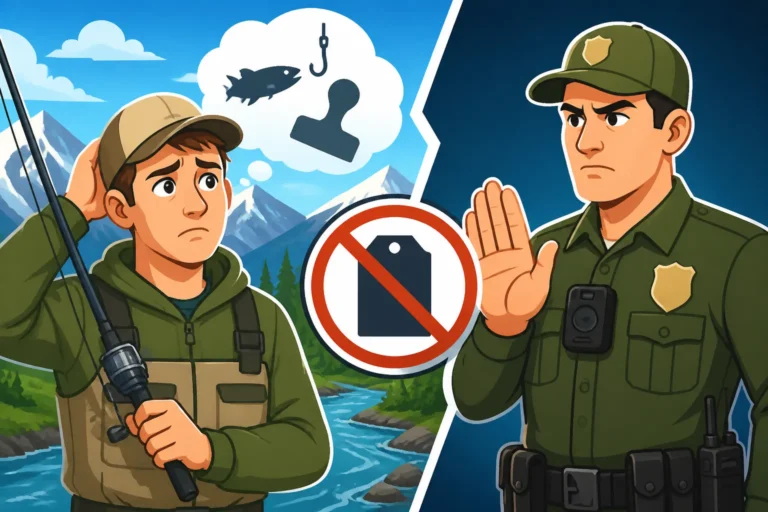
Fishing without a valid license when one is required is a serious offense in Colorado. If your 16-year-old is caught fishing without a license, they (and potentially you, as the supervising adult if present) could face fines. These fines can be substantial, often far exceeding the cost of the license itself. In some cases, repeat offenses can even lead to more severe penalties. It's not just about the monetary cost; it's about the negative experience and the message it sends about responsibility.
Imagine you're having a wonderful day out on the Arkansas River, and a Colorado Parks and Wildlife officer approaches to check licenses. If your 16-year-old doesn't have one, that beautiful day can quickly turn into a frustrating and costly situation. It's a preventable issue that takes away from the joy of being outdoors. Our detailed article on Penalties for Fishing Without a License in Colorado explains the potential repercussions in depth. The simplest solution is always to ensure everyone who needs one has a license tucked safely in their tackle box or waterproof wallet, readily available for inspection, maybe even stored in a small, easily accessible compartment of their vest, perhaps one they ordered from Amazon for their fishing gear.
Game Wardens and License Checks
Colorado Parks and Wildlife officers, often referred to as game wardens, are an integral part of maintaining the health of our fisheries. Their job is not just to enforce rules but also to educate anglers and protect our natural resources. It’s not uncommon to encounter a warden during your fishing trips, especially on popular waters like the Dream Stream or the Blue River tailwater.
When a game warden approaches, they typically ask to see your fishing license, and often your valid identification. If you're fishing with children who are 16 or older, they will also need to present their license. For kids 15 and under, you simply state their age. It’s always best to be polite and cooperative. These officers are performing a vital service, and a friendly interaction is beneficial for everyone. They might also check your catch, ensure you're using legal bait where applicable, and answer any questions you might have about regulations. Knowing what to expect during an encounter with a warden is helpful, and our post What Colorado Game Wardens Check When They Stop You can give you a clearer picture.
Disclaimer
Please remember that fishing regulations, including license requirements and fees, can change. While I strive to provide the most up-to-date and accurate information, it is always your responsibility to consult the official Colorado Parks and Wildlife website or their current fishing brochure before heading out. This ensures you have the latest information and are fully compliant with all state laws.