Colorado’s State Record Kokanee Salmon
Many anglers dream of catching a trophy fish, a true monster that pushes the limits of a species. For those of us who chase the vibrant, hard-fighting kokanee salmon in Colorado, that dream often revolves around breaking the state record. This guide is all about the legendary Colorado state record kokanee salmon, the stories behind it, and how you might just land your own personal best, or even challenge that elusive record.
Understanding the Kokanee Salmon in Colorado
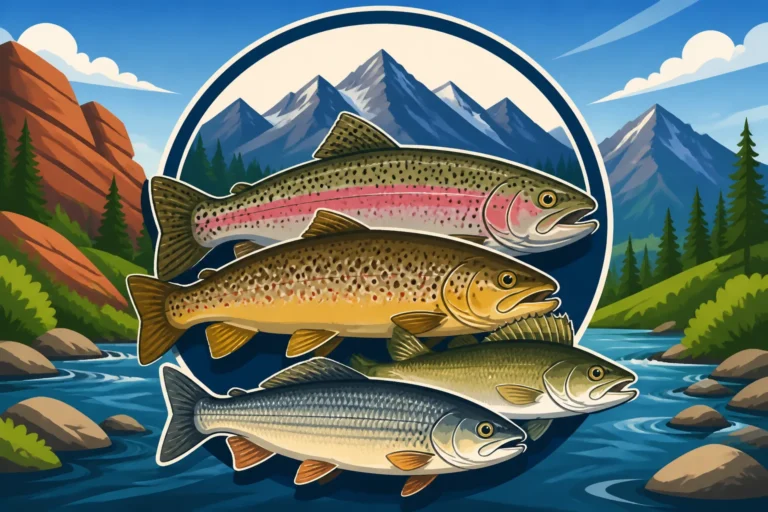
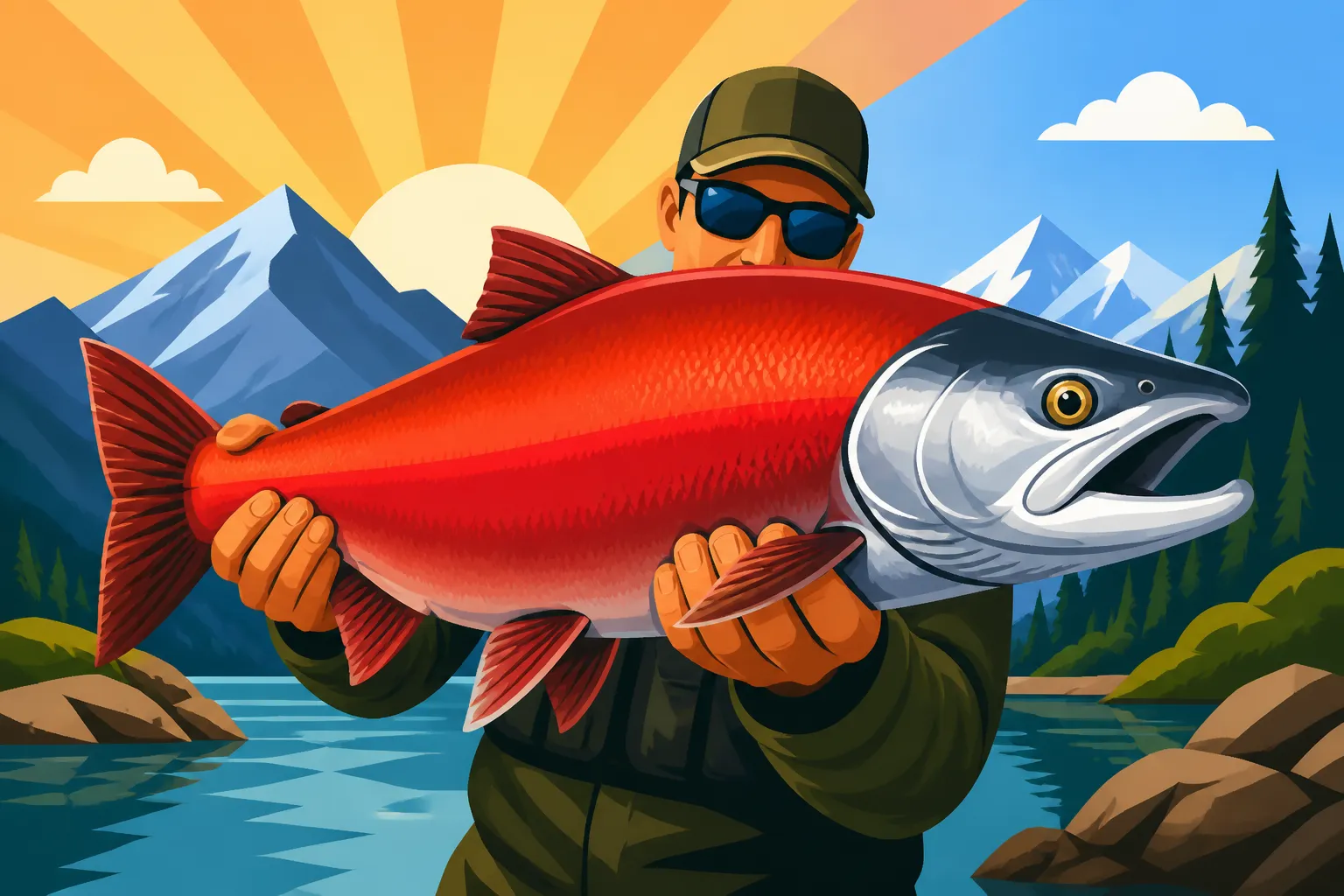
Before we dive into the record, let's talk a bit about kokanee salmon themselves. These landlocked sockeye salmon are one of Colorado's most popular sport fish, renowned for their striking silver bodies that turn a brilliant scarlet red during their spawning runs, and for their powerful, acrobatic fights. They're a truly unique and beautiful species that brings a special kind of excitement to our high-country reservoirs.
Kokanee's Unique Characteristics
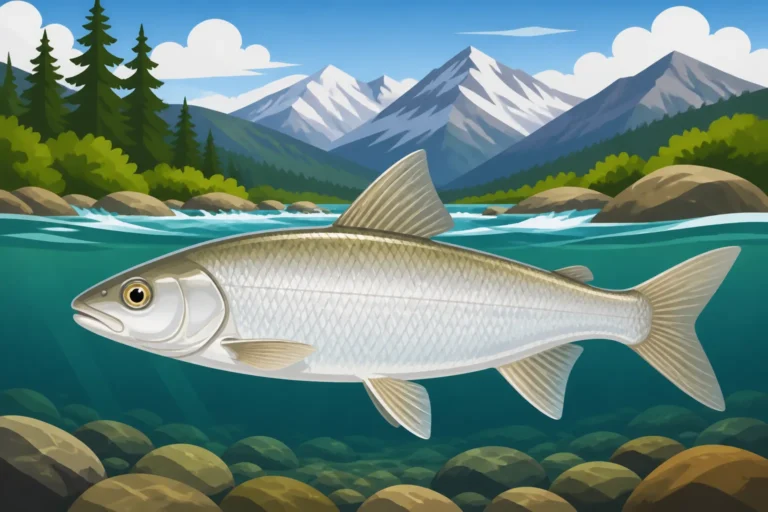
Kokanee salmon (Oncorhynchus nerka) are distinct from other trout species found in Colorado. They are primarily plankton feeders, which means they spend most of their lives suspended in the open water column, often quite deep, chasing microscopic organisms. This specialized diet contributes to their lean, firm flesh, which many consider a culinary delight. Unlike most trout, which will readily take flies or lures near the surface or bottom, kokanee often require specific trolling techniques to target them effectively in the deeper parts of our large reservoirs. They have a distinctive, silvery appearance with a dark back and usually lack the spots found on many trout species, though some may show faint spotting. As they approach their spawning cycle, their bodies undergo a dramatic transformation, turning brilliant red, and males develop a pronounced kype (a hooked jaw).
For more on their biology and habits, check out our guide on Kokanee Salmon Life Cycle in Colorado.
Why They Thrive in Colorado's Waters
Colorado's vast, deep, and cold-water reservoirs provide an ideal habitat for kokanee salmon. These reservoirs, often fed by snowmelt from the Rocky Mountains, offer the cold, oxygen-rich water that kokanee require, especially during the warmer summer months when they retreat to deeper zones. While kokanee are not native to Colorado – they were introduced to enhance sport fishing opportunities – they've found a perfect niche in our aquatic ecosystems. Their pelagic (open water) nature means they utilize parts of the reservoir that might not be as heavily used by bottom-dwelling trout, allowing them to coexist and thrive. The abundance of zooplankton in these waters, which flourishes due to nutrient cycling, gives kokanee a consistent food source to grow large and healthy.
It's a testament to the quality of our state's water management and the natural environment that these fish have done so well here. They represent a successful introduction, providing incredible angling opportunities that draw people from all over.
A Brief History of Kokanee in Colorado
The introduction of kokanee salmon to Colorado's waters dates back many decades, primarily to provide a diverse sportfishing option and to utilize the vast open water of large reservoirs that were less productive for other species. The first successful stockings occurred in the mid-20th century, and since then, Colorado Parks and Wildlife (CPW) has actively managed kokanee populations through consistent stocking programs. These efforts have led to robust fisheries in several key reservoirs, making kokanee a cornerstone of Colorado's cold-water angling. The management often involves carefully balancing populations with other species and ensuring enough forage is available. This careful management is why anglers can enjoy such vibrant fisheries today.
If you're interested in pursuing these fantastic fish, our comprehensive guide on Kokanee Salmon Fishing in Colorado is a great place to start.
The Story of Colorado's State Record Kokanee Salmon
Every state record has a story, a moment when an ordinary fishing trip turns into something truly extraordinary. The Colorado state record kokanee salmon is no exception, representing a pinnacle achievement in the state's angling history.
The Historic Catch: Who, When, Where
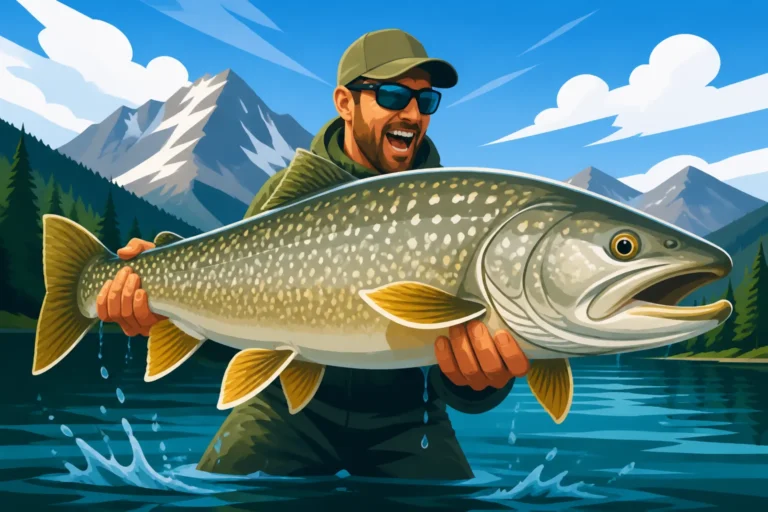
The current Colorado state record kokanee salmon weighed in at a whopping 6 pounds, 9 ounces, and measured an impressive 25.5 inches long. This magnificent fish was caught by a seasoned angler named Ron Stake, on September 14, 2006, at Blue Mesa Reservoir. Ron's catch surpassed the previous record, solidifying Blue Mesa's reputation as the premier kokanee fishery in Colorado. Imagine the excitement, the fight, and then the realization that you've just landed a fish that beats every other kokanee caught in the state! It's the kind of moment that fuels every angler's passion and keeps us coming back to the water.
This record stands as a testament not only to Ron's skill but also to the incredible potential of Blue Mesa Reservoir to produce truly enormous kokanee.
Why This Record Stands Out
A 6-pound, 9-ounce kokanee salmon is an absolute giant. For many anglers, catching a kokanee over 2 pounds is a fantastic day, and a 3 or 4-pounder is a fish of a lifetime. To break the 6-pound mark means this fish had exceptional genetics, an incredibly rich diet, and managed to avoid predators and anglers for a considerable lifespan. It likely fed on an abundant supply of plankton and perhaps even some smaller baitfish during its growth. The conditions at Blue Mesa that year must have been perfect, allowing this particular fish to grow to such an impressive size.
What makes this record particularly special is that kokanee salmon typically have a relatively short lifespan, often 3 to 4 years, before they embark on their terminal spawning run. For a kokanee to reach this size, it likely lived a full, prosperous life, continuously feeding and growing larger than most of its peers. It’s a remarkable feat of nature and angling prowess.
Chasing the Next Record
While Ron Stake's record has stood for many years, the dream of breaking it continues to inspire anglers. Every season, people head to Blue Mesa and other top kokanee reservoirs with the hope of landing "the one." Chasing a record isn't just about the weight; it's about the challenge, the dedication to understanding the fish, and the thrill of the hunt. It requires meticulous attention to detail: understanding seasonal patterns, knowing what depths to target, choosing the right lures and baits, and even a bit of luck.
Many anglers use specialized electronics to find bait schools and the kokanee feeding on them. They carefully select their trolling speeds, adjust their downriggers, and experiment with different dodgers, hoochies, and spoons. The pursuit itself is a rewarding journey, even if the record remains unbroken. And who knows, with proper conservation and continued quality management from CPW, perhaps the next state record is already swimming in one of Colorado's deep, cold lakes.
If you ever find yourself catching a fish that might be a record, it's crucial to know How to Submit a Colorado State Record Fish Application properly to ensure your catch is recognized.
Top Reservoirs for Trophy Kokanee in Colorado
While Blue Mesa Reservoir holds the current state record, Colorado is blessed with several other outstanding kokanee fisheries that regularly produce large fish. If you're targeting a trophy, these are the places you'll want to focus your efforts.
Blue Mesa Reservoir: The Crown Jewel
Blue Mesa Reservoir, located near Gunnison, is undeniably the king of kokanee salmon fishing in Colorado, and not just because it holds the state record. This vast body of water, part of the Curecanti National Recreation Area, is Colorado's largest body of water by surface area, providing ample cold, deep water for kokanee to thrive. Its immense size and rich ecosystem support a thriving population of kokanee, which grow to impressive sizes year after year. The reservoir's diverse forage base, including abundant plankton, allows kokanee to pack on pounds, making it the prime destination for those seeking a wall-hanger.
Anglers at Blue Mesa often employ specialized trolling setups, often with downriggers, to get their lures down to the depths where kokanee are actively feeding. Mornings and evenings, particularly in the summer, are prime times, but patient anglers can find success throughout the day. The sheer volume of fish and the potential for a true giant make Blue Mesa a bucket-list destination for any serious kokanee enthusiast. Fishing Blue Mesa Reservoir for Kokanee Salmon is an essential read for anyone planning a trip.
Other Prime Kokanee Waters
While Blue Mesa often takes the spotlight, other reservoirs across Colorado offer fantastic kokanee fishing and produce trophy-sized fish regularly. These waters, though perhaps not yielding a 6-pounder every year, consistently produce fish in the 2-4 pound range, which are still incredible catches.
- Eleven Mile Reservoir: Located near Lake George, Eleven Mile is another popular kokanee destination known for its consistent stockings and good fish sizes. It offers excellent trolling opportunities and is a favorite among ice anglers for kokanee during the winter months.
- Dillon Reservoir: Situated near Frisco, Dillon is a high-altitude reservoir that offers stunning scenery along with healthy kokanee populations. It's known for strong spawning runs and offers good opportunities for both boat and shore anglers, particularly during these runs.
- Granby Reservoir: This large reservoir in Grand County is a consistent producer of kokanee, often yielding good numbers and decent sizes. It's a key part of the larger Colorado-Big Thompson Project.
- Taylor Park Reservoir: Located high in the mountains near Almont, Taylor Park is a beautiful, productive lake known for both kokanee and large lake trout. The kokanee here contribute to the forage base for the massive lake trout, making it a dynamic fishery.
Each of these reservoirs has its own unique characteristics and challenges, but all offer the potential for exciting kokanee action.
Identifying Productive Kokanee Habitats
Understanding where kokanee salmon prefer to live within a reservoir is key to finding success, especially when targeting larger fish. Kokanee are pelagic, meaning they inhabit the open water column, typically suspending over deep water rather than near shorelines or structures, except during spawning. They are highly sensitive to water temperature and dissolved oxygen, often holding in a specific "comfort zone" that can vary with the seasons and time of day. In summer, this usually means deeper, colder water, while in spring and fall, they might be found shallower.
Productive habitats often involve areas where upwellings occur, bringing nutrient-rich water and concentrating plankton, their primary food source. Using a good fish finder is crucial for locating bait balls (schools of plankton or small baitfish) and the kokanee feeding on them. Look for schools of fish suspended in the middle of the water column, often near thermal clines or deeper flats in the main body of the reservoir. During spawning season, they will move into tributaries or shallow shoreline areas where they can deposit their eggs, drastically changing their location and behavior.
| Reservoir | Peak Season for Trophy Kokanee | Typical Depths for Trolling (Summer) | Notable Features |
|---|---|---|---|
| Blue Mesa Reservoir | Late Summer to Early Fall | 40-80 feet | State record holder, vast open water, diverse forage |
| Eleven Mile Reservoir | Late Spring to Late Summer | 25-60 feet | Consistent numbers, popular for ice fishing |
| Dillon Reservoir | Summer to Early Fall | 30-70 feet | High altitude, stunning views, strong spawning runs |
| Granby Reservoir | Mid-Summer | 30-60 feet | Part of C-BT Project, good overall fishery |
| Taylor Park Reservoir | Summer | 20-50 feet | High mountain, large lake trout also present |
Targeting Big Kokanee: Techniques and Gear
Landing a trophy kokanee, especially one that might challenge the state record, isn't something that happens by accident. It requires specific techniques and the right gear to consistently put yourself in front of bigger fish.
Trolling Strategies for Larger Fish
Trolling is the most effective method for targeting kokanee salmon, particularly the larger ones that roam the open waters of Colorado's reservoirs. The key is to present your lure at the correct depth, at the right speed, and with enticing action. Downriggers are virtually essential for consistent success, allowing you to precisely control the depth of your lure. When targeting larger fish, consider slightly larger lures and longer leaders behind your dodger or flasher. Kokanee, while often schooling, can be surprisingly selective, so experimenting with different colors and sizes is crucial.
Vary your trolling speed until you find what triggers bites; speeds between 1.0 to 1.8 mph are common, but sometimes a slight adjustment can make all the difference. Keep an eye on your fish finder for schools of bait and kokanee, and adjust your downrigger depths accordingly. If you mark fish at 50 feet, drop your lures to 50 feet. Don't be afraid to experiment with S-turns or zig-zags with your boat, as these changes in speed and direction can often induce a strike from a following fish. Our detailed guide on Trolling for Kokanee Salmon in Colorado offers even more in-depth strategies.
Bait, Lures, and Scents
Kokanee have a strong sense of smell and are attracted to certain colors and actions. When it comes to lures, small hoochies, wedding rings, and mini-spoons are perennial favorites. Brands like Dick Nite, Rocky Mountain Tackle, and Shasta Tackle offer a wide array of options designed specifically for kokanee. For bigger fish, don't shy away from slightly larger hoochies or spoons, perhaps in the 2- to 3-inch range, compared to the typical 1.5-inch sizes.
Tipping your lure with bait is almost always a good idea. White shoepeg corn, marinated in scents like Anise, Krill, or various "Kokanee Special" concoctions, is the most popular choice. The corn adds scent, a bit of bulk, and a visual trigger. Many anglers swear by specific scent combinations, believing they make the difference on tough days. Experiment with different colors of corn too, as the dye can also add visual attraction. Changing your bait and scent frequently, every 20-30 minutes, keeps the scent trail fresh.
For precise depth control, understanding How Deep to Troll for Kokanee at Blue Mesa will be invaluable.
Essential Gear for Trophy Kokanee
To consistently catch kokanee, especially those pushing trophy size, having the right gear is paramount. This includes a good quality trolling rod and reel setup, reliable line, and specialized equipment like downriggers.
- Rods and Reels: Look for lightweight, sensitive trolling rods, typically 7-8 feet long, with a soft tip that can detect the subtle bites of kokanee. Paired with small line-counter reels, these setups allow for precise lure placement and help monitor how much line you have out. You can find excellent options on Amazon from brands known for their trolling gear.
- Line: Many anglers prefer monofilament or fluorocarbon mainlines, typically 10-15 lb test, due to their stretch and invisibility. Some use braided mainlines with a long monofilament or fluorocarbon leader for added sensitivity.
- Downriggers: Manual or electric downriggers are critical for getting lures to the exact depth where kokanee are holding. You'll use heavy weights (6-10 lbs) and release clips to keep your lure at the desired depth until a fish strikes. A high-quality downrigger system will serve you well for years.
- Electronics: A reliable fish finder with good sonar capabilities is a must. It helps you identify thermoclines, locate schools of kokanee and their forage, and pinpoint the optimal depth. Many modern units from manufacturers like Garmin or Humminbird are available on Amazon and offer detailed mapping and sonar imaging.
- Terminal Tackle: A variety of dodgers and flashers in different colors and sizes, as well as a wide selection of hoochies, wedding rings, and spoons, will ensure you're prepared for varying conditions. Don't forget swivels, snaps, and leader material (typically 10-12 lb fluorocarbon). You can stock up on these essentials on Amazon before your trip.
- Landing Net: A large, rubberized landing net is essential for safely landing and handling trophy fish. The rubberized mesh protects the fish's slime coat, which is important for catch-and-release, but also prevents hooks from getting tangled when you decide to keep your catch.
Having a well-stocked tackle box and reliable gear can significantly increase your chances of landing a truly memorable kokanee. To get more specific on lure choices, check out Best Lures for Trolling Kokanee Salmon.
The Life Cycle of Colorado Kokanee and Its Impact on Fishing
Understanding the kokanee salmon's life cycle is fundamental to becoming a successful angler. Their behaviors, locations, and feeding patterns change dramatically throughout their lives, especially as they approach their final, most dramatic stage: spawning.
Spawning Runs and Their Timing
One of the most spectacular events in Colorado fishing is the kokanee salmon spawning run. Typically occurring from late summer through the fall (August to October), mature kokanee turn a brilliant red, and males develop a prominent kype (hooked jaw) as they abandon their open-water feeding grounds and migrate upstream into tributaries or along shallow shorelines of the reservoirs where they were stocked. These runs are a final, frantic effort to reproduce before they complete their life cycle.
During the spawning run, kokanee focus entirely on reproduction and generally stop feeding. This makes them notoriously difficult to catch by traditional angling methods. While snagging is illegal in Colorado except in very specific, designated areas (and even then, it's often viewed unfavorably by ethical anglers), many people enjoy witnessing the vibrant spectacle of the red salmon in the shallows. The runs are a critical part of the ecosystem, providing food for other wildlife and ensuring future generations of kokanee. Knowing Kokanee Salmon Spawning Runs in Colorado will help you understand specific timings and locations.
Post-Spawn Challenges and Opportunities
After the spawning run, the mature kokanee, having expended all their energy on reproduction, die. This natural phenomenon is a crucial part of their life cycle. For anglers, this means a significant portion of the adult population is gone from the reservoir, which can impact catch rates in the weeks following the main run. However, it also means that the remaining, younger kokanee that haven't yet reached maturity continue to feed and grow.
The post-spawn period can sometimes offer opportunities to target these younger fish, as they may become more active in feeding without the competition from the larger, spawning adults. Additionally, the decomposition of the spawned-out salmon contributes nutrients back into the ecosystem, eventually fueling the plankton blooms that will feed the next generation of kokanee. It's a continuous cycle that highlights the delicate balance of aquatic life.
Fishing During Different Life Stages
Effective kokanee fishing requires adapting your approach to their current life stage and seasonal behaviors.
- Spring: As ice melts and water temperatures rise, kokanee move shallower, often in the top 20-30 feet, seeking out abundant plankton. This is a great time for trolling with lighter gear and smaller dodgers, as the fish are actively feeding and less spooky.
- Summer: During the heat of summer, kokanee retreat to the deeper, colder sections of the reservoir, often between 40-80 feet, or even deeper in very large lakes. This is when downriggers become essential. Trolling speeds might need to be slightly slower to appeal to fish in the deeper, cooler water.
- Fall (Pre-Spawn): This is often the prime time for trophy kokanee. As water temperatures begin to drop, kokanee, especially the larger, mature fish, feed aggressively to build energy for their impending spawn. They may move a bit shallower than in peak summer, but still often require precise depth targeting. This is when Ron Stake caught the record!
- Fall (Spawning Run): As mentioned, fishing directly for spawning kokanee is generally unproductive and often illegal (if snagging). Respecting the spawning fish and observing them from a distance is encouraged.
- Winter (Ice Fishing): For some reservoirs, ice fishing for kokanee is a popular and effective method. Kokanee will hold in specific areas under the ice, and jigging with small spoons or lures tipped with corn can be very successful. Check local regulations for specific rules on Colorado Ice Fishing Rules.
Each season brings its own set of challenges and rewards, making kokanee fishing a year-round pursuit for dedicated anglers.
Conservation and Management of Colorado's Kokanee Salmon
The remarkable health of Colorado's kokanee salmon populations, including the existence of state-record contenders, is a direct result of ongoing conservation efforts and meticulous management by Colorado Parks and Wildlife (CPW). These efforts ensure that future generations can continue to enjoy the thrill of catching these vibrant fish.
CPW's Stocking and Management Efforts
CPW plays a crucial role in maintaining healthy kokanee populations across Colorado. Since kokanee do not naturally reproduce in most of Colorado's reservoirs (they need specific gravel beds in tributaries, which are often limited or inaccessible), stocking programs are vital. CPW operates hatcheries that raise millions of kokanee salmon fry each year, which are then strategically released into various reservoirs. This ensures a consistent supply of fish for anglers.
Beyond stocking, CPW actively monitors kokanee populations, assessing growth rates, overall health, and angler harvest. They conduct studies to understand kokanee feeding habits, migratory patterns, and the impact of other fish species. This data-driven approach allows them to make informed decisions about stocking numbers, bag limits, and other regulations designed to maximize the health and sustainability of the fishery. Their work is a cornerstone of why Colorado's kokanee fishing is so exceptional.
Angler's Role in Sustainable Fishing
As anglers, we all have a responsibility to contribute to the sustainability of Colorado's kokanee fishery. This means adhering to regulations, practicing ethical angling, and being mindful of our impact on the environment. Catch-and-release, when appropriate for smaller fish, helps maintain healthy numbers. However, with kokanee, which die after spawning, ethical harvest of mature fish before their spawning run can sometimes be beneficial for reducing competition among younger fish.
It's also crucial to avoid spreading aquatic invasive species (AIS). Always clean, drain, and dry your boat and gear after each outing. This prevents the transfer of harmful organisms that could devastate kokanee populations and their delicate ecosystems. By being responsible stewards of our natural resources, we help ensure that the potential for future state records, and simply great fishing, remains.
Regulations Specific to Kokanee
Colorado has specific regulations for kokanee salmon, which can vary by water body. These regulations are in place to manage fish populations, prevent overharvest, and ensure sustainable angling opportunities. For instance, there are daily bag and possession limits for kokanee, which specify how many you can keep per day and how many you can have in your possession at any given time. These limits help distribute the harvest among anglers and prevent any single individual from depleting a fishery.
You'll also find regulations regarding methods of take, particularly during spawning runs. As mentioned, snagging is highly restricted and generally illegal for kokanee in most areas. Always consult the most current Colorado Fishing Brochure, which you can usually find online or at any licensed vendor. It's your ultimate guide to understanding the rules. For more general information on limits, refer to Colorado Bag and Possession Limits by Species.
This diligent management and the cooperative spirit of Colorado anglers are what make our kokanee salmon fisheries, and the potential for catching a state record, truly something special.
Disclaimer
This article is for general informational purposes only and does not constitute professional advice. Laws, prices and regulations vary by location and change over time. Consult a qualified professional for guidance on your specific situation.