Fishing Colorado’s Blue Mesa Reservoir
There's nothing quite like the awe-inspiring scale of a vast western reservoir, and for many anglers, the sheer size of a place like Blue Mesa can feel daunting. You want to experience that world-class fishing, but knowing where to start, what to target, and how to stay safe on such an expansive body of water can be a real head-scratcher. This comprehensive guide is here to cut through the confusion, offering you everything you need to know about successfully fishing Colorado's incredible Blue Mesa Reservoir, from its legendary lake trout to the vibrant kokanee salmon runs.
Understanding Blue Mesa Reservoir's Unique Character
Blue Mesa Reservoir isn't just another lake; it's the largest body of water in Colorado, a true gem nestled in the Curecanti National Recreation Area. Its sheer size and the dramatic landscape of the Black Canyon of the Gunnison National Park nearby make it a stunning destination, but also a challenging one for anglers who aren't prepared.
A Giant in the Rockies: Size and Geography
Located in southwestern Colorado, just west of Gunnison, Blue Mesa Reservoir stretches for miles, covering over 9,000 surface acres at full capacity. This massive reservoir was formed by the construction of the Blue Mesa Dam on the Gunnison River, creating a diverse aquatic environment. Its long, finger-like coves, steep rocky banks, and expansive open waters offer a huge variety of habitats for different fish species. From the shallower, warmer waters of the eastern end near the inlet to the deep, cold depths of the dam area, the reservoir presents a multitude of fishing scenarios. The surrounding landscape is breathtaking, with red rock formations and sagebrush-covered hills, giving you a truly immersive wilderness experience, even when you're just a short drive from Gunnison. Navigating this vastness requires a good understanding of its various arms and bays, and often, a reliable boat.
Fishery Profile: What Makes Blue Mesa Special
What truly sets Blue Mesa apart in the Colorado fishing scene is its unique and highly productive cold-water fishery. It's renowned for its incredible populations of lake trout (mackinaw) and kokanee salmon, species that thrive in its deep, cold, and oxygen-rich waters. The reservoir is a critical part of the state's efforts to maintain robust fisheries, with Colorado Parks and Wildlife (CPW) actively managing fish populations through stocking programs and careful regulation. This management ensures that anglers have a shot at trophy fish while maintaining the ecological balance. Blue Mesa's status as a premier fishing destination means that while you'll find plenty of public access, some areas can become popular, especially during peak seasons like the kokanee spawning run. Understanding the nuances of this dynamic ecosystem is key to unlocking its fishing potential.
Key Fish Species at Blue Mesa
Blue Mesa Reservoir is a multi-species angler's dream, but two species steal the show and draw most of the attention: the monstrous lake trout and the hard-fighting kokanee salmon. However, there's a supporting cast of other popular game fish that keep things interesting.
Chasing Colorado's Record Lake Trout
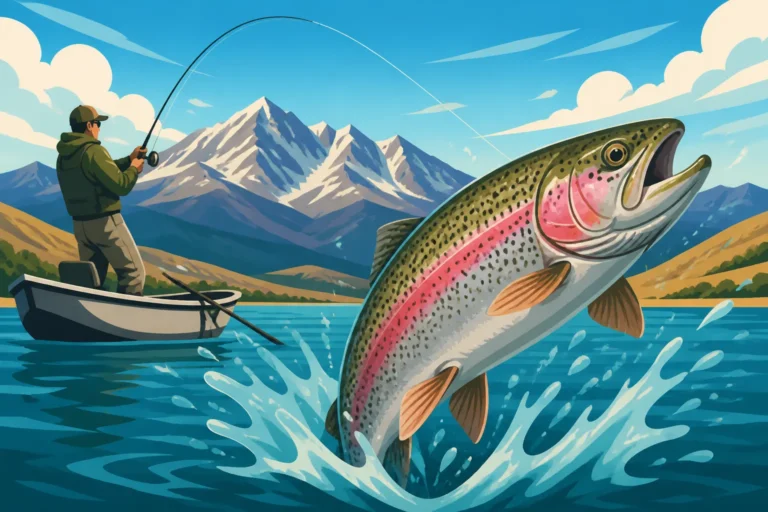
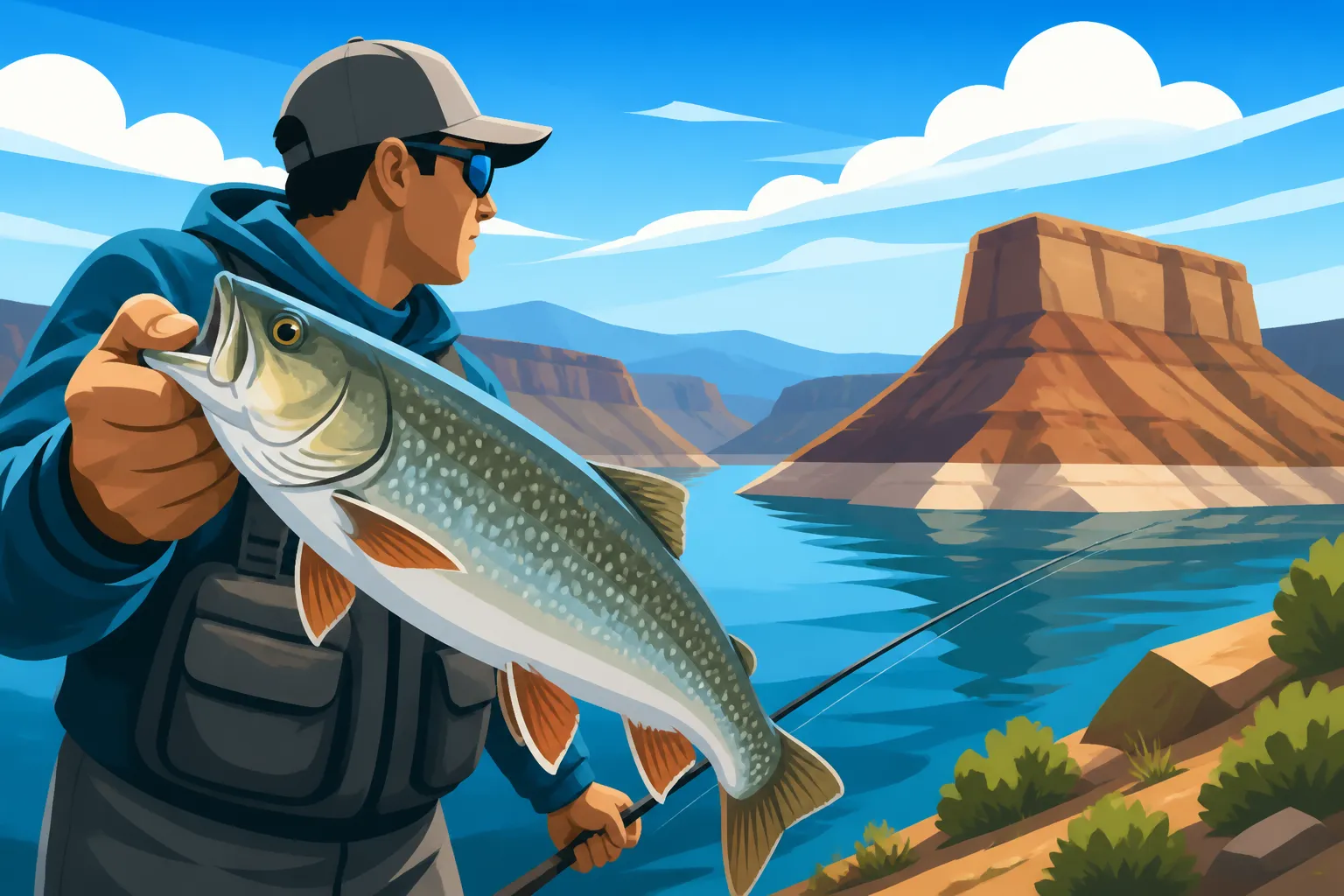
If you're looking to tangle with a true freshwater leviathan, Blue Mesa Reservoir is arguably the best place in Colorado to do it. The reservoir holds the state record for lake trout, and it consistently produces fish in the 20-30 pound range, with larger ones being caught regularly. These deep-water predators are known for their powerful runs and incredible fighting spirit, especially when hooked in their cold, oxygenated habitat. Lake trout in Blue Mesa feed heavily on the abundant kokanee salmon, which is why they grow to such impressive sizes. Targeting these giants often means fishing deep, sometimes hundreds of feet down, requiring specialized gear and techniques like downriggers for trolling or heavy jigs for vertical jigging. Understanding their seasonal movements – shallower in spring and fall, deeper in summer and winter – is paramount to success. It's a challenging pursuit, but the reward of landing a massive mackinaw makes every effort worthwhile. For more on these incredible fish, check out our guide on Lake Trout Fishing in Colorado
The Thrill of Kokanee Salmon Runs
Beyond the behemoth lake trout, Blue Mesa Reservoir is famous for its vibrant kokanee salmon fishery. These landlocked sockeye salmon are prized for their feisty fight and delicious table fare. They spend most of their lives in the cold, open waters of the reservoir, feeding on zooplankton, before undertaking their spectacular spawning runs in the fall. During the spawn, typically in September and October, these silver bullets turn a brilliant red, and their annual journey up the tributaries and along the shoreline makes for incredible sight-fishing opportunities. Anglers target kokanee by trolling with dodgers and squids in the open water during spring and summer, or by casting spoons and jigs during the spawning season. The excitement of a kokanee run is something every Colorado angler should experience. For more on targeting these spirited fish, our piece on Kokanee Salmon Fishing in Colorado
Other Notable Species: Browns, Rainbows, Perch
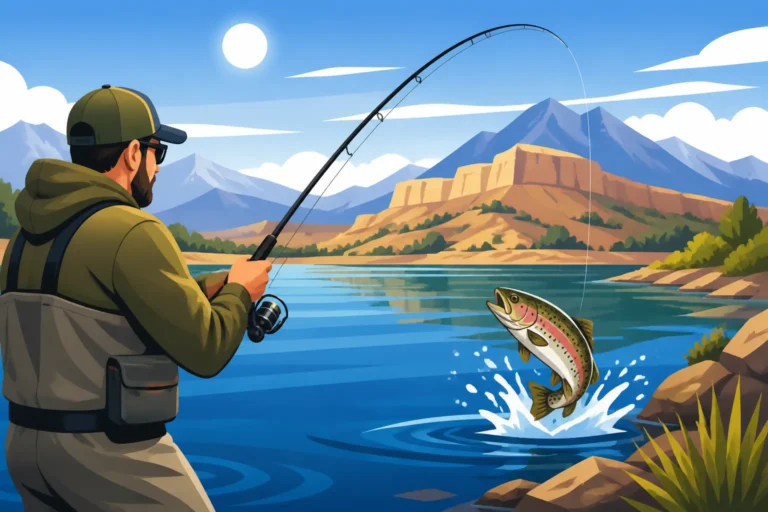
While lake trout and kokanee are the headliners, Blue Mesa Reservoir also offers excellent fishing for other species. You'll find a healthy population of brown trout, particularly in the shallower arms and coves, and near the river inlets where they feed on smaller baitfish and insects. Rainbow trout are regularly stocked by CPW and provide consistent action, especially in the spring and fall when they cruise closer to shore. These fish are often caught by shore anglers using powerbait, worms, or small spinners, and they make for great family fishing opportunities. Additionally, yellow perch are present and can provide fast-paced action, especially through the ice in winter. While not as large as the trout or salmon, perch offer a fun challenge and are excellent eating. Knowing where to look for these various species throughout the year will diversify your Blue Mesa fishing experience and ensure there's always something biting.
Best Seasons and Times to Fish Blue Mesa
Blue Mesa Reservoir offers year-round fishing opportunities, but each season presents unique challenges and rewards. Understanding the seasonal patterns of fish behavior here is crucial for planning a successful trip.
Spring: Ice-Out Action and Early Season Bites
As the ice recedes from Blue Mesa in late March and April, the reservoir awakens, bringing with it some of the most exciting fishing of the year. During ice-out, lake trout and kokanee salmon become more active in shallower waters as they begin to feed heavily after the long winter. This is a prime time for trolling lures and spoons for both species, often in depths of 20-60 feet. The warming surface waters also draw in rainbow and brown trout, making shore fishing and casting from boats very productive in the coves and along points. The water clarity can vary, but generally, the fish are aggressive and hungry. This period often sees fewer crowds than the peak summer months, offering a more serene fishing experience. Just be mindful of unpredictable spring weather; cold fronts and high winds can blow in quickly, making conditions challenging.
Summer: Trolling Deep and High-Country Adventure
Summer on Blue Mesa Reservoir is characterized by warm, sunny days and a shift in fish behavior. As surface waters heat up, lake trout and kokanee salmon retreat to the cooler, deeper parts of the reservoir. This is the time for specialized deep-water trolling techniques. Using downriggers becomes essential to get your lures to the depths where the fish are holding, often 50-150 feet or more for lake trout, and anywhere from 30-100 feet for kokanee. Many anglers spend their summer days systematically working various depths and contours of the reservoir, searching for schools of salmon or hungry mackinaw. For those who prefer a more relaxed approach, shore fishing for rainbows and browns can still be productive in the early mornings and late evenings, especially near stream inlets. Summer also brings out more recreational boaters, so be prepared for busier waters, particularly on weekends. Camping options near Blue Mesa Reservoir are plentiful if you plan to extend your stay.
Fall: Kokanee Spawning Spectacle and Big Trout
Fall is arguably the most spectacular fishing season at Blue Mesa, primarily due to the incredible kokanee salmon spawning run. From mid-September through October, the normally silver kokanee transform into vibrant red fish and begin their migration towards the river inlets and shoreline spawning beds. This creates a unique opportunity for anglers to intercept them as they stage. Casting brightly colored spoons, jigs, and flies can be incredibly effective. While these fish are nearing the end of their life cycle and are not as interested in feeding, their instinct to strike makes for thrilling action. This is also a fantastic time to target large lake trout and brown trout, which follow the kokanee into shallower waters, feeding aggressively on the spawning salmon. The cooler water temperatures make trout more active overall, and anglers can find success with streamers and larger lures. This is also a fantastic time to consider booking a charter to experience the peak action, and many anglers use services like FishingBooker to secure their spot well in advance. Our guide on the Best Season to Fish Blue Mesa for Kokanee Salmon offers even more detailed insights for this peak period.
Winter: Ice Fishing Blue Mesa Reservoir
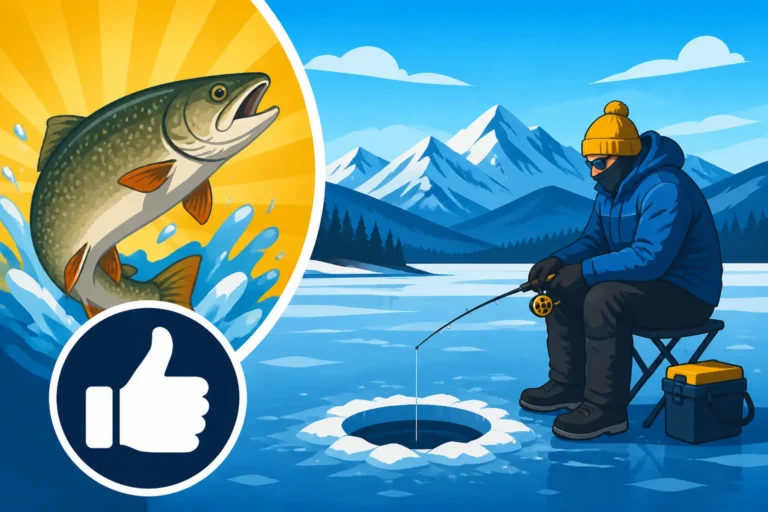
When the mercury drops and a thick layer of ice covers Blue Mesa Reservoir, a new kind of fishing adventure begins. Ice fishing on Blue Mesa is incredibly popular, offering a unique way to target the reservoir's robust fish populations. Lake trout, kokanee, and yellow perch are all viable targets through the ice. Anglers use ice shacks, portable shelters, and specialized gear like augers to access the fish-rich waters below. Jigging with spoons and soft plastics is a common and effective technique, particularly for lake trout, who can be found suspended at various depths or hugging the bottom. Kokanee can also be caught through the ice, often requiring more finesse with small jigs and baits. Safety is paramount when ice fishing; always check ice thickness and be aware of changing conditions. The solitude and crisp winter air make for a truly memorable experience. For comprehensive tips on this thrilling pursuit, make sure to read our detailed article on Ice Fishing Blue Mesa Reservoir in Winter
Popular Fishing Techniques for Blue Mesa
Successfully fishing Blue Mesa Reservoir often means adapting your techniques to its vastness and the specific behaviors of its target species. It's not a place for one-trick ponies; versatility is key.
Trolling for Salmon and Lake Trout
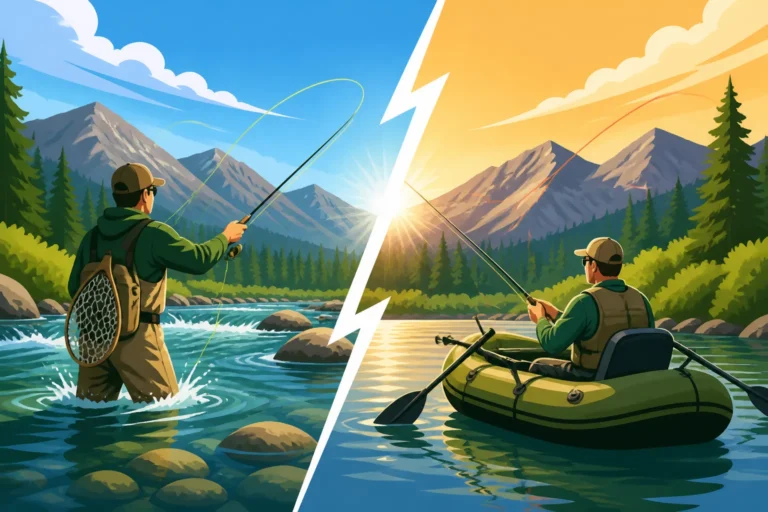
Trolling is arguably the most effective and popular method for covering water and locating fish in Blue Mesa's expansive environment, particularly for kokanee salmon and lake trout. For kokanee, anglers typically employ lightweight trolling setups with dodgers or flashers paired with small, brightly colored squids or hoochies, often tipped with corn. The goal is to imitate the zooplankton and small baitfish that kokanee feed on. For lake trout, the game changes significantly. You'll often be trolling much deeper, using downriggers to get large spoons, stickbaits, or even live bait (where legal) down to depths of 100-200 feet or more. The retrieve speed, lure color, and depth are all critical variables that can change day to day, so experimentation is key. Many experienced Blue Mesa anglers use multiple rods at different depths and with various lures to maximize their chances. Understanding how to use your electronics to mark fish and structure will dramatically improve your trolling success. Our article on Trolling for Kokanee Salmon in Colorado delves deeper into this technique.
Jigging and Vertical Presentation
When fish are concentrated in specific areas, or when ice fishing, vertical jigging becomes a highly effective technique. For lake trout, heavy spoons, tube jigs, and soft plastics rigged on jig heads are dropped to the bottom or to depths where fish are marked. The presentation typically involves lifting and dropping the lure to entice a strike, mimicking a wounded baitfish. During the fall kokanee spawn, jigging brightly colored spoons or marabou jigs from shore or a boat can be incredibly productive as salmon stage near their spawning grounds. Through the ice, small, balanced jigs tipped with mealworms or wax worms work well for perch and even smaller kokanee. For larger lake trout under the ice, heavy jigging spoons or large swimbaits can be deadly. The key to successful jigging is often patience, subtle movements, and paying close attention to your electronics to pinpoint fish. For more on this, check out Jigging for Lake Trout Through the Ice.
Shore and Bank Fishing Strategies
While Blue Mesa's size often lends itself to boat fishing, there are still ample opportunities for successful shore and bank fishing, especially for rainbow trout, brown trout, and during certain times, kokanee. Public access points like Stevens Creek, Elk Creek, and Lake Fork provide designated areas for bank fishing. Early mornings and late evenings are often the best times, especially in spring and fall when trout are more active in shallower waters. Popular baits include PowerBait, worms, salmon eggs, or even small marshmallows. Spin casters can have success with small spinners (like Mepps or Rooster Tails) and spoons. During the peak kokanee spawning season, many anglers will find success casting spoons and jigs from accessible shorelines where the salmon congregate before moving into tributaries. Always be mindful of private property signs and respect the natural environment. While shore fishing requires less gear, scouting your location and understanding the immediate underwater structure can greatly improve your chances.
Navigating Blue Mesa: Access Points and Boating Considerations
Blue Mesa Reservoir is a vast body of water, and understanding how to access it and navigate safely is just as important as knowing how to fish it. Its sheer size demands respect and proper preparation.
Key Marinas and Boat Ramps
With over 9,000 surface acres, having multiple access points is essential. Blue Mesa offers several well-maintained boat ramps and marinas that cater to anglers and recreational boaters alike. The two primary full-service marinas are Elk Creek Marina and Lake Fork Marina, both offering fuel, boat rentals, tackle shops, and often, guided fishing services. These are excellent starting points for any Blue Mesa adventure. Other popular ramps include Stevens Creek, Iola, and Ponderosa. Always check with the National Park Service or Colorado Parks and Wildlife (CPW) websites for the most up-to-date information on ramp conditions, water levels, and any specific regulations, especially regarding invasive species inspections. During peak season, these ramps can get busy, so arriving early is often a good strategy.
Safety on Such a Large Body of Water
Fishing on Blue Mesa means being prepared for its challenges. The reservoir can go from calm to dangerously choppy in a matter of minutes, especially when afternoon winds pick up, creating large waves that can swamp smaller vessels. Always check the weather forecast before heading out, and be prepared to cut your trip short if conditions deteriorate. Essential safety gear includes life jackets for everyone on board, a marine radio or fully charged cell phone (though service can be spotty in some areas), an anchor, bailing device, and visual distress signals. Tell someone your float plan – where you're going and when you expect to return. The water temperatures, even in summer, remain very cold at depth, so hypothermia is a real concern if you were to fall overboard. Always practice safe boating and consider taking a boater safety course if you're new to large reservoirs.
Camping and Lodging Options Near Blue Mesa
Extending your fishing trip into an outdoor adventure is easy around Blue Mesa. The Curecanti National Recreation Area, which surrounds the reservoir, offers numerous camping opportunities, from developed campgrounds with amenities to more primitive sites. Popular campgrounds include Elk Creek, Lake Fork, Stevens Creek, and Gateview. Many offer stunning views, easy access to the water, and facilities like restrooms and picnic tables. Reservations, especially during peak summer months and fall kokanee season, are highly recommended and can often be made through recreation.gov. For those preferring not to camp, the nearby town of Gunnison offers a range of lodging options, from hotels and motels to cabins and vacation rentals, providing a comfortable base camp for your fishing excursions. Whether you prefer roughing it under the stars or a cozy bed after a long day on the water, you'll find something to suit your style. You can find more information in our dedicated guide on Camping Options Near Blue Mesa Reservoir.
Gear and Tackle Recommendations for Blue Mesa
Approaching a diverse fishery like Blue Mesa Reservoir requires thoughtful preparation in terms of gear. The right equipment can make all the difference between a frustrating day and a successful one.
Rods, Reels, and Line for Reservoir Fishing
Given the variety of species and techniques, a versatile rod and reel setup is a must. For general trout and kokanee fishing, a medium-light to medium action spinning rod, 6'6" to 7'6" in length, paired with a 2500-3000 series spinning reel spooled with 6-10 lb fluorocarbon or braided line with a fluorocarbon leader, is a solid choice. This setup offers sensitivity for lighter bites and enough backbone for fighting feisty fish. For lake trout, especially if you're jigging deep or using heavier trolling gear, a medium-heavy to heavy action baitcasting rod, 7-8 feet long, coupled with a robust baitcasting reel capable of handling 20-50 lb braided line is recommended. Many lake trout anglers prefer a high-capacity reel to manage long drops and heavy weights. Always ensure your drag system is smooth and reliable, as Blue Mesa lake trout can put up an incredible fight.
Essential Lures and Baits
The tackle box for Blue Mesa should be well-stocked and diverse. For kokanee salmon, small trolling dodgers or flashers paired with mini squids (hoochies) in pink, orange, or green are indispensable. Tipping these with shoepeg corn marinated in scent is a common and effective tactic. Small spoons like the Kokanee Killer or Arnies are also excellent. For lake trout, large jigging spoons (like Gibbs Minnows or Crippled Herrings), tube jigs, and swimbaits in white, silver, or glow patterns are deadly for vertical presentations. For trolling, large spoons (e.g., Krocodiles, Northern King) and deep-diving crankbaits are effective. Live bait, such as sucker meat or large shiners, is also very popular for lake trout, where legal. For rainbow and brown trout from shore, PowerBait, worms, and salmon eggs remain consistent producers, as do small inline spinners and casting spoons. Having a variety of options allows you to adapt to what the fish are keying in on.
Electronics and Other Useful Tools
In a reservoir as large and deep as Blue Mesa, marine electronics are not just a luxury; they are a significant advantage. A good fish finder with sonar and GPS capabilities will help you locate structure, mark schools of fish (especially kokanee), and identify the depths where lake trout are holding. GPS is invaluable for navigating the reservoir, marking productive spots, and safely returning to your launch point. For deep-water trolling, downriggers are essential for presenting lures at precise depths. A sturdy net, especially one with a long handle and rubberized mesh (to protect fish for release), is also crucial for landing larger trout and salmon. Other useful tools include a good pair of pliers, line cutters, a cooler for your catch, and appropriate foul-weather gear. Remember, if you're pursuing the truly massive lake trout, you might also want a long gripper or jaw spreader for safe handling and photography.
Regulations and Conservation at Blue Mesa
Fishing in Colorado, especially in a trophy fishery like Blue Mesa, comes with specific rules and a shared responsibility to conserve these incredible resources. Knowing and adhering to regulations is non-negotiable.
Specific Blue Mesa Regulations
Colorado Parks and Wildlife (CPW) maintains specific regulations for Blue Mesa Reservoir, which often differ from general state-wide rules due to its unique fishery. It's imperative that every angler consults the most current Colorado Fishing Regulations brochure before heading out. Key regulations often include specific bag and possession limits for kokanee salmon (which can be very generous during peak spawning runs but may change), and sometimes special length limits or harvest quotas for lake trout to manage their population and prevent overharvest of trophy fish. For instance, there are often rules about how many small lake trout can be kept, alongside a slot limit for larger ones. Some areas might have bait restrictions or specific rules about snagging, especially during the kokanee spawn. A crucial part of preparing for your trip is making sure you have the required Colorado Fishing License Guide for Residents and Nonresidents. Additionally, you'll need to understand the Colorado Fishing License Costs Explained. Don't forget that a Colorado's Habitat Stamp, Explained, is usually required for anglers aged 18-64, contributing to conservation efforts across the state.
Importance of Responsible Angling and Catch-and-Release
While keeping a legal limit of fish for the table is part of the angling experience, responsible practices are vital for maintaining Blue Mesa's world-class fishery. For species like lake trout, particularly the larger, older individuals, careful handling and catch-and-release are critical for their survival. Using appropriate landing nets, minimizing their time out of water, and avoiding excessive handling of gills are all important steps. When targeting kokanee salmon during their spawning run, many anglers participate in harvesting limits as these fish are at the end of their life cycle. However, even then, ethical angling practices are encouraged. Understanding the impact of your actions on the fish populations helps ensure that Blue Mesa remains a productive and enjoyable destination for generations to come. This also ties into the broader Colorado Fishing Regulations Every Angler Should Know.
Hiring a Guide for Blue Mesa Reservoir
For many anglers, especially those visiting Blue Mesa for the first time or those looking to master specific techniques, hiring a professional fishing guide can be an absolute game-changer. It's an investment that often pays dividends in knowledge, experience, and fish caught.
Why a Guide Can Enhance Your Trip
Blue Mesa Reservoir is immense and complex. A good guide offers invaluable local knowledge, years of experience navigating the water, and an understanding of the ever-changing fish patterns. They know where the fish are holding, what they're biting on, and the best techniques to use given the current conditions. Beyond just catching fish, a guide can teach you new skills, help you understand the lake's ecosystem, and ensure your safety on such a large body of water. They typically provide all the necessary specialized gear, from high-quality rods and reels to downriggers and bait, saving you the expense and hassle of bringing or buying it yourself. For example, a specialized guide knows exactly How Deep to Fish Blue Mesa Reservoir for Lake Trout at any given time, or the subtleties of the Colorado Fishing Season Dates and Bag Limits. This expertise can turn a confusing day into a highly productive and enjoyable experience. For more insights on the benefits, refer to our guide on Hiring a Fishing Guide in Colorado, What to Expect.
Finding the Right Charter for Lake Trout or Kokanee
When choosing a guide or charter for Blue Mesa, consider their specialization. Some guides focus primarily on deep-water lake trout, utilizing heavy trolling gear and sonar, while others might be experts in targeting kokanee salmon, particularly during their spectacular fall spawning runs. Many guides are proficient in both. Look for licensed and insured operators with a strong reputation. Online platforms like FishingBooker can be an excellent resource for finding reputable guides, reading reviews from past clients, and comparing services and prices. When booking, don't hesitate to ask questions about their experience, what's included in the trip (e.g., tackle, bait, snacks, drinks), and what you should bring. Confirming these details upfront ensures a smooth and enjoyable trip. Whether you're a seasoned angler or a complete novice, a Blue Mesa charter can significantly enhance your chances of success and provide an unforgettable fishing adventure, especially when seeking Charter Boats for Colorado's Blue Mesa Reservoir.
Disclaimer
Please remember that fishing regulations, conditions, and fish populations can change. Always consult the most current Colorado Parks and Wildlife regulations and local advisories before planning your trip to Blue Mesa Reservoir. Exercise caution and prioritize safety on the water.