Fishing Colorado’s Gunnison River and the Black Canyon
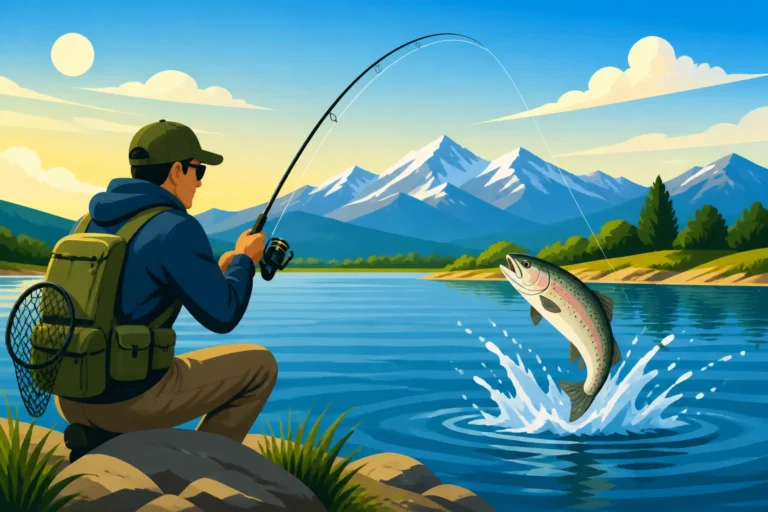
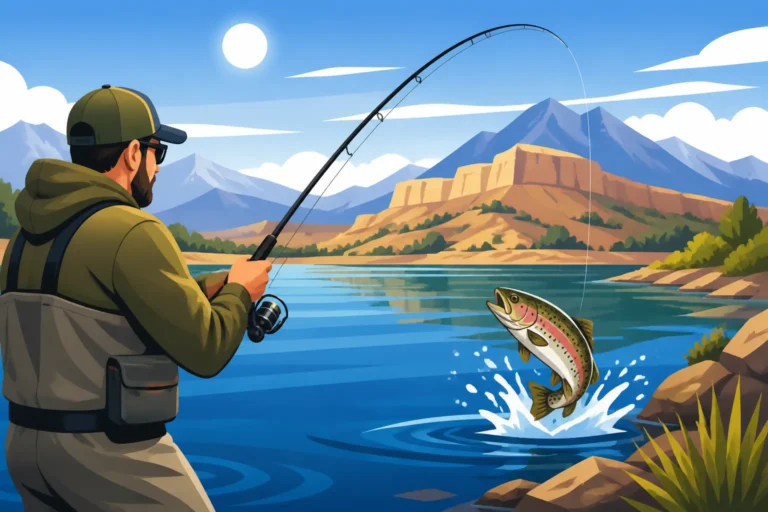
For many anglers, the thought of fishing Colorado immediately brings to mind pristine mountain streams, crystal-clear rivers, and the elusive, hard-fighting trout. But few places capture the imagination and challenge quite like the Gunnison River and its dramatic Black Canyon. This iconic waterway, however, can be intimidating for newcomers and even seasoned veterans due to its varied sections, complex regulations, and sheer remoteness in places. This guide aims to demystify fishing the Gunnison, helping you plan an unforgettable adventure on one of Colorado's most treasured fisheries.
The Majesty and Challenge of the Gunnison River Fishery
The Gunnison River, carving its way through the heart of western Colorado, is more than just a waterway; it’s a living legend among anglers. From its headwaters high in the Rockies to its confluence with the Colorado River, the Gunnison offers a diverse range of fishing experiences, each with its own unique charm and set of challenges. It's a place where you can find solitude amidst towering canyon walls or enjoy a lively day on a vast reservoir, making it a true jewel in the crown of Colorado fishing.
Understanding the Unique Character of the Gunnison
The Gunnison River system is a complex tapestry of freestone river sections, a massive reservoir, and a deep, ancient canyon. The upper reaches, near Almont, are classic freestone trout streams, fed by snowmelt and rainfall, characterized by riffles, runs, and deep pools. As it flows downstream, it expands into the sprawling Blue Mesa Reservoir, Colorado's largest body of water, before dramatically plunging into the Black Canyon and the Gunnison Gorge. This variety means that the "Gunnison River" isn't just one type of fishery; it's many, each demanding different approaches and offering distinct rewards. Its ever-changing nature, from wide-open valley stretches to the narrow, shaded depths of the canyon, truly sets it apart.
The river's flow is heavily influenced by snowpack and dam releases, particularly from Blue Mesa and Crystal Dams. These fluctuations dictate fish behavior, water temperatures, and accessibility, adding another layer of complexity for anglers. You might encounter anything from roaring, high spring flows to clear, meandering late-summer conditions. Understanding these seasonal shifts and how they impact the river is crucial for successful fishing. The sheer grandeur of the landscape, especially within the Black Canyon, also contributes to its unique character, providing an awe-inspiring backdrop to every cast.
Why Anglers Flock to the Gunnison
Anglers are drawn to the Gunnison for several compelling reasons, not least of which is the opportunity to land trophy-sized trout. The river is renowned for its healthy populations of brown trout and rainbow trout, with many sections holding fish that regularly push the 20-inch mark and beyond. These wild, strong fish provide an exhilarating fight, testing the skills of even the most experienced fly fishers and spin anglers. The diversity of species, including impressive kokanee salmon and lake trout in Blue Mesa, further enhances its appeal.
Beyond the excellent fishing, the Gunnison offers an unparalleled wilderness experience. The Black Canyon of the Gunnison National Park and the adjacent Gunnison Gorge National Conservation Area provide some of the most spectacular, rugged scenery in the country. Hiking into the canyon or floating its remote sections offers a profound sense of solitude and connection with nature that is increasingly rare in popular fishing destinations. The challenge of accessing these remote spots and the rewards that await are a significant part of the allure, promising not just a fishing trip, but a true adventure.
Navigating the Regulations for the Gunnison River
Fishing the Gunnison River, especially within its various unique sections, requires a thorough understanding of Colorado's fishing regulations. These rules are put in place to protect the valuable fishery, ensure sustainable populations, and manage visitor impact, particularly in sensitive areas like the Black Canyon. Ignorance of the rules is never an excuse, and game wardens patrol these waters diligently. Before you even think about wetting a line, make sure you're well-versed in the specifics.
General Colorado Fishing License Requirements
First and foremost, anyone aged 16 or older needs a valid Colorado fishing license to fish any public waters in the state, and that absolutely includes the Gunnison River system. These licenses are crucial for funding wildlife conservation efforts and maintaining healthy fish populations. Whether you're a resident or a nonresident, you'll need to purchase the appropriate license. Options typically include annual licenses, one-day licenses, or five-day licenses, perfect for those planning a shorter trip.
You can easily purchase a license online through the Colorado Parks and Wildlife (CPW) website, at a local sporting goods store like Gunnison River Fly Shop, or even over the phone. Make sure to carry proof of your license, either a physical copy or a digital version on your phone, as wardens will ask to see it. It's also important to remember that these licenses typically run from April 1st to March 31st of the following year, regardless of when you purchase them. For a more detailed look at what you need, check out our Colorado Fishing License Guide for Residents and Nonresidents.
Special Rules for the Black Canyon and Gorge
The Gunnison Gorge and Black Canyon sections of the river are designated Gold Medal Waters, which means they are managed for exceptional coldwater fishing and trophy trout. This designation comes with stricter regulations designed to preserve the quality of the fishery. Most notably, these areas often require the use of artificial flies and lures only, and mandate the use of barbless hooks. The goal here is to minimize harm to fish, as catch-and-release is strongly encouraged or even required for certain species and sizes.
Beyond the gear restrictions, access to some parts of the Black Canyon and Gunnison Gorge National Conservation Area is highly regulated. For instance, floating through the Gunnison Gorge requires a special permit, obtained through a lottery system during peak season. These permits limit the number of users to preserve the wilderness experience and reduce angler pressure. Always consult the latest Colorado Fishing Regulations Every Angler Should Know from CPW before heading out, especially for these sensitive areas, as rules can change.
Bag and Possession Limits on the Gunnison
Even outside the catch-and-release-only stretches, the Gunnison River system has specific bag and possession limits that vary by species and location. For trout, while a general statewide limit might apply to some areas, Gold Medal Waters typically have very restrictive or even zero retention policies for certain sizes or species. For example, some stretches might be "catch-and-release only" for all trout, while others might allow keeping one trout over a certain length.
In Blue Mesa Reservoir, the regulations are different, particularly for species like kokanee salmon and lake trout, which have specific seasons and bag limits. During the kokanee spawning run in the fall, special rules often apply, sometimes allowing for more generous limits or even snagging in designated areas, though this varies by year and location. It's critical to know the specific regulations for the exact stretch of water you're fishing. Our comprehensive guide on Colorado Bag and Possession Limits by Species can help you navigate these often-confusing rules to ensure you're fishing legally and responsibly.
| Section of Gunnison River System | Primary Fish Species | Key Regulations | Access Notes |
|---|---|---|---|
| Upper Gunnison (Almont) | Rainbow, Brown Trout | General trout regs, some special regs | Easy vehicle access, walk-wade |
| Blue Mesa Reservoir | Kokanee, Lake Trout, Rainbow, Brown | Species-specific limits, trolling allowed | Boat ramps, shore access |
| Gunnison Gorge (Gold Medal) | Brown, Rainbow Trout | Artificial flies/lures, barbless hooks, catch & release highly encouraged/required | Permit lottery for floats, difficult hike-in |
| Black Canyon (Gold Medal) | Brown, Rainbow Trout | Artificial flies/lures, barbless hooks, catch & release highly encouraged/required | Extremely difficult hike-in, wilderness |
| Lower Gunnison (Below Gorge) | Brown, Rainbow Trout, Whitefish | Varies, generally less restrictive than Gorge | Some vehicle access, walk-wade, float |
Key Sections of the Gunnison River for Anglers
The beauty of the Gunnison River system lies in its incredible diversity. What starts as a quintessential freestone river in the upper valley transforms into a massive reservoir, then plunges into a world-renowned canyon, before mellowing out again downstream. Each section presents its own unique challenges and rewards, catering to different styles of angling and offering distinct experiences. Understanding these key sections is paramount to planning a successful and enjoyable fishing trip.
The Upper Gunnison: Almont to Blue Mesa Reservoir
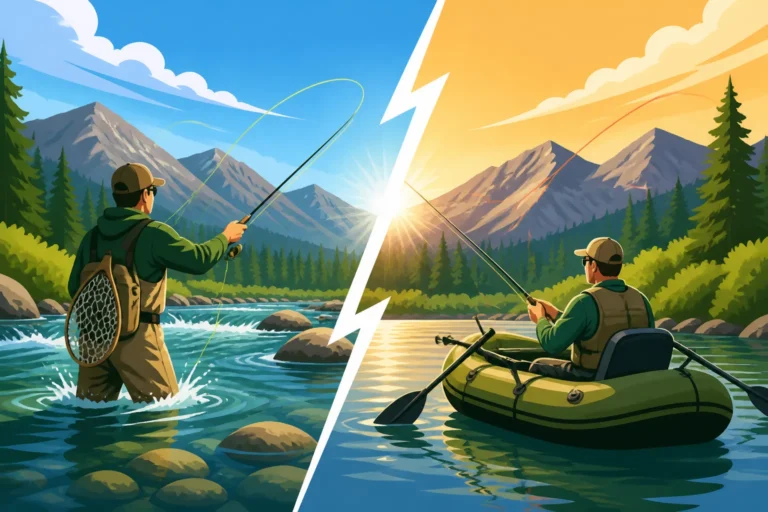
The section of the Gunnison River from Almont downstream to the headwaters of Blue Mesa Reservoir is a classic Colorado freestone river. Here, the river is wide and swift in places, flowing through ranch lands and public access points. It’s easily accessible by vehicle at numerous pull-offs and designated fishing areas. This stretch is known for a healthy population of both wild brown trout and stocked rainbow trout. While not as remote or challenging as the canyon, it offers fantastic wade fishing opportunities and can be floated by raft or drift boat in certain flows.
This upper river system is influenced by tributaries like the East River, which merges with the Taylor River at Almont to form the Gunnison. The water here is generally clear, especially outside of spring runoff, making it ideal for sight fishing and dry fly presentations during prolific hatches. In these parts, you'll encounter a more traditional river fishing experience, with plenty of riffles, runs, and deep bends where trout hold. It’s a great area for those looking for a more accessible, yet still highly productive, day of fishing without the rigorous demands of the lower canyon.
Blue Mesa Reservoir: A Vast Fishery
As the Gunnison River flows further west, it expands into the massive Blue Mesa Reservoir, the largest body of water in Colorado. This transition from a flowing river to an immense lake opens up an entirely different fishing dynamic. Blue Mesa is famous for its outstanding kokanee salmon fishery, drawing anglers from across the state, especially during the fall spawning runs. It's also a premier destination for lake trout (mackinaw), with the potential for truly giant fish. Rainbow trout and brown trout are also present, often found in the calmer coves and near inflows.
Fishing Blue Mesa often requires a boat due to its sheer size, though there are ample opportunities for shore fishing, particularly in spring and fall. Trolling with downriggers is a popular method for targeting kokanee and lake trout in the deeper sections, while casting from shore or small craft can be productive for rainbows and browns. The reservoir's vastness means you can often find solitude, even on busy days. If you're looking to target larger lake trout or experience the thrill of a kokanee run, Blue Mesa is the place to be, and it’s a good idea to consider booking a charter through services like FishingBooker to maximize your chances, especially if you're unfamiliar with the immense waters. You can learn more about Lake Trout Fishing in Colorado and Kokanee Salmon Fishing in Colorado to prepare.
The Gunnison Gorge and Black Canyon: Gold Medal Water
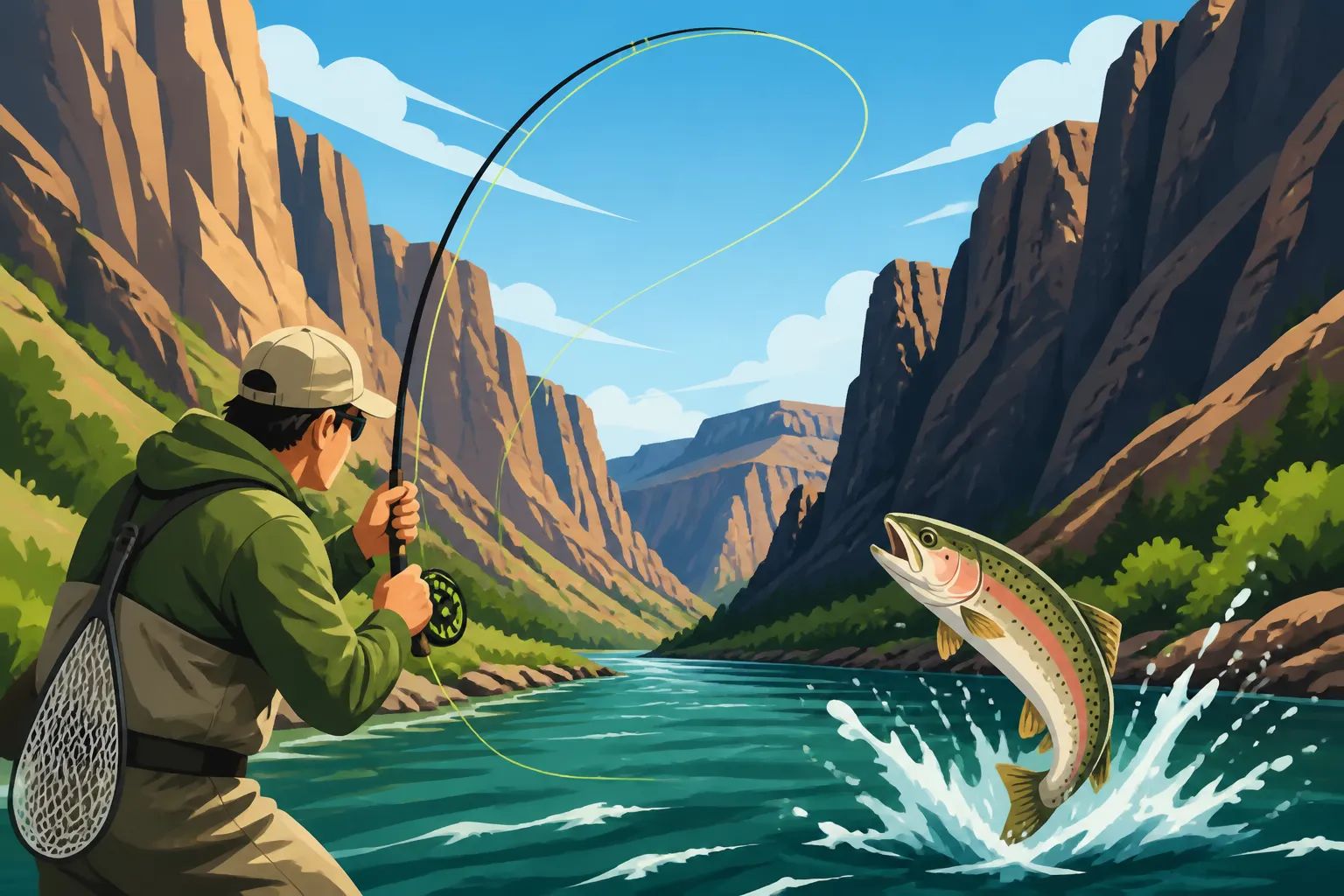
This is the crown jewel, the legendary section that makes the Gunnison River truly iconic. Below Crystal Dam, the river plunges into the dramatic depths of the Black Canyon of the Gunnison National Park and the Gunnison Gorge National Conservation Area. This is designated Gold Medal Water, indicating its exceptional quality as a trout fishery, and it lives up to the reputation. The fishing here is world-class, offering prolific hatches and dense populations of large, wild brown and rainbow trout. However, it's also incredibly remote and challenging to access.
Reaching the river in the Black Canyon typically involves strenuous, steep hikes down unmarked "routes" (not trails) with significant elevation changes. These descents are not for the faint of heart and require excellent physical conditioning and preparedness. The Gunnison Gorge, while also remote, offers a float trip option, but requires a wilderness permit obtained via a lottery system. This limited access ensures a pristine, uncrowded fishing experience amidst breathtaking scenery. The rewards for those who brave the journey are abundant: aggressive fish in stunning surroundings, often with no other anglers in sight. For more on what this designation entails, see our article on Colorado Gold Medal Water Regulations Explained.
The Lower Gunnison Below the Gorge
After its dramatic journey through the Black Canyon and Gunnison Gorge, the river begins to widen and mellow out as it flows toward its confluence with the Colorado River near Grand Junction. This section, while less famous than the Gorge, still offers excellent fishing opportunities, often with easier access. It's less pressured than the Gold Medal sections and can be a fantastic option for anglers seeking good trout fishing without the arduous hike or permit requirements.
The lower Gunnison here presents a mix of wider, slower pools and faster riffles, often flowing through agricultural lands and offering varied habitat for trout. Public access points can be found, particularly on BLM (Bureau of Land Management) lands and state wildlife areas. While trophy fish might be less common than in the Gold Medal stretches, you can still expect to find healthy populations of brown and rainbow trout, along with mountain whitefish. This section is also more amenable to spin fishing and bait fishing in certain areas, depending on specific regulations, making it a versatile choice for different angling preferences.
Prime Fishing Seasons and Conditions on the Gunnison
Understanding the seasonal nuances of the Gunnison River is key to a successful trip. Colorado’s diverse climate and the river's varied character mean that what works in one season might not work in another. From the high flows of spring runoff to the quiet depths of winter, the Gunnison offers year-round opportunities for the prepared angler. Being aware of these cycles helps you plan your trip for the conditions and species you wish to target.
Spring Runoff and Early Summer Strategies
Spring on the Gunnison can be a tale of two rivers. Early spring, usually March and April, before the main snowmelt begins, can offer some incredible fishing. The water is often clear, and trout are actively feeding, preparing for the upcoming spawn or recovering from winter. This is a fantastic time for nymphing or even streamer fishing in the freestone sections. However, once the high-country snow starts melting in earnest, typically late May through June, the river can swell significantly, becoming high, fast, and often murky. This period, known as "runoff," makes fishing challenging on many freestone sections.
During runoff, your best bet is often to focus on tailwaters—river sections directly below a dam, like the one below Crystal Dam leading into the Black Canyon. These waters are less affected by runoff, remaining clearer and more stable, often providing excellent nymphing opportunities. Alternatively, large stillwaters like Blue Mesa Reservoir are less impacted by river flows and can offer great fishing during this time. Remember that safety is paramount during high flows; wading can be dangerous, and conditions can change rapidly. For more on this challenging period, refer to our article on When Colorado's Spring Runoff Hits and How to Fish Around It.
Mid-Summer Dry Fly Action
By July and August, spring runoff has usually subsided, and the Gunnison River enters its prime dry fly season in many sections. Water levels drop, clarity improves, and insect hatches become prolific. This is when anglers can experience the thrill of trout rising to dry flies, particularly on the freestone sections of the upper Gunnison and in the Gold Medal waters of the Gorge (where access permits become crucial). Caddis, Pale Morning Duns (PMDs), and various terrestrial insects like grasshoppers and ants are often on the menu.
While dry fly fishing is exhilarating, mid-summer also brings warmer water temperatures, especially in the shallower, slower sections. It's important to monitor water temps; if they get too high (above 68°F), it can be stressful for trout, making catch-and-release fishing potentially harmful. During these warmer periods, it's often better to fish early mornings or late evenings, or seek out higher elevation tributaries and the cooler, deeper waters of the tailwaters or Blue Mesa. The intense sun and potential for afternoon thunderstorms also necessitate careful planning and preparedness, especially in the canyon.
Fall Spawning Runs and Trophy Hunting
Autumn on the Gunnison is truly magical and often considered the pinnacle of the fishing year, especially for trophy brown trout. As water temperatures cool and days shorten, brown trout begin their spawning migrations, becoming highly aggressive and territorial. This is prime time for streamer fishing, as large browns will readily chase big, flashy patterns. The vibrant fall foliage against the canyon walls creates a stunning backdrop for fishing.
In Blue Mesa Reservoir, fall marks the spectacular kokanee salmon spawning run. Thousands of these landlocked sockeye salmon turn brilliant red and migrate up tributaries to spawn. While the river sections are often closed to fishing during this time to protect the spawning fish, the reservoir itself can offer excellent snagging (where legal and permitted) or targeting lake trout that are preying on the kokanee. This season requires careful attention to specific regulations, as they often change to manage the spawning populations. The opportunity to catch a truly large, colorful brown trout makes fall a highly anticipated time for many anglers.
Winter Fishing on the Tailwaters
When winter arrives, many high-country rivers and lakes freeze over, but the Gunnison tailwaters (below Crystal Dam) often remain open and fishable, providing consistent cold-weather angling. These controlled flows maintain more stable water temperatures, keeping trout active, albeit often sluggishly. Nymphing with small patterns like midges and tiny mayflies is the most productive method, as trout tend to hold in deeper, slower pools and runs, conserving energy.
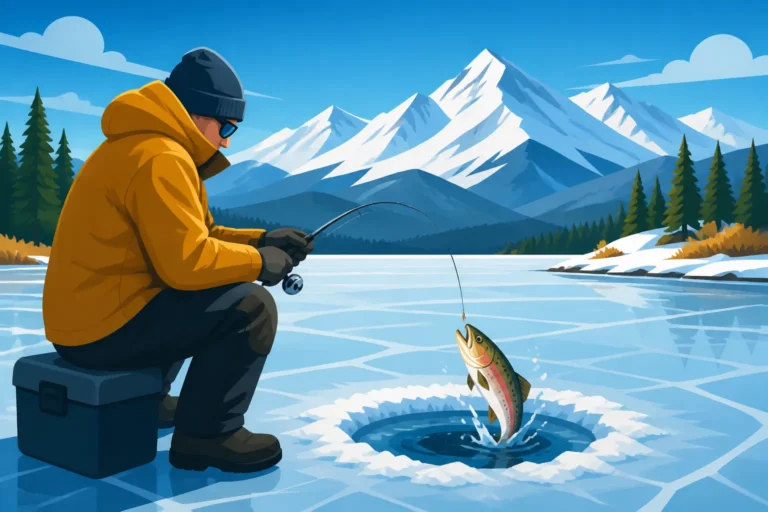
Ice fishing also becomes a major draw on Blue Mesa Reservoir during the winter months. Once the ice is safely thick, anglers flock to the reservoir to target lake trout, kokanee, and sometimes even yellow perch through the ice. This requires specialized gear, including ice augers, portable shelters, and specific jigs and spoons. While the bite can be slow, the potential for big lake trout makes it a rewarding pursuit for hardy anglers. Check out our guide on Colorado's Best Ice Fishing Reservoirs for more on winter opportunities.
Essential Gear and Techniques for Gunnison Success
The Gunnison River's diverse environments demand a varied approach to gear and techniques. What works for a high-country freestone stream won't necessarily be effective on a vast reservoir or in the tight confines of the Black Canyon. Being prepared with the right equipment and understanding the most productive methods for each section is paramount to maximizing your success and enjoyment on this incredible waterway.
Fly Fishing Essentials for River Sections
For the main river sections of the Gunnison, especially the Gold Medal waters of the Gorge and the upper freestone areas, fly fishing is the dominant and often most effective method. A versatile setup usually includes a 9-foot, 5-weight or 6-weight fly rod. This provides enough backbone for fighting larger trout and handling various fly sizes, from small nymphs to larger streamers. A floating line is standard, paired with a tapered leader (9-12 feet) and fluorocarbon tippet, typically ranging from 4X to 6X depending on water clarity and fish selectivity.
Your fly box should be well-stocked with a diverse array of patterns. For nymphing, essential patterns include various sizes of Pheasant Tails, Hare's Ears, Copper Johns, Prince Nymphs, and Midge patterns (especially in winter or on tailwaters). Streamers like Woolly Buggers, Sculpzillas, and articulated patterns in olive, black, and natural colors are deadly for aggressive brown trout, particularly in the fall. For dry fly fishing, be ready with Caddis imitations (Elk Hair Caddis, X-Caddis), mayfly patterns (Parachute Adams, BWO, PMD), and terrestrial patterns (Hopper, Ant, Beetle) for summer. Don't forget strike indicators, split shot, and forceps for safe hook removal.
Spin Fishing and Trolling for Reservoir Species
When you transition to Blue Mesa Reservoir, the gear requirements shift dramatically, especially if you're targeting kokanee salmon or lake trout. For spin fishing from shore or a boat, a medium-light to medium action spinning rod (6-7 feet) paired with a reel spooled with 6-10 lb test monofilament or fluorocarbon line is a good all-around choice. Lures like Kastmasters, Pixies, tube jigs, and small spoons are effective for trout and kokanee, while larger tube jigs, swimbaits, and even cut bait (where legal) are excellent for big lake trout.
Trolling is a highly effective technique for covering vast expanses of Blue Mesa and reaching fish holding in deeper water. This often involves specialized gear like downriggers to get lures and dodgers (or flashers) down to the specific depth where fish are feeding. Popular trolling lures for kokanee include Wedding Rings, Sling Blades, and various small spoons, often tipped with corn. For lake trout, larger spoons, stickbaits, and even live bait (check regulations carefully) trolled at various depths are productive. Consider hiring a guide or charter service, especially for Blue Mesa, as they often have the specialized equipment and local knowledge to put you on fish. FishingBooker can connect you with experienced charters who know the nuances of Trolling Techniques for Colorado Reservoirs.
Specialized Gear for the Black Canyon
Fishing the Black Canyon and Gunnison Gorge is an expedition, and your gear list needs to reflect that. Beyond your standard fly fishing setup (a sturdy 9-foot, 5- or 6-weight rod is recommended, perhaps a more robust reel), you'll need significant backpacking and safety equipment. This includes a durable backpack capable of carrying all your food, water, and gear for several days, as overnight stays are common. Sturdy hiking boots with good ankle support are essential for the steep, rugged descents and wading.
Safety gear is paramount: a first-aid kit, water filter or purification tablets, navigation tools (map, compass, GPS, or a reliable app), headlamp, extra layers of clothing for changing weather, and emergency signaling devices. If floating the Gorge, specialized rafts or inflatable kayaks designed for whitewater, along with personal flotation devices (PFDs) and throw bags, are mandatory. Wading staffs are incredibly helpful for navigating the often-slippery, uneven riverbed. Remember, cell service is non-existent in much of the canyon, so being self-sufficient and planning for contingencies is vital.
Finding Access and Planning Your Trip
Embarking on a fishing trip to the Gunnison River requires more than just knowing where the fish are; it demands careful planning for access, permits, and logistics. This river system, particularly its more remote sections, isn't always a simple drive-up-and-fish scenario. Understanding how to get to your desired fishing spots and what paperwork might be involved will ensure your adventure is smooth and legal.
Public Access Points and Trailheads
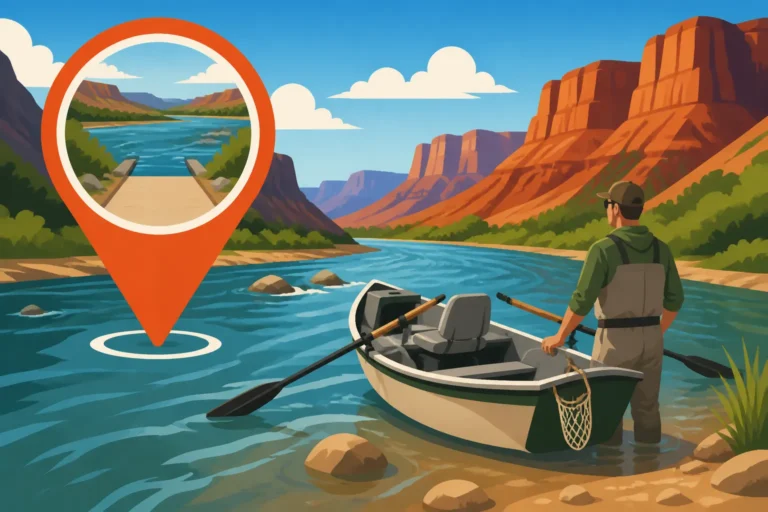
For the Upper Gunnison River, access is relatively straightforward. There are numerous public access points, often marked by Colorado Parks and Wildlife (CPW) signs or located within designated State Wildlife Areas (SWAs) between Almont and the headwaters of Blue Mesa Reservoir. Popular spots include the pull-offs along Highway 135 and areas near the towns of Gunnison and Almont. These areas typically allow for easy walk-wading and offer diverse water types.
For Blue Mesa Reservoir, multiple boat ramps are available, including Elk Creek, Lake Fork, and Stevens Creek, facilitating boat access for trolling and deeper water fishing. There are also numerous shore fishing opportunities around the reservoir, especially in the larger coves and near inflows. Many of these points are within Curecanti National Recreation Area. However, for the Gunnison Gorge and Black Canyon, access becomes significantly more challenging. Entrances to the Black Canyon are typically found on the North and South Rims (Black Canyon of the Gunnison National Park), with steep, primitive routes descending to the river. The Gunnison Gorge is accessed via specific trailheads like the Ute Trail or the Chukar Trail, which involve very strenuous hikes. Always check park and BLM maps for specific, up-to-date access information.
Permits and Reservations for the Gorge
This is arguably the most critical planning step for anyone wanting to float or hike into the Gunnison Gorge National Conservation Area. To preserve its wilderness character and manage visitor impact, the Bureau of Land Management (BLM) operates a mandatory permit system for floating or hiking overnight in the Gorge. During the peak season (typically mid-March through mid-October), these permits are allocated through a competitive lottery system. Anglers must apply well in advance, often months before their desired trip dates.
The lottery is usually conducted online, and successful applicants receive a limited number of permits for specific entry dates. It's crucial to understand the application windows and requirements. For day-use hiking, permits might be available on a walk-in basis or require self-registration at trailheads, but it's always best to confirm with the BLM office in Gunnison or Montrose. Failing to secure the necessary permits can lead to fines and immediate removal from the wilderness area, not to mention a wasted trip. Therefore, planning ahead and understanding the permit system is absolutely essential for a successful Gunnison Gorge adventure.
Hiring a Guide or Outfitter
For many, particularly those new to the Gunnison River or those seeking to maximize their chances of success, hiring a local fishing guide or outfitter is an invaluable investment. A professional guide brings extensive local knowledge of the river's flows, prime fishing spots, insect hatches, and the specific techniques that are working at any given time. This expertise can drastically shorten the learning curve and greatly enhance your overall experience, especially in complex or remote areas.
Gunnison-based outfitters often specialize in different sections of the river, offering guided walk-wade trips on the upper river, float trips through the Gorge (they handle the permits), or even charter services on Blue Mesa Reservoir. They typically provide all the necessary fishing gear, including flies, and can teach you the nuances of fishing this unique system. Guides also ensure safety, especially in challenging terrain or during varying river conditions. You can find reputable guides through local fly shops in Gunnison or Montrose, or by using online platforms like FishingBooker, which lists many experienced Colorado guides. For more on what to expect, read our guide on Hiring a Fishing Guide in Colorado, What to Expect. And for a specialized experience, explore options for Guided Fly Fishing on Colorado's Gunnison River.
Safety and Conservation on the Gunnison River
Fishing the Gunnison River, especially in the rugged Black Canyon and Gorge, is an adventure that comes with inherent risks. Beyond personal safety, it’s crucial to understand and practice responsible conservation ethics to protect this precious resource for future generations. The health of the Gunnison fishery relies on every angler doing their part to minimize impact and respect the wild environment.
Navigating Challenging Terrain and Weather
The terrain around the Gunnison River, particularly within the canyon and gorge, is incredibly steep, rocky, and unforgiving. Hikes down to the river can be grueling, with loose scree and significant elevation drops, making sprains, falls, and heat exhaustion real dangers. Always wear sturdy hiking boots, bring plenty of water, and carry a first-aid kit. Inform someone of your itinerary and expected return time, as cell service is non-existent in the canyon.
Colorado weather in the mountains can change dramatically and rapidly. Sunny mornings can quickly turn into violent afternoon thunderstorms with lightning, hail, and heavy rain, which can lead to flash floods in narrow canyons. Hypothermia is a risk even in summer if you get wet and the temperature drops. Always pack extra layers, rain gear, and a reliable headlamp. Being aware of current weather forecasts and having an exit strategy are not just suggestions; they are critical for your safety. Always prioritize personal safety over catching fish, especially when conditions turn unfavorable.
Practicing Responsible Catch-and-Release
The Gunnison River's Gold Medal status is largely due to its healthy populations of wild trout, which are sustained through responsible angling practices, especially catch-and-release. Even in areas where keeping fish is permitted, minimizing stress and harm to fish you intend to release is vital. Always use barbless hooks, as they cause less damage and are easier to remove. If your hooks aren't barbless, simply crimp down the barb with pliers.
When handling fish, keep them in the water as much as possible. If you must remove a fish for a quick photo, wet your hands thoroughly beforehand to protect its protective slime coat. Support the fish horizontally, never by the jaw or gills alone. Remove the hook quickly and gently. If the fish is exhausted, hold it in a gentle current, facing upstream, until it recovers and swims away strongly on its own. Avoid fishing during periods of very high water temperatures, as this can severely reduce a fish's survival rate after release. These practices are not just for trophy fish; they apply to every fish you encounter, ensuring the long-term health of the fishery.
Protecting the Gunnison's Ecosystem
Beyond fish handling, protecting the entire Gunnison ecosystem is the responsibility of every visitor. Practice "Leave No Trace" principles diligently: pack out everything you pack in, including all trash, leftover food, and even organic waste like fruit peels. Avoid disturbing wildlife, staying at a respectful distance. When camping, use established campsites and practice proper human waste disposal techniques, packing out toilet paper.
Preventing the spread of aquatic invasive species (AIS) is another critical aspect of conservation. Before and after every fishing trip, "Clean, Drain, Dry" your boats, waders, boots, and gear. Thoroughly inspect and remove all mud, plants, or debris, drain all water from your vessel, and allow everything to dry completely before visiting another waterway. This helps prevent the transfer of harmful organisms like zebra mussels or whirling disease. By adhering to all regulations and adopting a strong conservation ethic, you contribute directly to the health and vitality of the Gunnison River for all to enjoy.
Embarking on Your Gunnison River Adventure
The Gunnison River, with its breathtaking scenery and legendary fishing, offers an unparalleled experience for any angler willing to embrace its challenges. From the accessible freestone stretches near Almont to the vast, fish-filled expanse of Blue Mesa Reservoir, and finally, the wild, dramatic depths of the Black Canyon and Gunnison Gorge, this river system truly has it all. It demands respect, preparation, and a commitment to conservation, but the rewards are immense.
Whether you're casting dry flies to rising trout, battling a monster lake trout from a charter boat, or nymphing in the solitude of a designated Gold Medal Water, the Gunnison will leave an indelible mark on your angling soul. It's a place where memories are made, skills are honed, and the wild beauty of Colorado truly shines. So, gather your gear, study the maps and regulations, and get ready to embark on an unforgettable journey into the heart of one of America's most magnificent fisheries.
Disclaimer
The information provided in this guide is for general informational purposes only and is subject to change. Fishing regulations, access points, and conditions on the Gunnison River can vary based on seasonal changes, wildlife management decisions by Colorado Parks and Wildlife (CPW), and local land management agencies. Always consult the most current official Colorado fishing regulations, relevant park service information, and local weather conditions before planning or embarking on any fishing trip to ensure a safe and compliant experience.