Why Trappers Lake Is Called the Cradle of Cutthroat Trout
There's a special kind of magic that comes with finding truly wild, native fish, a sense of connecting with history and nature in its purest form. But in today's world, where so many waters have seen the introduction of non-native species, finding those untouched havens can feel like searching for a needle in a haystack. This guide dives deep into one such iconic Colorado location, Trappers Lake, often revered as the "Cradle of Cutthroat Trout," exploring why this designation is so well-deserved and what it means for anglers and conservationists alike.
The Unique Legacy of Trappers Lake's Native Cutthroat
For many anglers, the phrase "native trout" conjures images of pristine, high-alpine waters where these beautiful fish have thrived for centuries, untouched by human intervention or introduced species. Trappers Lake stands as one of Colorado's most cherished examples, a true stronghold for the Colorado River Cutthroat Trout. Its story is one of isolation, resilience, and dedicated conservation, making it a living laboratory and a spiritual home for this iconic Western fish.
A Natural Fortress Against Non-Native Fish
What makes Trappers Lake so incredibly special is its geographical isolation. Nestled high in the Flat Tops Wilderness Area, at an elevation of over 9,000 feet, this natural lake existed for millennia as a self-sustaining ecosystem. Unlike many other high-country lakes and rivers across Colorado, Trappers Lake was never historically stocked with non-native species like rainbow trout, brown trout, or brook trout. This wasn't by conscious design early on, but rather a stroke of luck and challenging access that kept it relatively isolated from stocking efforts that occurred extensively elsewhere.
The natural barriers, including steep canyon walls and difficult terrain, meant that the Colorado River Cutthroat Trout found in Trappers Lake remained genetically pure. This is a critical distinction, as interbreeding with rainbow trout has led to hybrid "cutbows" in many other systems, diluting the genetic integrity of native cutthroat populations. At Trappers, you're not just catching a cutthroat; you're casting to a fish that represents an unbroken lineage, a direct descendant of the trout that swam these waters before European settlement. This purity makes it an invaluable genetic resource, often referred to as a "refugia" for the species.
The Significance of the Colorado River Cutthroat Trout
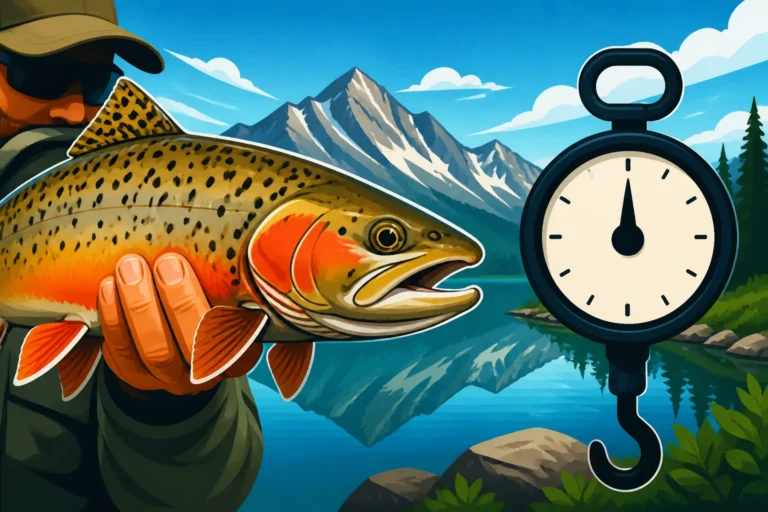
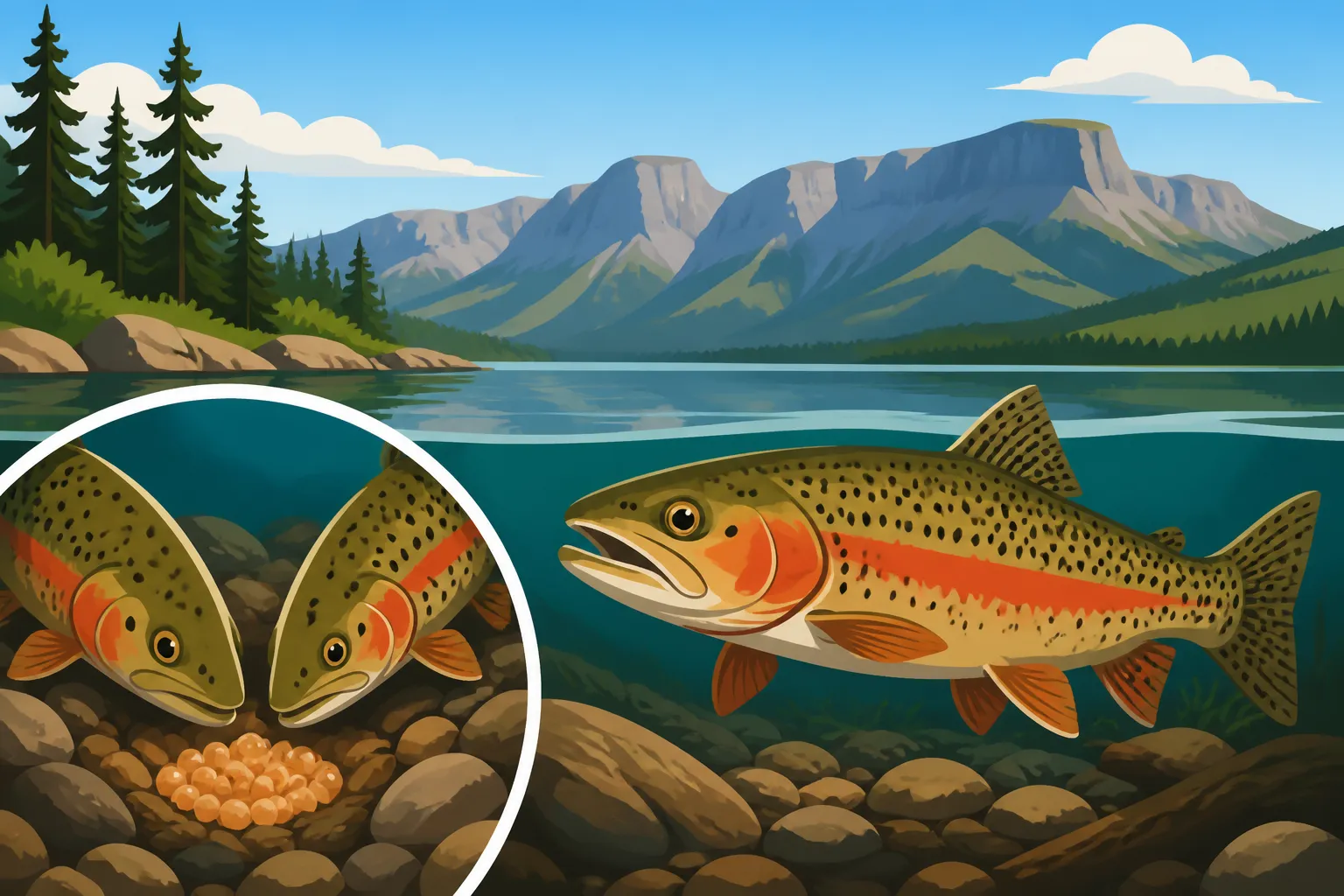
The Colorado River Cutthroat Trout (Oncorhynchus clarkii pleuriticus) is one of Colorado's four native cutthroat subspecies, distinguishable by its vibrant colors, typically a greenish-bronze back fading to yellowish sides, and the signature orange-red "slash" marks under its jaw. In Trappers Lake, these fish display remarkable adaptability, thriving in the cold, clear, nutrient-poor waters of the high country. They're opportunistic feeders, keying into terrestrial insects that fall into the water, various aquatic insect hatches, and even smaller baitfish when available.
Their historical range once spanned the entire Colorado River basin, but habitat degradation, overfishing, and the introduction of competing and hybridizing non-native trout led to a drastic decline. Today, the Colorado River Cutthroat Trout is a species of concern, making the genetic purity of the Trappers Lake population even more vital. This lake serves as a primary source for reintroduction efforts in other suitable drainages across Colorado and neighboring states, effectively acting as a living gene bank. Protecting this population is not just about preserving a fishing opportunity; it's about safeguarding the biodiversity of the entire Western ecosystem. You can learn more about Colorado River Cutthroat Trout, Where to Find Them and other subspecies throughout the state.
Protecting a National Treasure: Conservation Efforts at Trappers Lake
Maintaining the ecological integrity of Trappers Lake is an ongoing, arduous task. Despite its natural defenses, the "Cradle of Cutthroat Trout" faces constant threats from both natural and human-induced pressures. Colorado Parks and Wildlife (CPW) and its partners have implemented stringent measures and dedicated significant resources to ensure the continued purity and health of this unique fishery.
Battling Invasive Species and Disease
One of the most persistent and insidious threats to native trout populations worldwide is the introduction of non-native species and diseases. For Trappers Lake, the primary concern has always been preventing the accidental introduction of rainbow trout or even brown trout, which would quickly hybridize or outcompete the native cutthroat, undoing centuries of natural selection. In 2017, a major scare hit when officials discovered a single rainbow trout in the lake, prompting immediate and aggressive monitoring and mitigation efforts to prevent a larger infestation. This incident highlighted just how fragile the purity of the lake truly is.
Beyond genetic contamination, diseases like whirling disease pose a significant risk. Whirling disease, caused by a parasite, can deform and kill young trout, devastating populations. While Trappers Lake has largely remained free of whirling disease, constant vigilance, strict regulations on the use of boats and equipment, and angler education are paramount to keep it that way. Every angler who visits this special place plays a role in protecting it by ensuring their gear is clean, drained, and dry before entering the water, following the "Clean, Drain, Dry" initiative to prevent the spread of aquatic nuisance species.
Strict Regulations to Preserve the Gene Pool
Given its invaluable status, Trappers Lake is subject to some of the strictest fishing regulations in Colorado, all designed to protect its native fish. These regulations are not arbitrary; they are the result of scientific study and a deep commitment to conservation. The lake operates under special restrictions that include:
- Catch-and-Release Only: All trout caught in Trappers Lake must be immediately returned to the water unharmed. This ensures that the breeding population remains robust and that these precious native fish are not removed from the ecosystem. Understanding What Catch-and-Release Only Means on Colorado Water is crucial before your trip.
- Artificial Flies and Lures Only: The use of bait is strictly prohibited. Bait can not only introduce foreign organisms but also leads to higher mortality rates for caught fish, even when released.
- Single, Barbless Hooks: This rule further minimizes injury to fish, making for an easier, safer release. Many Colorado Rivers require Barbless Hook Rules on specific stretches.
- No Live Fish as Bait: This regulation is absolutely critical to prevent the accidental introduction of non-native fish species.
These rules, rigorously enforced by Colorado Parks and Wildlife, create a genetic sanctuary. They ensure that every fish in Trappers Lake is a Colorado River Cutthroat Trout, and that these fish can continue to reproduce naturally, maintaining their genetic heritage for future generations. Anglers often find detailed information about these rules in the Colorado Fishing Regulations Every Angler Should Know, specifically looking for exceptions for Gold Medal Waters or designated native trout waters.
| Regulation Feature | Purpose for Trappers Lake's Native Cutthroat | Angler Impact & Best Practice |
|---|---|---|
| Catch-and-Release | Preserves breeding population, no harvest. | Handle fish gently, minimize out-of-water time. |
| Artificial Lures Only | Prevents disease/species introduction, less harm. | Use flies/lures, check local regulations. |
| Single, Barbless Hooks | Reduces fish injury, promotes survival. | Pinch down barbs on all hooks. |
| No Live Bait | Prevents introduction of invasive species. | Strictly avoid live or dead baitfish. |
| Clean, Drain, Dry Gear | Stops aquatic nuisance species/disease spread. | Inspect and clean all gear thoroughly before and after. |
Experiencing the "Cradle" Today: Fishing Trappers Lake
Visiting and fishing Trappers Lake is more than just a trip; it's an pilgrimage into a truly wild and historically significant landscape. It requires preparation, respect for the environment, and a commitment to preserving its unique heritage. This isn't a place for casual, spontaneous fishing; it's an experience that demands reverence.
Accessing the Remote Wilderness
Trappers Lake is located deep within the Flat Tops Wilderness Area, making access an adventure in itself. There are no paved roads directly to the lake's shore, and motorized vehicles are restricted in much of the surrounding wilderness. To truly access the lake, you'll likely need to either hike in or use a designated outfitter for horseback riding if you're not up for the trek.
Typically, the journey involves driving to a trailhead, such as the one at Trappers Lake Campground or other points along the Flat Tops Scenic Byway (County Road 8). From there, it's a scenic, but often lengthy, hike. Depending on your chosen path, you might be looking at several miles of trail, possibly with elevation changes. Always check current trail conditions, weather forecasts, and fire restrictions before heading out. Given the remoteness, proper wilderness etiquette is crucial. Remember to pack out everything you pack in, and leave no trace. For detailed information on reaching this iconic spot, consider resources like Hiking Into Trappers Lake in the Flat Tops Wilderness.
While Trappers Lake is a wilderness area, the surrounding region offers many incredible fishing opportunities. If you're looking to explore other areas of the Flat Tops or even connect with guides for different waters, platforms like FishingBooker can sometimes help you discover outfitters in nearby towns like Meeker or Yampa who specialize in high-country fishing, though direct guided trips on Trappers Lake itself are rare due to its wilderness designation.
Techniques and Ethics for Fishing Native Cutthroat
Fishing for Colorado River Cutthroat Trout in Trappers Lake is primarily a fly-fishing endeavor, given the "artificial flies and lures only" regulation. These native fish are known for their eagerness to rise to a well-presented dry fly, especially during the prolific hatches of summer.
- Dry Fly Fishing: When conditions are right, dry fly fishing can be incredibly rewarding. Look for hatches of caddis, mayflies, and even stoneflies. Terrestrial patterns like grasshoppers, ants, and beetles can also be highly effective, especially later in the summer when terrestrials are abundant. Presentation is often more important than the exact pattern; a delicate cast that avoids spooking the fish is key.
- Nymphing: If fish aren't rising, nymphing can be a productive technique, especially near drop-offs or deeper sections of the lake. Small nymphs resembling midges, caddis larvae, or mayfly nymphs can entice strikes. A light strike indicator can help detect subtle takes.
- Streamers: While less common, smaller streamer patterns mimicking baitfish can also work, particularly for larger cutthroat that might be more predatory.
Beyond technique, ethics are paramount. When you catch one of these magnificent fish, handle it with the utmost care. Keep it in the water as much as possible, use wet hands to minimize damage to its protective slime coat, and remove the barbless hook quickly. Avoid touching its gills or eyes, and revive it gently before release. Your goal is to ensure that every fish you catch swims away strong to continue its vital role in this unique ecosystem. This ethical approach is critical for the long-term health of these special populations, especially with Catch-and-Release Rules on Colorado's Cutthroat Waters.
More Than Just Fishing: The Broader Ecosystem of the Flat Tops
While the allure of the native Colorado River Cutthroat Trout is undeniable, Trappers Lake and the surrounding Flat Tops Wilderness offer a rich, immersive wilderness experience that extends far beyond the fishing itself. It's a place where you can truly disconnect and appreciate nature in its most raw and beautiful form.
The Broader Wilderness Experience
The Flat Tops Wilderness, encompassing over 235,000 acres, is Colorado's second-largest wilderness area, characterized by its vast, flat-topped mesas, deep canyons, and numerous alpine lakes and streams. Trappers Lake is a jewel in this crown, surrounded by towering pine and spruce forests, open meadows bursting with wildflowers in summer, and dramatic cliffs.
Visitors often encounter a wide array of wildlife, including elk, deer, moose, black bears, and various bird species. The soundscape is dominated by wind rustling through trees, the calls of birds, and the occasional splash of a rising trout. Backpacking, hiking, and wildlife viewing are popular activities, offering opportunities to explore the breathtaking scenery and appreciate the biodiversity that this protected area harbors. Imagine waking up to a crisp mountain morning, brewing coffee over a campfire, and then stepping out to a panoramic view of an undisturbed lake – that's the Trappers Lake experience.
The Future of Colorado River Cutthroat Trout
Trappers Lake isn't just a historical relic; it's a vital part of the ongoing effort to recover and restore Colorado's native cutthroat trout populations across the state. The pure genetic stock found here is essential for reintroduction programs in other waters where non-native species have been removed or where suitable habitat exists. By understanding and protecting the genetics of the Trappers Lake population, scientists and conservationists can ensure that future generations of Colorado River Cutthroat Trout are as resilient and genetically diverse as possible.
Every angler who respects the regulations and practices responsible fishing at Trappers Lake contributes directly to these broader conservation goals. It’s a testament to the fact that responsible human interaction can coexist with wilderness preservation, and that places like the "Cradle of Cutthroat Trout" can continue to thrive as vibrant ecosystems and sources of wonder for all who visit. The journey to Trappers Lake is a journey into Colorado's wild heart, offering a profound connection to its natural heritage and a glimpse into what genuine conservation truly looks like.
Disclaimer
Please remember that fishing regulations and wilderness access can change. Always consult the official Colorado Parks and Wildlife (CPW) website or the most current Colorado Fishing Regulations brochure before planning any trip to Trappers Lake or any other Colorado fishing destination. Adhering to all rules and respecting the wilderness is essential for your safety and the preservation of this incredible resource.