Hiking Into Trappers Lake in the Flat Tops Wilderness
Thinking about a trip to Trappers Lake in the Flat Tops Wilderness can feel a bit daunting, can't it? It’s not your average drive-up fishing spot, and the idea of "wilderness" conjures images of endless trekking and tricky navigation. But don't let that deter you! This guide will walk you through everything you need to know about hiking into this incredible, pristine destination, ensuring you're well-prepared for an unforgettable Colorado fishing and backpacking adventure.
Understanding the Flat Tops Wilderness Experience
The Flat Tops Wilderness Area, located in northwestern Colorado, is truly a gem, offering some of the most spectacular and remote outdoor experiences in the state. Unlike many popular, easily accessible areas, reaching Trappers Lake means embracing a journey into a genuine wilderness, where the hand of man is minimal and nature reigns supreme. This unique aspect is precisely what makes it so special, providing unparalleled solitude and the chance to connect deeply with the land.
What Makes Trappers Lake Special
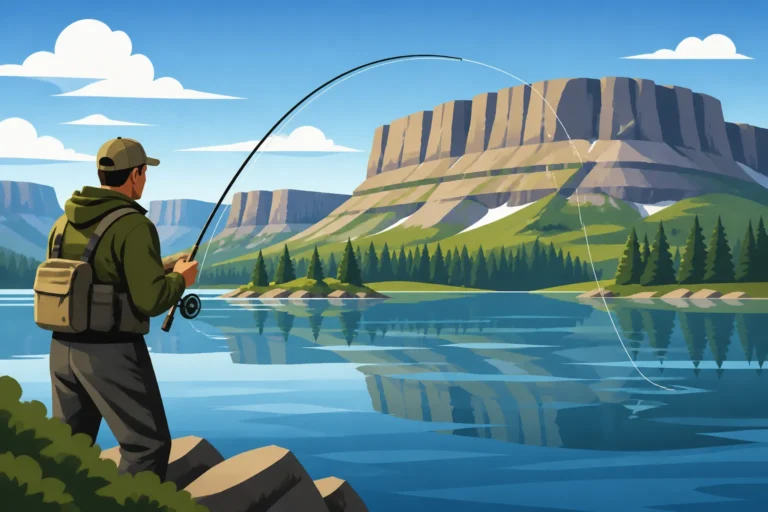
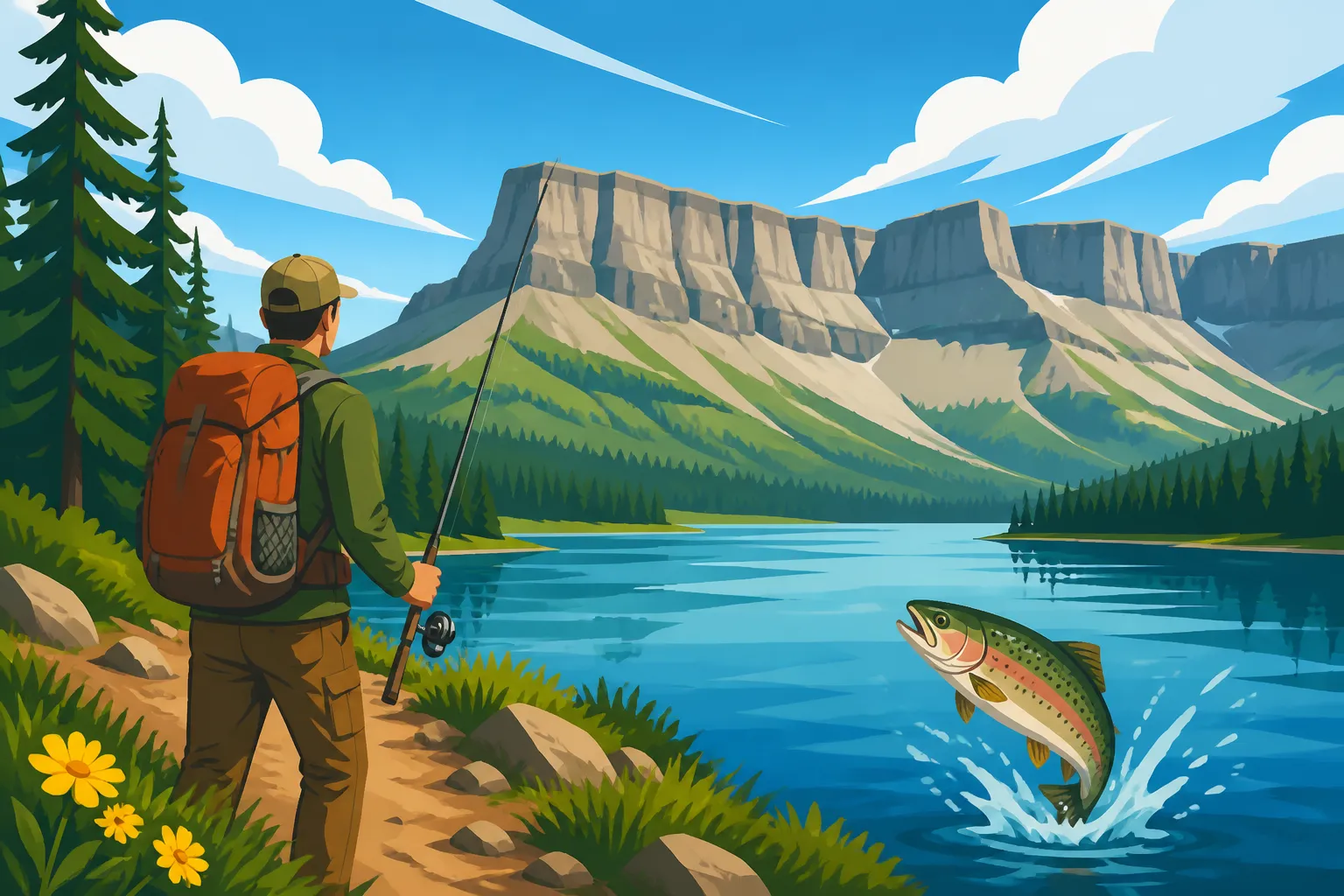
Trappers Lake holds a very special place in Colorado’s natural history. Often referred to as the "Cradle of Colorado River Cutthroat Trout," it’s one of the few places where these native fish populations have truly thrived in their pure form. The lake itself is stunning, nestled in an ancient volcanic plateau, surrounded by dense forests and dramatic cliffs. Its sheer size and depth contribute to its mystique, and the crystal-clear waters reflect the enormous flat-topped mountains that give the wilderness its name. This isn't just a fishing trip; it's an immersive wilderness experience that offers breathtaking scenery, challenging hikes, and a profound sense of peace far from the crowds.
Navigating Wilderness Regulations and Ethics
When venturing into a designated wilderness area like the Flat Tops, there's a different set of rules and a heightened sense of responsibility. Motorized vehicles, bicycles, and even wheeled carts are strictly prohibited past the wilderness boundary. The guiding principle here is "Leave No Trace." This means packing out everything you pack in, including all trash and food scraps, burying human waste properly, and minimizing your impact on the delicate ecosystem. Understanding and adhering to these principles is crucial, not just for the preservation of the wilderness but for maintaining the quality of experience for everyone who visits. Before heading out, it's always a good idea to refresh yourself on general Colorado fishing regulations every angler should know and any specific rules for this area from Colorado Parks and Wildlife (CPW). You can often find additional insights into specific local regulations through resources like FishingBooker, which sometimes aggregate local rule updates.
Getting to the Trappers Lake Trailheads
Before you even lace up your hiking boots for the final trek, you need to get to the trailhead. Trappers Lake is accessible via several routes, but they all involve driving on a mix of paved and unpaved roads, often through fairly remote territory. Planning your approach is key, as cell service becomes nonexistent long before you reach your destination.
The Main Access Routes
The most common way to access Trappers Lake is via Meeker, Colorado. From Meeker, you'll take State Highway 13 south for a short distance before turning east onto County Road 8, also known as the Flat Tops Scenic Byway. This road, while incredibly scenic, quickly transitions from pavement to well-maintained gravel. It winds its way deep into the White River National Forest, offering stunning vistas of the Flat Tops. Another approach is from Yampa, taking County Road 17 south and west, which eventually connects to the same network of roads. Be prepared for slow travel, especially if you're pulling a trailer, and keep an eye out for wildlife, as deer, elk, and even moose are common along these routes. It's wise to fill up your gas tank in Meeker or Yampa, as there are no services once you enter the forest.
| Approach Town | Road Name | Surface Type | Notes |
|---|---|---|---|
| Meeker | County Road 8 | Paved then Gravel | Most common, part of Flat Tops Scenic Byway |
| Yampa | County Road 17 | Paved then Gravel | Alternative route, connects to CR 8 |
| Dotsero | Coffee Pot Road | Primarily Gravel | Longer, less maintained, often requires 4WD |
Parking and Trailhead Information
Once you arrive in the vicinity of Trappers Lake, you'll find designated parking areas at various trailheads around the wilderness boundary. The most popular access points are typically located near the former Trappers Lake Lodge area, which was destroyed in the 2002 Big Fish Fire but still marks the main point of entry for many hikers. There are often signs clearly marking the wilderness boundary and various trailheads leading into the lake basin or to connecting trails. Ensure your vehicle is parked legally and consider consolidating gear if you're with a group to reduce the number of vehicles. Remember, theft can occur even in remote areas, so don't leave valuables visible.
The Trek to Trappers Lake
This is where the real adventure begins! Hiking into Trappers Lake itself is an experience that truly defines a wilderness trip. You'll be traversing varied terrain, crossing streams, and gaining elevation, all while soaking in the untouched beauty of the Flat Tops.
Choosing Your Path: Trails and Distances
There are several trails that lead into the Trappers Lake basin, each offering a slightly different experience. The most direct routes often parallel Trappers Lake Inlet or Trappers Lake Outlet, providing relatively straightforward access to the lake's shores. Depending on your starting point, hikes can range from 1 to 5 miles to reach the main body of the lake, with additional mileage if you plan to circumnavigate it or explore specific coves. Some trails, like the Trappers Lake Trail (Trail #1819) or the Wall Lake Trail (#1822), offer opportunities for longer loops or connecting to other high-country lakes. Always consult a detailed topographical map, such as those available from the USGS or National Geographic Trails Illustrated series, before you go. This will help you understand elevation changes, water sources, and potential hazards.
Remember, even a few miles in wilderness terrain can feel much longer than a few miles on a paved path. Factor in the elevation, potential for mud or snow, and the weight of your pack when estimating your hiking time.
What to Expect on the Trail
The trails themselves vary from well-worn paths to narrower, less defined sections. You can expect typical Colorado mountain terrain: rocky stretches, dirt paths, occasional roots, and potentially muddy areas, especially in spring or after heavy rains. Stream crossings are common, ranging from easy rock-hops to potentially wading through shallower sections, depending on the season and recent precipitation. In early summer, wildflowers paint the meadows, while fall brings stunning golden aspens. Keep an eye out for wildlife such as elk, deer, marmots, and various bird species. While encounters are rare, be aware of larger animals like moose and even black bears. Carry bear spray and know how to use it, especially if you're camping overnight. The weather in the Flat Tops can change rapidly, with sunny mornings giving way to afternoon thunderstorms, even in summer. Always pack layers, including waterproof outer shells.
Overnight Stays and Wilderness Camping
For those looking to spend more than a day, dispersed camping is permitted throughout the Flat Tops Wilderness. However, it's critical to camp at least 200 feet from water sources, trails, and other campsites to preserve the wilderness experience and protect fragile ecosystems. Always use established fire rings if available, or build a small, contained fire on mineral soil if regulations permit (check for current fire bans before you go!). Due to the presence of bears, using a bear-resistant food canister or hanging your food properly (away from your tent) is not just recommended, it's essential. This also applies to any scented items like toiletries. If you're interested in multi-day adventures, research resources on FishingBooker for general backpacking tips, though specific Trappers Lake details will be found via CPW and US Forest Service.
The Unique Fishing Experience at Trappers Lake
Fishing Trappers Lake is a singular experience, primarily due to its status as a stronghold for native Colorado River Cutthroat Trout. It's a place where tradition meets conservation, and the angling is as much about reverence for the environment as it is about the catch.
Targeting Colorado River Cutthroat Trout
Trappers Lake is the place to experience the Colorado River Cutthroat Trout in its native glory. These fish are known for their vibrant colors, often with prominent red "slashes" under their jaw. They are wild, strong, and highly prized by anglers committed to native species conservation. Unlike many other waters that are regularly stocked, the trout in Trappers Lake are self-sustaining, a testament to the health of this unique ecosystem. Fishing here often requires a more delicate approach, as these wild fish can be quite wary. It’s a true challenge and an incredibly rewarding experience to catch one of these beautiful, historically significant trout. If you want to learn more about identifying these and other species, check out Colorado's trout species, a field guide.
Specific Regulations for Trappers Lake
Because of its unique conservation status, Trappers Lake has specific fishing regulations that differ from general statewide rules. It is strictly catch-and-release only for all trout, and only artificial flies and lures with a single barbless hook are permitted. This means no bait, no treble hooks, and every fish caught must be carefully released unharmed. These regulations are in place to protect the fragile native population and ensure the genetic purity of the Colorado River Cutthroat. It is absolutely crucial to check the most current Colorado fishing regulations brochure published by CPW before you plan your trip. Regulations can change, and ignorance is no excuse for violating rules that protect such an important fishery. Catch-and-release rules on Colorado's cutthroat waters are something every angler needs to understand.
Techniques for Success
For fly anglers, matching the hatch is always a good strategy, but often general attractor patterns like Elk Hair Caddis, Royal Wulffs, or Stimulators work well on the surface, especially during summer evenings. Nymphing with patterns like Hare's Ears, Pheasant Tails, or Prince Nymphs can be effective when fish are feeding sub-surface. For spin anglers, small spoons or inline spinners with single barbless hooks, fished slowly, can entice strikes. The key is often a stealthy approach and presentation, as these wild fish can be easily spooked. Consider using lighter line and longer leaders to avoid detection. Remember, you're not just fishing; you're participating in a legacy of conservation at one of Colorado's most cherished fishing spots.
Planning Your Wilderness Trip Logistics
A trip to Trappers Lake, especially with an overnight stay, requires careful planning and preparation. Being in a remote wilderness area means you are largely self-sufficient, and every item in your pack needs to be considered for its utility and weight.
Essential Backpacking and Fishing Gear
Your gear list for Trappers Lake will look different than a day trip to an urban pond. Start with the basics: a comfortable, well-fitting backpack, a lightweight tent or shelter, a sleeping bag appropriate for mountain temperatures (which can drop significantly even in summer), and a sleeping pad. For cooking, a compact stove and fuel are essential, as campfires might be restricted or impossible in wet conditions. Navigation is paramount: carry a physical map and compass, and know how to use them, even if you rely on a GPS device (with extra batteries!). Pack plenty of water, or a reliable water filter/purifier to treat water from streams or the lake. First aid supplies, a headlamp, sun protection, and a multi-tool are also non-negotiables.
For fishing, think lightweight and versatile. A 3- or 4-weight fly rod broken down into four pieces is ideal for backpacking. Bring a small selection of flies (dries, nymphs, and a few streamers) in a compact fly box. If spin fishing, a light-action rod and a small assortment of lures with barbless hooks are perfect. Don't forget your net—a rubberized, knotless net is best for handling fish gently for catch-and-release.
Staying Safe in the Wilderness
Safety in the wilderness goes beyond just packing the right gear. It involves preparedness and good decision-making. Always let someone know your itinerary, including your planned route and expected return date. Be aware of changing weather conditions and know how to identify signs of an approaching storm. If a thunderstorm rolls in, seek shelter away from tall trees and open areas. If you're hiking with others, stay together. If you get lost, stay calm and consult your map and compass, or use a GPS. If you come across wildlife, give them plenty of space and never feed them. Knowing how to purify water and administer basic first aid are invaluable skills. Consider looking up resources on FishingBooker for general safety tips related to outdoor adventures, which can be useful even for specific wilderness trips like this.
Licenses and Permits
You absolutely need a valid Colorado fishing license before you cast a line in Trappers Lake, just like any public water in Colorado. You can find detailed information about getting a Colorado fishing license guide for residents and nonresidents online. Additionally, you will likely need to purchase a Habitat Stamp, which supports wildlife conservation efforts across the state. While specific permits for hiking or camping in the Flat Tops Wilderness are not typically required for individuals or small groups, it's always wise to check the latest regulations with the US Forest Service or CPW, as rules can occasionally change, especially for large groups or specific events.
Why Trappers Lake Is Called the Cradle of Cutthroat Trout
The nickname "Cradle of Cutthroat Trout" for Trappers Lake isn't just a quaint saying; it reflects a deep scientific and historical significance that makes this body of water truly unique. Its geology, history, and ongoing conservation efforts have culminated in preserving a precious genetic lineage.
A Haven for Native Genetic Purity
In the late 19th and early 20th centuries, many native fish populations across the American West faced severe declines due to overfishing, habitat destruction, and the introduction of non-native species like rainbow trout, brown trout, and brook trout. These introduced species often outcompeted native cutthroat for food and habitat, or interbred with them, leading to hybridization and a loss of genetic purity.
Trappers Lake, however, was geographically isolated enough, nestled high in the remote Flat Tops plateau, to largely escape these early introductions. This natural barrier allowed the Colorado River Cutthroat Trout (Oncorhynchus clarkii pleuriticus) to persist in its pristine genetic form, untouched by the widespread changes that affected other waterways. This makes the lake a living laboratory and a vital sanctuary for the species, allowing biologists to study and reintroduce pure-strain cutthroat to other suitable waters across Colorado. It's truly a marvel of natural preservation.
Historical Context and Conservation Efforts
The realization of Trappers Lake's unique value began to solidify in the mid-20th century. Early wildlife managers recognized the importance of this genetically pure stock, and conservation efforts intensified over the decades. The designation of the Flat Tops as a wilderness area further protected the lake and its surrounding watershed from development and excessive human impact. Strict fishing regulations, including catch-and-release and artificial-lure-only rules, were implemented to ensure the long-term viability of the native population.
Today, CPW and the U.S. Forest Service continue to actively manage the Trappers Lake ecosystem. This includes monitoring fish populations, conducting habitat restoration projects in the surrounding streams, and educating the public about the importance of protecting this precious resource. Anglers who visit Trappers Lake aren't just fishing; they're participating in a living history, contributing to the ongoing success story of one of Colorado's most iconic native fish species. It's a place where every cast is a reminder of what pure wilderness and dedicated conservation can achieve.
Disclaimer
This article is for general informational purposes only and does not constitute professional advice. Laws, prices and regulations vary by location and change over time. Consult a qualified professional for guidance on your specific situation.