Floating the Colorado River Through Glenwood Canyon
Colorado offers some of the most breathtaking angling experiences in the nation, but the sheer vastness and variety of its waters can feel overwhelming, especially when you dream of tackling an iconic stretch like the Colorado River through Glenwood Canyon. Many anglers envision floating through those towering walls, casting to hungry trout, but the logistics—from choosing the right boat to knowing the best access points and techniques—can seem like a mountain range in itself. This guide is here to flatten that mountain for you, walking you through everything you need to know to plan and execute an unforgettable float fishing trip through the majestic Glenwood Canyon.
Understanding Glenwood Canyon's Unique Floating and Fishing Experience
Glenwood Canyon isn't just a picturesque drive; it's a dynamic, powerful, and incredibly rewarding stretch of river for those willing to embrace its challenges and beauty. This section of the Colorado River offers a float fishing experience unlike any other, blending rugged geology with abundant trout populations.
The Majesty and Challenges of the Canyon Environment
Floating through Glenwood Canyon is an immersion in dramatic natural beauty. The canyon walls rise hundreds, sometimes thousands, of feet directly from the river, often draped in lush vegetation in summer and dusted with snow in winter. This unique environment creates a microclimate, offering diverse conditions along its length. You'll encounter everything from fast, turbulent rapids to deep, slow pools and intricate riffle sections. The sheer scale can be awe-inspiring, but it also means the river demands respect.
The Colorado River through the canyon is primarily a freestone river, meaning its flow is largely dictated by snowmelt and rainfall. While certain stretches of the Colorado River, especially upstream, are designated as Gold Medal Waters, the Glenwood Canyon section holds its own as a world-class fishery, teeming with wild brown trout and healthy populations of rainbow trout. You might even encounter mountain whitefish, which are an often-overlooked native species that are quite fun to catch. The challenges come with navigation; the river can be swift, and rapids, like the famous Shoshone section, require careful attention and proper boating skills. The reward, however, is accessing water that many shore-bound anglers can only dream of.
Why Float Fishing Excels Here
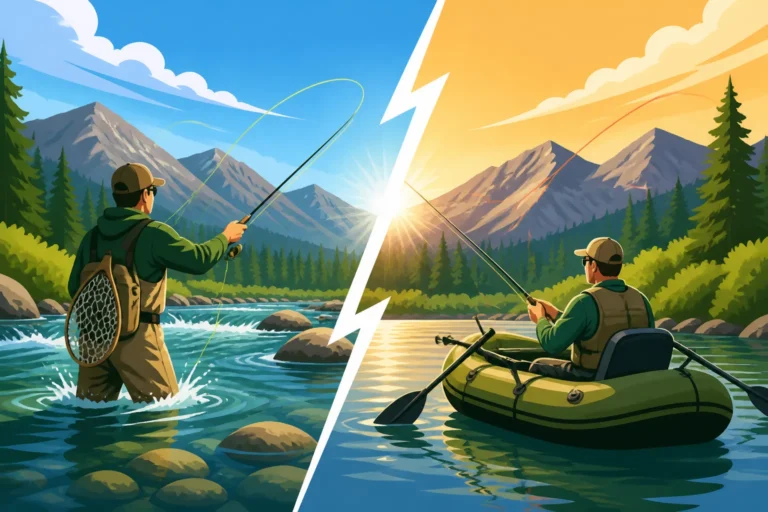
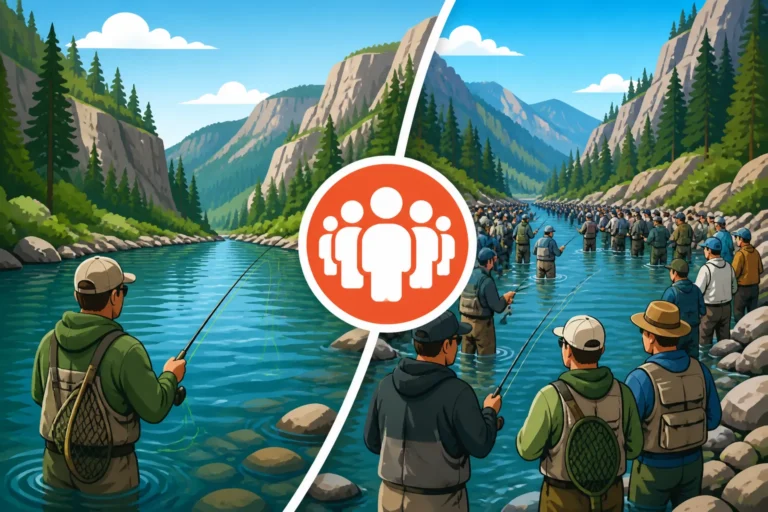
Wade fishing in Glenwood Canyon is often limited to specific, accessible points, which can quickly become crowded, especially during peak season. Float fishing, on the other hand, unlocks miles of prime, undisturbed water. It allows you to systematically drift through runs, eddies, and seams that hold fish, giving you the best chance to present your flies or lures effectively to trout that rarely see an angler.
Imagine drifting silently past a massive cliff face, casting a streamer into a deep, dark eddy, and feeling the powerful tug of a large brown trout. Or, perhaps, presenting a tiny dry fly to a rising rainbow in a calm side channel that would be impossible to reach on foot. Floating isn't just about covering distance; it's about gaining strategic advantage and experiencing the river in its entirety, moving with its currents and observing its hidden pockets of life. It’s an efficient way to fish and a deeply immersive way to connect with this incredible landscape, making the effort of planning a float trip truly worthwhile.
Essential Gear and Preparations for a Successful Float Trip
Embarking on a float trip through Glenwood Canyon means you're committing to several hours, if not a full day, on the water. Proper preparation and the right gear aren't just about comfort; they're about safety and maximizing your fishing success.
Choosing the Right Watercraft
The type of boat you choose will heavily influence your experience and capabilities in Glenwood Canyon.
- Rafts: These are incredibly stable and forgiving, especially in turbulent water and rapids. They offer ample storage space for gear, coolers, and multiple anglers. Modern fishing rafts often feature casting frames, making them ideal for fly fishing. Their stability makes them a top choice for those less experienced with navigating swift currents or for groups. However, they can be slower to maneuver and require more effort to row upstream or hold position in strong currents.
- Drift Boats: These purpose-built fishing vessels are designed for precise maneuvering in rivers. Their flat bottoms allow them to glide effortlessly, and their rocker (curve of the hull) makes them highly responsive to oar strokes, allowing for precise drifts and quick adjustments. They offer excellent visibility for anglers and are fantastic for covering water while maintaining control. They are generally less forgiving than rafts in very rocky or turbulent sections and require a skilled oarsman.
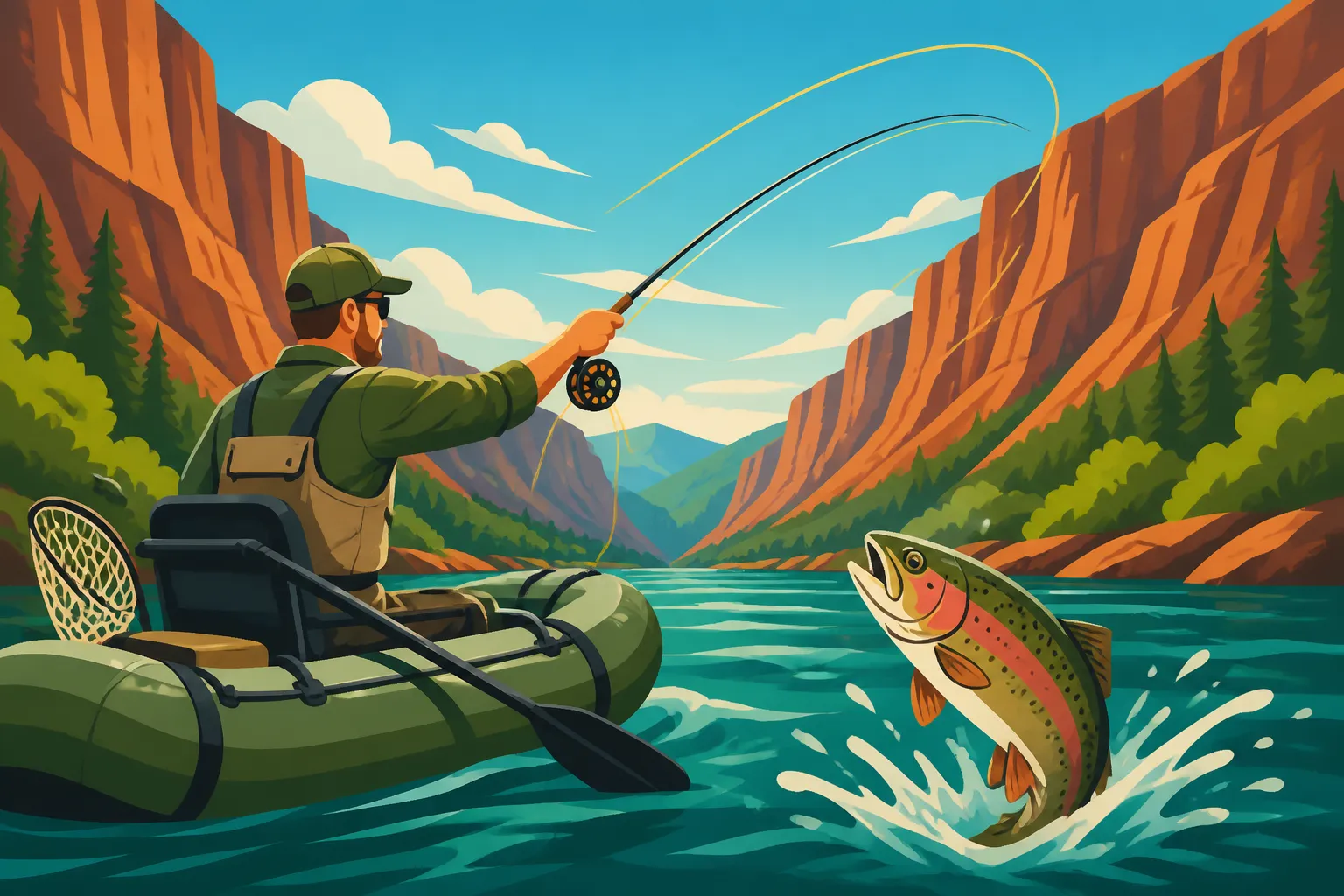
- Inflatable Kayaks (Duckies): For the adventurous solo angler or a pair, inflatable kayaks can offer a more intimate and nimble experience. They are highly maneuverable and can navigate tighter channels. However, they offer less storage, and their lower profile can make casting more challenging in some situations. Safety is paramount with duckies, as you are closer to the water and less stable than in a raft or drift boat.
No matter your choice, always ensure your boat is in excellent condition, and you have all required safety gear. This includes Coast Guard-approved Personal Flotation Devices (PFDs) for everyone on board (worn at all times!), a throw bag with rescue rope, a spare oar/paddle, a first-aid kit, and a boat repair kit.
Recommended Fishing Tackle and Techniques
Glenwood Canyon's diverse water types mean you'll want a versatile tackle setup.
- Fly Fishing:
- Rods: A 5-weight rod is a good all-around choice for nymphing and smaller dry flies, but a 6 or 7-weight can be beneficial for casting larger streamers, handling bigger fish, and dealing with potential wind in the canyon.
- Flies: Be prepared for all three major categories.
- Nymphs: Think heavier, high-profile patterns like Pat's Rubber Legs, Copper Johns, Prince Nymphs, and Pheasant Tails. The deep, turbulent water often requires weight to get your flies down quickly. Having a good selection of midge patterns will also serve you well, especially in colder months. Check out our guide on Nymphing Techniques for Colorado Tailwaters for more in-depth strategies.
- Streamers: Woolly Buggers, Sculpzillas, and articulated patterns in olive, black, white, and brown are excellent for enticing aggressive brown trout, especially in deeper pools and along cut banks.
- Dry Flies: During the warmer months, hatches can be prolific. Carry a variety of Caddis, Mayfly (BWO, Green Drake, PMD), and Stonefly patterns. Having a few larger terrestrials like hoppers and ants for late summer can also be a game-changer. Our Dry Fly Fishing Colorado's Freestone Rivers article provides more insights.
- Leaders and Tippet: A 9-foot leader tapering to 3X or 4X is a good starting point. Carry spools of 3X, 4X, and 5X tippet to adjust to water clarity and fly size.
- Spin Fishing:
- Rod/Reel: A medium-light to medium action spinning rod (6-7 feet) paired with a reel spooled with 6-10 lb test monofilament or braided line is ideal.
- Lures: Small spinners (Mepps, Panther Martin), spoons (Kastmasters, Dardevles), and soft plastic swimbaits or tube jigs rigged on jig heads are highly effective. Focus on natural colors like silver, gold, black, and olive, but don't shy away from brighter colors in off-color water.
- Bait: Live bait is allowed in many sections of the Colorado River, but always check the current Colorado Fishing Regulations Every Angler Should Know for specific restrictions in your chosen stretch. Worms, PowerBait, and salmon eggs are perennial favorites for trout.
Bring plenty of extra flies, lures, weights, and tippet, as snags are common in a dynamic river environment like Glenwood Canyon.
Safety Considerations and River Ethics
Safety must be your absolute priority. The Colorado River, particularly through the canyon, can be powerful and unforgiving.
- Always wear your PFD. Even strong swimmers can be overwhelmed by cold water or unexpected hazards.
- Know your river. Understand the location of major rapids and potential hazards like strainers (downed trees that can trap a boat) or sweepers (low-hanging branches). The Shoshone Rapids section, in particular, requires strong rowing skills or portaging for most recreational anglers.
- Check the weather forecast. Mountain weather can change rapidly. Be prepared for sun, rain, wind, and sudden temperature drops.
- Hydrate and fuel. Bring plenty of water and snacks.
- Leave No Trace. Pack out everything you pack in, including all trash and fishing line. Respect wildlife and other river users.
- Respect private property. Much of the land bordering the river is private. Only access the river at designated public put-in and take-out points.
- Familiarize yourself with Colorado Parks and Wildlife regulations regarding Colorado Fishing Season Dates and Bag Limits and special restrictions within the canyon. If you ever have questions about specific rules, especially about what fish species are legal to keep, consulting their official brochure is always the best bet.
Navigating the Canyon: Access Points and Logistics
Planning a float trip means carefully considering your entry and exit points, understanding the river's moods, and ensuring all your paperwork is in order.
Key Put-In and Take-Out Locations
The Colorado River through Glenwood Canyon offers several convenient public access points, allowing for various float durations and experiences.
- Dotsero (Put-In): Located upstream of the main canyon, this is a popular starting point for longer floats. From Dotsero, you can float all the way to Glenwood Springs, a journey that can take a full day or even two if you plan to camp (though camping options directly on the river in the canyon are limited). This section offers a mix of open stretches and some canyon characteristics before entering the more dramatic Glenwood Canyon.
- Grizzly Creek (Put-In/Take-Out): This is a very common access point within Glenwood Canyon. If you're looking for a shorter float through the core of the canyon, putting in here and taking out at Two Rivers Park in Glenwood Springs is a popular choice. The float from Grizzly Creek to Glenwood Springs typically takes 2-4 hours, depending on flow rates and how much you stop to fish. It includes some exciting rapids, most notably the Shoshone section, which rafters often navigate, but float fishermen need to be prepared for or consider portaging.
- South Canyon (Take-Out): Just west of Glenwood Springs, South Canyon is another potential take-out, especially if you're looking to extend your float beyond the main town or if Two Rivers Park is too busy.
- Two Rivers Park (Glenwood Springs – Take-Out): This is the most common and convenient take-out point for floats through the canyon. It offers ample parking, easy access to town amenities, and a direct exit from the river.
Shuttle Logistics:
The biggest logistical hurdle for float trips is the shuttle. You'll need a vehicle at both your put-in and take-out points.
- Self-Shuttle: If you have two vehicles, you can drop one at the take-out, drive the other to the put-in, float down, and then retrieve your other vehicle. This requires careful planning and time.
- Hiring a Shuttle Service: Many local outfitters and fly shops in Glenwood Springs offer shuttle services. This is often the easiest and most stress-free option. Companies like Glenwood Canyon Rafting or other local guide services can often arrange this for you. Sometimes, even if you don't book a guided trip, they'll just move your car.
- Guided Trips: For the ultimate convenience and expert local knowledge, consider booking a guided float trip. Reputable outfitters like those found on platforms like FishingBooker can provide all the gear, boat, guide, and handle all shuttle logistics. This is particularly recommended for those new to floating the Colorado River. Our guide on Hiring a Fishing Guide in Colorado, What to Expect can help you determine if this is the right option for you.
Understanding Flow Rates and Their Impact
The Colorado River's flow rate, measured in cubic feet per second (CFS), is arguably the most critical factor influencing your float trip. It affects everything from safety and navigation to fishing conditions. You can check current and historical flows on USGS water data websites (e.g., USGS 09085000 Colorado River near Dotsero, CO or USGS 09086000 Colorado River at Glenwood Springs, CO).
- Low Flows (below 1,000 CFS): The river will be slower, potentially exposing more rocks and making navigation more challenging for larger boats. Float times will be longer. Fishing can be excellent as fish are concentrated, but they might also be warier in clearer, shallower water.
- Moderate Flows (1,000 – 3,000 CFS): This range often represents ideal conditions. The river is swift enough for good floats, but not so fast that it becomes dangerous or difficult to fish. Rapids are manageable, and fish are generally active.
- High Flows (3,000 – 8,000+ CFS): During spring runoff, flows can become very high, fast, and often murky. Floating can become significantly more challenging and dangerous, with rapids becoming much more powerful. Fishing can be tough due to reduced visibility and fish spreading out, though some anglers find success with large, dark streamers fished near the banks. It's crucial to exercise extreme caution or avoid floating altogether during peak runoff if you're not highly experienced. Our article on When Colorado's Spring Runoff Hits and How to Fish Around It has more information.
Always check the current CFS before heading out. If flows are exceptionally high or low, it might be wise to reschedule or choose a different section of river that's more suitable.
Essential Regulations and Permits
Beyond your basic fishing gear and boat, you'll need to ensure you're compliant with all Colorado Parks and Wildlife (CPW) regulations.
- Colorado Fishing License: Everyone aged 16 and older needs a valid Colorado fishing license. Non-residents have various options, from annual to shorter-term licenses like the one-day or five-day. Our guide on the Colorado Fishing License Guide for Residents and Nonresidents covers all the details. Be aware of the requirements for Colorado's Habitat Stamp, Explained as well, which is often required in addition to your license. Make sure you know What Happens If You Fish in Colorado Without a License, as penalties can be steep.
- River Regulations: While the Colorado River is generally managed under statewide regulations, always double-check the current CPW fishing brochure for any specific regulations pertaining to the Glenwood Canyon section. These might include special restrictions on bait, barbless hooks, or specific catch-and-release rules for certain species or stretches. While Gold Medal Waters often have stricter rules, even non-Gold Medal stretches can have unique rules.
- No Specific Floating Permits: For public access points along the Colorado River, you typically don't need a special floating permit beyond your fishing license. However, if you are accessing through private land, you will need permission. If you use state parks for access or parking, a State Parks pass might be required, but most common put-ins and take-outs for Glenwood Canyon floats are not within state parks. Always be vigilant about posted signs.
Targeting Fish Species and Techniques in Glenwood Canyon
Once you're on the water, understanding where fish hold and how to present your offering is key to a successful day. Glenwood Canyon offers diverse habitats, and adapting your strategy to each will yield the best results.
Master the Art of River Reading
The ability to "read" the river is perhaps the most valuable skill for any angler, especially when float fishing. As you drift, constantly scan the water for clues.
- Seams: Look for areas where fast current meets slower water. Trout often lie in the slower water, waiting for food to drift by in the faster current. These are prime feeding lanes.
- Eddies: These are pockets of still or slow water, often found behind large rocks, logs, or along inside bends of the river. Fish will conserve energy here and dart out to grab passing food. Casting into the upstream side of an eddy and letting your fly swing through is often very effective.
- Current Breaks: Any structure that breaks the current, like a large boulder, a log jam, or even a subtle change in the riverbed, can create a holding lie for trout.
- Riffles and Runs: These are faster, shallower sections where the water tumbles over rocks, oxygenating the water and dislodging insects. Trout will feed actively in the deeper parts of these sections.
- Pools: Deeper, slower sections of the river. Larger fish, especially brown trout, often hold in these areas, particularly near the bottom or under cut banks.
A good practice is to always think like a trout: Where would I find food with the least amount of energy expenditure, and where would I feel safe from predators? Our guide to Reading Water on a Colorado Freestone River offers even more detailed tips.
Strategies for Brown Trout and Rainbow Trout
Both brown trout and rainbow trout thrive in Glenwood Canyon, but they often prefer slightly different habitats and respond to different techniques.
- Brown Trout: These elusive and often larger fish tend to be more wary and predatory. They prefer holding in deeper, slower water, under cover like submerged logs, cut banks, or large boulders.
- Techniques: Streamer fishing is highly effective for browns, especially during lower light conditions or in slightly off-color water. Try stripping Woolly Buggers, articulated streamers, or large baitfish imitations along seams, into eddies, and under banks. Nymphing with larger, heavier patterns that imitate stoneflies or caddis larvae can also entice them. During the fall, as they prepare for their spawning season, brown trout become particularly aggressive and susceptible to streamers. You can learn more about their behavior in our article on Brown Trout Spawning Season in Colorado and find more specific tips in Streamer Fishing for Colorado Brown Trout.
- Rainbow Trout: Rainbows are generally more active feeders, often found in faster riffles, runs, and the heads of pools where oxygen levels are high and food drifts by consistently.
- Techniques: Nymphing is incredibly effective for rainbows, especially with dropper rigs using smaller, natural patterns like Pheasant Tails, Hare's Ears, and various midge imitations. When hatches occur, dry fly fishing can be spectacular. Look for rising fish in calmer sections, along bank edges, or in the slicks behind current breaks. Be sure to have patterns for common canyon hatches like Caddis, Blue-Winged Olives, and sometimes Green Drakes. Our Fly Selection for Colorado's Caddis Hatch guide can give you some excellent starting points.
Seasonal Considerations for Peak Fishing
The fishing in Glenwood Canyon changes dramatically with the seasons, offering unique opportunities throughout the year.
- Spring (March – May): Pre-runoff conditions can offer excellent nymphing, especially with stonefly and midge patterns. As water temperatures rise, Blue-Winged Olives (BWOs) might start to hatch on warmer days. This is a great time before the big crowds hit. Once runoff begins in late May or early June, the river can become high and off-color, making fishing challenging and potentially unsafe for floating.
- Summer (June – August): Once runoff subsides and the river clears and drops, summer is prime time. Caddis hatches are prolific, often prompting aggressive dry fly action. Terrestrials like hoppers and ants become important patterns as summer progresses. Early mornings and late evenings are often best, especially on warmer days.
- Fall (September – November): Many consider fall to be the absolute best time for trophy trout in Glenwood Canyon. As temperatures cool, brown trout become incredibly active and aggressive, feeding heavily before their spawn. Streamer fishing is outstanding, but don't neglect nymphing or even dry flies during mid-day midge or BWO hatches. The fall colors in the canyon are also simply stunning.
- Winter (December – February): While colder, winter fishing can be surprisingly good, especially on milder days. The river flows are typically stable and clear. Focus on deep nymphing with small midge patterns and subtle presentations. Finding slower, deeper pools where fish are concentrated can lead to productive days. Our article on Winter Fishing on Colorado's Tailwaters shares tactics that are often applicable to canyon fishing during the colder months.
| Float Section | Put-In | Take-Out | Approx. Duration (Moderate Flow) | General Difficulty | Primary Fish Species | Notes |
|---|---|---|---|---|---|---|
| Dotsero to Grizzly | Dotsero | Grizzly Creek | 4-6 hours | Moderate | Brown, Rainbow, Whitefish | Longer float, mix of open and canyon sections. |
| Grizzly Creek to Glenwood Springs | Grizzly Creek | Two Rivers Park | 2-4 hours | Moderate-Challenging | Brown, Rainbow, Whitefish | Core canyon experience, includes Shoshone Rapids. |
| Glenwood Springs to South Canyon | Two Rivers Park | South Canyon Bridge | 1-2 hours | Easy | Brown, Rainbow, Whitefish | Shorter, calmer float, convenient for town access. |
Remember that these durations are approximations and can vary greatly depending on river flows, how much time you spend fishing, and your paddling/rowing speed. Always prioritize safety over speed.
Disclaimer
Please note that fishing regulations, conditions, and access points can change. Always consult the most current Colorado Parks and Wildlife regulations and local resources before planning any fishing trip. Safety should always be your top priority on the river.