Fishing Navajo Reservoir on the Colorado-New Mexico Border
It's incredibly frustrating when you're planning a fishing trip to a large reservoir that straddles state lines, only to realize the licensing and regulations become a confusing tangle of "do I need one or two?" and "which state's rules apply?". Navajo Reservoir, sitting right on the Colorado-New Mexico border, is a prime example of this unique challenge. This guide will walk you through everything you need to know to confidently cast your line on this incredible body of water, from understanding the peculiar rules to targeting its diverse fish species and finding the best spots.
Understanding Navajo Reservoir's Unique Location and Regulations
Navajo Reservoir isn't just a big lake; it's a sprawling, beautiful expanse of water that actually lies partially within two different states. This geographical quirk means that what seems like a simple fishing trip can quickly become complicated if you're not prepared for the jurisdictional nuances. Many anglers, especially those visiting from out of state, find themselves scratching their heads, wondering if they need two licenses or if one will suffice. It’s a completely valid concern, as ignorance of the law can lead to hefty fines and a ruined day on the water.
The Colorado-New Mexico Border Situation
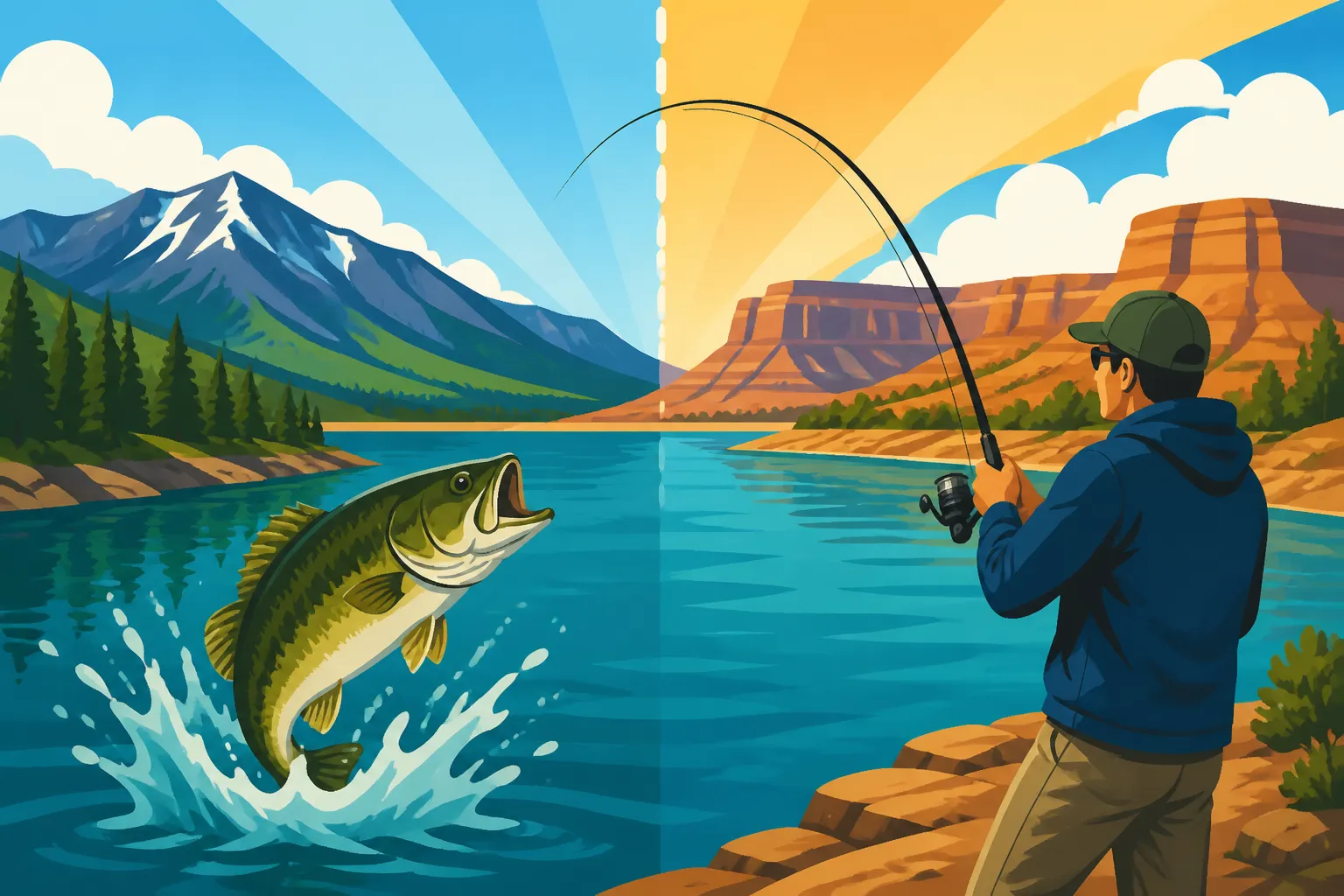
Navajo Reservoir is formed by the damming of the San Juan River, with its northern arm extending into southern Colorado and the bulk of it residing in New Mexico. This cross-state presence creates a unique, yet navigable, regulatory landscape for anglers. Imagine launching your boat from the Colorado side, drifting south, and suddenly finding yourself in New Mexico waters. Does your Colorado license still cover you? Or do you need to pull out your wallet for a New Mexico permit? The good news is that Colorado Parks and Wildlife (CPW) and the New Mexico Department of Game and Fish (NMDGF) have a reciprocal agreement in place to simplify things. This agreement is a huge relief for anyone who loves the freedom of exploring a large body of water without constantly worrying about invisible state lines.
Essentially, a valid fishing license from either Colorado or New Mexico is honored on the entire reservoir, encompassing all submerged lands and surrounding banks. This means you don't need to purchase two separate state licenses to fish Navajo. However, it's critical to understand that while your license is valid, the specific regulations you must adhere to depend on which state's jurisdiction you are primarily operating within. For example, if you launch your boat from a New Mexico ramp, you're expected to follow New Mexico's creel limits and tackle restrictions, even if you drift into Colorado waters. Conversely, if you're fishing from the Colorado shore, you'd abide by Colorado's rules. Always carry proof of residency for the state where your license was issued, especially if you're trying to leverage Resident vs Nonresident Fishing Licenses in Colorado The best advice is to familiarize yourself with both states' general regulations, particularly concerning bag limits and prohibited species, to avoid any mishaps. It’s a bit of a dance, but once you get the rhythm, it becomes second nature.
Licensing Requirements for Both States
While the reciprocal agreement simplifies the need for only one license, understanding the specific requirements for obtaining that license is still important. If you choose to get a Colorado license, you'll need to know the details regarding options like Colorado's Annual, One-Day and Five-Day License Options. For example, if you're just visiting for a long weekend, a short-term license might be perfect. You'll also need to consider Colorado's Habitat Stamp, which is required for most anglers aged 18 to 64. If you opt for a New Mexico license, similar considerations apply, and it's always wise to check their current fee schedule and regulations booklet.
The process for purchasing a license is straightforward, whether you're going through Colorado or New Mexico. Both states offer online purchasing options, and you can often find licenses at local sporting goods stores or marinas near the reservoir. For Colorado, you can typically purchase a Colorado Fishing License Guide for Residents and Nonresidents. Remember, it's not enough to simply purchase a license; you must have it with you while fishing, either a physical copy or a digital version on your phone. Game wardens from both states patrol the reservoir, and they will absolutely ask to see your license. Failure to produce a valid license can result in significant penalties, including fines and the loss of fishing privileges. Don't let a simple oversight ruin your trip; double-check all your documents before you head out.
Species to Target and Best Times to Fish Navajo Reservoir
Navajo Reservoir is a genuine angler's paradise, offering a diverse array of fish species that will challenge and delight any level of fisherman. From aggressive predatory fish to panfish perfect for a family outing, there's something here for everyone. Knowing what's biting when, and where, is the key to a truly successful trip on these expansive waters.
Popular Fish Species and Their Habits
Navajo Reservoir boasts an impressive variety of fish, but perhaps its most sought-after inhabitants are Walleye, Smallmouth Bass, and Northern Pike. These three species draw anglers from across the region, each offering a unique challenge and a delicious reward. Walleye are known for their elusive nature and excellent table fare. They tend to hang out in deeper, cooler waters, often near structure like submerged points, humps, or old river channels. During low light conditions, such as dawn, dusk, or overcast days, they'll move shallower to feed. Anglers often find success targeting them with jigs, crankbaits, or by trolling with worm harnesses.
Smallmouth Bass, on the other hand, are aggressive fighters that thrive in the rocky, clear water conditions of Navajo. They love to ambush prey from rocky outcrops, ledges, and submerged timber. Topwater lures during early morning or late evening can be incredibly exciting, while jigs, tubes, and spinnerbaits work well throughout the day when fished around structure. Then there's the Northern Pike, the undisputed apex predator of the reservoir. These toothy critters are ambush hunters, often found lurking in weed beds or along sharp drop-offs, waiting to explode on unsuspecting prey. Big spoons, spinnerbaits, and even large fly patterns are effective for pike. Be prepared with heavy leaders and a good set of pliers, as their sharp teeth can make short work of light tackle. Beyond these three, you'll also find healthy populations of Crappie, Bluegill, and occasional Rainbow Trout, especially near cooler inlets. The Colorado Daily Bag Limits by Species, along with New Mexico's, will vary, so always check the latest regulations for each species you plan to keep.
Seasonal Fishing Strategies
The fishing at Navajo Reservoir changes dramatically with the seasons, making it a year-round destination if you know how to adapt your approach. Spring (April-May) is a fantastic time, especially as water temperatures begin to rise. This is when many fish, like Walleye and Crappie, move into shallower areas for spawning, making them more accessible. Smallmouth bass also become highly active, aggressively feeding after the long winter. This is a great time for casting jerkbaits and jigs along shorelines and rocky points. However, be mindful of specific spawning closures or restrictions for certain species in both Colorado and New Mexico.
Summer (June-August) sees the water warm up considerably, pushing many fish into deeper, cooler water, particularly during the heat of the day. Early mornings and late evenings become prime time for topwater action with bass and pike, while trolling deep-diving crankbaits or using downriggers is effective for targeting deeper-holding walleye. This is also a popular time for family outings, with plenty of opportunities for catching panfish like bluegill and crappie from docks or shallower coves. In late summer, as oxygen levels can sometimes deplete in certain areas, fish might concentrate near main lake points or where cooler water enters the reservoir.
Fall (September-November) is often considered one of the best times to fish Navajo Reservoir. As water temperatures begin to cool, many species go on a feeding frenzy in preparation for winter. Walleye and pike become incredibly active, chasing baitfish in shallower depths again. This is when those large spoons and crankbaits can really shine. Smallmouth bass will also be feeding heavily, often schooling up. The cooler weather also means fewer crowds, offering a more peaceful angling experience.
Finally, Winter (December-March) brings ice fishing opportunities, although typically only on the Colorado portion of the reservoir and specific coves in New Mexico that freeze reliably. This is a highly specialized pursuit, and safety is paramount, as ice thickness can vary. When conditions are safe, jigging for perch, crappie, and even walleye through the ice can be very productive. Always check local ice conditions and never venture out alone. No matter the season, checking Colorado Fishing Seasons Month by Month can give you a general idea of trends, but always remember to apply that knowledge specifically to Navajo's unique two-state environment.
Key Fishing Techniques and Access Points on Navajo Reservoir
To truly unlock the potential of Navajo Reservoir, you need to understand the techniques that work best for its primary species and know how to get your boat, or yourself, to the prime fishing grounds. A little local knowledge about where to launch and what methods to employ can dramatically increase your chances of a memorable catch.
Effective Methods for Different Species
Successfully fishing Navajo Reservoir means having a few different techniques in your arsenal. For Walleye, one of the most consistent methods is trolling. This involves slowly pulling lures or bait rigs behind a boat, covering a lot of water until you find where the fish are holding. Popular trolling setups include bottom bouncers with worm harnesses, crankbaits that dive to specific depths, or spoons. Vary your speed and depth until you get a strike. Jigging is another highly effective method, especially when walleye are concentrated around submerged structure. A ¼ to ½ ounce jig tipped with a plastic grub or a live minnow can be deadly when vertically fished over underwater humps or along drop-offs. Pay close attention to your electronics to locate schools of fish.
When it comes to Smallmouth Bass, versatility is key. Early in the morning or late in the evening, try casting topwater lures like poppers, walk-the-dog baits, or prop baits near rocky shorelines and submerged timber. The explosive strikes on topwater are truly exhilarating. Throughout the day, when bass move deeper, switch to finesse techniques like drop-shotting or Texas-rigging soft plastics around structure. Small crankbaits and spinnerbaits are also excellent search baits to cover water and locate active fish.
For the ferocious Northern Pike, you'll want to use larger, more aggressive presentations. Casting big spoons, spinnerbaits, or even oversized crankbaits into weed beds or along sudden depth changes can provoke violent strikes. Fly fishing with large streamer patterns can also be incredibly productive for pike, offering an exhilarating fight on appropriate gear. Remember to use a wire leader to prevent bite-offs. If you’re looking to hire some help, many local guides, which you can often find listed on platforms like FishingBooker, specialize in these specific techniques and species. They can provide invaluable insight and gear specifically suited for Navajo. Understanding Trolling Techniques for Colorado Reservoirs, even if the information isn't specific to Navajo, can still offer general insights applicable to this large body of water.
Boat Ramps and Shoreline Access Considerations
Navajo Reservoir offers several excellent boat ramps and various points for shoreline access, but it's important to know their locations and any associated fees or restrictions. On the New Mexico side, the primary access points are through Navajo Lake State Park. Here you'll find several well-maintained boat ramps, including those at Two Rivers Marina, Pine River Recreation Area, and Sims Mesa. Two Rivers Marina is particularly popular, offering full services, including boat rentals, supplies, and fuel. These state park areas generally require a day-use fee or a New Mexico State Parks pass. The convenience of these ramps makes launching larger boats easy, providing direct access to the main body of the reservoir and its deeper sections.
For those looking for shoreline fishing, the state park areas also offer numerous accessible spots, often near campgrounds or picnic areas. These areas can be great for targeting panfish, trout, or even bass that cruise the shallower margins. Always be mindful of private property signs, especially outside of designated public access areas.
On the Colorado side, access is a bit more limited, but still available. The Tiffany Recreation Area provides boat launching and camping facilities, primarily serving the northern arm of the reservoir that extends into Colorado. This area is less developed than the New Mexico side, offering a more rustic experience. While boat ramps are available, always check current water levels, as they can fluctuate and impact usability. Whether you're launching a boat or fishing from shore, remember that you might be subject to either Colorado or New Mexico regulations depending on your specific location and actions, as discussed earlier. Confirming Best Boat Ramps on Navajo Reservoir, even if a long-tail post itself, points to the type of specific information that's invaluable for planning. You can also explore options for Hiring a Fishing Guide in Colorado, What to Expect, as many guides operate out of both sides of the border.
Essential Gear and Tips for a Successful Navajo Reservoir Trip
Embarking on a fishing adventure to Navajo Reservoir means being prepared for its vastness and variety. Having the right gear, understanding local nuances, and prioritizing safety will not only enhance your success but also ensure a more enjoyable and stress-free experience on the water.
Must-Have Equipment for Reservoir Fishing
Equipping yourself properly for Navajo Reservoir can make all the difference. Given the reservoir's size and diverse fisheries, a versatile setup is usually best. For boat anglers, a dependable fishing boat is crucial, ideally one equipped with a good fish finder (sonar) and GPS. These tools are invaluable for locating structure, identifying schools of fish, and navigating the expansive waters, especially when you’re targeting deeper-dwelling species like walleye or lake trout (though lake trout are less common here than, say, in Colorado's Blue Mesa Reservoir). A trolling motor can also be a game-changer for precise boat control while working shorelines or holding over a hot spot.
Your rod and reel setup should be robust enough to handle potentially large fish. A medium to medium-heavy spinning rod or baitcasting setup, ranging from 6'6" to 7'6" in length, spooled with 8-15 lb test line (braided main line with a fluorocarbon leader is a popular choice) will cover most scenarios. Bring a variety of lures and baits tailored to the species you're targeting:
- Walleye: Jigs (1/4 to 1/2 oz), crankbaits (deep-diving and shallow-running), worm harnesses, and spinner rigs.
- Smallmouth Bass: Jigs, tubes, spinnerbaits, topwater lures, and soft plastic baits (worms, creature baits).
- Northern Pike: Large spoons (Daredevils, Five of Diamonds), spinnerbaits, and heavy-duty crankbaits.
- Panfish (Crappie, Bluegill): Small jigs, grubs, and live bait like minnows or worms under a bobber.
Don't forget essential accessories: needle-nose pliers (especially for pike!), line cutters, a quality landing net, and a cooler for your catch. Sunglasses, sunscreen, a hat, and appropriate layers of clothing are also vital, as weather conditions on large reservoirs can change quickly.
Local Insights and Safety Advice
Navajo Reservoir, like any large body of water, demands respect and preparedness. One crucial local insight is understanding how fluctuating water levels can affect fishing and access. Drought conditions or heavy runoff can significantly alter shorelines and make certain boat ramps unusable. Always check current conditions with the state parks or local marinas before you go. Additionally, the reservoir can get quite windy, particularly in the afternoons. Strong winds can make boating hazardous and fishing challenging, so paying attention to weather forecasts is critical. Many anglers prefer to be on the water early in the morning before the wind picks up.
Safety should always be your top priority. Ensure everyone on board has a properly fitting personal flotation device (PFD). Carry all required safety equipment for your vessel, including fire extinguishers, signaling devices, and navigation lights if you plan to be out after dark. Inform someone of your float plan, including where you're going and when you expect to return. Remember that cell service can be spotty in certain parts of the reservoir. If you're new to the area or prefer a guided experience, considering a charter through services like FishingBooker can offer a safe, educational, and productive day on the water, as they provide all the necessary safety gear and local expertise. Whether you're a Colorado resident checking Colorado Fishing Regulations Every Angler Should Know, or a visitor, never underestimate the power of these vast waters.
Disclaimer
Please be aware that fishing regulations, license costs, and seasonal restrictions can change frequently. While this guide provides comprehensive information, it is always your responsibility to consult the most current regulations published by Colorado Parks and Wildlife and the New Mexico Department of Game and Fish before heading out on Navajo Reservoir.